How To Level A Bumpy California Lawn With Just A Rake And A Shovel
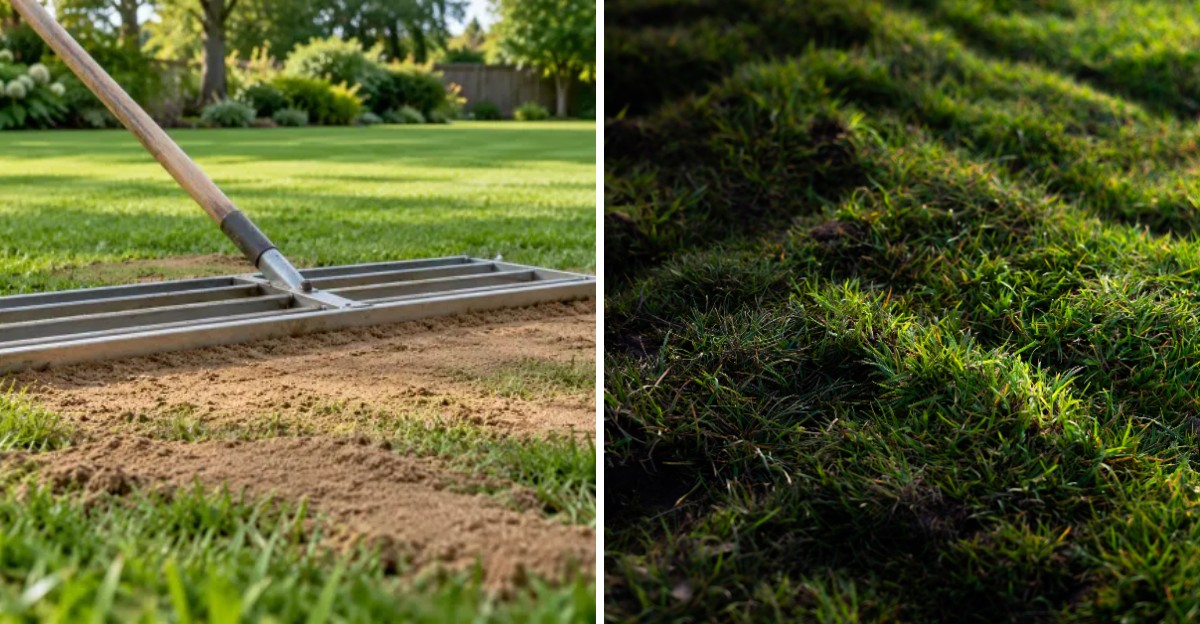
Fresh fan-shaped dirt piles with a plugged hole off to one side usually point to gophers, while rounder volcano-shaped mounds suggest moles. Knowing which digger left the mess matters, since smoothing a yard without stopping the culprit rarely lasts.
Shallow dips under about half an inch can be filled with thin layers of sandy loam, as long as the grass tips still poke through. Deeper holes call for slicing an H shape in the turf, folding it back, and adding soil underneath.
Confession time: I’ve twisted an ankle on the same sneaky lawn dip more than once. You might notice your bare feet find hollows that your eyes completely miss.
Plenty of lumpy California yards hide simple culprits like sunken sprinkler lines, thick thatch, or old tree roots. A rake, a shovel, and the right timing for your grass type could have yours looking smooth again by next season.
Those Lawn Lumps Are Easier To Smooth Than You Expect
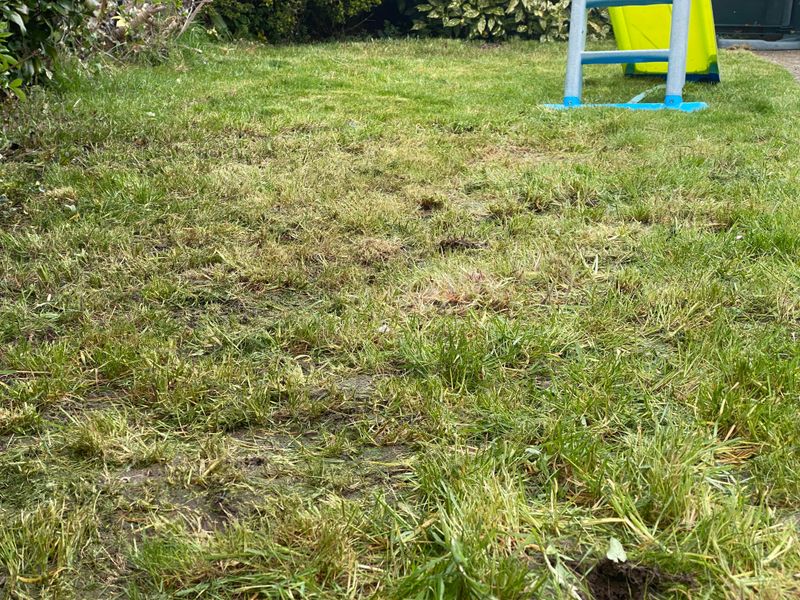
Most bumps in a home lawn are shallow problems sitting on top of decent soil. That means you can fix them without tearing anything out.
The trick is called topdressing. You spread a thin layer of soil mix over low spots, then let the grass grow up through it. Over a few weeks, the dips fill in and the surface evens out.
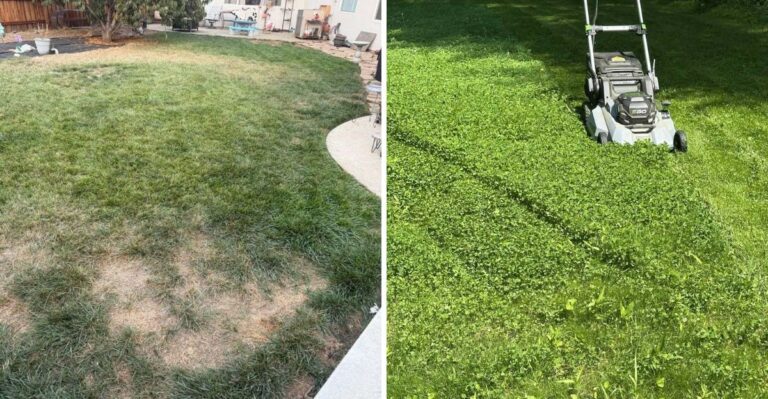
Before you grab a tool, walk the yard slowly in bare feet or soft shoes. Your feet will notice hollows your eyes miss. Lay a long, straight board across suspicious areas to see how deep the gaps really are.
Shallow dips under about half an inch are perfect for topdressing alone. Deeper holes, usually over an inch, need a different move with your shovel, which we will cover later.
Also look for the cause. Fresh crescent-shaped mounds often point to gophers, while long sunken lines may follow old trenches or irrigation pipes. Spongy areas can signal thick thatch or a leaky sprinkler.
Fixing the surface without fixing the cause is like mopping under a dripping faucet. Spend ten minutes playing detective first. Your leveling work will last much longer, and you will feel a lot smarter doing it.
A Shovel Full Of The Right Soil Mix Makes All The Difference
Ever bought a bag of the wrong dirt and watched it crust over like a stale cookie? I have, and the grass hated it.
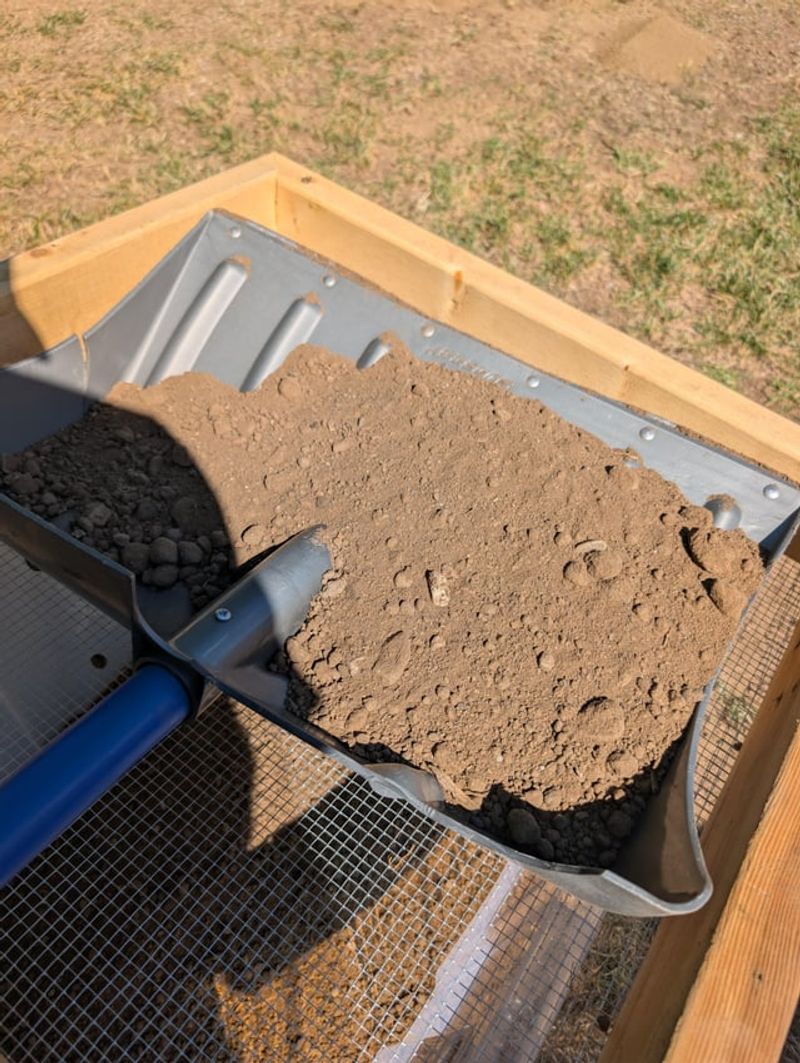
Your leveling mix should match or gently improve your native soil. A common blend is sandy loam, often around 70 to 80 percent washed sand mixed with compost or screened topsoil. It spreads easily, settles firmly, and lets water through.
Here is where California soil matters. Inland valleys and many older neighborhoods sit on heavy clay. If you dump pure sand on clay, you can create layers that trap water and confuse roots.
For clay yards, lean toward screened topsoil mixed with compost. Sandy coastal soils handle a sand-heavy blend just fine.
Avoid mixes with clumps, rocks, or weed seeds. Screened material flows between grass blades much better than chunky garden soil.
Plan on roughly one cubic yard to cover about 1,000 square feet at a quarter-inch depth. Smaller jobs can use bagged mixes from a garden center.
Mix your blend in a wheelbarrow with the shovel until the color looks even. Slightly dry material spreads best, so skip watering it ahead of time.
Spread And Drag The Mix With Your Landscape Rake
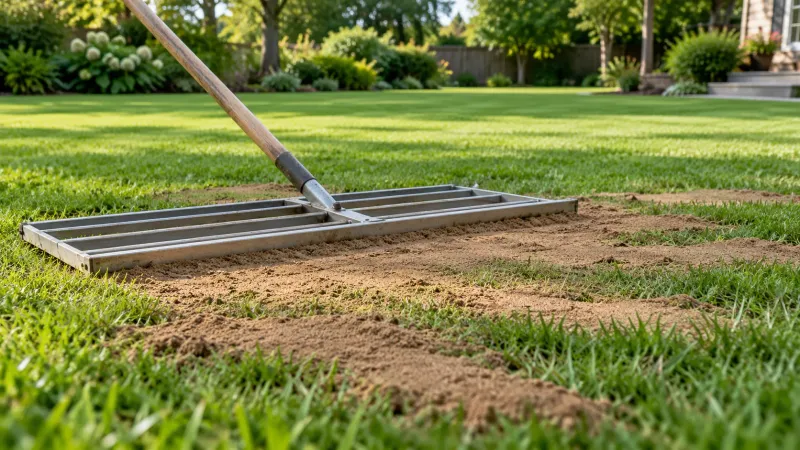
Now comes the satisfying part, and yes, it feels a little like frosting a giant green cake.
Use your shovel to drop small piles of mix right onto the low spots. Keep the piles modest so you do not bury the grass in one heavy heap.
Flip your rake over and use the flat back side to push and pull the material across the area. A wide landscape rake works best, but a sturdy garden rake does the job too. Work in different directions so the soil sifts down between the blades.
Keep each layer thin, about one quarter to one half inch. The grass tips should still poke through when you finish. Buried grass can yellow and struggle, while grass with its tips showing grows up through the new soil quickly.
For very low areas, resist the urge to fill them all at once. Several thin rounds a few weeks apart beat one thick layer.
Finish by brushing the surface lightly with the rake tines. Then water gently so the mix settles into place without washing away. A soft shower setting on your hose works great here.
Deep Holes Need The Lift And Fill Sod Trick
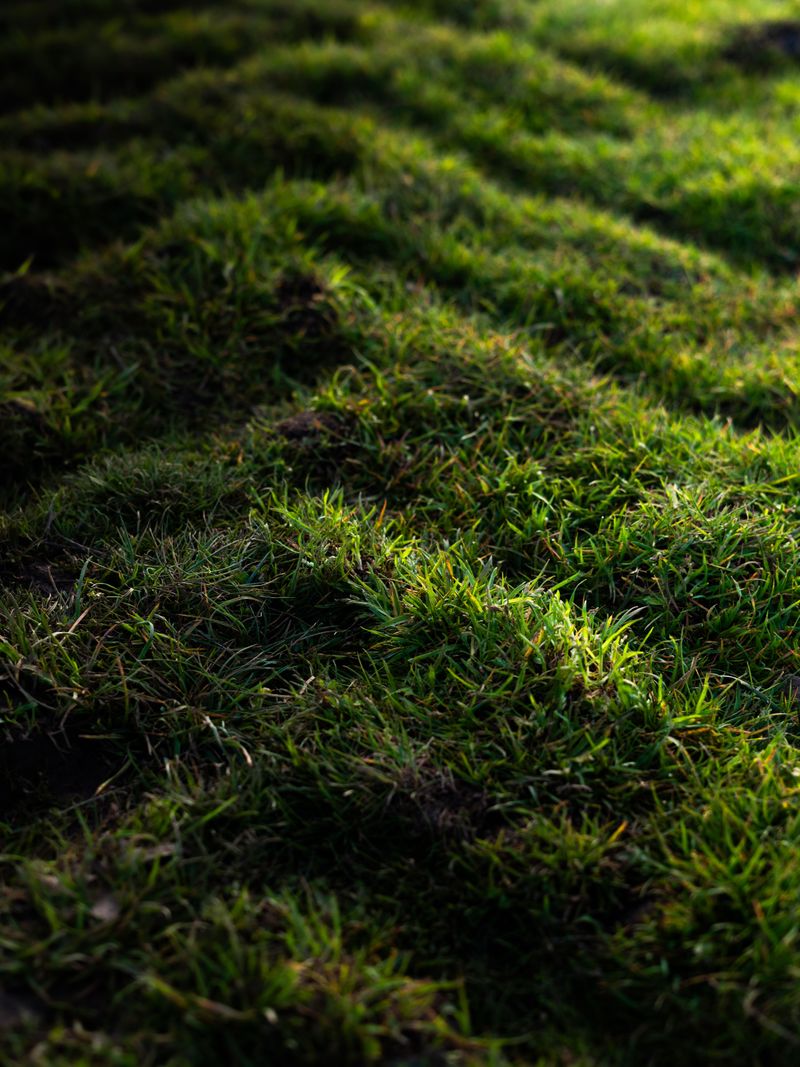
Some dips are too deep for topdressing. Filling a two-inch hole from above would bury the grass and leave a mud patch.
Your shovel shines here. Cut an H shape through the turf across the sunken spot, slicing about two inches deep. A flat spade gives the cleanest edges.
Slide the blade under the grass and gently fold each flap back like opening a book. Try to keep roots attached and the sod in large pieces.
Add screened topsoil to the exposed hole. Firm it lightly with your feet or the back of the shovel, then add a bit more until the level sits right.
Fold the flaps back down and press them firmly. Lay a straight board across the patch to check that it sits flush with the surrounding lawn. Lift and adjust if needed.
Water the area well right away. Keep it moist for a couple of weeks while the roots knit back into the soil below.
Bumps work the same way in reverse. Peel back the turf, scrape away extra soil, and lay the grass back down. I love how fast this fix looks finished.
Your Grass Type Decides When To Grab The Rake
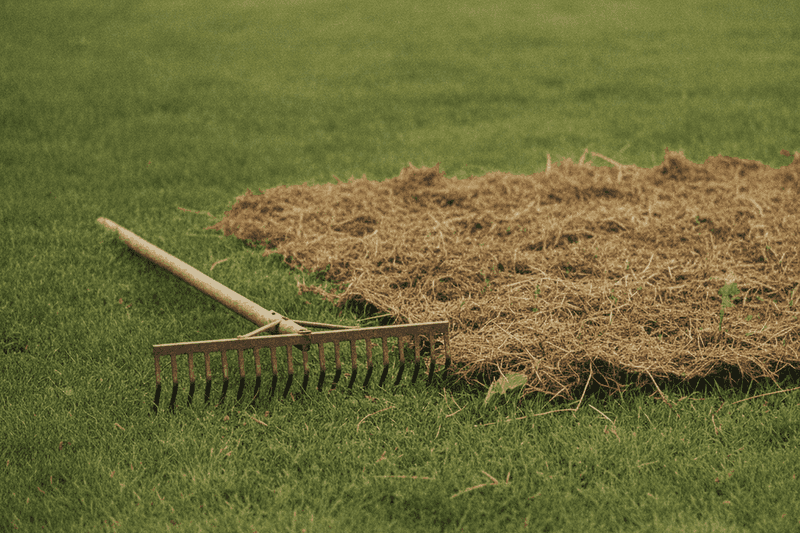
Timing can make or break this project. Grass needs to be actively growing so it can push up through the new soil fast.
Warm-season grasses like Bermuda, St. Augustine, kikuyu, and zoysia are common in Southern California and the hot inland valleys. They wake up in spring and grow hardest in warm weather. Level them from late spring into early summer, after they green up.
Tall fescue, the most popular cool-season lawn in the state, behaves differently. It grows best in mild weather. Early fall is usually ideal, with early spring as a solid second choice.
Avoid leveling cool-season lawns during summer heat. They are already stressed, and a fresh blanket of soil adds more strain.
Dormant grass is a poor candidate too. Bermuda can turn tan in winter, and soil spread over it just sits there until spring.
Not sure what you have? The University of California Integrated Pest Management program has a helpful turf identification guide online.
Also check your local watering rules. Many California water districts limit irrigation days, so plan your project for a stretch when you can keep the area moist without breaking restrictions.
Mow Low And Clear The Thatch Before Any Soil Goes Down
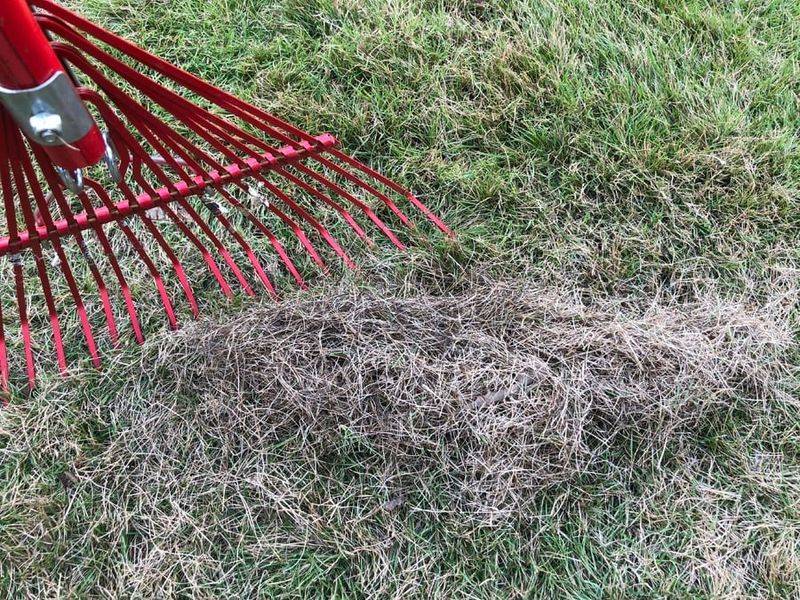
Spreading soil on a shaggy lawn is like trying to paint a fuzzy sweater. The mix gets stuck on top instead of reaching the ground.
Start by mowing a little shorter than usual. Bermuda and zoysia handle a low cut well. Tall fescue does not, so lower it only slightly and skip scalping.
Next, rake up clippings, leaves, and debris. A firm garden rake also pulls up some thatch, the spongy layer of old stems that builds up above the soil.
Thatch thicker than about half an inch can cause trouble. It blocks water and keeps your leveling mix from bonding with the soil. Push a finger into the turf to check its depth.
Compacted ground is another hidden issue. Clay soils packed down by kids, pets, and foot traffic shed water instead of soaking it in. Core aeration helps loosen things up, and many rental shops carry aerators if you want to add this step.
Mark any sprinkler heads with small flags before you start. Burying a sprinkler under soil creates a brand-new problem. Trust me, digging one out later is no fun.
Gopher Mounds Will Keep Coming Back Unless You Act
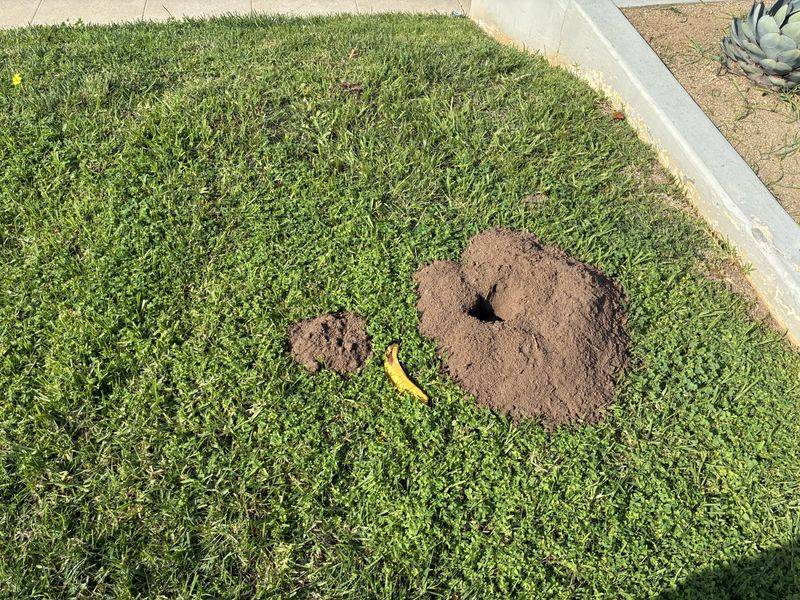
Pocket gophers are some of the busiest diggers in California yards. Their fan-shaped dirt mounds can pop up overnight and wreck all your smoothing work.
Level a lawn without dealing with them, and you will be back with your rake next month. I have learned that lesson more than once.
Fresh gopher mounds usually look like a crescent or fan, with the plugged hole off to one side. Moles make rounder, volcano-shaped mounds and are less common in most of the state.
UC IPM notes that trapping is often the most reliable control for gophers in home landscapes. Buried wire mesh works well for new lawns before planting. Gopher-proof baskets protect individual plants.
Some home remedies, like chewing gum or vibrating stakes, have little research behind them. Save your money for proven methods.
Once activity stops, rake fresh mounds flat right away. The loose soil can even serve as fill for nearby low spots.
Sunken tunnels sometimes collapse later and leave long, narrow dips. Treat those with topdressing or the lift and fill method. Checking the yard weekly keeps small problems from growing into ankle-twisters.