Fall Overseeding Didn’t Fix Your Patchy Virginia Lawn? Here’s What Went Wrong
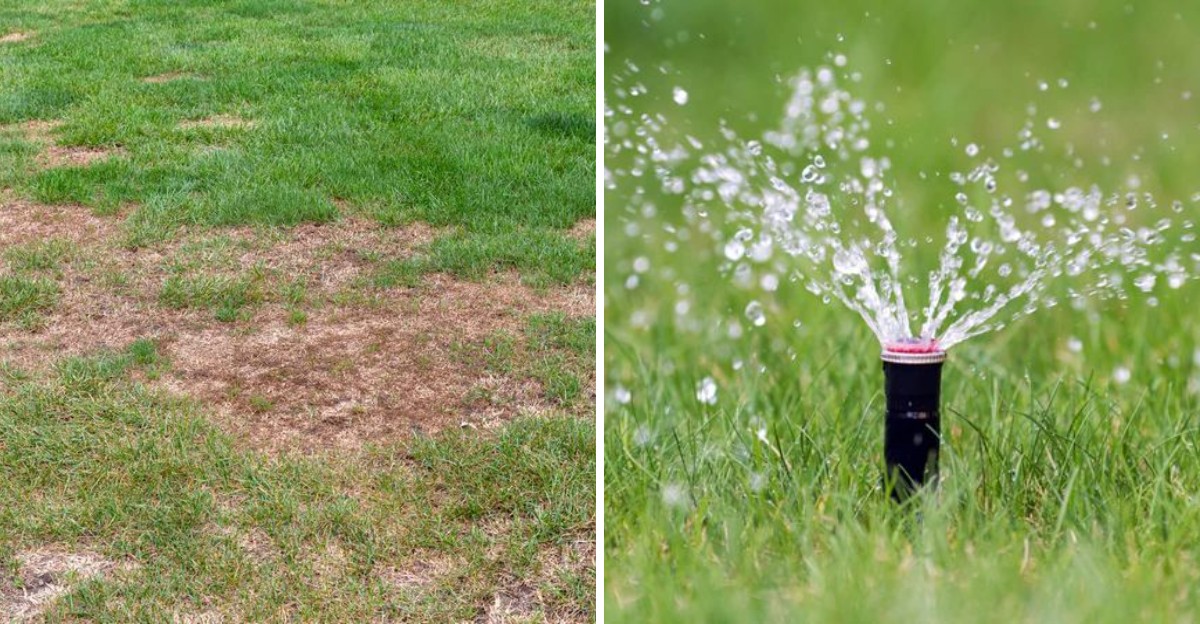
A single tall fescue seed can sit on bare ground for weeks and still fail to sprout. It doesn’t need luck.
It needs firm contact with soil, steady moisture, and enough warm days to grow roots before winter arrives.
What’s surprising is how small those missing pieces can be. A thin layer of thatch, one dry afternoon, or a bag of weed preventer from spring can quietly undo an entire weekend of work.
Plenty of Virginia homeowners spread fresh seed every September and still find bald spots by March, standing on the porch with their coffee and wondering where all that seed went.
Those patches aren’t random, though. They usually leave clues behind, and once you learn to read them, next fall could look very different.
Which clue is your yard showing?
1. Those Bare Lawn Patches Started With Seed That Never Touched Soil
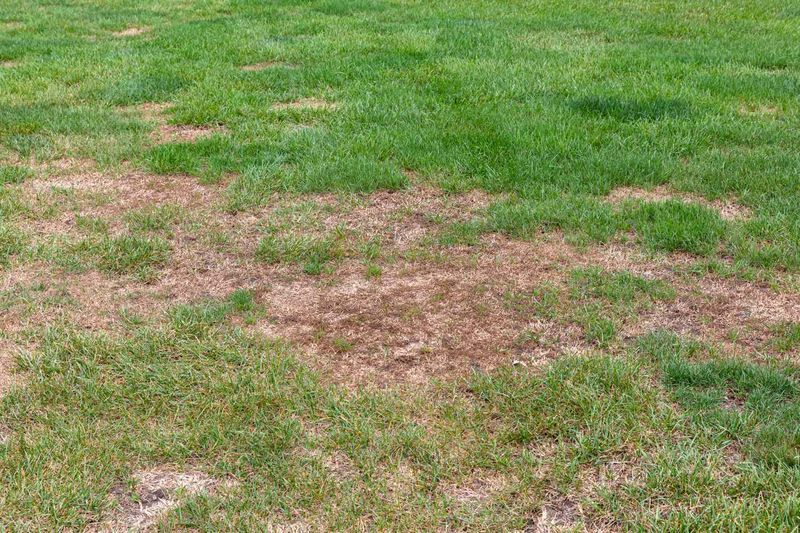
Seed lying on top of the ground is a bit like a letter that never got mailed. It looks like progress, but nothing happens.
Grass seed needs firm seed-to-soil contact to soak up water and send down its first root.
Many overseeding jobs fail right here. Homeowners scatter seed over an existing lawn without loosening the surface first.
The seed lands on a mat of thatch, old clippings, or crusted clay, and it dries out or washes away in the first heavy rain.
Birds also love an easy buffet. Seed sitting in plain view on a hard surface is a free lunch for sparrows and doves.
Virginia Cooperative Extension recommends preparing the seedbed before you spread anything. Core aeration, slit seeding, or a firm raking all help seed reach real soil.
Slit seeders are especially useful because they cut small grooves and drop seed right into them.
After seeding, a light pass with a roller or the back of a rake presses seed into place. A thin layer of compost or straw can help hold moisture too.
Go out and kneel by one of your bald patches. If you can still spot loose seed sitting on top, you have likely found your main problem.
2. A Late October Seeding Date Left Tall Fescue Seedlings Short On Time
Timing is the quiet boss of every cool-season lawn. Virginia Tech turf experts point to late August through September as the prime window for seeding tall fescue and Kentucky bluegrass across most of the state.
Why so early? Soil is still warm, so seeds sprout fast, while cooler air eases stress on young blades.
Weeds are also slowing down, which means less competition.
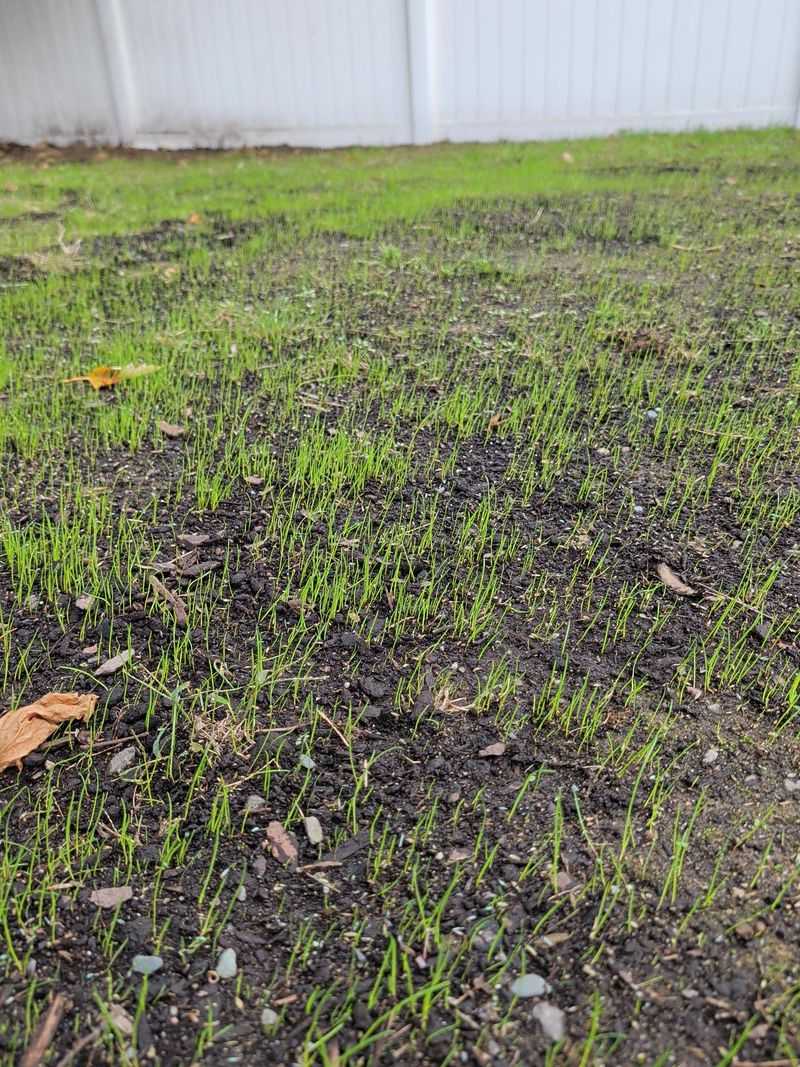
Seed that goes down in late October faces a different story. Germination slows as soil cools, and tiny plants may have only a few weeks to build roots before hard frosts arrive.
Shallow roots struggle with winter freeze and thaw cycles that can heave seedlings right out of the ground.
Regional differences matter here. Northern and western Virginia, including the Shenandoah Valley and the mountains, cool off sooner, so aim for late August to mid-September there.
Coastal areas around Hampton Roads and Southside can often stretch into early October.
If you missed the window, dormant seeding in late winter is an option, though spring seedlings face summer heat with less root depth. Mark your calendar now for next Labor Day weekend.
Your future lawn will thank you for showing up early.
3. Thirsty New Grass Sprouts Need Water More Often Than Mature Turf
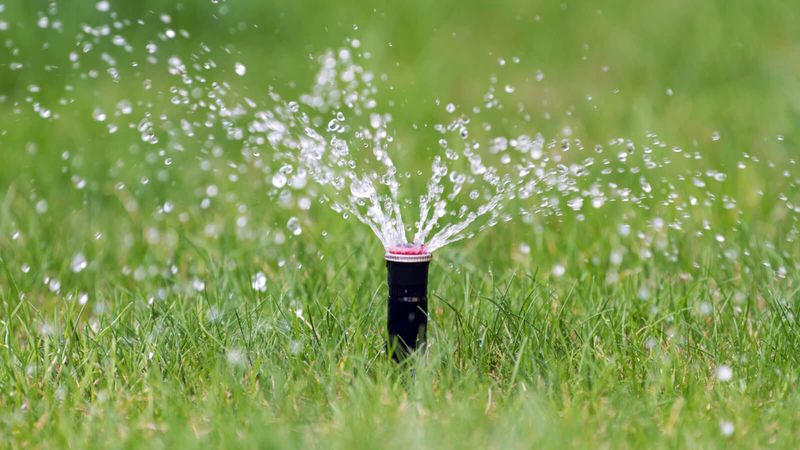
Here’s a twist that trips up many of us. The watering habits that keep an established lawn healthy can let new seedlings shrivel.
Mature turf likes deep, infrequent watering to push roots down. Freshly sown seed works differently.
Its tiny root sits in the top half inch of soil, so that layer must stay moist without turning into a puddle.
For the first two to three weeks, plan on light watering once or twice a day, sometimes more on breezy, sunny afternoons. Short sessions of five to fifteen minutes usually do the job.
Puddles or runoff mean you are overdoing it and may wash seed into clumps.
Once a seed swells and cracks open, it cannot pause. One dry spell after germination can stop that seedling cold, and you will see thin, uneven spots where it happened.
As grass reaches about an inch tall, start stretching the time between waterings while watering longer each session. This slowly trains roots to grow deeper.
A cheap trick helps a lot. Set a phone reminder or a simple hose timer so busy weekdays do not leave your seedbed baking in the sun.
4. That Spring Crabgrass Preventer May Still Be Blocking Grass Seed
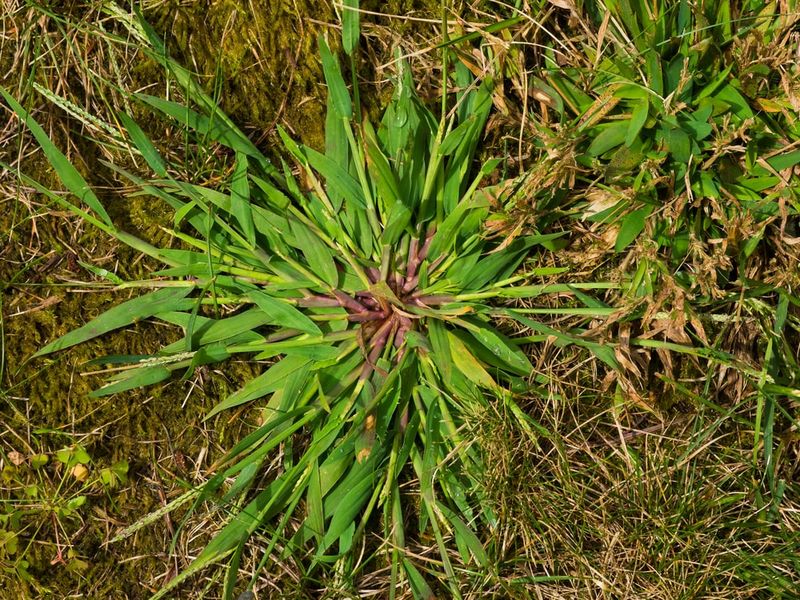
Crabgrass preventers are clever products, and that cleverness can backfire. Most pre-emergent herbicides form a chemical barrier near the soil surface that stops young seedlings as they sprout.
Unfortunately, that barrier does not pick favorites. Many common ingredients, such as prodiamine, pendimethalin, and dithiopyr, can block tall fescue and bluegrass seed just as easily as crabgrass.
Some of these products last for months. Labels often warn against seeding for anywhere from two to four months after application, depending on the product and rate.
A heavy spring or summer dose could still be active when you spread seed in September.
Fall weed control can cause trouble too. Broadleaf herbicides applied right before or after seeding may harm young grass, so check the waiting period printed on the bag.
Plan ahead next year. If fall overseeding is on your list, skip long-lasting pre-emergents on those areas, or choose mesotrione, which is labeled for use at seeding time on many cool-season grasses.
Read every label before you buy. That small print is not exciting, but it holds the answer to many mysterious bare patches across the lawn.
5. Hard Packed Virginia Clay Soil Leaves Young Roots Stuck Near The Surface
Grab a screwdriver and push it into your lawn. If it barely budges in moist soil, compaction is probably working against you.
Much of the Virginia Piedmont sits on heavy red clay. Those fine particles pack tightly under foot traffic, mowers, kids, and dogs.
Once squeezed together, the soil holds little air, drains poorly, and resists new roots.
Seedlings in packed ground often sprout, then stall. Roots stay shallow, so the young grass yellows or thins during the first cold snap or dry week.
Water may run off instead of soaking in, too.
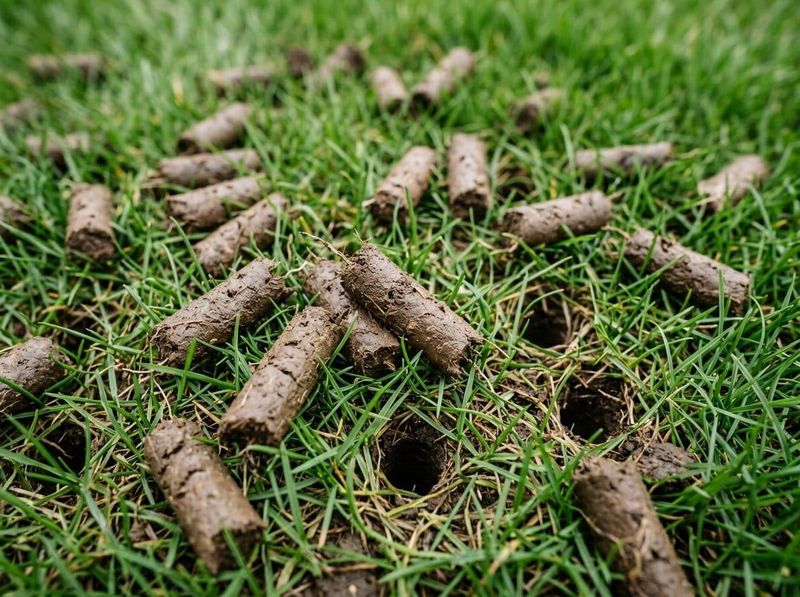
Core aeration helps by pulling small plugs of soil from the ground. Those holes give seed a protected spot to land and let air and water reach the root zone.
Leave the plugs on the lawn. They break down within a couple of weeks.
For badly compacted spots, aerate in two directions. Topdressing with a thin layer of compost afterward slowly improves clay structure over time.
Fun fact: clay is not the villain everyone thinks. It holds nutrients well.
It just needs a little help breathing before new grass can make itself at home.
6. White Grubs And Brown Patch Fungus Can Hide Behind Thin Grass
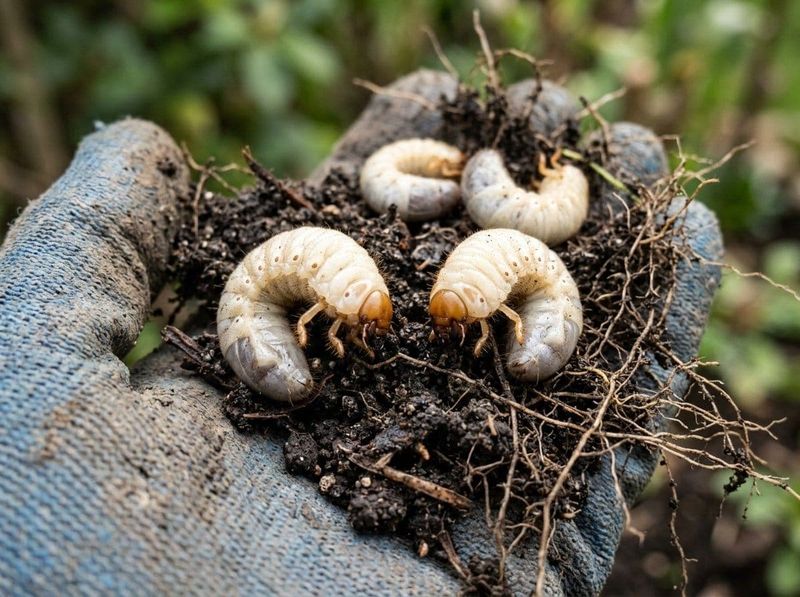
Sometimes the problem was there before the seed ever arrived. Pests and diseases thin lawns first, and fresh seed cannot keep pace.
White grubs are a top suspect. These C-shaped beetle larvae, often from Japanese beetles or masked chafers, chew grass roots in late summer and early fall.
Affected turf lifts up like a loose carpet. Raccoons and skunks digging at night are another strong hint.
Check by cutting a square foot of sod and peeking underneath. Virginia Tech guidance often suggests treatment only when you find around eight to ten grubs per square foot.
Brown patch is the other common culprit in tall fescue lawns. This fungus loves hot, humid Virginia summers and shows up as tan, roughly circular patches.
Seeding too heavily, overfeeding with nitrogen in summer, and watering at night all invite it.
Young seedlings in thick stands can also suffer from damping-off, a disease that makes sprouts collapse at the soil line.
Manage these by seeding at the label rate, watering early in the morning, and choosing tall fescue varieties with good brown patch ratings. Spotting the true cause first saves you from reseeding the same trouble spot again.
7. Shade Trees And Fallen Leaves Smother Tender Seedlings
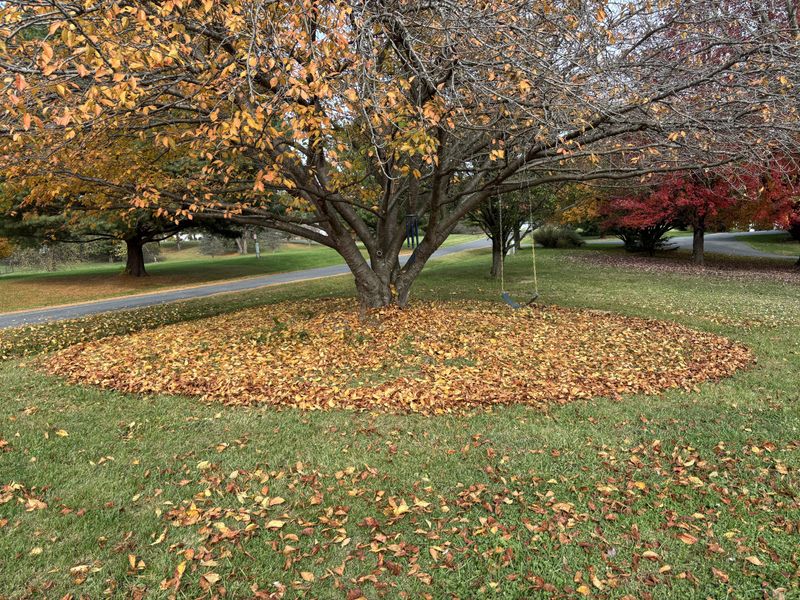
Autumn leaves are lovely on the tree and much less lovely on a newly seeded lawn. A thick blanket of oak or maple leaves blocks sunlight and traps moisture right over tender sprouts.
Seedlings under that cover turn pale and weak within days. The damp, dim layer also encourages disease.
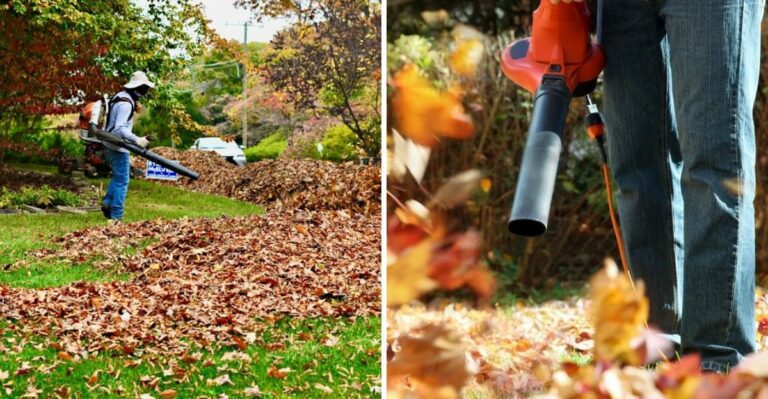
Remove leaves gently and often with a leaf blower or light rake, or mulch them finely with a mower once grass is tall enough to cut.
Shade itself is a bigger, year-round issue. Tall fescue handles some shade, but most turfgrass needs at least four to six hours of direct sun daily.
Under dense canopy, grass may sprout in fall when leaves drop, then thin out the next summer.
Fine fescues, like creeping red or hard fescue, tolerate shade better and are worth mixing in on shady spots. Raising tree canopies by pruning lower limbs can also let in more light.
Some areas will not support lawn no matter what you try. Native groundcovers such as wild ginger, Pennsylvania sedge, or golden ragwort make a smart, low-fuss swap.
Honestly, giving up a stubborn shady patch can feel like relief rather than defeat.
8. A Soil Test Kit And Better Seed Set Up Next Fall’s Lawn
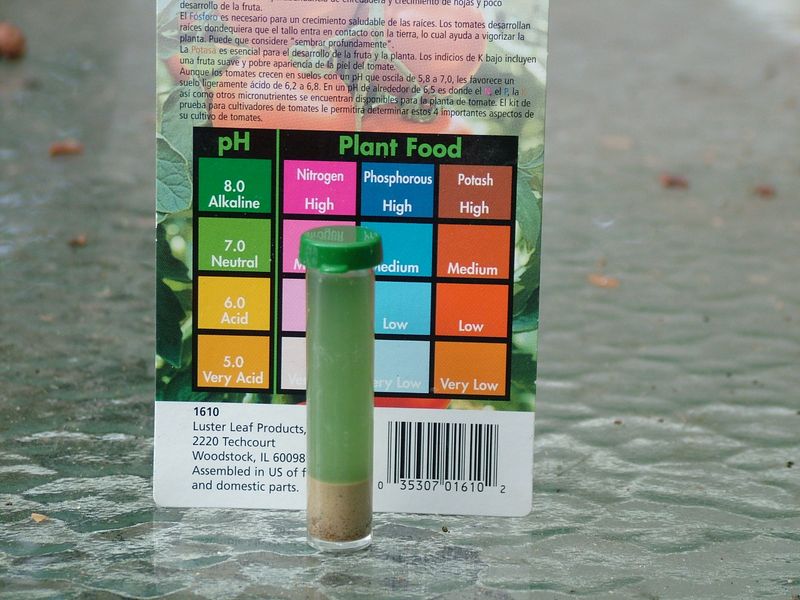
Every great comeback starts with a plan, and lawns are no different. The smartest first move costs very little.
Virginia Cooperative Extension offers soil testing through Virginia Tech, with sample boxes available at local extension offices. Results show pH, phosphorus, potassium, and lime needs.
Many Virginia soils lean acidic, and grass struggles to use nutrients when pH drops too low.
Lime takes months to work, so testing in spring or summer gives you a head start. Apply only what your report recommends.
Next, look closely at your seed. Virginia Tech publishes recommended turfgrass variety lists each year through the Virginia Crop Improvement Association.
Seed bags carrying the Virginia-Maryland certified label meet strict quality standards and contain fewer weed seeds.
Turf-type tall fescue remains the go-to choice for most of the state, thanks to its deep roots and heat tolerance. Warm-season Bermuda or zoysia may suit sunny lawns in southeastern areas, but those are not overseeded with fescue in fall.
Finally, write down what happened this year. Note your seeding date, products, and watering routine.
Those notes turn this season’s patchy yard into next autumn’s success story.