How To Make Texas Spring Containers Last Into Summer With A Few Easy Tweaks
Texas spring containers have a little trouble story, and it starts the moment you stop looking at them. One week, they are stunning. Three weeks later, they look like something you should apologize to.
The heat is partly to blame. But the real problem runs deeper than that.
Most gardeners respond to struggling containers the same way. More water, more fertilizer, more hoping.
The cycle continues until the whole pot gives up sometime in June and gets quietly moved to the back of the patio.
What actually keeps containers going through a Texas summer is not more effort. It is a handful of small decisions made before the heat peaks. Some of them take five minutes. Some cost almost nothing at all.
The difference between a container that fades by Memorial Day and one that still looks full and colorful in August? Well, it comes down to a few specific tweaks that change everything about how your plants handle the heat.
1. Swap Tired Pansies For Heat-Loving Lantana
Pansies know how to put on a winter show. They bring color when many gardens still look sleepy.
But in Texas, their spotlight can fade quickly once the heat builds. When days start pushing into warmer territory, pansies may stretch, slow down, and lose their sparkle.
That does not mean you failed them. It usually means their season is winding down. Some plants simply prefer cooler weather, and pansies are part of that crowd.
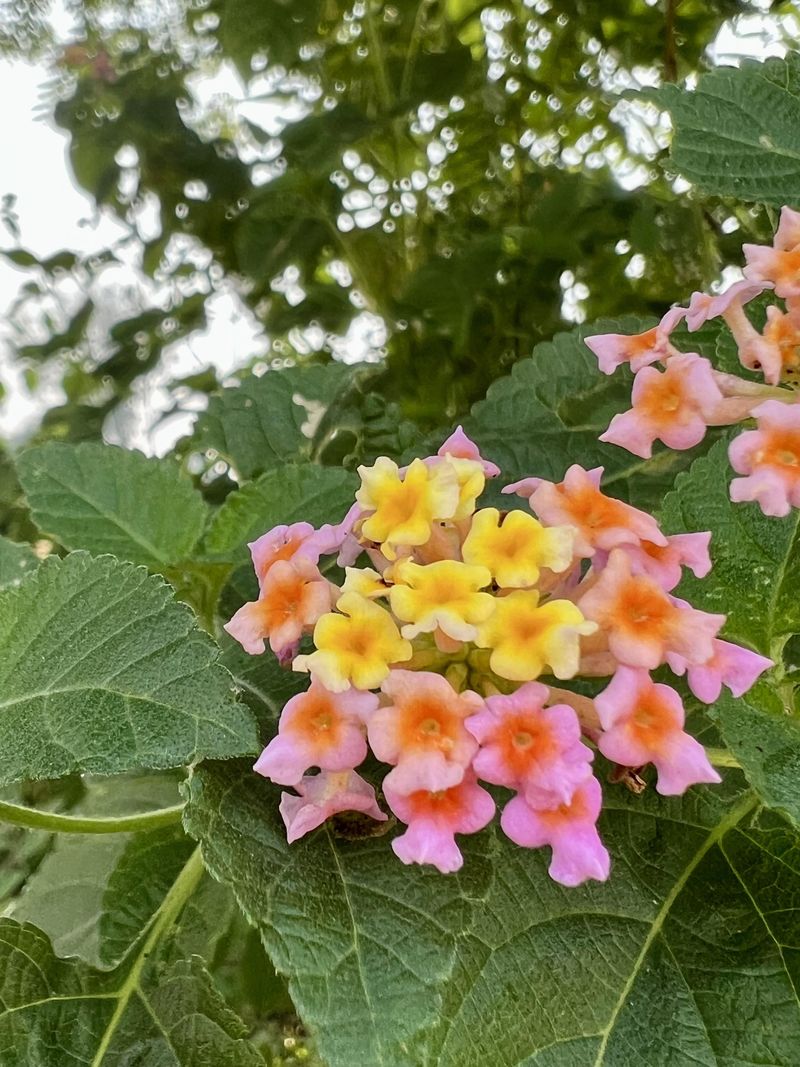
Lantana can step in with much better summer manners. It tends to handle heat, sun, and drier stretches with more confidence. That makes it a smart swap for containers heading into a Texas summer.
This is the kind of plant that seems ready for patio duty. Its clustered blooms bring bright color without asking for constant attention. Butterflies may also stop by, which gives the container a little extra flutter and flair.
When removing pansies, loosen the old roots gently. Add fresh potting mix before planting lantana. That gives the new roots a cleaner start and better room to settle.
Water well after planting. Then let the top of the mix dry slightly before watering again. Lantana does not usually enjoy soggy feet. So do not love it too much with the hose.
Call it a “plantana” for the heat. When pansies bow out, lantana can help keep the color curtain open.
2. Add Vinca To Keep Containers Colorful Longer
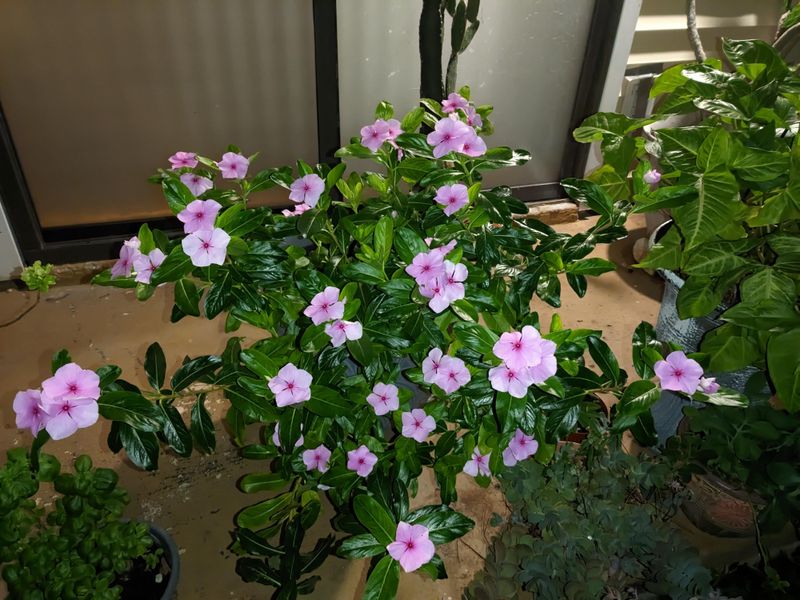
Vinca has a cheerful way of handling Texas heat. It does not make a big fuss. It just keeps blooming while other flowers start looking dramatic.
That makes it a useful choice for summer containers. Also called annual vinca, this plant can bring steady color through hot stretches. Its blooms look clean, bright, and simple in the best way.
The trick is drainage. Vinca may tolerate heat, but soggy soil can give it trouble. If water sits around the roots, the plant may decline quickly.
Before planting, check the container holes. Make sure water can move through freely. Old roots or compacted mix can block drainage, so clear those away if needed.
Your Texas Garden Changes Every Week. Your Plan Should Too.
Gardening in Texas changes quickly throughout the season. Every Friday you’ll receive a simple weekly plan showing exactly what to plant, prune, fertilize, harvest, and protect so you never miss the right timing.
Use a light potting mix that does not stay heavy after watering. Garden soil can get too dense in pots. A container mix usually gives roots more air and better movement.
Vinca also makes life easier because it does not need much deadheading. Spent blooms usually do not require constant cleanup. That gives you more time to enjoy the container and less time pinching flowers.
For a fuller look, pair vinca with a trailing plant. Sweet potato vine can soften the rim of the pot. It also adds movement and texture.
Give vinca plenty of sun. Water deeply, then let the top inch dry before watering again. It is a vinca-vincible option for hot patios. Not invincible, of course. But with good drainage, it can stay impressively upbeat.
3. Use Portulaca For Sunny Pots That Sizzle
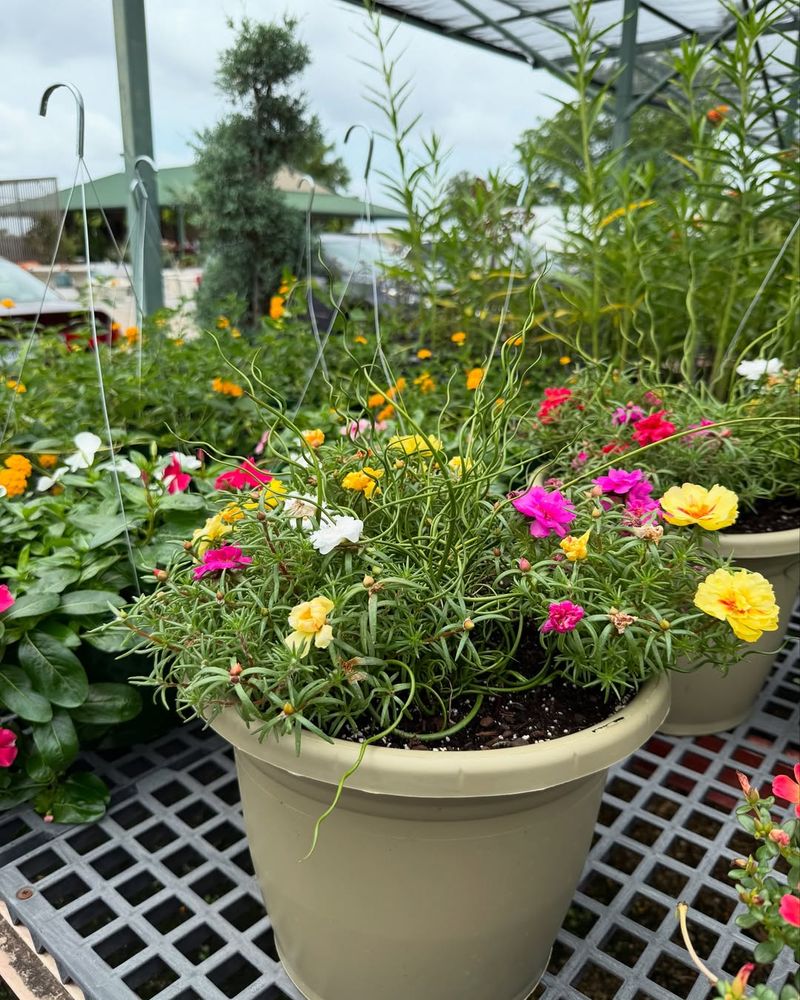
Some patios get so hot they feel like a skillet. Concrete reflects heat, walls hold warmth, and small pots dry out before you finish your coffee.
That kind of spot can be rough for many flowers. Portulaca may handle it with surprising ease.
Also called moss rose, portulaca has thick, fleshy leaves. Those leaves help it store moisture. That makes it useful for sunny containers that dry out quickly.
It is a low-growing plant, so it works well near pot edges. It can spill softly without taking over the whole design.
The flowers come in bright shades like pink, yellow, orange, red, and white. On sunny days, the blooms often open wide. On cloudy days, they may stay closed.
That is not usually a problem. It is just portulaca being a little solar-powered and sassy. This plant prefers sharp drainage. A wet, heavy mix can cause problems.
So choose a container with open drainage holes and a light potting mix. Water after planting. Then avoid watering too often. Portulaca usually performs better when it is not sitting in constant moisture.
It can be a strong pick for terracotta pots, window boxes, and hot porch edges. Those places often dry fast, but portulaca may not mind as much.
Think of it as the pot’s little heat poet. It does not just survive the sizzle. It may help your container rhyme with summer.
4. Trim Leggy Petunias For A Fresh Summer Push
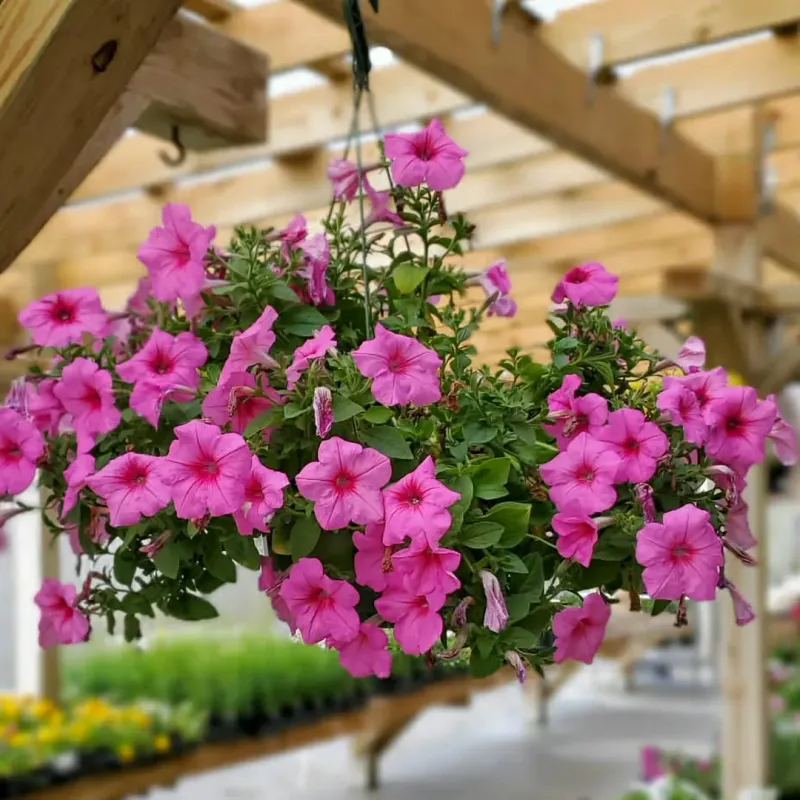
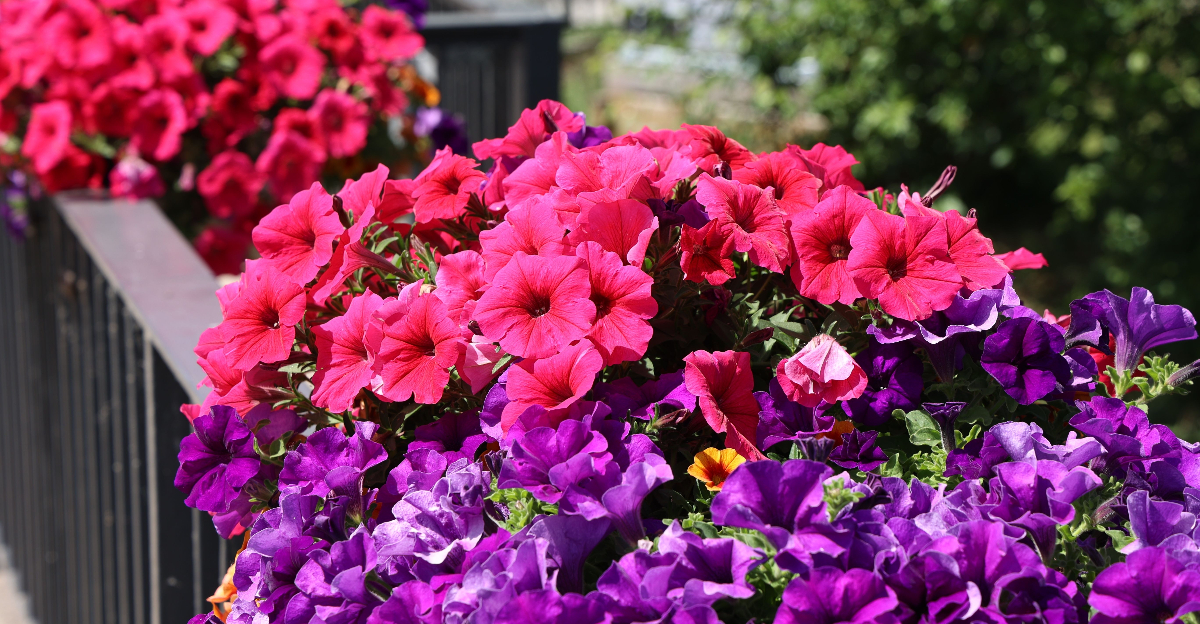
Petunias can look gorgeous in spring. They spill, bloom, and fill a container with easy charm. Then the Texas heat begins to build. By midseason, some petunias may start looking stretched and tired.
Before tossing them, try a trim. A good haircut can help petunias push out fresh growth. It may also bring back a fuller shape.
Cut back about one-third of the plant. If it is very leggy, you may trim a little more. Use clean scissors or pruners. Cut just above a leaf node when you can.
This encourages branching. Instead of pouring energy into long bare stems, the plant may start filling in again.
After trimming, water the container well. A light feeding can also help. Slow-release fertilizer works gradually. Liquid fertilizer may give a quicker boost.
Do not expect instant fireworks. Petunias may need a little time to respond. But with care, they can return with a fresher shape and more blooms.
Extreme heat can still slow them down. When temperatures stay very high, even trimmed petunias may struggle.
In that case, a heat-loving replacement might make more sense. Still, pruning can buy time. It can also save a container that looked close to finished. A few careful cuts may help the whole pot find its rhythm again.
5. Move Containers Where Afternoon Shade Helps
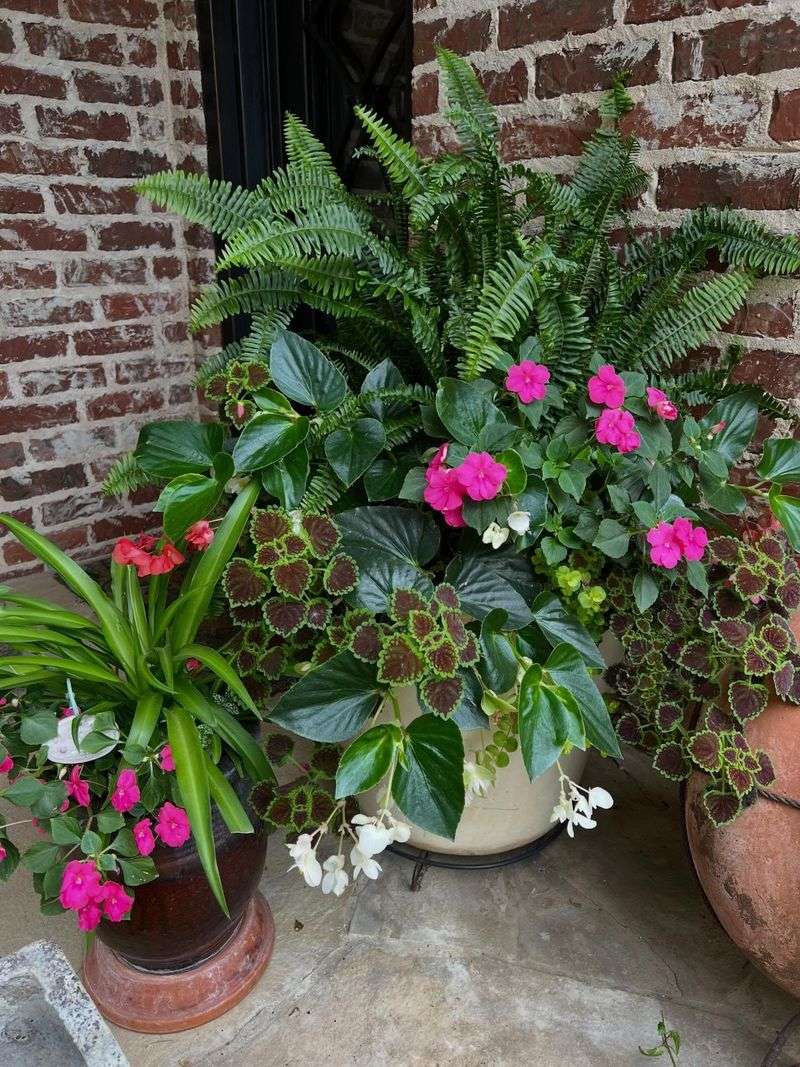
One of the easiest container tricks is also one that people forget. Move the pot. Yes, that sounds almost too simple. But pots are portable for a reason.
When the Texas afternoon sun gets fierce, a new location can change everything. Many spring containers enjoy morning sun. It is bright but often less punishing.
Afternoon sun can be much harsher, especially on patios, driveways, and brick surfaces. If a container wilts every afternoon, it may not need more water right away. It may need a better seat.
Try moving pots where they get morning light and afternoon shade. An east-facing porch can work well. So can the shaded side of a fence. A tall shrub or small tree may also offer helpful relief.
You do not need deep shade for every container. Many flowering plants still need strong light to bloom.
A few hours of protection from the harshest sun can be enough to reduce stress. After moving the pot, watch how the plants respond. Leaves may stand taller.
Flowers may last longer. Soil may stay moist for more time between waterings. This can also help reduce watering pressure. Containers in blazing afternoon sun dry out quickly.
A slightly cooler spot may give both you and the plants a break. Think of it as giving your pot a shade-cation. Same container. Better view. Less drama.
Sometimes, the best garden fix is not adding more. It is simply shifting the spotlight.
6. Refresh Potting Mix To Boost Summer Roots
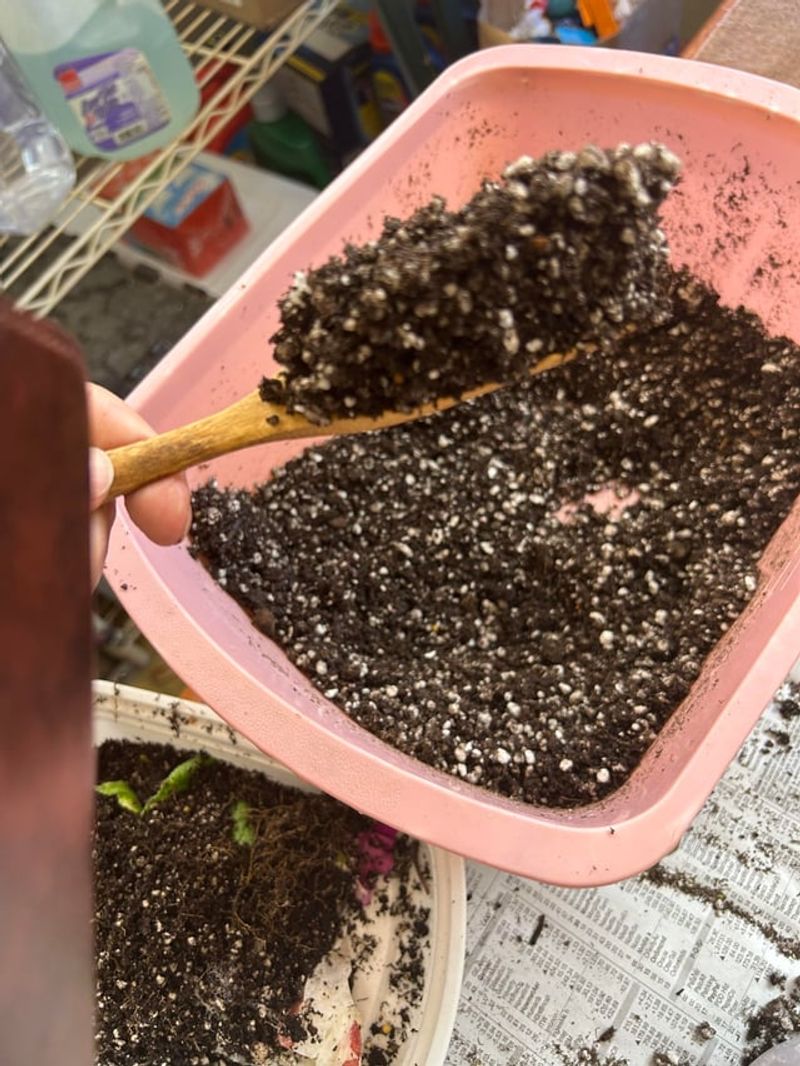
Old potting mix can be sneaky. It may look fine on top, but underneath, it can become tired, packed, and stubborn.
After months of watering and root growth, the mix may lose its light texture. Water might run straight through, or it may sit on the surface and refuse to soak in.
Either way, roots can struggle. And when roots struggle, the whole container starts showing it.
Refreshing the mix can help containers head into summer with better support. You do not always have to empty the entire pot. Sometimes removing the top few inches is enough.
Replace that tired layer with fresh potting mix. Work gently around the roots if plants are staying in place. This can improve airflow, drainage, and moisture movement.
If you are replacing plants, take the chance to refresh more deeply. Shake away loose old mix from spent plants. Add new mix before tucking in summer flowers.
Choose a container mix rather than heavy garden soil. A good potting mix usually stays lighter in pots. Look for ingredients that help drainage, like perlite or bark.
If the pot has been used for struggling plants, clean it before replanting. That may help reduce lingering issues. Fresh mix is like a root reboot. It gives plants a better base before the heat gets pushy.
Call it soil-searching for summer success. When the roots get better conditions, the top growth may follow with more energy.
7. Add Mulch To Slow Container Drying
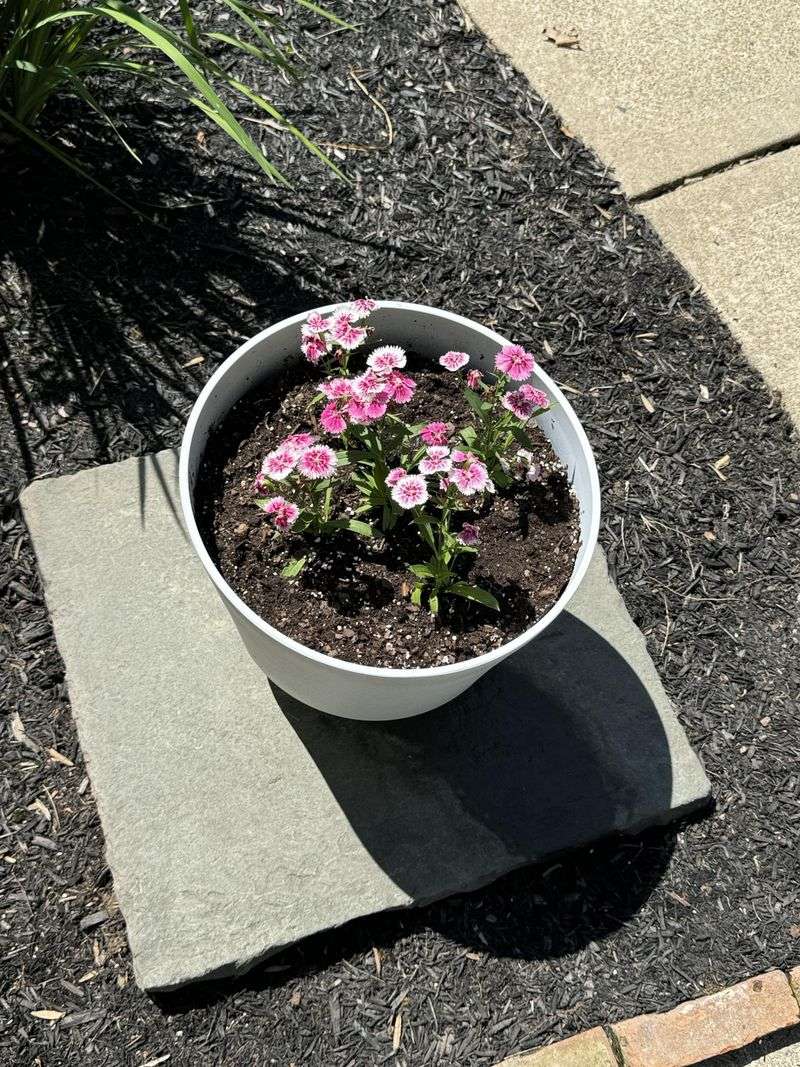
Mulch is not just for garden beds. It can help containers too. In Texas heat, potting mix can dry out fast. Small containers may lose moisture even faster.
A thin mulch layer can slow that surface drying. This does not replace watering, but it may help the soil hold moisture a little longer.
Use a light mulch, such as small bark pieces or pine bark mini nuggets. Spread about one inch over the potting mix.
Keep it slightly away from stems. That gives plants a little airflow where they need it. Mulch works like a small shield. It shades the soil surface. It may also help keep the root zone a bit cooler during hot afternoons.
That can matter more than people think. Container roots sit in a limited space. When the pot heats up, those roots feel it quickly.
A mulch layer can also make containers look more finished. Bare potting mix often looks dry and rough by summer. Mulch gives the surface a cleaner, tidier look.
Check moisture with your finger before watering. Push about an inch into the mix. If it feels dry there, it may be time to water. Do not water just because the mulch looks dry. The mix underneath tells the real story.
Think of it as a mini mulch mission. A small layer can make a big difference in how often your pots plead for water.