What Virginia Gardeners Should Know Before Spotted Lanternflies Reach Their Grapevines
A single female of this pest can smear her eggs onto a car tire, a trellis post, or a patio chair. Then she lets you drive her babies to a brand-new county.
That hitchhiking habit is how a pest first found near Winchester in 2018 spread across much of Virginia. It sips sap from trees, vines, and garden plants with a mouth built like a tiny straw. Grapes rank near the top of its favorite menu.
Personally, I find the whole thing a little sneaky and a little fascinating. The insect is colorful, clumsy, and oddly bold, which makes it easy to spot once you know where to look. You can catch problems early if you learn its habits now.
So what does a backyard grower need to watch for first, and which simple chores make the biggest difference?
Sticky Honeydew on Grape Leaves Is an Early Clue
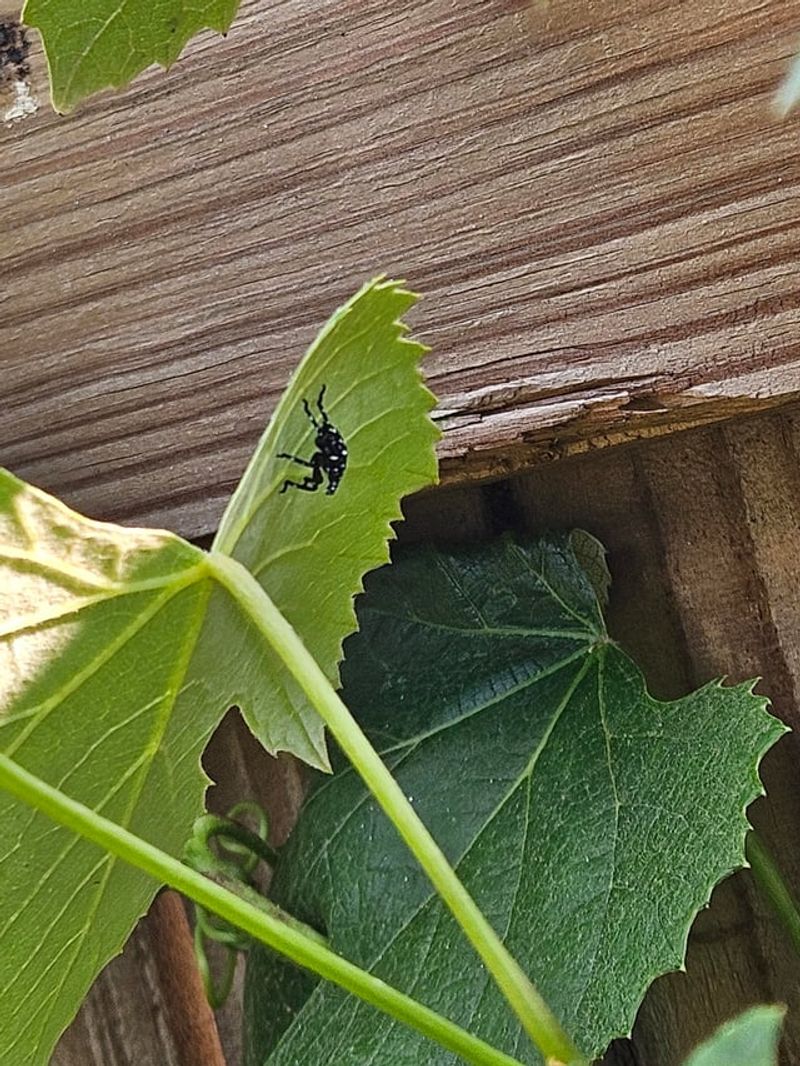
Shiny leaves sound pretty, but on a grapevine they can mean trouble. Spotted lanternflies drink large amounts of plant sap and release the extra sugar as a sticky liquid called honeydew.
You may notice it first on the ground, on patio furniture, or on leaves under a busy vine. It can feel tacky, almost like spilled syrup.
Bees, wasps, and ants often show up to enjoy the free sugar.
Over time, a black fungus called sooty mold grows on that sweet coating. The mold does not attack the plant directly.
Still, it blocks sunlight from reaching the leaves, so the vine makes less food for itself.
Honeydew alone does not prove lanternflies are present. Aphids, scale insects, and leafhoppers also make it, so you need to look closer.
Check the trunk, the undersides of leaves, and nearby trees for clusters of insects.
I like to do a quick walk-around every few days in late summer. Bring a flashlight and look along the main trunk where the bark meets the soil.
Lanternflies often gather in groups, sometimes lined up like passengers waiting for a bus.
Catching this clue early gives you time to act. A sticky vine is a message, and reading it quickly can save your next harvest a lot of stress.
Grapevines Rank Near the Top of the Lanternfly Menu
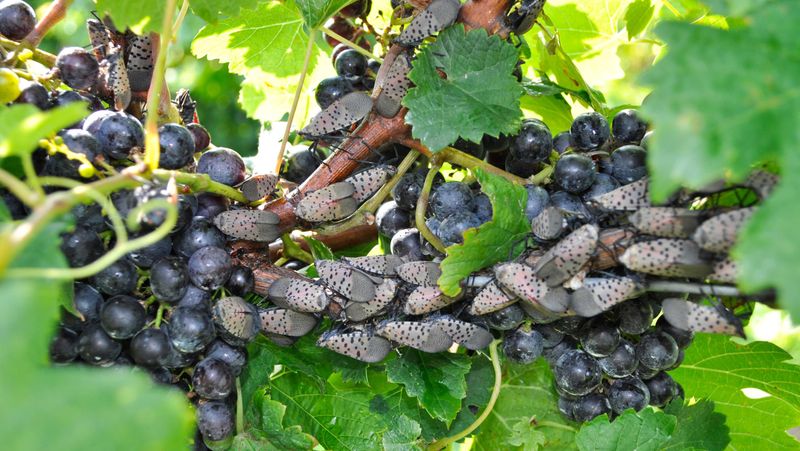
Out of more than 70 plants these insects feed on, grapes are one of the hardest hit. Researchers at Penn State and Virginia Tech have watched vines weaken badly when large groups feed on them for weeks.
The damage comes from steady sap loss. Each insect pokes its straw-like mouth into the woody trunk or canes and drinks.
One bug barely matters, but hundreds on a single vine can drain its energy reserves.
Stressed vines may produce fewer grapes the next season. They also become more sensitive to winter cold, which matters in the Shenandoah Valley and mountain areas.
Heavily attacked vines have declined and been lost in Pennsylvania vineyards.
Watch for weeping wounds on the trunk, sometimes with a sour smell. Gray or dark streaks running down the bark often mark busy feeding spots.
Leaves may look dull and coated with mold.
Adults tend to move into vineyards in late summer and fall, right around harvest time. That timing hurts, because the vine needs to store energy for winter after the fruit is picked.
Backyard growers with just a few vines can actually respond faster than big farms. You can see every plant up close, which is a real advantage when spotting trouble before it spreads.
Scraping Lanternfly Egg Masses Off Trellises Pays Off Big
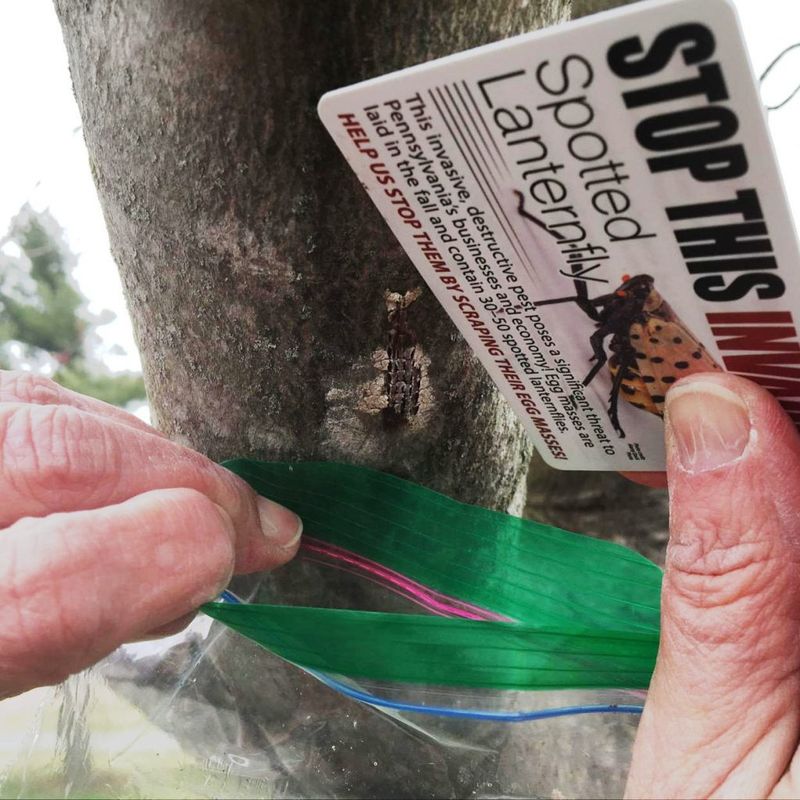
A plastic gift card might be your best garden tool this winter. Spotted lanternfly egg masses can be scraped off surfaces, and each one holds about 30 to 50 eggs.
Females lay eggs from September until hard frost ends the adult season. The fresh masses look like a smear of gray putty or dried mud.
Older ones may crack and look like rows of tiny seeds.
Check trellis posts, fence boards, grape stakes, firewood, stones, and the bark of nearby trees. Lanternflies are not picky about surfaces.
Grills, sheds, and even outdoor toys can hold eggs.
Scrape each mass into a sealable bag filled with rubbing alcohol or hand sanitizer. Seal it tightly and toss it in the trash.
Simply knocking eggs onto the ground may not stop them from hatching.
The best window runs from fall through April, before hatching starts in late April or May. Winter is also when trellises are bare, so spotting gray patches gets much easier.
I find this chore oddly satisfying, kind of like a treasure hunt in reverse. Removing even a handful of masses means hundreds fewer young hoppers climbing your vines next spring.
That small effort brings real rewards.
Black Nymphs With White Dots Show Up Each Spring
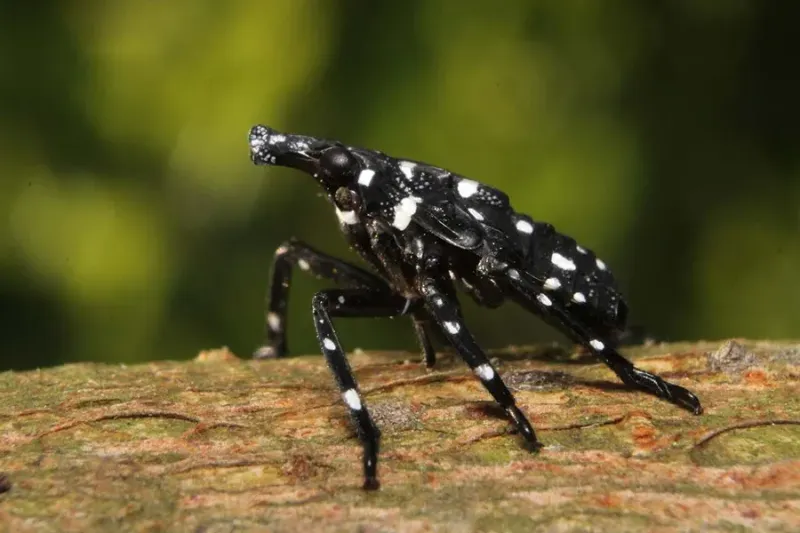
Tiny, speckled, and surprisingly jumpy, the young lanternflies look nothing like their parents. Eggs hatch in late April through May, and the babies are about the size of a pencil tip.
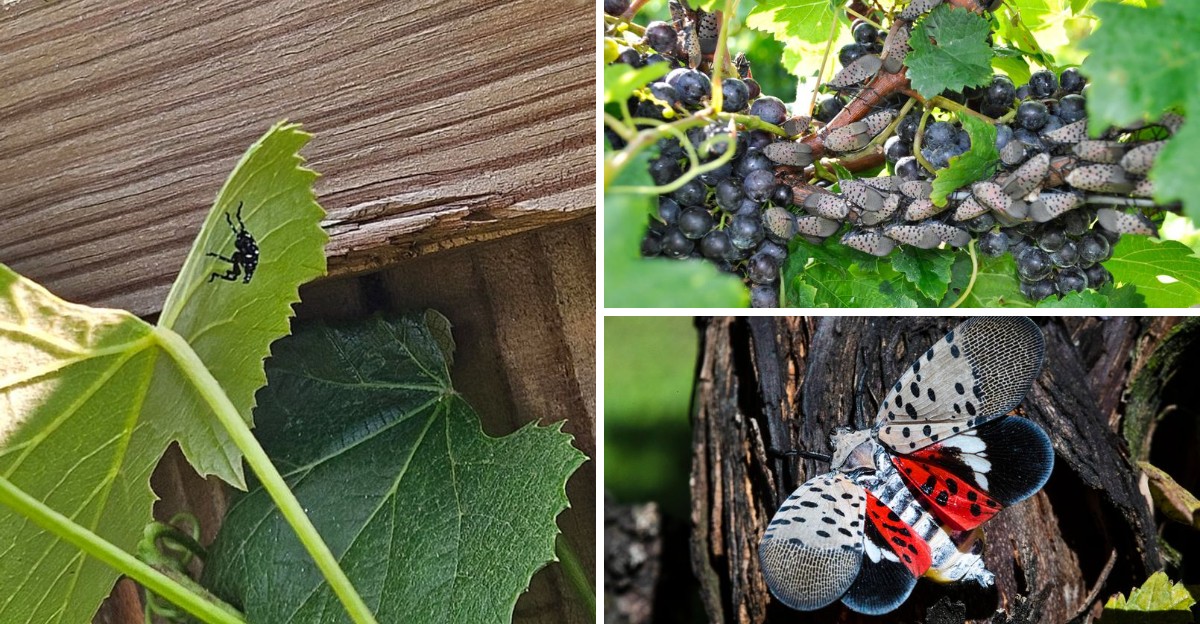
Early nymphs are black with bright white spots and no wings. People often mistake them for ticks or small beetles.
Give one a light tap and it will usually hop away fast.
They climb plants to feed on tender new growth. Vines, roses, maples, and many weeds can all host them in spring.
Spot them on stems and the undersides of young leaves.
By midsummer, usually July, older nymphs turn bright red with black and white markings. They are larger and much easier to see.
Many gardeners first notice the problem at this colorful stage.
Young nymphs are the easiest stage to handle by hand. You can squash them, vacuum them with a handheld vac, or knock them into a bucket of soapy water.
A morning stroll with coffee is my favorite scouting time, since bugs move slower in cool air. Keep notes on where you find them.
Those patterns help you focus on hot spots next year and save plenty of time.
Gray Winged Adults Hide Bright Red Wings Underneath
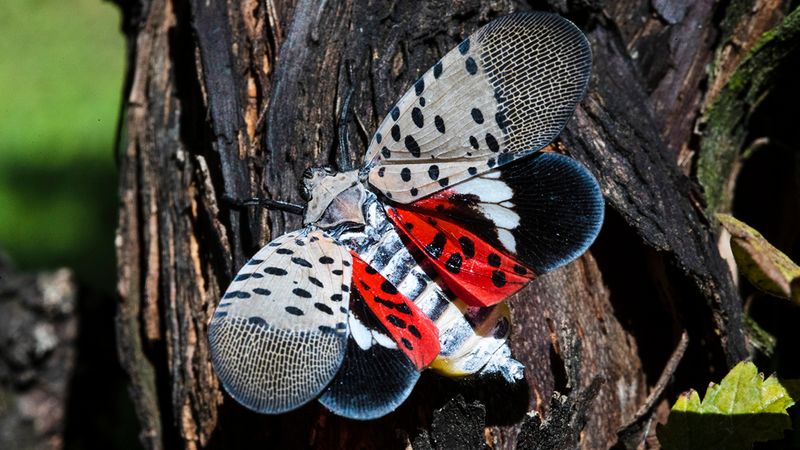
Folded up, an adult spotted lanternfly looks plain and gray. Open those wings, though, and a flash of red, black, and white appears like a hidden costume.
Adults are about one inch long. Their front wings are tan or gray with black spots and a brick-like pattern near the tips.
When they hop or fly, the bright red back wings catch your eye.
They usually appear from late July through the first hard frost. Late summer and fall is when they crowd onto grapes, maples, and other favorite plants in big groups.
Despite the wings, they are weak fliers. They mostly hop and glide short distances.
That clumsy movement makes them easier to catch than you might expect.
Fun fact: lanternflies are not true flies or moths at all. They are planthoppers, related to cicadas and leafhoppers.
The name came from an old, mistaken belief that some relatives glowed like lanterns.
Approach slowly from above when trying to catch them, since they tend to jump forward or sideways. A wide net or plastic bottle works well.
Spotting the right insect matters too, so compare any find with photos from Virginia Cooperative Extension before panicking.
That Weedy Tree of Heaven Nearby Is a Lanternfly Magnet
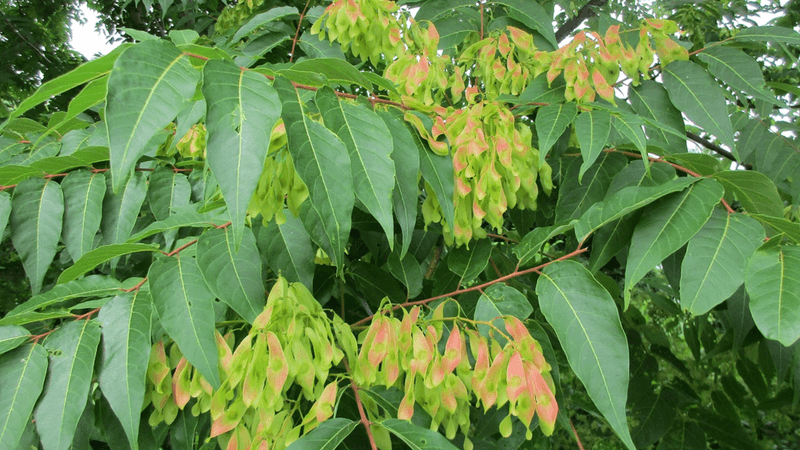
Lanternflies have a favorite tree, and it is probably growing along a road near you. Tree of heaven, an invasive plant from China, is their top host.
Studies show lanternflies survive and reproduce better when they can feed on it. The tree is common along highways, fence lines, vacant lots, and woodland edges.
It spreads quickly by seeds and root sprouts.
You can identify it by long leaves made of many small leaflets. Each leaflet has a small bump near its base.
Crushed leaves give off a strong, unpleasant smell, often compared to burnt peanut butter.
Be careful, since it looks a lot like native sumac, black walnut, and staghorn sumac. Check the leaflet bumps and smell before taking action.
Cutting tree of heaven usually backfires because it sends up dozens of new sprouts. Extension experts recommend herbicide treatments, often applied in summer, sometimes using hack-and-squirt methods.
Hiring a licensed professional is wise for large trees.
Controlling these trees on your property helps reduce lanternfly numbers and supports native plants too. Talk with neighbors about it as well.
Lanternflies easily cross property lines, so teamwork matters more than one perfect yard.
Careful Spraying and Traps Can Protect Backyard Grapes
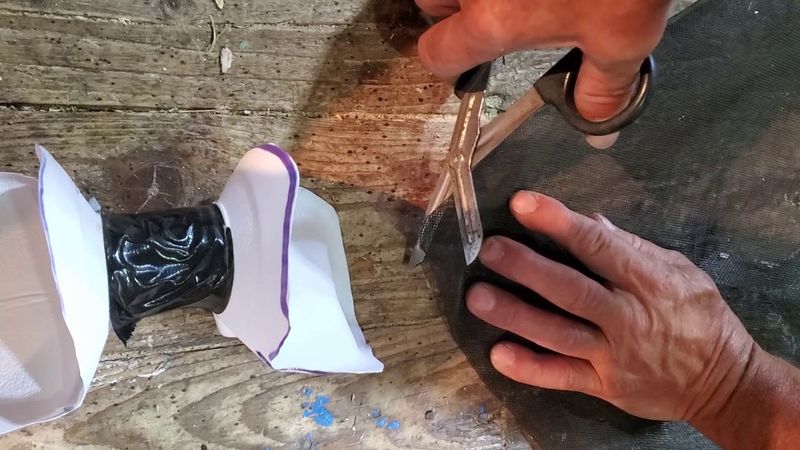
Sprays can help, but timing and care make all the difference. Insecticidal soap and neem oil work on contact, which means you must hit the bugs directly.
These gentle options work best on young nymphs. Adults are tougher and keep arriving from nearby areas.
Expect to repeat treatments, since new lanternflies move in often.
Stronger insecticides exist, but read every label closely. Grapes are food crops, so labels list waiting periods before harvest.
Avoid spraying open flowers to protect bees and other pollinators.
Sticky bands on tree trunks catch climbing nymphs, but uncovered bands can trap birds, bats, and helpful insects. Wrap them with chicken wire or choose a circle trap instead.
Circle traps funnel climbing bugs into a bag and are safer for wildlife.
Skip sticky bands directly on grape trunks, since the rough bark makes them hard to seal and the vine can be harmed. Hand removal and spot sprays fit grapevines better.
Natural helpers exist too. Praying mantises, spiders, chickens, and some birds eat lanternflies.
A pair of native fungi also infect them in the wild, though none of these predators fully control big outbreaks yet.
Checking Your Car and Firewood Slows the Lanternfly Spread
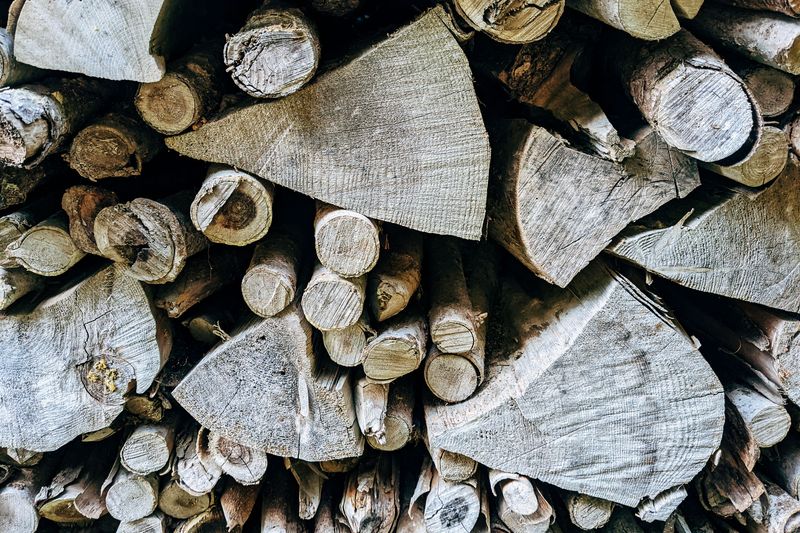
Lanternflies are terrible fliers but excellent travelers. They ride on vehicles, trailers, firewood, and nursery items to reach new places.
Before road trips, take a minute to check wheel wells, bumpers, and roof racks. Look over outdoor items before moving or giving them away.
Never move firewood long distances, and buy it near where you burn it.
Virginia ended its lanternfly quarantine in 2025 because the insect had become so widespread. Businesses no longer need state permits.
Still, neighboring states may have their own rules, so check before hauling goods across lines.
Reporting sightings in new areas remains helpful. Your local Virginia Cooperative Extension office can confirm identification and share updated advice for your county.
Many offices have Master Gardener help desks that answer questions for free.
Gardeners in southwest Virginia and parts of the coast may see fewer lanternflies today than those in the north. That difference will likely shrink, so preparing early makes sense everywhere.
My biggest takeaway is simple. Yearly habits work best, like winter egg scraping, spring nymph patrols, and late summer vine checks.
Stay steady and curious, and your grapes have a strong chance of staying healthy and productive.