How To Plan Next Year’s Vegetable Garden Around Florida’s Two Growing Seasons
Northern gardeners get one shot a year. You get two, and most of them waste the second.
Florida’s calendar runs on a split schedule, with one stretch for cool-weather crops and another for the heat lovers. Tomatoes that thrive in one window sulk in the other.
Lettuce that sings in winter bolts by May. Plant by the wrong calendar and the season ends in frustration.
A good plan treats the year like a relay race, with each crop passing the baton at the right moment. Beds rest, rotate, and reload without sitting empty.
The trick lies in how the pieces fit together, and the order matters more than most people expect.
Start sketching now, while ideas are cheap and the soil is still warm.
Grab a notebook and a pencil tonight. Next year’s harvest begins on paper.
1. Florida’s Vegetable Year Splits Into A Warm And A Cool Season
Ask a gardener from Ohio about planting season, and you will hear one answer: spring. Ask a Floridian, and the answer comes in two parts.
Our vegetable year divides into a warm season and a cool season. Each one welcomes a different team of plants, so knowing which team is on the field matters a lot.
The warm season suits heat lovers like tomatoes, peppers, and beans. The cool season belongs to crops that enjoy mild days, such as lettuce, carrots, and cabbage.
Here is the twist that surprises newcomers. Summer, the time most of the country calls peak garden season, is often an off-season for many vegetables.
Intense heat, heavy rain, and sticky humidity stress most common crops. Bugs and plant diseases also throw a party when the weather turns steamy.
So instead of expecting nonstop growth, smart gardeners plan around these shifts. Think of the year as a relay race, with one group of plants passing the baton to the next.
A simple way to start is to draw a circle on paper and split it into twelve months. Shade the cooler months blue and the warmer months orange, then pencil in crops for each color.
That quick sketch becomes the backbone of next year’s plan.
2. Cool-Season Crops Like Lettuce And Broccoli Fill The Winter Garden
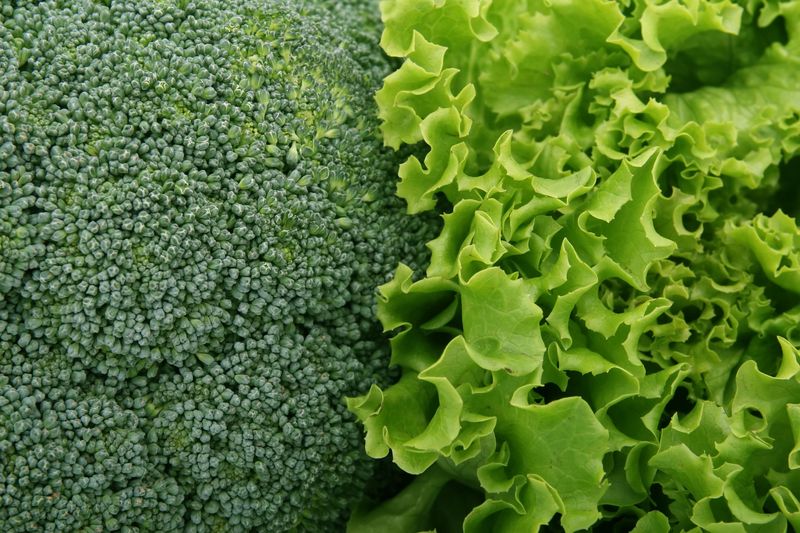
Winter in Florida is a salad lover’s dream. While northern gardens sleep under snow, our beds burst with crunchy, leafy goodness.
The cool season usually stretches from fall through winter and into early spring. Mild temperatures let tender crops grow steadily without wilting in the heat.
Leafy greens shine during these months. Lettuce, kale, collards, and spinach all grow happily, and you can often snip outer leaves for weeks.
Root crops also love the cooler soil. Carrots, beets, radishes, and turnips form sweet, firm roots when the weather stays comfortable.
Then come the brassicas, a plant family that includes broccoli, cabbage, and Brussels sprouts. Fun fact: broccoli, cabbage, kale, and Brussels sprouts all came from the same wild mustard plant, shaped over centuries by farmers who picked different parts to improve.
Your Florida Garden Changes Every Week. Your Plan Should Too.
Gardening in Florida changes quickly throughout the season. Every Friday you’ll receive a simple weekly plan showing exactly what to plant, prune, fertilize, harvest, and protect so you never miss the right timing.
When planning, give broccoli and cabbage extra room since they spread wide. Tuck quick radishes between slower crops to use every inch of space.
Planting in small batches every two or three weeks keeps lettuce coming instead of arriving all at once. Your family will thank you when dinner salads stay fresh from December into March.
Keep a light sheet handy too. A rare frost can sneak in, especially up north.
3. Warm-Season Crops Get Two Windows, Spring And Fall
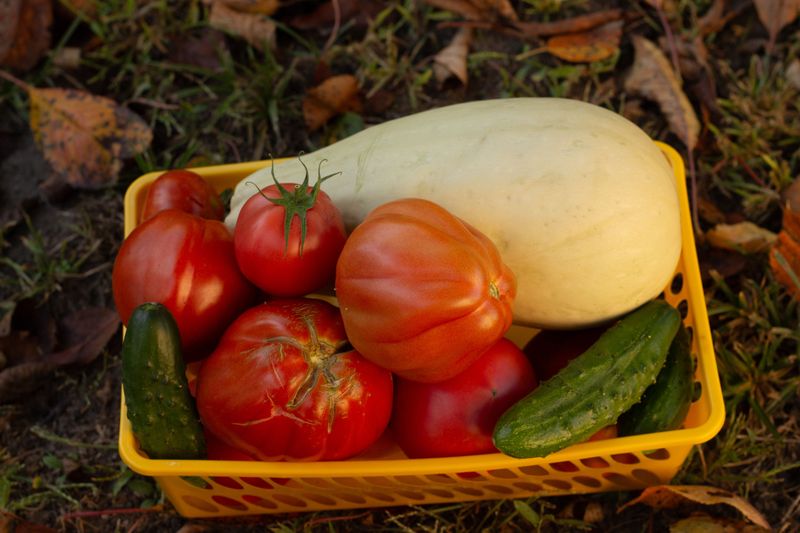
Lucky us! Our state hands warm-season vegetables not one but two chances to shine each year.
The first window opens in spring, usually around March and April. That is when gardeners rush to plant tomatoes, peppers, eggplant, beans, squash, cucumbers, and melons.
Speed is the secret to spring success. You want plants rooted and flowering early so they can set fruit before the brutal summer heat shows up in June.
The second window arrives in fall, often in September and October. Many locals call it Florida’s second spring, and it earns that nickname.
As summer heat fades, warm-season crops get another shot. Many of them perform even better in fall because the weather keeps cooling and pest pressure tends to drop.
Planning both windows takes a little thinking ahead. Order seeds early, and start tomato and pepper transplants indoors about six weeks before each planting time.
Write down which varieties did well in spring, then repeat the winners in fall. Try heat-tolerant tomato types for spring and bigger slicing tomatoes for fall.
One more tip: rotate where you plant. Putting tomatoes in a different spot each round helps keep soil problems from building up, giving your fall crop a fresh start.
4. Your Region Changes Every Planting Date
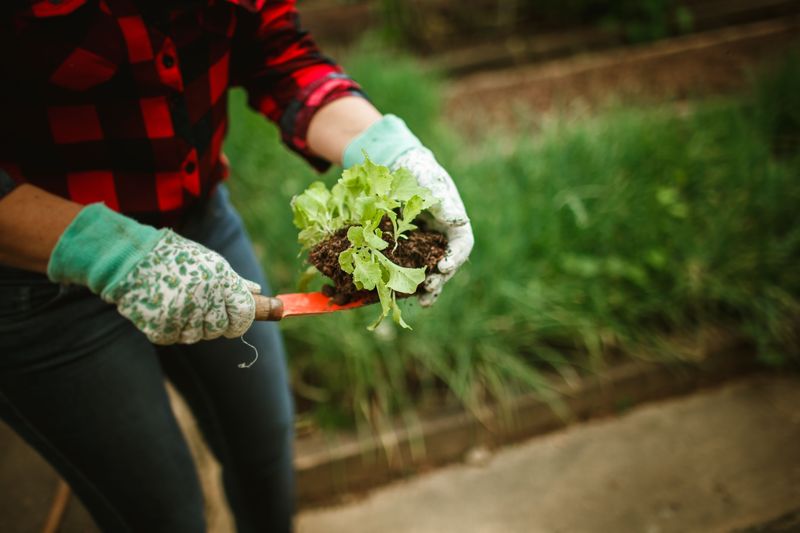
Pensacola and Key West share a state, but their gardens might as well live on different planets. Florida stretches more than 800 miles, and the weather changes a lot along the way.
Experts split the state into three gardening regions: North, Central, and South Florida. Each region follows its own planting calendar.
North Florida usually runs a couple of weeks behind Central and South Florida. Frost hits there more often, so tender plants go in the ground a bit later in spring.
South region flips things even further. Many gardeners there grow tomatoes straight through winter because frost rarely visits.
Much of this comes down to USDA Plant Hardiness Zones. These zones range from 8b in the cooler Panhandle all the way to 11b in the tropical Keys.
Your zone tells you how cold your winters usually get. That number helps you pick plants that can handle your local lows.
To find yours, type your zip code into the USDA zone map online. It takes about ten seconds.
Then write your region and zone at the top of your garden notebook. Every date you plan from that point should match where you actually live, not what a national seed packet says.
5. Use UF/IFAS’s Planting Guide Month By Month
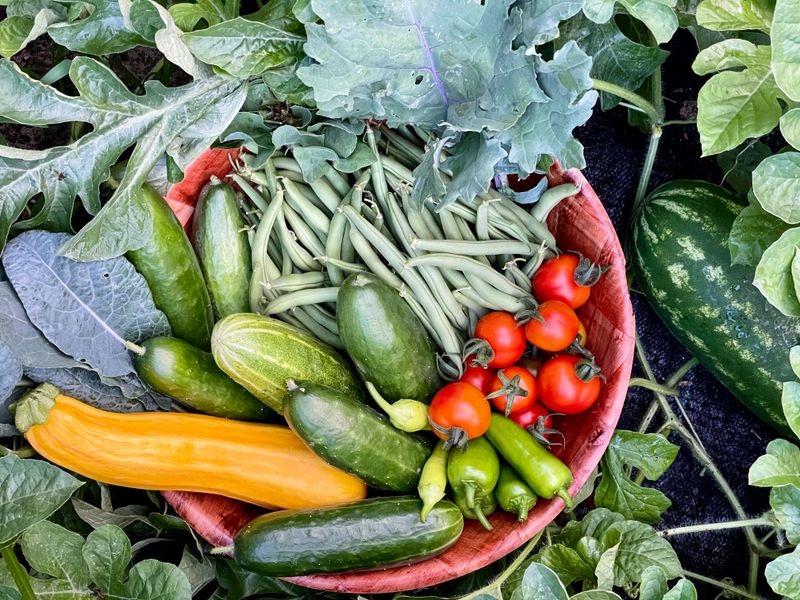
Guessing is fun for board games, not for planting dates. Thankfully, Florida gardeners have a free cheat sheet from real scientists.
The University of Florida’s Institute of Food and Agricultural Sciences, known as UF/IFAS, studies how plants grow across the state. Their research turns into easy guides anyone can use.
The star resource is the Florida Vegetable Gardening Guide. It covers planning, soil prep, pest control, and suggested planting dates for dozens of crops.
UF/IFAS also shares monthly gardening calendars for North, Central, and South Florida. Each month lists what to plant and which chores to tackle.
These calendars explain when to start seeds indoors, when to move transplants outside, and when to sow seeds right into the ground. That kind of detail saves a lot of trial and error.
Here is a simple way to use them. Print the calendar for your region and tape it inside a kitchen cabinet or garage door.
At the start of each month, check the list and circle two or three crops you want to try. Then mark seed-starting dates on your phone so reminders pop up on time.
Local county Extension offices, which are part of UF/IFAS, also answer questions. Many even host free classes for home gardeners.
6. Wrap Up Cool-Season Crops By The End Of March
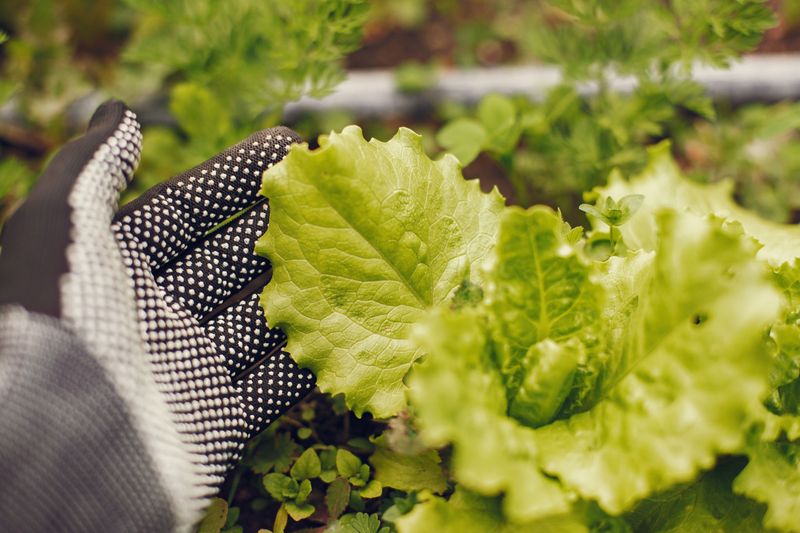
Notice your lettuce suddenly shooting up tall and tasting bitter? That’s March telling you the cool season is packing its bags.
As temperatures climb, cool-season crops start to bolt. Bolting means a plant rushes to make flowers and seeds, which leaves leaves tough and bitter.
Lettuce, kale, and broccoli all react this way once the days warm up. Spinach and cilantro are especially quick to bolt.
Meanwhile, frost-tender warm-season plants are ready to move in across North and Central Florida by March. That makes it the natural handoff month.
Plan to finish your cool-season harvests by the end of March. Pick the last heads of broccoli, pull leftover carrots, and cut any lettuce worth saving.
Clearing beds on time gives you space to prep for spring planting. Pull spent plants, add compost, and loosen the soil for incoming tomatoes and squash.
A handy trick is to work backward. If you want tomatoes planted by mid-March, sow your fall and winter crops early enough to finish before then.
Spent greens can go straight into the compost pile. Those leftover leaves will break down into rich food for next year’s garden, so nothing goes to waste.
7. Plan For Summer As The Off-Season
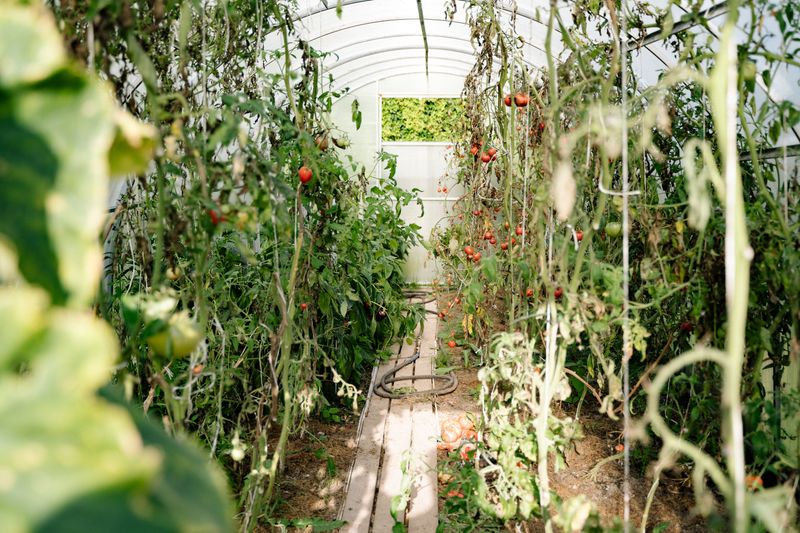
Picture this: it’s 3 p.m. in July, the thunder is rumbling, and the air feels thick enough to drink. Your tomato plants look as tired as you do.
Florida summers, roughly June through August, are tough on most traditional vegetables. Heat, humidity, and heavy rain create stress that many crops simply can’t handle well.
Bugs multiply fast in warm weather. Fungal diseases also spread quickly when leaves stay wet after afternoon storms.
That is why many experienced gardeners slow down on purpose. They treat summer like a break between innings rather than a failure.
Planning for this pause changes your whole mindset. Instead of fighting the weather, you use the time for jobs that set up a stronger fall.
Fix broken bed frames, repair drip lines, and sharpen tools. Browse seed catalogs and sketch out your fall layout while sitting somewhere cool.
You can also build new raised beds or haul in compost during early mornings. Getting this work done before September means you can plant quickly when the weather breaks.
And yes, resting counts as a garden task. A gardener who isn’t worn out by August makes better choices when fall planting begins.
8. Okra And Southern Peas Can Handle The Summer Heat
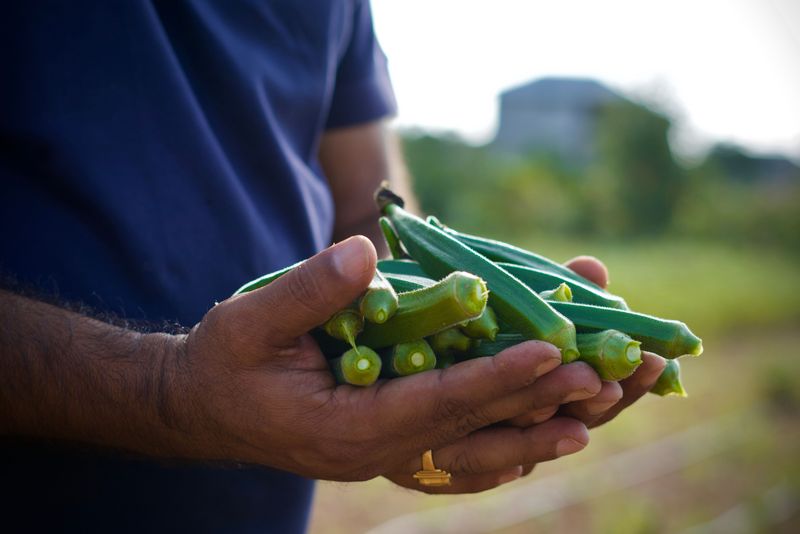
Some plants wilt in the heat. Okra just smiles and asks for more sunshine.
Not every bed needs to sit empty in summer. A few tough crops actually enjoy steamy months.
Okra leads the pack, happily growing through 90-degree days and pumping out pods all summer. Did you know okra is related to hibiscus?
One look at its pretty yellow blooms shows the family resemblance.
Pick okra pods when they’re about three inches long. Bigger pods get woody, and checking every day or two keeps plants producing.
Southern peas, also called cowpeas, are another star. They handle high heat, dry spells, and even poor sandy soil, which Florida has plenty of.
Black-eyed peas, crowder peas, and pink-eyed purple hulls all belong to this group. They’re tasty fresh or dried for winter meals.
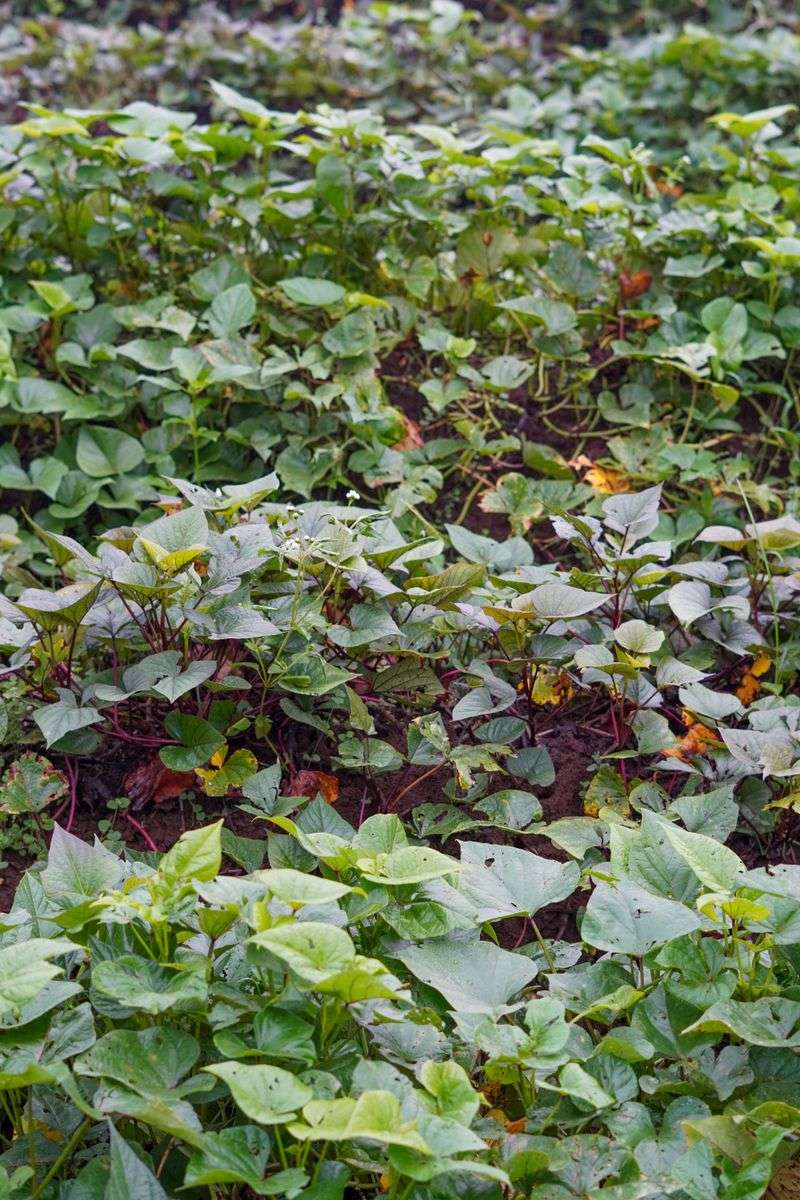
Sweet potatoes make a great summer pick too. Their vines spread fast, and the young leaves are edible, so you get greens and roots from one plant.
Malabar spinach rounds out the list. This climbing vine stays leafy when regular spinach gives up, and it looks lovely on a fence.
Plant a small patch of two or three of these, and summer meals stay homegrown.
9. Solarize Or Plant A Cover Crop To Rest Your Beds
Think of summer as a spa season for your soil. Two smart treatments can leave beds refreshed and ready for fall.
The first is solarization. It sounds fancy, but it simply uses the sun as a free garden helper.
Clear out a bed, water the soil well, and cover it tightly with clear plastic. Leave it for six to eight weeks during the hottest stretch.
Trapped heat builds up under the sheet and cooks out many weeds, pests, and soil-borne diseases. This works best in sunny spots from June through September, especially in South Florida.
Bury the plastic edges with soil so hot air can’t escape. Clear plastic works better than black because sunlight passes straight through to warm the ground.
The second option is planting a cover crop. Cowpeas and sunn hemp are popular summer choices.
Both are legumes, a group of plants that pull nitrogen from the air and store it in the soil. They also add organic matter, crowd out weeds, and stop rain from washing dirt away.
Chop them down a few weeks before fall planting and mix them into the soil. Your next crop gets a nutrient boost, and you skip some fertilizer costs too.