How To Plant Bare Root Roses In California This Winter
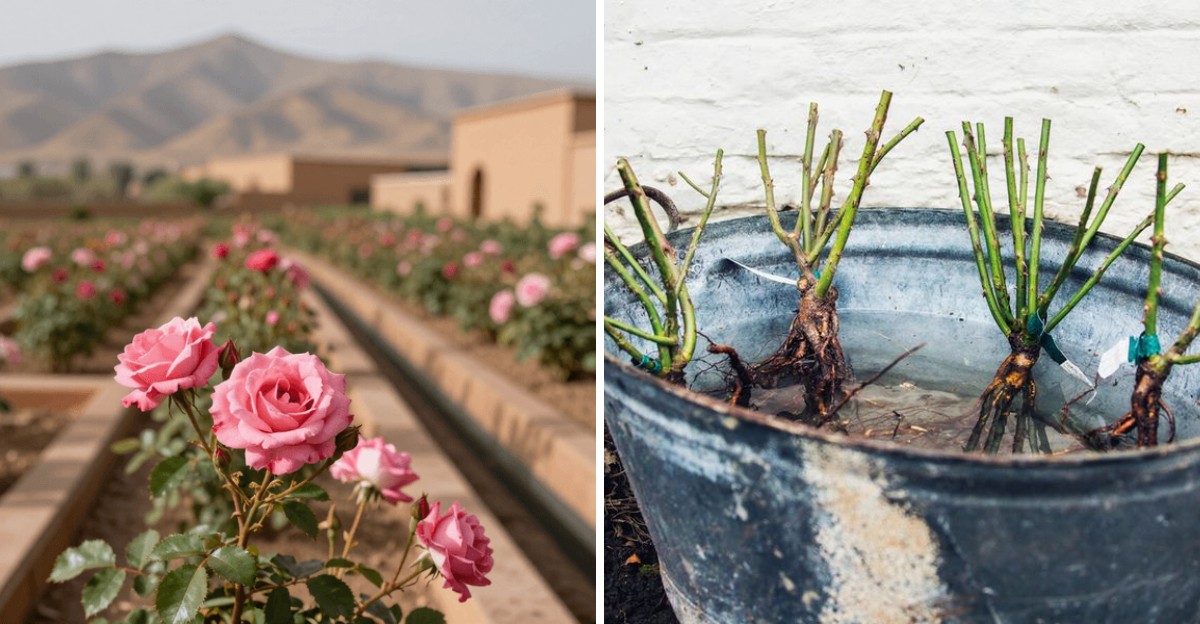
A gentle fingernail scratch on a dormant cane should reveal moist green tissue just under the bark. Wrinkled, shriveled, or blackened canes usually mean the plant dried out somewhere in storage.
These soil-free bundles were lifted from fields while dormant, so their roots can wake up in cool California soil long before any leaves appear. Planting before daytime temperatures regularly reach the 70s gives them a much better start.
To be fair, a bundle of brown sticks with tangled roots doesn’t look like much at the garden center. You might notice that an overnight soak in a plain bucket of water perks up those thirsty roots before planting day.
Plenty of gardeners wait for leafy potted plants in May and miss this short winter window entirely. A few smart choices about soaking, sunlight, and planting height could turn those sleepy sticks into a flower-covered shrub by late spring.
Those Bare Rose Canes Are Sleeping For A Very Good Reason
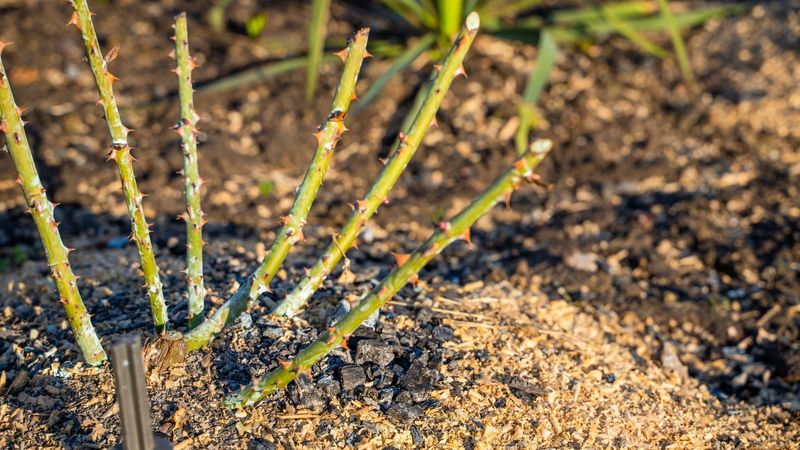
Dormancy is the secret behind every bare root rose. The plant was dug from a field while resting, so it has no leaves to feed and very little water loss to worry about.
That sleepy state lets it survive shipping and storage without soil. Once planted, the roots wake up first and start growing in cool, moist ground. Leaves come later, after the plant has a solid grip on its new home.
Across much of California, winter soil rarely freezes. Roots can keep stretching out in December, January, and February while the canes stay quiet. UC Master Gardener programs point to this season as the classic time for planting bare root roses.
Wait too long, and the math flips. Warm spring days push out leaves before the roots are ready, and the young plant can struggle to keep up with water demand. Planting before daytime temperatures regularly climb into the 70s gives you much better odds.
I find this one of the easiest wins in the garden. You plant a dormant stick in the cool months, ignore it for a bit, and spring does a lot of the heavy lifting for you.
Plump Green Canes Tell You Which Bare Root Rose To Bring Home
Shopping for roses in winter feels a bit like judging a book by its spine. You only see sticks and roots, so the small details matter a lot.
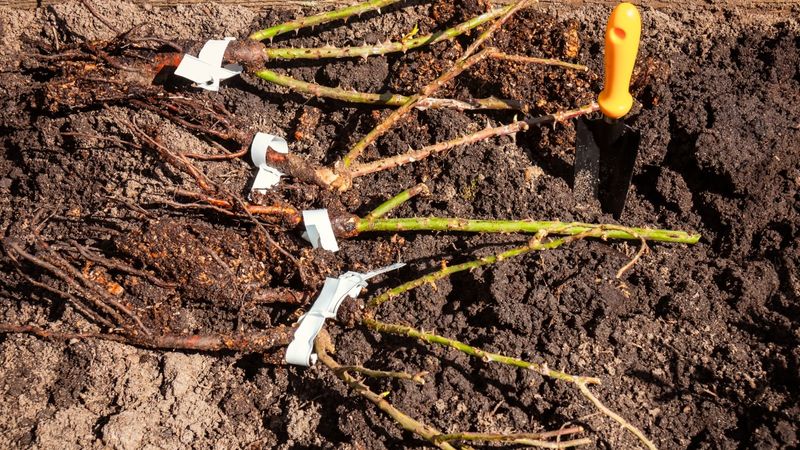
Look for three to five sturdy canes with smooth, firm bark. Green or healthy brown color is great, while wrinkled, shriveled, or blackened canes suggest the plant dried out in storage. Gently scratch one cane with a fingernail if the store allows it, and you should see moist green tissue underneath.
Next, check the roots. They should feel flexible, look fairly light in color, and spread out in several directions instead of bunching on one side. Mushy or moldy roots are a red flag.
The graft union deserves a quick glance too. That knobby bump where the rose joins its rootstock should feel solid, with canes attached firmly.
Grading helps as well. Roses labeled Grade 1 typically have the most canes and the strongest start. Packaged roses in boxes can be fine, though I like to buy them early, before the store warms up and the buds start sprouting pale little shoots inside the plastic.
A Bucket Soak Wakes Up Thirsty Rose Roots
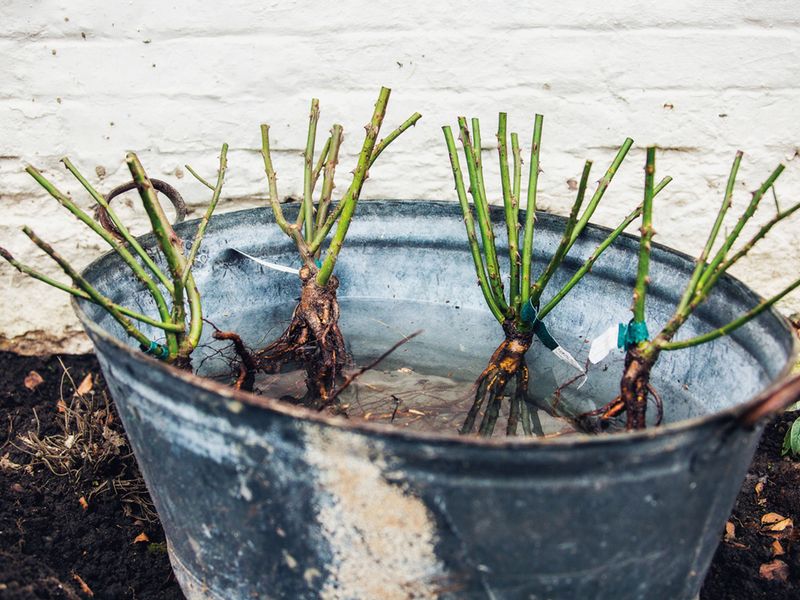
Fresh from the nursery, a bare root rose is basically a very thirsty traveler. Its roots have been out of soil for days or even weeks, so a good drink comes first.
Fill a bucket with plain water and submerge the entire root system. Most experts suggest soaking for a few hours up to overnight. I usually start mine in the evening and plant the next morning, which makes the timing easy to remember.
Skip the long soak marathons, though. Leaving roots underwater for several days can deprive them of oxygen and cause rot.
While the rose rests in the bucket, grab clean, sharp pruners. Snip off any broken, mushy, or damaged roots. Overly long roots can be trimmed back so they fit the hole without bending or circling.
Take a look at the canes too. Remove any that look shriveled or cracked, cutting just above a healthy outward-facing bud.
Can’t plant right away because of rain or soggy soil? Heel the rose in by burying its roots in a shallow trench or a pot of damp mulch. That trick keeps it happy and dormant for a short wait.
Your Rose Bed Needs At Least Six Hours Of Sunshine
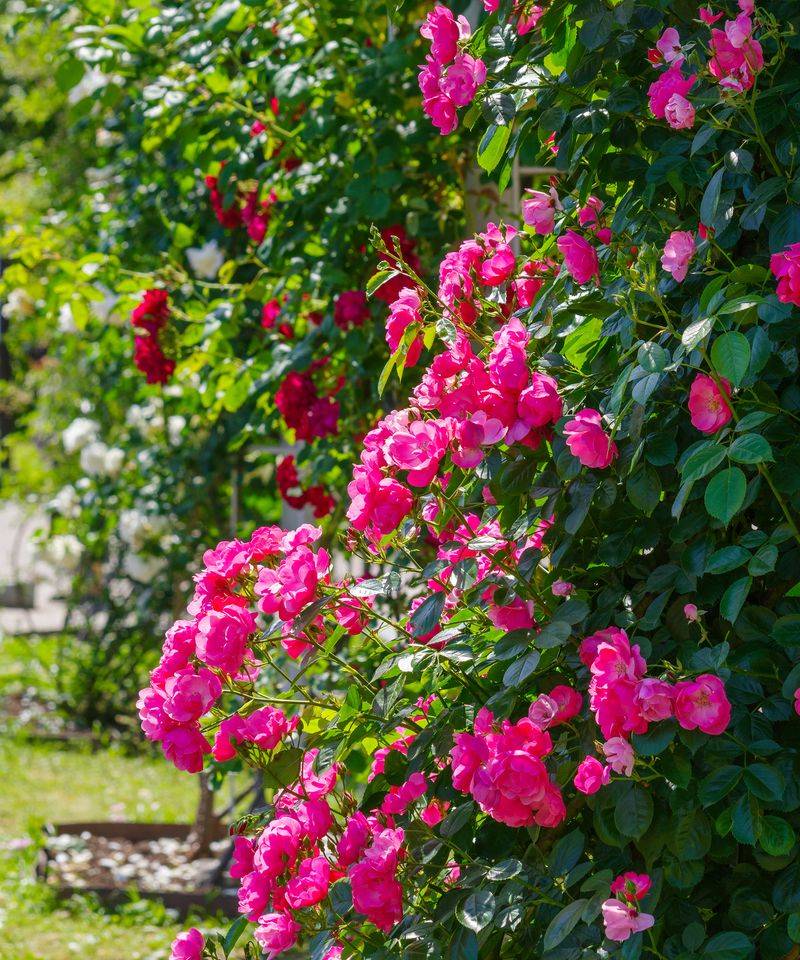
Roses are serious sun lovers. Give them at least six hours of direct sunlight daily, and they reward you with more flowers and sturdier growth.
Morning sun is especially helpful. It dries dew off the leaves early, which lowers the chances of powdery mildew and other fungal problems. In the hottest inland valleys and desert areas, a little afternoon shade can protect blooms from scorching.
Airflow matters almost as much as light. Crowded corners and spots tight against walls trap humidity and invite disease. Leave enough room between plants so a breeze can move through the bed.
Drainage is the other big deal. Roses hate soggy feet, so avoid low spots where winter rain pools. A simple test helps: dig a hole, fill it with water, and see whether it drains within a few hours.
Distance from trees is worth a thought too. Big roots from established trees and shrubs steal water and nutrients from a new rose, and their shade spreads every year.
Heavy clay soil, common in many parts of the state, can be improved with compost or by planting in a raised bed. That small effort pays off for years.
Building A Soil Cone Makes Rose Roots Spread Out Naturally
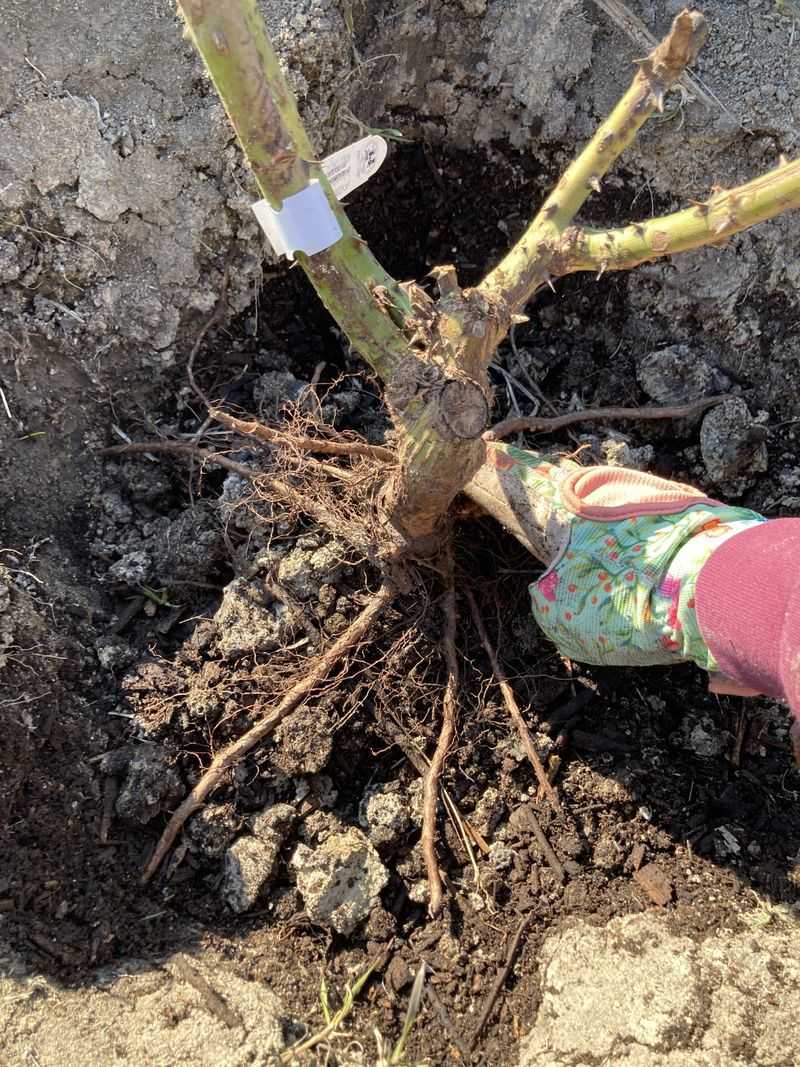
Here comes the satisfying part, the actual planting. Grab a shovel and dig a hole wide and deep enough for the roots to spread out comfortably, often around 16 to 18 inches across.
Mix the soil you removed with some compost. Many California gardeners blend in roughly a third organic material, which improves texture without creating a soft pocket that holds too much water.
Pile some of that mix into a cone in the center of the hole. Set the rose on top and drape the roots down the sides, like a skirt. That shape keeps roots pointing outward instead of folding up.
Height is the detail people often miss. In mild California climates, the graft union usually sits about an inch above the soil line. Colder mountain areas sometimes bury it a bit deeper for protection, so check local advice if you garden at elevation.
Lay a shovel handle across the hole to judge the level. Then backfill gradually, firming the soil gently with your hands to remove air pockets.
Finish by shaping a low berm of soil around the plant. That little ring holds water right where the new roots need it.
A Deep Watering And Mulch Layer Help New Rose Canes Settle In
Right after planting, water slowly and deeply. Fill the basin, let it soak in, and fill it again. That settles soil around the roots and removes leftover air pockets.
After that first soak, ease up. Winter rain often handles much of the work, and cold, waterlogged soil can cause root rot. Check moisture with your finger a couple of inches down, and water only when it feels dry.
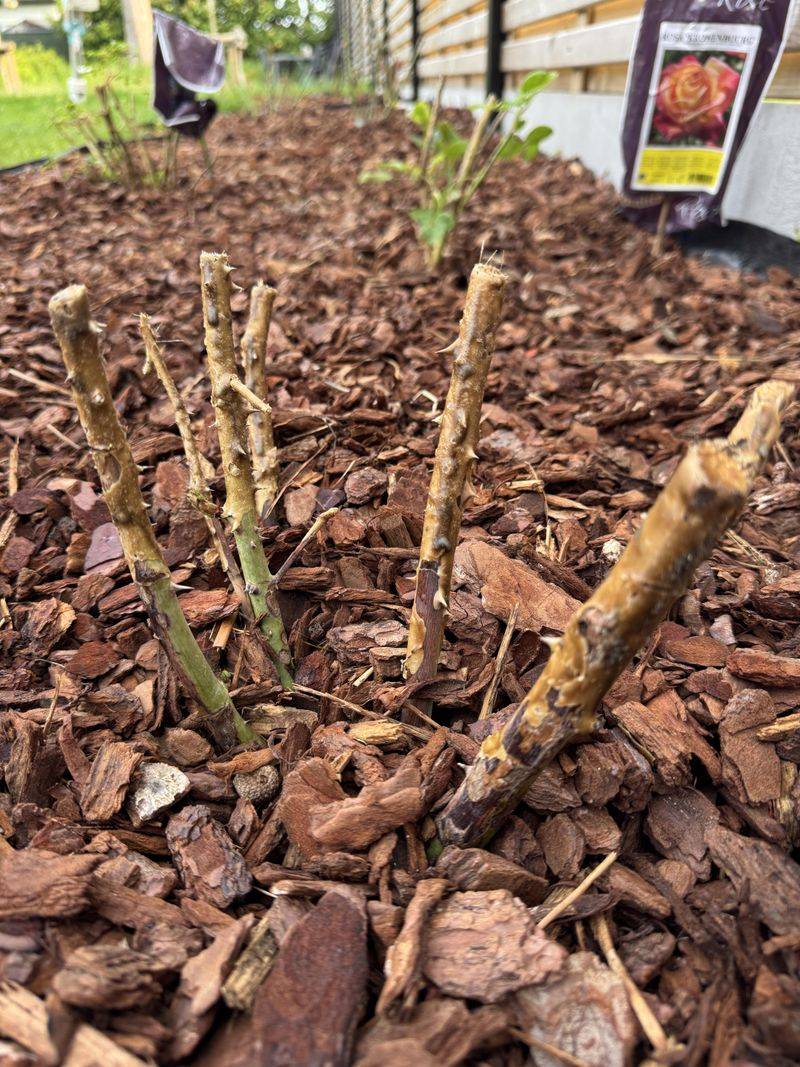
Some gardeners mound loose mulch or soil over the canes for a few weeks. This keeps the bare canes from drying out in wind and sun while the roots get going. Gently pull it away once new buds start to swell.
Spread a two to three inch layer of mulch around the plant, keeping it a few inches away from the canes. Mulch holds moisture, keeps weeds down, and evens out soil temperature.
Hold off on fertilizer for now. Strong feeding can burn tender new roots. Wait until you see healthy new growth, or even until after the first bloom cycle, before adding a gentle rose food.
Patience feels hard here, but a quiet start builds a tougher plant.
Coastal, Valley, And Desert Rose Gardens Run On Different Calendars
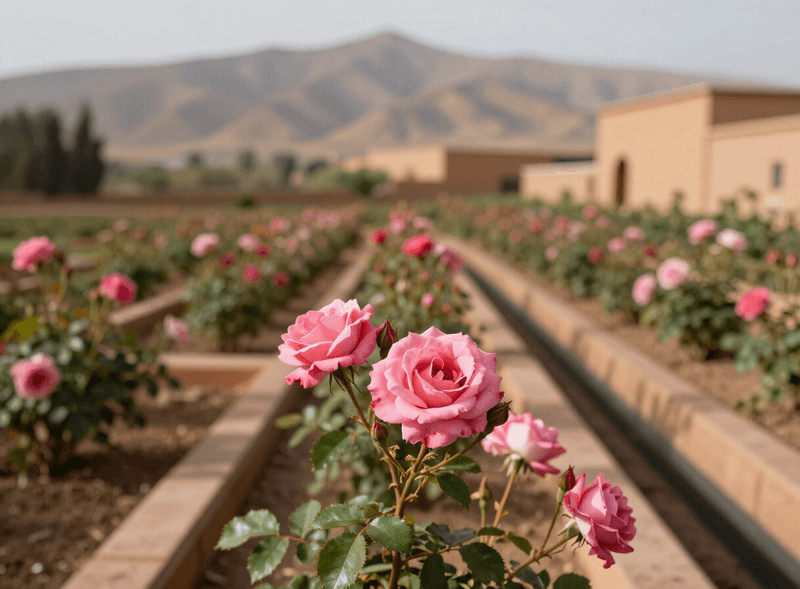
California packs a lot of climates into one state, and your rose calendar shifts with them. Most low-elevation gardens fall roughly in USDA zones 9 and 10, with some coastal pockets warmer still.
Along the coast and in many Southern California neighborhoods, bare root roses arrive in December and January. Planting through late February usually works well, since soil stays workable and frost is uncommon.
Central Valley gardeners have a similar window, though dense tule fog and chilly nights can slow early root growth. Soggy clay soil after storms is the bigger concern, so wait for a few dry days before digging.
Desert gardeners need to move faster. Rose society growers in the Coachella Valley often recommend early January planting, because heat arrives early and new plants need roots before spring warms up.
Mountain and high desert gardens, often zone 7 or 8, follow a different rhythm. Frozen ground can push planting into late winter or early spring, once soil thaws.
Your local UC Master Gardener program is a great resource for timing. They publish region-specific planting calendars that take the guesswork out of choosing a week.