What It Means When A Skunk Starts Digging Small Holes In Your Oregon Lawn
You walk outside expecting to see the usual Oregon lawn scene: grass, a few leaves, maybe a bird hopping around.
Instead, you notice a collection of small holes scattered across the yard like someone started a very tiny excavation project overnight. The mystery deepens when the digging crew is nowhere to be found.
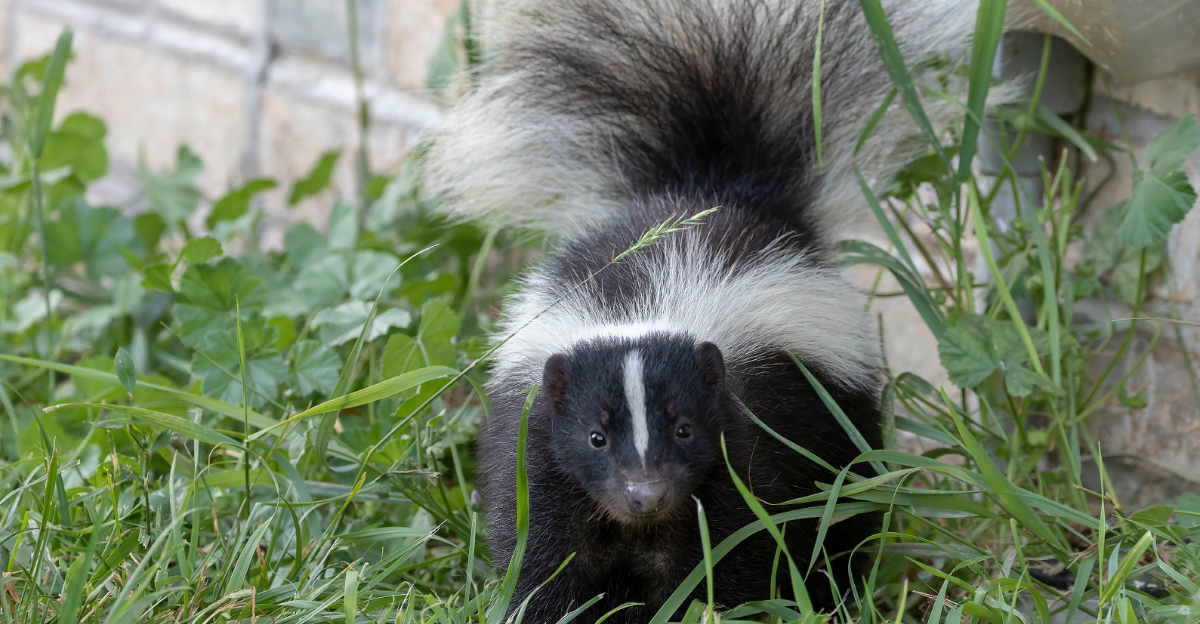
Skunks are often quiet visitors, which means homeowners may notice the evidence before they ever spot the animal responsible.
A few disturbed patches of grass can leave you wondering what is happening beneath the surface and why your lawn suddenly became such an interesting destination.
The tricky part is that these little digging marks are not random lawn damage. Their location, size, and timing can offer clues about what has caught a skunk’s attention.
And while the holes may look like a nuisance, they are also a sign that something in the yard is attracting interest.
1. Those Small Holes Usually Mean Skunks Are Hunting Grubs
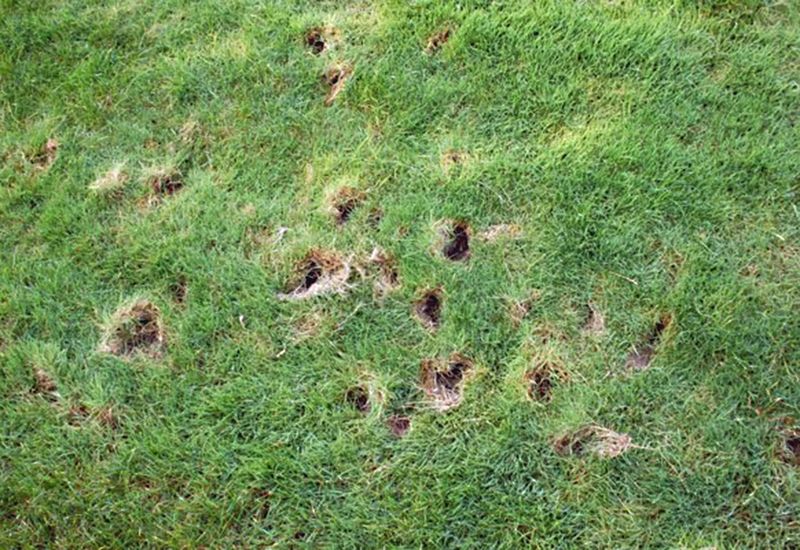
Spotting a series of small, cone-shaped holes in your lawn is almost always a sign that a skunk has been foraging for food.
Skunks use their strong front claws to punch through the surface of the soil in quick, precise motions. Each hole is usually about two to three inches wide and just as deep.
What they are after is not worms or roots. Grubs are the real prize. Grubs are the larvae of beetles, and they live just beneath the surface of your lawn, feeding on grass roots.
Skunks can detect them through the soil using their powerful sense of smell, which is one of the most sensitive in the animal kingdom.
A skunk does not randomly wander and dig. It follows scent trails and targets specific spots where grub activity is highest.
You might notice the holes clustered in one area of your yard, which usually means grub populations are concentrated there. This focused digging is a clue that your lawn has an active grub problem worth addressing.
The holes themselves are rarely deep enough to cause serious structural damage to your lawn, but the torn grass and loose soil can look messy and patchy. Filling in the holes and watering the area helps the grass recover quickly.
Understanding that the skunk is responding to a real food source is the first step toward solving the problem at its root.
2. Late Summer Soil Can Make Underground Insects Easier To Find
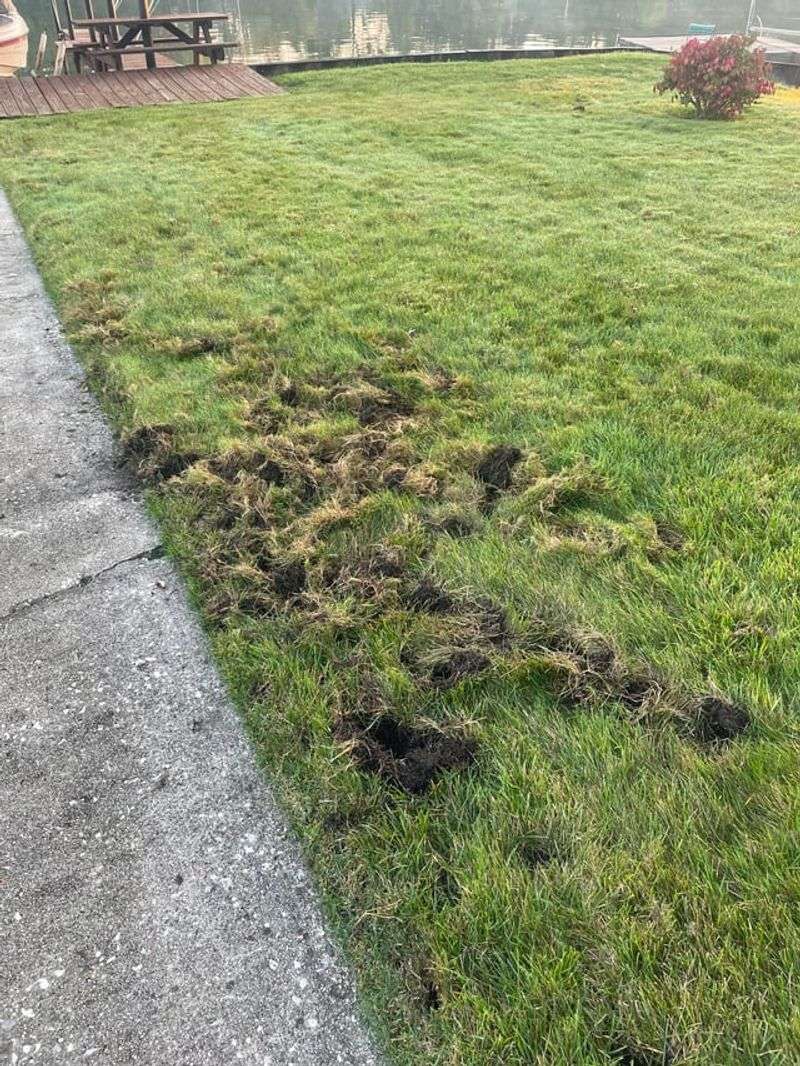
Late summer is prime time for skunk digging activity, and the reason comes down to what is happening in the soil.
As temperatures rise during July and August, beetle larvae grow larger and move closer to the surface. Larger grubs give off stronger scent signals, making them much easier for skunks to detect.
Warm soil also tends to dry out near the top, which can cause the upper layer to become looser and easier to break through.
This combination of accessible grubs and soft soil makes late summer the perfect season for skunks to go on a digging spree in residential yards.
Your Oregon Garden Changes Every Week. Your Plan Should Too.
Gardening in Oregon changes quickly throughout the season. Every Friday you’ll receive a simple weekly plan showing exactly what to plant, prune, fertilize, harvest, and protect so you never miss the right timing.
Many homeowners in Oregon first notice the holes appearing around this time of year.
The grubs are also at a stage of development where they are plump and nutritious, making the effort worthwhile for the skunk.
From late July through September, you can expect more frequent visits if your lawn has a grub population.
Cooler nights in late summer also encourage skunks to forage more actively, since they prefer mild temperatures for their nightly routines.
If you start seeing holes appear during these months, the timing itself is a strong indicator that skunks are the culprits.
Knowing this seasonal pattern helps you anticipate the problem before the damage gets too widespread.
Acting early, once you spot the first few holes, gives you the best chance of managing the situation effectively.
3. Skunks Flip Turf Looking For Beetle Larvae
One of the most telling signs of skunk activity is finding small flaps of turf that have been peeled back from the soil. Skunks do not just poke holes.
Sometimes they grab the edge of a patch of grass and flip it over entirely, exposing the soil and the larvae hiding underneath.
This behavior looks more dramatic than simple hole digging, and it can leave your lawn looking like it went through a rough patch. The reason skunks do this is smart, actually.
When they detect a cluster of beetle larvae in a concentrated area, flipping the turf gives them faster access to more food at once. Japanese beetle larvae and June bug larvae are two of the most common targets in Pacific Northwest lawns.
Beetle larvae spend their early weeks feeding on grass roots just below the surface. A heavy infestation can actually weaken your lawn before a skunk ever shows up.
The skunk is essentially acting as a natural pest control agent, even if the method leaves your yard looking rough. Sections of turf that have been flipped can often be pressed back down and watered to encourage reattachment.
The key is to do this quickly before the roots dry out. Checking your lawn in the morning after a suspected visit helps you spot and repair these flipped patches before they turn into larger withered spots.
4. The Damage Often Appears Overnight
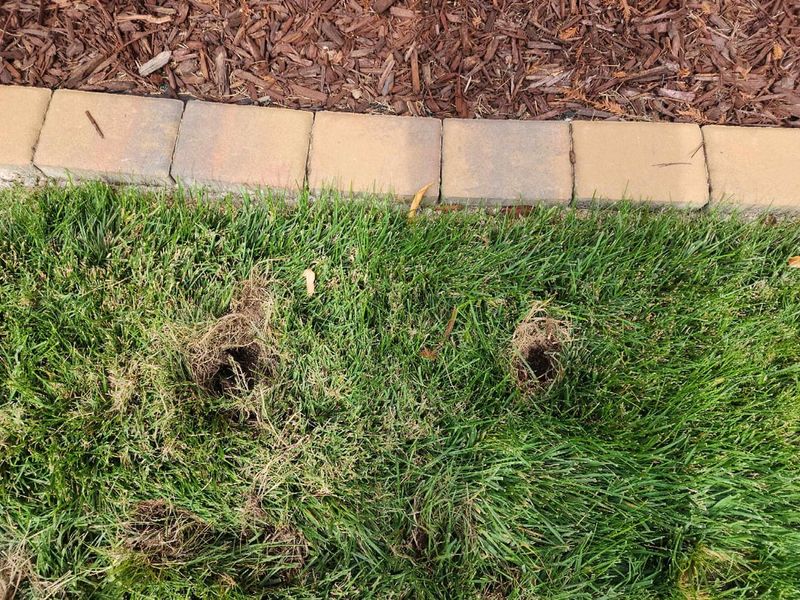
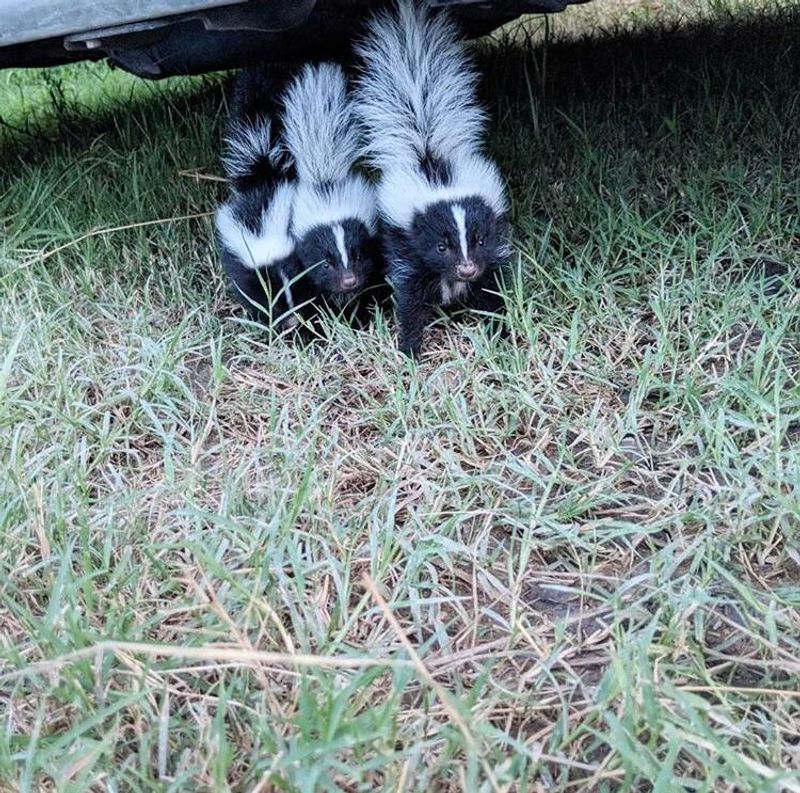
Waking up to a yard full of holes when everything looked fine the evening before can feel like a mystery. Skunks are nocturnal animals, meaning they do almost all of their foraging between dusk and dawn.
By the time the sun comes up, the skunk is long gone, leaving only the evidence of its visit behind.
This overnight timing is one of the reasons many homeowners do not immediately connect the damage to a skunk. Other animals like raccoons and moles can also disturb lawns, but skunk holes have a distinctive small, cone-shaped appearance that sets them apart.
Raccoon damage tends to be more aggressive and widespread, while mole damage creates raised ridges rather than open holes.
If you check your lawn in the morning and find fresh, small holes with loose soil around the edges, skunks are a very likely cause. You might also notice a faint musky odor in the area if a skunk felt threatened during its visit.
That smell is a strong confirming clue. Setting up a motion-activated camera can help you catch the skunk in the act and confirm the identification.
Knowing for certain what animal is visiting also helps you choose the right response. Some homeowners find it helpful to keep a simple log of when and where holes appear, which can reveal patterns in skunk behavior and help target the most affected areas of the lawn.
5. Moist Lawn Areas Can Attract More Digging
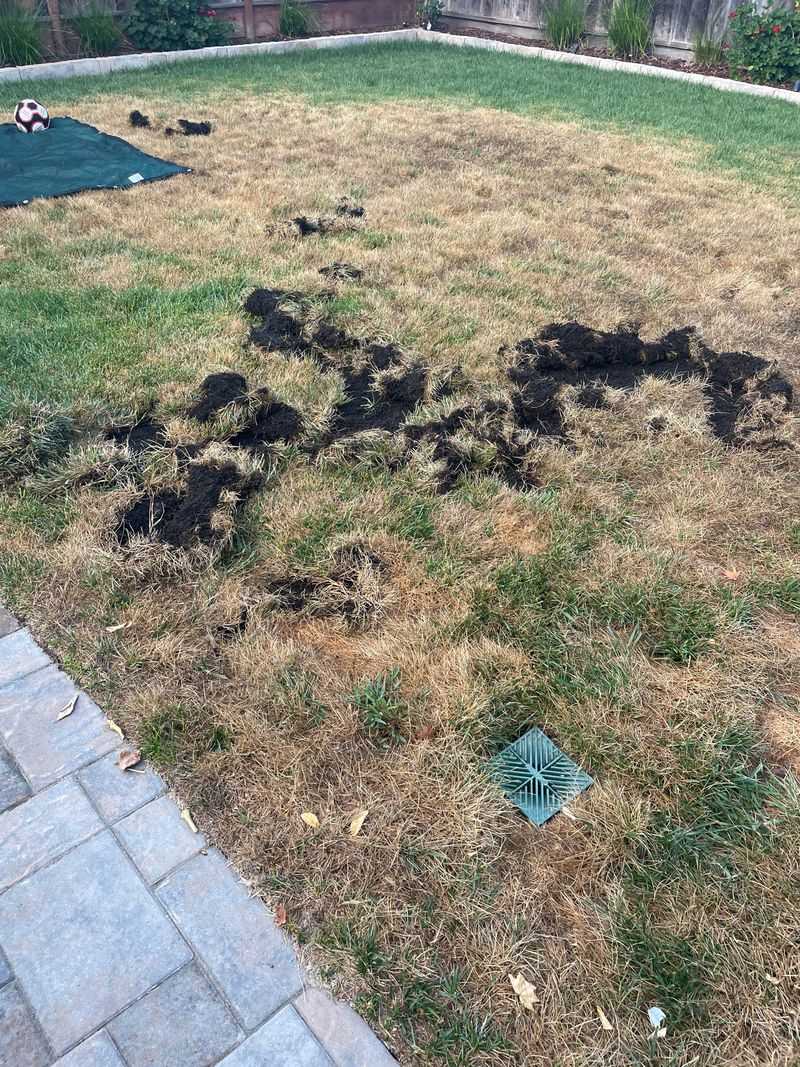
Water plays a bigger role in skunk activity than most people realize. Lawns that are frequently irrigated or that stay naturally moist tend to attract more skunk visits.
The reason is simple: moist soil keeps grubs and other insects active near the surface, where skunks can more easily reach them.
When soil dries out completely, grubs burrow deeper to find moisture and protect themselves from heat. A skunk cannot dig deep enough to reach them in that condition, so it moves on.
But a well-watered lawn is basically an open invitation. Grubs stay close to the surface in moist conditions, which puts them right in the target zone for foraging skunks.
Overwatering your lawn during summer can actually make the grub problem worse before it makes it better.
Keeping your irrigation schedule balanced is a practical way to reduce skunk appeal without letting your grass suffer.
Many lawn care experts recommend watering deeply but infrequently, which encourages grass roots to grow deeper while allowing the top layer of soil to dry slightly between sessions. This makes grubs less accessible without harming your lawn.
Checking your irrigation zones for leaks or runoff can also help identify which parts of your yard stay wettest.
Those wet zones are often exactly where you will find the most skunk holes clustered. Adjusting your watering habits is one of the easiest first steps you can take.
6. Healthy Soil Can Still Have A Grub Problem
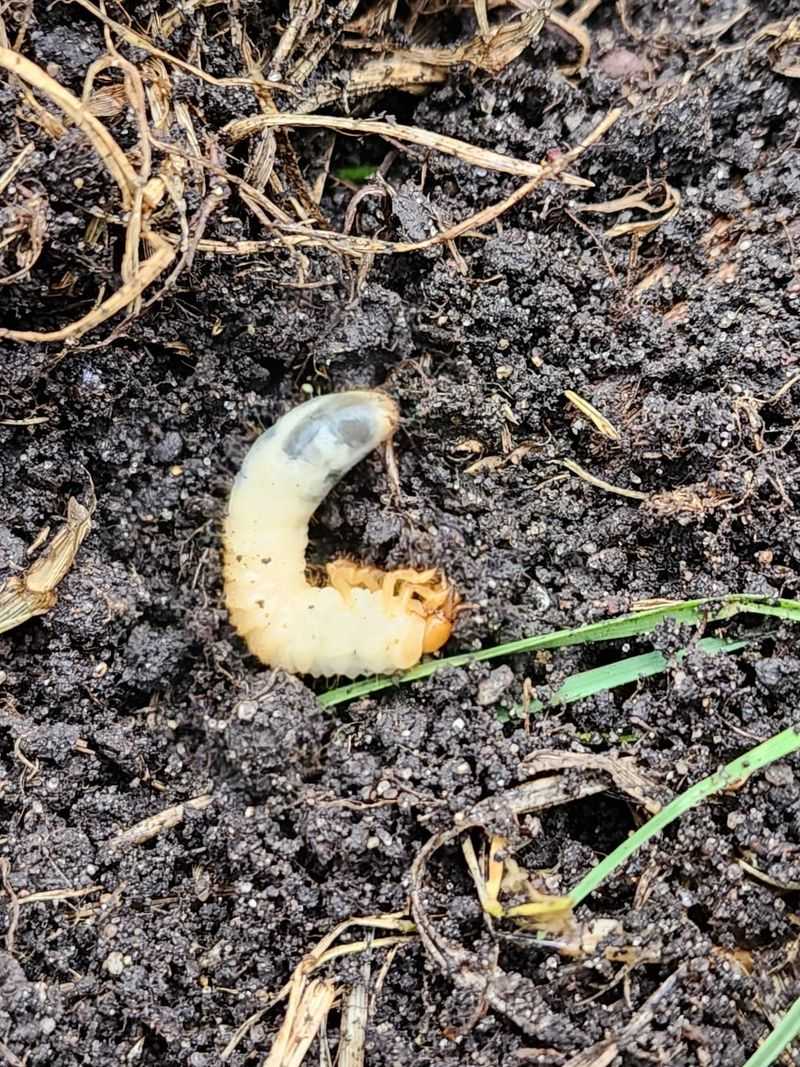
Many homeowners assume that if their lawn looks green and full, it must be free of pests. That assumption can lead to some real surprises.
Grubs can thrive in perfectly healthy, well-maintained lawns without showing obvious signs until the population gets large enough to cause damage.
A lush, thick lawn actually provides ideal conditions for beetle eggs. Female beetles prefer to lay eggs in moist, well-maintained grass because the conditions support larval survival.
So a beautiful lawn can quietly be hosting hundreds of grubs just below the surface, feeding on the very roots keeping it green.
Skunks often reveal hidden grub problems that homeowners did not know existed. If a skunk is consistently targeting the same areas of your yard, that is worth paying attention to.
You can do a simple check by cutting a one-square-foot section of turf about three inches deep and counting the grubs inside. Finding more than five to ten grubs per square foot usually signals a meaningful infestation.
Beneficial nematodes are a popular and environmentally friendly treatment option that many Oregon gardeners use to reduce grub populations naturally. Milky spore is another biological option that targets Japanese beetle larvae specifically.
Treating the grub population removes the food source and reduces the reason skunks have to visit in the first place.
A proactive approach to lawn pest management keeps both your grass and your yard visitors in better balance.
7. Removing The Food Source Can Reduce Visits
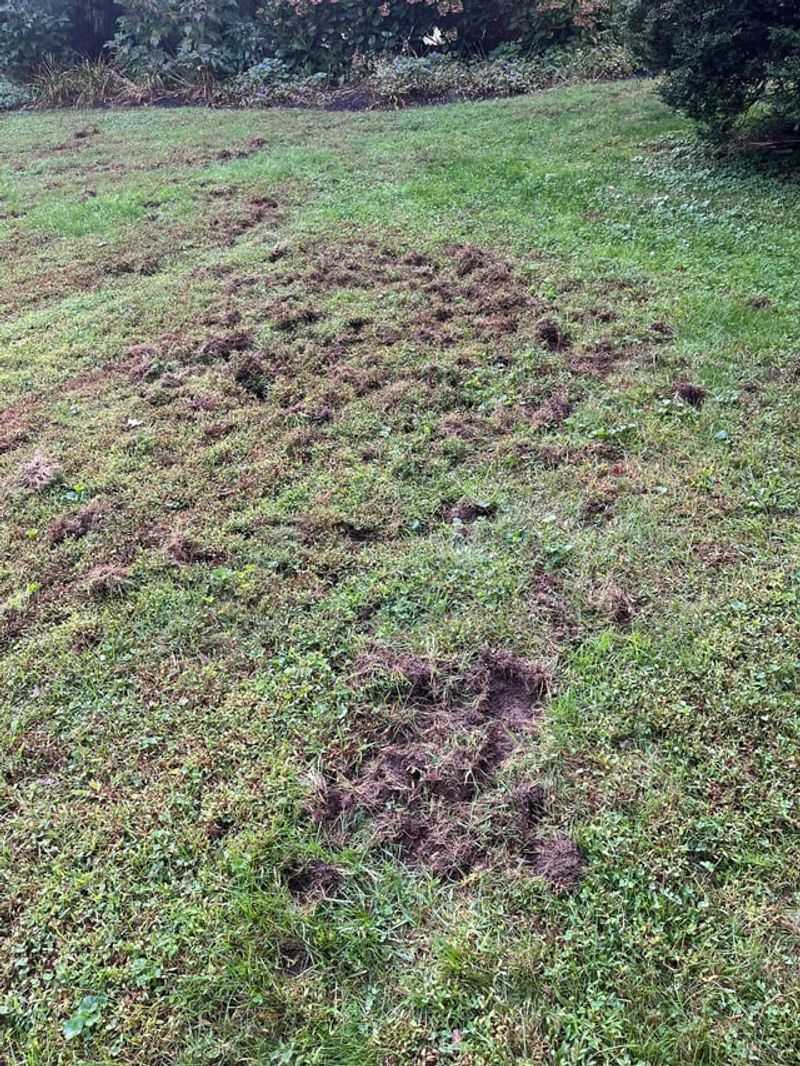
The most effective long-term strategy for reducing skunk visits is addressing the grub population directly.
Skunks are driven by food, and if the food source disappears, the motivation to keep digging disappears along with it.
This approach works better than most deterrents because it targets the root cause of the behavior.
Beneficial nematodes are microscopic organisms that you can apply to your lawn with a garden sprayer. They move through the soil and target grub larvae without harming earthworms, pets, or plants.
Timing matters with nematodes. They work best when applied in late summer or early fall when grubs are young and close to the surface.
Milky spore powder is another biological treatment that works specifically against Japanese beetle grubs.
It takes a season or two to fully establish in the soil, but once it does, it can provide several years of protection.
Chemical grub control products are also available and can work faster, but they require careful application to avoid runoff into waterways. Reading labels thoroughly before applying any product is always a smart habit.
Reducing outdoor lighting near your lawn can also help, since lights attract flying beetles that eventually lay eggs in the soil. Fewer beetles mean fewer larvae the following season.
Combining grub treatment with minor irrigation adjustments creates a strong two-step approach that makes your lawn far less attractive to foraging skunks over time.
8. Leaving Some Lawn Damage Alone Can Help Recovery
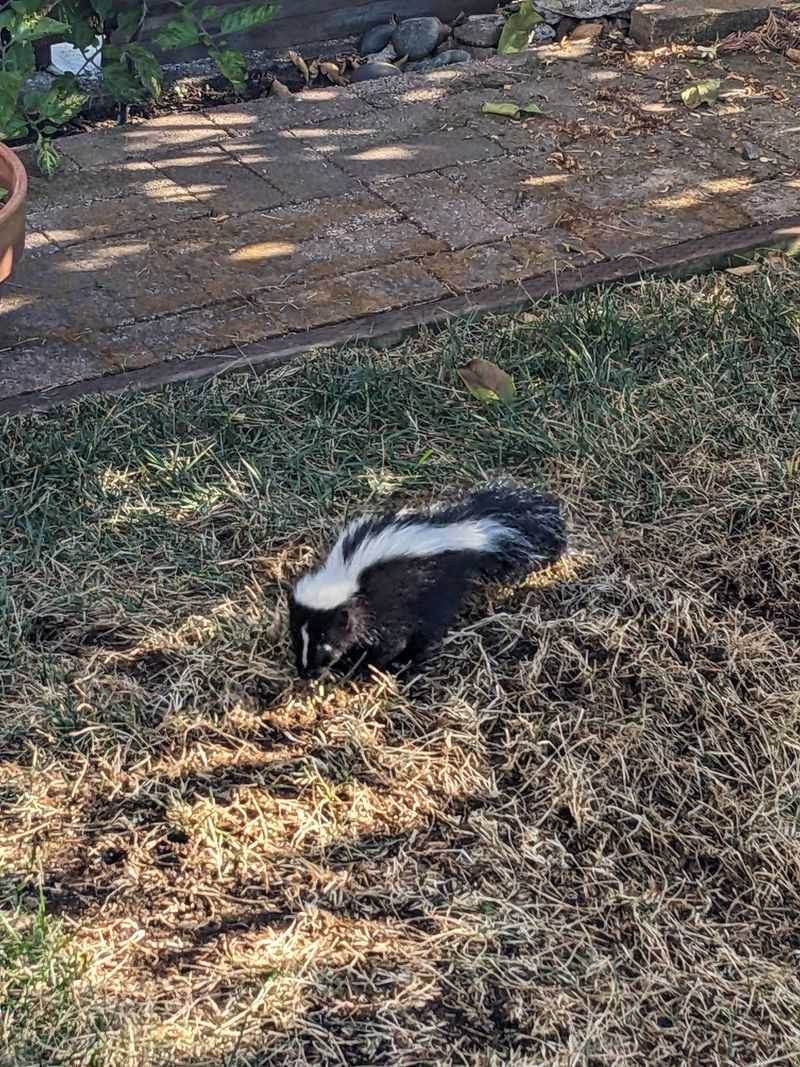
Not every hole or patch of disturbed turf needs an immediate repair. Lawns are surprisingly resilient, and in many cases, minor skunk damage will heal on its own with a little time and regular watering.
Grass roots that have not fully dried out can re-establish quickly, especially during the growing season.
Pressing flipped turf back into place and watering the area is often all you need to do for smaller patches.
The grass blades may look stressed for a few days, but new growth typically fills in within one to two weeks.
Overseeding bare spots with a matching grass variety speeds up the process and prevents weeds from moving in.
Trying to fix every single hole immediately can sometimes cause more disruption than the original digging did.
Walking heavily over damaged areas compacts the soil, which makes it harder for grass roots to re-establish.
A light hand works better here. Raking loose soil gently back into holes, watering consistently, and giving the lawn a chance to breathe is usually enough for moderate damage.
Fertilizing lightly after repairs can give the grass a helpful boost. If the damage is more severe, laying new sod over the worst patches is a faster solution.
Oregon lawns in particular tend to bounce back well during the rainy season, which naturally supports root re-establishment. Patience combined with basic care is often the simplest and most effective path to a full recovery.