Adjusting Watering by Growth Stage for Arizona Winter Ryegrass
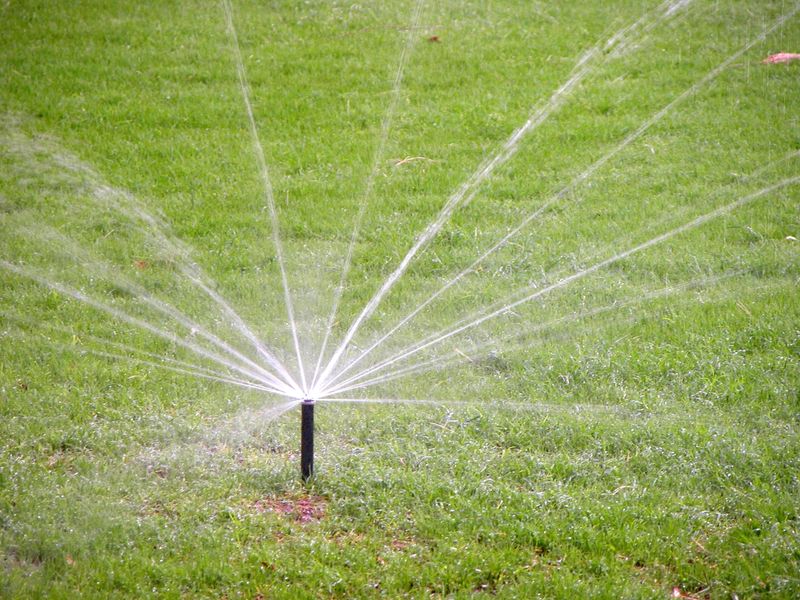
A lawn can need water several times a day one week and only once a week a month later. That big swing surprises many homeowners in the low desert.
Winter ryegrass is planted over bermudagrass, and its thirst changes as it grows. Knowing each stage helps you water with confidence and avoid waste.
Watering Needs Change as Ryegrass Grows
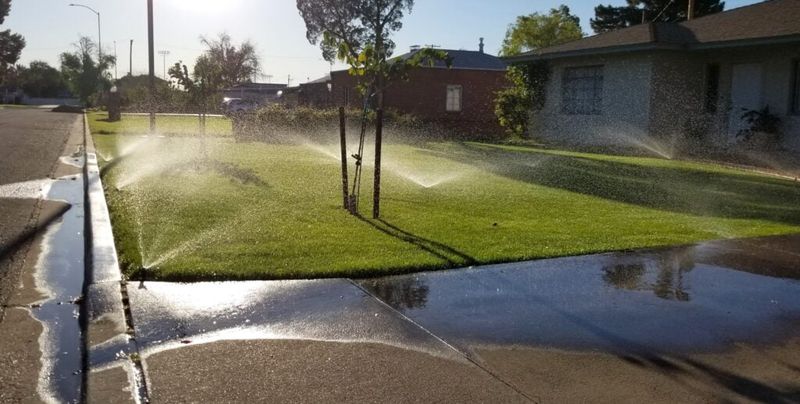
A headline that blames one November watering slip for a lost lawn makes a good scare, but the guidance does not back it up. Nothing in the Arizona sources shows that a single mistake always ruins ryegrass.
What they do show is that the lawn’s needs shift as it grows, and that is where trouble can start.
Seed that is just germinating must not dry out. University of Arizona overseeding guidance calls for frequent moisture at that point.
Once the grass is established, it needs far less frequent irrigation.
That is why using one schedule for every stage is a risk to avoid. A tight, several-times-a-day routine can leave an established lawn soggy and wasteful.
A relaxed, once-a-week routine can leave fresh seed too dry to sprout. Local advice such as the Phoenix-area AZMET lawn guide also links soggy soil and puddles with wasted water and more disease risk.
So the better question is not what you did in November. It is what stage your lawn is in today, and what it needs at that stage.
Low-Desert Overseeding Dates Depend on Location

Timing sets the stage for everything else, so start with the calendar. The guidance here covers low-elevation desert lawns, mainly bermudagrass overseeded with winter ryegrass.
It should not be applied wholesale to higher elevations or to permanent cool-season lawns.
The University of Arizona describes October as ideal, when daytime highs are around 80 to 85 degrees and nights are near 55. Its regional schedule lists Sep. 25 to Oct. 5 for higher-elevation Tucson.
For Phoenix, Casa Grande, and Yuma, it lists Oct. 10 to Nov. 10. You can see the wider context in the low-elevation turfgrass maintenance guide, and the overseeding publication also warns about frost risk with later sowing.
Treat November 10 as the end of the cited window, not a promise. Cooler conditions and frost can slow or threaten late seedlings.
A sowing near that date may not give you a full, even lawn.
Your own site matters too. Shade, a cool pocket of the yard, and a chilly year can all shift how a late planting behaves.
Freshly Sown Seed Needs Frequent Moisture
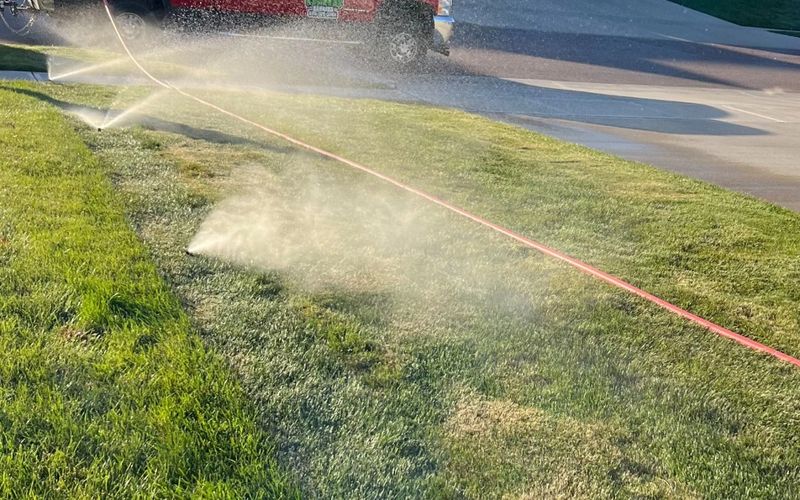
Right after seeding, the job is simple: keep the seed from drying out. University of Arizona Extension advises watering three to four times a day during the first 7 to 10 days, until seedlings emerge.
Those short, frequent sessions keep the top layer damp where the seed sits.
Warm desert air and dry soil can pull moisture away fast. A seed that starts to sprout and then dries can stall.
That is why this stage looks so different from the rest of the season.
Frequent here does not mean long. The goal is damp soil around the seed, not puddles or running water.
Watch the surface, and adjust if some spots dry faster, such as sunny edges or areas near pavement.
Keep one boundary clear. This busy schedule belongs to germination only.
It is not the routine for established turf, and carrying it past emergence wastes water. When you see seedlings coming up, you are ready to start easing back.
Taper Watering as Seedlings Establish
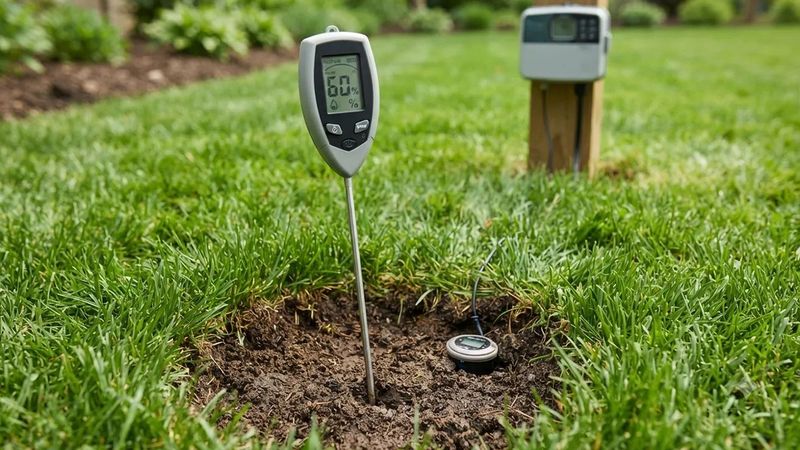
Once seedlings are up and settled, ease off in steps. Do not shut the water off.
University of Arizona Extension advises gradually reducing watering toward about once a week while keeping the upper six inches of soil moist.
Think of it as stretching the gap between sessions. You might go from several short cycles a day to one or two, then to every few days, then to a weekly rhythm.
Each step depends on whether the soil is still moist below the surface.
A long screwdriver makes a handy test. Push it into the lawn.
If it slides down six inches and comes out damp, more irrigation is not needed yet.
If it stops short or comes out dry, the soil may need water. Check a few spots, since sprinklers rarely cover every corner equally.
Weekly is a target to work toward, and the soil check keeps you honest.
Established Ryegrass Needs a Condition-Based Schedule
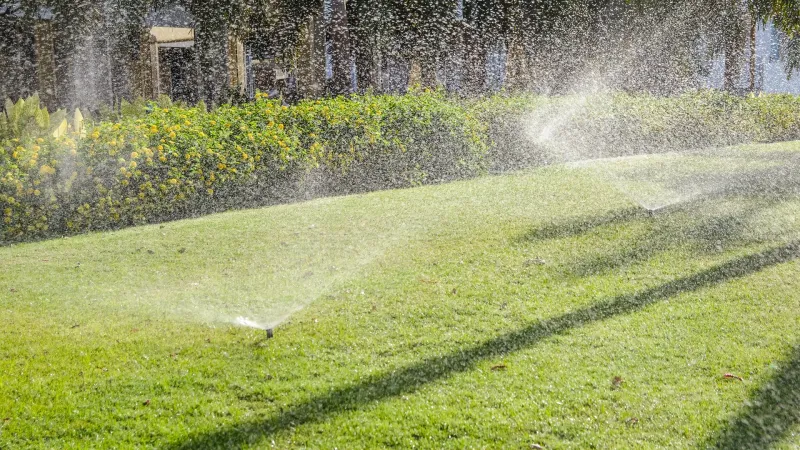
After the seedling phase, you are managing a mature winter lawn. For Phoenix-area lawns, the AZMET lawn watering guide suggests watering every three to seven days.
An older state desert lawn guide says about once a week in winter. The two are broadly consistent.
Treat those numbers as starting points, not fixed timers. A shaded back lawn will stay damp longer than a sunny front strip.
A breezy, dry week pulls more moisture than a cloudy, cool one.
Rain counts, so skip a cycle after a good soaking. Sprinkler coverage matters as well, because dry spots may mean uneven spray rather than a thirsty lawn.
Watering time also depends on how much your sprinklers put out, so there is no single number of minutes that fits every yard.
Watch the turf itself. Color, firmness underfoot, and soil moisture will tell you more than a calendar can.
Soggy Soil Is a Warning, Not a Diagnosis
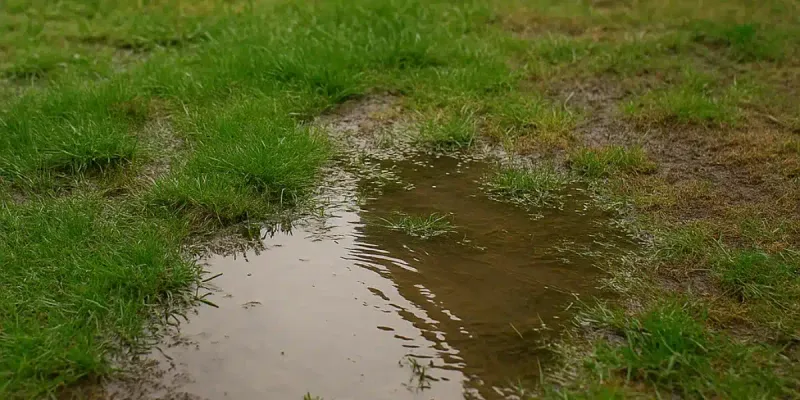
Watering until the ground is soggy is not a useful goal. AZMET associates overwatering with greater susceptibility to fungal disease and root rot.
It also simply wastes water, which is costly in the desert.
That does not mean extra water will always harm your lawn. It means more risk, not certain loss.
Many lawns get through a wet stretch fine.
Still, certain clues deserve attention. Puddles that linger, a musty smell near the soil, and ground that feels mushy underfoot are all warning signs.
They suggest the lawn may be getting more water than it can use. The Arizona Department of Water Resources guide offers similar cautions about overwatering.
None of these signs proves a specific problem. They are prompts to check the soil with a screwdriver, look at your sprinkler run times, and stretch the interval between waterings if the soil is still moist.
Shorter Cycles Can Help Water Reach Sloped Soil
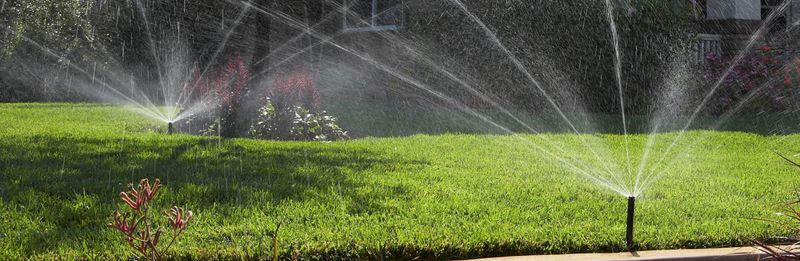
Runoff is its own problem. On a slope, water can race downhill before it soaks in, leaving the top dry and the bottom wet.
The City of Chandler recommends splitting a watering cycle into shorter cycles separated by 30 minutes, as described in its overseeding winter lawn guidance.
The pause gives the soil time to absorb each round. You use the same overall watering time, but more of it stays where you want it.
If one area stays dry, resist the urge to turn up the whole lawn. That adds water to spots that already have enough.
Instead, look at the problem spot itself.
Check whether sprinkler heads are tilted, blocked, or spraying unevenly. Account for recent rain before changing anything.
A small fix at the dry patch usually beats a big change everywhere else.
Winter Greenery Comes With a Water Cost
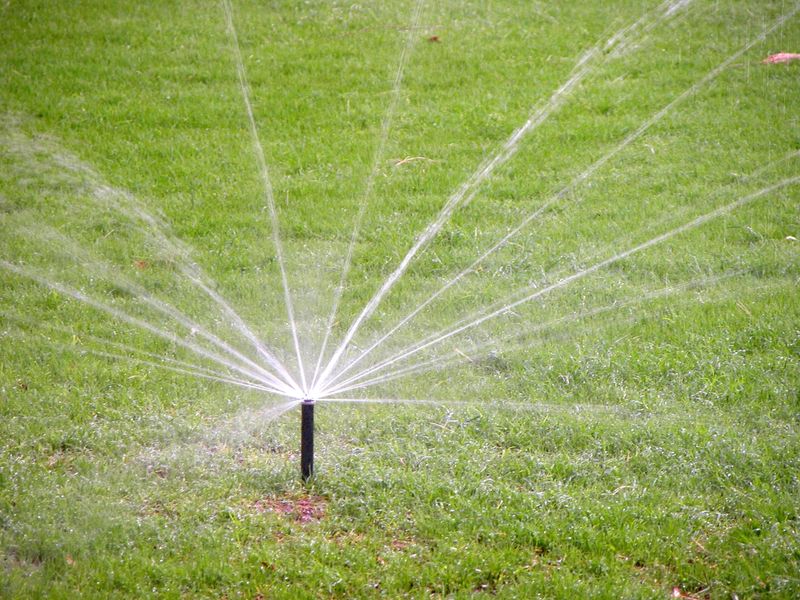
A green winter lawn is lovely, but it is not free. Overseeding uses more water than leaving bermudagrass dormant.
How much more depends on how the estimate is figured.
AZMET estimates that a 15-by-15-foot overseeded ryegrass lawn uses 1,238 gallons more water per season than dormant bermudagrass, according to its Phoenix lawn watering FAQs. That figure is tied to that specific small lawn size.
A separate municipal water-user November watering bulletin says skipping overseeding can save over 8,000 gallons per 1,000 square feet per season. That one uses a different basis.
Do not add the two together or treat either as your own total. Your yard size, weather, and sprinkler setup will change the real number.
They simply show that winter greenery has a real water cost worth weighing.
Check Soil Moisture Before You Water
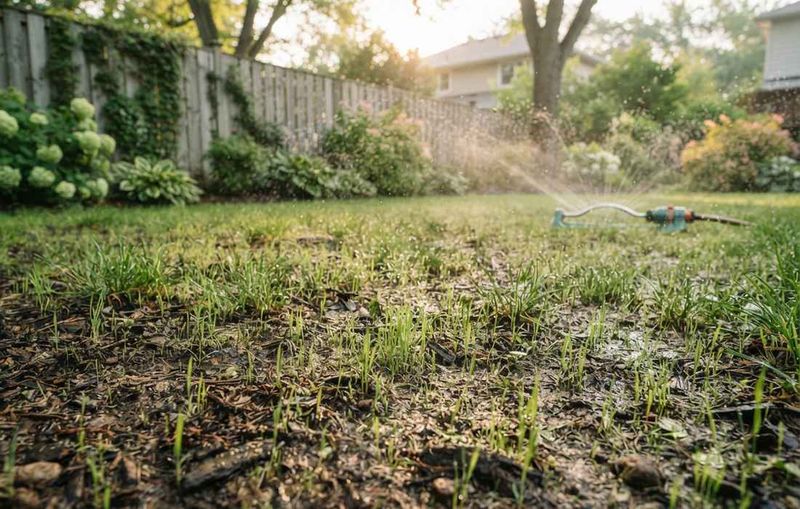
Start with the stage: fresh seed, new seedlings, or established turf. Then check the soil at the depth that matters, using the six-inch screwdriver test from University of Arizona guidance.
Finally, adjust for rain, shade, and sprinkler coverage, using intervals like those in the AZMET lawn guide as a starting point.
No universal November timer exists, and no source shows one slip ruins ryegrass. Your lawn answers better than any calendar does.