The Right Way To Mulch Arizona Desert Gardens In Summer To Actually Save Water
Summer has a way of making every drop of water feel more valuable. You can spend time watering your plants, only to find the soil drying out much sooner than expected.
That can be frustrating, especially when you’re trying to keep a desert garden healthy without using more water than necessary.
Many gardeners assume watering more often is the answer, but that isn’t always the most effective approach.
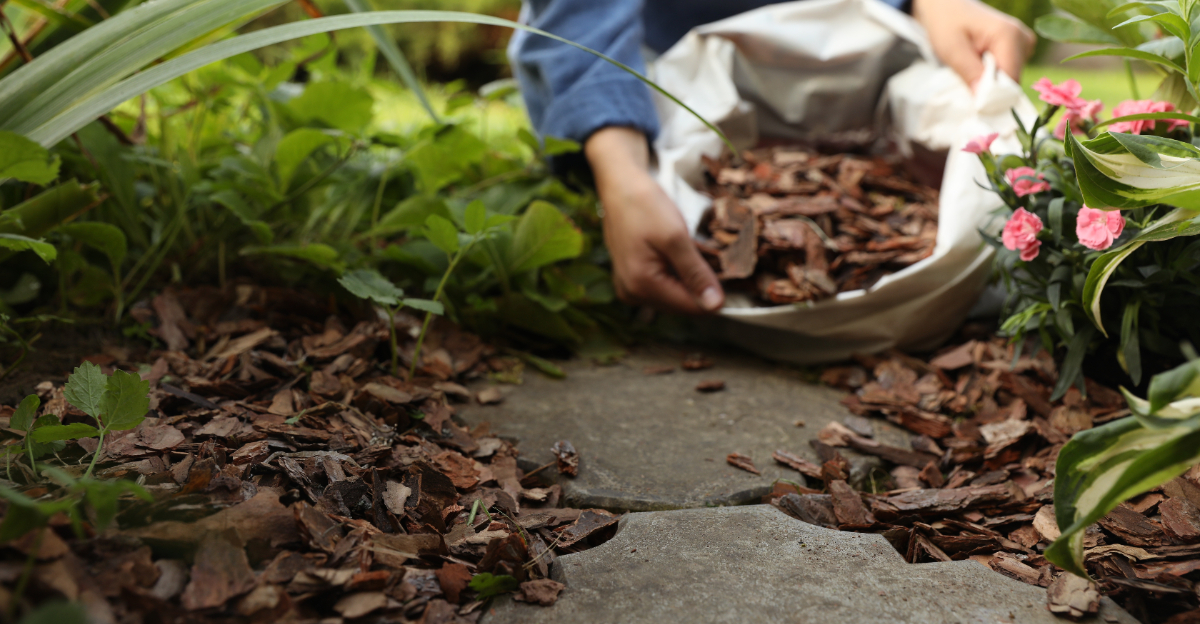
Mulch is one of the simplest tools for helping the soil hold onto moisture, but only when it’s used correctly. The material, the depth, and even where it’s placed can all influence how well it works.
Arizona’s intense summer heat makes those details even more important.
A few small changes can help your garden stay cooler, reduce water loss, and make every watering session go much further.
1. Spread Mulch Two To Four Inches Deep To Slow Water Loss
Depth matters more than most people think. A thin layer of mulch barely slows evaporation, especially when ground temperatures in desert gardens can climb above 150 degrees on a hot July afternoon.
Two inches is the minimum. Four inches is better.
Anything under two inches dries out fast and offers almost no protection to the soil underneath.
Thick mulch creates a real barrier between the sun and the soil. Moisture that would normally evaporate within hours stays trapped much longer, which means you water less often.
Spreading mulch unevenly is a common mistake. Some spots end up paper-thin while others get piled too high.
Walk the bed after spreading and check the depth with a ruler or your finger.
Gravel and rock mulch behave differently than organic mulch. Rock holds heat and can raise soil temperatures at night.
Organic options like wood chips or shredded bark actually insulate better in extreme heat.
A consistent 3-inch layer across the whole bed is a solid target for most desert gardens.
Check it every few weeks during peak summer because wind, foot traffic, and decomposition can thin it out faster than expected.
2. Keep Mulch A Few Inches Away From Plant Stems And Trunks
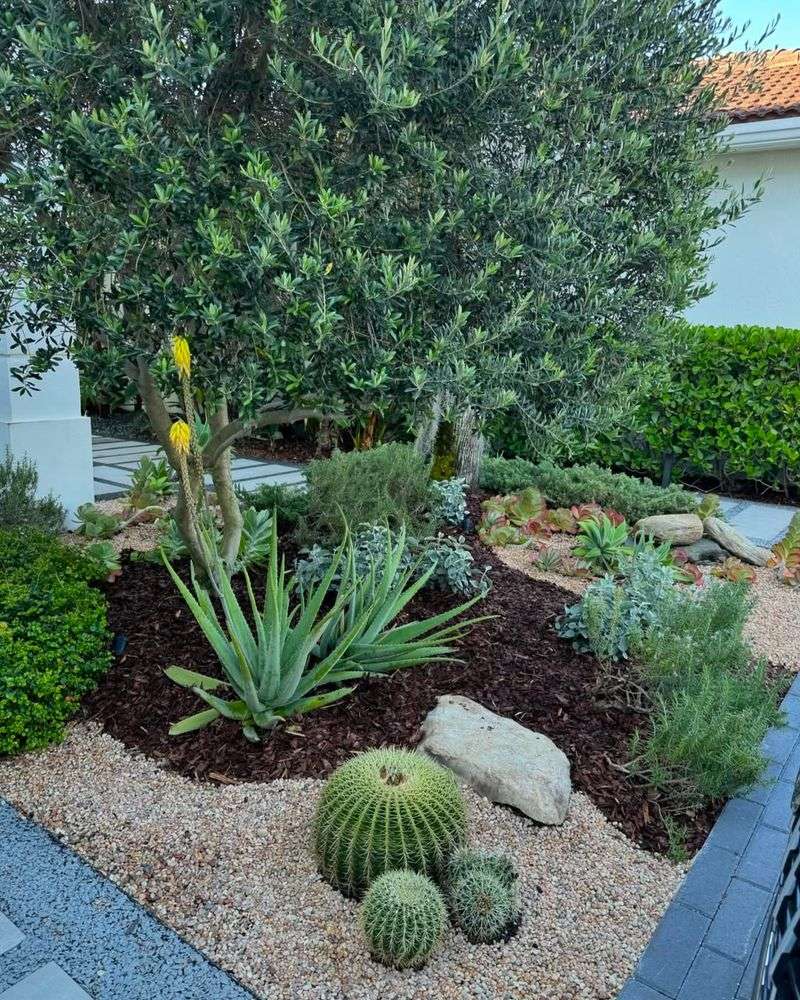
Crowding mulch against a plant stem is one of the most common and damaging habits in home gardening. It traps moisture directly against tender tissue, which creates the perfect conditions for rot and fungal problems.
Pull mulch back at least two to three inches from any stem or trunk. That small gap allows air to move around the base of the plant and lets the soil surface dry slightly between waterings.
Tree trunks need even more clearance. Six inches is a reasonable minimum for most established desert trees.
Mulch pushed against bark can slowly break down the protective outer layer over time.
Young transplants are especially vulnerable. A new saguaro or palo verde in its first summer does not need mulch pressing against its base.
Give it room to breathe and establish properly.
Keeping that gap also makes it easier to spot early signs of pests or disease right at the soil line. When mulch buries the base, small problems go unnoticed until they become serious.
Your Arizona Garden Changes Every Week. Your Plan Should Too.
Gardening in Arizona changes quickly throughout the season. Every Friday you’ll receive a simple weekly plan showing exactly what to plant, prune, fertilize, harvest, and protect so you never miss the right timing.
Check the clearance around your plants every time you water or inspect the garden. Mulch shifts with wind and rain.
A gap that looked fine last week might be closed up again by the weekend, especially in breezy desert conditions.
3. Choose Natural Mulch That Helps The Soil Hold Moisture
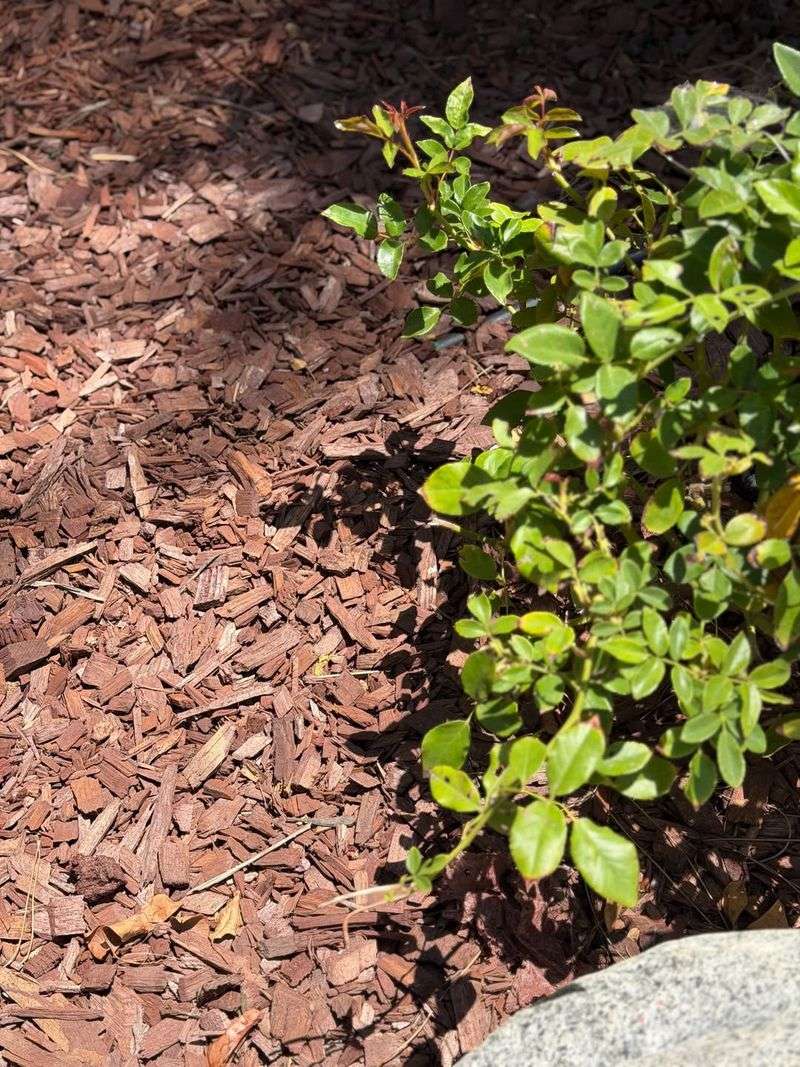
Not all mulch is created equal, and in a desert climate that matters a lot. Inorganic options like gravel look tidy but do almost nothing to improve the soil’s ability to hold water over time.
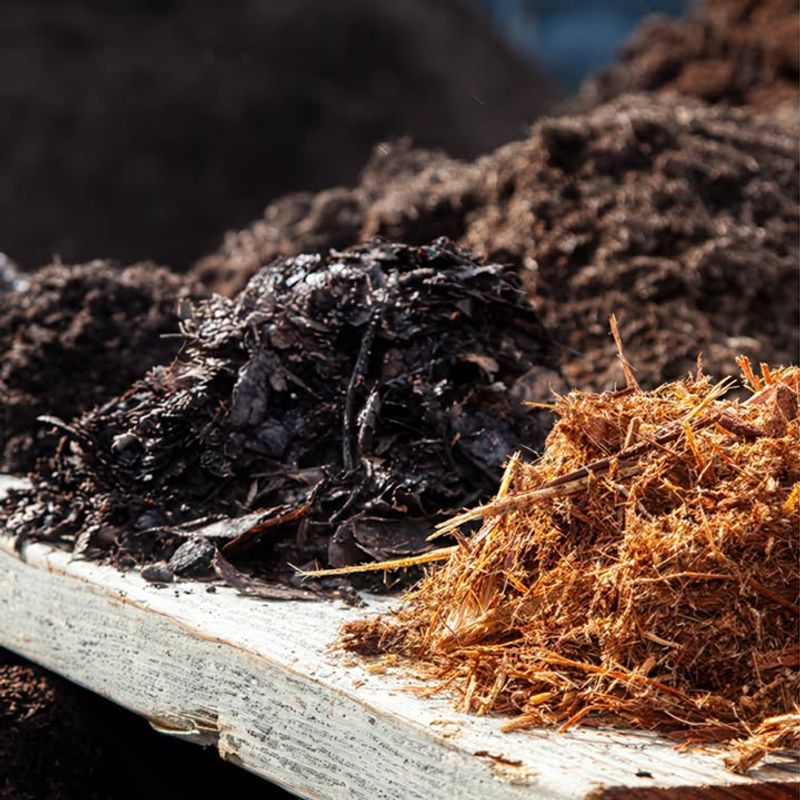
Wood chips are one of the best choices for desert gardens. They break down slowly, add organic matter to the soil, and create a cooler microclimate at the root zone during brutal summer heat.
Shredded bark works well too. It stays in place better than loose chips in windy conditions, which is a real advantage in open desert landscapes where afternoon gusts are common.
Straw is another option worth considering, especially around vegetable beds. It breaks down faster than wood products, so it needs to be refreshed more often, but it does a solid job of holding moisture short-term.
Avoid dyed or treated wood products if possible. Some contain additives that are not ideal for edible gardens or native plant areas.
Plain, untreated wood chips from a local tree service are often free and work extremely well.
Compost used as a top dressing can act like a light mulch layer while also feeding the soil. Pairing two inches of compost with two inches of wood chips on top gives you moisture retention plus a slow nutrient release all season long.
4. Cover Bare Soil Before Extreme Summer Heat Arrives
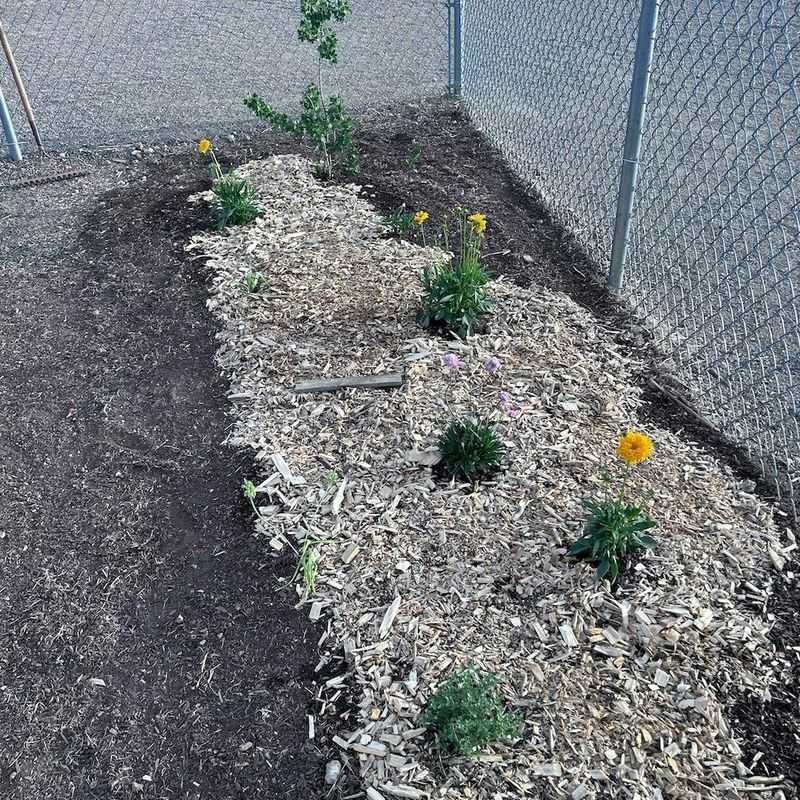
Bare soil in a desert summer is not just dry, it is actively losing water every single hour. Exposed ground heats up fast, and that heat pulls moisture out of the root zone well before plants can use it.
Timing is everything. Getting mulch down before temperatures peak, ideally in late spring or very early summer, gives you a head start on protecting soil moisture reserves.
Once ground temperatures climb past 100 degrees, any water you apply evaporates faster than roots can absorb it. Mulch slows that process significantly by shading the soil surface.
Bare patches between plants are just as important to cover as the areas directly around root zones. Open soil radiates heat back up into the canopy of low-growing plants, which stresses them even more.
A full bed of mulch also reduces the number of weed seeds that can germinate. Fewer weeds mean less competition for whatever moisture is in the ground, which helps your plants use water more efficiently.
Check your beds in early May before the real heat sets in. Rake out any thin spots and add fresh material where needed.
Waiting until mid-July to mulch means weeks of unnecessary water loss that a simple early application could have prevented entirely.
5. Replace Thin Mulch Before It Breaks Down Too Much
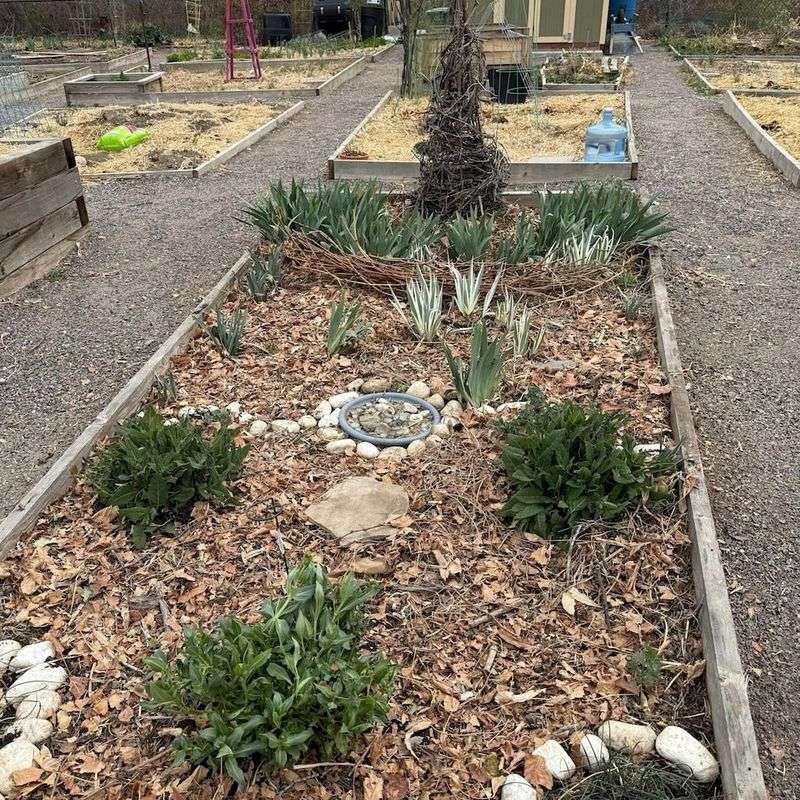
Mulch does not last forever. In a hot desert climate, organic materials break down faster than they would in cooler regions, and a layer that looked great in spring can be nearly gone by August.
When mulch gets thin, it stops doing its job. A half-inch of decomposed material offers almost no insulation and does little to slow evaporation during peak afternoon heat.
Check your beds once a month during summer. Run your fingers through the mulch and see how much actual depth is still there.
If you are hitting bare soil quickly, it is time to add more.
Adding a fresh layer on top of partially decomposed mulch is perfectly fine. You do not need to remove the old material first.
The older layer actually helps the new one stay moist and settle in faster.
In high-heat zones across the Southwest, plan to top off your mulch at least twice during summer. Once before the hottest stretch and once again in late summer before monsoon rains arrive is a reasonable schedule for most yards.
Keeping a bag or two of wood chips on hand makes it easy to patch thin spots right away. Small gaps dry out fast and can become entry points for weeds.
Staying ahead of it takes very little time but saves a noticeable amount of water over the season.
6. Water The Soil Before Adding Fresh Mulch
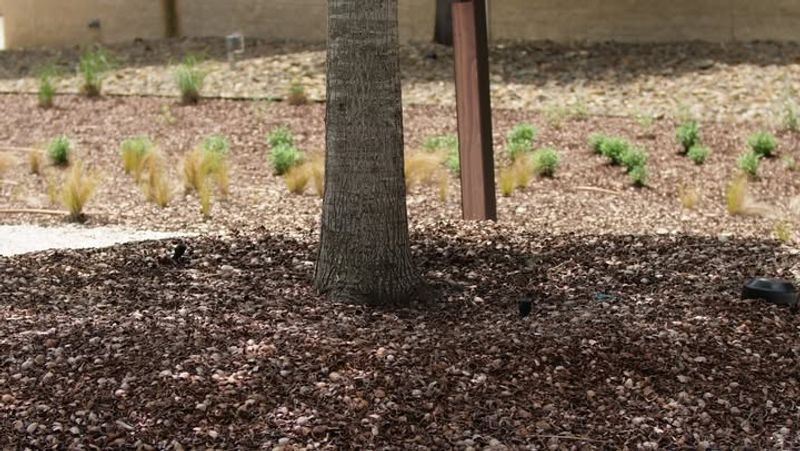
Dry soil under a fresh layer of mulch stays dry. That is a mistake a lot of gardeners make without realizing it.
Mulch locks in whatever moisture is already there, so if the soil is bone dry before you mulch, you are sealing in nothing useful.
Before laying down any new mulch, water the bed deeply. Let the water soak in fully, not just wet the surface.
In sandy desert soils, that can take a slow, steady soak of 20 to 30 minutes depending on the area.
Give the water time to penetrate down to the root zone. Shallow watering followed by mulch just creates a damp surface layer that roots cannot actually reach.
Watering the night before you plan to mulch is a smart approach. The soil has time to absorb moisture evenly, and you avoid working in the hottest part of the day when both you and the plants are under stress.
After the soil is properly moistened and your mulch is spread, water lightly one more time. This helps the mulch settle and ensures the surface layer does not dry out immediately from direct sun exposure.
Skipping this step is one reason people feel like mulch is not helping their garden.
7. Avoid Piling Mulch Against Plant Stems Or Tree Trunks
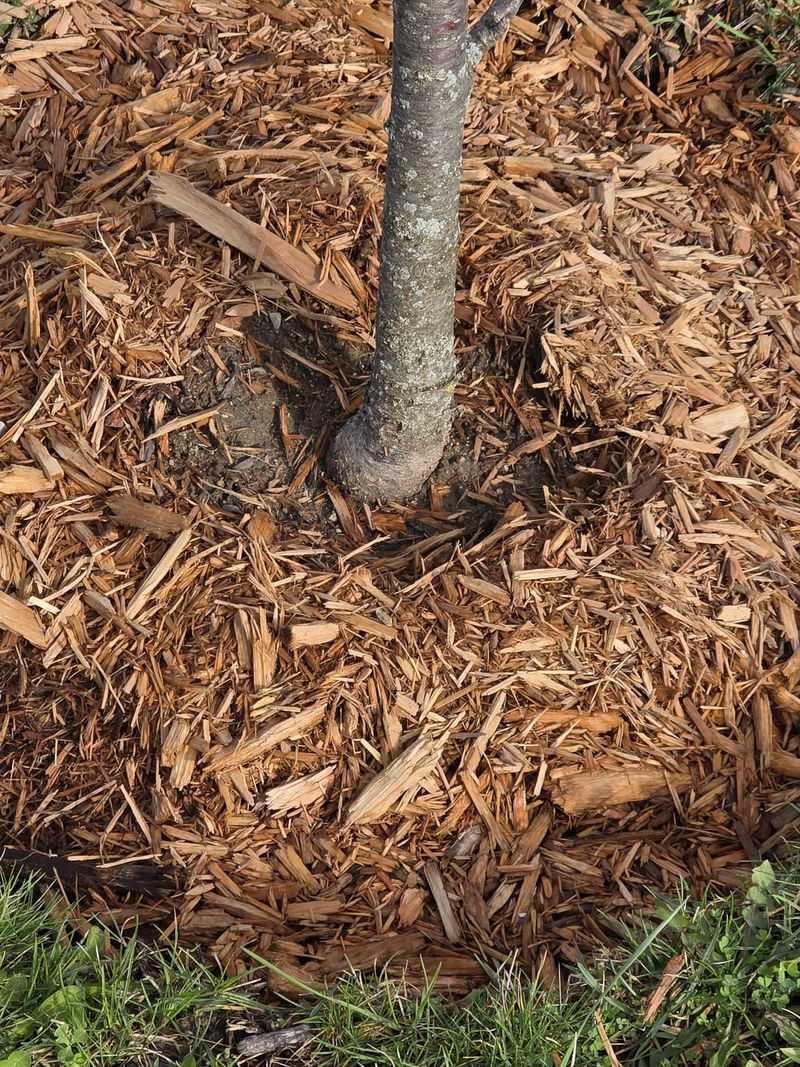
Mulch volcanoes are everywhere in residential yards, and they cause real long-term problems. Piling mulch high against a trunk looks tidy to some people, but it traps heat and moisture right where the plant is most vulnerable.
Bark tissue near the soil line is not designed to stay wet constantly. Prolonged moisture contact breaks it down, weakens the plant’s structure, and invites insects that take advantage of softened wood.
Keep mulch flat and even across the bed rather than mounded. A flat, consistent layer does a better job of retaining soil moisture than a pile concentrated in one spot around the base.
Even drought-tolerant desert plants are not immune to this issue. A palo verde or mesquite that looks tough above ground still has a vulnerable root collar that benefits from staying dry and well-ventilated.
If you inherited a yard with mulch already piled against trees, pull it back now. Rake it out flat and create that clearance gap around each trunk.
Recovery is possible if the damage has not gone on for too long.
Proper mulch placement is about working with the plant, not just covering ground.