This Native Florida Plant Is Replacing Roach-Friendly Foundation Shrubs Across The State
Foundation shrubs in Florida yards have a roach problem most homeowners never connect to the plants themselves. Dense, moisture-holding, low to the ground, and positioned right against the house.
The standard foundation lineup practically advertises itself to roaches looking for cover and a pathway inside. One native Florida plant has been quietly replacing those shrubs in yards where the connection finally got made.
It grows differently. Holds less moisture at ground level.
Creates a structure that roaches find far less useful than the overgrown hedges it replaces. It also happens to be one of the most striking native plants available for foundation beds.
Ancient lineage, architectural form, and a toughness that handles Florida’s climate without the constant maintenance that most foundation shrubs demand.
A foundation planting that looks intentional, requires almost nothing, and makes the area around the house less hospitable to roaches is not a compromise.
It is just a better choice.
1. Coontie Keeps Foundation Beds Low And Open
Walk around any older Florida neighborhood and you will likely find foundation beds packed with tall, dense shrubs that press right up against the siding.
Those green walls can block windows, cover vents, and make it nearly impossible to see what is happening at the base of the house.
Coontie offers a different look and a different relationship with the wall behind it.
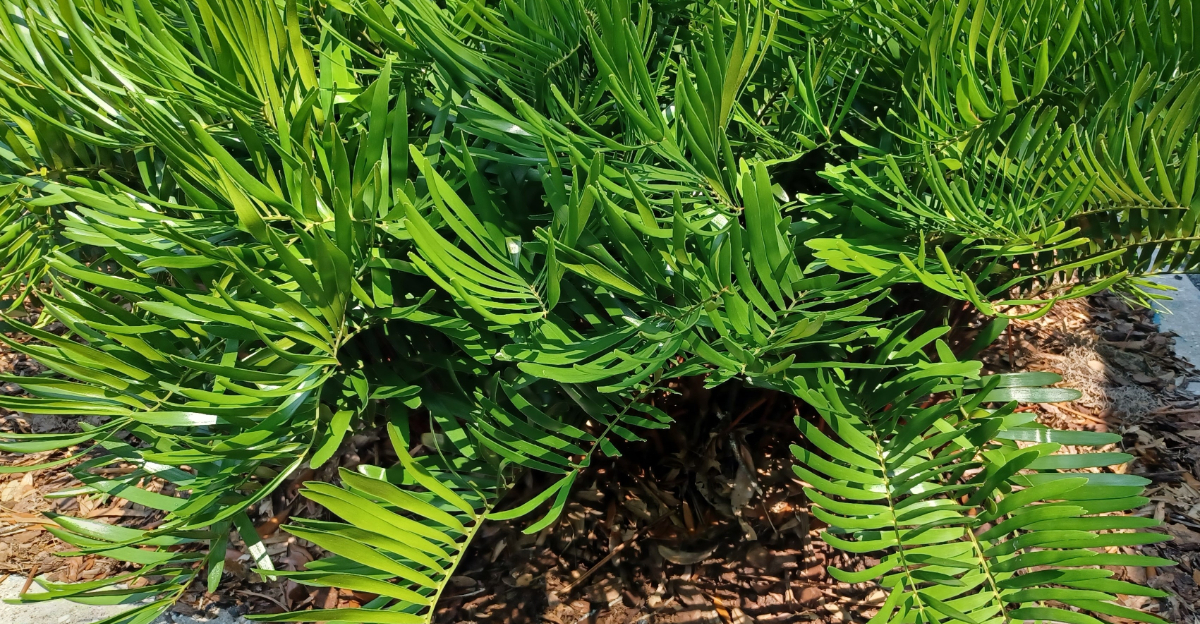
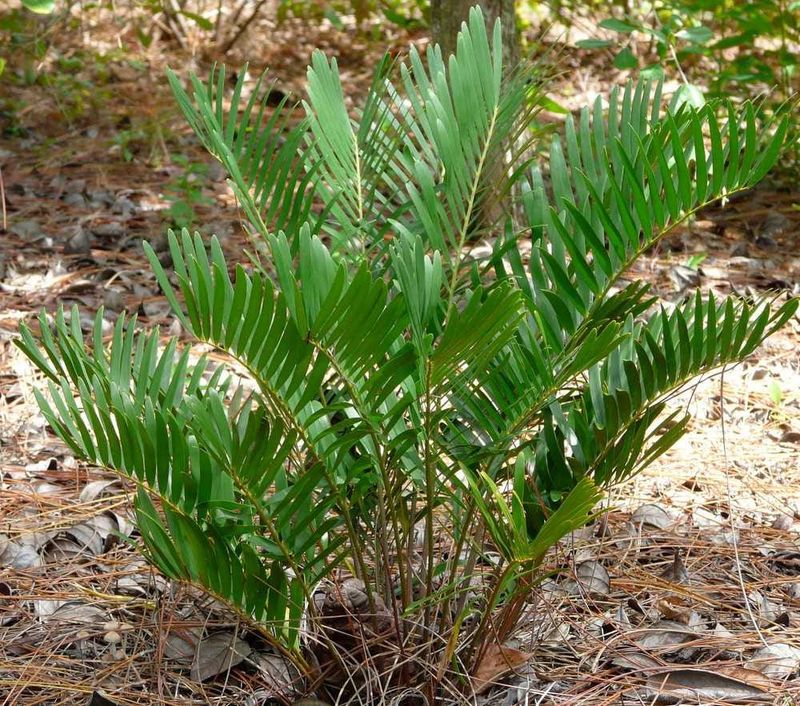
As a low-growing cycad native to this state, coontie typically stays between two and three feet tall with a clumping, feathery form.
That compact shape means it does not build the kind of thick, impenetrable hedge mass that traps humidity and hides whatever is living underneath.
Airflow moves more freely through a coontie bed, and you can actually see the ground.
That visibility matters for homeowners. Being able to inspect the base of your house, spot cracks, check for moisture damage, and clear debris is much easier when your plants are not a solid wall of green.
Coontie does not repel roaches in any way. Its value near foundations comes from creating a more open, manageable planting zone when spaced correctly and maintained with thin mulch and dry soil near the wall.
2. Dense Wet Shrubs Make Roaches More Comfortable
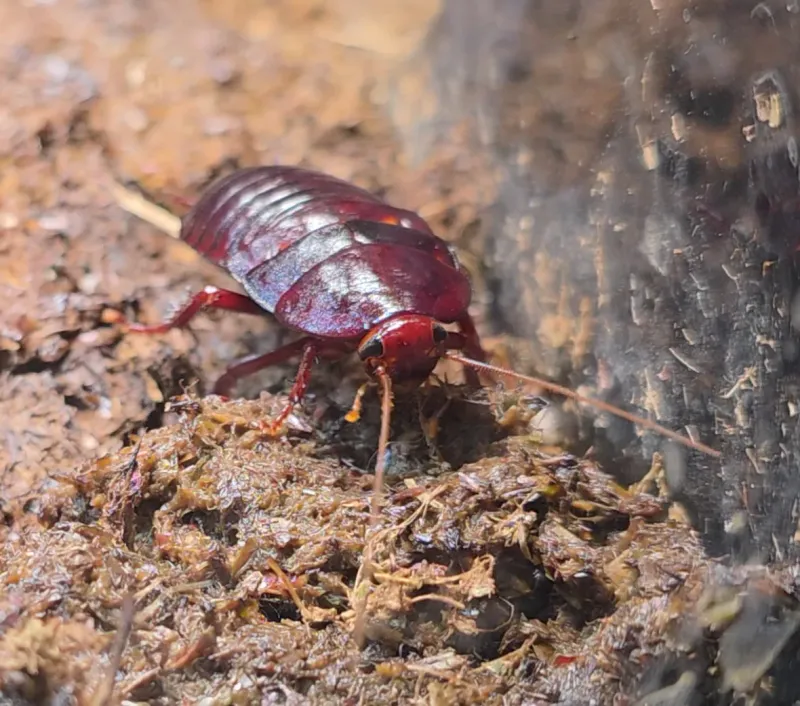
Roaches are not looking for a specific shrub. They are looking for conditions, and crowded, wet foundation beds deliver exactly what they need.
Shade, trapped moisture, decaying leaf litter, and thick mulch create a sheltered microclimate that stays cool and humid even during dry spells. Add irrigation spray hitting the wall and branches touching the siding, and you have a very welcoming setup.
Shrubs are not villains by themselves. A well-spaced, well-pruned hedge that is kept dry near the foundation is a very different situation from a dense, overgrown mass that has not been trimmed in months.
The problem is the combination of clutter, moisture, and hidden access to the house, not the plant species alone.
Replacing or thinning those dense hedge masses with lower, more open plants makes the area easier to dry out, clean, and walk around.
Your Florida Garden Changes Every Week. Your Plan Should Too.
Gardening in Florida changes quickly throughout the season. Every Friday you’ll receive a simple weekly plan showing exactly what to plant, prune, fertilize, harvest, and protect so you never miss the right timing.
Pulling mulch back from the wall, pointing irrigation away from the foundation, clearing fallen leaves regularly, and pruning branches off the siding all help.
These steps reduce the shelter and dampness that roaches use. Changing the plant is one piece of the picture, but moisture control and cleanup do the real work.
3. Sun Or Shade Gives Coontie More Placement Flexibility
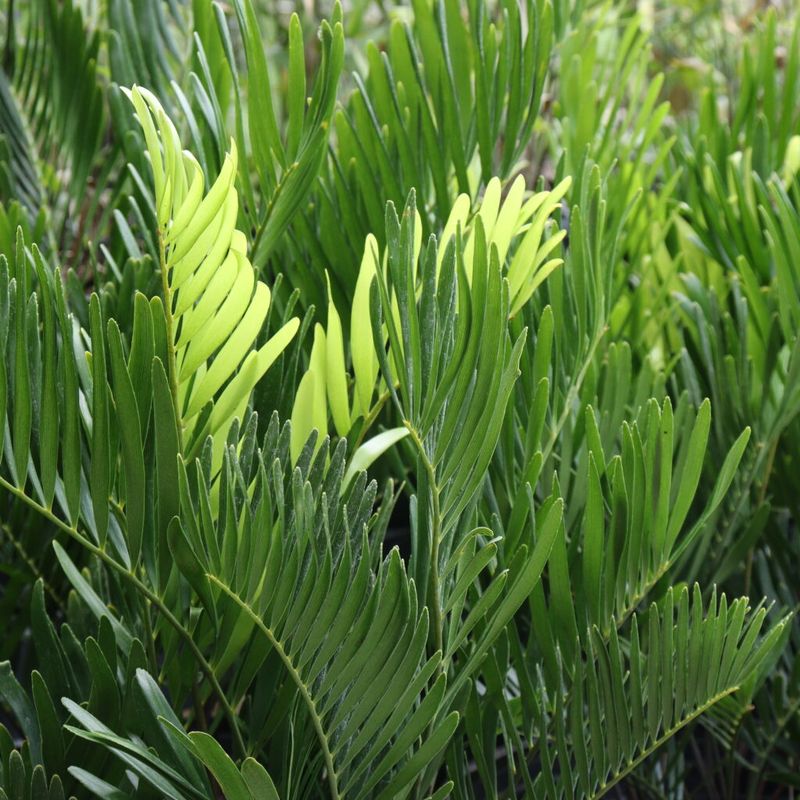
One of the practical headaches with foundation planting is that a single house can have completely different light conditions on each side. The south-facing front bed might bake in direct sun all afternoon while the north side stays shaded and cool for most of the day.
Picking one plant that works in both spots is not always easy.
Coontie handles that range better than many common foundation shrubs. According to UF/IFAS, coontie can grow in full sun to full shade, which makes it a flexible option for beds that wrap around a home with varied exposures.
That adaptability is genuinely useful when you are trying to keep a consistent, low planting along the entire foundation edge.
Site conditions still matter, though. Drainage, soil quality, irrigation habits, and available space all affect how well any plant settles in.
Coontie in a poorly drained, constantly soggy bed is not going to perform well just because it is native and adaptable. Front entry beds, side yards, garage edges, and shaded back corners can all be candidates, but each spot needs a real look before planting.
Matching the plant to the actual conditions is always the smarter move.
4. Drought Tolerance Helps The Foundation Edge Stay Drier
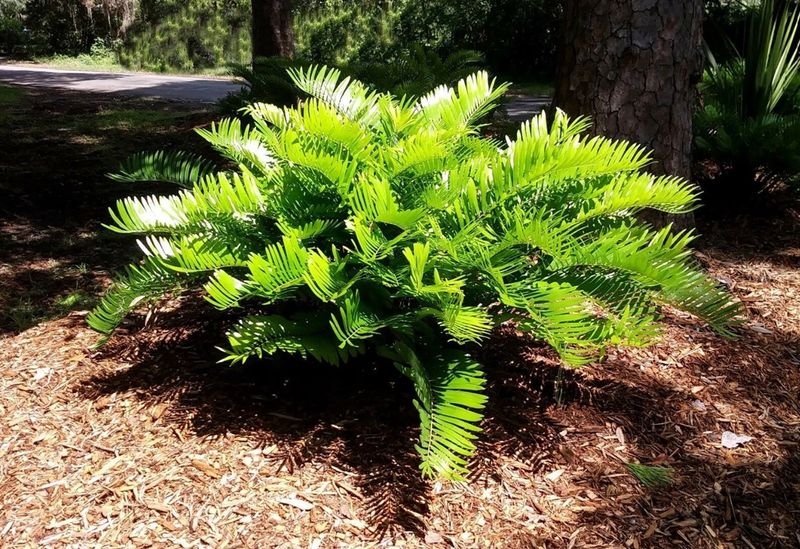
Once established, coontie is considered drought-tolerant, a quality that UF/IFAS and Florida-Friendly Landscaping resources consistently highlight. That characteristic has a practical benefit beyond just saving water.
Plants that do not need constant moisture to stay healthy are less likely to encourage the soggy foundation-edge conditions that make roaches comfortable.
Overwatering any plant near the house is a common mistake. Irrigation that runs too often, sprinkler heads aimed at the wall, and drip lines placed too close to the foundation can keep the soil wet for days after a rain.
Wet soil against a foundation is not just a roach concern; it can also cause mold, wood rot, and stucco damage over time.
New coontie still needs regular water during the establishment period, which can take one to two growing seasons depending on conditions. Skipping that early care will stress the plant and slow its development.
Once it roots in properly, though, you can back off significantly on irrigation near the foundation. That shift toward drier soil at the edge of the house is one of the more useful side effects of choosing coontie.
The plant does not demand constant watering to survive warm, dry stretches.
5. Slow Growth Means Less Constant Hedge Trimming
Hedge trimming is one of those yard chores that feels endless in a warm-weather state. Fast-growing shrubs like viburnum, podocarpus, or clusia can push new growth constantly, and staying ahead of them means shearing multiple times a year.
Every trimming session leaves behind piles of clippings that need cleanup, and dense regrowth walls form again quickly.
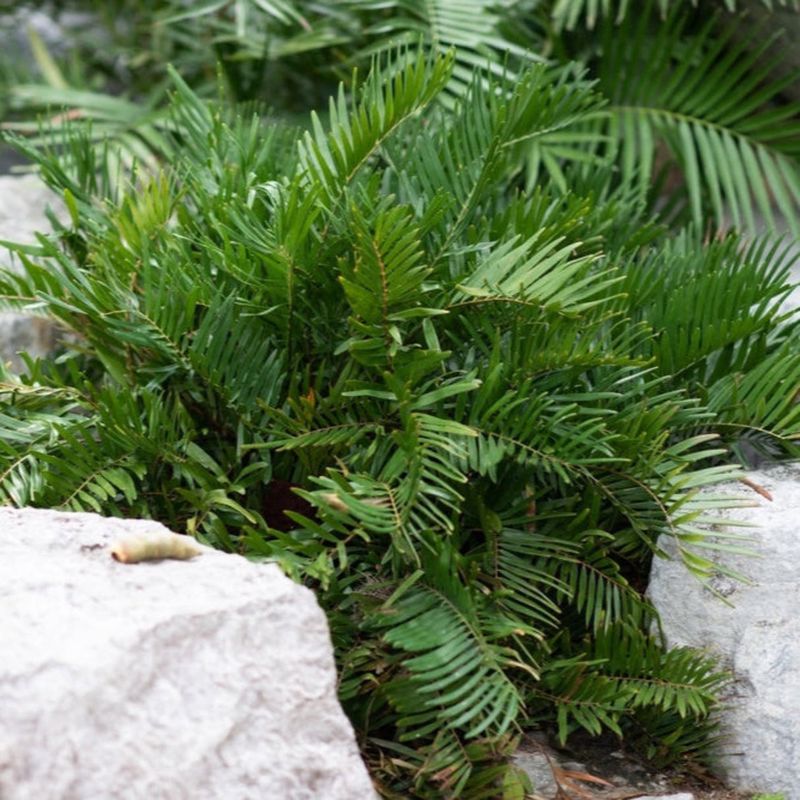
Coontie grows slowly, which changes that maintenance cycle. You are not chasing it back from windows, vents, and walkways every few months.
The plant tends to hold a naturally tidy, clumping shape without aggressive shearing. That means fewer clipping piles are left to collect moisture and decay near the foundation.
Less debris at the base of the house is a straightforward win for keeping that zone cleaner.
Slow growth does come with a trade-off. Patience is required during establishment, and coontie will not fill a bare foundation bed as quickly as a fast hedge would.
If you pull out overgrown shrubs and plant coontie in the same week, expect a sparse look for a season or two. Spacing plants correctly from the start, rather than planting too close together to fill the bed faster, will save you from overcrowding problems down the road.
6. Atala Butterflies Add Wildlife Value Without Messy Fruit
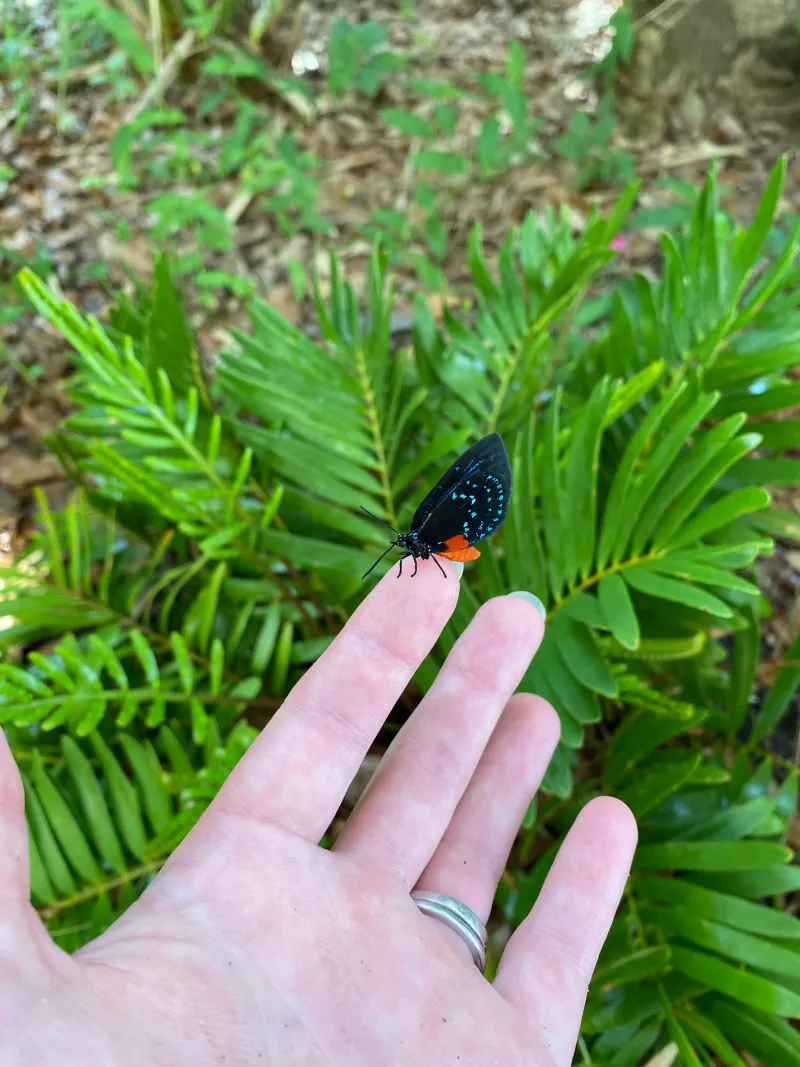
Gardeners who plant coontie near their foundation often get an unexpected bonus during warmer months. Coontie is the sole larval host plant for the Atala butterfly, a striking native species with iridescent blue-black wings and a vivid orange-red body.
The Atala was once thought to be locally extinct in the Sunshine State before recovering thanks partly to coontie plantings in residential and botanical gardens.
Caterpillars will chew on the fronds during their larval stage, which can look alarming if you are not expecting it. The plant typically recovers without lasting harm, and the feeding is part of the natural habitat role coontie plays in the local ecosystem.
Supporting a native butterfly species while maintaining a low foundation planting is a strong combination. It appeals to homeowners who want their yard to do more than just look tidy.
Unlike many fruiting shrubs, coontie does not drop messy berries or pods that attract pests, create slippery surfaces, or invite scavengers near the house. One safety note is worth keeping in mind: coontie seeds and plant parts are toxic if eaten.
Placement near areas where pets, small children, or curious animals spend time deserves careful thought. The plant is not unusually dangerous, but awareness matters.
7. Thin Mulch Matters More Than The Plant Alone
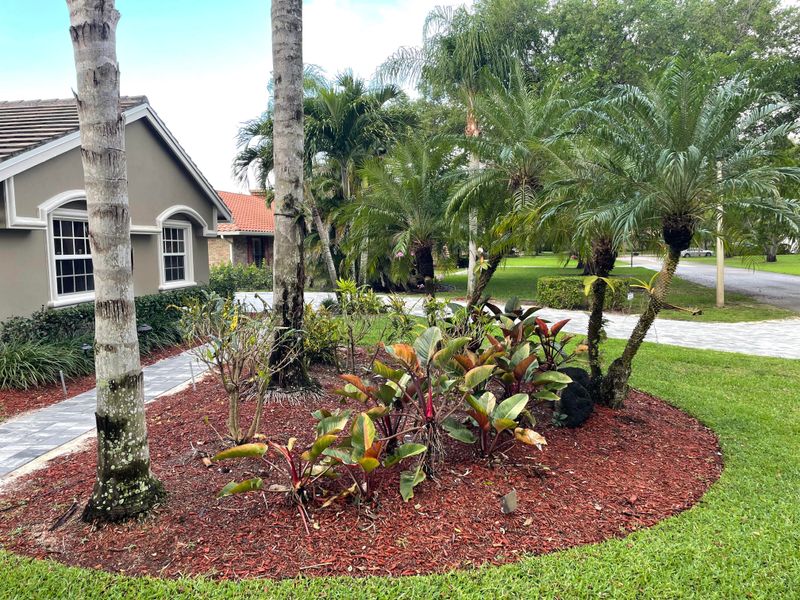
Swapping out dense shrubs for coontie is a good first step, but the mulch layer in that bed can undo a lot of that progress if it is not managed well.
Deep, wet mulch piled against siding, stucco, vents, and thresholds is one of the most reliable ways to keep moisture and shelter right at the edge of the house.
Roaches, along with other insects and even small rodents, use that thick layer as cover.
University of Florida extension resources on Florida-Friendly Landscaping consistently recommend keeping mulch to about two to three inches deep. They also recommend pulling it back a few inches from plant crowns and wall surfaces.
Allowing mulch to pile up against the foundation, especially after heavy rains or after new mulch is added on top of old layers, defeats the purpose of choosing a lower, more open plant.
Clearing fallen leaves from coontie and nearby plants regularly also helps. Even a slow-growing, low plant can accumulate leaf litter underneath its fronds if left unattended.
Keeping the bed floor clean, dry, and visible makes it much less useful as shelter. A coontie bed with thin, well-managed mulch and regular debris removal is meaningfully different from one that has been neglected for a season.
8. Smart Spacing Keeps Roaches From Finding Shelter
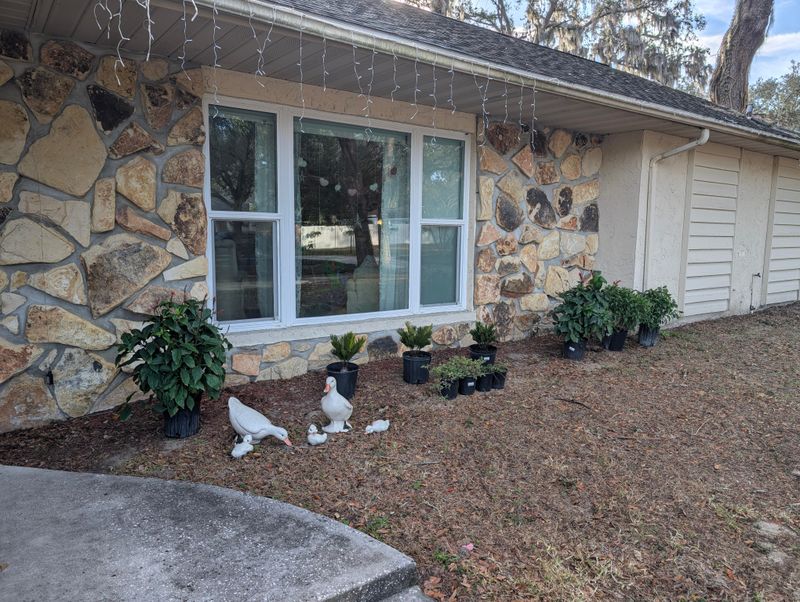
Spacing is what separates a smart coontie foundation bed from one that creates the same problems as an overgrown hedge. Planting too close to the wall brings you right back to the dense, sheltered conditions you were trying to avoid.
So does clustering plants so tightly that they merge into a solid mass. Leaving room between plants and the house is not just an aesthetic choice; it is a functional one.
A gap of at least twelve to eighteen inches between the nearest plant and the wall gives you space to walk, inspect, and clear debris. It also helps you spot potential entry points like cracks, gaps around pipes, and deteriorating caulk.
Sealing those entry points is one of the most effective things a homeowner can do to reduce indoor roach pressure. You cannot find them if plants are blocking your view and access.
Before planting coontie, check the mature size for the specific variety you are using. Also follow local guidance from your county extension office or a licensed landscape professional.
Mature spread for coontie can reach three to five feet depending on conditions, so give each plant room to grow without crowding the wall or neighboring plants.
A lower, airier, well-spaced foundation bed with thin mulch, dry soil, sealed gaps, and cleared debris is the practical goal.
Coontie helps create that environment, but the spacing and upkeep make it work.