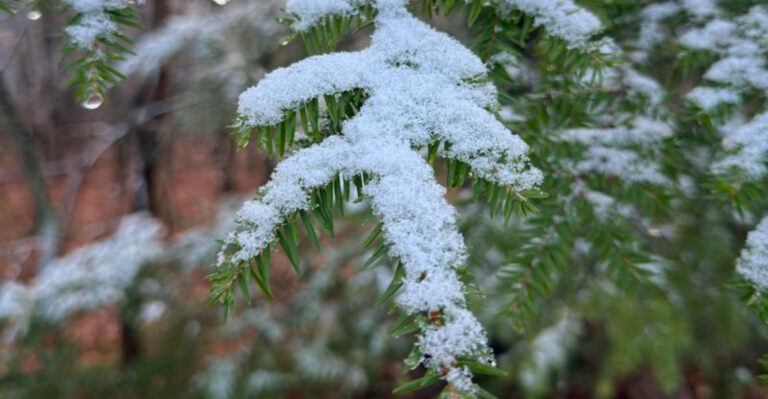
How to Protect Ohio Roses From Freeze and Thaw Damage
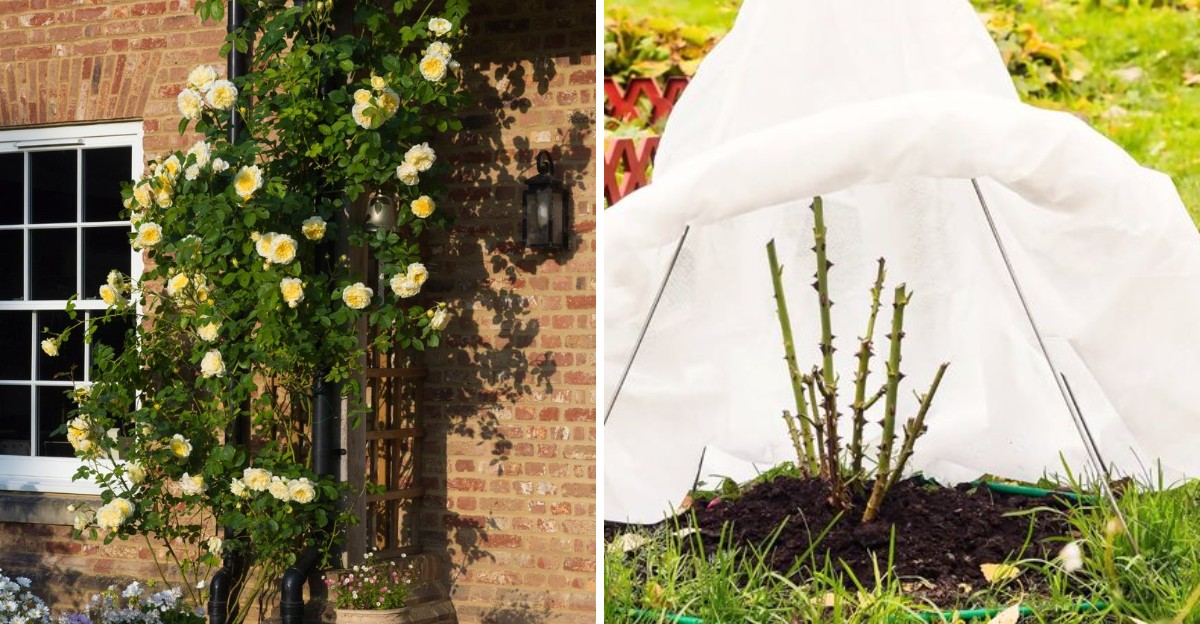
Frozen ground can actually shove a shrub upward, snapping roots like dry spaghetti. Gardeners call it frost heave, and it happens quietly while you sleep under a warm blanket.
Ohio winters love to play tricks. A sunny 50-degree afternoon in January can be followed by a single-digit night, and plants feel every swing.
Honestly, the cold itself worries me less than those wild jumps up and down the thermometer.
You might be surprised by which part of the plant suffers most. It sits low, right near the soil line, and most people walk past it without a second look.
Protect that spot, and you protect the whole bush.
What a rose really wants from you before the snow flies might catch you off guard. A cozy, steady chill sounds strange, yet that is closer to the truth than you may expect.
Rose Bud Unions Hide The Weakest Spot On Your Bush
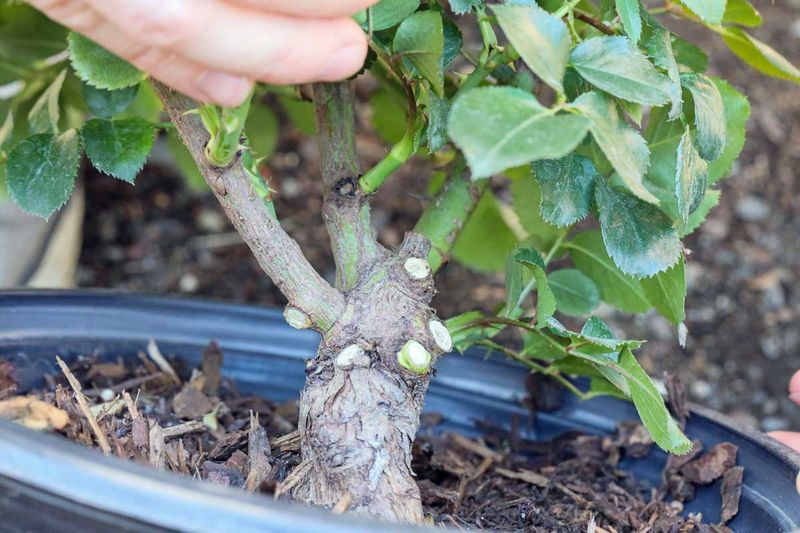
Grafted roses carry a secret knob near the ground. That swollen bump is the bud union, where a fancy top variety was joined to tougher roots.
Most hybrid teas, floribundas, and grandifloras sold in garden centers are grafted. The union is packed with live tissue, and it struggles when temperatures swing hard.
If it gets badly damaged, the fancy top can fail while the rootstock sends up plain, unwanted canes.
Freeze and thaw cycles cause more trouble than steady cold. When soil freezes, thaws, and refreezes, it expands and shrinks.
That motion can heave shallow roots upward and expose the union to drying winter wind.
Own-root roses handle this better because any new growth from the roots is the same variety. Many shrub roses, like the Knock Out family, also shrug off Ohio winters with little fuss.
Go take a peek at your plants this fall. Check whether you see a knobby union and note how deep it sits.
Northeast Ohio gardeners in colder pockets often plant the union an inch or two below soil level for extra insurance. Knowing what you have tells you how much winter care each bush truly needs.
A Tall Mound Of Soil Around Rose Canes Keeps The Cold Steady
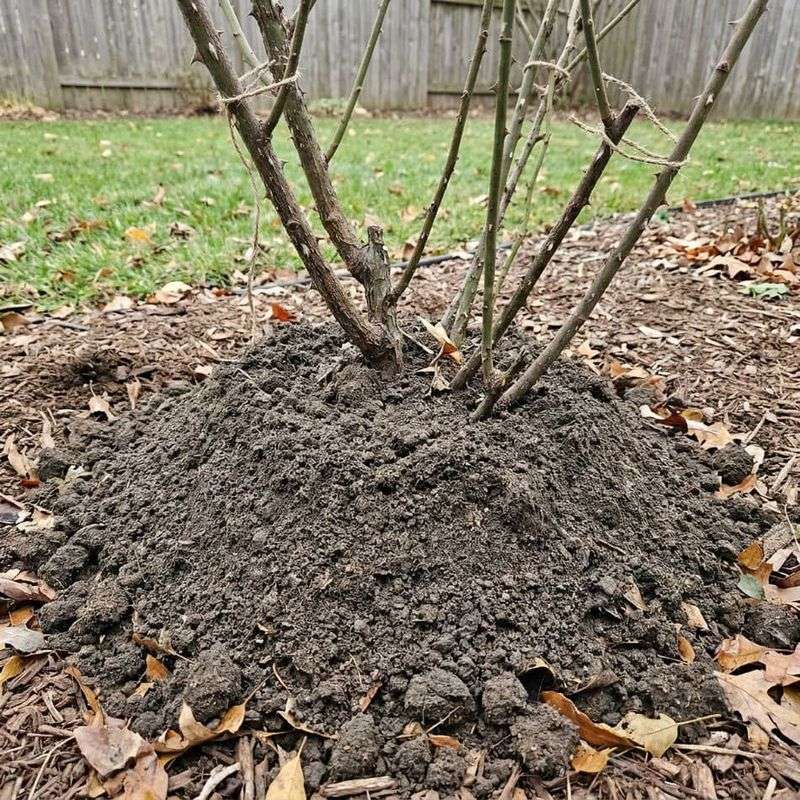
Old-school rosarians swear by one simple trick, and the science backs them up. Mounding soil or compost over the base of each rose is the strongest defense against freeze and thaw damage.
Aim for a pile about 8 to 12 inches tall right over the center of the plant. The goal is not to keep the rose warm.
Instead, the mound keeps the temperature steady so the union stays frozen and dormant rather than flipping back and forth.
Bring in fresh soil or compost from somewhere else. Scraping soil from around the roots exposes them and defeats the purpose.
Timing matters a lot. Wait until after a few hard frosts, usually late November in much of the state, so the plant is fully dormant.
Mounding too early can trap warmth and moisture, which invites rot and mice.
Shredded hardwood mulch, chopped oak leaves, or pine bark can work too. Some gardeners in colder areas pile mulch alone up to 15 to 18 inches.
Personally, I like a soil base topped with a little mulch, since it settles nicely and stays put through windy weeks.
Stop Feeding Your Roses Once September Rolls Around

Winter prep starts while your roses still look gorgeous. That surprises plenty of people, but late summer choices shape how well a bush handles January.
Fertilizer pushes soft new shoots. Those tender stems rarely harden before the first freeze, so they split, blacken, and invite disease.
Most rose groups suggest stopping fertilizer around the first of September in Ohio.
Snipping off faded flowers sends a similar signal. Every cut tells the plant to keep making more blooms.
Around Labor Day, let the last blooms fade and form hips instead.
Those rounded hips do more than look pretty. They nudge the rose to slow down, store energy, and toughen its canes for the cold months ahead.
Skip heavy fall pruning too. Big cuts can trigger new growth and leave open wounds when the weather turns harsh.
Light trimming of broken or diseased canes is fine.
Keep watering until the ground freezes, especially during a dry autumn. A well-hydrated rose resists winter drying much better than a thirsty one.
Roughly an inch of water a week is a handy target when rain falls short.
Raking Up Fallen Rose Leaves Gives Black Spot Nowhere To Hide

Here comes the unglamorous chore that pays off big in May. Cleaning up the rose bed before you add winter protection is a must.
Black spot is a fungus that spends the winter on infected leaves. Leave those leaves under a cozy mound, and you basically tuck the disease in right beside your plant.
Come spring, rain splashes the spores back onto fresh foliage.
Pick leftover leaves off the canes and rake every fallen leaf from the bed. Bag them or put them in the trash rather than your compost pile, since home piles often do not get hot enough to handle fungus.
Some rose growers also spray bare, dormant canes with lime sulfur to reduce spores further. Read the label carefully and apply only when the plant is fully dormant.
A tidy bed helps with more than disease. Fewer hiding spots mean fewer critters nesting in your mulch mound over winter.
I like to think of it as changing the sheets before bedtime. Clean bed, clean start.
Your roses wake up with less baggage, and you spend less time fighting spotty leaves when summer arrives.
Wire Collars And Rose Cones Hold That Protective Mulch In Place
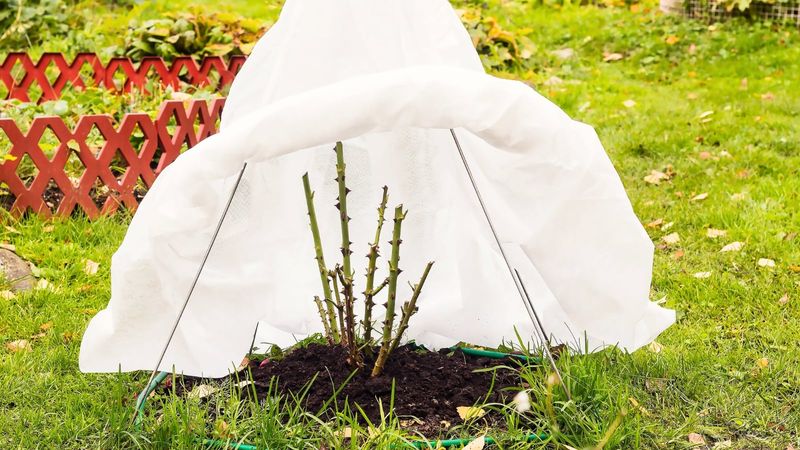
Winter wind loves to steal mulch. You build a beautiful mound in November, and by February half of it has blown into the lawn.
A simple collar fixes that. Wrap a ring of chicken wire or hardware cloth around the base of the rose and fill it with soil, leaves, or mulch.
Folded newspaper or plastic collars also work in a pinch.
Foam rose cones are another popular choice. They cover the whole pruned bush, hold mulch in, and block drying wind from the union.
Cones come with a catch, though. Sunny winter days can heat the inside, and that warmth can trigger the very thaws you are trying to prevent.
Cut a few small vent holes near the top for airflow.
Wait until the plant is dormant and temperatures are steadily cold before setting cones in place. Fill the cone with mulch, then set a brick or rock on top so it does not tumble across the yard.
Honestly, collars are my favorite option for most yards. They are cheap, they breathe well, and you can reuse the same wire rings year after year.
Tie Up Tall Hybrid Tea Canes Before Winter Winds Whip Them
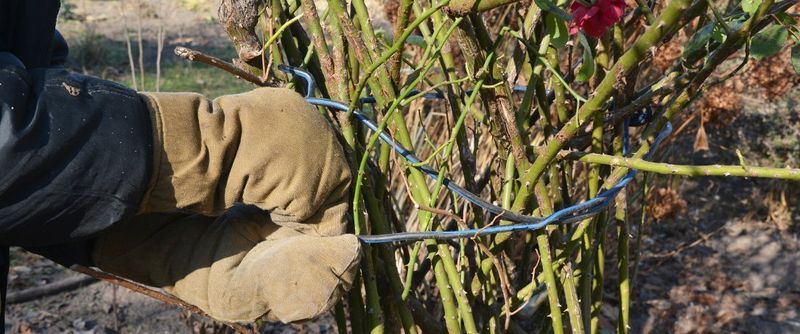
Long rose canes act like sails in a winter storm. Strong gusts whip them around, and that rocking can loosen roots and crack stems right near the base.
Gather the tall canes of hybrid teas and grandifloras and tie them loosely with soft twine or fabric strips. A gentle bundle stands up to wind far better than a floppy shrub.
If a cane is extremely tall, cut it back just enough to prevent whipping. Plan to fit under a rose cone?
Trim canes to about 12 to 16 inches.
Save the serious pruning for spring. Some tips will brown over winter anyway, and you will want to remove that damage later once buds start swelling.
Snow can be a helpful friend here. A fluffy layer actually insulates the base of your roses nicely, so there is no need to shovel it away.
Heavy, wet snow on tall stems is another story, so brush it off gently with a broom.
One fun detail many folks miss is that brown cane tips in spring are normal. Cut back to green, healthy wood, and the plant moves right along.
Climbing Roses Need A Little Extra Tucking In
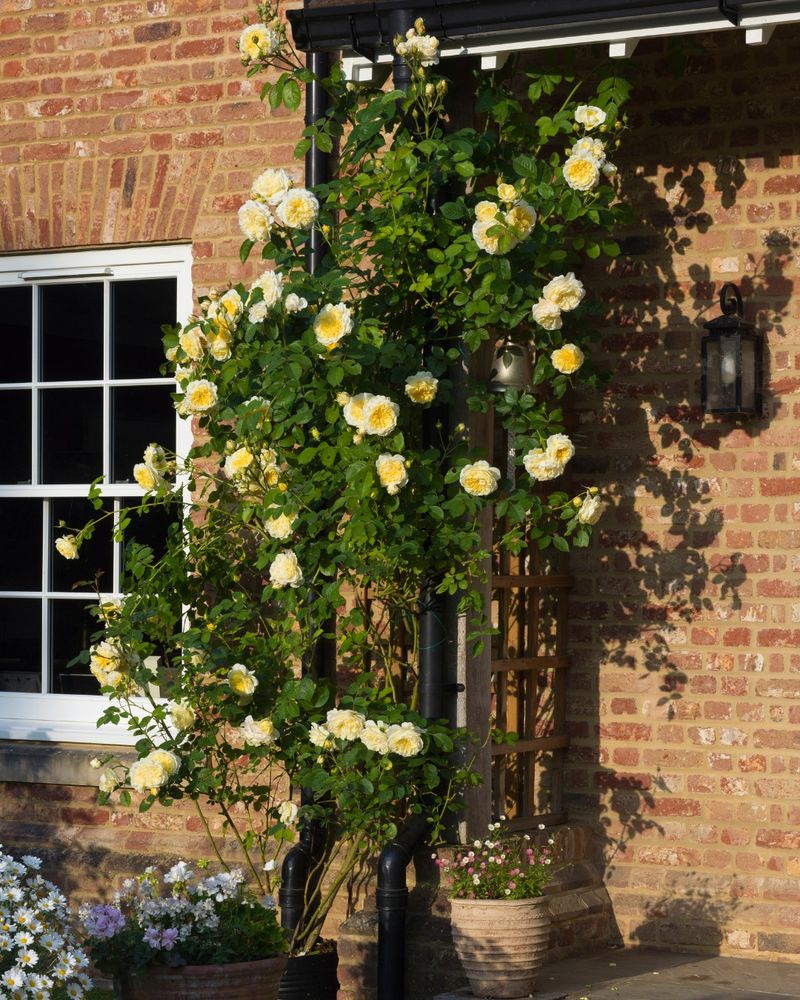
Climbers bring the biggest wow factor in June, and they also ask for the most winter help. Their long canes sit high in the wind with no soil to shelter them.
Many climbers bloom on canes from the previous year. Lose those canes to winter damage, and you may lose a big chunk of next summer’s flowers.
The most protective method in colder spots is to untie the canes from their support. Bend them gently to the ground, pin them down, and cover them with 3 to 6 inches of soil or mulch.
That plan does not suit every plant. Older, stiff canes might snap if you force them down.
For those, leave canes on the trellis and bundle them together. Stuff straw around the bundle and wrap it all in breathable burlap tied with twine.
Skip plastic wrap, since it traps moisture and heat.
Mound soil at the base just like with bush roses. Hardy climbers, such as many newer shrub-type varieties, often need only that base mound.
Check the plant tag for its hardiness zone, since Ohio spans roughly zones 5b through 7a.
Daffodil Blooms Signal Time To Uncover Your Roses Slowly

Daffodils make a handy spring alarm clock. When those cheerful yellow trumpets open, it is usually time to start uncovering your roses.
In much of Ohio that lands between mid-March and early April, with southern counties typically earlier than the snowbelt near Lake Erie. Watch your local forecast more than the calendar.
Go slowly. Pull back the mound a little at a time over a week or two.
Uncovering too early exposes tender shoots to a late frost, while waiting too long traps moisture and invites fungus.
Remove cones and burlap once nighttime lows stay mostly above freezing. Keep an old sheet handy for any surprise cold snap.
Spread the leftover soil around the bed and keep about 2 inches of mulch over the root zone. That layer holds moisture and helps block weeds.
Watch your hands as you work. Those reddish new shoots snap easily, and every one carries the promise of future blooms.
Once buds swell, prune out brown or damaged wood. Then enjoy the payoff of all that fall effort.
Few garden moments beat seeing a rose you protected burst into its first flush of June color.