The Pansy Mistake That Makes Blooms Fade Too Soon In Texas
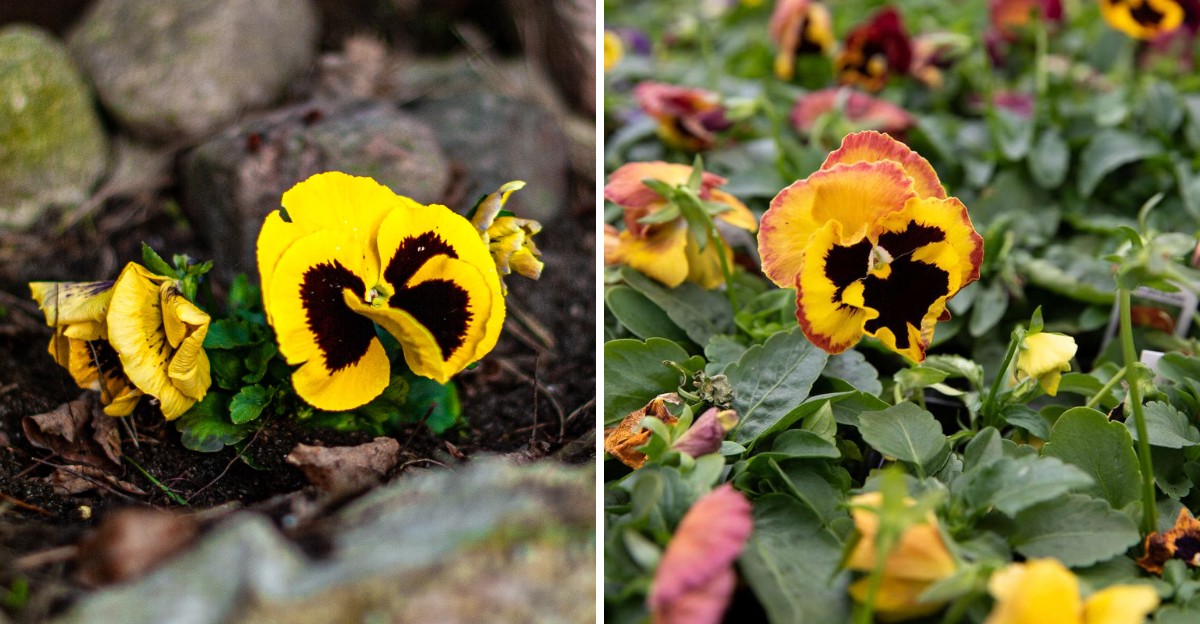
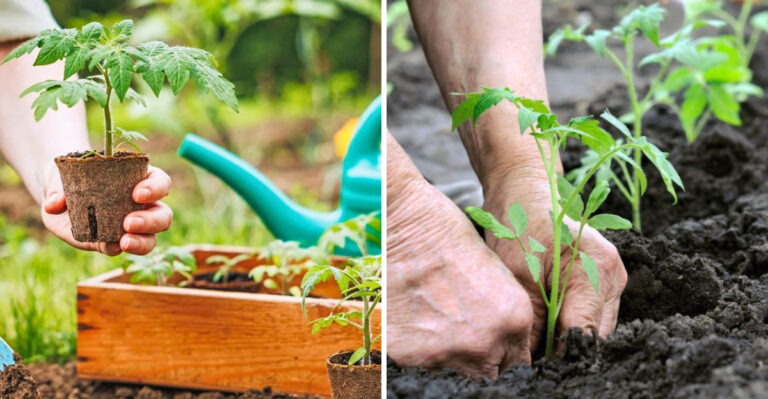
Those cheerful flower flats stacked by the garden center door in March are often five months behind schedule. They look perfect on the cart, and that is part of the trap.
These little faces can shrug off frost, snow, and nights in the low 20s. Yet a few warm weeks in May can send them into a quick, leggy slump. I find that contrast funny and a little frustrating, because the cold rarely beats them.
Personally, I learned this the hard way in Texas. I bought a full flat on a sunny spring Saturday and watched it fizzle before Memorial Day.
The blooms got smaller every week, and the stems stretched like they were reaching for an exit. The fix has more to do with your calendar than your watering can.
Those Blooming Pansy Flats In Spring Carry A Hidden Catch
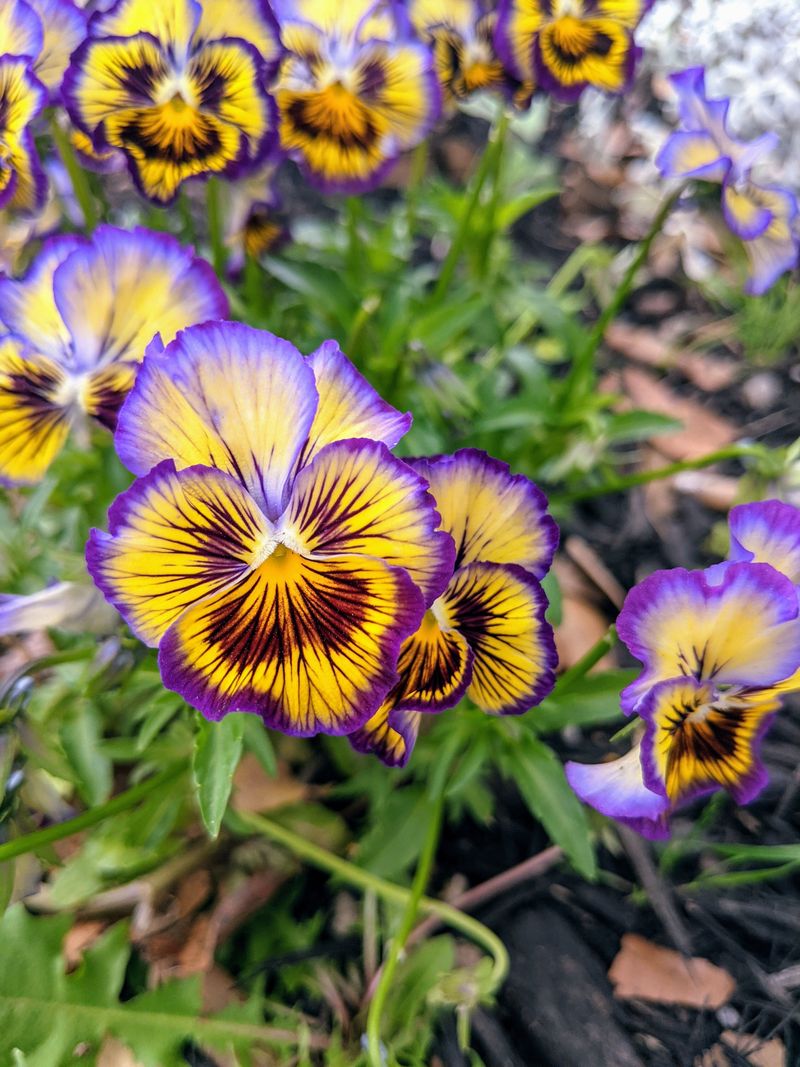
Garden centers know exactly what catches your eye in early spring. Rows of pansies in full color sit right by the entrance, practically begging to ride home with you.
Planting them now feels smart, but it gives them a very short runway. Pansies are cool-season plants, and they perform best when days stay mild and nights stay cool.
Once daytime highs climb into the 80s and nights stay warm, they start to stretch, bloom less, and look tired.
In much of Texas, that shift can arrive in late April or May. A spring-planted flat may only give you six or eight good weeks before the heat takes over.
The bigger problem sits below the soil. Transplants set out in spring have little time to grow strong roots before stress begins, so they struggle sooner than plants that went in the ground months earlier.
I still buy a few spring pansies for a quick pop of color in a pot by the door. I just treat them like a short visit, not a long stay.
If you want a show that lasts, the real secret is changing the date you plant, not the care you give afterward. Fall is where the magic starts.
Fall Is The Real Planting Window For Texas Pansies
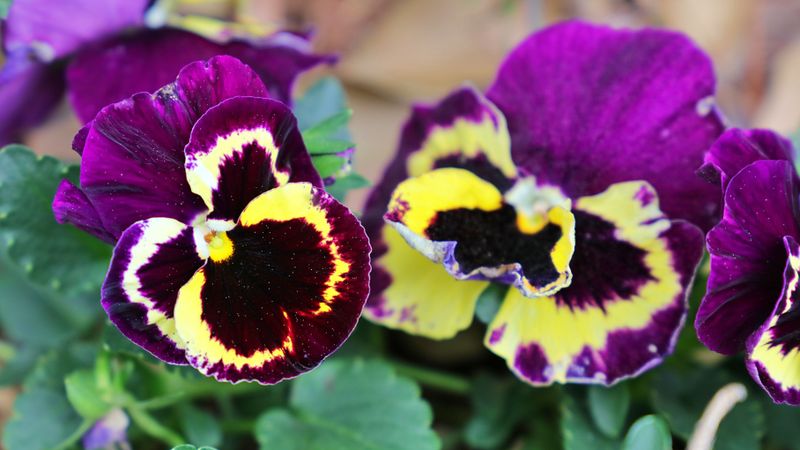
Horticulturists at Texas A&M AgriLife Extension have long pointed gardeners toward fall planting for pansies. Set them out while the soil is cooling, and they spend winter building roots, then explode with color in late winter and spring.
Timing shifts a bit depending on where you live. In the northern part of the state, mid-October through November usually works well.
Gardeners in central areas often aim for late October into November, while the southern tip and the coast can wait until November or even December.
Planting too early is its own trap. If you tuck pansies in during a hot September spell, warm soil can cause stretched stems and weak growth before cool weather ever shows up.
A simple rule helps. Wait until daytime highs settle mostly in the 70s and nights dip into the 50s, then get them in the ground.
Your Texas Garden Changes Every Week. Your Plan Should Too.
Gardening in Texas changes quickly throughout the season. Every Friday you’ll receive a simple weekly plan showing exactly what to plant, prune, fertilize, harvest, and protect so you never miss the right timing.
These tough little plants can handle hard freezes once established. Temperatures in the teens may burn some leaves and open flowers, yet the plants usually bounce back with fresh buds when the sun returns.
I love walking past a bed of fall-planted pansies in January. They look cheerful when almost everything else in the yard is napping.
Soggy Pansy Roots Fade Faster Than Thirsty Ones
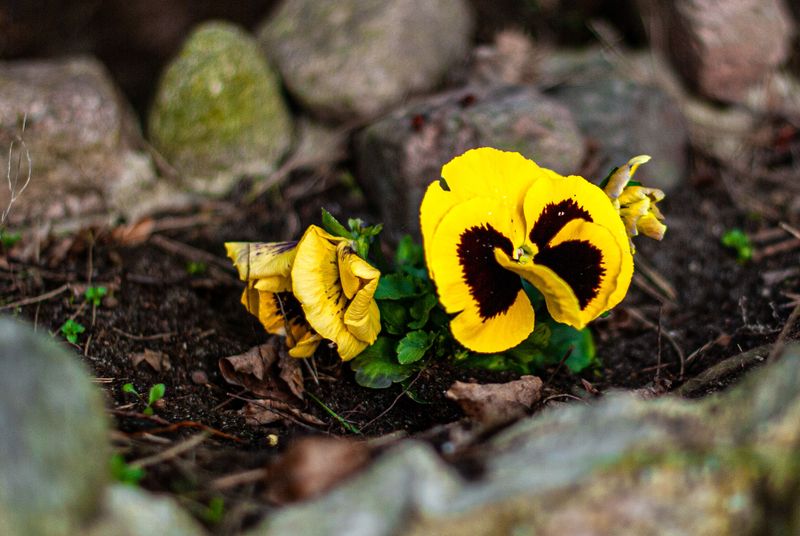
Kindness can drown a flower. When pansies droop, the natural reaction is to grab the hose, yet soggy soil is one of the fastest ways to cut their season short.
Pansy roots need air as much as water. Soil that stays wet for days squeezes out oxygen, and fungal root rots such as Pythium and black root rot move in. Infected roots turn brown and mushy instead of white and firm.
The confusing part is that a waterlogged plant often wilts just like a thirsty one. Before watering, push a finger an inch into the soil. If it feels damp, walk away and check again tomorrow.
Winter weather adds a twist. Cool, cloudy stretches slow evaporation, so beds may need water only once a week or less, while a warm, windy spell can dry them in a few days.
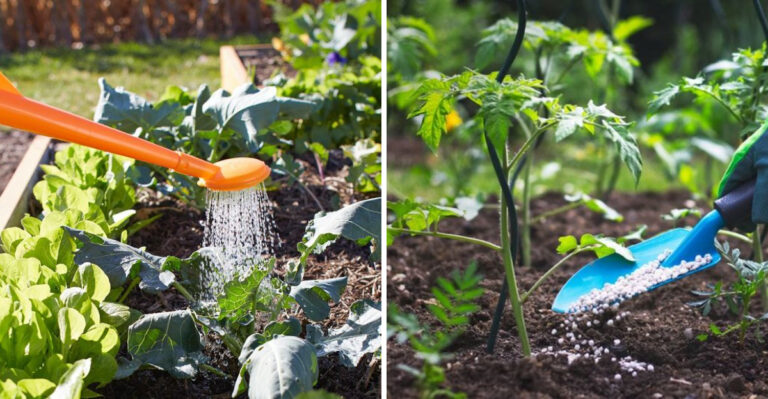
Water deeply at the base of the plants in the morning, then let the top inch dry between drinks. Morning watering also lets leaves dry fast, which helps reduce disease.
Containers deserve extra attention. Make sure every pot has a drainage hole, and empty saucers after rain so roots are not left soaking.
Heavy Clay Beds Need Compost And A Little Height
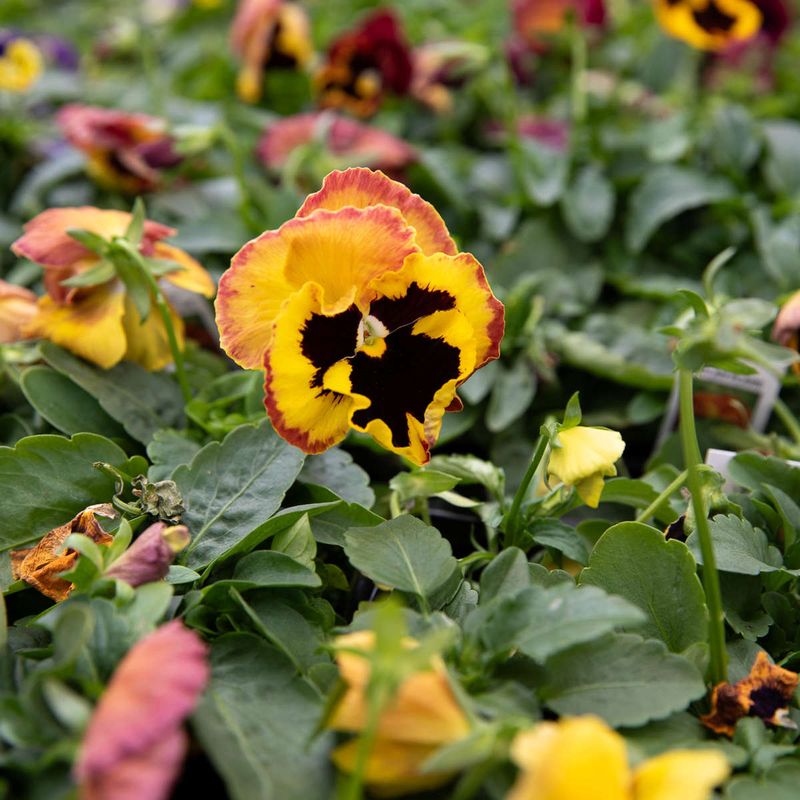
Clay soil has a reputation in Texas, and it earned it honestly. Across much of the eastern half of the state, gardeners battle sticky, slow-draining ground that holds water around tender roots for days.
Pansies prefer loose, rich soil that drains well. Before planting, work two to three inches of compost into the top six to eight inches of your bed.
Organic matter opens up tiny air spaces, helps water move through, and feeds helpful soil life.
Raised beds are another smart move. Even lifting a bed six to eight inches above the surrounding ground can make a big difference after a heavy winter rain.
Soil pH matters too. Pansies grow best in slightly acidic soil, roughly 5.5 to 6.5. Much of the western and central part of the state has alkaline soil, which can lock up iron and cause yellow leaves with green veins.
A soil test through your county Extension office takes the guesswork out. It tells you the pH and which nutrients are missing, so you only add what your bed truly needs..
I like to test every few years, since compost and fertilizer slowly change the numbers. Good soil prep feels like extra work up front, but it pays off all season.
Pinching Spent Pansy Flowers Keeps New Buds Coming
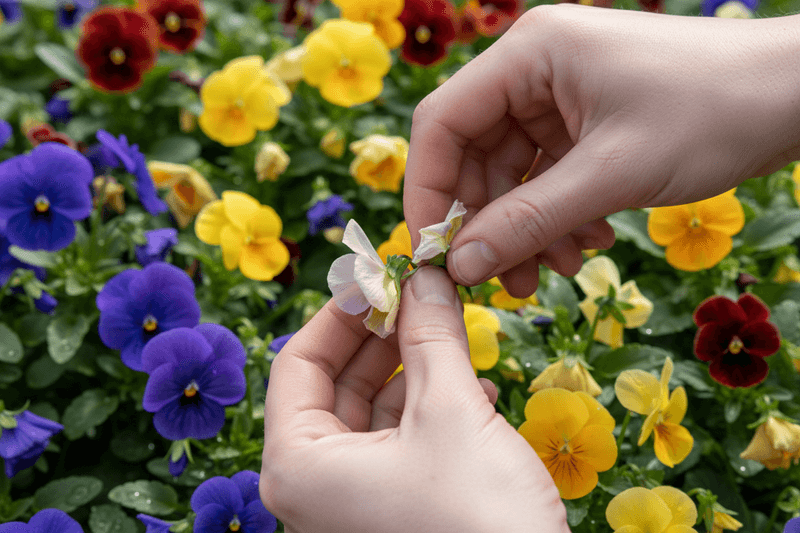
A pansy has one big goal in life, and it is not looking pretty for you. It wants to make seeds. Every faded flower left on the stem starts turning into a small seed pod.
Once that happens, the plant shifts energy toward ripening seeds and slows down on new buds. Leave enough old blooms in place, and the whole bed starts to look thin and tired.
Fixing this takes only a few minutes. Pinch or snip each wilted flower where its thin stalk meets the leafy stem, not just the petals. If you only pull off the petals, the green seed pod stays behind and keeps working.
Try making it a weekly habit. I like doing it with a morning cup of coffee, while the garden is quiet and cool.
Bonus tip: cutting a few fresh blooms for a tiny vase works the same way. Pansies make sweet little bouquets, and their petals are edible when grown without pesticides, so they often show up on cakes and salads.
Stay alert as spring warms up. Plants that stretch and flop can be trimmed back by about a third to encourage bushier growth and one more flush of flowers before the heat arrives.
Hungry Pansies Bloom Better With Steady Feeding
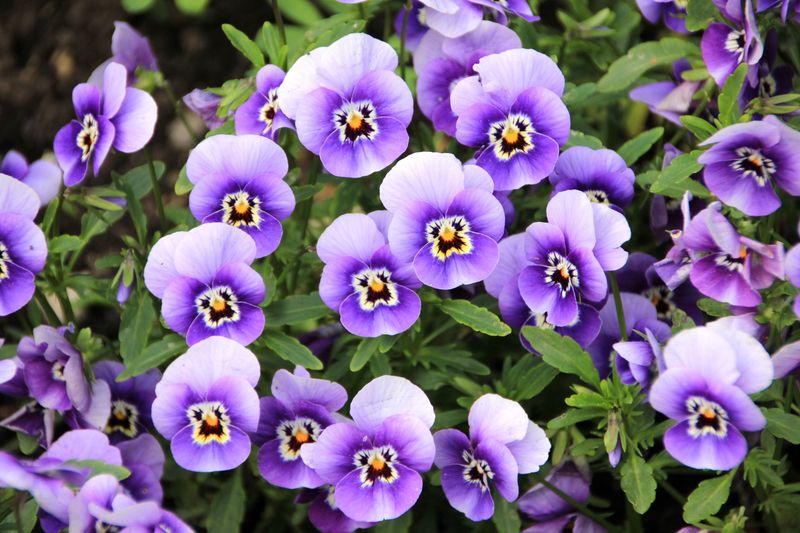
Pansies bloom like they are trying to win a contest, and all that color takes fuel. Feeding them right keeps flowers coming instead of fizzling out by midwinter.
Mix a slow-release fertilizer into the soil at planting time. Then, during active bloom, give them a water-soluble fertilizer every two to three weeks, following label rates. Heavy rain can wash nutrients away, so a light feeding after a soggy week often helps.
One detail surprises many gardeners. In cold soil, the ammonium form of nitrogen converts slowly, and too much of it can build up and harm roots. Fertilizers labeled with nitrate nitrogen are easier for pansies to use when the ground is chilly.
Balance matters as well. Piling on nitrogen grows lush leaves but fewer flowers, so a balanced formula is a safer bet.
Watch the leaves for clues. Pale, yellowing foliage can signal hunger, while yellow leaves with green veins usually point to an iron shortage linked to high pH, a common issue in alkaline Texas soils.
More is not better here. Overfeeding can burn roots and leave white crusty salt on the soil surface. Feed on a steady schedule, and your plants will reward you with more faces to admire.
Afternoon Shade And Mulch Can Stretch Your Pansy Season Into May
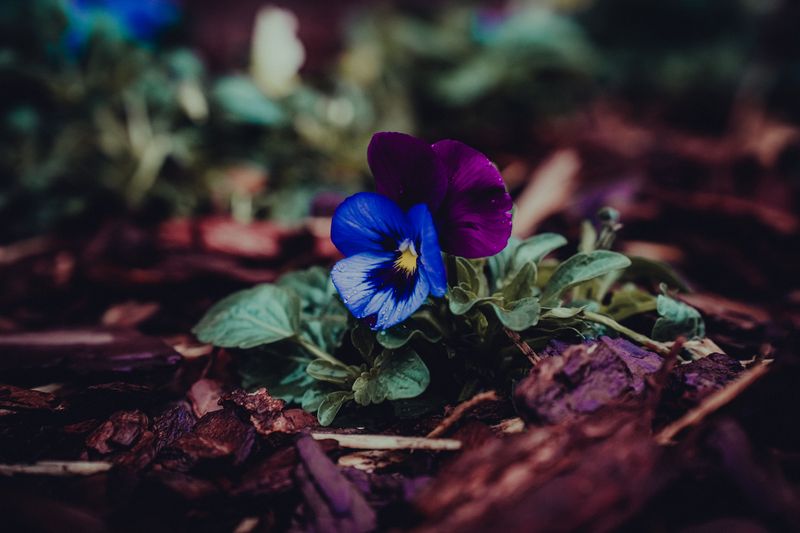
Spring heat arrives sooner than most of us want, but you can buy your pansies a few extra weeks. A little planning in fall makes that late-season stretch much easier.
Location comes first. Pansies want full sun in winter, yet a spot that gets afternoon shade in spring keeps them cooler as temperatures climb. Beds on the east side of a house or under deciduous trees that leaf out in March are perfect.
Mulch is the next helper. A two-inch layer of shredded bark, pine straw, or chopped leaves keeps soil temperatures steadier, holds moisture, and blocks weeds. Keep it a little away from the stems to prevent rot.
Containers give you the most freedom. Roll pots into shade during warm afternoons, and they often keep blooming after bed plants slow down. Light-colored pots also absorb less heat than dark ones.
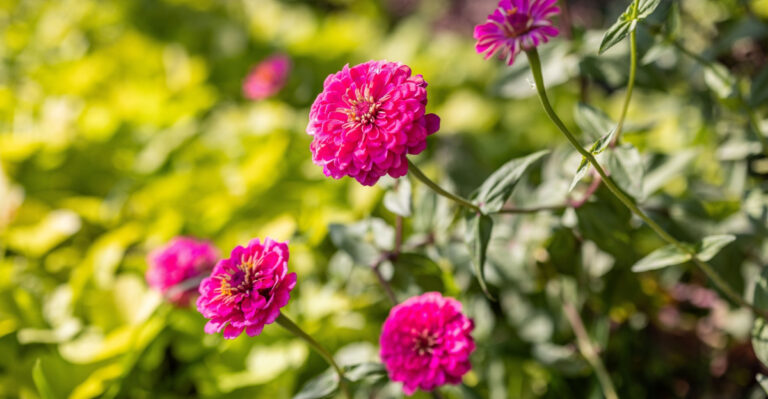
Eventually, pansies finish their run, usually in May across most of Texas. Pull them up without guilt and swap in heat lovers like zinnias, vinca, or pentas.
Then mark your calendar for next fall. Plant on time, water with care, and feed steadily, and you will see how long these little faces can really shine.