The Best Online Nurseries That Ship Native Florida Plants
Finding native Florida plants locally can feel like a full time project. Not every county has a nursery that stocks them seriously.
The ones that do are not always close, open, or carrying what a specific yard actually needs at the right moment in the season. Online nurseries have changed that math in a real way.
Several operations now ship native Florida plants with more care and more variety than most local garden centers ever offer. The plants often arrive in better condition than most people expect the first time they try it.
The options are not all equal. Some online nurseries handle Florida natives well.
Others ship stock that was never suited for this climate, or pack poorly, or charge for quality they do not deliver. A short list of operations have earned a genuine reputation among Florida native plant gardeners.
Those are the ones worth knowing.
1. Mail Order Natives Ships Florida Native Plants From Lee, FL
Imagine skipping the long drive to a plant sale and instead opening a box of healthy native plants right on your porch. Mail Order Natives, based in Lee, Florida, makes that possible by shipping native plants directly to customers.
This nursery is focused specifically on native plants, which sets it apart from general online plant shops that mix natives with non-native ornamentals.
Customers can browse an online inventory that may include native shrubs, trees, vines, grasses, ferns, and edible native plants like blueberries. Availability changes with the season, so a plant you see listed today may not be available next month.
Always check the current inventory page before building your cart, because stock shifts based on what is growing and ready to ship.
Shipping windows matter a lot in this state. Summer heat can stress plants during transit, and Mail Order Natives may pause or adjust shipping during the hottest months.
Check the current shipping policy page for heat-delay rules, shipping windows, and which states they currently serve.
Plant size at the time of shipping is another thing to look up. Starter-size plants and larger container plants have different expectations for how they arrive and how quickly they establish.
Buyers new to mail-order native plants should read the shipping FAQ carefully.
This nursery is a strong starting point for gardeners in this state who want a native-focused source with real mail-order shipping. Verify that the plant you want is right for your region, soil type, and sun exposure before ordering.
2. Locally Flowered Ships Florida Native Plants From The Gulf Coast Region
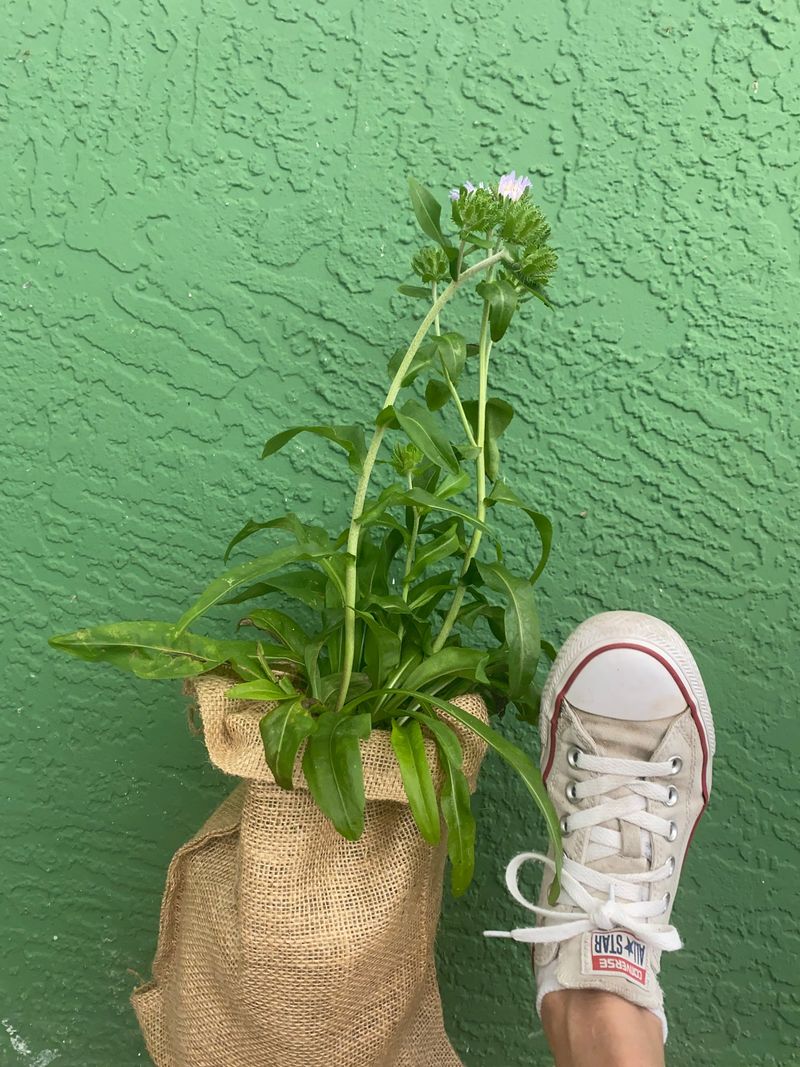
A shopper checking heat-shipping rules before a summer order knows how much timing matters. Locally Flowered is an online source connected to the Gulf Coast region of this state.
It has appeared in discussions among native plant gardeners looking for shipped options closer to home. If current sources confirm it ships Florida native plants, it earns a place on this list for exactly that reason.
Before ordering, verify the current shipping schedule because small nurseries in this state often ship only during cooler months. Summer heat along the Gulf Coast can make live plant shipping risky, and responsible sellers adjust their windows accordingly.
Your Florida Garden Changes Every Week. Your Plan Should Too.
Gardening in Florida changes quickly throughout the season. Every Friday you’ll receive a simple weekly plan showing exactly what to plant, prune, fertilize, harvest, and protect so you never miss the right timing.
Check whether Locally Flowered is currently accepting online orders, what plants are listed, and whether those plants are native, Florida-Friendly, or a mix of both.
Not every plant sold by a native-focused seller is native to this state. Some sellers carry Florida-Friendly plants alongside true natives, and those two categories have different ecological roles.
If you are planting specifically for pollinators, wildlife habitat, or native plant restoration, confirm the native status of each species before adding it to your cart.
Nursery registration and plant sourcing are worth checking too. Plants grown from local ecotypes, meaning plants grown from seeds collected in this state, tend to establish better than plants grown from out-of-state seed sources.
Ask the seller about sourcing if that detail matters to your project.
Seasonal growing conditions can limit what is available at any given time. Check inventory, read the current shipping page, and reach out to the seller directly if you have questions about specific plants or delivery timing.
3. Garden For Wildlife Ships Florida Native Plant Collections By ZIP Code
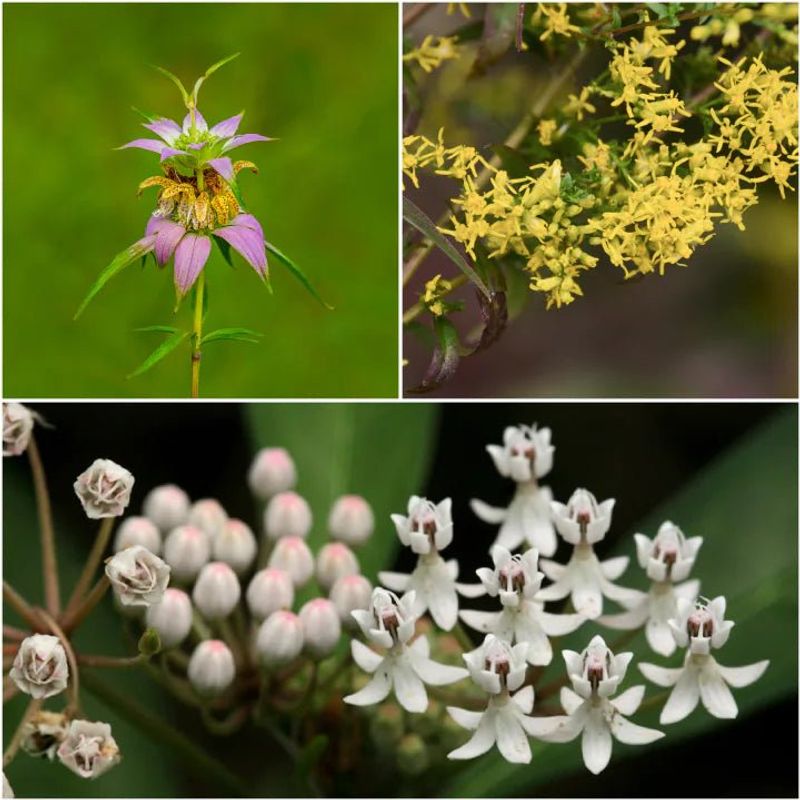
Ordering a box of native plants matched to your ZIP code feels different from browsing a nursery shelf. Garden for Wildlife uses a regional online model that selects native plant collections based on your location.
That takes some of the guesswork out of choosing plants that will work in your yard. This approach can be especially helpful for first-time native plant gardeners who are not sure where to start.
This seller is not based in our state, and it is not a Florida-only native plant nursery. It operates as a national or regional online source that ships native plant collections to customers across a wide service area.
Whether plants in your collection are native to this state specifically depends on your ZIP code and what species are selected for your region. Verify each plant in your collection against a reliable native plant database before planting.
The ZIP-code model also means plant selection is somewhat automated. A collection built for your area may include species native to the broader southeastern United States.
They may not be specific to your county or ecological community. If you are restoring a specific habitat type, like a scrub, flatwoods, or coastal strand, you may need a more targeted source alongside this one.
Check whether the plants offered for your ZIP code match your yard conditions. Light levels, soil drainage, moisture, and available space all affect how well a native plant establishes.
A plant that is technically native to your region can still struggle if it is planted in the wrong spot.
Read the current shipping page for delivery windows, plant sizes, and any seasonal restrictions before placing your order.
4. Direct Native Plants Ships Native Trees, Shrubs, And Perennials Online
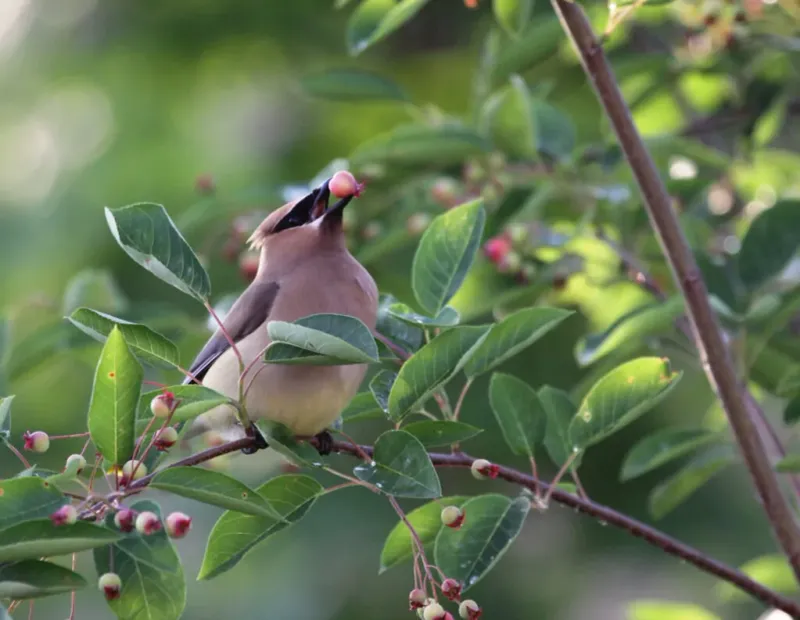
Buying a native tree or shrub online requires more research than buying a wildflower seed packet. Direct Native Plants is an online nursery that appears to ship native trees, shrubs, and perennials to customers.
That makes it worth considering for gardeners who want larger or longer-lived native plants delivered to their door. The key word here is research, because not every plant in an eastern United States native nursery is native to this state specifically.
This nursery carries plants native to the broader eastern United States, which includes this state for some species but not all. A plant labeled native to the Southeast may be native to Georgia, the Carolinas, and northern regions of this state.
It may not be suited for central or southern regions at all. Always look up the scientific name, check the native range, and compare it to your specific location before ordering.
Mature size is another important detail to verify. A native understory tree that looks small in a shipping box can reach 30 feet or more at maturity.
Check the expected height, spread, and root zone for every tree or shrub before you decide where to plant it. Small yards and container gardens have different needs than large open landscapes.
Shipping restrictions, minimum order sizes, and seasonal shipping windows vary by seller. Direct Native Plants may have specific rules about which states they currently ship to, so check the current shipping page for your state before building an order.
Site needs, including sun exposure, soil type, and drainage, should match the plant requirements listed on the product page. A mismatch between plant needs and your yard conditions leads to frustration on both sides.
5. Chestnut Hill Tree Farm Ships Native And Edible Plants From Alachua, FL
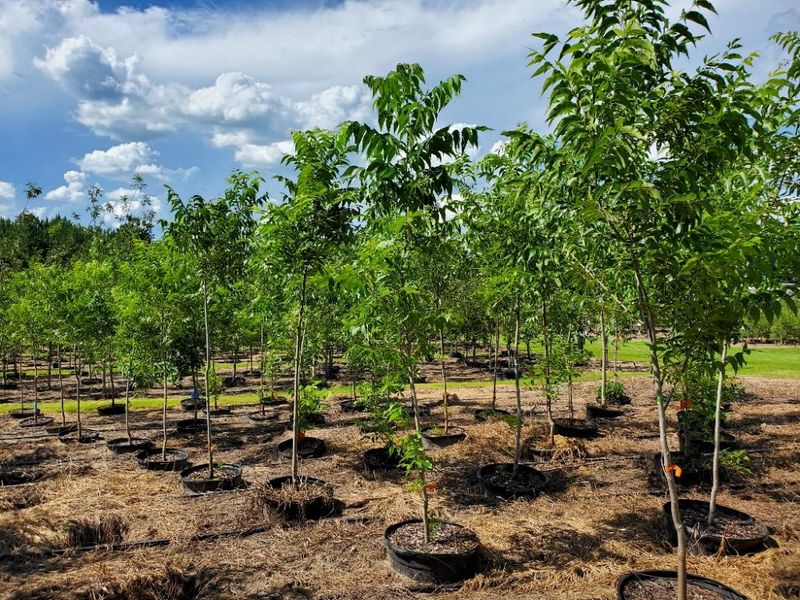
Gardeners searching for edible native plants sometimes end up at Chestnut Hill Tree Farm in Alachua, Florida, and for good reason. This farm has a long history of growing and shipping fruiting trees and edible plants.
It also carries some species that overlap with native or native-adjacent plants relevant to this state. If you are building an edible landscape with some native character, this seller is worth checking out carefully.
Being careful here is important. Not every edible plant at Chestnut Hill Tree Farm is a native.
The farm carries a wide range of fruiting trees, berries, and other edible plants. Some are native to this state, some are native to other parts of the country, and some are non-native cultivated varieties.
Verify the native status of each plant using its scientific name and a reliable native plant database before calling it a Florida native in your landscape plan.
Rootstock and cultivar details matter for fruiting trees. A persimmon or blueberry sold as a cultivar may perform differently than a straight species or a locally sourced ecotype.
If native genetics and local adaptation matter to your project, ask the farm about plant sourcing before ordering.
Edible plant safety is a separate concern. Always confirm which parts of a plant are edible, how they should be prepared, and whether the identification is certain before consuming anything.
Use UF/IFAS Extension or another reliable source to verify edible use claims.
Check current shipping availability, shipping states, plant sizes, and seasonal windows on the farm website. This entry is most useful for gardeners interested in edible landscapes that include some native overlap rather than a strict native-only planting plan.
6. Florida Native Wildflowers Ships Native Seeds And Starter Plants From Melbourne, FL
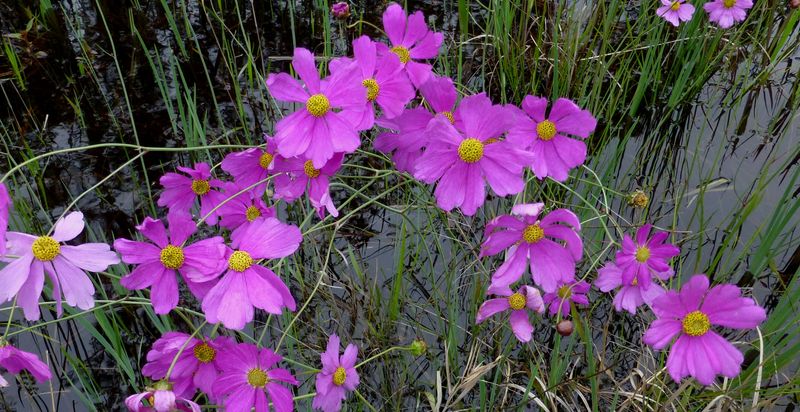
A seed packet arriving in the mail weighs almost nothing, but it carries a lot of potential. Florida Native Wildflowers, based in Melbourne, Florida, offers native wildflower seeds and starter plants online.
That makes it a practical choice for gardeners who want to grow wildflowers from the ground up. If current sources confirm shipping, this seller belongs on the list for native plant shoppers who prefer to start small and grow their own patches over time.
Seeds and starter plants come with different expectations than full-size nursery plants. A seed packet requires the right planting season, proper soil prep, and some patience before you see blooms.
Starter plants are further along but still need time to establish roots before they thrive. Read the germination instructions and planting guides on the current website before ordering.
Timing your planting with the right season matters more than most beginners expect.
Packet size and seed count vary by species. Some wildflowers produce many seeds per packet, while others include fewer because the seed is larger or harder to collect.
Check the product listing for quantity details so your expectations match what arrives in the mail.
Species selection matters for regional fit. Central and coastal areas of this state have different conditions than northern or southern regions.
Check whether each species you order is appropriate for your specific area, soil type, and sun exposure before you scatter seeds or transplant starters.
Shipping rules, seasonal availability, and current inventory should always be checked on the official website before placing an order. Some seed sellers pause shipping during summer or limit orders during high-demand periods like spring planting season.