Found A Giant Black Moth On Your Alabama Porch? Here’s What It Is
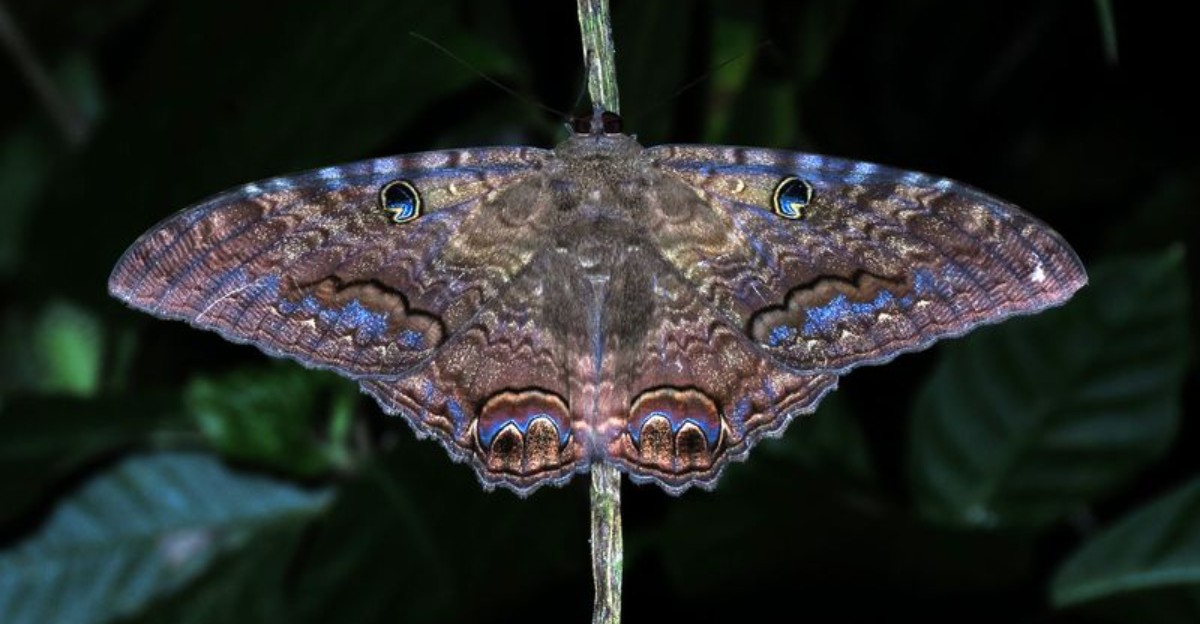
Your porch light just exposed a stranger with wings wider than your outstretched palm. Velvet black, with a purple shimmer that flashes when the beam hits.
Relax, because you are looking at a black witch moth, not a bat. Gulf storms carry these giants north from Mexico, and you just met a traveler.
Alabama sits on that route, so your porch became a rest stop. Bahamian folklore calls it a money moth, while your neighbor blames it for recent misfortune.
Ignore both stories and study the facts instead. Its harmless body cannot sting, bite, or chew your siding.
Gerald, as your kid insists, can stay until dawn. Meanwhile, Alabama naturalists collect sightings like yours and want your photo.
Angle your flashlight low, and the wings show a comma-shaped forewing mark. How Gerald reached your siding starts with storms in Mexico.
The Black Witch Moth Behind The Porch Mystery
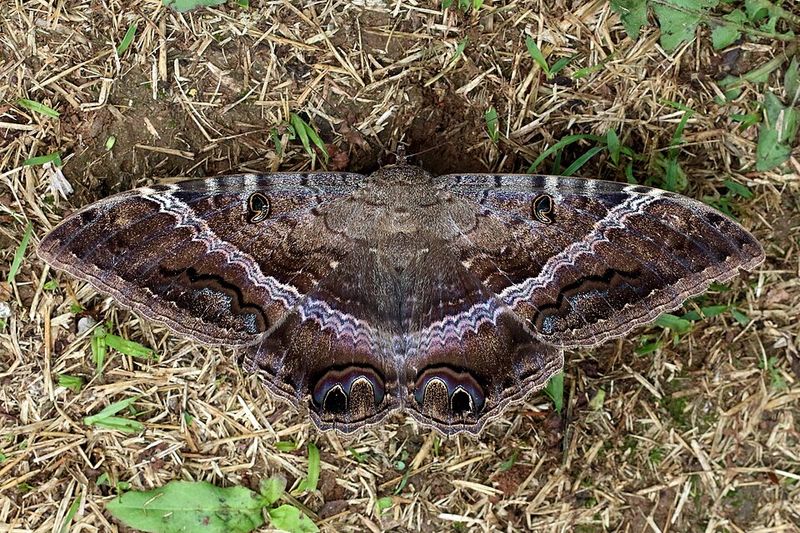
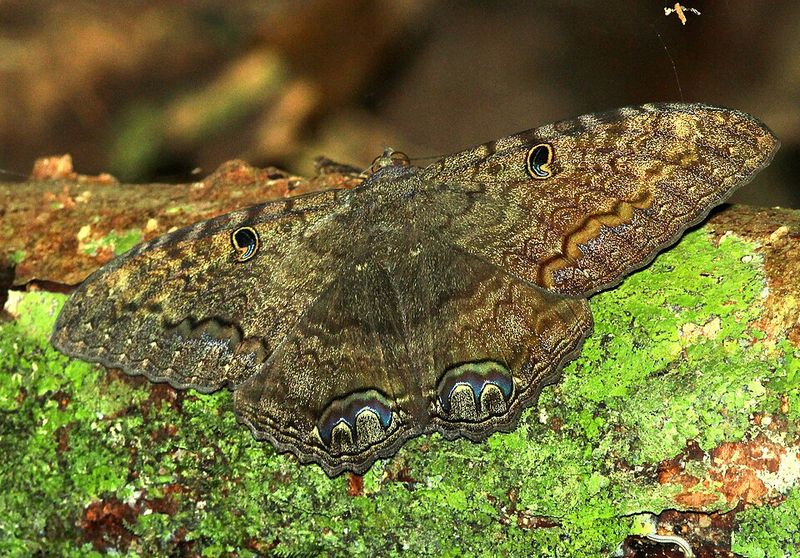
Good news, your porch just hosted one of the largest moths found in the United States. Scientists call it Ascalapha odorata, but many folks know it as the black witch moth.
Its wingspan can stretch up to seven inches, which can outspan a ruby-throated hummingbird by a few inches. From a distance, people often mistake it for a bat clinging to a wall.
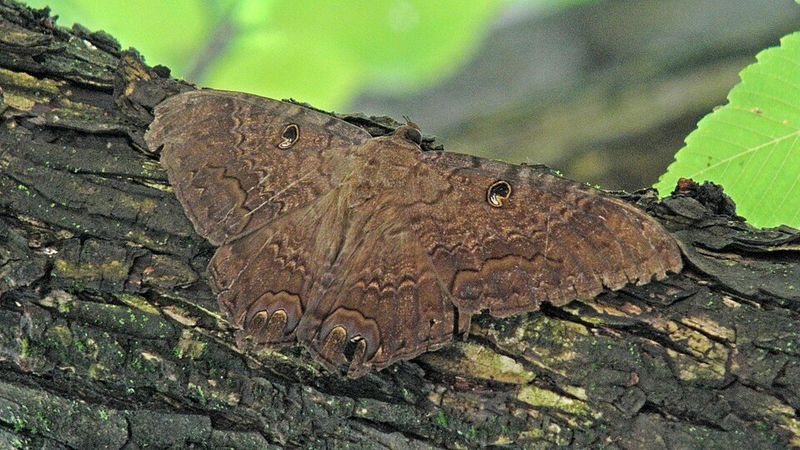
Up close, the wings look dark brown or nearly black with wavy, shimmering patterns. Under porch light, you might catch hints of purple and pink glowing across the scales.
Females are a bit lighter and carry a pale band across both wings. Males stay darker and lack that pale band.
Both sexes carry a tiny forewing mark that looks like a number nine or a comma. Some people say it resembles a little face staring back at them.
Despite its impressive size, the moth cannot bite or sting and poses no known danger to people. It has little interest in your snacks, your pets, or your clothes.
Its antennae are long and slender, which helps it pick up the scent of ripe fruit from a distance after dark.
Resting moths tuck their wings flat against a surface, so a wall or door frame becomes a useful backdrop for blending in.
Snap a photo before it flutters off, because sightings like this make great stories. Local naturalists and university extension offices love hearing about them too.
Tropical Travelers Riding October Winds
Picture a moth leaving Mexico and drifting hundreds of miles to land beside your welcome mat. That journey is what these big fliers can manage when conditions line up.
Black witch moths breed in warm places like Mexico, Central America, the Caribbean, and parts of Texas and Florida. Alabama winters are too cold for them, so they typically do not raise families here.
Instead, strays head north during summer and fall, often carried by strong southern winds. Tropical storms and hurricanes can push them even farther than they planned.
Your Alabama Garden Changes Every Week. Your Plan Should Too.
Gardening in Alabama changes quickly throughout the season. Every Friday you’ll receive a simple weekly plan showing exactly what to plant, prune, fertilize, harvest, and protect so you never miss the right timing.
Late-season sightings can follow a busy Gulf storm season that stirs up the air. A single storm can scatter these wanderers across the Gulf states and beyond.
Many visitors show up alone, which makes each one feel like a surprise guest. They rest during daylight in shady spots like eaves, garages, and covered porches.
At night they wake up and search for sweet food like overripe fruit. A bowl of old bananas on a patio table might tempt one closer.
Once the first cold snap arrives, these travelers fade from the landscape. Enjoy the October visit, since sightings slow down once November chills set in.
Researchers track these long flights by comparing sightings from backyards, parks, and farms.
Citizen scientists log sightings online, which helps map where the travelers appear each season.
Keep a journal of dates and weather if you spot one. Patterns may surprise you after a few autumns of watching.
Folklore Around The Black Witch Moth And The Science Behind It
Grandma might gasp when she sees it, and she has centuries of stories behind her. Few insects carry as many legends as this one.
In Mexico, some folks link the moth to omens and mourning. A visit near a home where someone was ill was once taken as a serious sign.
Jamaican tales call it a duppy bat and link it to a restless spirit visiting loved ones. In the Bahamas, legends treat it as a money moth, especially if it lands on you.
In South Texas, one old saying claims a moth resting above your door could mean a lottery win. Hawaii has its own version, where the moth represents a loved one coming to say goodbye.
Science tells a calmer story than these legends. The moth is simply a hungry, tired traveler looking for a quiet place to rest.
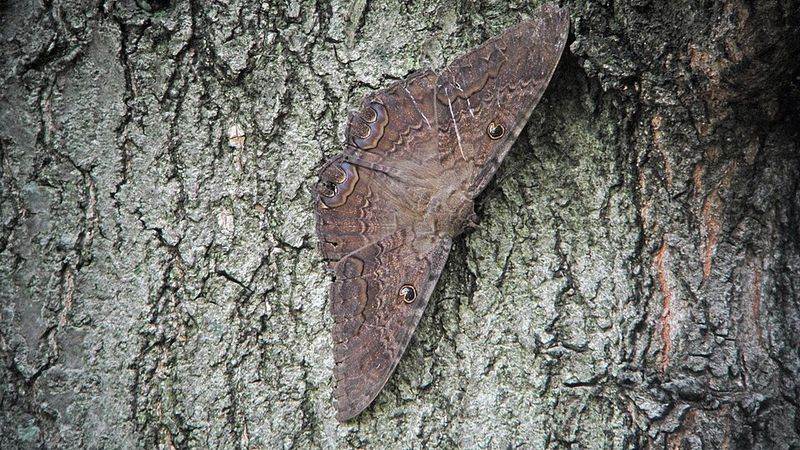
Its dark color helps it hide on tree bark during the day. Bright light at night confuses it, which is why porches attract so many.
So feel free to enjoy the legends like a good campfire tale. Just know your visitor is a traveling insect, not an omen, and makes a cool story for dinner tonight.
Storytellers around the world have given this moth many names, each reflecting a local culture.
Sharing those stories with your kids can turn a surprise visitor into a fun lesson about history, geography, and imagination.
Ask older relatives what they heard growing up about big dark moths. Their answers might connect your family to traditions from far away.
Why Swatting Or Spraying Is Not Ideal

Grabbing a broom feels natural when a hand-sized insect stares down from your door frame. Still, swinging at it causes more trouble than it solves.
Moth wings are covered in thousands of tiny scales that rub off easily. A hard strike can damage the wings and leave the moth unable to fly.
Bug spray creates another problem, especially near doorways where kids and pets walk. Chemicals can linger on railings, welcome mats, and potted plants for a while.
Some folks try trapping the moth in a cup, then shaking it hard outside. Rough handling stresses the insect and can injure its delicate legs.
Remember, this guest is harmless to your home, clothing, and garden. Its caterpillars feed on tropical trees like acacia, not your tomatoes or roses.
Alarmed reactions can also worry little ones who are watching how grown-ups respond. Staying calm teaches children that big bugs deserve curiosity instead of worry.
Nature lovers have another reason to hold back. Large moths serve as food for various predators, so each one plays a part in local food webs.
Gentle choices protect the moth’s ability to keep traveling, since it may have hundreds of miles ahead.
A calm voice and slow movements help the whole family feel relaxed, including curious pets watching from the doorway.
Leave the broom in the closet and grab your phone camera instead. You will have a better memory and a happier moth heading back into the night.
A Calm And Simple Escape Plan For Your Visitor
Patient porch sitters share a little secret. The easiest fix involves turning things off rather than chasing the moth around.
Switch off the porch light first, since bright bulbs are what drew the moth close. Once the glow fades, many moths drift away on their own after a while.
Morning visitors usually stay put until dusk, so a little patience goes a long way. Let it nap on the siding and check back after sunset.
Need it moved sooner because it blocks your door? Slide a stiff piece of paper gently under its feet.
Many moths will climb onto the paper without a fuss. Carry it to a shady tree trunk or shrub away from foot traffic.
Avoid pinching the wings with your fingers, because the scales smudge like chalk. If it lands on your shirt, walk outside slowly and let it crawl off.
A slice of overripe banana on a nearby stump can lure it away. Ripe mango or a splash of fruit juice works nicely too.
For a closer look, dim the lights and use a flashlight with a soft red cover. Check the spot again at dusk, since a rested moth often takes flight when the evening cools.
Wash your hands afterward, just as you would after gardening. Then enjoy the satisfying feeling of solving a porch mystery the gentle way.
Porch Lights And Habits That Keep Future Visits Calm

Smart lighting choices can turn your porch from a moth magnet into a peaceful hangout. Small changes this fall can make a big difference next season.
Yellow bug lights and warm LED bulbs attract far fewer night fliers than bright white ones. They are typically inexpensive at hardware stores.
Motion sensor lights help too, because they shine only when someone actually walks by. Fewer hours of glow means fewer insects gathering around your front door.
Close the screen door quickly so curious moths cannot wander inside the house. Check window screens for small tears before the next warm spell.
Pick up fallen fruit from trees around the yard regularly. Rotting pears and figs act like an open invitation for hungry moths.
You can also plant a moth-friendly corner far from the porch. Night-blooming flowers like evening primrose invite hawkmoths and other pollinators instead.
Remember that a black witch moth sighting is a memorable moment, not a problem. Alabama sightings depend on storms and wind, so each one stands out.
Warm white bulbs in covered fixtures also reduce glare, which helps keep the glow from drawing insects across the neighborhood.
Pairing better lighting with a fruit station away from the door gives wandering moths a friendlier landing spot.
Keep your camera ready next October and share photos with local nature groups. Your porch might become the neighborhood’s favorite spot for spotting tropical wanderers.