How To Save Zinnia Seeds From Your Arizona Garden For A Big Free Patch Next Spring
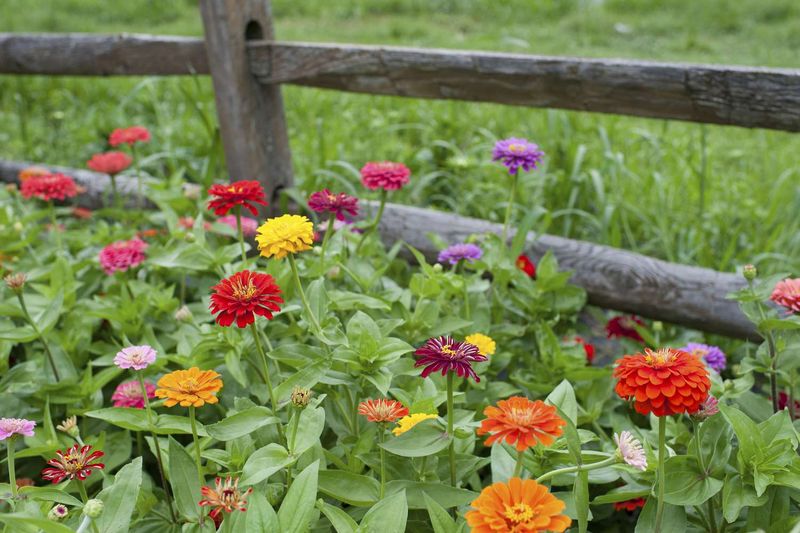
Saving zinnia seeds from your own Arizona garden is one of the easiest ways to get a colorful patch of flowers next warm season without spending a dime. A few dry flower heads from healthy plants can supply enough seed for many new zinnias, making the effort well worth a few minutes of late-season attention.
The process is simple enough for any home gardener in the Phoenix or Tucson area, and this guide walks through every step from picking the right plants to sowing seed when the soil is warm and frost risk has passed.
Start With Healthy Annual Zinnias and Realistic Expectations
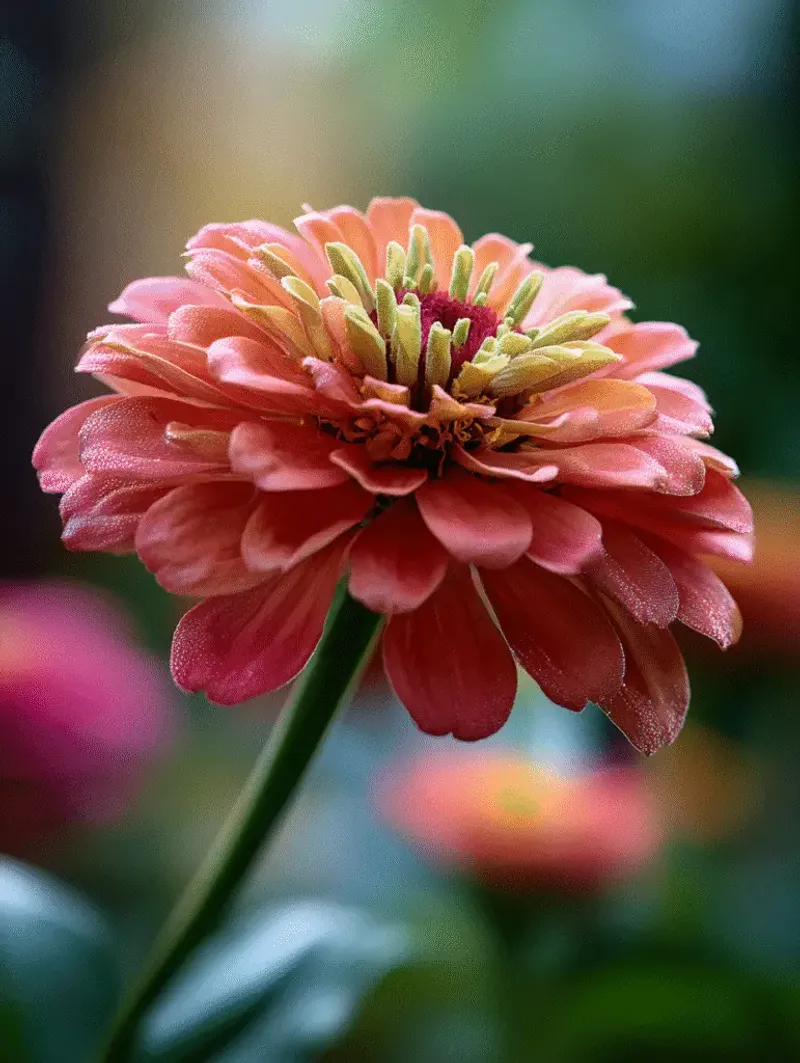
Common garden zinnias grown across Arizona are almost always cultivated annual species, primarily Zinnia elegansZinnia acerosa and closely related hybrids. Arizona is also home to native perennial species such as desert zinnia () and Rocky Mountain zinnia (Zinnia grandiflora), which are smaller, drought-adapted wildflowers suited to rocky terrain.
Those natives are wonderful in their own right, but the large, colorful annual zinnias sold in most Arizona garden centers belong to an entirely different group, and the seed-saving advice in this article applies to the cultivated annuals only.
Selecting the right plants before harvest makes everything that follows more worthwhile. Arizona Cooperative Extension recommends saving seed from healthy, productive plants that show the traits you want to carry forward, whether that means a particular coral color, a compact height that fits your bed, or strong flowering through the low-desert heat.
Avoid any plant showing yellowed leaves, spotted foliage, or signs of disease, because seed from a struggling plant is a poor investment of your time.
A single dry zinnia head can hold multiple seeds and may supply enough for many new plants, but no authoritative source puts a guaranteed number on what one head will produce. Seed count varies by cultivar, flower form, how well the bloom was pollinated, how mature the head was at harvest, and how many seeds actually germinate once sown.
Rather than counting on one spectacular bloom to fill an entire bed, plan to save several heads from more than one healthy Arizona plant. That simple step gives you a more dependable starting supply and reduces the risk that one bad head leaves you with almost nothing to sow next season.
Let Selected Zinnia Heads Dry Before You Harvest
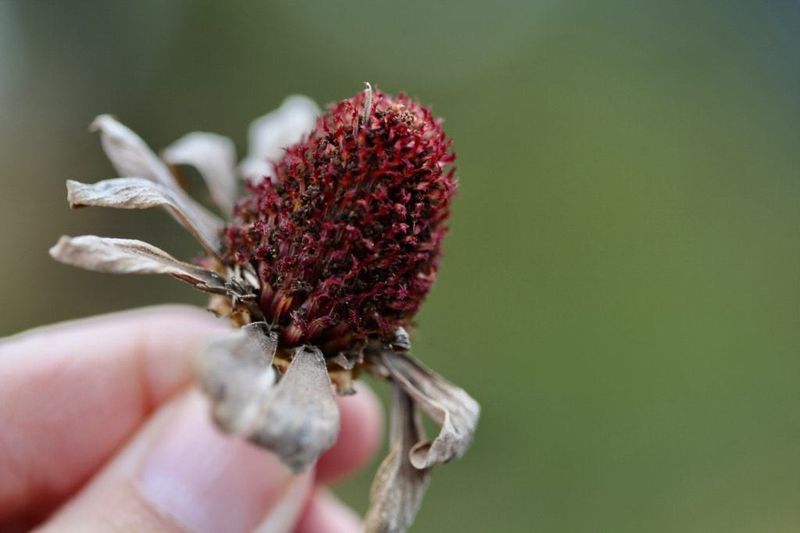
Patience is the most important tool at harvest time. Once you have identified the Arizona plants you want to save seed from, stop deadheading those specific flowers and let the blooms run their full course on the stem.
The head needs to stay attached until the petals go papery, the center turns brown, and the whole structure begins to feel dry and loose rather than firm and fleshy.
Cutting too early is the most common mistake low-desert gardeners make when saving zinnia seed. Extension plant specialists confirm that zinnia heads should remain on the plant until they are fully brown and dry before harvest.
A head pulled while the center is still green or cream-colored will likely contain immature seed with low viability, and no amount of indoor drying will fix that. Wait until the head looks done, then wait a few more days to be sure.
Your Arizona Garden Changes Every Week. Your Plan Should Too.
Gardening in Arizona changes quickly throughout the season. Every Friday you’ll receive a simple weekly plan showing exactly what to plant, prune, fertilize, harvest, and protect so you never miss the right timing.
Wind, wildlife, weather, and natural seed dispersal can all reduce what you actually collect, so check your marked heads regularly once they start browning. When a head looks ready, cut it with a few inches of stem, place it immediately into a labeled paper bag or envelope, and note the plant name, color or cultivar description, collection date, and your Arizona city or neighborhood.
Keeping that information with the seed from the start saves confusion later when you have several envelopes sitting in a drawer. Move harvested heads indoors promptly rather than leaving them on the plant or on an outdoor surface where conditions are harder to control.
Finish Drying Arizona Seed Heads in Shade
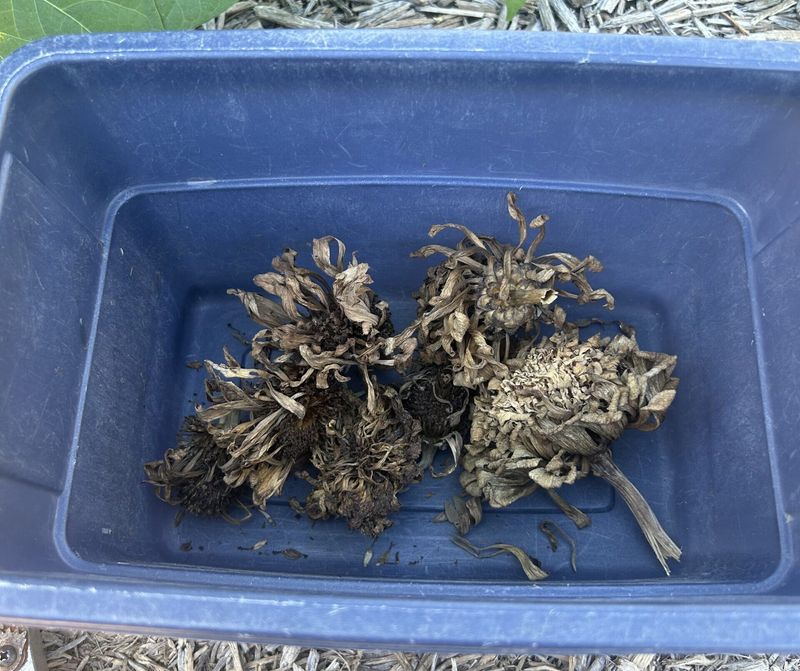
Bringing harvested heads indoors is not the finish line; it is the transition into a short but important drying step. Even a head that looked perfectly dry on the plant can hold a little residual moisture inside the dense center, and that moisture becomes a problem once the seed is sealed into storage.
Place cut heads in a labeled paper envelope or spread them in a single layer on a paper towel inside a shallow cardboard tray, then set everything in a shaded, well-ventilated room.
Arizona homes can get warm quickly, but shade drying at room temperature is exactly what the seed needs. Direct desert sun streaming through a window, a hot garage in summer, or any kind of oven or food dehydrator are all off the table.
Oregon State University Extension notes that seed quality can be damaged by excessive heat during drying, and other extension guidance consistently recommends shade and airflow over any artificial heat source. A shaded spot near an open window or under a ceiling fan works well for most Arizona households.
Give the heads at least one to two weeks in this shaded spot before moving on to the cleaning step. If you squeeze the center of a head and it still feels the least bit spongy or cool to the touch, it needs more time.
The goal is a head that crumbles easily when pressed, with no trace of softness anywhere in the structure. Rushing past this step and sealing damp plant material into a storage jar is one of the fastest ways to ruin a whole season’s worth of collected Arizona zinnia seed before it ever reaches the garden.
Rub Out and Clean the Dry Zinnia Seed
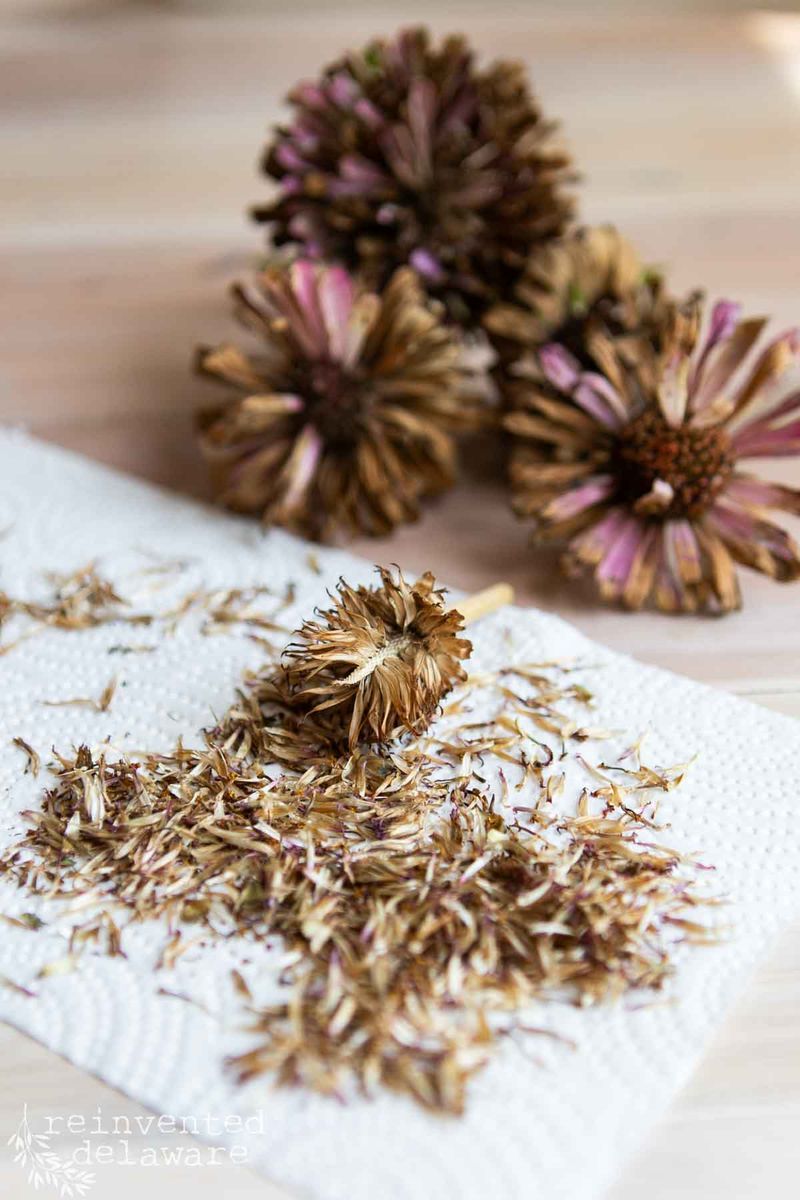
Once a head crumbles easily with no trace of moisture, the cleaning step is quick and satisfying. Hold a fully dry head over a clean bowl or sheet of paper and roll it firmly between your palms, or pinch and rub the center between your thumb and fingers.
The head will break apart and release the individual seeds along with loose petals and dry chaff.
Zinnia seeds are arrow or wedge shaped and noticeably heavier than the papery petals and debris surrounding them. After rubbing out several heads, you can separate seed from chaff by gently blowing across the bowl or by tilting a sheet of paper and letting the lighter material drift away while the heavier seeds stay put.
UC ANR seed-saving guidance describes this gentle winnowing approach as a practical home method for separating zinnia seed from plant debris. Perfect cleanliness is not the goal; a home gardener does not need laboratory-grade purity to grow a successful Arizona patch.
What does matter is removing any plant material that still feels damp or soft before the seed goes into storage. Wet debris packed against dry seed in a sealed container creates the conditions for mold, and mold can ruin viability quickly.
Saving seed from several heads rather than just one also pays off at this stage, because you will have a larger, more varied pool of seed to work with and a better chance that a meaningful portion of it will germinate well when sown in your low-desert Arizona garden next season.
Store Saved Seed Cool, Dry, and Labeled
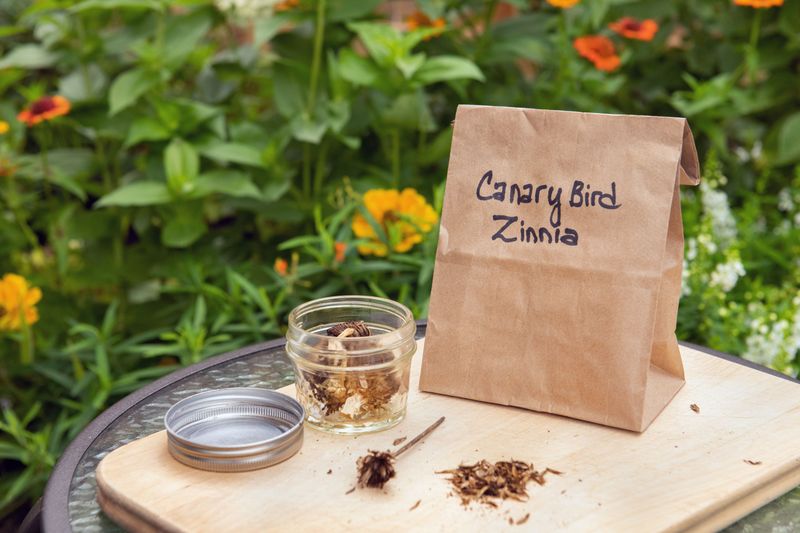
Clean, dry zinnia seed keeps best when it is protected from moisture, heat, and light. The storage setup that works reliably for Arizona home gardeners is straightforward: put the seed into a small paper envelope, write the plant name, color or cultivar, collection date, and your Arizona location on the outside, then place that envelope inside a tightly sealed glass jar or another moisture-proof container.
Paper envelopes allow any remaining trace of moisture to escape before the jar is sealed, while the outer container blocks the humidity that can sneak into an unsealed packet over months of storage. Colorado State University Extension guidance on saving and storing flower seeds recommends cool, dry, dark storage conditions, and that advice translates directly to Arizona kitchens and pantries where summer temperatures can climb.
A cabinet away from the stove, a cool interior closet, or a dedicated shelf in an air-conditioned room all work well.
Refrigeration is an option, but only when the container is fully sealed so that humid air cannot condense on cold seed every time the jar is opened. If you store seed in the fridge, let the sealed jar come to room temperature before opening it.
Seed stored correctly at room temperature in a cool Arizona interior often performs just as well as refrigerated seed for a single season. Plan to use your saved zinnia seed during the very next growing season rather than holding it for multiple years, because germination rates tend to drop with age and Arizona-specific growing conditions deserve the freshest seed you can give them.
Expect Variation From Hybrid and Cross-Pollinated Zinnias
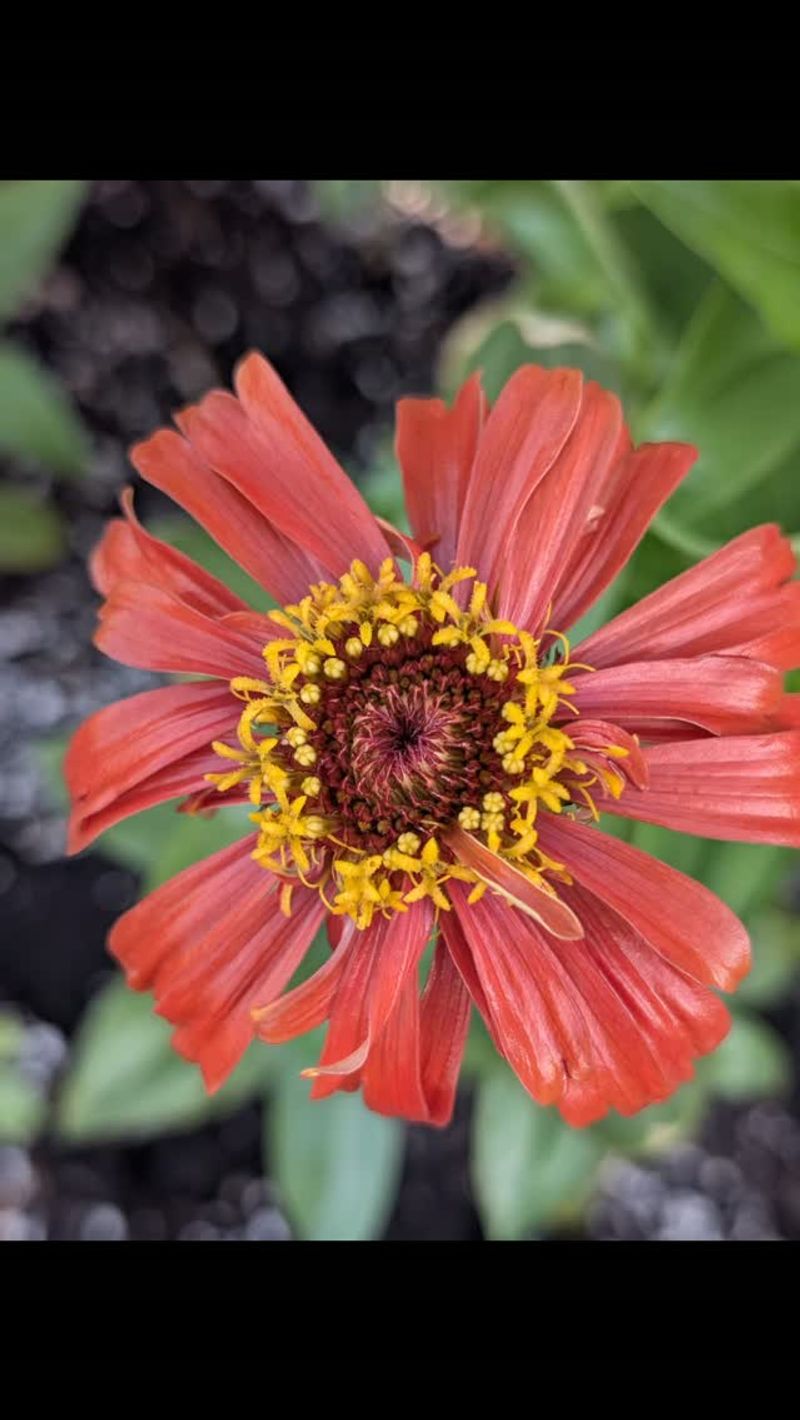
Seed saved from hybrid zinnias can behave unpredictably. Hybrid varieties are bred by crossing two distinct parent lines, and the resulting offspring may germinate fine but look quite different from the plant you saved seed from.
Colors can shift, petal counts can change, plant height may vary, and disease resistance or heat tolerance can differ from what you saw in the original Arizona plant. Oregon State University Extension notes that seeds collected from hybrid varieties may not produce plants true to the parent, which is a practical reality worth understanding before you sow a large bed.
Open-pollinated zinnias, including heirloom varieties, offer a more reliable path when repeating a specific color or form matters to you. Because open-pollinated plants breed more consistently from seed, saving from them gives you a better chance of seeing similar flowers next season.
If you are not sure whether your Arizona zinnias are hybrids or open-pollinated, check the seed packet from the original purchase. The label will usually say “hybrid” or “F1” if it is, and open-pollinated or heirloom varieties often carry that description as well.
Cross-pollination adds another layer of variation. Zinnias are pollinated by bees and other insects, and if several cultivars or colors grow near one another in your Arizona yard, the seed from one plant may carry pollen from a neighbor.
UC ANR seed-saving guidance recommends growing one variety at a time or using isolation techniques when maintaining pure seed. For most home gardeners in Phoenix or Tucson, strict isolation is not practical, and the honest framing is that saved seed from a mixed planting will likely produce a cheerful variety of colors and sizes rather than exact copies of the parent plants.
That surprise mix can be genuinely appealing, as long as you go in expecting it. Do not assume that the largest or most double-petaled bloom in your Arizona garden automatically produces the most viable seed; selecting several healthy, well-pollinated heads from vigorous plants is a more dependable strategy than chasing one show-stopper flower.
Test Germination Before Planting a Large Bed
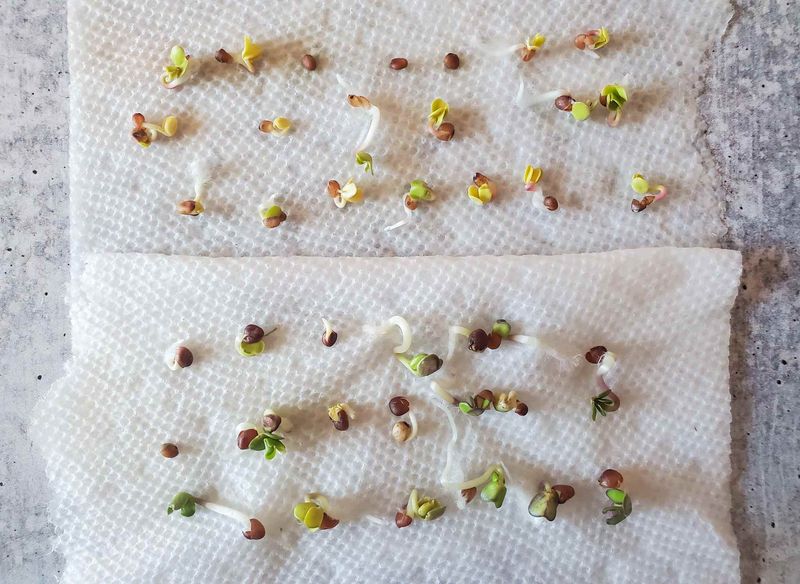
Collected zinnia seed is not uniform. A single batch can contain fully mature, viable seeds alongside immature ones, empty seed casings, seeds damaged during harvest or cleaning, and seeds with naturally lower viability due to disease or poor pollination on the parent plant.
Running a quick germination test before committing to a full Arizona bed takes about a week and can save a lot of wasted effort.
The method is simple. Count out ten seeds from your saved batch, dampen a paper towel until it is moist but not dripping, and lay the seeds on one half of the towel with space between them.
Fold the other half over the seeds, slip the whole thing into a labeled plastic bag, and set it somewhere consistently warm, around 70 to 80 degrees Fahrenheit, which is easy to find in most Arizona homes. Check daily and count how many seeds sprout over the next five to seven days.
Oregon State University Extension recommends this damp paper towel method as a practical way to evaluate seed viability before planting.
If eight or more of your ten seeds sprout, germination is strong and you can sow your Arizona bed with confidence, using the spacing appropriate for your chosen cultivar. If only five or six sprout, plan to sow more densely or save additional heads to supplement your supply.
Fewer than four sprouts out of ten suggests the batch has limited viability, and it is worth collecting more seed or purchasing a backup packet rather than gambling on a sparse stand. The test does not guarantee outdoor emergence, since soil temperature, moisture, and other field conditions all play a role, but it gives you a realistic picture of what your Arizona-saved seed can do before you commit to preparing a full planting area.
Sow Arizona-Saved Zinnias After Frost Risk Passes
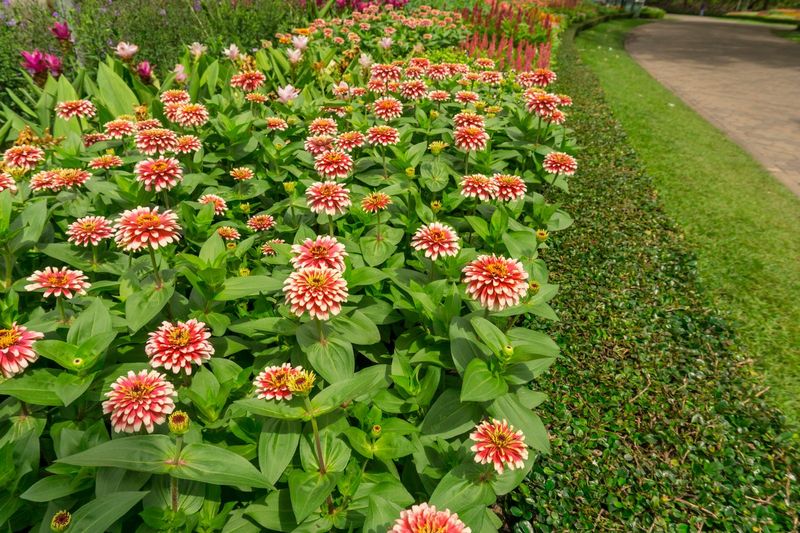
Timing is everything for low-desert Arizona zinnias, and the window is more specific than a general “plant in spring” instruction suggests. University of Arizona Pima County Extension lists zinnia as an annual to direct-sow outdoors in March and as a warm-season flower to plant through April and May.
That window reflects the reality that low-desert areas around Tucson and Phoenix warm up faster than most of the country, but they still carry frost risk in winter and early spring that can kill tender seedlings overnight.
Arizona climate zones differ across the state, and zinnias cannot tolerate freezing temperatures. University of Arizona guidance classifies zinnia as a tender annual, so timing your sowing around local frost risk and genuinely warm soil is more reliable than following a national planting calendar.
A soil temperature of at least 70 degrees Fahrenheit is a useful benchmark for low-desert beds; Minnesota Extension zinnia guidance lists that threshold for seed germination, and it applies equally well to warm Arizona soils in late winter and early spring. Press seed about one quarter inch deep into prepared soil and keep the surface evenly moist until seedlings emerge.
Watering during germination and early establishment is non-negotiable in Arizona. Young zinnia seedlings cannot pull moisture from dry soil, and the low-desert sun evaporates surface moisture quickly even in March.
Once plants are established and growing steadily, shift to efficient soil-level irrigation that wets the root zone without splashing foliage, which helps reduce the leaf disease that Arizona humidity and overhead watering can encourage. University of Arizona drought and extreme heat guidance makes clear that high temperatures increase evaporation and plant water demand, so do not assume that Arizona-adapted plants or warm weather eliminates the need for regular irrigation.
Even heat-loving zinnias need consistent moisture through the hottest stretches of the growing season to keep flowering and stay healthy enough to produce the seed heads you will want to save again next year.
A Few Saved Heads Can Restart a Low-Desert Zinnia Patch
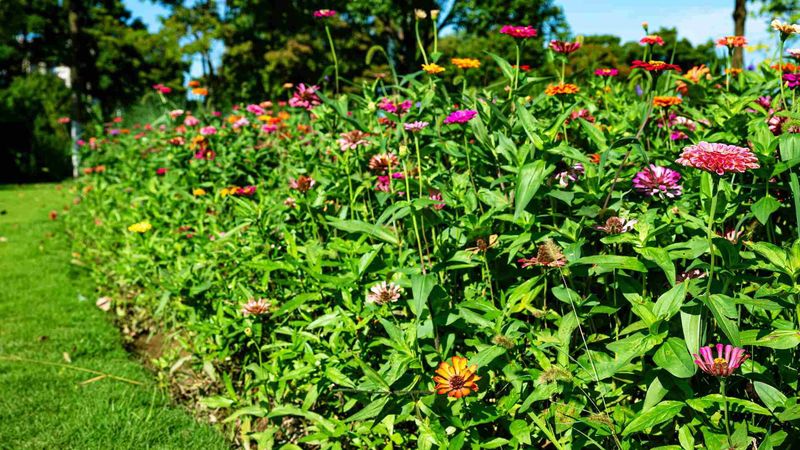
The full method fits on one index card. Choose healthy annual zinnias in your Arizona garden, mark the heads you want to save, and leave them on the plant until they are fully brown and dry.
Cut them before they scatter, bring them indoors, and finish drying them in a shaded spot with good airflow. Once the heads crumble easily, rub out the seed, remove damp debris, and seal everything in a labeled paper envelope inside a moisture-proof container kept cool and dark.
Before sowing a full bed, run a ten-seed germination test on a damp paper towel to get a realistic read on viability. Sow after local frost risk has passed and soil is warm, following low-desert Arizona timing rather than a generic national calendar.
Keep seed evenly moist through emergence and shift to soil-level watering once plants are established, remembering that Arizona heat increases water demand rather than eliminating it.
Several healthy heads saved from vigorous, open-pollinated Arizona plants can realistically supply seed for many new zinnias next season. Seed quality, parentage, spacing, and growing conditions will shape the final result, and that honest uncertainty is part of what makes a garden worth tending.
The best outcome is not a guaranteed bed but a colorful, low-cost patch that you grew from something you saved yourself.