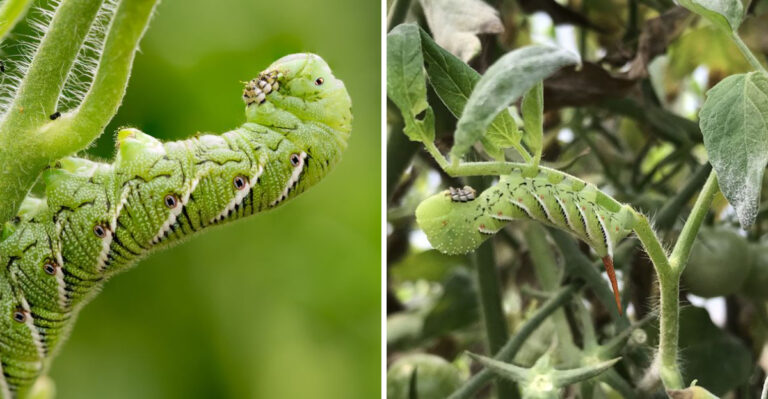
Something Is Spreading Funnel Shaped Webs Across Kentucky Grass
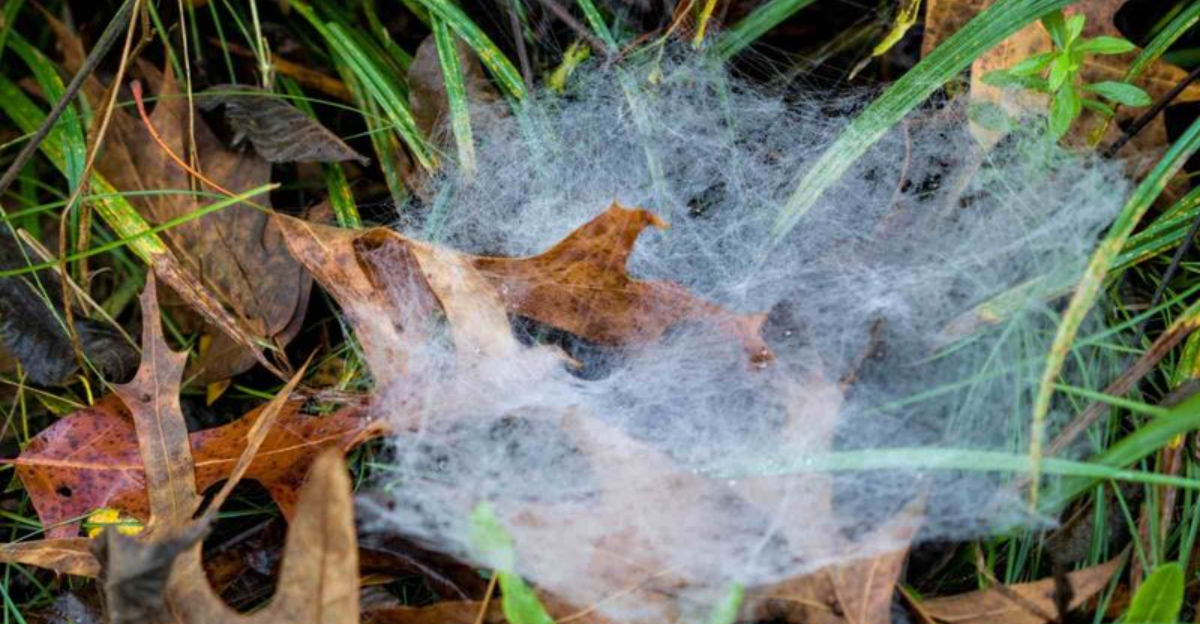
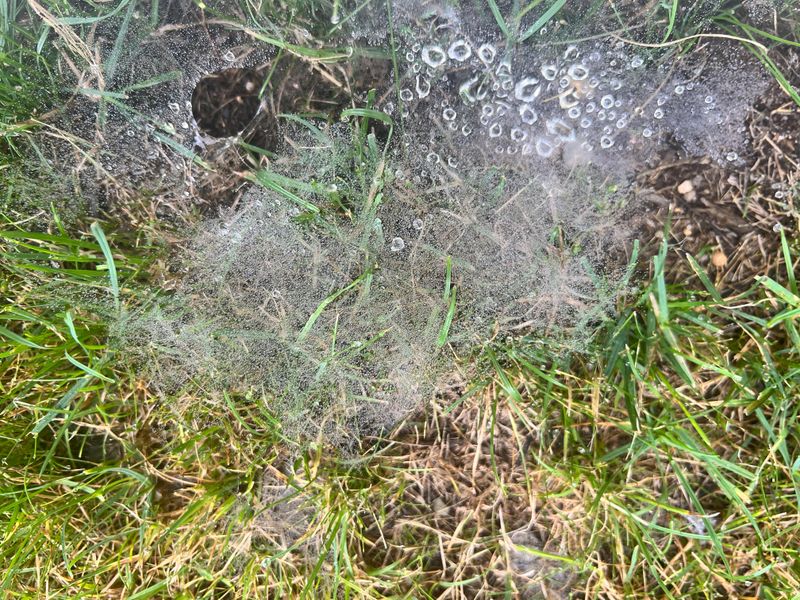
Step outside on a cool Kentucky morning and the lawn looks like someone spread out hundreds of little silver hammocks. Dew clings to each one, turning the yard into a shimmering quilt you never asked for.
Look closer and each sheet narrows into a dark tunnel that disappears into the turf. Something is down there, waiting, and it moves faster than you expect.
By noon the sparkle fades and the webs seem to vanish, which is why most folks only notice them at sunrise. Then the next morning arrives and there are even more of them.
Before you reach for a spray bottle or panic about your grass, it helps to know what is actually going on beneath those silky sheets. The answer is stranger and far more useful than most homeowners realize.
The Grass Spider Behind Kentucky’s Overnight Silk Sheets
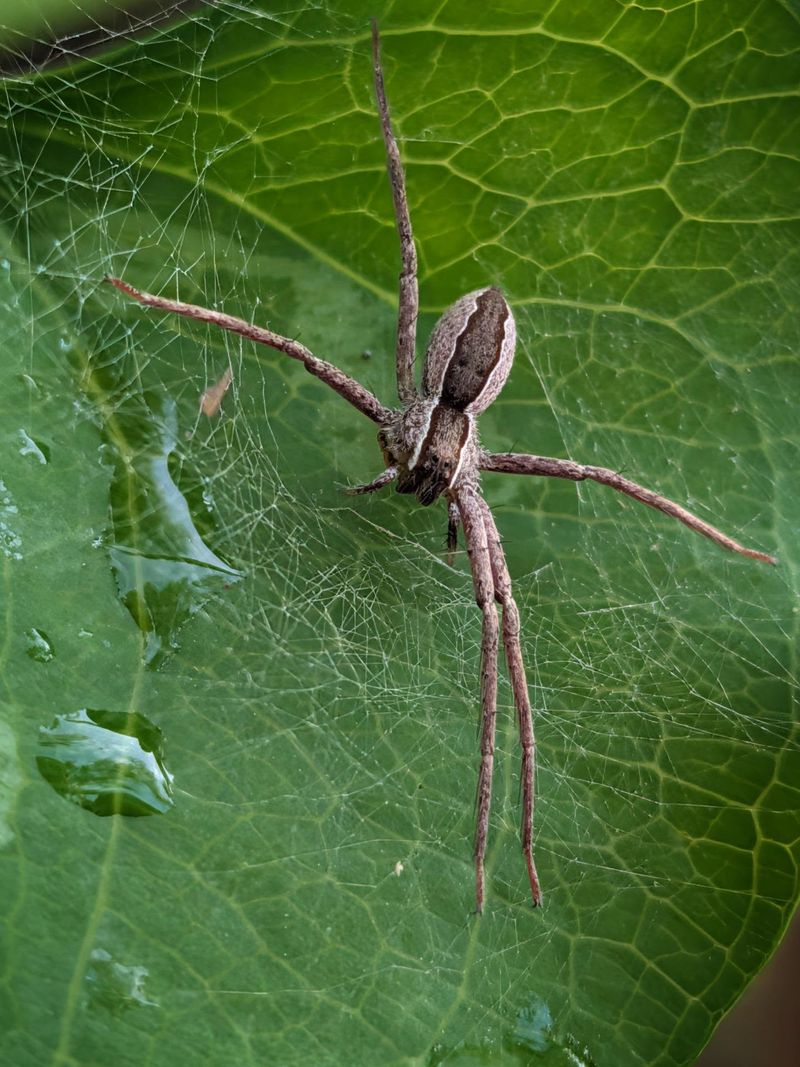
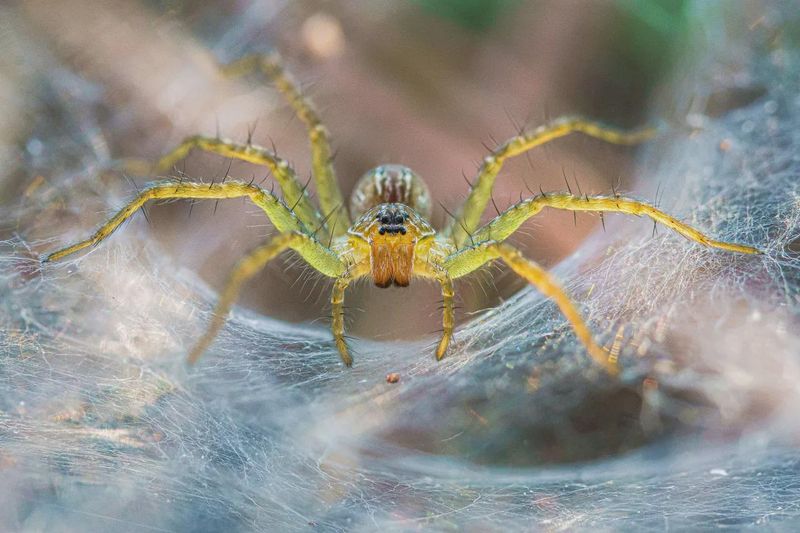
Meet the culprit without the mystery: a slender brown spider in the genus Agelenopsis, known to almost everyone as the grass spider or funnel weaver. Kentucky yards host several species, and late summer is their busiest season.
These spiders stretch about half an inch to three quarters of an inch long, with striped bodies and two dark bands running down the back. The clearest giveaway is the pair of long spinnerets sticking out from the rear like tiny tails.
Their web is not the classic wheel shape you see in cartoons. Instead, they build a flat, slightly cupped sheet that funnels down into a silk tube tucked into thick turf, a shrub base, or a crack in a retaining wall.
The sheet is not sticky at all. It works like a trampoline that carries vibrations, so when a cricket or ant blunders across it, the spider feels the tremor and rushes out from the tunnel.
Speed is the whole strategy here. Grass spiders are among the fastest runners in their spider family, grabbing prey in a fraction of a second and hauling it back into the funnel to eat in private.
They are shy around people and would rather retreat than confront anyone. Their fangs struggle to break human skin, and bites are rare enough that most Kentuckians go a lifetime without one.
So the yard has not been invaded by anything sinister. It has simply been claimed by a very fast, very private hunter.
Late Summer Dew And The Sudden Reveal
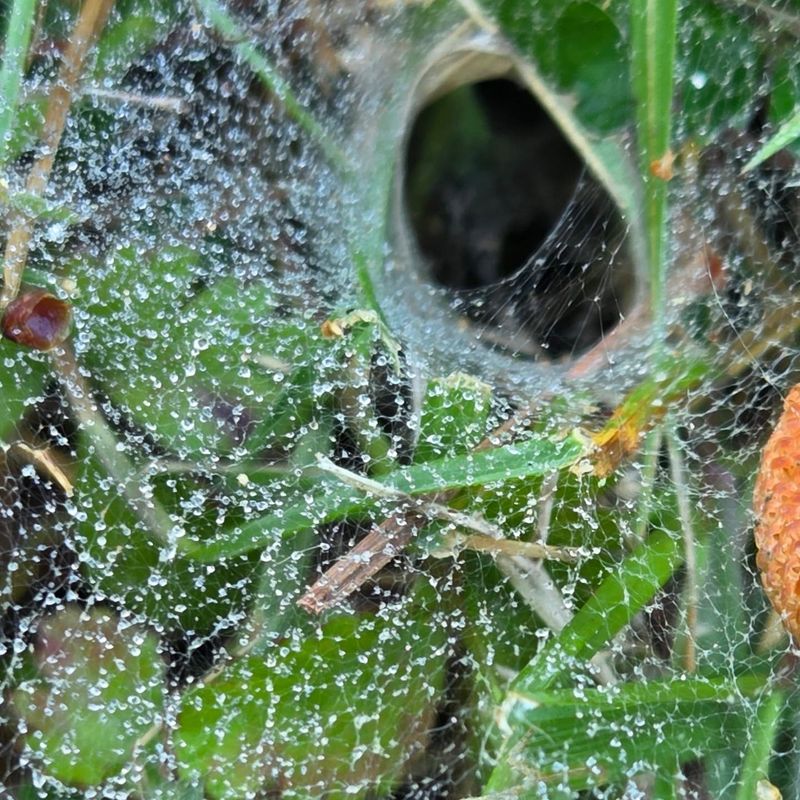
Nothing actually appeared overnight. Most of those webs have been sitting in the grass for days or weeks, invisible until the weather decided to show them off.
Here is the trick. Cool August and September nights drop the air temperature below the dew point, and moisture condenses on every thread of silk, turning clear webbing into bright white lace.
By mid morning the sun burns that moisture away and the webs blend right back into the turf. Homeowners then assume the spiders packed up and left, which is why the whole thing feels like a nightly magic show.
Timing plays a part too. Grass spiders hatch in spring as specks barely worth noticing, and they spend the warm months eating and growing.
Your Kentucky Garden Changes Every Week. Your Plan Should Too.
Gardening in Kentucky changes quickly throughout the season. Every Friday you’ll receive a simple weekly plan showing exactly what to plant, prune, fertilize, harvest, and protect so you never miss the right timing.
By late summer they have reached full size, and so have their webs. A spider that once built a web the size of a quarter is now spreading silk the width of a dinner plate.
Population numbers peak at the same moment. Insects are abundant, survival rates are high, and adults are actively hunting before the mating season winds down.
Kentucky’s humid climate makes the effect especially dramatic. River valleys, creek bottoms, and shady neighborhoods in places like Louisville and Lexington hold moisture longer, so the dew show lasts well past sunrise.
Once the first hard frost arrives, adults fade out and only egg sacs remain. The lawn goes quiet again until the following spring.
Thick Turf, Insects, And The Habitat You Accidentally Built
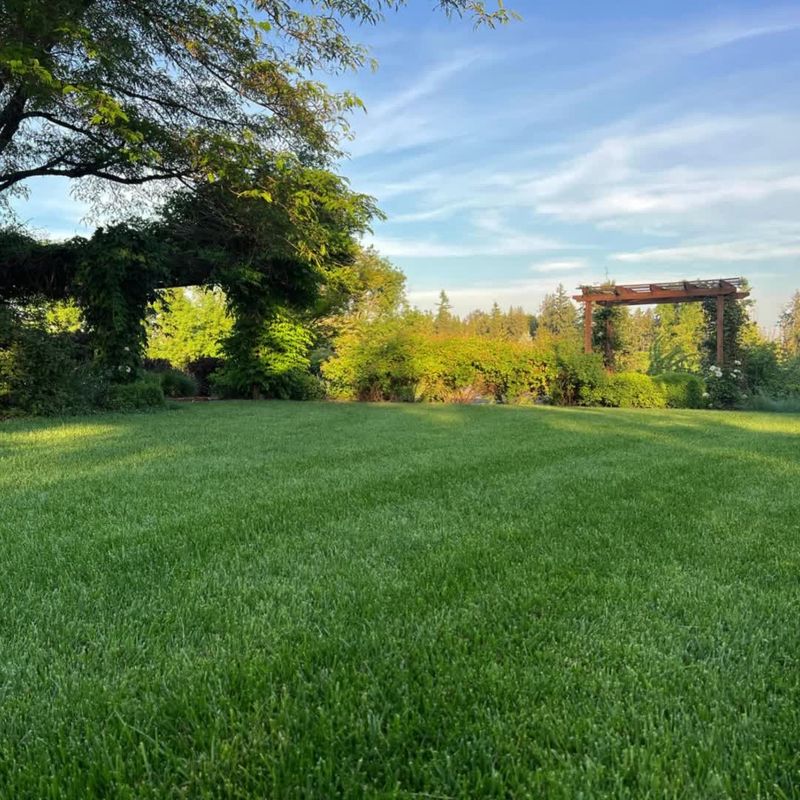
Spiders do not choose yards at random. They settle where food, shelter, and structure line up, and a typical Kentucky lawn checks every box.
Dense cool season turf like tall fescue creates a maze of upright blades. Those blades act as anchor points, letting a spider stretch a horizontal sheet a few inches above the soil with very little effort.
Thatch matters just as much. A spongy layer of old stems and roots gives the funnel a ready made tunnel, and it holds humidity that keeps the spider comfortable through hot afternoons.
Then there is the buffet. Lawns and garden beds are crawling with ants, leafhoppers, gnats, small moths, and crickets, all of which wander onto silk sheets after dark.
Landscaping choices add even more real estate. Juniper shrubs, ornamental grasses, mulch edges, woodpiles, stone walls, and porch steps all provide crevices where a funnel can hide safely.
Outdoor lighting quietly feeds the whole system. Bright porch bulbs pull in flying insects all night, and spiders set up shop wherever the food keeps arriving.
Irrigation contributes as well. Regular watering keeps humidity high near the soil, which helps both the insects and the spiders that eat them.
None of this means the yard is neglected. A healthy, well watered Kentucky lawn is simply excellent spider habitat, and the webs are a side effect of doing many things right.
Telling Funnel Weavers Apart From The Spider Everyone Fears
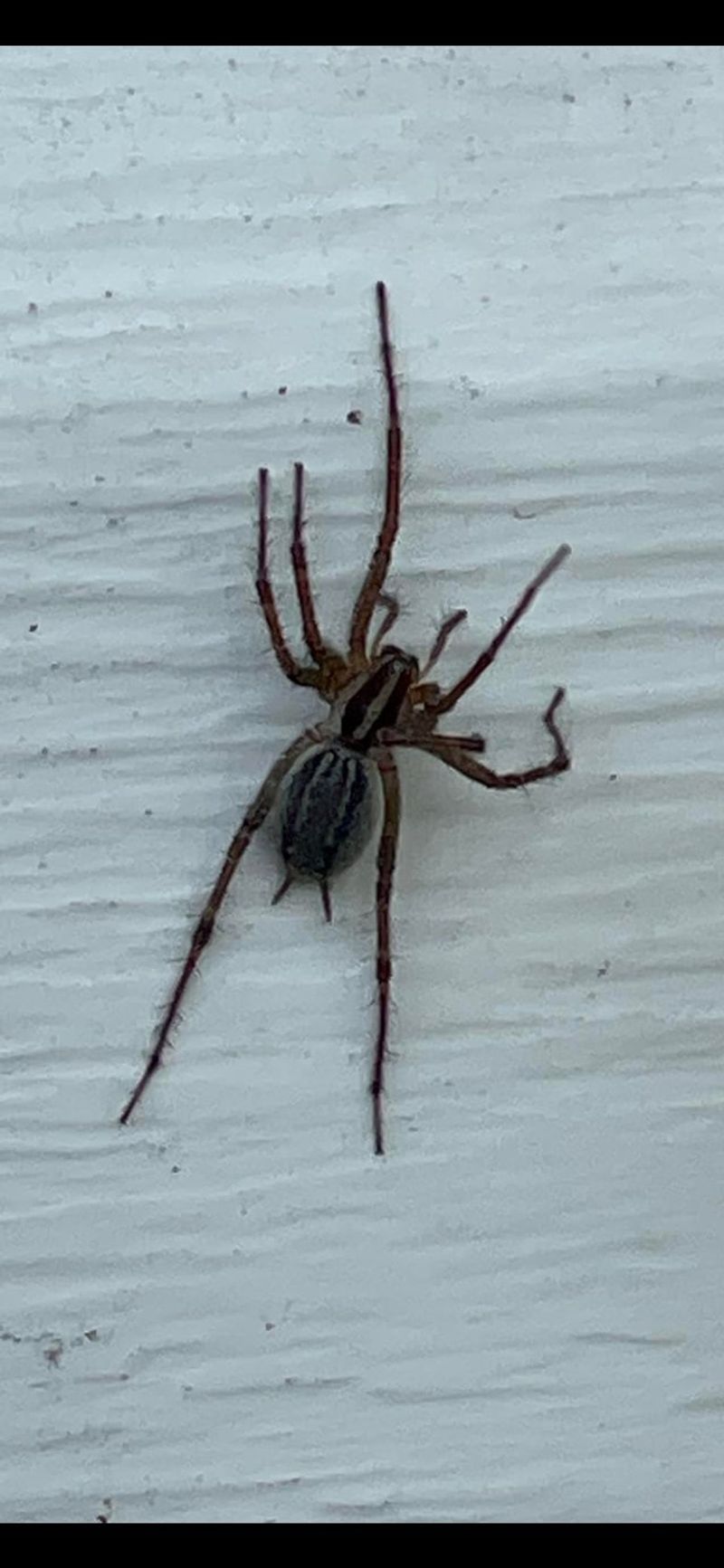
Every autumn, Kentucky extension offices field the same worried phone call. Someone spots a brown spider in the grass and immediately thinks brown recluse.
The two are easy to tell apart once you know where to look. Grass spiders wear obvious stripes, with two dark bands along the head region and a patterned abdomen shaped like arrows or chevrons.
Brown recluses are plain tan with no leg stripes or body patterns at all, plus a violin shaped mark behind the eyes. They also have six eyes arranged in three pairs, while grass spiders carry eight.
Web style settles the question fast. Recluses spin messy, irregular retreat webbing in undisturbed indoor spots like basements, closets, and cardboard boxes.
Funnel weavers build tidy horizontal sheets outdoors and rarely come inside on purpose. If the web is in your lawn or shrubs, a recluse did not make it.
Wolf spiders cause confusion too, though they build no web and carry egg sacs attached to their spinnerets. Their eyes shine brightly when you sweep a flashlight across the grass at night.
Funnel weavers also get mixed up with the hobo spider, which does not live in Kentucky. Reports of that species in the state have consistently turned out to be look alikes.
A quick photo sent to your county extension office can settle any doubt within a day.
The Panic Spraying Mistake Most Homeowners Regret
The instinct is understandable. Hundreds of webs appear, the sprayer comes out of the garage, and the whole lawn gets a broadcast treatment before breakfast.
Trouble is, blanket insecticide applications rarely solve this. Grass spiders sit inside silk tunnels below the sheet, shielded from droplets that land on the surface.
Even when a treatment reaches some of them, the webbing itself sticks around for weeks. Old silk keeps collecting dew, so the yard still sparkles and the homeowner assumes the product failed.
There is a bigger cost. Broad sprays knock out ground beetles, parasitic wasps, and other beneficial creatures that quietly control grubs, chinch bugs, and aphids.
Remove those helpers and pest numbers can rebound harder than before. You end up trading a harmless spider for a genuine turf problem.
Repeat applications also drift into flower beds where pollinators feed, and runoff can reach storm drains that empty into Kentucky creeks and rivers.
Another common misstep is raking or power washing the lawn to strip webs away. Spiders simply rebuild within a night or two, and aggressive raking stresses cool season grass right when it should be recovering from summer heat.
Spot treatment around doorways and foundations makes sense if spiders are wandering indoors. Treating an entire quarter acre because of morning dew almost always costs more money and patience than it returns.
Restraint, in this case, is the smarter tool.
Practical Steps For Living With The Silk
Start with the easiest fix of all, which is doing nothing and letting September pass. Kentucky’s first frost typically arrives between mid October and early November, and adult funnel weavers fade out on their own schedule.
If the webs bother you visually, a light morning pass with a hose or a leaf blower flattens them. Expect rebuilding, but the yard looks clean for weekend guests.
Mowing at the lower end of your grass type’s healthy range removes some of the vertical anchor points spiders rely on. Keeping thatch under half an inch through core aeration in fall reduces tunnel space too.
Trim shrubs so branches do not touch siding, and pull mulch back a few inches from the foundation. Those small gaps discourage spiders from setting up right against the house.
Swapping porch bulbs for warm colored or yellow LEDs cuts down on flying insects, which shrinks the food supply near entry doors. Fewer insects means fewer reasons for spiders to gather there.
Seal gaps around door sweeps, garage thresholds, and basement windows so wandering males in autumn stay outside where they belong.
Worth remembering, one grass spider can eat dozens of nuisance insects across a season, working through mosquitoes, gnats, and lawn pests at no charge. Tolerating a few weeks of dewy silk buys you a summer of free pest patrol.
The sparkle fades, the spiders move on, and your lawn keeps its quiet little workforce.