What North Carolina Blueberry Bushes Actually Need In Summer To Stay Productive Through August
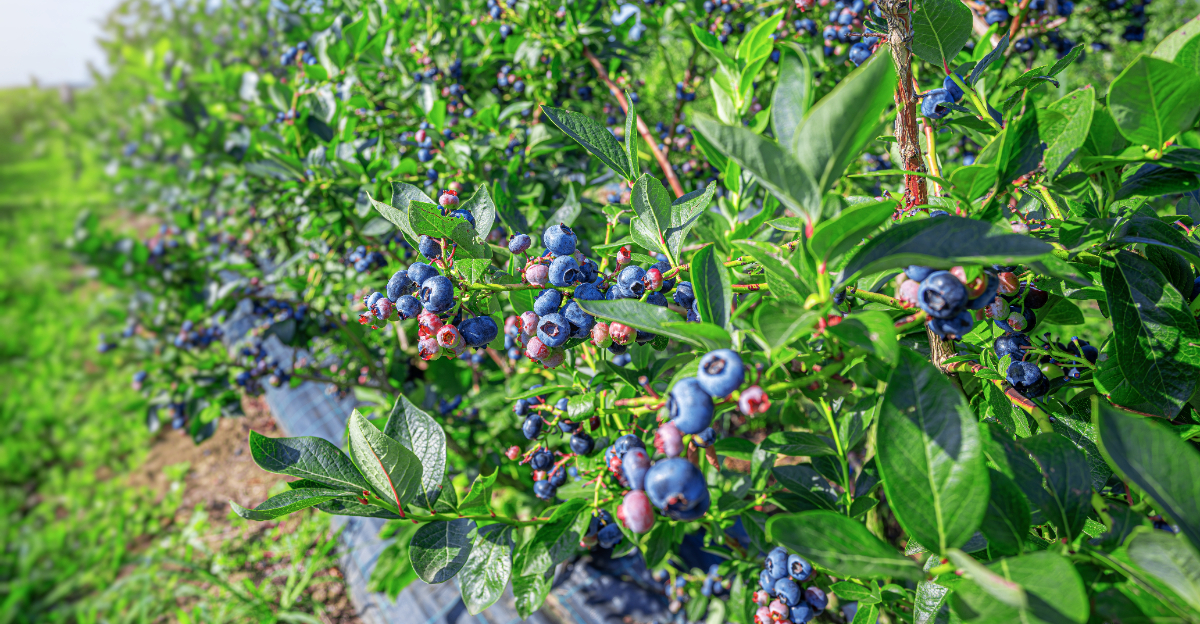
Blueberry bushes have a way of looking perfectly healthy right up until production starts dropping off unexpectedly in the middle of summer.
North Carolina summers are long, hot, and humid, and what a blueberry bush needs during that stretch is genuinely different from what most gardeners are providing.
Soil chemistry, watering patterns, and what you do or skip doing in June and July all have a direct impact on how much fruit makes it to harvest by August.
A lot of common summer care habits that seem reasonable actually work against the plant during its most demanding period.
Understanding what these bushes are actually asking for during the hottest months makes the difference between a productive season and one that just trails off early.
1. Consistent Deep Watering
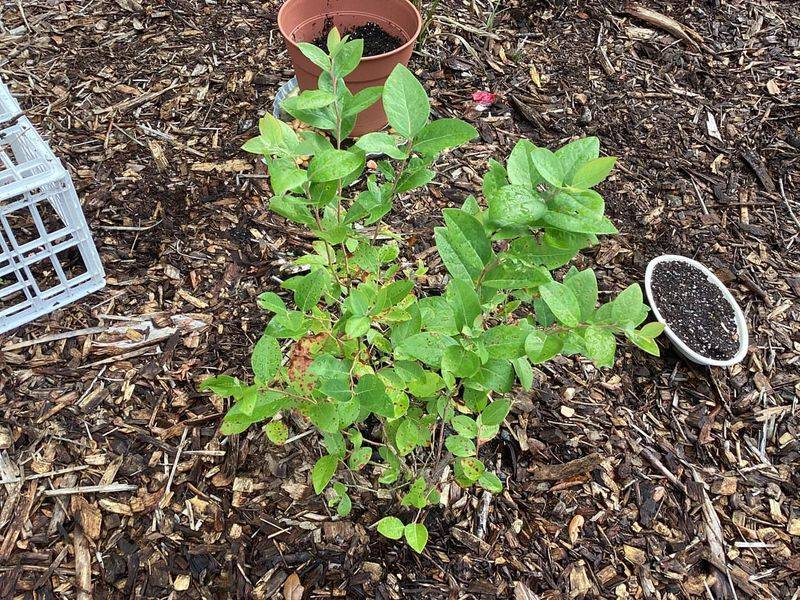
Blueberry bushes are surprisingly thirsty during summer, and North Carolina heat makes that even more true. These plants have shallow root systems, which means they depend on the top few inches of soil staying consistently moist.
When that moisture disappears, berries shrink, bushes stress out, and your August harvest suffers big time.
Aim to give each bush about one to two inches of water per week. Deep watering is key here.
Instead of a quick sprinkle every day, water slowly and thoroughly two or three times a week so moisture reaches several inches below the surface.
Early morning is the best time to water, since it reduces evaporation and keeps foliage dry to lower disease risk.
Drip irrigation works beautifully for blueberries because it delivers water directly to the root zone without splashing leaves. If you use a sprinkler or hose, try to avoid soaking the foliage.
During especially dry stretches in July and August, check soil moisture every other day by pushing a finger two inches into the ground. If it feels dry, water right away.
Pairing deep watering with a good layer of mulch around the base will stretch your efforts further and keep roots cool even when temperatures climb into the nineties.
2. Mulch To Retain Moisture And Suppress Weeds
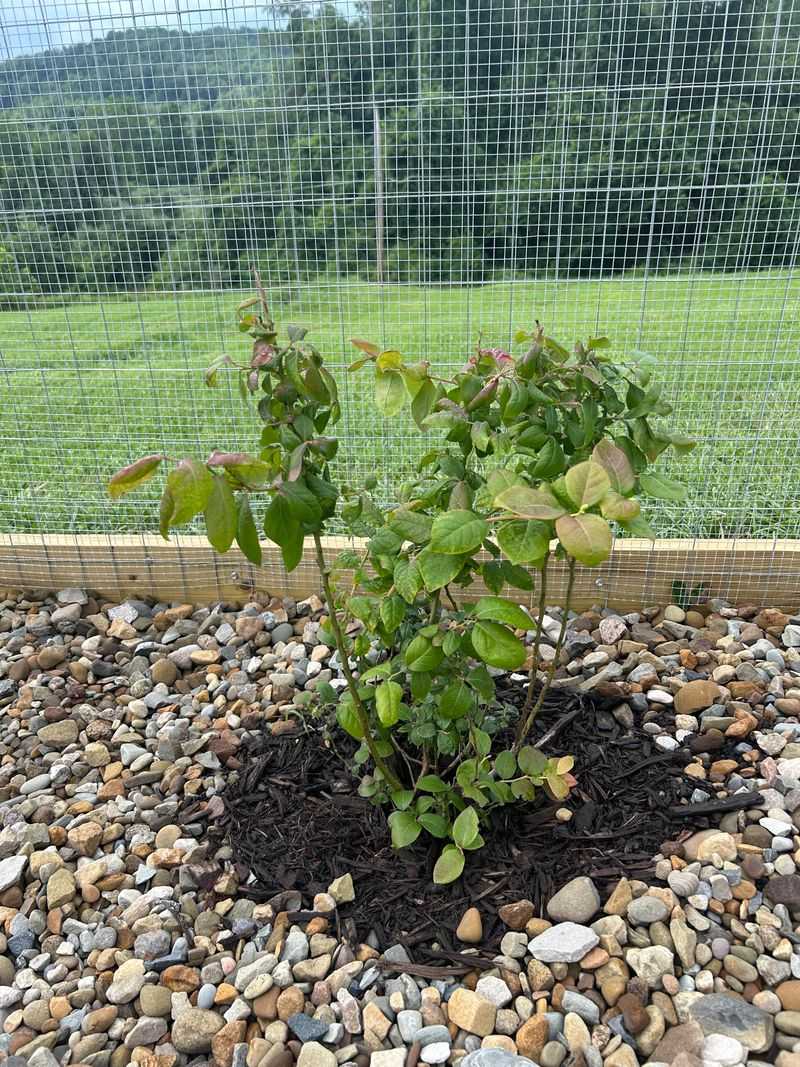
Few things benefit a blueberry bush more than a generous layer of organic mulch during summer. Pine bark, pine straw, or wood chips spread two to three inches deep around the base of each bush creates a protective barrier that does several jobs at once.
It holds moisture in the soil, keeps roots cooler on scorching days, and slows down weed growth significantly.
Weeds are sneaky competitors. They pull water and nutrients away from your blueberry roots without you even noticing until your harvest starts to shrink.
Mulch blocks sunlight from reaching weed seeds, which cuts down on how many sprout in the first place. Less weeding means more time enjoying your garden and less stress on your plants.
Pine-based mulches are especially popular for blueberries in North Carolina because they break down slowly and slightly acidify the soil over time, which suits blueberries perfectly.
Keep mulch pulled back about two inches from the main stem to avoid moisture buildup directly against the bark.
Your North Carolina Garden Changes Every Week. Your Plan Should Too.
Gardening in North Carolina changes quickly throughout the season. Every Friday you’ll receive a simple weekly plan showing exactly what to plant, prune, fertilize, harvest, and protect so you never miss the right timing.
Refresh your mulch layer mid-summer if it has thinned out. A well-mulched bed can reduce your watering frequency and noticeably improve berry size and flavor.
It is one of the simplest upgrades you can make to your blueberry care routine with a very noticeable payoff by the time August rolls around.
3. Monitor For Pests
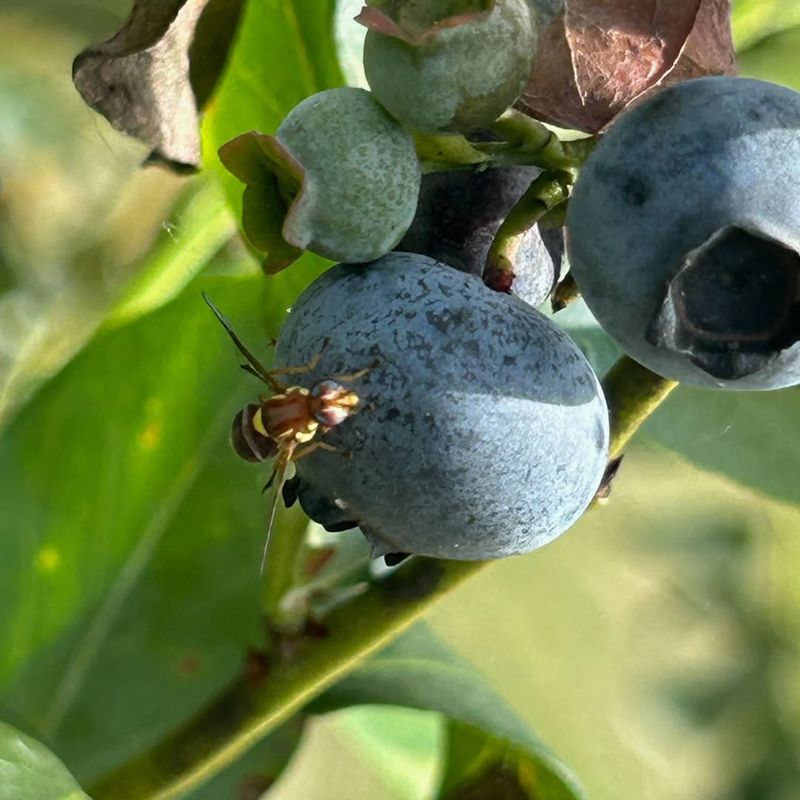
Spotting a pest problem early is the difference between a minor nuisance and a full-blown headache. North Carolina summers bring out some reliable troublemakers for blueberry growers, and Japanese beetles top that list.
These shiny, copper-winged beetles munch through leaves and can skeletonize foliage fast if left unchecked. Aphids are another common visitor, clustering on new growth and draining plant energy while leaving behind a sticky residue.
Walk through your garden at least once a week and flip leaves over to check the undersides. That is where aphids and spider mites like to hide during hot weather.
For Japanese beetles, early morning is the best time to act since they are slower and easier to knock into a bucket of soapy water before the day warms up.
Blueberry maggot flies are also worth watching for in mid-to-late summer, as their larvae can ruin fruit from the inside.
Neem oil spray works well as a natural deterrent for many soft-bodied pests and can be applied in the early morning or evening to avoid harming beneficial insects. For heavier infestations, insecticidal soap is another low-impact option.
The key is acting quickly once you see signs of trouble rather than waiting. Healthy, well-watered plants can handle minor pest pressure much better, so keeping your overall care routine solid is your best first line of defense.
4. Fertilize Lightly As Needed
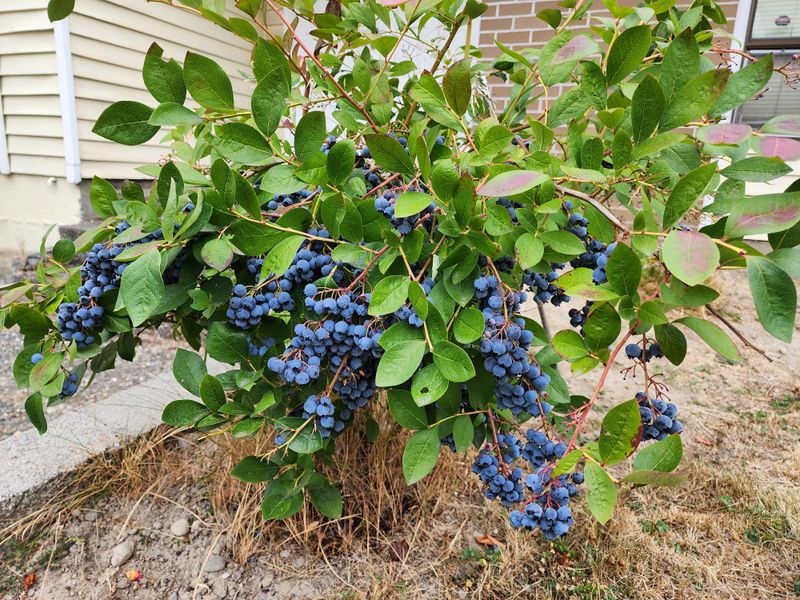
Blueberry bushes do not need a heavy hand when it comes to fertilizer, especially once summer is in full swing.
Over-fertilizing during hot months can push out a flush of soft, leafy growth that the plant cannot really support, and that kind of stress actually reduces fruit quality rather than improving it.
A lighter approach works much better this time of year. If your bushes look pale, have smaller-than-normal leaves, or seem to be growing very slowly, a light supplemental feeding may help.
Look for a fertilizer formulated for acid-loving plants, such as one labeled for azaleas or blueberries specifically.
A slow-release granular formula applied in early summer gives a steady, gentle supply of nutrients without overwhelming the roots.
Avoid applying fertilizer after mid-July in North Carolina, since late feeding can stimulate new growth that will not harden off before cooler weather arrives.
Ammonium sulfate is a popular choice among blueberry growers because it feeds the plant and lowers soil pH at the same time, which is a double win. Apply it carefully according to package directions and water it in well.
Scatter it evenly under the canopy of the bush rather than piling it up near the stem. Soil testing every year or two takes the guesswork out of fertilizing and helps you give your bushes exactly what they are missing without overdoing it.
5. Prune Minimal Summer Growth Only
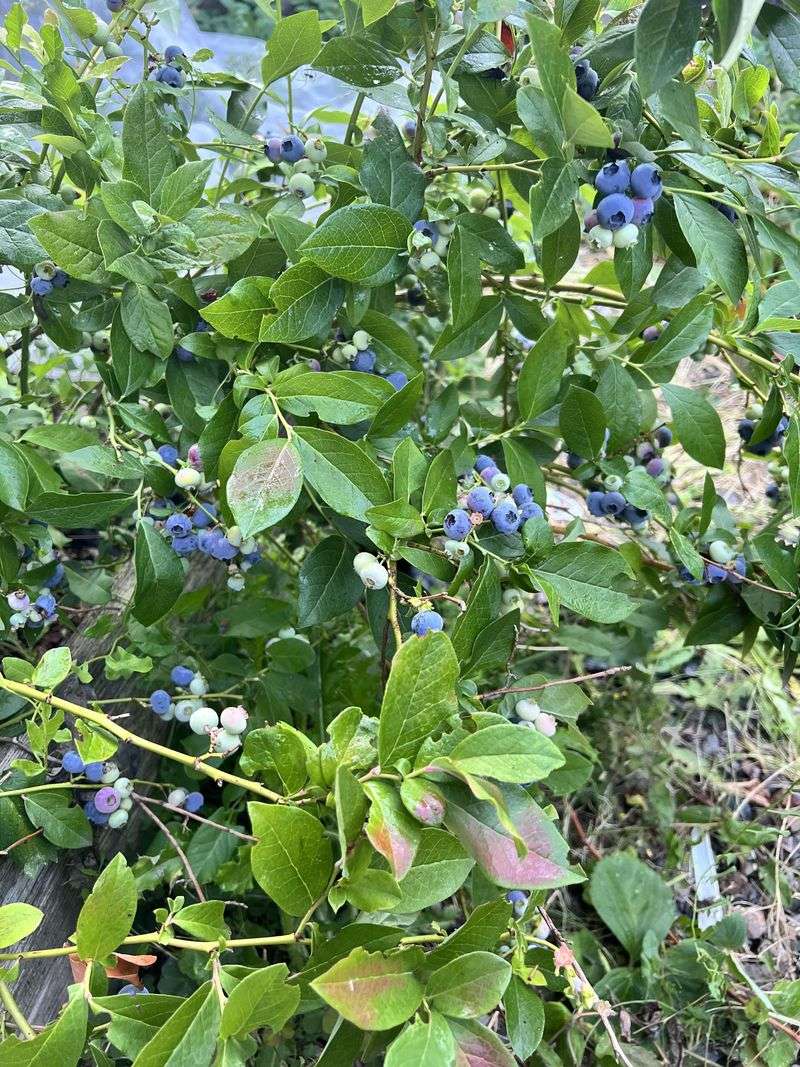
Summer is not the season for aggressive pruning on blueberry bushes. Major reshaping and renewal pruning belong in late winter or early spring when plants are still dormant.
Once summer arrives and berries are forming, the goal shifts to light maintenance only, and even that should be done with a careful eye.
Walk around each bush and look for branches that are clearly broken, rubbing against each other, or growing inward toward the center of the plant. Crossing branches create friction and wound the bark, which opens the door for fungal issues.
Removing these problem branches improves airflow through the canopy, which is especially important during North Carolina’s humid summers when disease pressure is higher.
Use clean, sharp pruning shears and wipe the blades with rubbing alcohol between plants to avoid spreading any potential disease from one bush to another. Make cuts just above a healthy bud or branching point rather than leaving stubs.
Keep the cuts small and targeted. Removing too much foliage in summer reduces the plant’s ability to photosynthesize and support developing fruit.
Think of summer pruning as a quick tidy-up rather than a renovation. A few snips here and there go a long way toward keeping your bushes healthy, open, and productive all the way through August without setting them back.
6. Support Branches Heavy With Fruit
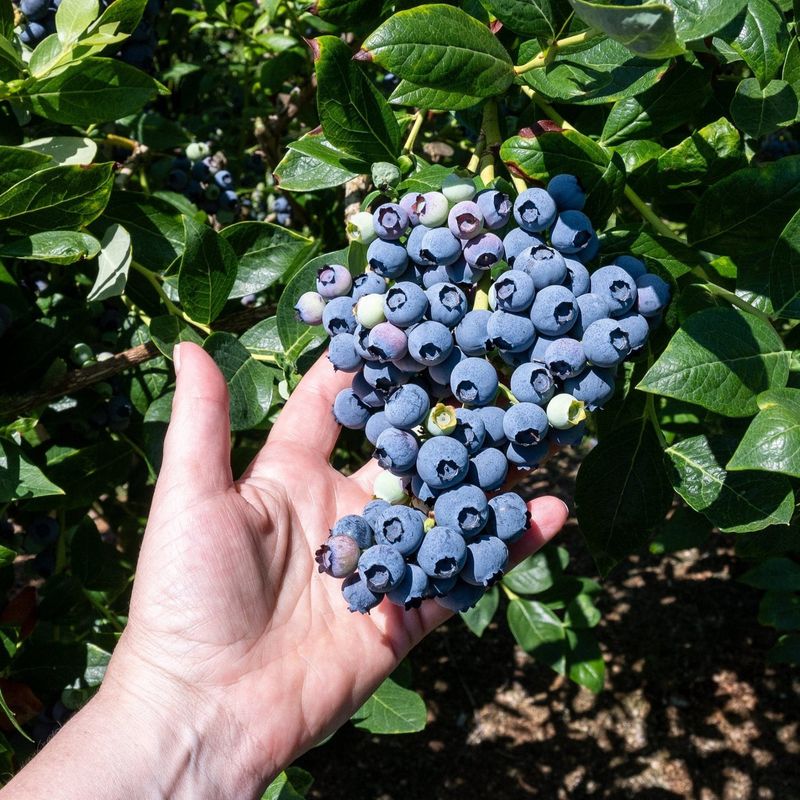
A bumper crop of blueberries is a beautiful sight, but all that weight can snap branches that were not built to carry it. This is especially true on younger bushes or varieties that produce large, dense clusters.
A broken branch mid-season means losing not just that harvest but also a productive limb that took years to develop. Simple wooden stakes or bamboo rods work great for propping up drooping branches.
Push the stake firmly into the ground near the branch and use soft garden ties, strips of old fabric, or foam-coated wire to gently secure the branch at a supported angle.
Avoid anything that cuts into the bark, since that kind of damage stresses the plant and creates entry points for disease. The goal is just to take some weight off the branch, not to lock it rigidly in place.
Supporting branches also helps with even ripening. When heavy clusters hang too low, they may get less sunlight on one side, which slows ripening and can lead to uneven color.
Lifting those clusters up into better light exposure makes a real difference in berry quality. Check your supports after strong summer storms, since wind and rain can shift things around.
A little attention here pays off in bigger, better berries and healthier branches that will serve your garden well for many seasons to come.
7. Protect From Birds
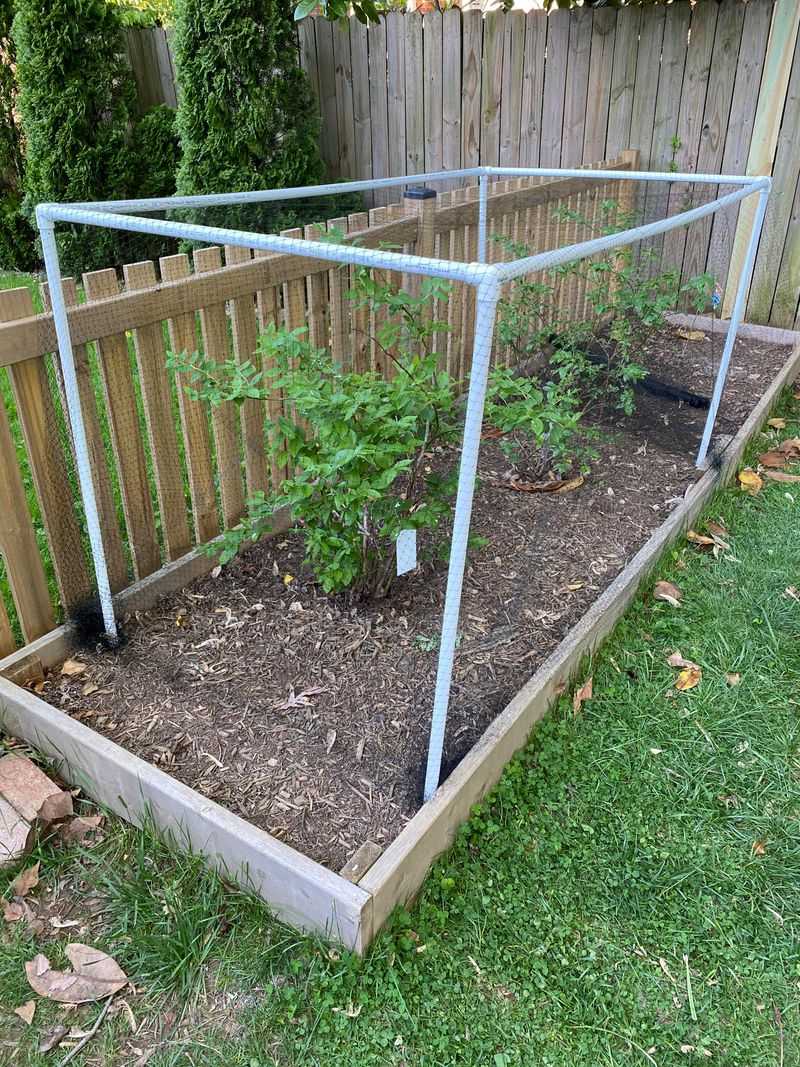
Birds have excellent taste, and blueberries are one of their absolute favorites. Robins, mockingbirds, and cedar waxwings can strip a bush clean in a single morning if nothing is stopping them.
For North Carolina gardeners, protecting the harvest from birds is not optional once berries start to turn blue. It is simply part of the summer routine.
Bird netting is the most reliable solution available. Drape it over the entire bush or set up a simple frame using PVC pipes or wooden stakes to keep the netting off the branches and berries.
Make sure the netting reaches all the way to the ground and is secured at the base, since birds are clever and will find any gap they can squeeze through. Fine mesh netting works better than large-hole options, which can trap small birds and cause harm.
Reflective tape, pinwheels, and fake owls can help deter birds as a secondary measure, but these tend to lose their effectiveness after a week or two once birds realize they are not a real threat.
Rotating the decoys or moving them frequently helps extend their usefulness. Netting is the one method that consistently works season after season.
Put it up as soon as you see the first berries beginning to turn, since waiting until they are fully ripe usually means arriving too late. Your harvest is worth the extra effort of setting it up properly.
8. Inspect For Disease Signs
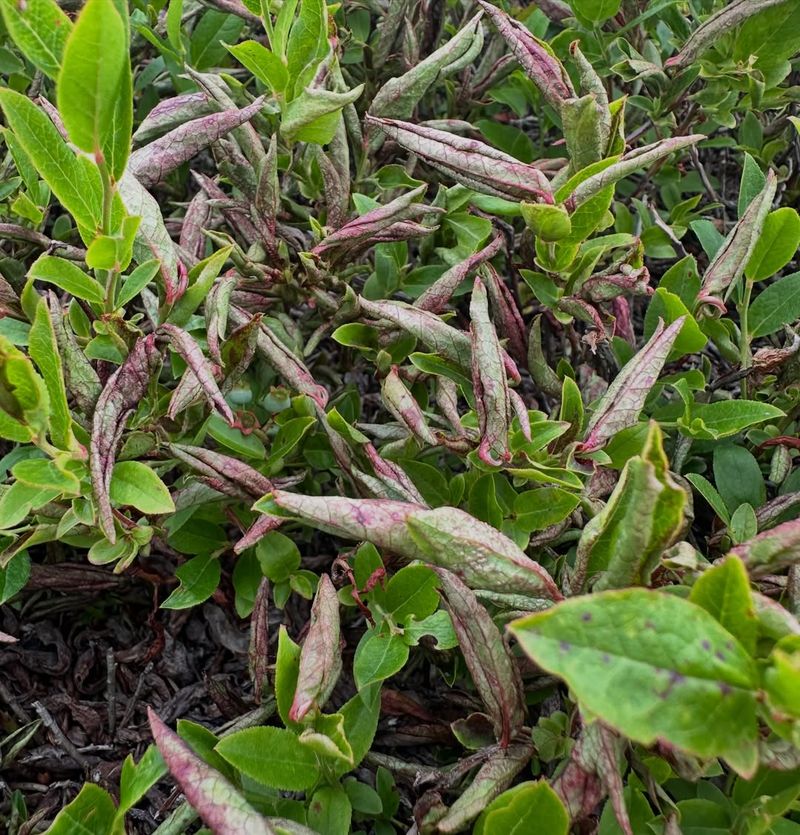
North Carolina summers bring warmth and humidity together in a combination that fungal diseases absolutely love.
Blueberry bushes face real pressure from issues like powdery mildew, botrytis blight, and mummy berry during the hottest months.
Catching these problems early is everything, because once a fungal issue gets established, it spreads quickly and becomes much harder to manage.
Powdery mildew shows up as a white or grayish dusty coating on leaves, usually starting on the upper surface. Mummy berry causes young shoots to wilt and berries to shrivel into hard, dry mummies that fall to the ground.
Walk through your blueberry bed every week and look closely at both sides of leaves, along stems, and at developing fruit.
Remove any infected-looking foliage immediately and place it in a bag for disposal rather than leaving it on the ground where spores can spread.
Copper-based fungicides and sulfur-based sprays are commonly used organic options for managing fungal issues on blueberries. Always follow label directions carefully and avoid applying them during the hottest part of the day to prevent leaf burn.
Good airflow through the canopy is one of the best preventive tools you have, which is another reason that light summer pruning matters.
Keeping the mulch layer clean and free of fallen leaves also reduces the chances of overwintering spores causing problems the following season.
9. Maintain Soil Acidity
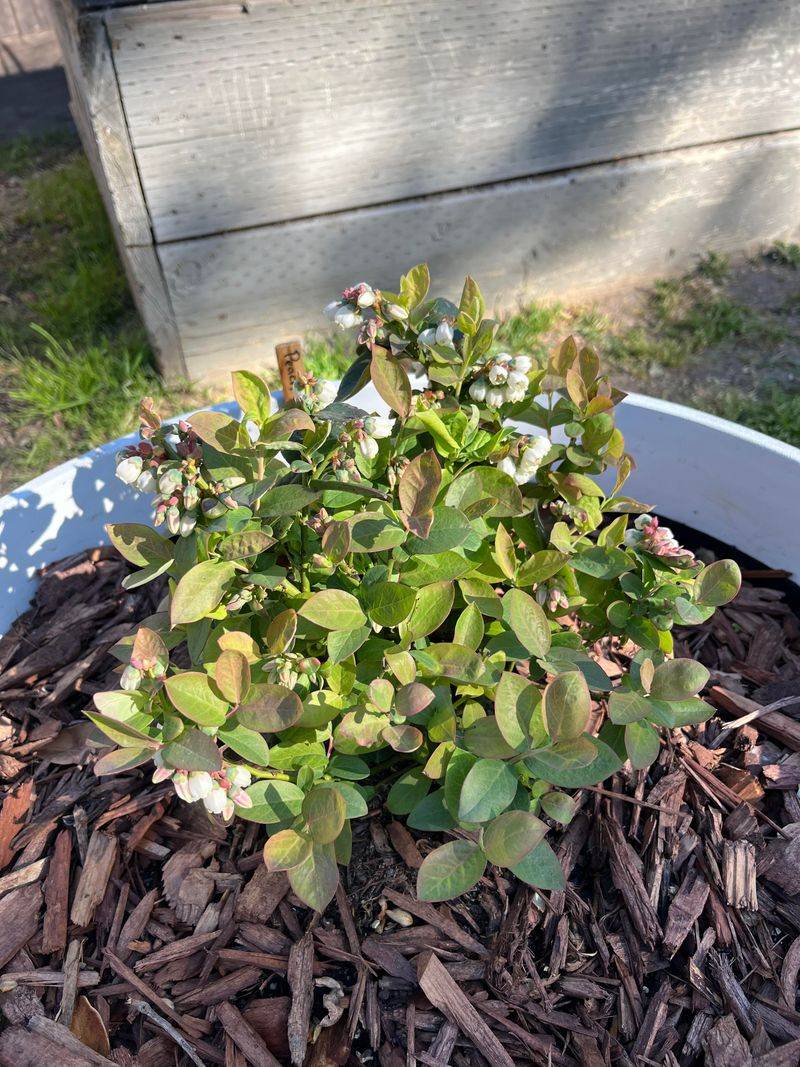
Blueberries are one of the most pH-sensitive fruit plants you can grow. They need soil that sits in a fairly narrow acidic range, between 4.5 and 5.5, to absorb nutrients properly.
When soil pH climbs above that range, nutrients like iron and manganese become locked up and unavailable, even if they are present in the soil. The result is yellowing leaves, poor growth, and a disappointing harvest.
North Carolina soils vary a lot across the state. Some areas naturally trend acidic, while others run more neutral or alkaline.
Testing your soil pH at least once a year, ideally in spring, gives you a clear picture of where things stand.
The NC Cooperative Extension Service offers affordable soil testing that includes specific amendment recommendations for your situation, which takes a lot of the guesswork away.
Elemental sulfur is the standard amendment for lowering pH around blueberries. It works slowly, so applying it well before you need results is smart planning.
Acidifying fertilizers like ammonium sulfate also help nudge pH downward over time. Avoid using wood ash or lime near blueberries since both raise pH quickly. Mulching with pine bark or pine straw contributes slightly to acidity as it breaks down.
Monitoring pH regularly and making gradual adjustments keeps your bushes in their sweet spot and ensures every nutrient you add to the soil is actually reaching the plant where it counts most.
10. Encourage Pollinator Activity
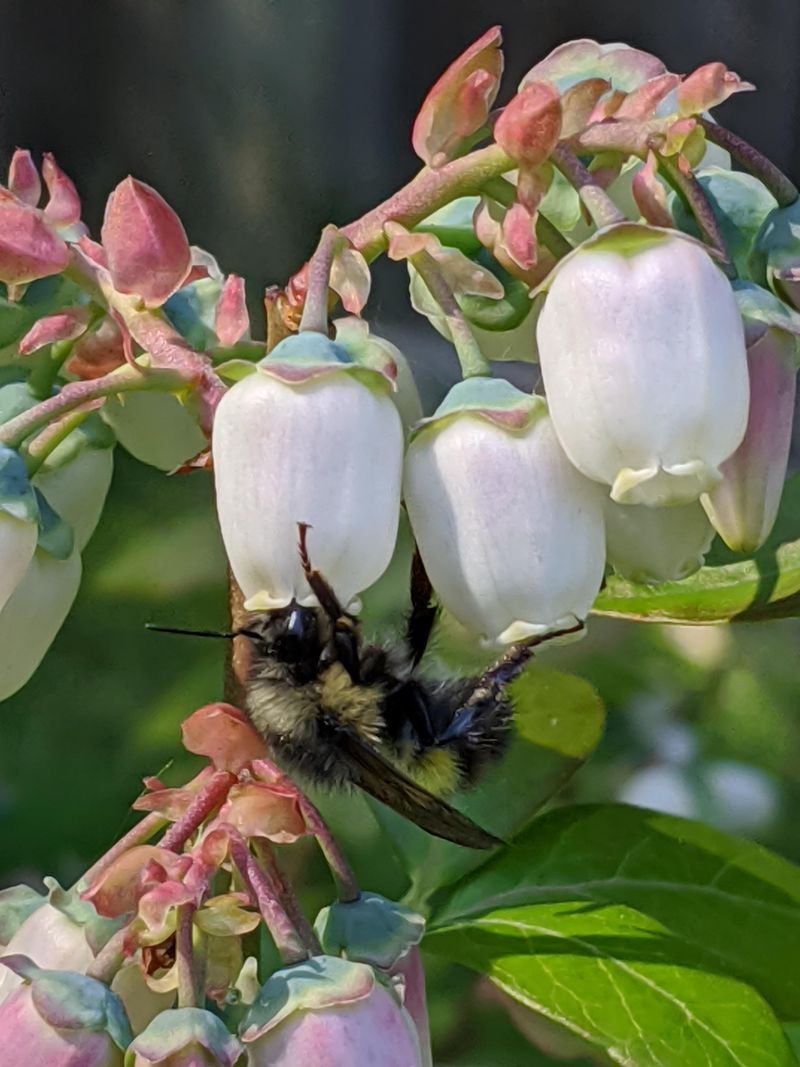
Most gardeners think pollination is only a spring concern for blueberries, but keeping pollinators active around your bushes through summer actually supports late-season fruit set and improves berry size on varieties that have a long production window.
A garden that buzzes with bee activity consistently produces fuller clusters and plumper berries than one that does not.
Planting pollinator-friendly flowers near your blueberry bed is one of the easiest ways to keep bees coming back all season.
Coneflowers, black-eyed Susans, lavender, and native wildflowers all bloom through summer and attract both honeybees and native bumblebees, which are particularly effective blueberry pollinators.
Even a small cluster of these plants near your berry bed can make a noticeable difference in activity levels.
Avoid using broad-spectrum insecticides during morning hours when bees are most active. If you need to spray for pests or disease, do it in the evening when pollinators have returned to their nests for the day.
Leaving a shallow dish of fresh water nearby gives bees a place to drink during hot weather, which encourages them to linger in your garden longer. The more comfortable and welcome your garden feels to pollinators, the more they will visit.
That steady stream of activity pays off directly in the size and quality of the blueberry harvest you bring in through the end of August.