How To Stop Slugs From Destroying Your Georgia Garden After Heavy Summer Storms
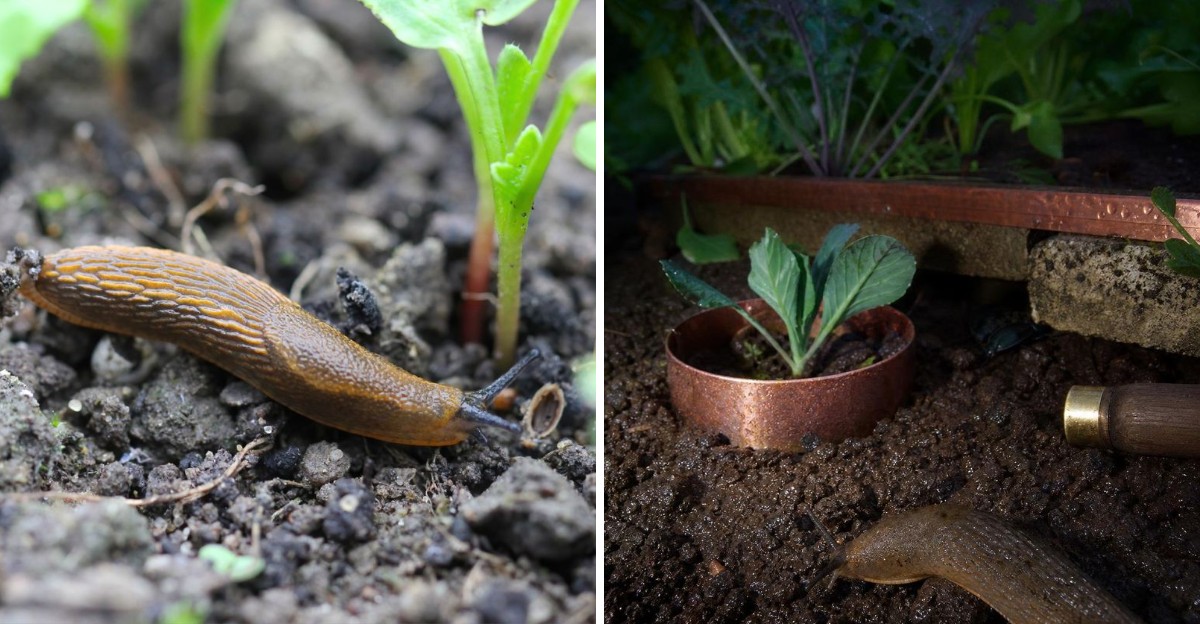
Slugs chewed through your hostas while you slept, and they plan to return tonight. Those silver trails on your porch steps are mucus highways, not decoration.
After September storms, Georgia soil stays damp, and slug activity spikes hard. Rain softens leaf tissue and lets these pests travel farther without drying out.
You face a creature that scrapes leaves with a toothed tongue called a radula. Hostas top its menu because their broad, tender leaves hold moisture. Damage appears as ragged holes between veins, often overnight.
Georgia gardeners also watch slugs target lettuce, basil, marigolds, and strawberries. Each slug carries male and female organs, so any pair can mate.
Ignore them, and a modest population becomes a nightly invasion by October. Your advantage comes from knowing where they hide and what drives them away. Here’s how you shut tonight’s buffet down.
1. Clear Away Soggy Mulch And Debris Right After The Rain
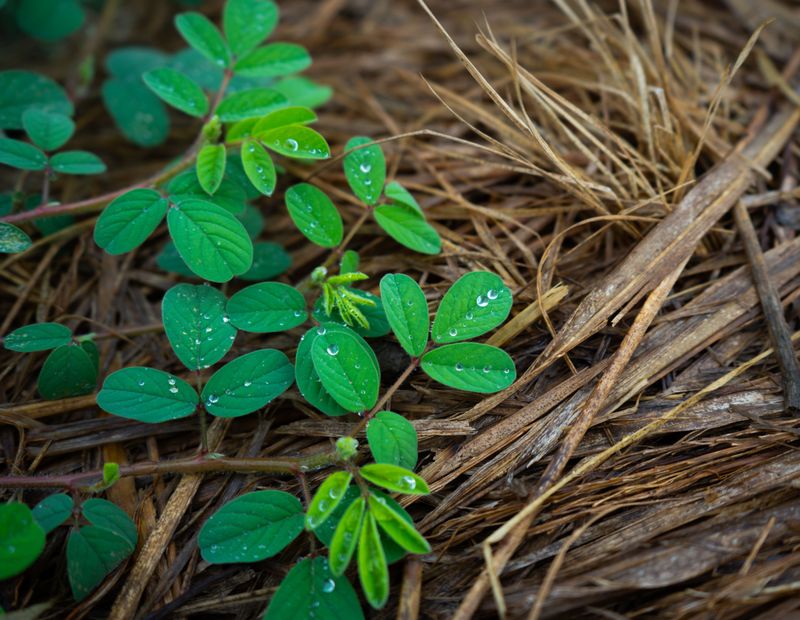
Picture a cozy, damp blanket that stays cool and dark all day long, even in Georgia heat. To a slug, that thick layer of soggy mulch is a five-star hotel with room service.
Heavy summer storms soak mulch, pine straw, and fallen leaves until they hold water for days. Slugs crawl underneath, rest during the hot afternoon, and come out hungry at night.
Once the rain stops, grab a rake and gently pull mulch back a few inches from plant stems. Let the soil surface dry out in the sunshine for a day or two.
You should also clear away piles of wet leaves, broken branches, and old boards lying around. Every hidden damp spot is a possible slug hideout waiting to be discovered.
Flip over empty flower pots, stepping stones, bricks, and garden decorations sitting near your beds. You might be surprised how many slimy visitors are snoozing underneath them after a big storm.
In September, many Georgia gardeners switch to fall crops like lettuce, kale, and cabbage. Tender young seedlings are easy targets, so a tidy bed matters even more now.
When the ground dries a bit, you can push the mulch back into place. Try a thinner layer of about two inches instead of a deep pile.
Coarse materials like pine bark nuggets dry out faster than fine, shredded mulch or grass clippings. A drier garden floor means fewer slugs feel welcome enough to unpack their bags.
2. Water Your Garden In The Morning Instead Of At Night
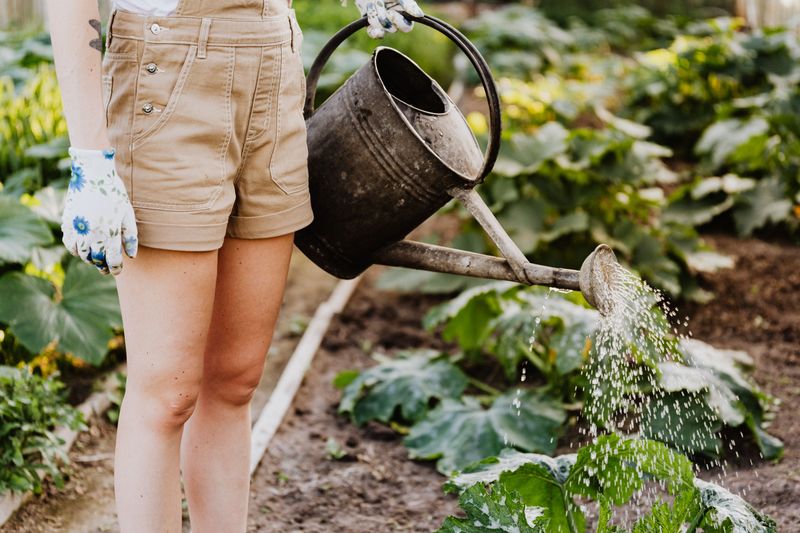
Slugs need moisture to move, because their slime works like a slippery road they build as they go. Take away that wet road at night, and their evening travel plans get a lot harder.
After a heavy storm, your garden soil usually holds plenty of water for several days. That means you can often skip your usual watering schedule for a while.
Push a finger about two inches into the soil before you reach for the hose. If it still feels damp, your plants are happy and do not need more.
Your Georgia Garden Changes Every Week. Your Plan Should Too.
Gardening in Georgia changes quickly throughout the season. Every Friday you’ll receive a simple weekly plan showing exactly what to plant, prune, fertilize, harvest, and protect so you never miss the right timing.
When watering is needed again, do it early in the morning instead of the evening. The Georgia sun will dry the soil surface long before slugs wake up.
Evening watering leaves the ground wet all night, which is exactly when slugs go hunting. It is like setting out a welcome mat and a snack table at once.
Soaker hoses and drip lines are another smart choice for your beds. Water goes straight to the roots, while the top layer of soil stays much drier and less inviting.
Sprinklers soak everything, including paths, leaves, and the spaces between plants where slugs love to travel. Switching away from them can make a noticeable difference in just a week or two.
September often brings cooler nights and heavy morning dew across much of Georgia. Morning watering helps balance that extra moisture, so your garden does not stay soggy around the clock.
3. Set Up Yeast Traps Around Your Favorite Plants
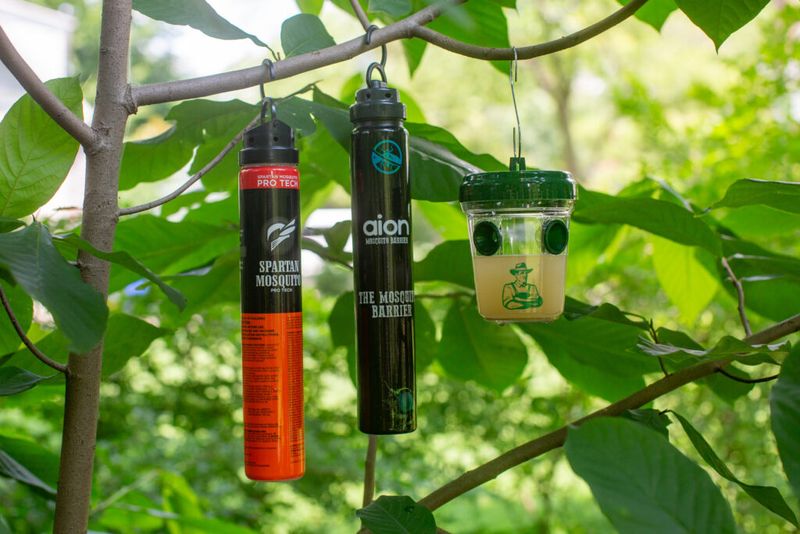
Slugs have a surprisingly strong sense of smell. The scent of active yeast draws them in from a surprising distance.
A yeast trap is cheap, simple, and easy to check each morning. All you need is a shallow container, a few pantry basics, and a small trowel.
Mix one teaspoon of dry yeast and one teaspoon of sugar into a cup of warm water. Stir until everything dissolves, then let it sit for a few minutes to activate.
Dig a small hole near your most chewed plants and set a plastic cup or tuna can inside. Leave the rim about an inch above the soil so helpful ground beetles do not tumble in.
Fill the container halfway with the yeast mixture. Slugs follow the scent, slide in, and cannot crawl back out.
Place traps every few feet around beds after a big storm, when slug activity spikes. Empty and refill them every two or three days, since the mixture loses strength and rain can dilute it.
Summer storms can flood open traps, so a small cover helps a lot. A plastic lid propped on two pebbles keeps rain out while leaving room for slugs to enter.
Kids often enjoy checking the traps and counting the catch. It turns a garden chore into a hands-on science lesson.
Traps work best as part of a bigger plan, not as the only fix. Pair them with other steps on this list for the strongest results.
4. Spread Copper Tape Around Pots And Raised Beds
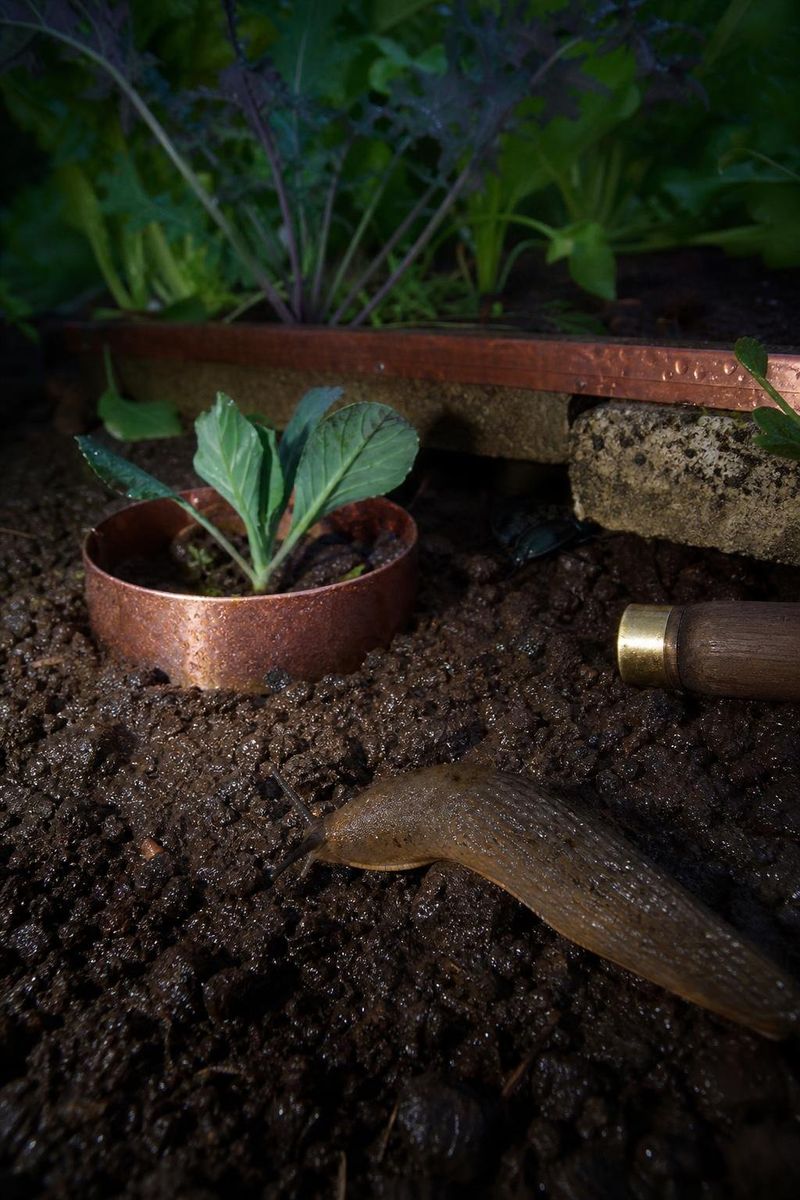
Copper may give slugs an unpleasant sensation when they touch it. One theory suggests their slime reacts with the metal, though the exact mechanism remains unproven.
Some slugs may turn back at the copper line, but field trials show mixed results. Treat it as a partial barrier that works best alongside other methods.
Copper tape is sold at garden centers and hardware stores in handy rolls. Wrap a band around pots, planters, and the edges of raised beds.
Choose tape at least two inches wide, because narrow strips let bigger slugs stretch right over. Press it down firmly so no gaps or bumps give them a sneaky bridge.
Raised beds are especially good candidates, since slugs must climb the sides to reach your crops. A copper strip along the top adds an extra layer of defense for your lettuce.
Before you install anything, check that no slugs are already hiding inside the bed. Otherwise, you might accidentally trap them in with your tasty greens.
Copper slowly darkens as it ages, especially after lots of Georgia rain and humidity. Wipe it now and then with vinegar and a little salt to keep it shiny and working well.
Keep leaves and plant stems from drooping over the tape, since slugs can use them as ladders. Trim overhanging growth every week or two during the busy fall season.
Copper costs more than some options, but one roll lasts for years. Think of it as a supporting tool, not a guaranteed fix.
5. Hand-Pick Slugs By Flashlight After Dark
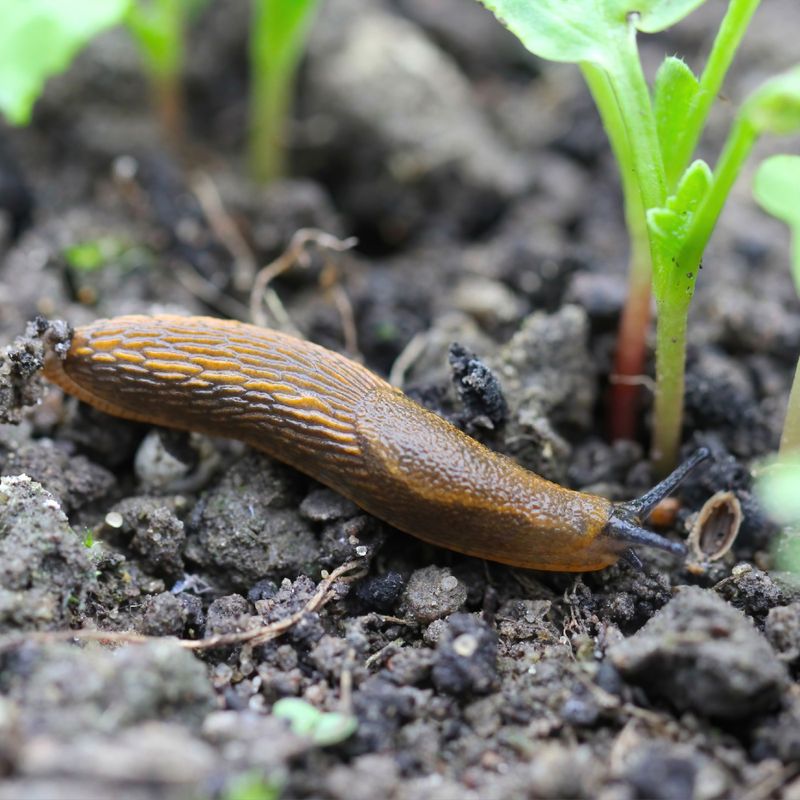
Grab a flashlight, some gloves, and your bravest attitude, because it is time for a slug safari. The best hunting happens about two hours after sunset on a damp night.
Right after a summer storm is prime time, since slugs pour out of their hiding spots to feed. You might find dozens on a single row of beans or hostas.
Walk slowly and shine your light under leaves, along bed edges, and near stepping stones. Slugs blend in well, so look for the telltale glint of fresh slime.
Pick them off with gloves, chopsticks, or an old pair of tongs. Drop each one into a bucket of soapy water, which ends the problem quickly.
Some gardeners prefer to toss slugs far away from the garden instead. Just remember that slugs can crawl back surprisingly fast if you do not move them far enough.
A clever trick is laying boards or wet cardboard on the ground before bedtime. By morning, slugs gather underneath to hide, and you can scoop them up easily.
Hand-picking may sound gross, but it is free, safe for pets, and very effective. A few nights in a row can shrink the slug crowd in a big way.
Children often love this job, especially when you turn it into a counting contest. Offer a small prize for the biggest catch, and you might gain a helper for life.
Georgia nights in September are still warm enough for comfortable evening strolls. Bring bug spray, though, because the mosquitoes will be out hunting too.
6. Sprinkle Iron Phosphate Bait Around Hungry Hot Spots
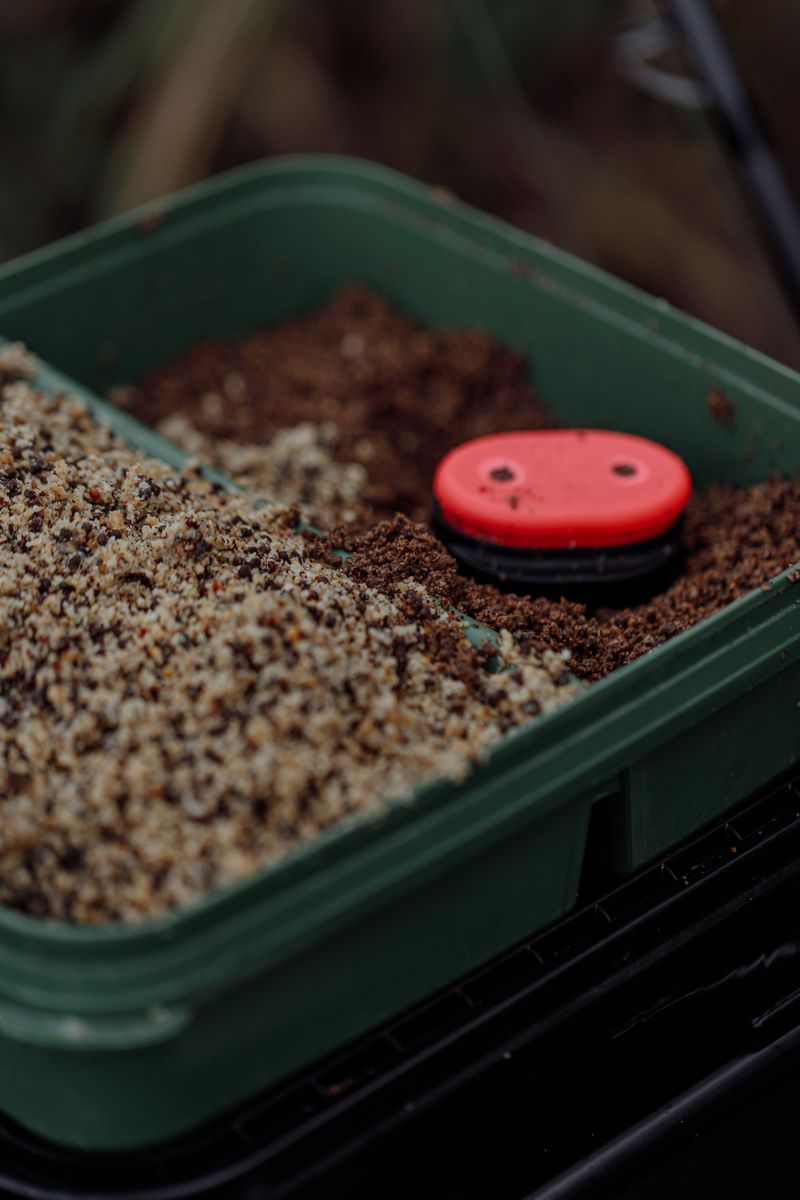
Some slug pellets still contain metaldehyde, a toxic ingredient that can seriously harm dogs, cats, and wildlife. Thankfully, gardeners now have a much safer option called iron phosphate.
Iron phosphate is a natural mineral found in soil, and many products containing it are OMRI-listed for organic gardening. Brands like Sluggo and Garden Safe sell it as small pellets you sprinkle by hand.
Slugs eat the bait, stop feeding, and are gone within a few days, usually out of sight. Feeding damage usually slows soon after they eat the bait.
Any leftover pellets slowly break down and add iron to the soil. The amount of added iron is small, so do not count on it as fertilizer.
Scatter the pellets lightly around plants that show fresh damage, instead of piling them in heaps. A thin sprinkle works better, since slugs find scattered bits more easily.
Timing matters a lot here in the Southeast. Apply bait in the evening, after the storm has passed and the ground is still slightly damp.
Heavy rain can soften pellets, so reapply according to the product label, especially after big downpours. Read the label carefully to find the right amount for your garden size.
Iron phosphate is less toxic than older baits, but large amounts can still sicken pets, so store it safely. Some products add chelating agents like EDTA, which raise risks for pets and earthworms, so check the ingredient list.
Pellets shine brightest during fall planting, when tiny seedlings need protection most. A small container can cover several beds for a whole season.
Pair bait with tidy mulch and morning watering for an even stronger defense. Slugs will find your garden a lot less tasty very quickly.
7. Invite Toads, Birds, And Ground Beetles To Help
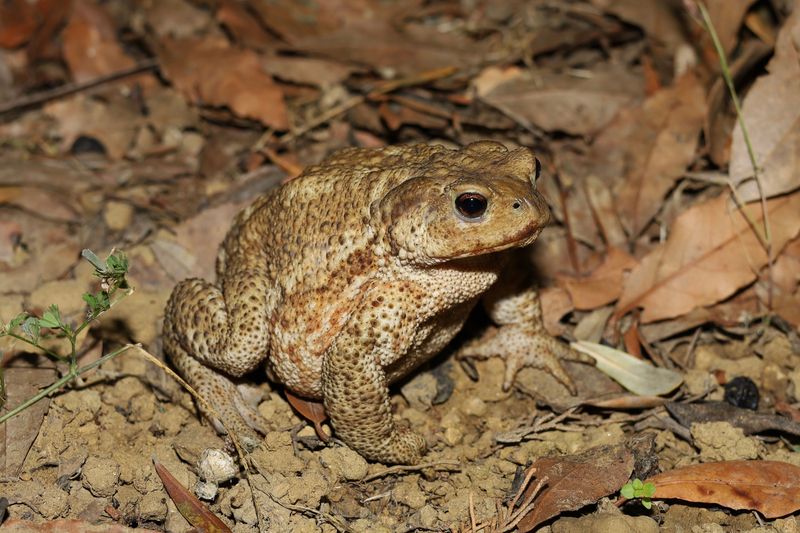
Georgia gardeners have long welcomed toads as a free night shift in the garden. Toads earn that reputation by hunting slugs and insects after dark.
A single toad can eat hundreds of insects and slugs in one summer. Giving them a reason to stay is one of the easiest garden wins around.
Toads love shady, damp shelters, so try a clay pot turned on its side and half buried. Add a shallow dish of water nearby, and you have built a toad cottage.
Ground beetles are another hungry helper that hunts slugs and their eggs after dark. They hide under rocks and logs, so leave a few near the edges of your yard.
Birds like robins and thrushes readily eat slugs too. A birdbath and a few native shrubs will bring them in from the neighborhood.
Backyard chickens and ducks are famous slug hunters if your town allows them. Just keep them away from tender seedlings, since they might eat your lettuce as well.
Skip harsh pesticides whenever possible, because they can harm the helpers you are trying to attract. A healthy garden builds its own defense team over time.
Garter snakes may also patrol your beds in Georgia, and slugs are among their favorite meals. They look a little startling at first, but they are harmless friends to gardeners.
September is a great month to set up toad houses before cooler weather arrives. Your new neighbors will settle in and start their slug patrol right away.
8. Plant Tough, Slug-Resistant Choices For Fall
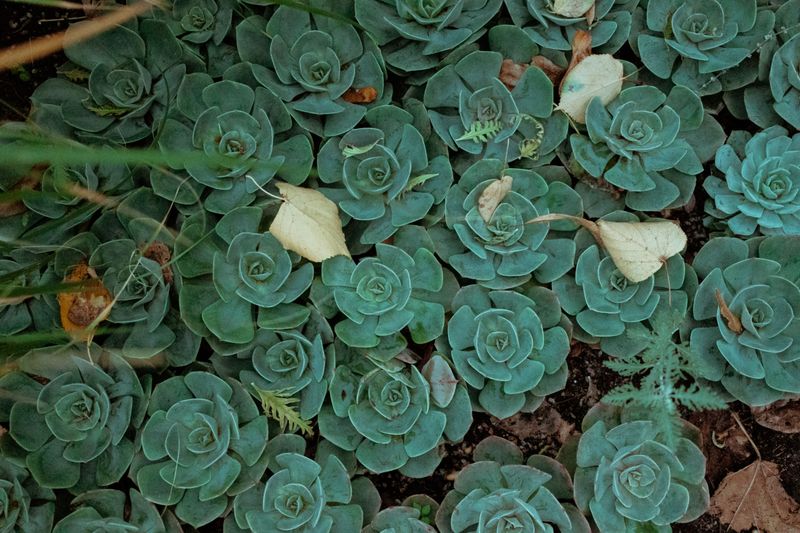
Sometimes the smartest move is simply planting things slugs do not want to eat. Fuzzy, bitter, or strongly scented plants tend to leave them unimpressed.
Herbs like rosemary, sage, thyme, and lavender are tough choices that slugs mostly ignore, though lavender needs sharp drainage to handle Georgia humidity. They also smell wonderful when you brush past them after a rain.
For fall color, try ornamental grasses and salvias, which thrive in Georgia. Slugs find their tough leaves hard to chew and usually move along.
Hellebores and ferns are great picks for shady spots where hostas often get shredded. Their leathery foliage stands up well to damp weather and hungry mouths.
Vegetable gardeners can lean on garlic, onions, and chives, which slugs generally avoid. Planting them along bed edges may help shield tender greens growing inside.
If you love lettuce and cabbage, start seedlings indoors or in trays first. Bigger, sturdier transplants survive a few nibbles much better than tiny sprouts.
Mixing slug-resistant plants with favorites creates a less inviting menu overall. Think of it as a salad bar where half the dishes taste terrible to slugs.
September through October is prime planting time across most of Georgia. Cooler soil and gentle rains help new plants settle in before winter arrives.
Keep a simple notebook of which plants got chewed after each storm. Over a season or two, you will learn exactly what your local slugs prefer.
With the right plants in place, your garden becomes tougher and easier to enjoy. The slugs can go complain somewhere else.