The Last Window To Sow Fall Lettuce And Spinach In Southern Illinois Closes Soon
September in Illinois smells like hot asphalt, cut grass, and tomato vines that have stopped apologizing for taking over the yard. The air still shimmers at noon, but something has shifted in the evenings.
Gardeners notice it first in their knees and their calendars. The sun sets a little earlier, the mosquitoes get lazy, and the soil finally stops feeling like a heating pad.
There is a short stretch of days here when the weather does something generous. It cools just enough to wake up seeds that sulked all summer, yet stays warm enough for roots to stretch out fast.
Most people miss it entirely because they are busy canning beans and arguing about whether the sweet corn was better last year. Somewhere in a garage in Peoria, a seed packet is sitting in a coffee can, waiting for someone to remember it exists.
The Closing Date Illinois Gardeners Need To Circle
Most of Illinois has already missed its window for these two crops, since the cutoff falls between mid-August up north and early September through the middle of the state. Southern Illinois is the one region still holding its door open.
The math behind that deadline is simpler than it sounds. Lettuce needs roughly 45 to 60 days from seed to harvest, and spinach lands close to 40 to 50 days.
Count backward from your average first frost and add about two weeks of buffer. Southern Illinois usually sees its first light frost in late October, which pushes the cutoff into the middle of September.
Counties along the Ohio River, from Cairo up through Mount Vernon, often get the most room of anyone in the state, and those extra days matter this late in the season.
Here is the part that trips people up. Day length shrinks steadily through September, and shorter days slow growth down noticeably.
A lettuce plant that would size up in 45 days during May might take 60 or more in October. That extra time is why the calendar deadline matters more in fall than in spring.
Write your date on a sticky note and put it on the fridge. A cool weekend that feels right can arrive after the cutoff has already passed.
Gardeners who hit the window get weeks of tender leaves. Those who miss it get a tray of seedlings that stall at two inches tall and sit there looking hopeful.
Soil Temperature Tells The Real Story
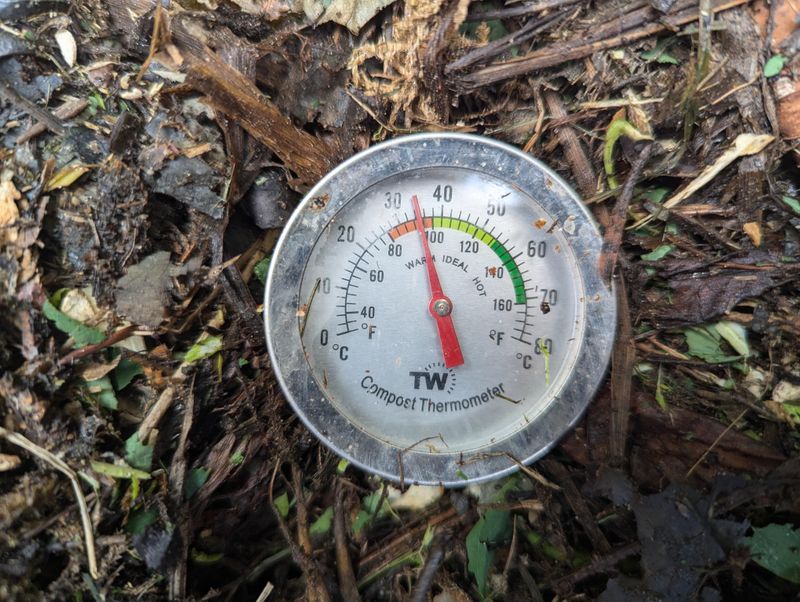
Air temperature gets all the attention, but the thermometer that matters is the one stuck in the dirt. Lettuce seed goes stubborn above 80 degrees, and spinach can refuse outright once soil creeps past 77 to 80.
The technical name for that stubbornness is thermal dormancy. Seeds essentially decide the conditions look wrong and hit pause rather than sprouting into a heat wave.
Early September soil in Illinois often sits in the mid to upper 70s, especially in raised beds that soaked up July sun. A cheap soil thermometer from the garden center settles the question in about two minutes.
Push it three inches down in the morning, before the sun has warmed the surface. Anything at 75 or below gives you decent odds.
Your Illinois Garden Changes Every Week. Your Plan Should Too.
Gardening in Illinois changes quickly throughout the season. Every Friday you’ll receive a simple weekly plan showing exactly what to plant, prune, fertilize, harvest, and protect so you never miss the right timing.
Gardeners have a few tricks for cooling things down fast. Watering deeply the evening before you sow drops soil temperature several degrees.
Laying a board or a piece of shade cloth over the seeded row holds moisture and blocks direct sun. Check underneath daily and pull the cover the moment you spot green.
Another approach involves chilling the seed itself. Tuck spinach seed in a damp paper towel inside a sealed bag, park it in the fridge for five days, then sow it.
The seed wakes up thinking autumn arrived early. That small head start often makes the difference between a full row and a patchy one.
Cool soil and steady moisture beat perfect timing every single season.
The Bolt Cycle Ends And Sweetness Begins
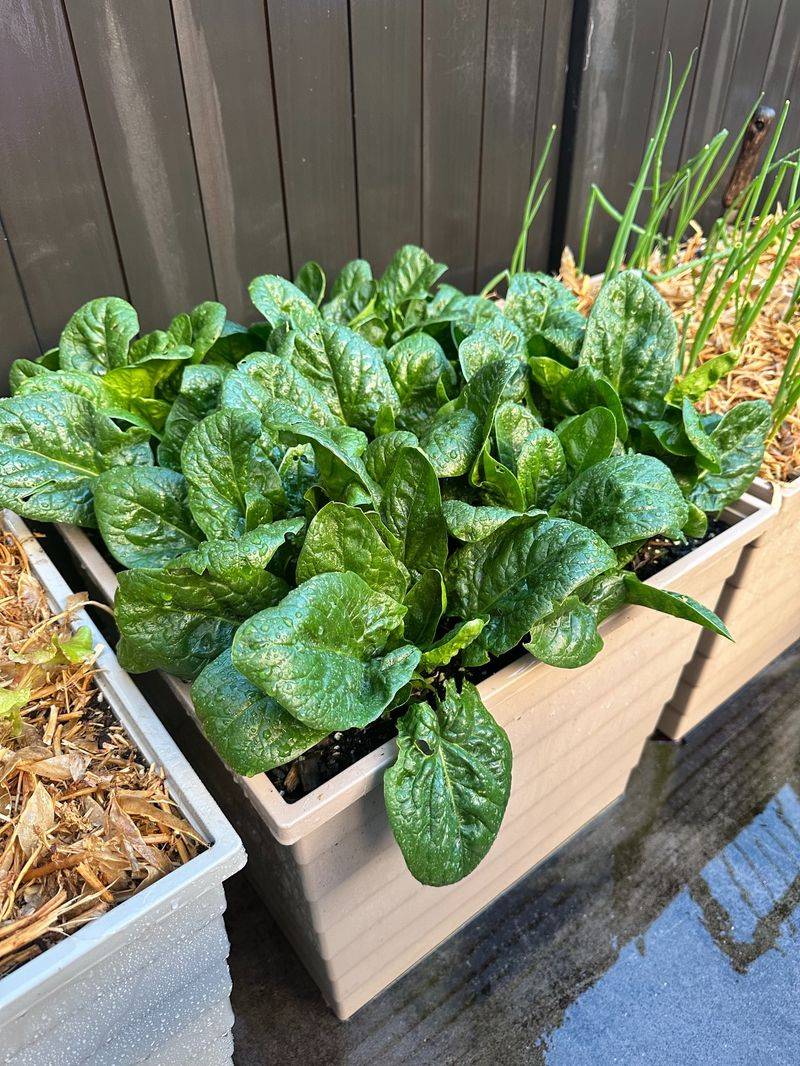
Anyone who grew lettuce through an Illinois June knows the heartbreak. One hot week and the plants shoot up a thick stalk, the leaves turn bitter, and the whole patch tastes like aspirin.
That process is called bolting, and it is the plant deciding to make seed instead of leaves. Long days and heat are the triggers.
Fall flips that script entirely. Days get shorter, nights get cooler, and the plants have zero reason to rush toward flowering.
What you get instead is leaf after leaf of mild, crisp growth. Many gardeners swear autumn lettuce tastes noticeably better than anything they pull in spring.
Spinach behaves the same way, only more so. Cool nights push the plant to store sugars in the leaves as a natural antifreeze response.
That sugar is why a spinach leaf picked after a light frost tastes almost sweet. Restaurant chefs pay extra for exactly this effect.
The trade for that sweetness is a tighter calendar. Spring gardeners can plant late and still get something before the heat arrives.
Fall gardeners have a hard stop, because cold and darkness eventually shut growth down. Sowing on time is what buys you the sweet part of the season.
Pick varieties known for cold tolerance rather than heat tolerance. Winter Density, Rouge d’Hiver, and Bloomsdale Long Standing all handle Illinois autumn weather with impressive calm.
Skip the summer varieties still sitting in your seed box. They were bred for a different problem.
The Moisture Mistake That Ruins Late Crops
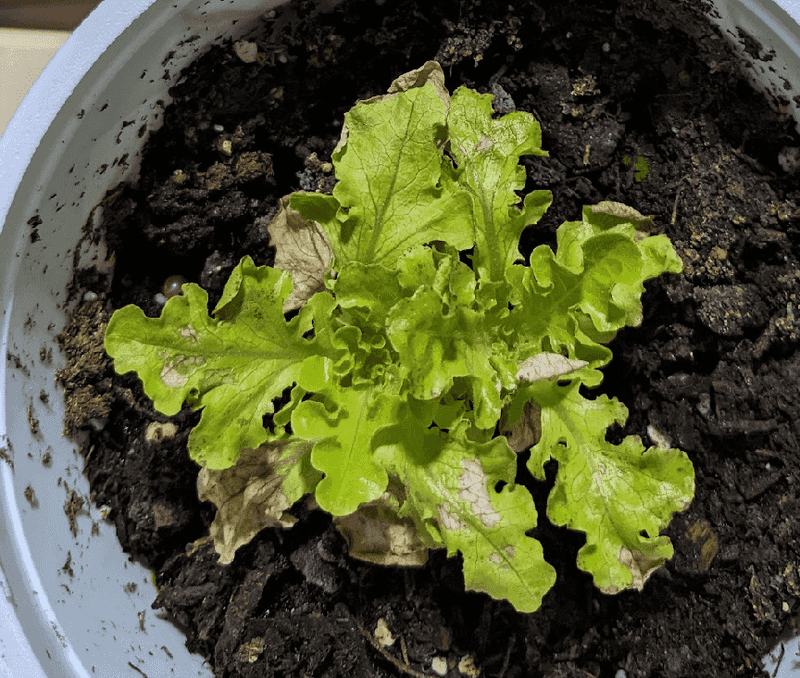
Plenty of fall greens fail before they ever break the surface, and the culprit is almost the same every time. Seeded rows dry out during a single warm afternoon and the germinating seed quits.
Lettuce and spinach seed sit shallow, roughly a quarter inch down. That top quarter inch of soil is the fastest drying real estate in your entire garden.
An early September sun can bake it crusty by two in the afternoon even if you watered at breakfast. The seed inside had started to swell and then found itself high and dry.
The fix is frequency rather than volume. Light misting twice a day beats a single heavy soaking every time during germination week.
A fan spray nozzle works better than a sprinkler head because it does not blast seed out of position. Aim for damp, not muddy.
Covering the row helps enormously. A strip of burlap, an old bedsheet, or even a piece of cardboard laid flat holds moisture and cuts evaporation dramatically.
Set a phone reminder to peek underneath each morning. Sprouts left under a cover for two extra days come out pale and stretched.
Once seedlings show their second set of leaves, back off the misting. Switch to deeper watering every few days to encourage roots to chase moisture downward.
Shallow roots make fragile plants when October winds show up. Deep roots make the kind of greens that shrug off a cold snap and keep producing.
A Mini Greenhouse Stretches Your Fall Harvest Window
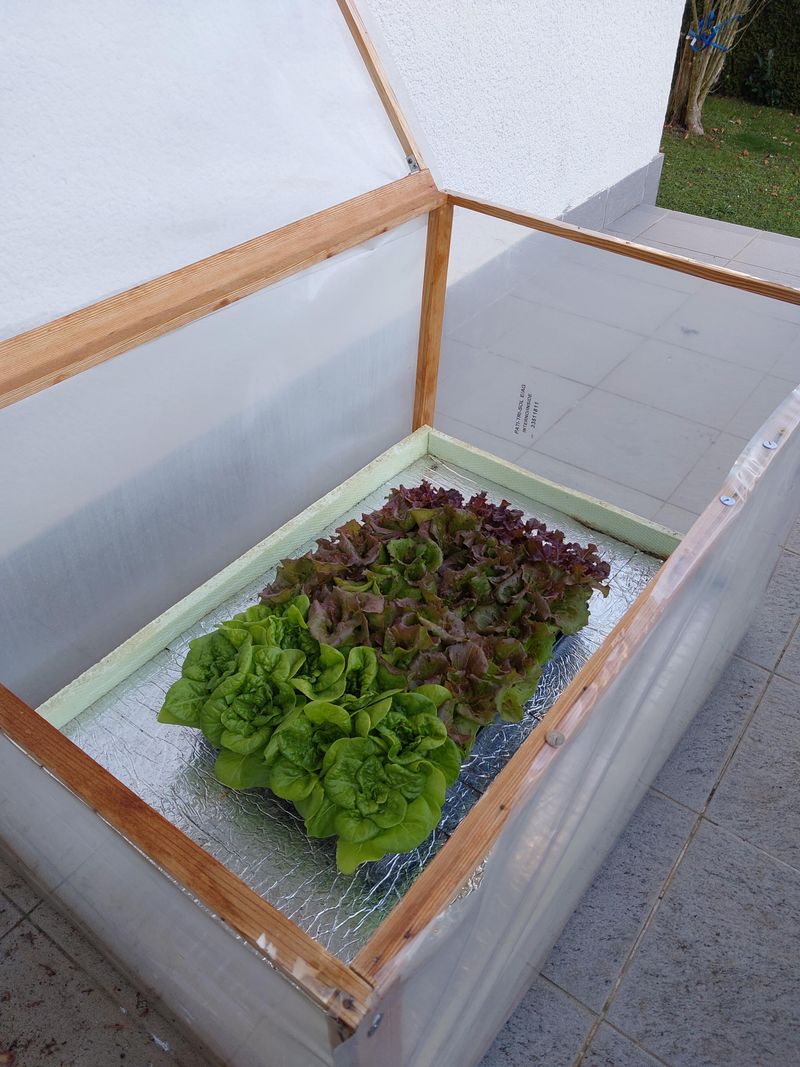
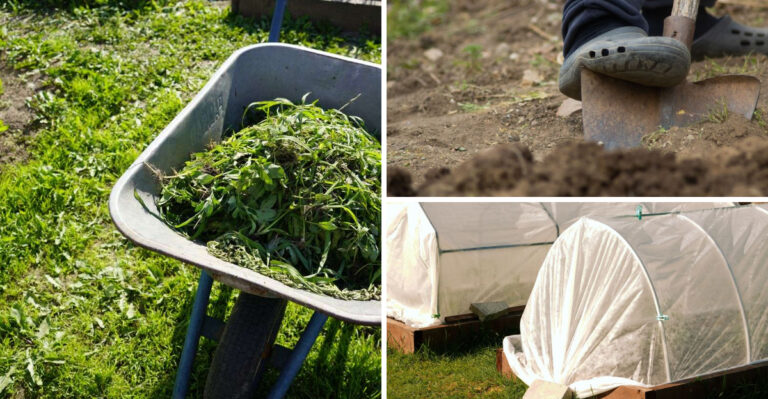
Think of a mini greenhouse as insurance against the first hard frost. A simple frame wrapped in clear plastic or a repurposed cold frame traps daytime heat and holds it several degrees above outside air overnight.
That cushion matters most in October, when a light frost can end a lettuce bed overnight. Spinach tolerates cold better than lettuce, but both keep producing longer under cover.
Building one takes an afternoon and basic materials. PVC hoops or scrap lumber form the frame, and clear plastic sheeting stretched over the top lets light through while sealing in warmth.
Leave one end on a hinge so you can vent it on warm afternoons, since a sealed box in direct sun can overheat fast even in October.
Cost stays modest compared to losing a bed to an early freeze. A small hoop tunnel over a four by eight bed runs well under fifty dollars and folds flat for storage.
Old storm windows propped into an A-frame work in a pinch, and so does a stack of clear plastic bins over a short row.
Put the cover on once nighttime lows start dipping into the forties, not before, so plants still get full sun and airflow while it’s warm.
Check under the cover daily on sunny days, since a sealed box can cook young seedlings by early afternoon before you notice.
Fold it away once the season is truly over, and it’s ready to go again by the time next fall rolls around.
Seeds Versus Transplants In Late Summer
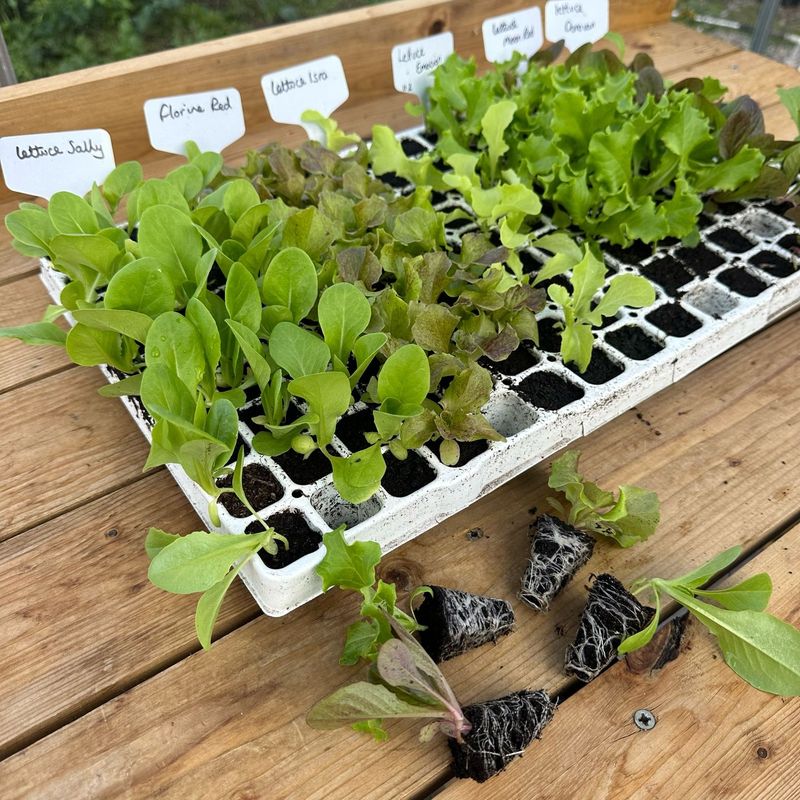
Spinach has opinions about being moved, and they are not positive ones. Its taproot resents disturbance, which means direct sowing into the bed almost always outperforms transplanting.
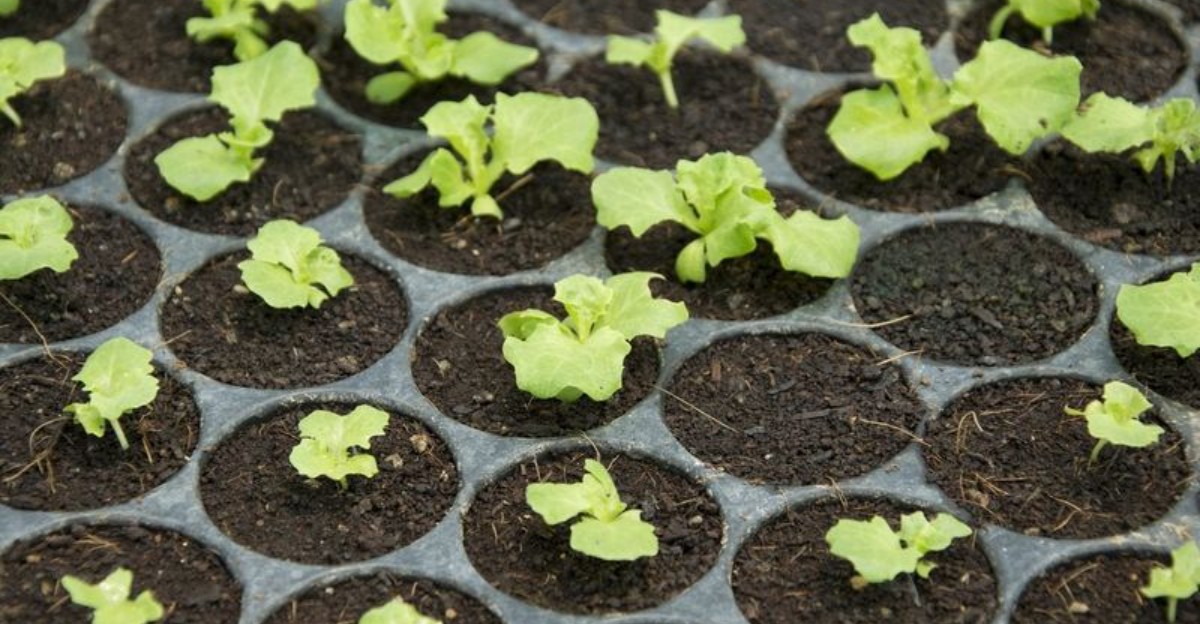
Lettuce is far more agreeable. Seedlings started in trays transplant well and give you a jump of two to three weeks on the calendar.
Starting lettuce indoors during early September solves the heat problem neatly. A tray on a shaded porch or under a basement grow light germinates at a comfortable 70 degrees while the garden bakes.
Move those seedlings out within the first two weeks of September and they hit the ground already established. That head start can mean the difference between harvesting and hoping.
Hardening off still applies, even in fall. Set trays outside in dappled shade for three or four days before planting so the leaves toughen up.
Skipping that step gives you sunburned, wilted transplants that sulk for a week. Nobody has a spare week in September.
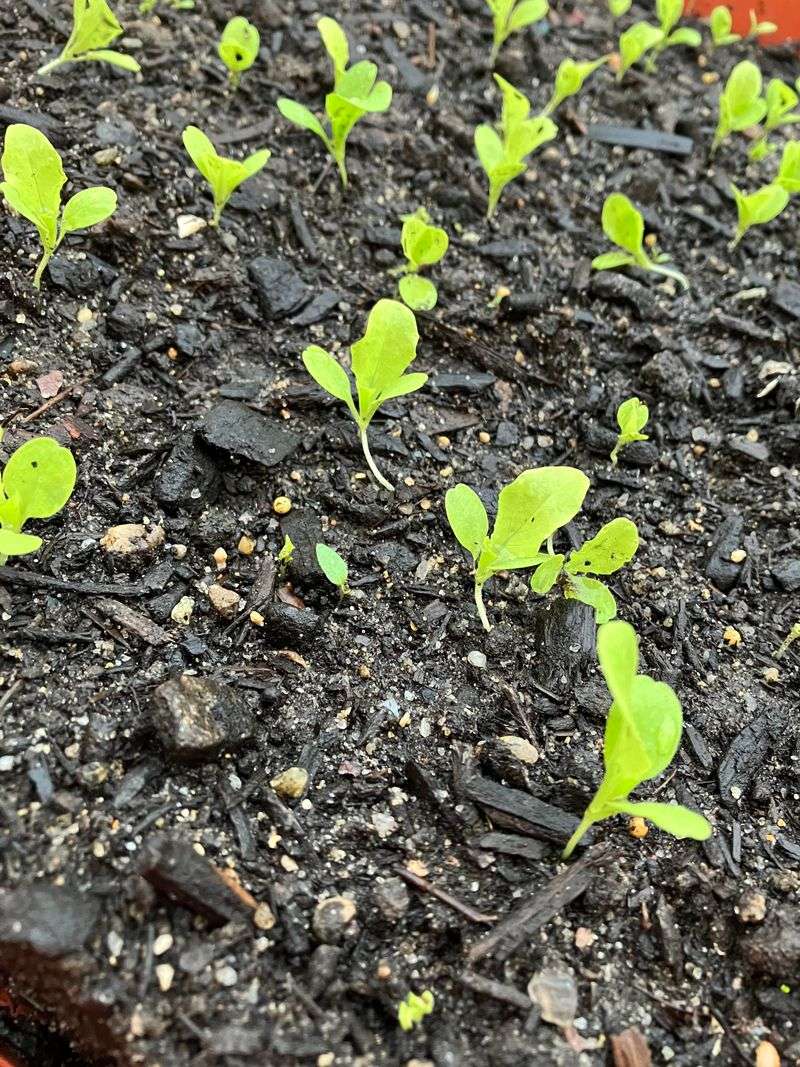
For spinach, prepare a fine, crumbly seedbed and sow a little thicker than the packet suggests. Germination rates drop in warm soil, so extra seed compensates.
Thin the row once seedlings reach two inches tall. Toss the thinnings into a sandwich rather than the compost pile.
Gardeners short on time can hedge their bets. Direct sow half a row and transplant the other half, then compare which method your particular yard prefers.
Local conditions vary block to block across Illinois.