These Are The Arizona Flowers That Take Full Sun Without Fading
Arizona sunshine does not play gentle.
By August, patios glare, gravel reflects heat, and flower beds can feel less like gardens and more like survival tests with drip lines.
Plenty of blooms look brave in spring, then lose color, wilt, or stop trying once the low desert starts pushing past 110 degrees.
That does not mean full-sun color is impossible. It means the plant list has to get tougher.
The best Arizona flowers are not pretending the desert is a cottage garden. They know lean soil, sharp drainage, sudden monsoon moisture, and long stretches of hot light.
Some bloom nonstop. Some pause during the most extreme heat, then flare back after rain. That rhythm still counts as success here.
So which flowers can handle open Arizona sun without turning the bed into a faded disappointment?
Start with plants that prefer grit over pampering, deep roots over daily rescue, and enough built-in desert sense to keep the color coming when summer feels relentless.
1. Angelita Daisy Holds Bright Yellow
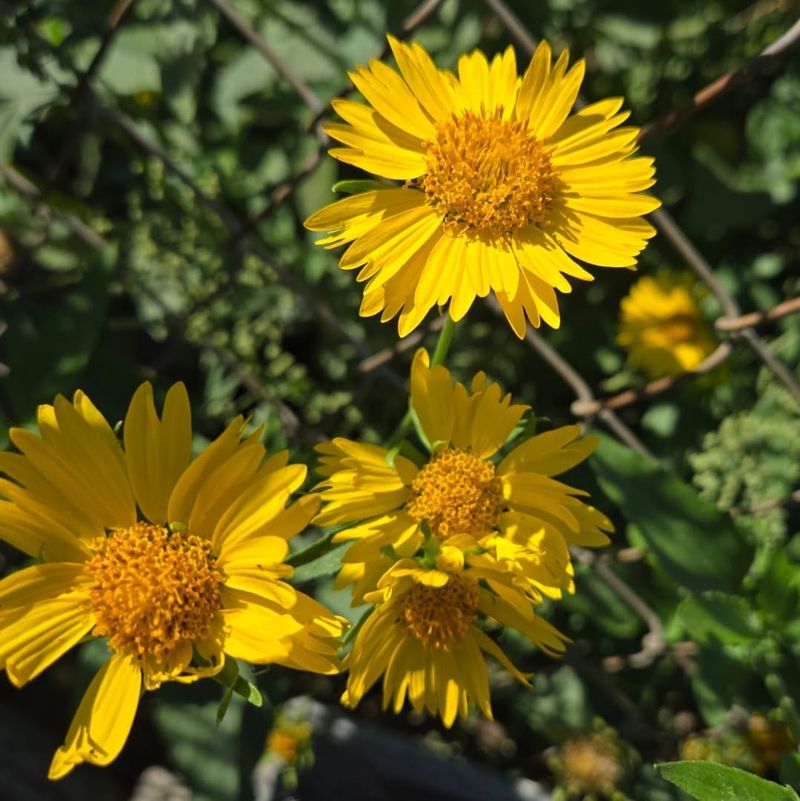
Angelita daisy brings a clean pop of yellow to places that would roast softer flowers.
This compact perennial stays low, usually around a foot tall or less, which makes it useful along walkways, gravel beds, rock gardens, and the front edge of a full-sun border.
The flowers look like small golden suns, and they can brighten pale desert soil without needing a big, thirsty plant behind them.
The trick is drainage. Angelita daisy wants lean, gritty soil that lets water move through quickly. Rich soil with too much organic matter may hold moisture around the roots, and that can cause more trouble than August heat.
Do not baby it with constant water once it has settled in. New transplants need regular moisture during establishment, especially through their first hot season. After that, occasional deep watering usually suits it better than frequent shallow splashes.
Bloom often peaks in cooler parts of the year and again after monsoon moisture. During the most brutal summer stretch, flowering may slow. That is not failure. That is desert pacing.
Snip spent blooms if the plant looks tired, but do not fuss over it daily.
Angelita daisy is perfect for gardeners who want bright color without turning full sun into a maintenance hobby.
It proves a small plant can carry a lot of desert confidence.
2. Blackfoot Daisy Keeps White Blooms Coming
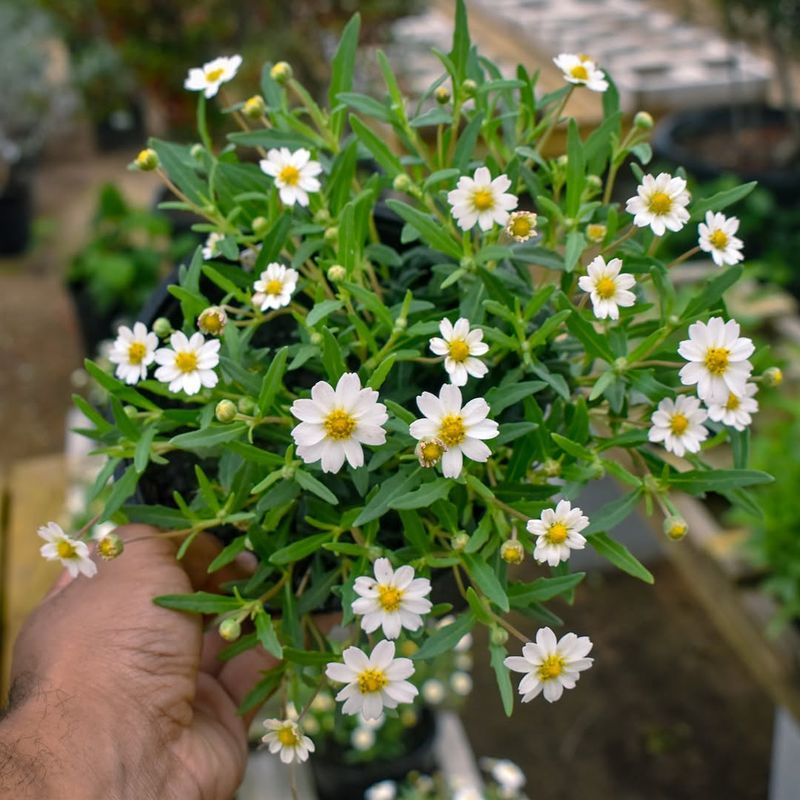
Blackfoot daisy looks delicate, then handles itself like a desert regular.
The white flowers with yellow centers sit above a soft, low mound of foliage, giving hot beds a cooler, calmer look.
It is especially good near boulders, gravel paths, and sunny borders where a bright white bloom can cut through all that desert glare.
Drainage decides everything with this plant. Blackfoot daisy does not want wet feet, heavy clay, or a rich bed that holds water after irrigation. Plant it on a slight slope, in rocky soil, or in a raised spot where moisture drains away quickly.
That is the difference between a tidy mound and a plant that declines for reasons gardeners mistake for heat stress.
Your Arizona Garden Changes Every Week. Your Plan Should Too.
Gardening in Arizona changes quickly throughout the season. Every Friday you’ll receive a simple weekly plan showing exactly what to plant, prune, fertilize, harvest, and protect so you never miss the right timing.
Full sun works well, but reflected heat from walls, driveways, and pale gravel can push conditions harder. Give it open sun with a little breathing room instead of trapping it in a heat pocket against concrete.
Water new plants regularly until roots settle. Established plants prefer occasional deep watering and time to dry between drinks.
Blooms often come strongest in spring and after summer rains. The plant may slow in the harshest heat, then return when conditions ease.
Light trimming after a bloom cycle can keep the shape neat. Avoid heavy cutting during peak stress.
Blackfoot daisy is not flashy in a loud way. It is steady, bright, lightly scented, and perfectly suited to gardeners who like softness without neediness.
3. Prairie Zinnia Handles Open Desert Heat
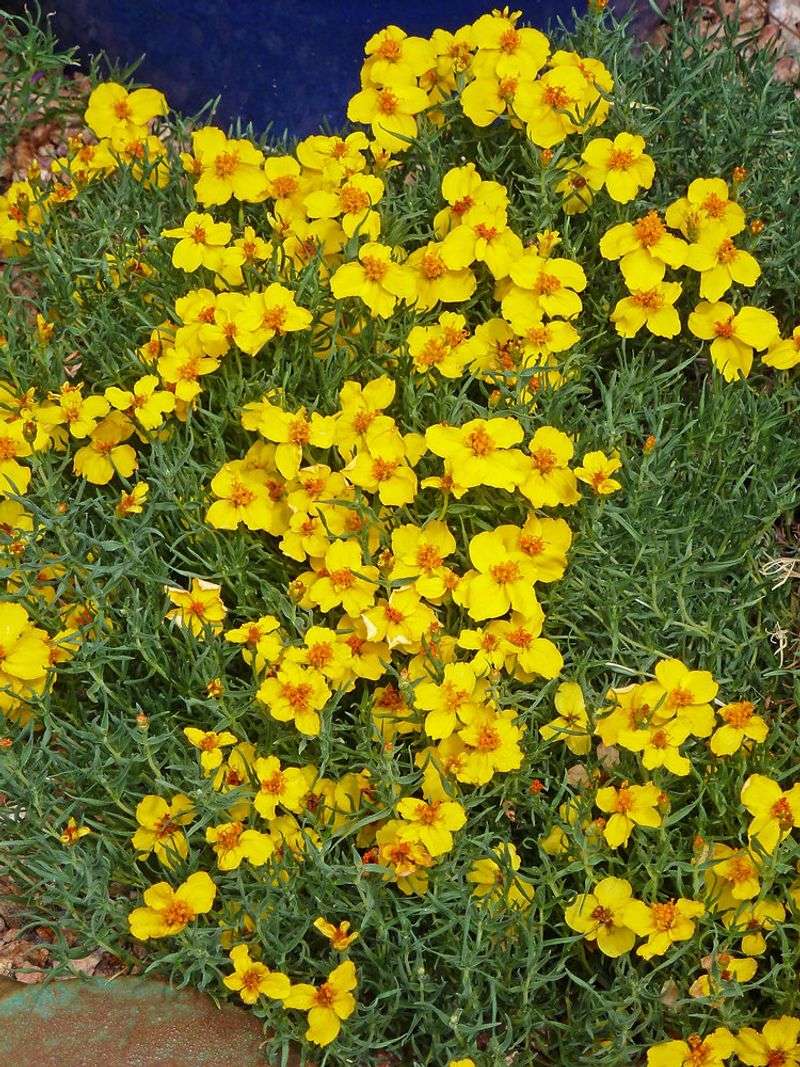
Prairie zinnia is the low grower that makes open sun look less empty.
It forms a spreading mat close to the ground, with bright yellow flowers that sit above fine foliage. In a full-sun Arizona bed, that low habit is useful. It covers soil, softens gravel, and fills gaps without towering over neighboring desert plants.
This is not a flower for rich, moist garden beds. Prairie zinnia prefers lean, well-drained soil and plenty of light. Give it too much fertilizer or too much water, and the plant can lose the tight, sturdy growth that makes it appealing.
Monsoon season often wakes it up beautifully. After summer rain, the flowers can increase and the whole planting may look suddenly refreshed, as if the desert flipped a switch.
New plants need support during the first growing season. Water when the soil dries, but avoid keeping the root zone constantly damp.
Once established, prairie zinnia can handle dry stretches with much less help. That makes it especially valuable in xeriscape borders, native plant beds, and open spots where traditional flowers fade fast.
Use it where you want a natural look rather than a formal bedding display. It spreads, but not with the bulky force of a large shrub.
Source plants from reputable native nurseries when possible. Locally adapted stock can perform better in your part of Arizona.
Prairie zinnia does not need height to make an impact. It brings full-sun color right where the heat sits hardest.
4. Desert Marigold Glows In Hard Sun
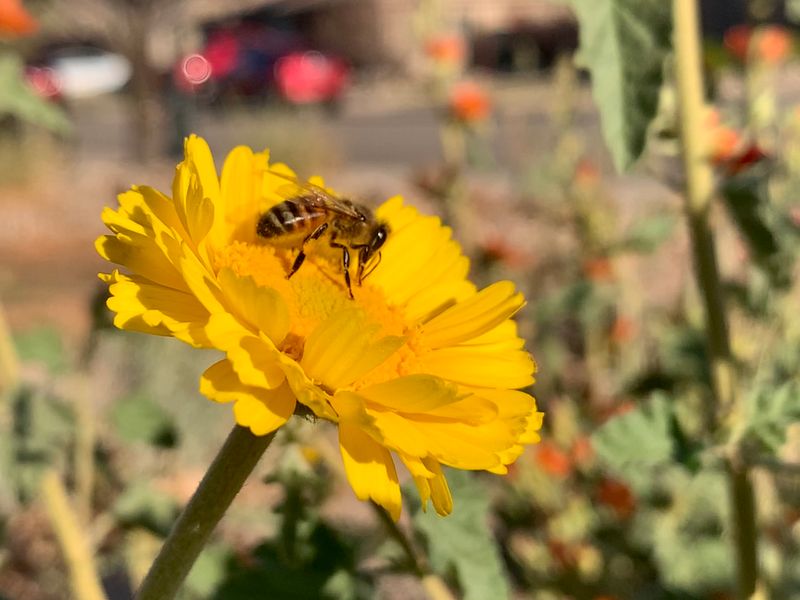
Desert marigold looks like it was designed out of sunlight.
The yellow flowers rise on silvery stems, and the pale foliage reflects heat instead of absorbing every bit of it. That color combination works beautifully in Arizona gardens, especially against gravel, decomposed granite, boulders, and blue-gray agaves.
This plant likes hard sun and lean soil. It does not need a rich bed. It does not need heavy fertilizer. It usually performs best when the gardener resists the urge to improve everything.
Too much water can make stems soft and floppy. Poor drainage can cause decline much faster than dry air will.
Water new plants every few days to weekly during establishment, depending on heat and soil. Once roots settle, reduce irrigation and let the plant adjust to drier conditions.
Desert marigold often blooms strongly in spring. It may slow during the most intense midsummer stretch, then respond to monsoon moisture with fresh color later in the season.
Let some seed mature if you want a self-renewing patch. Many plants are short-lived, but reseeding can keep the display going year after year.
Do not remove every spent stem too quickly. A little patience now can mean more plants later.
If the plant looks rough after a bloom flush, cut it back lightly rather than severely. A trim can reset the shape without shocking it in the heat.
Desert marigold is sunny, tough, and generous when planted where drainage is sharp and expectations are realistic.
5. Globe Mallow Carries Desert Orange
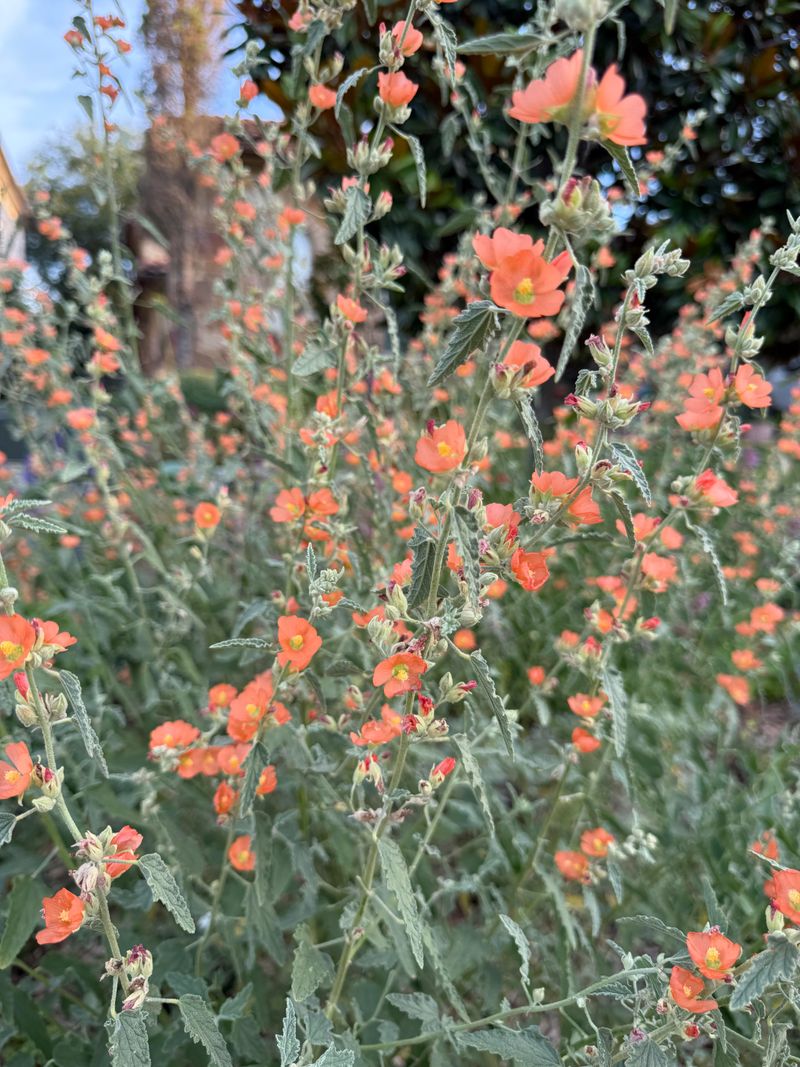
Globe mallow brings the kind of orange Arizona sun seems to understand.
The flowers climb along upright stems in warm shades of orange, coral, pink, and sometimes lavender, depending on the species or selection.
In desert light, the orange forms look especially alive, glowing against stone, cactus, yucca, and dry soil.
This plant wants full sun. Shade makes it stretch and bloom less, which defeats the whole point.
Give globe mallow fast-draining soil and room to move. It can handle lean conditions once established, but young plants still need consistent watering during their first summer.
After that first season, start backing off. Established plants usually prefer occasional deep watering over frequent shallow attention.
Pruning can help keep the plant compact. After the main bloom flush, cut stems back to encourage fresh growth and a better shape. Avoid trimming hard during the roughest heat unless the plant truly needs cleanup.
The fine hairs on leaves and stems can irritate some skin and eyes. Wear gloves when pruning, and avoid rubbing your face after handling the plant.
Globe mallow fits well in native beds, dry borders, and full-sun spaces where softer ornamentals lose their color quickly.
Regional selection matters. Some types suit low desert heat, while others perform better at higher elevations.
Choose plants from a nursery that understands Arizona growing zones.
Globe mallow is not subtle, and that is the fun. It gives the garden desert color with grit behind it.
6. Red Yucca Sends Up Coral Spikes
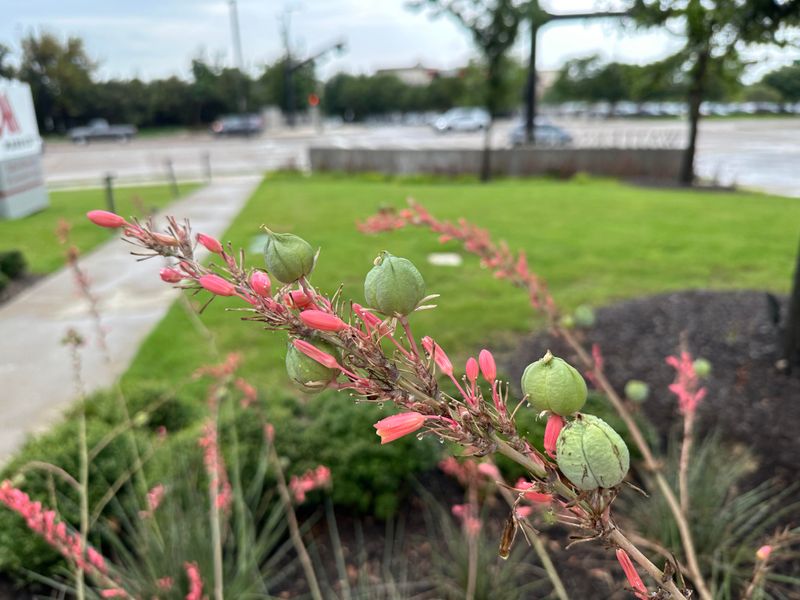
Red yucca gives Arizona gardens year-round structure plus a summer flower show.
The arching leaves form a graceful clump, more flowing than stiff, and the tall flower stalks rise above it with coral-pink to red tubular blooms.
Hummingbirds notice fast, which makes this plant feel lively even when the rest of the yard is quiet in the heat.
Despite the name, red yucca is not a true yucca. That softer look makes it easier to use near patios, entries, and walkways, as long as you give it enough space.
Mature clumps can spread several feet wide. Plant too close to a path, and the graceful leaves become something you brush past every time you walk by.
Full sun and excellent drainage are the big requirements. Once established, red yucca handles dry conditions with very little fuss.
New plants need deeper, more regular watering through their first season or two. After that, occasional irrigation during long dry stretches is usually enough.
Do not overfeed it. Heavy fertilizer can push leaves at the expense of flowers, which is the opposite of what most gardeners want.
After bloom, the stalks dry and turn brown. Cut them near the base when they stop adding anything useful to the look.
Red yucca works in modern desert landscapes, wildlife gardens, gravel beds, and low-water borders.
It brings height without thirst, flowers without drama, and enough toughness to make full sun feel like a design choice instead of a problem.
7. Lantana Keeps Color Moving
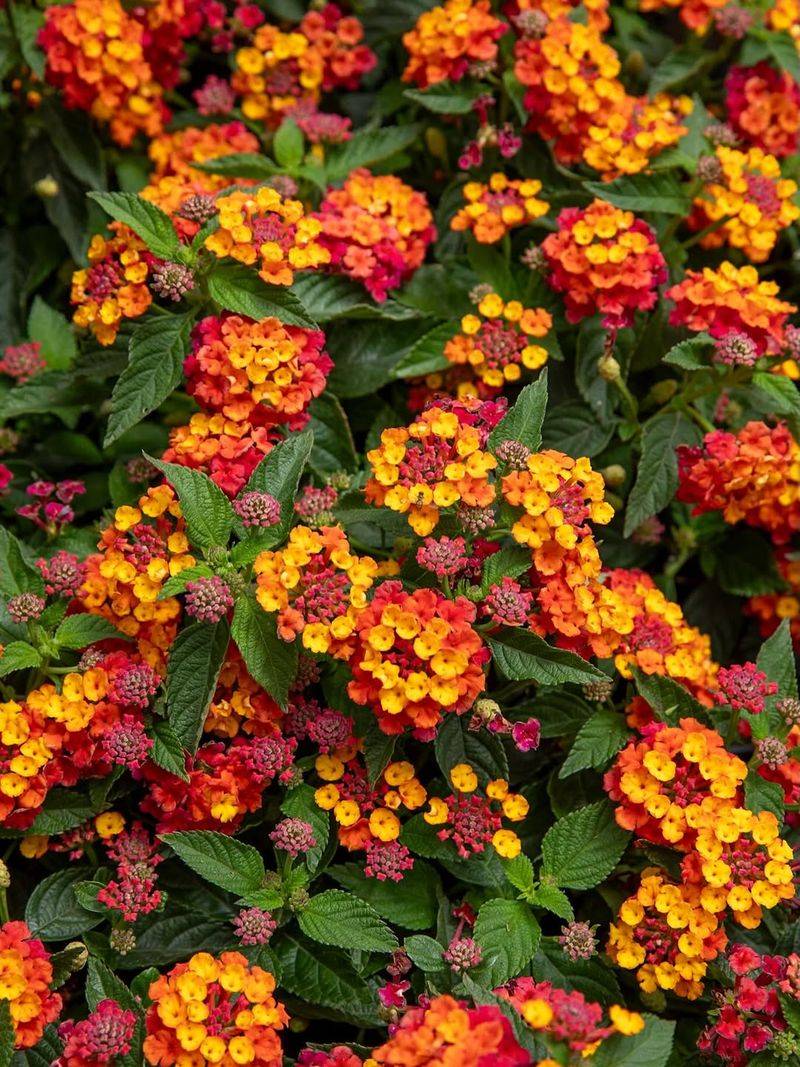
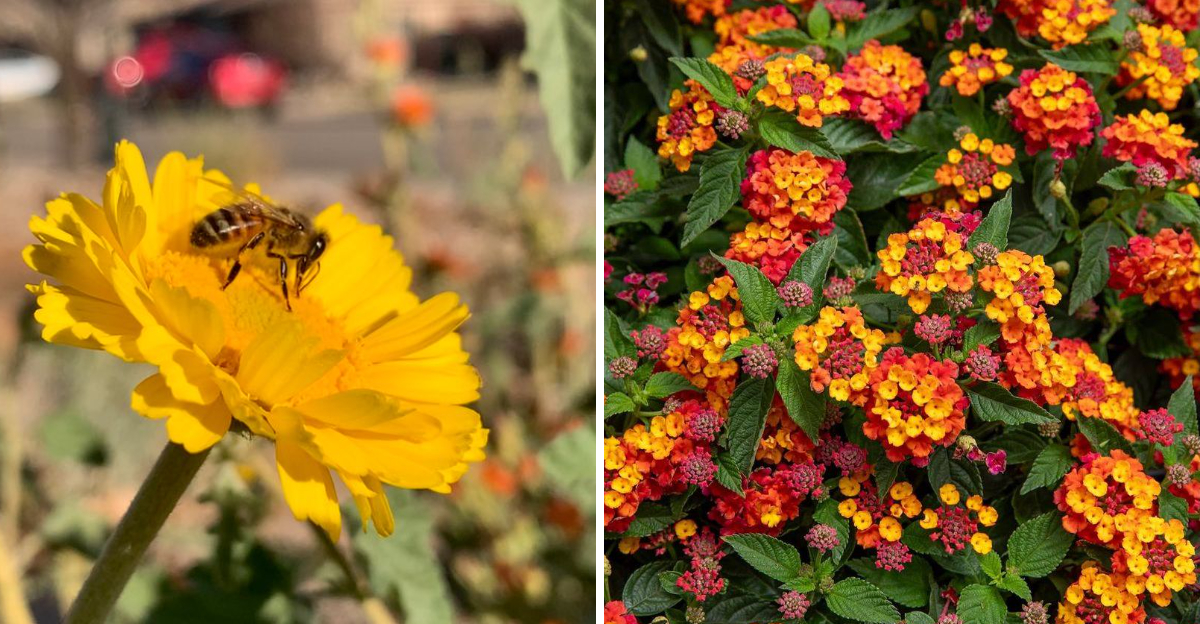
Lantana is the summer color machine Arizona gardeners keep returning to.
The flower clusters shift through yellow, orange, pink, red, purple, or cream depending on the variety, and that changing color keeps the plant looking active for months.
Butterflies find it quickly, which adds even more movement to hot beds and porch edges.
Full sun gives lantana the strongest bloom. In partial shade, it may stretch, open up, and produce fewer flowers.
Heat is not usually the problem. Poor drainage, overwatering, and frost can cause more trouble than July sun in many Arizona gardens.
Water new plants regularly until established. Mature lantana can handle dry stretches, but it still blooms better with occasional deep irrigation during extreme heat.
Use it where color is the main goal. It works along borders, in large containers, on slopes, and in low-water mixed beds.
Prune lightly to shape during the growing season. Avoid constant harsh cutting, which can reduce bloom and leave the plant looking chopped.
Frost may cut lantana back in colder spots. Wait until new growth appears in late winter or spring before removing damaged stems.
One important caution belongs here. Lantana berries can be toxic if eaten, so placement matters in yards with pets or young children.
Ask about sterile or low-seed cultivars where reseeding is a concern.
Lantana is not native to every Arizona landscape situation, and some forms can be more vigorous than expected. Choose carefully.
For full-sun color that keeps moving through heat, though, it is hard to ignore.
8. Arizona Poppy Flashes Gold After Rain
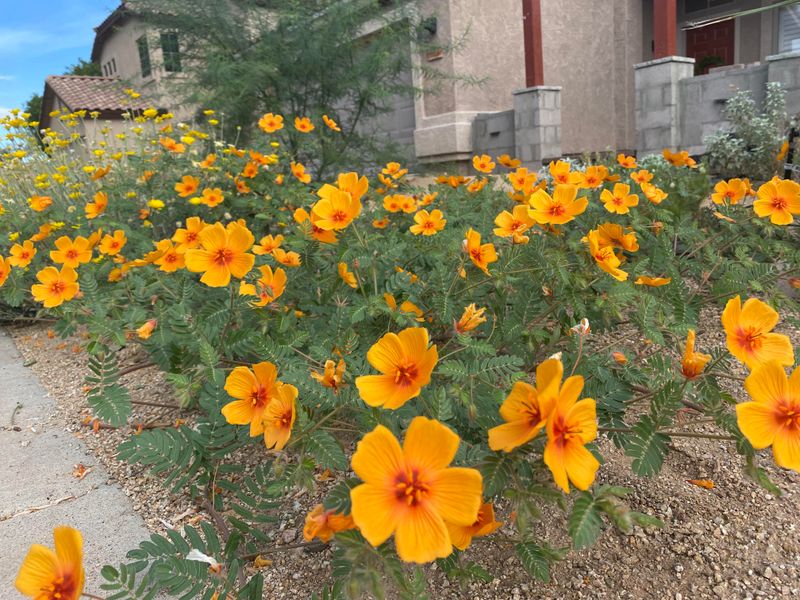
Arizona poppy is monsoon magic in flower form.
It does not behave like a tidy bedding plant that blooms on command all year. It waits for summer rain, warm soil, and open ground. Then, almost suddenly, gold-orange flowers appear across the desert like the season changed its mind.
That timing is the point.
Arizona poppy is a warm-season annual, and it often germinates after monsoon moisture. In the right place, it can fill bare sunny patches with color when many spring wildflowers have long since finished.
Full sun is essential. So is open, well-drained soil where seed can make contact with the ground.
Heavy mulch can block germination. Compacted soil can make establishment harder. A lightly disturbed patch of desert soil often works better than a pampered garden bed.
Do not expect drip irrigation to copy a monsoon perfectly. Gardeners can encourage seed with watering, but natural summer rain often produces the strongest response.
Once plants sprout, they grow fast. Flowers can follow within weeks, especially when moisture and heat line up well.
Let seed pods mature and drop if you want the patch to return. Cutting everything too soon breaks the cycle.
Broadcasting seed before the summer rain pattern begins can help establish a chosen area.
Arizona poppy gives full-sun gardens a flash of wild gold, but only when the gardener lets it follow its desert rhythm.
That rhythm is the reward.