The Late-August Soil Mistake Quietly Destroying Your Texas Garden
Late August in Texas is when most gardeners are focused on survival. Keeping plants watered, keeping up with the heat, making it through the final stretch before conditions ease. Soil is not usually top of mind during this period, and that’s exactly the problem.
Because late August is when one specific soil mistake quietly does some of its most significant damage to Texas gardens, and it goes almost entirely unnoticed until the consequences show up weeks later.
By then, undoing the damage takes considerably more effort than preventing it would have.
This mistake doesn’t look like a mistake in the moment. It’s something most Texas gardeners do without hesitation, usually with the honest intention of giving their garden what it needs during a tough stretch of summer.
But the timing and the conditions of late August make it actively harmful in ways that are genuinely surprising once you understand the soil biology behind what’s happening. Knowing what to avoid right now is just as important as knowing what to do.
Shallow, Frequent Watering Keeps Roots Near The Surface
Picture this: every morning you step outside, flip on the hose, and give your garden a quick sprinkle before heading to work. It feels responsible.
It feels caring. But that quick daily sprinkle might actually be one of the worst things you can do to your Texas garden in late August.
When you water lightly and frequently, the moisture only reaches the top inch or two of soil. Roots are smart, they grow toward water.
So if the water never goes deep, your plant roots stay shallow, hugging the surface where the moisture is. That might not sound like a big deal, but it becomes a serious problem fast.
In late August, Texas soil surface temperatures can reach extreme levels. That top layer of soil dries out incredibly fast, sometimes within an hour or two of watering.
Shallow roots sitting in that zone get hit hard by rapid moisture loss and intense heat. Plants start to wilt, leaves curl, and growth slows down noticeably.
Frequent shallow watering also trains your plants to be dependent. They never develop the deep, strong root systems that help them pull moisture from lower soil layers during dry spells.
Over time, you end up with fragile plants that need constant attention just to stay upright. A better approach is to water less often but much more deeply. Give your garden a good, slow soak two or three times per week instead of a quick sprinkle every day.
This simple change encourages roots to reach deeper into the soil where moisture lasts longer and temperatures stay more stable.
Deep Watering Builds More Resilient Plants
Most experienced Texas gardeners will tell you the same thing: deep watering changed everything for them.
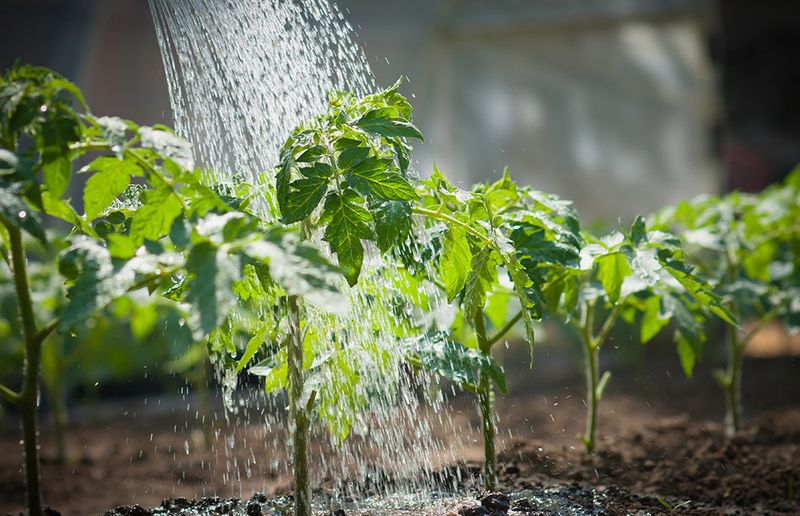
When you water slowly and deeply, moisture soaks down past the top layer and reaches the main root zone, which for most vegetables and flowering plants sits between six and twelve inches below the surface. Roots follow water. That is just how plants work.
Your Texas Garden Changes Every Week. Your Plan Should Too.
Gardening in Texas changes quickly throughout the season. Every Friday you’ll receive a simple weekly plan showing exactly what to plant, prune, fertilize, harvest, and protect so you never miss the right timing.
When moisture is available deep in the soil, roots grow downward to find it. Deeper roots anchor the plant more firmly, access nutrients stored in lower soil layers, and tap into moisture that does not evaporate as quickly in the August heat.
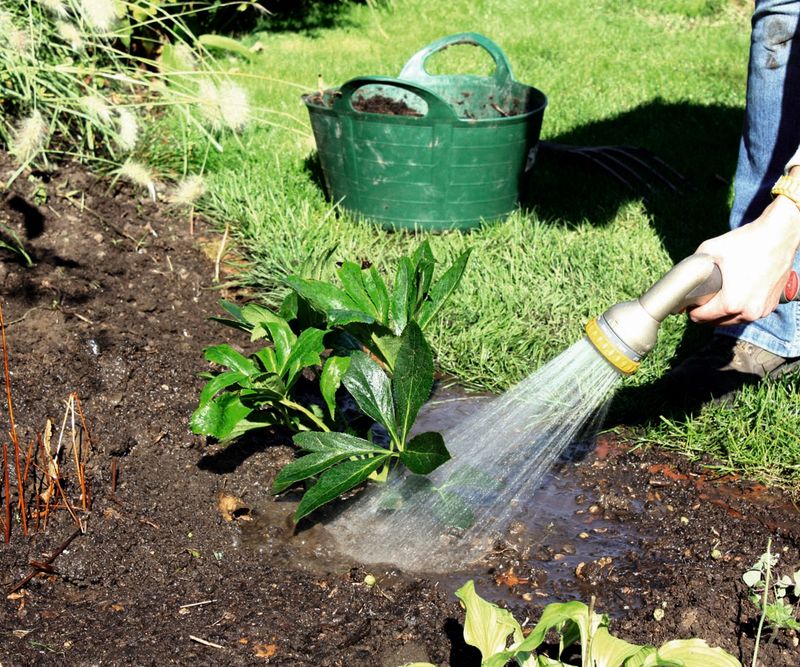
Soaker hoses and drip irrigation systems are excellent tools for deep watering. They release water slowly right at the base of the plant, giving the soil time to absorb moisture rather than letting it run off the surface.
If you use a regular hose, try leaving it on a slow trickle near the base of your plant for fifteen to twenty minutes.
You can test whether you are watering deeply enough by pushing a wooden skewer or thin stick into the soil after watering. If it slides in easily to a depth of six inches or more, you are on the right track.
If it stops at two or three inches, your water is not penetrating far enough. Deep watering also improves overall soil health over time.
Consistent deep moisture encourages beneficial microorganisms to thrive lower in the soil, which helps break down organic matter and improves nutrient availability for your plants. It is a small habit change with a surprisingly big payoff for your garden.
Hot Surface Soil Dries Out Fast
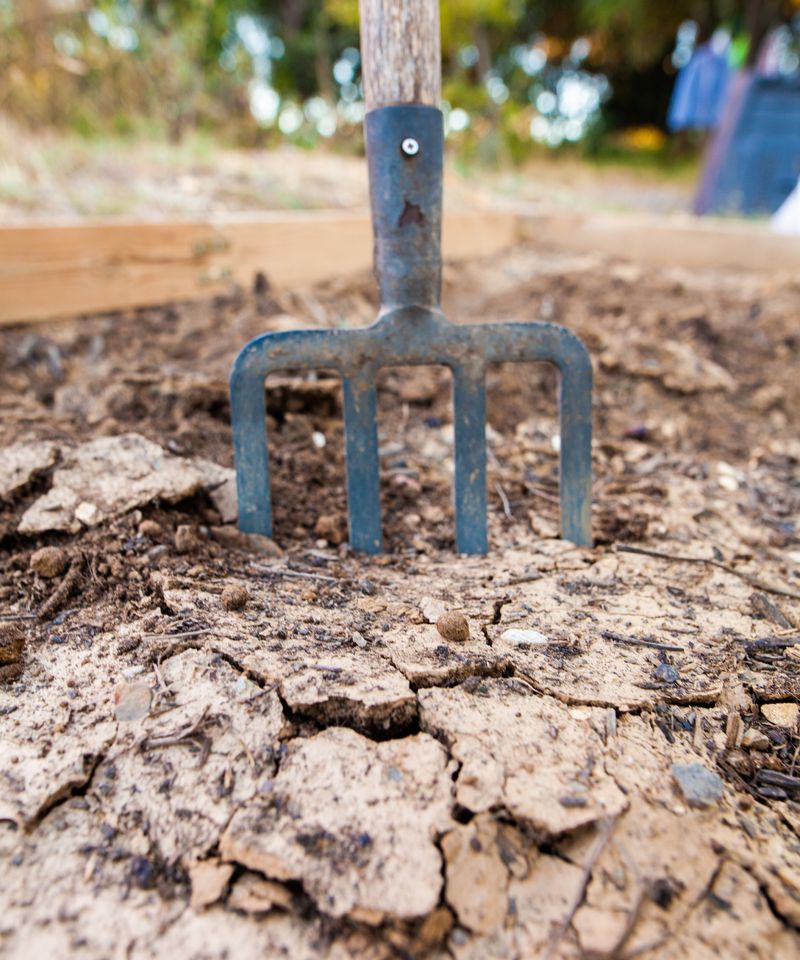
Here is something that catches a lot of Texas gardeners off guard: even after a good watering session, the top layer of your garden soil can be bone dry again within a couple of hours on a late-August afternoon.
The combination of intense direct sunlight, low humidity, and high air temperatures creates conditions where surface moisture simply evaporates at a shocking rate.
Soil temperatures on the surface in Texas during August can climb well above 100 degrees Fahrenheit on a sunny day. At those temperatures, water does not stick around long.
If your plant roots are sitting in that top layer because of shallow watering habits, they are constantly fighting against rapid moisture loss. Plants in this situation show stress signs quickly, including wilting leaves, yellowing edges, and stunted growth.
Clay-heavy soils, which are common across much of Texas, add another layer of difficulty. When clay soil dries out completely, it hardens into a dense, almost concrete-like layer that water struggles to penetrate.
You might pour water on and watch it pool on the surface and run off sideways instead of soaking in. This means even your deep watering efforts can be wasted if the surface has crusted over.
Breaking up that hardened surface crust with a hand cultivator before watering can help water absorb more evenly.
Watering in the early morning, before the heat peaks, also gives moisture a better chance to soak in before evaporation takes over. Timing your watering sessions smartly is just as important as how much water you use.
Too Much Water Can Be Just As Harmful
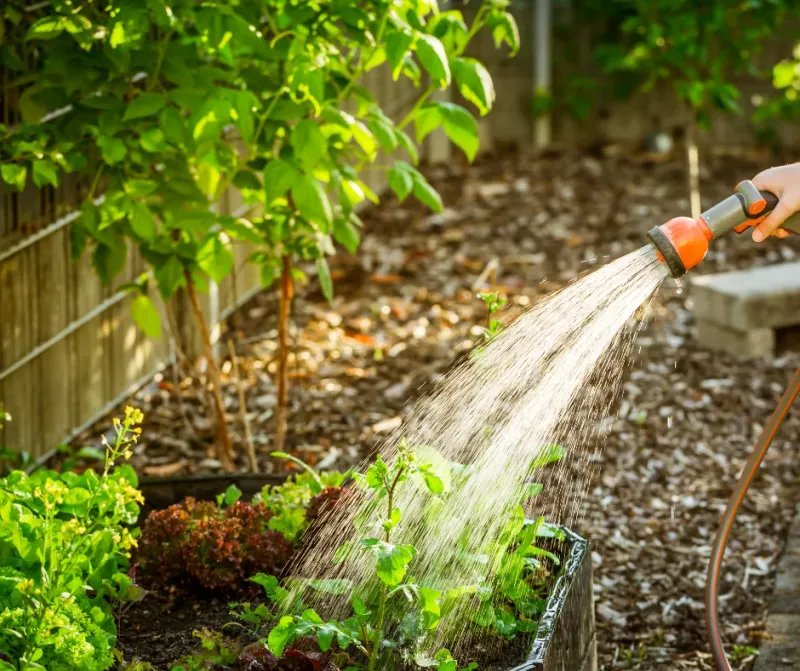
Overwatering is one of the most common mistakes gardeners make, and it is especially tricky in late August because wilting plants can fool you into thinking they need more water.
But here is the thing: a plant can wilt just as dramatically from too much water as it can from too little. Knowing the difference is key.
When soil stays constantly saturated, the tiny air pockets between soil particles fill with water. Plant roots need oxygen to function properly.
Without it, they begin to suffocate. You might notice leaves turning yellow, stems looking soft or mushy near the base, or a general soggy smell coming from the soil. These are all signs of overwatering, not drought stress.
Texas gardeners dealing with heavy clay soils are especially at risk. Clay holds water for a long time, and adding more on top of already moist soil can quickly push things into dangerous territory for roots.
Sandy soils drain faster, but even they can cause problems if you water too frequently without checking moisture levels first.
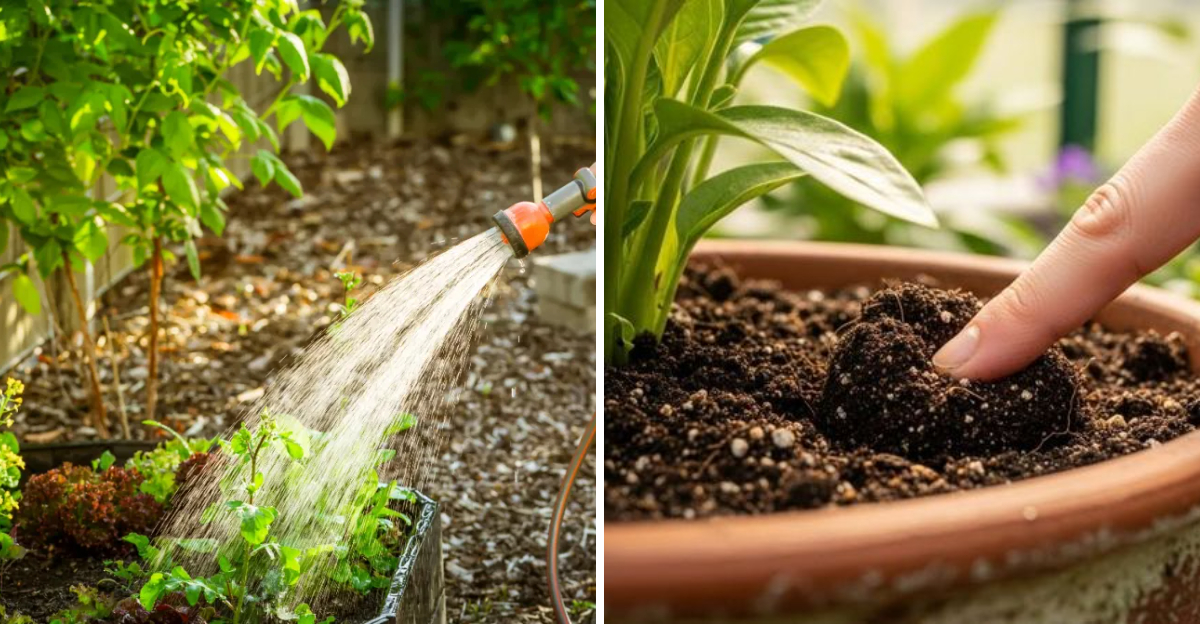
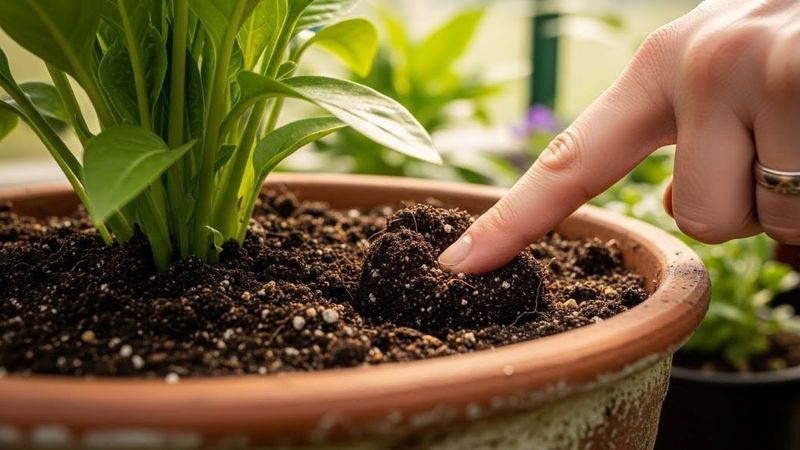
Before you reach for the hose, press your finger two inches into the soil. If it still feels moist, your plants are fine and do not need water yet.
If it feels dry and crumbly, go ahead and water deeply. This simple finger test takes about five seconds and can save your plants from a lot of unnecessary stress.
Adjusting your watering schedule based on actual soil conditions rather than a fixed routine is one of the smartest moves you can make as a Texas gardener during the hottest stretch of the year.
Mulch Helps Moisture Stay Where Roots Need It
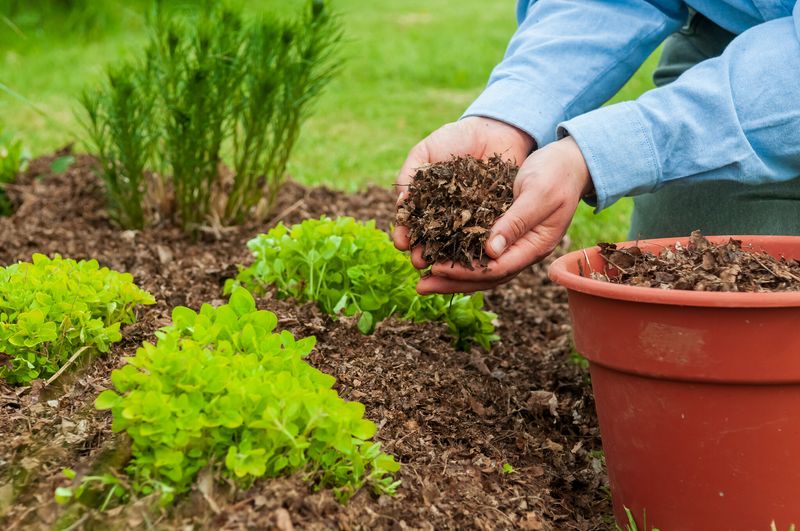
Mulch is one of those gardening tools that sounds simple but works in surprisingly powerful ways. Laying a two to three inch layer of organic mulch around your plants creates a protective barrier between the hot Texas sun and your soil.
That barrier slows down evaporation dramatically, keeping moisture in the ground where your roots actually need it.
Studies have shown that mulched garden beds can retain soil moisture significantly longer than bare soil, sometimes holding water two to three times as long on a hot day. In late August Texas heat, that difference is enormous.
Instead of watering every day just to replace what evaporates, you can water less often and let the mulch do the work of keeping things moist.
Mulch also moderates soil temperature. Bare soil in full sun heats up rapidly and stays hot, stressing roots throughout the day.
A layer of mulch insulates the soil, keeping it several degrees cooler than the surface air temperature. Cooler soil means less stressed roots and healthier plants overall.
Wood chips, straw, shredded leaves, and pine needles all work well as mulch materials in Texas gardens. Each breaks down over time, adding organic matter back into the soil and improving its structure. That is a bonus benefit on top of moisture retention.
One important detail to remember: keep mulch pulled back about an inch from the base of plant stems. Mulch piled directly against stems traps moisture against the plant tissue and can lead to rot and fungal issues.
A small gap around the stem keeps air circulating and protects the plant while still giving your soil all the moisture benefits mulch provides.
Check The Soil Before Turning On The Hose
Automatic watering schedules are convenient, no question about it. Set a timer, forget about it, done.
But relying entirely on a fixed schedule without ever checking what is actually happening in your soil is one of the sneakiest mistakes late-August Texas gardeners make. Soil conditions change constantly based on rainfall, temperature, cloud cover, and plant size.
Checking soil moisture before watering is the single most effective habit you can build as a gardener. Push one or two fingers about two inches below the surface.
If the soil feels cool and slightly damp, your plants are doing fine. If it feels dry and powdery all the way down, it is time to water. This quick check takes seconds and gives you real information instead of guesswork.
Rainfall is another factor that catches gardeners off guard. A storm might roll through and drop half an inch of rain, but if you stick to your automatic schedule anyway, you are piling extra moisture onto already wet soil.
That leads back to the overwatering problems mentioned earlier. Checking your soil after any rainfall event helps you decide whether to skip your next scheduled watering.
Different plants also have different moisture needs. Tomatoes, peppers, and squash are thirsty plants that need consistent moisture.
Herbs like rosemary and lavender prefer drier conditions and can actually struggle if overwatered. Knowing what each plant in your garden prefers lets you tailor your watering approach rather than treating everything the same way.
Soil type matters too. Sandy soils drain quickly and may need more frequent watering, while clay soils hold moisture longer and need less.
Matching your watering habits to your specific soil and plants is the smartest strategy for a healthy August garden.