How To Revive Heat-Damaged Citrus Trees In Florida Before The Fruit Season Is Lost
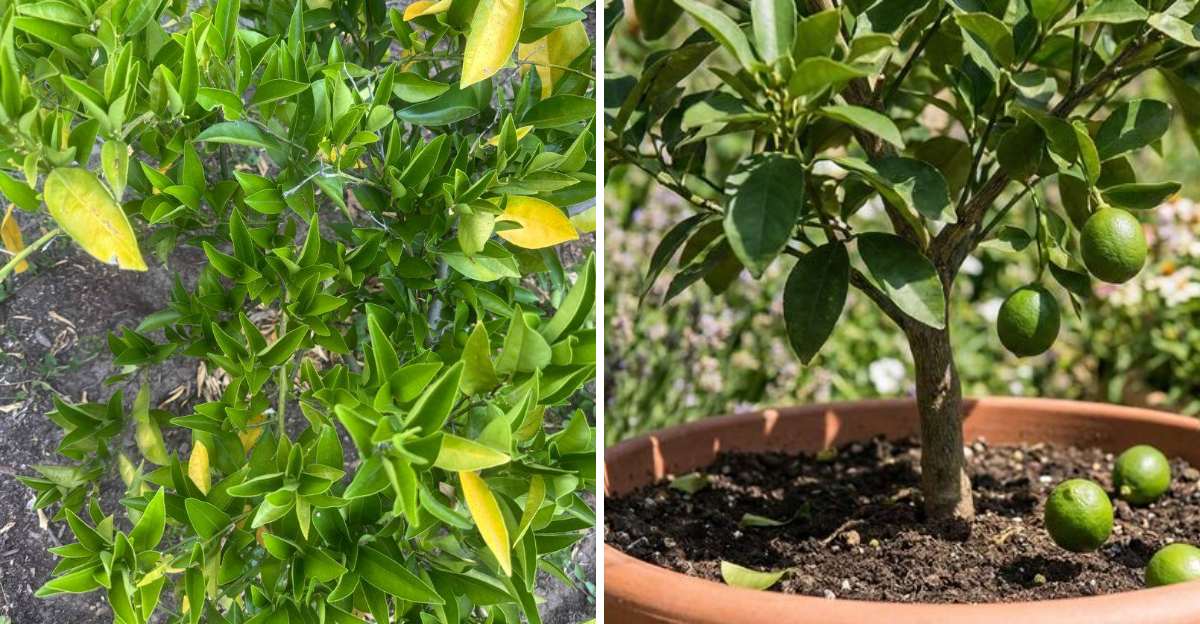
Florida citrus trees look tough until a serious heat stretch exposes exactly where their limits are. Leaf scorch, fruit drop, bark that starts showing stress in ways most homeowners do not recognize until the damage has already settled in.
A tree that looked productive two weeks ago can shift direction fast when July heat stops being manageable. The fruit season is not lost the moment heat damage appears.
Citrus holds more recovery potential than most people assume, and the window for turning things around is wider than it feels in the middle of a crisis. What closes that window is waiting.
Every week without the right response is a week the tree redirects energy away from fruit and toward basic survival. By the time fall harvest arrives, that math shows up clearly in yield.
The right moves now are not complicated. They just need to happen before the season makes the decision for you.
1. Water Deeply Before Stress Gets Worse
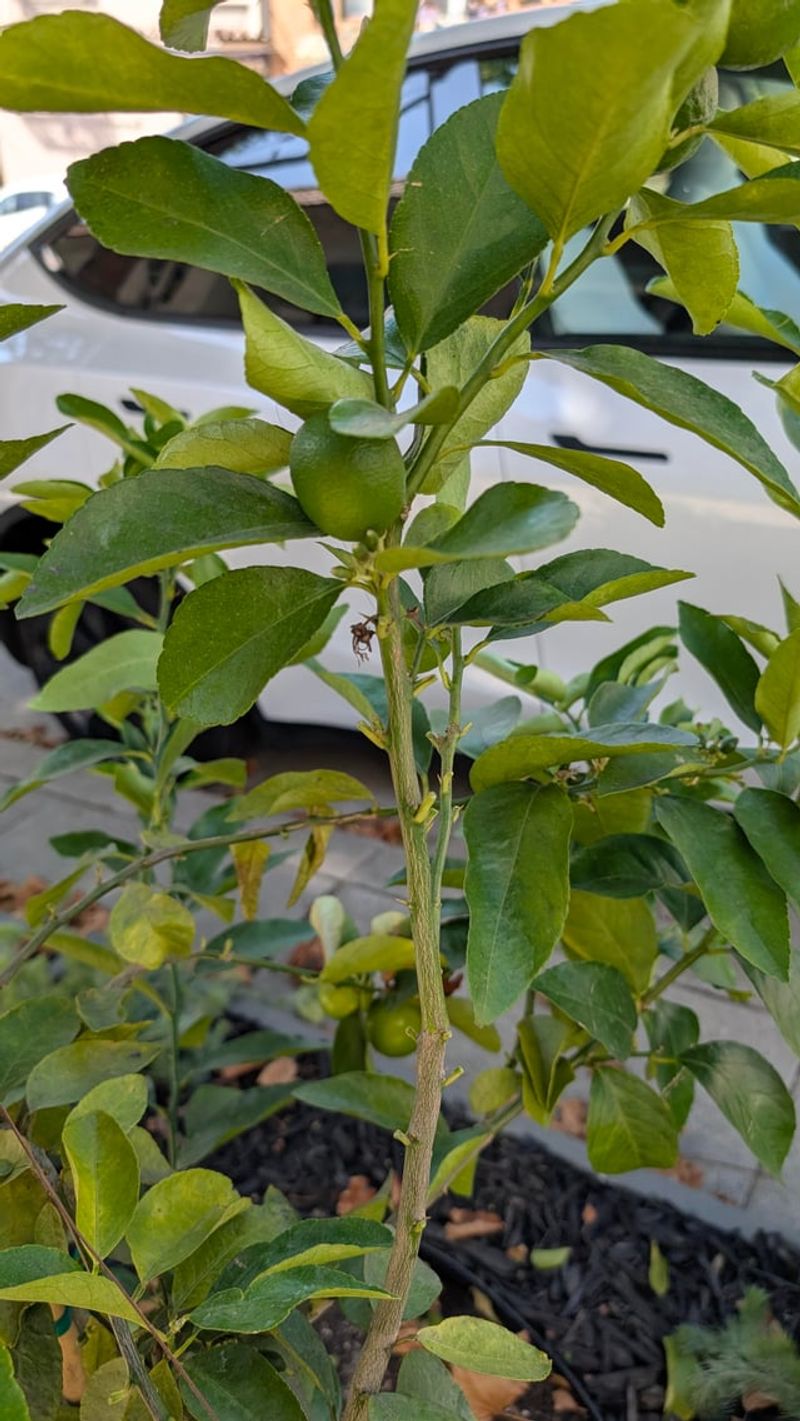
Walking outside on a scorching afternoon and seeing your citrus tree with limp, curled leaves is a signal you should not ignore. The very first step in recovery is getting water down to where the roots actually live.
A quick sprinkle on top of the mulch does almost nothing for a stressed tree.
Citrus feeder roots spread wide and sit a few inches below the soil surface. Water needs to soak slowly into that zone, not just wet the top layer and evaporate.
Use a slow trickle from a hose or a drip system set to run long enough to reach 12 to 18 inches deep. Check soil moisture by pushing a wooden dowel or screwdriver several inches into the ground before you water again.
Container trees dry out much faster than trees planted in the ground, so check them more often during heat waves. On the other hand, areas with compacted soil or poor drainage can stay wet longer than you expect, which causes its own problems.
Soggy roots under heat stress are just as harmful as dry ones. Water early in the morning when possible to reduce evaporation and give roots time to absorb moisture before midday heat peaks.
Always follow local watering restrictions for your county.
2. Hold Off On Heavy Pruning
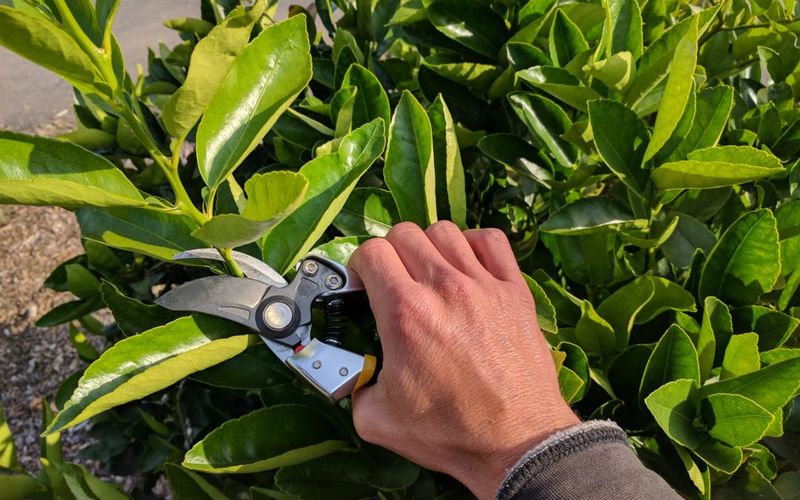
Grabbing a pair of pruning shears when you see scorched, brown, or curled leaves is a completely understandable reaction. Most homeowners want to clean things up right away.
But cutting off large sections of canopy while a tree is under heat stress is one of the most common mistakes made during a Florida summer.
Those damaged leaves and branches are still doing something useful. They shade the trunk, inner limbs, and developing fruit from direct sunlight.
Remove too much canopy at once, and you expose bark and fruit to even stronger sun. That can lead to sunburn on the wood and additional stress that slows recovery instead of helping it.
Light cleanup is a different situation. If a branch is completely broken, clearly beyond any hope of recovery, or poses a safety risk, removing it makes sense.
Your Florida Garden Changes Every Week. Your Plan Should Too.
Gardening in Florida changes quickly throughout the season. Every Friday you’ll receive a simple weekly plan showing exactly what to plant, prune, fertilize, harvest, and protect so you never miss the right timing.
But that is very different from cutting back large sections because they look bad. A good rule of thumb from UF/IFAS citrus guidance is to wait until the tree shows signs of active recovery before making any major pruning decisions.
New growth and stable leaf color are signals that the tree is regaining strength. Patience here is not laziness; it is strategy.
Let the tree tell you when it is ready for a trim.
3. Protect Exposed Roots And Soil
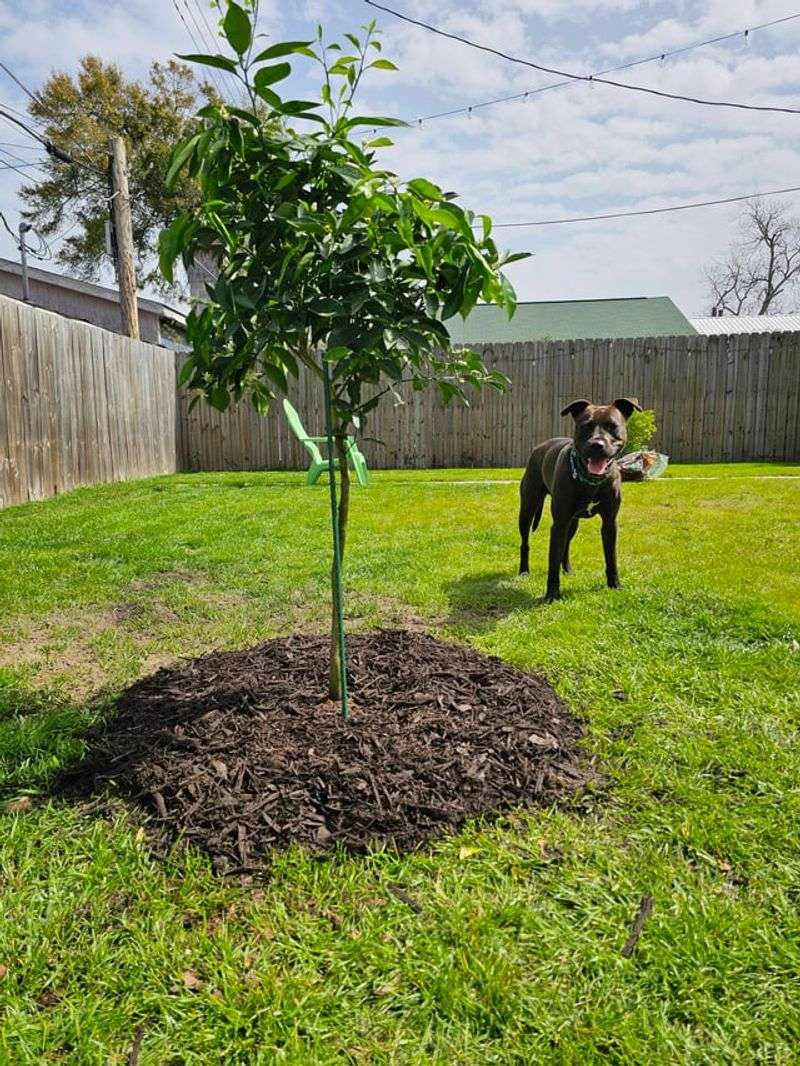
Most people focus on the leaves when a citrus tree looks stressed, but the real story is often happening just beneath the surface. Bare soil around a citrus tree absorbs heat quickly on a Florida summer day.
Soil temperatures can climb high enough to damage the shallow feeder roots that the tree depends on for water and nutrients.
A fresh layer of mulch is one of the most practical things you can do during recovery. Wood chips or shredded bark spread two to three inches deep across the root zone help keep soil cooler, slow moisture loss, and reduce competition from weeds.
Keep the mulch pulled back a few inches from the trunk itself. Piling mulch against the bark traps moisture and can encourage rot or pest problems over time.
Avoid digging, tilling, or aggressively cultivating the soil under the canopy. Citrus feeder roots are shallow, and disturbing them during a stress period adds more pressure to a tree that is already working hard to survive.
Good drainage still matters even when protecting soil moisture. If water pools under the tree after rain or irrigation, that standing water can limit oxygen to the roots and make recovery harder.
Think of root-zone care as the foundation of everything else you do to help the tree this season.
4. Skip Fertilizer During Severe Stress
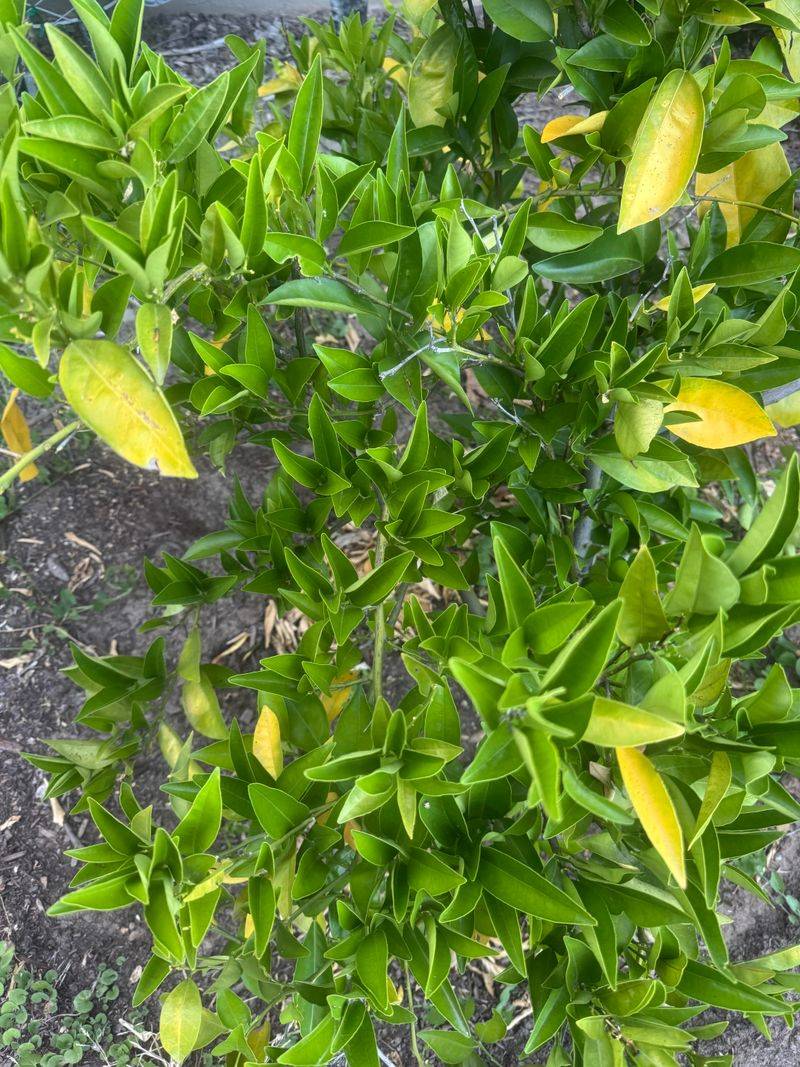
Fertilizer is not a rescue drink for a citrus tree that is already struggling under heat and drought. Many homeowners reach for a fertilizer bag when they see a tree looking weak, thinking extra nutrients will give it a boost.
Under severe stress, that approach can actually make things harder for the tree.
When soil is dry or the root system is under pressure, fertilizer salts can draw moisture away from roots instead of feeding them. Pushing a stressed tree to produce new tender growth during intense heat is also risky.
That soft new growth is more vulnerable to sun damage and can attract pests that sense a weakened plant. The tree needs stable conditions before it can use fertilizer effectively.
Wait until the tree has adequate, consistent moisture and is showing early signs of recovery before considering any feeding.
Follow UF/IFAS guidelines, your county extension office recommendations, and product label directions for citrus fertilizer timing in warm climates.
Local ordinances in some Florida counties also restrict fertilizer use during the rainy season or before rain events. Excessive nitrogen is a specific concern because it can stimulate growth at the wrong time.
A balanced approach, applied at the right moment in the recovery process, is far more useful than a well-meaning but poorly timed fertilizer application.
5. Check Fruit Drop Before You Panic
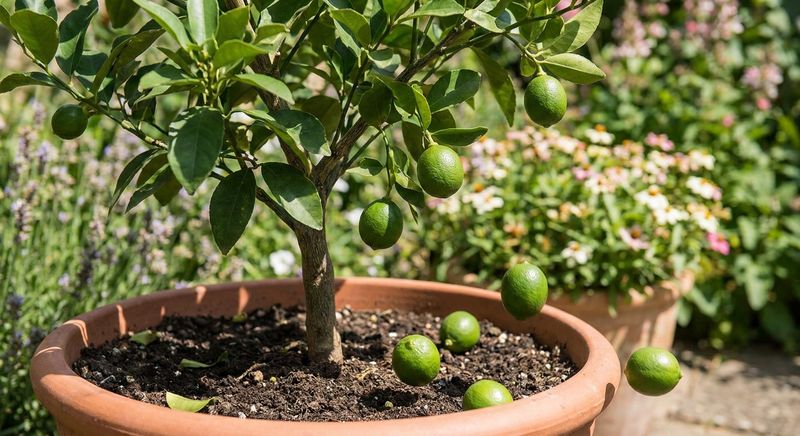
Finding a ring of small fruit on the ground beneath your citrus tree on a hot July morning can feel like the whole season is already over. Before you lose hope, it helps to understand why fruit drop happens and what it actually means for your tree’s recovery.
Citrus trees naturally shed some fruit when they are under stress. Heat, drought, uneven watering, and root pressure can all trigger this response.
The tree is essentially making a decision to carry less fruit so it can keep itself stable. Some drop is normal even in a healthy season.
The real question is whether the drop is slowing down as conditions improve, or continuing to get worse.
Look at the whole picture before drawing conclusions. Are the remaining leaves starting to look less curled?
Is new growth appearing? Is the canopy still mostly intact?
A tree that is losing fruit but stabilizing in other ways may still have a reasonable crop left to carry through the season. Stabilizing your watering schedule, reducing extra stress, and avoiding heavy pruning are the most practical steps right now.
Resist the urge to apply a treatment based only on fruit drop alone. Identify whether heat, drought, a pest, a disease, or something else is the main driver before taking action beyond steady, consistent care.
6. Watch Leaves For Heat And Pest Clues
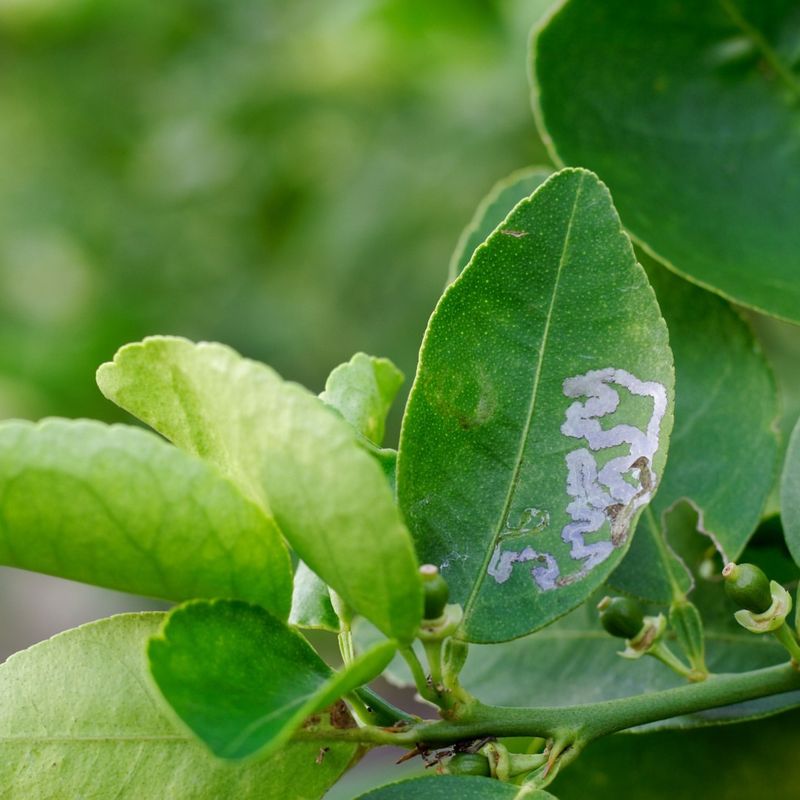
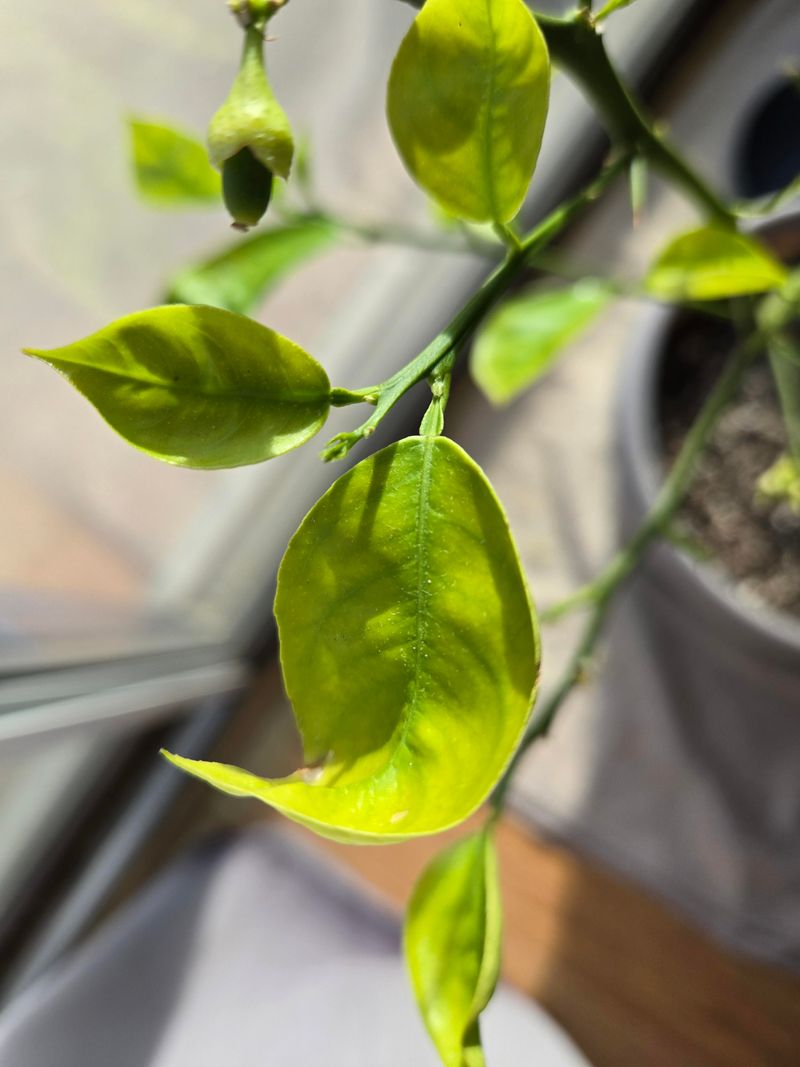
Leaves are one of the best diagnostic tools a citrus grower has, but they require careful reading. A curled leaf does not always mean heat stress.
Wilting, yellowing, scorch marks, sticky residue, or distorted new growth can each point to something different, and sometimes more than one problem is happening at once.
Heat stress typically causes leaves to curl inward along their length as the tree tries to reduce moisture loss. You might also see light brown or tan patches where direct sun has scorched the tissue.
Those symptoms can look similar to drought stress, which makes sense because heat and drought often arrive together in Florida.
But yellowing that starts between the leaf veins, sticky honeydew on leaves, or distorted curling in new growth may point toward pests or nutrient issues instead.
Flip the leaves over and check the undersides. Aphids, spider mites, Asian citrus psyllid, and scale insects often hide there.
Look at the pattern across the whole tree, not just one branch. If only one side of the canopy shows damage, that could be a sun exposure issue.
If the whole tree looks affected, the cause is more likely systemic. When symptoms are confusing or the tree keeps declining, contact your county extension office.
You can also check UF/IFAS pest and disease resources before reaching for any spray product.
7. Avoid Sprays During Peak Heat
On a sweltering August afternoon in the Sunshine State, reaching for a spray bottle might feel like productive action. Applying oils, soaps, pesticides, or foliar products to a citrus tree during peak heat is risky.
It is one of the quickest ways to turn a manageable problem into a much bigger one.
Many spray products work by coating insects or plant surfaces, and in high heat that chemistry can go wrong fast. Oils and soaps can block leaf pores and cause burn on already-stressed foliage.
Evaporation happens so quickly in summer heat that contact products may not work as intended anyway.
Most product labels include temperature restrictions for exactly this reason, and those directions exist to protect your tree, not just the product’s reputation.
Read the label completely before applying anything. If a product says do not apply above a certain temperature or to stressed plants, follow that guidance without exception.
Many beneficial sprays should be applied in the early morning or early evening when temperatures drop and foliage is not under direct sun pressure. Identify the pest or problem accurately before treating.
Spraying broadly without knowing what you are targeting can harm beneficial insects and add chemical stress to a tree that is already working hard to recover.
When in doubt, contact your county extension office for identification help before using any product.
8. Help The Tree Recover Before Fruit Season
Recovery from heat stress is not about one dramatic fix. It is about removing extra pressure and giving the tree steady, consistent support so it can rebuild on its own schedule.
The trees that bounce back best are usually the ones whose owners resist the urge to overreact and instead focus on the basics done well.
Keep moisture stable in the root zone without swinging between drought and overwatering. Maintain a proper mulch layer to protect roots and soil temperature.
Hold off on major pruning until new growth confirms the tree is gaining strength. Be patient with fertilizer and apply it only when conditions are right and recovery is clearly underway.
Watch for pests and get an accurate identification before treating anything.
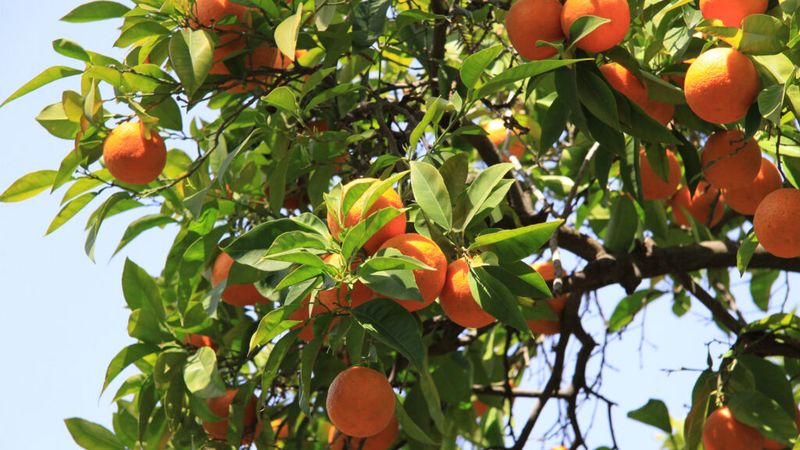
New leaf growth is one of the most encouraging signs you can see. Even small flushes of fresh, green leaves mean the tree is pushing forward.
Monitor fruit that remains on the tree for signs of continued development. If the tree keeps declining despite steady care, or if you see symptoms you cannot identify, reach out to a certified arborist or your county extension office.
Some situations need an expert eye. Fast fixes are rarely the answer with citrus.
Smart, steady recovery care gives your tree the best realistic chance of carrying a fruit crop this season and staying productive for many seasons to come.