How To Water California Citrus In June For The Biggest Healthiest Harvest This Summer
June is when California citrus trees start asking for serious attention. The weather gets hotter, the soil dries faster, and fruit needs steady moisture to keep growing well.
A tree that gets too little water may drop fruit or grow smaller, less juicy oranges, lemons, limes, or mandarins.
Too much water can cause its own trouble, especially in heavy soil that stays wet around the roots.
The sweet spot is deep watering that reaches the root zone without soaking the tree every day. This is also the time to check mulch, watch leaf curl, and adjust your schedule as heat waves roll in.
Citrus trees do not need guesswork. They need a simple rhythm that matches your soil, your weather, and your tree’s size.
Water well in June, and your summer harvest has a much better chance to be full, bright, and worth picking.
1. Water Deeply Instead Of Sprinkling The Surface
Shallow watering is one of the most common mistakes citrus growers make, especially during the hot summer months.
When you only wet the top inch or two of soil, the roots never get the deep drink they actually need. Over time, this trains roots to stay near the surface where the soil dries out quickly.
Deep watering encourages roots to grow downward into cooler, more stable soil. This makes the tree stronger and more capable of handling heat stress.
A good deep watering session means the water soaks down at least 18 to 24 inches into the ground.
To water deeply, slow things down. Use a drip system, a soaker hose, or run your hose at a low flow for a longer period.
This gives water time to move down through the soil instead of running off the surface.
In June, most established citrus trees in our state need a deep watering every seven to ten days. Younger trees may need more frequent sessions.
Sandy soils drain faster and may require watering every five to seven days instead.
A deep watering routine also helps prevent fruit drop and cracking, which are both signs of uneven moisture.
When roots have steady access to deep moisture, the tree can push water and nutrients into the developing fruit more reliably. Start watering deeply now and your harvest will show the difference.
2. Check Soil Moisture Before Adding More Water
Before you reach for the hose, take a moment to check what is already happening in the soil. Overwatering is just as harmful as underwatering for citrus trees.
Roots sitting in soggy soil cannot breathe, and that leads to root rot and weak growth.
The simplest way to check moisture is to push a wooden dowel or a long screwdriver six to eight inches into the soil near the drip line of the tree.
Pull it out and check how wet it feels. If it comes out dry, it is time to water. If it is still damp, wait another day or two.
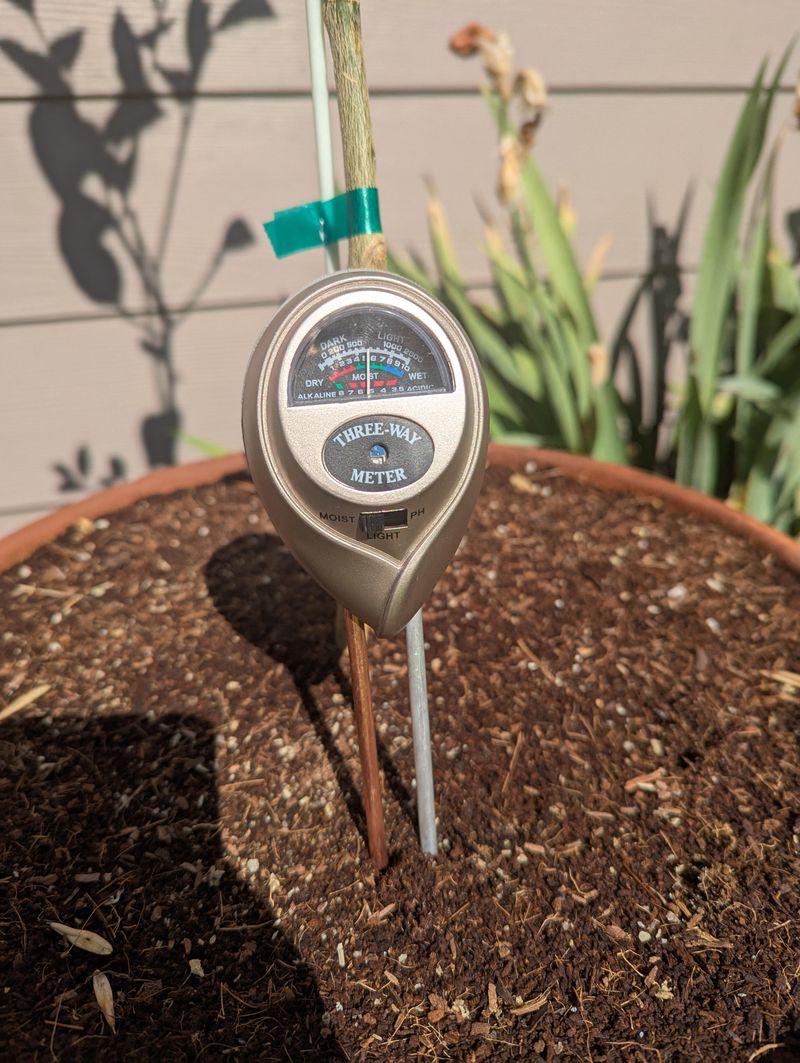
You can also use a basic soil moisture meter, which you can find at most garden centers for under twenty dollars.
Your California Garden Changes Every Week. Your Plan Should Too.
Gardening in California changes quickly throughout the season. Every Friday you’ll receive a simple weekly plan showing exactly what to plant, prune, fertilize, harvest, and protect so you never miss the right timing.
These tools take the guesswork out of the process and are especially helpful for newer growers who are still learning their trees.
Checking moisture before watering also helps you adjust for weather changes. A cloudy week with mild temperatures means the soil holds moisture longer. A string of hot, windy days dries things out much faster.
Getting into the habit of checking before watering saves you water, protects your tree’s roots, and keeps your fruit developing evenly.
It only takes a minute, but it gives you real information instead of guessing. Make it part of your regular routine every time you head out to the garden.
3. Keep Moisture Steady While Fruit Is Sizing Up
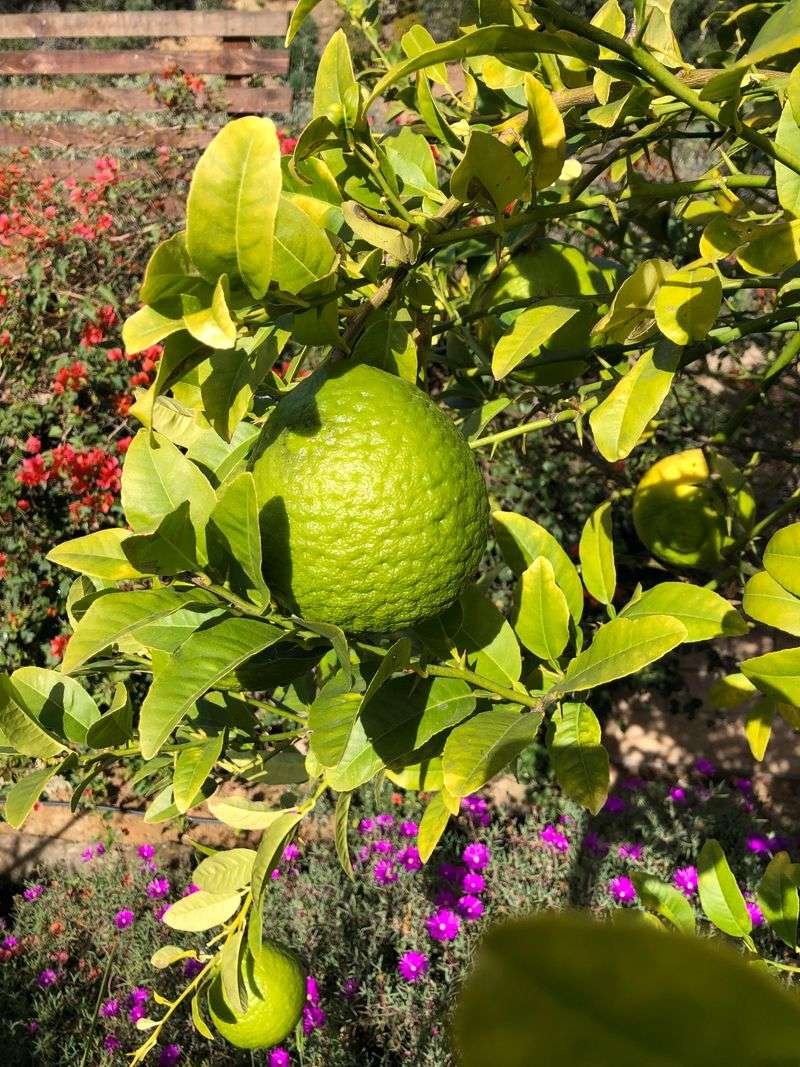
June is the month when citrus fruit really starts to size up. The small green fruits that set in spring are now growing rapidly, and they need a steady supply of water to reach their full potential.
Inconsistent moisture during this stage causes serious problems. When water levels in the soil go up and down dramatically, fruit can crack or split.
This happens because the rind grows at a different rate than the inside of the fruit when moisture is uneven.
Cracked fruit is not only unsightly but also becomes a target for pests and mold.
Steady moisture does not mean wet soil all the time. It means keeping moisture levels consistent from one watering to the next.
You want the soil to dry out slightly between sessions but never go completely dry during this critical growth period.
Setting a regular watering schedule helps a lot. Pick specific days each week to water and stick to them unless rain or extreme heat changes things.
A drip irrigation system is ideal because it delivers water slowly and consistently to the root zone.
Mulching around the base of the tree also helps maintain steady moisture between waterings, which is covered in more detail later in this guide.
For now, focus on keeping your schedule regular and your soil moisture as even as possible. Your fruit will grow bigger, smoother, and juicier when water is never a guessing game.
4. Water The Whole Root Zone, Not Just The Trunk
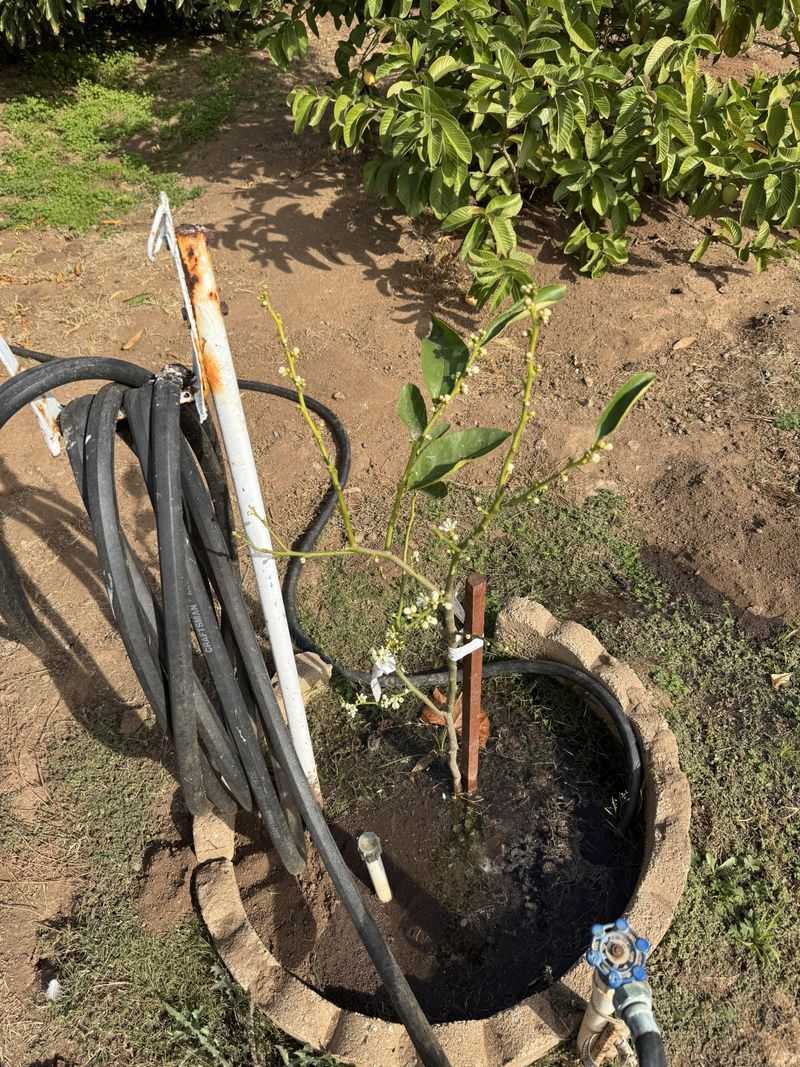
A lot of growers make the mistake of watering right at the base of the trunk. It feels like the logical place since that is where the tree stands.
But the truth is, the most active roots are not right next to the trunk at all. Citrus roots spread outward as far as the tree’s canopy, and sometimes even farther.
The feeder roots, which are the tiny roots that actually absorb water and nutrients, are mostly located out near the drip line.
That is the outer edge of the canopy where rain would naturally drip off the leaves. When you water only at the trunk, those feeder roots stay dry and stressed.
The tree cannot absorb what it needs, even if water is sitting right next to the trunk. Over time, this weakens the tree and reduces fruit quality.
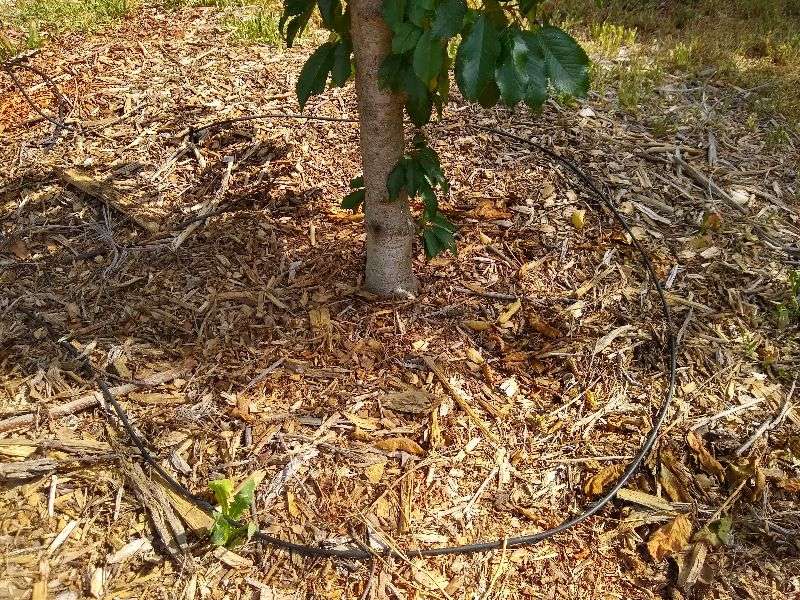
To water the whole root zone, spread your water delivery in a wide circle around the tree. If you use drip emitters, place them at several points around the drip line rather than just at the base.
A soaker hose looped around the tree works well too. For hand watering, slowly move the hose around the entire base area in a wide circle. Take your time and let the water soak in before moving on.
Covering the full root zone ensures every feeder root gets what it needs. This one change alone can noticeably improve fruit size and tree health by the end of summer.
5. Let The Top Few Inches Dry Before Watering Again
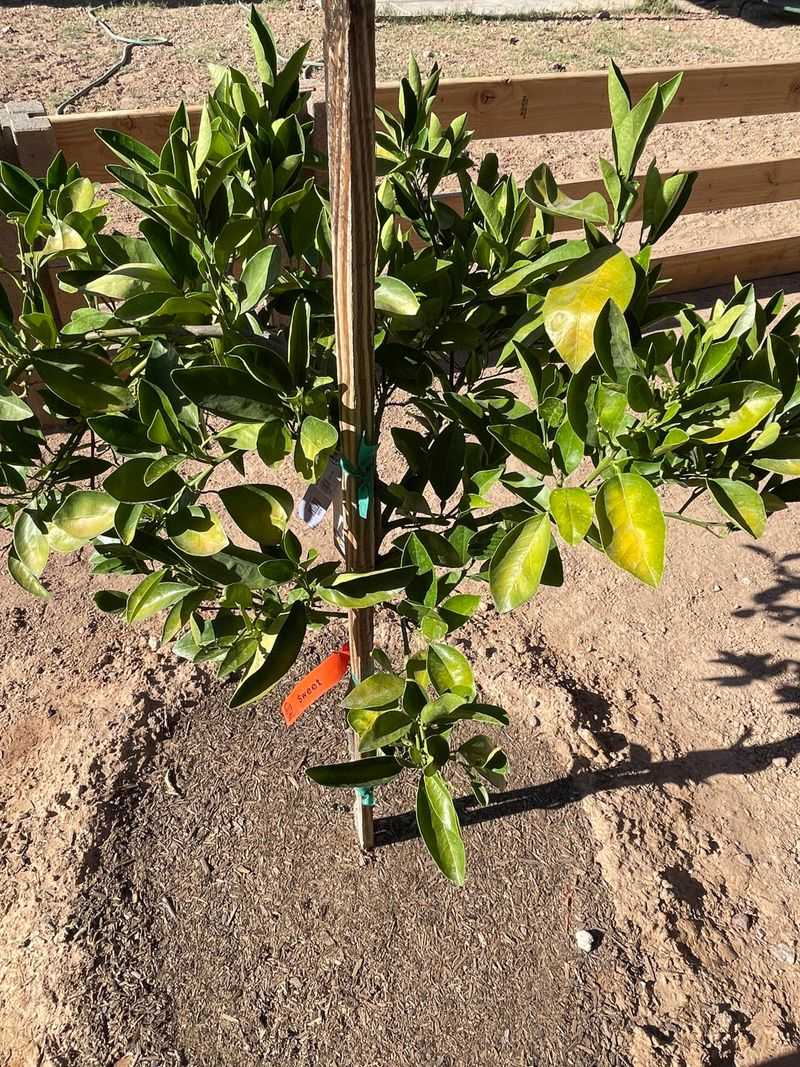
Citrus trees love moisture, but they also need air in the soil. Roots need oxygen to function properly, and soil that stays constantly wet blocks that oxygen.
Letting the top few inches dry out between waterings keeps the soil healthy and the roots breathing.
A good rule of thumb is to stick your finger two to three inches into the soil near the drip line. If it feels dry at that depth, go ahead and water.
If it still feels moist, give it another day before checking again. This simple test costs nothing and takes about ten seconds.
During June, the top layer of soil can dry out quickly because of heat and evaporation. But deeper soil usually holds moisture longer.
This is why you should not just look at the surface. Always test a few inches down to get an accurate reading.
Overwatered citrus often shows symptoms like yellowing leaves, wilting despite wet soil, and a musty smell around the roots.
If you notice these signs, cut back on watering immediately and allow the soil to dry out more between sessions.
Giving the soil time to partially dry also encourages roots to grow deeper in search of moisture. Deeper roots make for a more drought-tolerant and resilient tree.
Trees that are trained this way handle the intense heat of July and August much better. Patience between waterings is actually one of the most productive things you can do for your citrus this summer.
6. Mulch Helps Citrus Hold Moisture Through June Heat
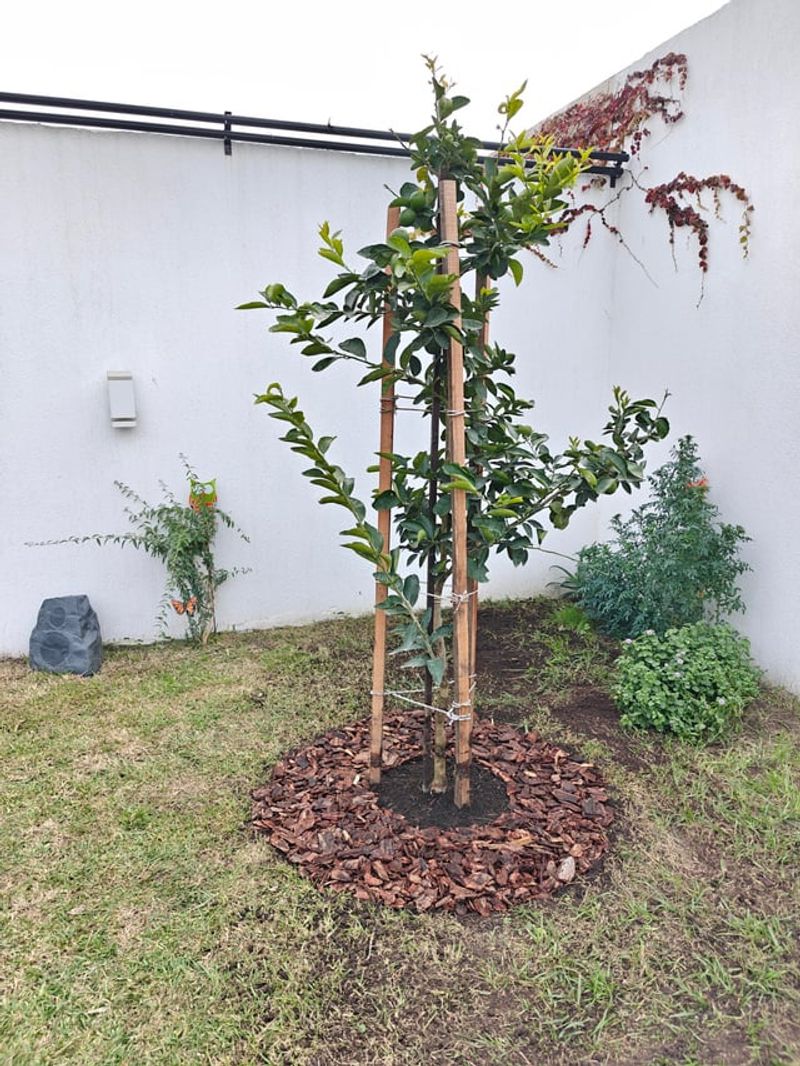
Wood chip mulch is one of the best tools a citrus grower can use in June.
Spreading a thick layer around the base of your tree acts like a blanket over the soil, slowing down evaporation and keeping moisture in the ground longer between waterings.
A good mulch layer should be about three to four inches deep. Spread it in a wide circle around the tree, starting about six inches away from the trunk.
Keeping mulch away from the trunk prevents moisture from building up against the bark, which can cause problems over time.
Wood chips, straw, shredded bark, and even dried grass clippings all work well as mulch for citrus.
Avoid using rocks or gravel as mulch because they absorb heat and can actually make the soil hotter during summer.
Organic mulches break down slowly and add nutrients to the soil as they decompose. Beyond moisture retention, mulch also keeps soil temperatures cooler.
In our state, June soil temperatures can climb high enough to stress root systems.
A good mulch layer can reduce soil temperature by several degrees, which makes a real difference in root health.
Mulch also suppresses weeds, which compete with your citrus for water and nutrients. Fewer weeds mean more resources go directly to your tree and your developing fruit.
Laying down fresh mulch in early June is one of the smartest and most cost-effective things you can do to support a strong summer harvest.
7. Potted Citrus Needs Closer Water Checks
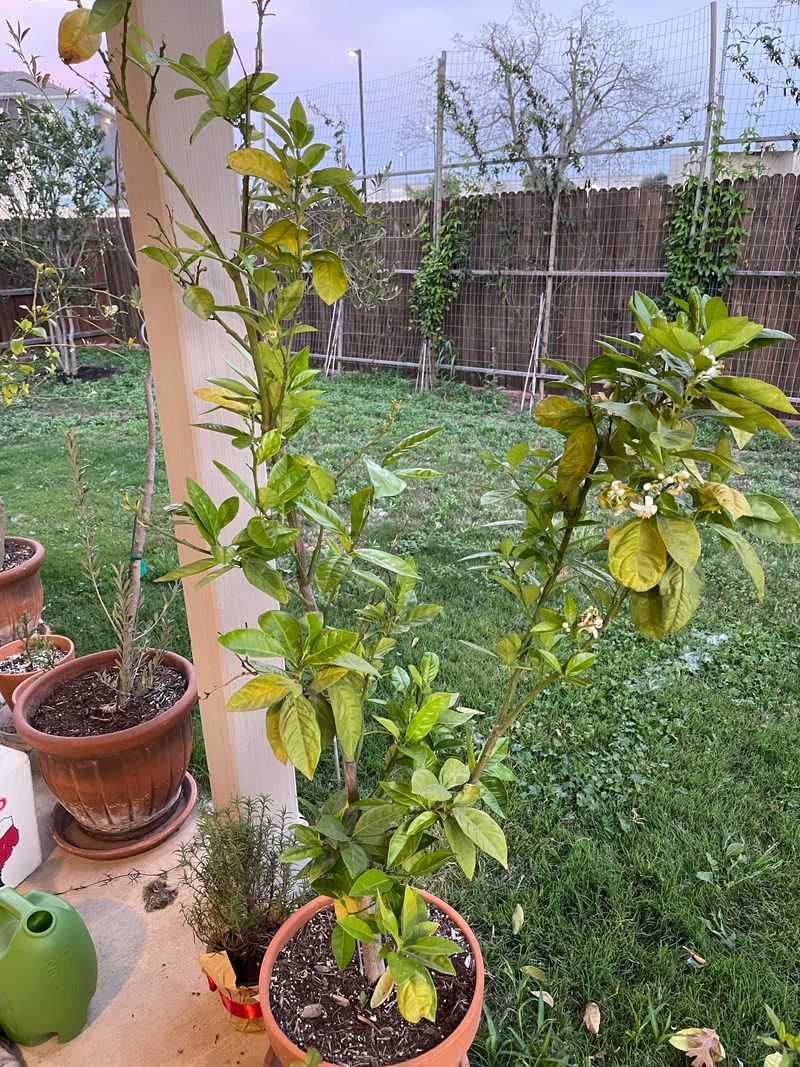
Growing citrus in containers is popular in our state, especially for people with smaller yards or renters who want to take their trees with them when they move.
But potted citrus has very different watering needs compared to trees planted in the ground, and June turns up the pressure significantly.
Pots heat up fast in the sun. The soil inside a container can dry out much more quickly than ground soil, sometimes within just a day or two during a heat wave.
This means you need to check your potted citrus more often, sometimes every day during the hottest stretches of June.
When you water a potted citrus tree, water it thoroughly until water drains freely from the bottom of the pot. This ensures the entire root ball gets moistened evenly.
Never let water pool in the saucer for more than thirty minutes, as standing water can cause root problems.
Container size matters a lot. A tree in a small pot dries out faster than one in a large pot.
If your citrus seems to need water every single day and struggles to stay healthy, it may be time to move it into a larger container with fresh potting mix.
Use a well-draining potting mix made for citrus or citrus and avocado blends. Regular garden soil compacts in pots and does not drain well.
Keeping a close eye on your potted trees through June will help them thrive and produce fruit you can actually be proud of come harvest time.
8. Avoid Letting Saucers Stay Full Of Water
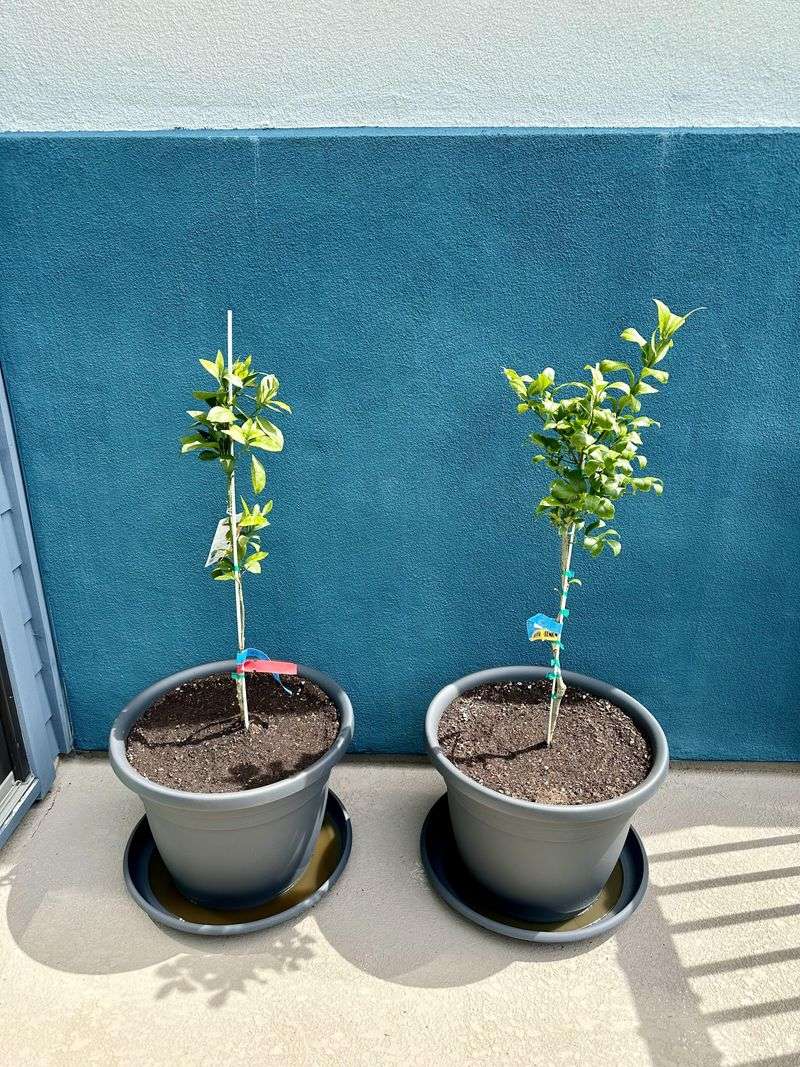
Saucers under potted citrus trees can seem helpful at first. They catch drainage and keep your patio or deck from getting wet.
But leaving a saucer full of water for hours or days is one of the fastest ways to harm a container-grown citrus tree.
When a saucer stays full, the roots at the bottom of the pot sit in standing water. Roots need air, and water-logged roots quickly run out of oxygen.
This leads to root rot, which weakens the tree and makes it much harder for fruit to develop properly.
After watering your potted citrus, check the saucer about thirty minutes later. If there is still water sitting in it, dump it out.
This small action protects the roots and keeps the drainage system working the way it should.
During June, you may need to check saucers more frequently if you are watering more often due to heat.
Some growers choose to remove saucers entirely during summer and place the pot on a raised stand or pot feet that allow air to circulate under the container.
If you prefer to keep the saucer in place, look for self-draining saucer options or ones with built-in risers that keep the pot bottom above the collected water.
A little attention to saucer management goes a long way in keeping your potted citrus healthy all summer.
Healthy roots mean a stronger tree and a much better harvest by the time the season peaks.
9. Morning Watering Helps Trees Handle Hot Days
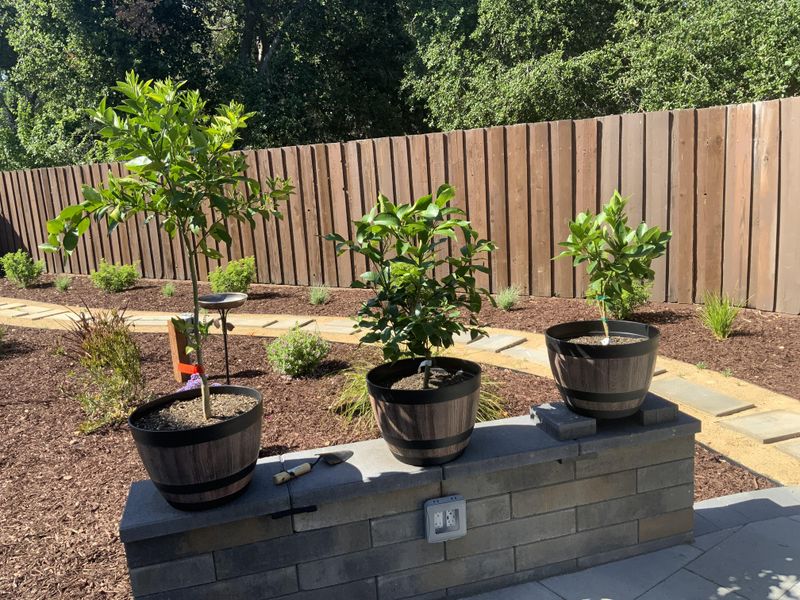
Timing your watering can make a surprising difference in how well your citrus handles the heat of a June day. Early morning is by far the best time to water.
When you water in the morning, the soil absorbs moisture before the heat of the day causes rapid evaporation.
Morning watering also gives any water that splashes onto leaves or the trunk time to dry before temperatures peak. Wet foliage during the hottest part of the day can lead to sunscald and other issues.
Starting the day with a good watering sets the tree up with the resources it needs to push through the afternoon heat.
Evening watering is the least ideal option. Water that sits on leaves or stays in the upper soil overnight can encourage fungal growth.
Our state’s warm nights during June create the kind of humid conditions that certain citrus diseases love.
Midday watering wastes the most water because evaporation rates are highest when the sun is directly overhead.
Even with drip systems that deliver water to the soil, midday watering is less efficient than morning sessions.
If your schedule makes morning watering difficult, setting up an automatic drip timer is a great solution.
You can program it to run at five or six in the morning without you having to be outside. Drip timers are affordable and widely available at hardware stores throughout our state.
Consistent morning watering is a simple habit that pays off in healthier trees and a more abundant harvest all summer long.