Hurricane Isaias Hit Florida: 7 Things Gardeners Should Check Before Saving Their Plants
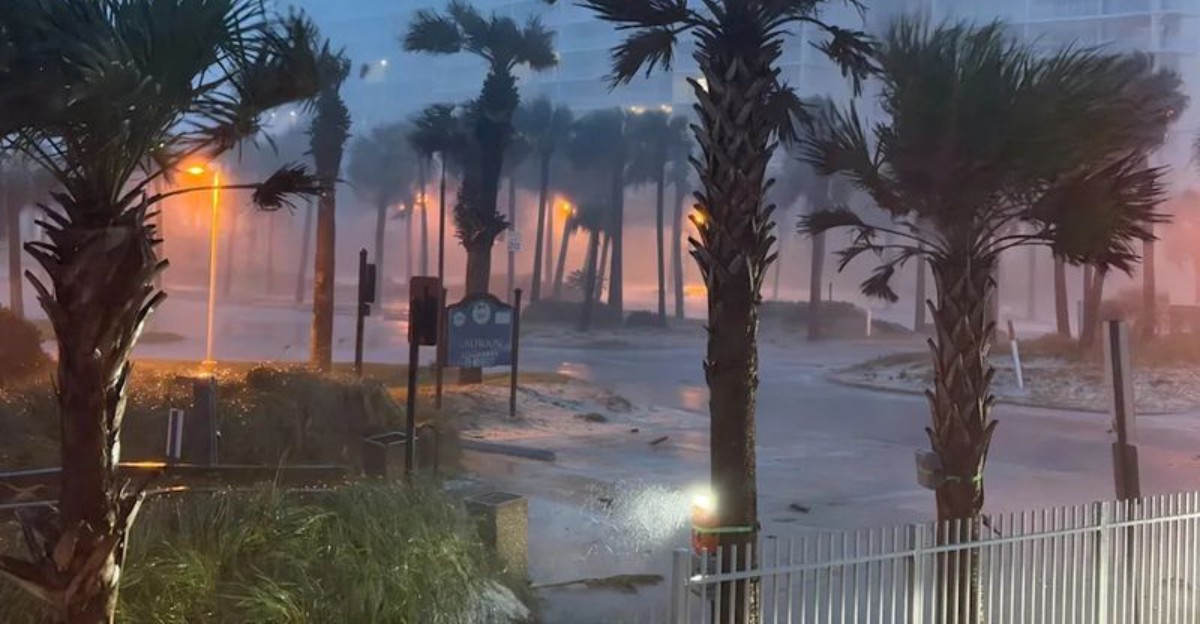
Hurricane Isaias swept across Florida with strong winds and heavy rain, leaving many gardeners to face toppled pots, snapped branches, flooded beds, and plants scattered across the yard.
After a storm like that, the first instinct is to grab the pruning shears and start cleaning up.
But hold your horses.
Some plants may look beyond help yet recover with time, while others can suffer from problems that aren’t immediately obvious. Saturated soil, damaged roots, and split stems can turn a simple cleanup into a bigger job if you rush the process.
So, where should you start after Hurricane Isaias passes? A few checks can help you work out which plants need immediate attention and which ones deserve a little breathing room.
From leaning trees to battered container plants, these seven things can help you assess the damage and give your Florida garden a fighting chance at recovery.
1. Check For Broken Stems, Split Branches, And Hidden Plant Damage
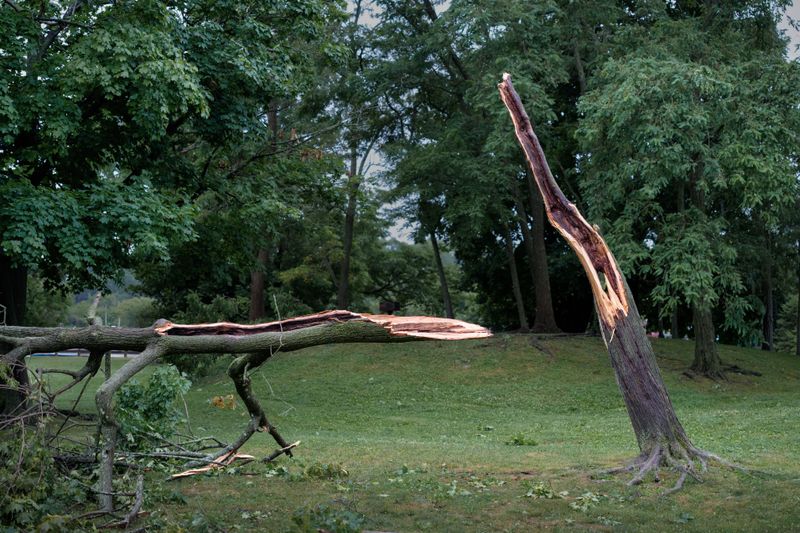
Picture a branch that looks fine from the porch but hides a crack running halfway through it. Storm damage loves to play hide and seek like that.
Start with a slow walk around every tree and shrub. Look closely at trunks and big limbs for cracks, peeling bark, or splits where branches meet.
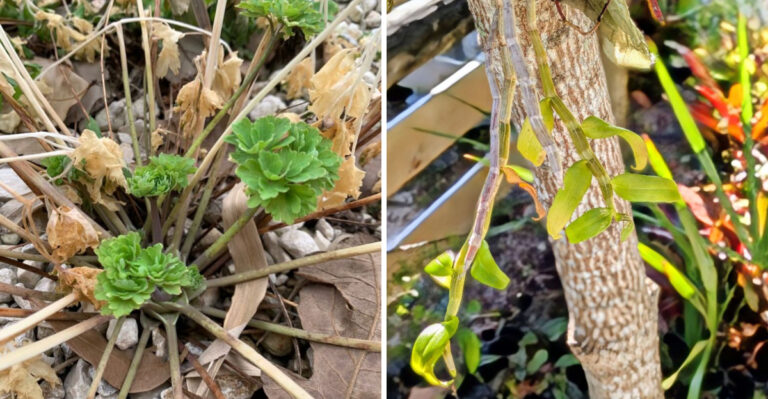
Small plants deserve attention too, so bend down and check their stems. A stem that is bent but still green inside may bounce back with a little time.
When a branch is clearly broken, grab clean, sharp pruning tools. Dull or dirty blades can tear bark and spread germs from one plant to another.
Make your cut just outside the branch collar. That is the slightly swollen ring where a branch joins the trunk, and it helps the tree seal the wound naturally.
For small stems, cut just above a healthy bud or side branch. For larger branches, cut just outside the branch collar, avoiding large cuts at an arbitrary angle.
Minor scrapes and nicks can often heal on their own. Plants are tougher than they look, so save your energy for the clearly broken parts.
Please skip topping your trees, which means chopping big limbs back to stubs. That leads to weak sprouts and rot that cause bigger trouble later.
Palms need a special check. A palm with a snapped trunk will not regrow from that trunk, so it should be cut at the base, though clustering palms may push up fresh stems.
Fun fact: a palm grows from a single bud at the top called the heart. If that bud survives, a ragged-looking palm can recover nicely.
Take notes or snap photos as you go. A simple list keeps you organized and helps if you need to talk with an arborist or your insurance company.
2. Look For Exposed Roots And Trees Leaning After The Storm
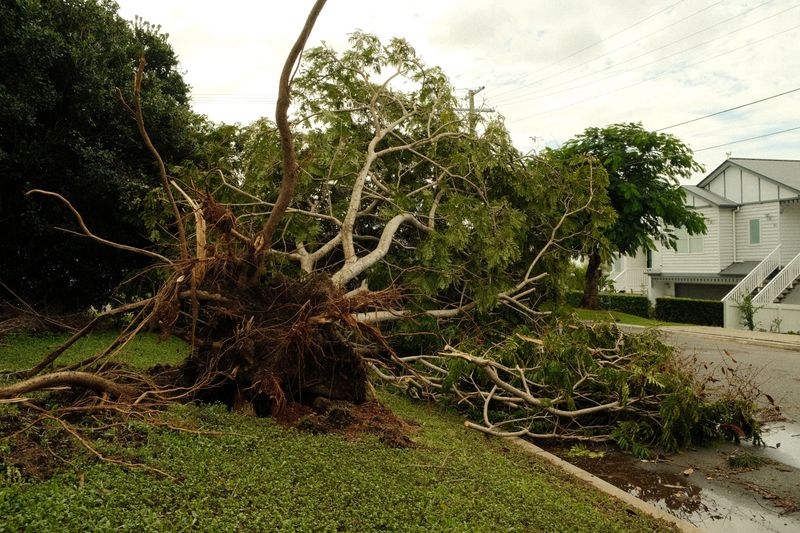
My neighbor once found her little lemon tree lying flat like it was taking a nap. With quick action, it was standing tall again within the hour.
Your Florida Garden Changes Every Week. Your Plan Should Too.
Gardening in Florida changes quickly throughout the season. Every Friday you’ll receive a simple weekly plan showing exactly what to plant, prune, fertilize, harvest, and protect so you never miss the right timing.
Hurricane rains can wash soil away and leave roots sitting in the open air. Bare roots dry out fast, so this check belongs near the top of your list.
Gently cover any exposed roots with soil or mulch. Think of it as tucking them back into bed after a rough night.
For small trees or shrubs that tipped over, protect the roots right away. Moist burlap sacks, damp sphagnum moss, or a layer of soil will keep them from drying out until you replant.
A tree with a slight tilt may straighten itself over time. Bigger leaners usually need stakes or braces to stay upright while new roots grab hold.
Small trees that have recently tipped over may be candidates for resetting if most roots remain intact. Keep exposed roots moist and restore the tree to its original planting depth.
Have a certified arborist assess large trees or trees with substantial root damage.
Newly planted natives are extra easy to knock over because their roots are still shallow. Replant them quickly and add stakes if the ground stays loose.
Reset trees need steady watering, just like brand new trees from the nursery. A regular schedule for the next several months gives roots their best shot.
Large trees are a different story. Heavy trunks can shift without warning, so call a certified arborist instead of trying to wrestle one into place yourself.
Safety matters more than any plant. Watch for downed power lines tangled in branches, and stay far away until the power company clears them.
3. Get Rid Of Standing Water Before Roots Begin To Suffocate
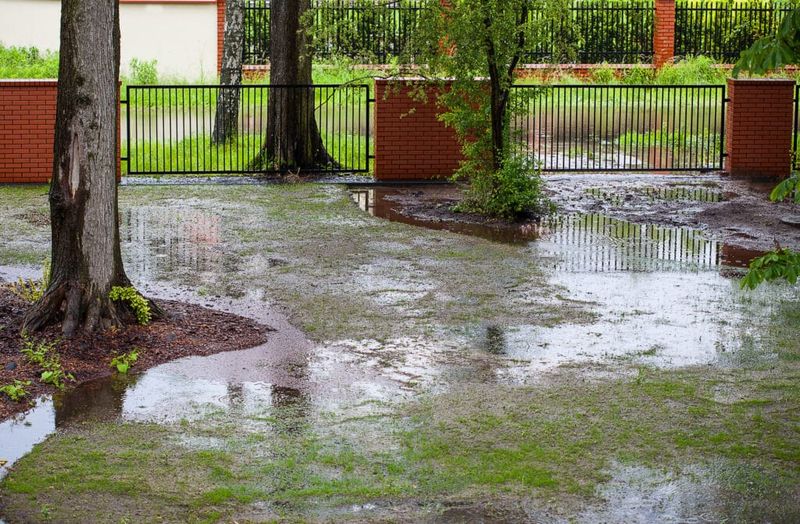
Roots need air, just like you do. Most people forget that underground parts of a plant breathe oxygen trapped between bits of soil.
Floodwater fills those tiny air pockets. When water sits around a plant too long, roots start to struggle for breath.
Many common landscape plants cannot handle soggy feet for long. Salty or brackish water from storm surge makes the problem even worse.
There is no single safe time limit for flooded roots. Damage depends on the plant species, soil conditions, temperature, and how long roots remain saturated.
So move fast. A small pump can clear big puddles, and a shovel can carve a shallow channel to guide water toward a drain or lower spot.
Container plants are the easy win. Tip out extra water and set the pots on bricks or blocks so gravity can do the work.
Once the water recedes, let the soil drain before doing heavy work. Avoid digging or poking holes in saturated beds, since working wet soil can compact it and damage roots.
Try to stay off soggy beds, though. Walking on wet soil squishes it down tight, which traps even more water and squeezes out air.
Wait until the ground firms up before doing heavy work. A day or two of patience can save a lot of root trouble.
Keep an eye out for low spots that flood again and again. Those areas might be better for water-loving plants like Florida natives such as swamp hibiscus or pickerelweed in future seasons.
4. Inspect Leaves For Windburn, Torn Foliage, And Salt Damage
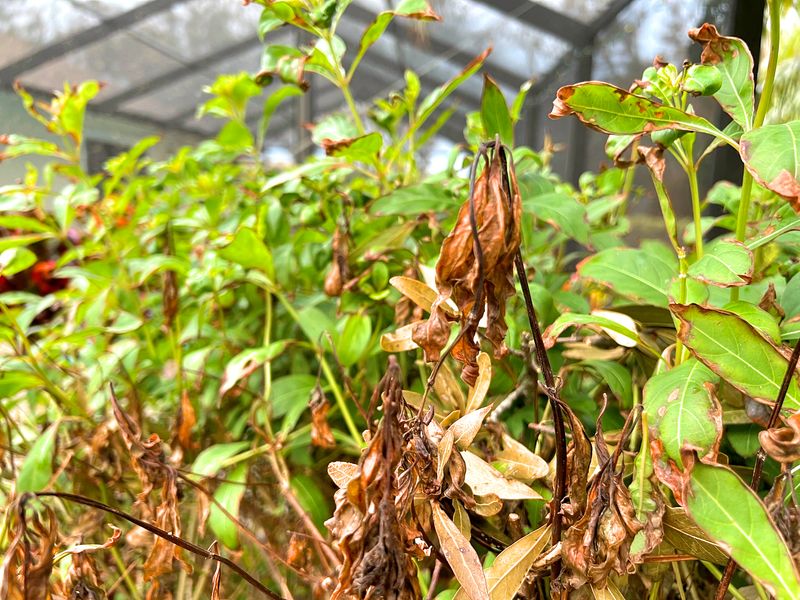
Leaves can look like they spent a day too long at the beach after a big storm. Crispy brown edges and shredded tips are common sights along the Florida coast.
Strong winds pull moisture out of leaves faster than roots can replace it. The result is called windburn, and it usually starts at the edges before creeping inward.
Wilting is another clue. Leaves may droop, turn brown, and feel papery to the touch.
Salt adds another layer of trouble. Hurricane winds carry salt spray from the ocean, and it can settle on leaves miles inland.
On foliage, salt burns the surface and leaves may yellow, brown, or drop. In the soil, it crowds out nutrients and actually pulls water away from roots.
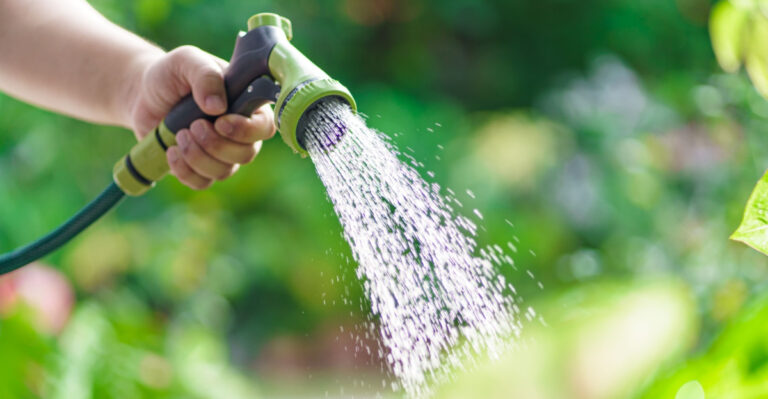
Good news, though: you can help with a simple garden hose. Rinse leaves well with fresh water, spraying both the tops and the undersides.
Next, soak the ground deeply. Plenty of fresh water helps push salt down past the root zone, and sandy Florida soil drains it away fairly well.
Plants recovering from windburn appreciate extra drinks for a few weeks. Water deeply at the base, ideally in the morning so leaves dry before evening.
Torn leaves still do useful work making food from sunlight. Leave them in place unless they are fully brown and crumbly.
Quick tip: if you live near the coast, run your rinse soon after the storm passes. The sooner salt is washed off, the less harm it does.
5. Resist The Urge To Prune Everything Right Away
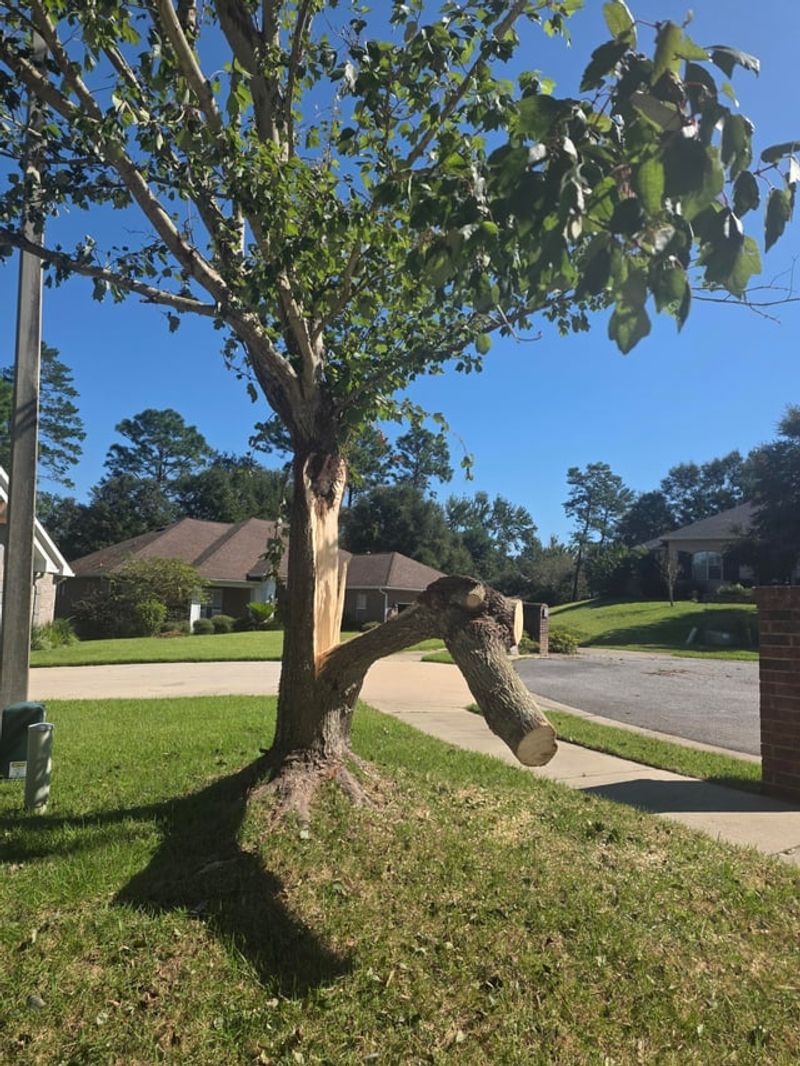
Okay, put the shears down for a second. That ragged-looking shrub might be quietly getting ready for a comeback.
After a storm, it feels natural to want everything neat again. Heavy pruning right now, though, adds stress to plants that are already worn out.
Plants store energy in their stems and branches. Cutting off too much removes that saved-up fuel right when they need it most.
Some trees drop their leaves after a hurricane, and that can look scary. Underneath, fresh buds are often waiting to push out new growth.
Recovery happens on different schedules. Some shrubs show green within a few weeks, while some trees take a full growing season or longer.
Here is the plan for now. Trim only branches that are clearly broken, cracked, or hanging dangerously.
Use the same clean cuts just outside the branch collar. Leave the rest of the plant alone to heal at its own pace.
Windburned plants follow the same rule. Unless the damage is severe, let them recover naturally instead of snipping every brown tip.
Think of it like getting over a cold. You would not run a marathon the next day, and your plants are not ready for a big makeover either.
Check back every couple of weeks and scratch a tiny bit of bark with your fingernail. Green underneath means that part is still alive and kicking.
Once new growth fills in, you will see exactly what needs shaping. Waiting saves you from cutting healthy parts by mistake.
6. Check For Fallen Fruit, Contaminated Produce, And Storm Debris
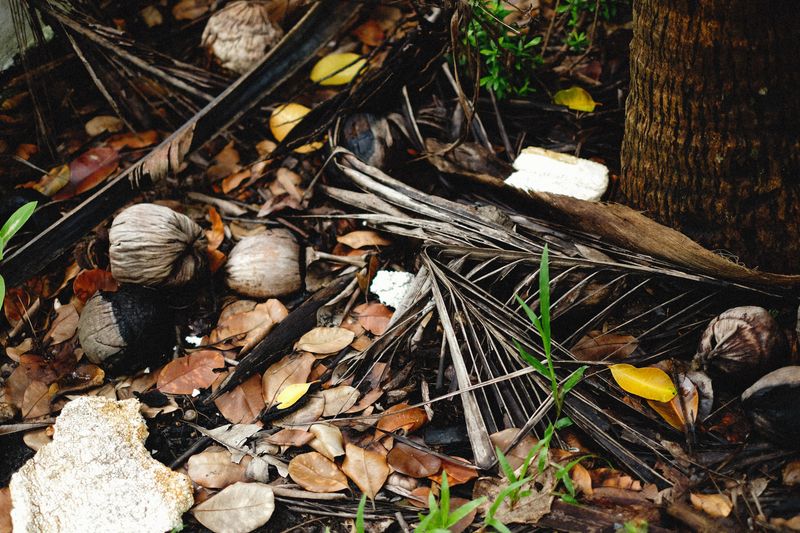
Fact check time: floodwater is not just rainwater. It can carry sewage, animal waste, chemicals, and nasty germs from all over the neighborhood.
That matters a lot if you grow food. Fruits and veggies touched by floodwater are generally not safe to eat.
Germs and pollutants can even move into plant tissue. Washing will not fix it, so skip canning, freezing, or drying that produce too.
When in doubt, toss it out. Losing a few tomatoes is much better than a trip to the doctor.
Food-safety guidance after flooding depends on the crop and the type of water involved. Do not assume produce is safe simply because 120 days have passed.
Follow local agricultural extension or food-safety guidance before harvesting crops from flooded areas.
Fallen fruit should be picked up soon, even from unflooded areas. Rotting mangoes or oranges attract bugs, rodents, and mold.
Next, tackle the leaves, branches, and random junk the wind dropped in your yard. Piles of wet debris trap moisture and invite fungus and disease.
Clearing it also lets air flow around your plants again. Better airflow helps leaves dry out and stay healthier.
Wear sturdy gloves and closed shoes while you work. Storm debris can hide nails, broken glass, and snakes looking for a dry spot.
Many Florida counties offer curbside storm debris pickup. Sort branches and yard waste separately from trash so crews can haul it away faster.
Chunks of clean, untreated wood and leaves can go into compost later. Just leave out anything soaked in floodwater.
7. Hold Off On Fertilizer And Give Stressed Plants Time To Recover
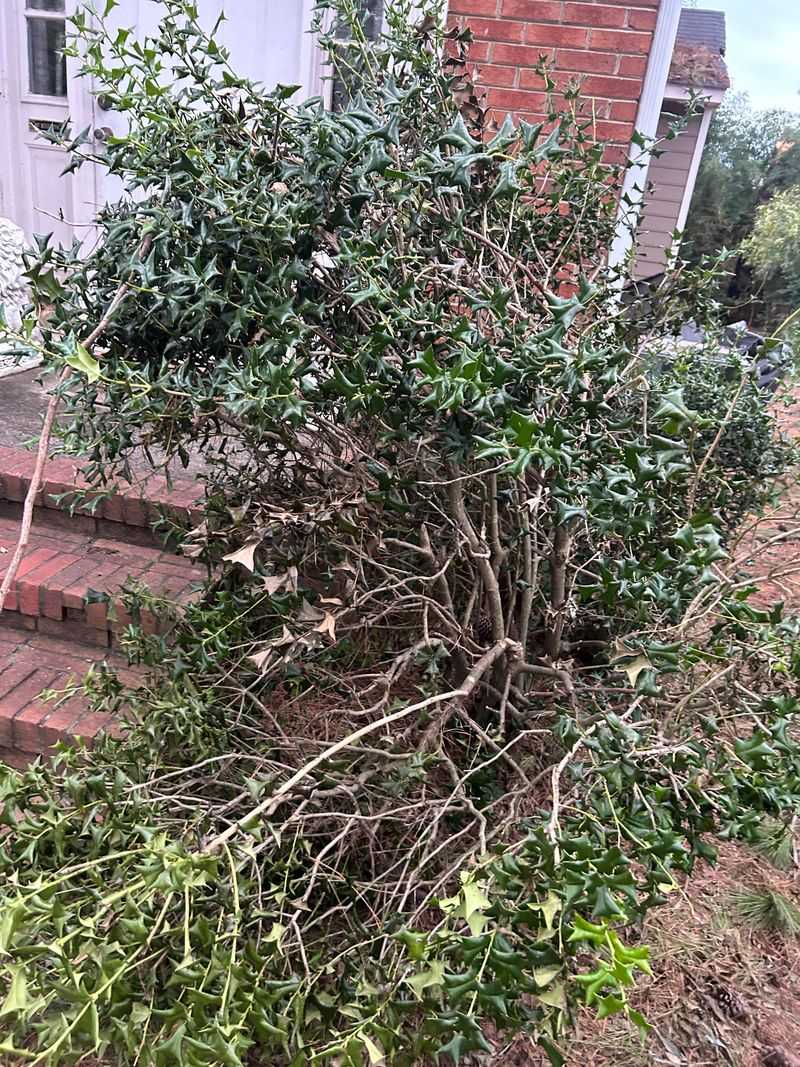
Would you want a giant meal right after a rough roller coaster ride? Stressed plants feel the same way about fertilizer.
It seems helpful to feed a beat-up garden. In reality, fertilizer can make things harder right after a hurricane.
Most fertilizers deliver nutrients in a salt form. Those salts can make it tougher for roots to soak up water.
If salt spray or storm surge already reached your yard, adding more salt is like pouring salt in a wound. Hurt roots need a break, not extra work.
Plants usually bounce back better when they recover slowly on their own. Give them water, time, and a little patience instead.
So when can you feed again? Wait until you spot new shoots and leaves pushing out.
For trees that were uprooted and reset, avoid fertilizer during the initial recovery period. UF/IFAS recommends not fertilizing reset trees for one year.
Keep the root zone appropriately moist and monitor new growth.
Some gardeners like a gentle, balanced organic fertilizer later in recovery. Organic options release nutrients slowly, which is kinder to tired roots.
Mulch is a smart helper in the meantime. A few inches spread around plants, kept away from trunks, holds moisture and slowly feeds the soil as it breaks down.
Keep a simple journal of what you see each week. Notes on new leaves, color changes, and growth help you decide the right moment to feed.
Recovery can take months, and that is perfectly normal. With steady care, your Florida garden can look lush and lively again before you know it.