Stop Adding Fertilizer To Your Pennsylvania Tomatoes When The Soil Looks Like This
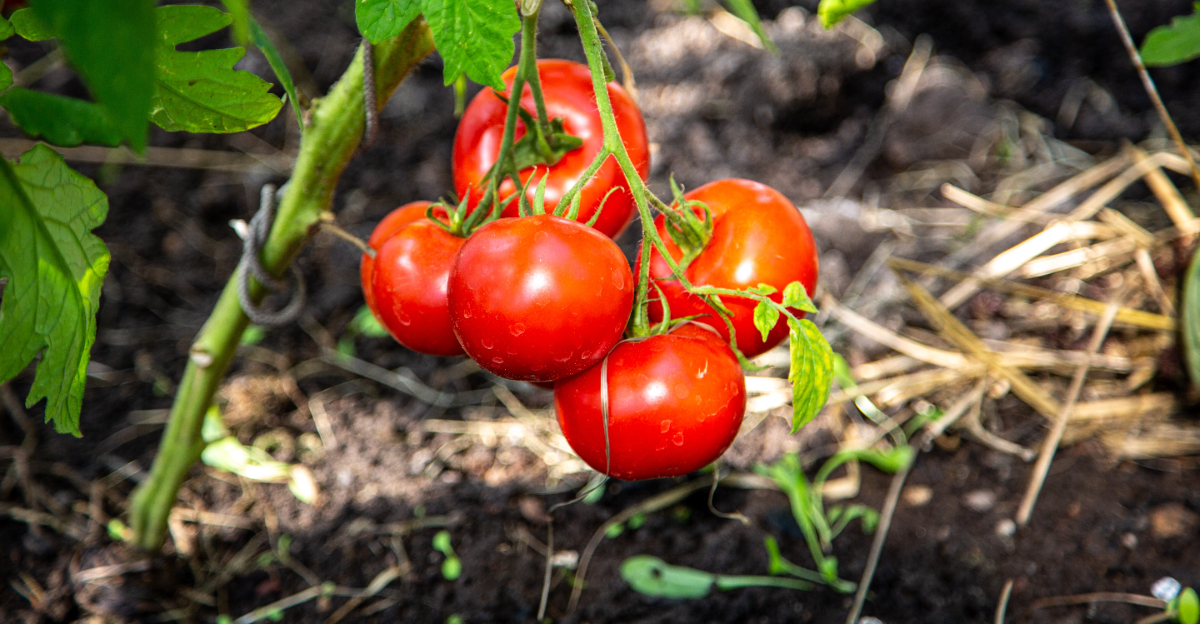
Your tomato plants look thirsty for nutrients, so you reach for the fertilizer bag again. Before you pour, take a closer look at the ground beneath those vines.
Pennsylvania soil speaks its own language, and dark, crumbly texture says more than any package instructions. Pouring on extra nitrogen without checking the dirt first stunts roots and wastes money.
A handful of soil can reveal more than any fertilizer schedule ever will. Clumping, color, and moisture all carry clues about what your tomatoes actually need.
Your plants will thank you, and so will your wallet.
Dark, Crumbly Soil Signals Your Tomatoes Have Enough Nutrients
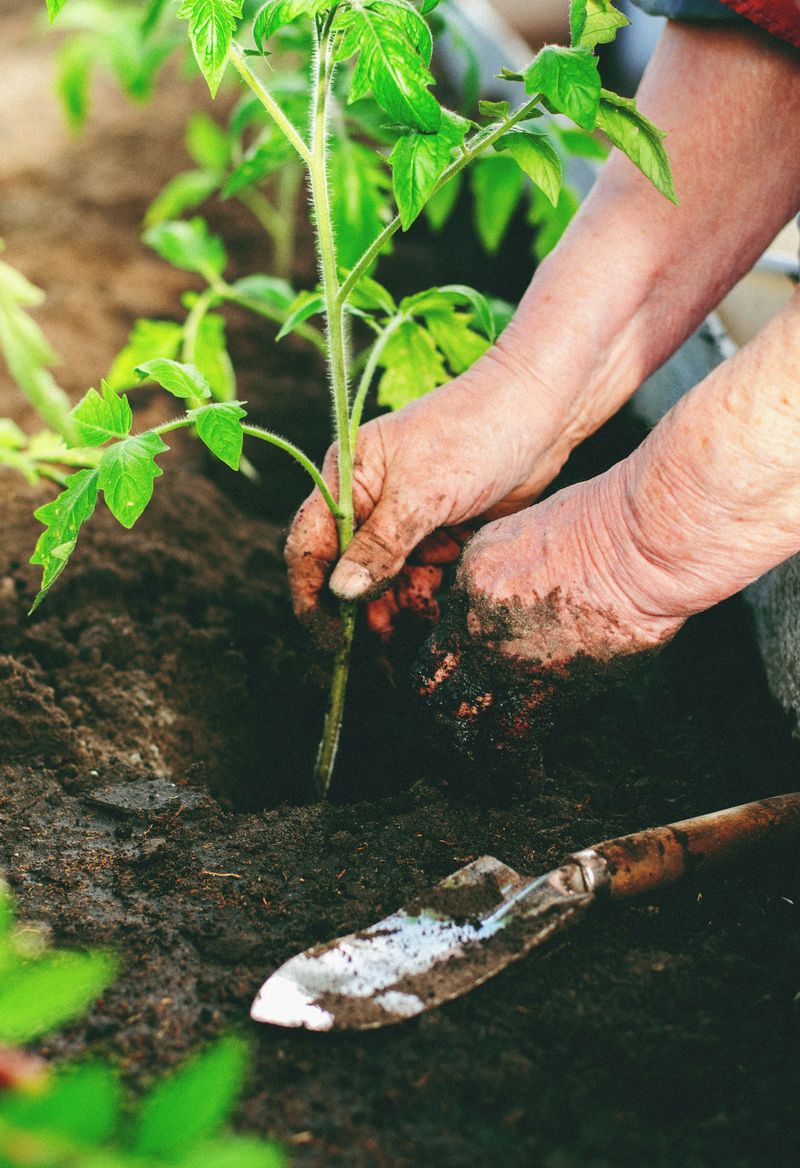
Rich, dark soil is basically your garden bragging about itself. When Pennsylvania tomato beds look like moist chocolate cake crumbles, that texture screams one thing: stop adding fertilizer to your Pennsylvania tomatoes.
Dark soil color comes from decomposed organic matter called humus. Humus holds nutrients like a sponge, slowly releasing them to your tomato roots over weeks.
That crumbly texture means soil microbes are thriving underground. Healthy microbes break down nutrients and pass them directly to plant roots without any help from a fertilizer bag.
Gardeners often mistake dark soil for hungry soil, but the opposite is true. Dark, loose, crumbly earth is already loaded with nitrogen, phosphorus, and potassium your tomatoes need.
Adding more fertilizer to already-rich soil creates a toxic overload. Roots get burned, nutrient uptake shuts down, and your plants actually grow worse despite your good intentions.
A simple squeeze test tells you a lot about soil health. Grab a handful, squeeze it, and if it crumbles apart easily when released, your soil structure is excellent.
Pennsylvania gardeners who compost regularly often create soil that needs very little supplemental feeding. Compost-rich beds often stay nutritionally balanced for most of the growing season.
Before opening that fertilizer bag, crouch down and really look at your soil. If it looks dark, loose, and alive, put the bag back on the shelf and trust what your garden is already telling you.
Yellowing Leaves Despite Rich Soil Point To Overfertilization
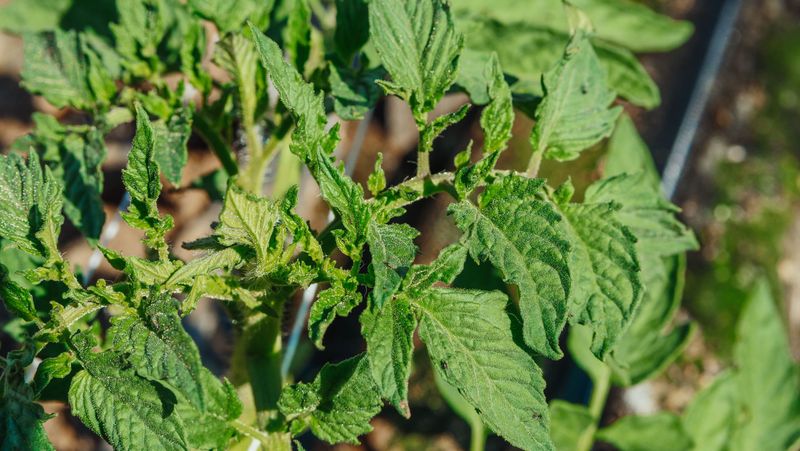
Yellow tomato leaves make every gardener panic and reach for more fertilizer. That instinct is almost always wrong when your soil already looks dark and healthy.
Overfertilized plants can show yellowing between the leaf veins, along with lush, excessive foliage growth. That color pattern looks different from the uniform pale yellowing caused by nutrient deficiency.
Too much nitrogen disrupts how plants absorb other nutrients like iron and magnesium. When those minerals get blocked, chlorophyll production drops fast, and leaves turn yellow even in nutrient-rich soil.
Pennsylvania clay soils hold excess fertilizer salts longer than sandy soils do. Those trapped salts keep interfering with root function week after week, making yellowing worse over time.
Check the pattern before assuming your plant is starving. Yellowing that shows up between the veins while leaves stay green along the edges usually signals a chemical imbalance from too much fertilizer, not too little.
Your Pennsylvania Garden Changes Every Week. Your Plan Should Too.
Gardening in Pennsylvania changes quickly throughout the season. Every Friday you’ll receive a simple weekly plan showing exactly what to plant, prune, fertilize, harvest, and protect so you never miss the right timing.
Nitrogen toxicity can sometimes cause leaves to curl slightly along the edges as well. Combined with that interveinal yellowing, this points toward excess nutrients rather than a shortage.
Flushing the soil with plain water for several days can help move excess salts deeper into the ground. This simple step often reverses mild overfertilization without any additional products needed.
Trust the soil story your leaves are telling you. Yellow leaves in rich, dark soil are not a hunger cry, they are a signal to stop adding fertilizer to your Pennsylvania tomatoes right now.
Excess Nitrogen Buildup In Pennsylvania Clay And Loam Soils
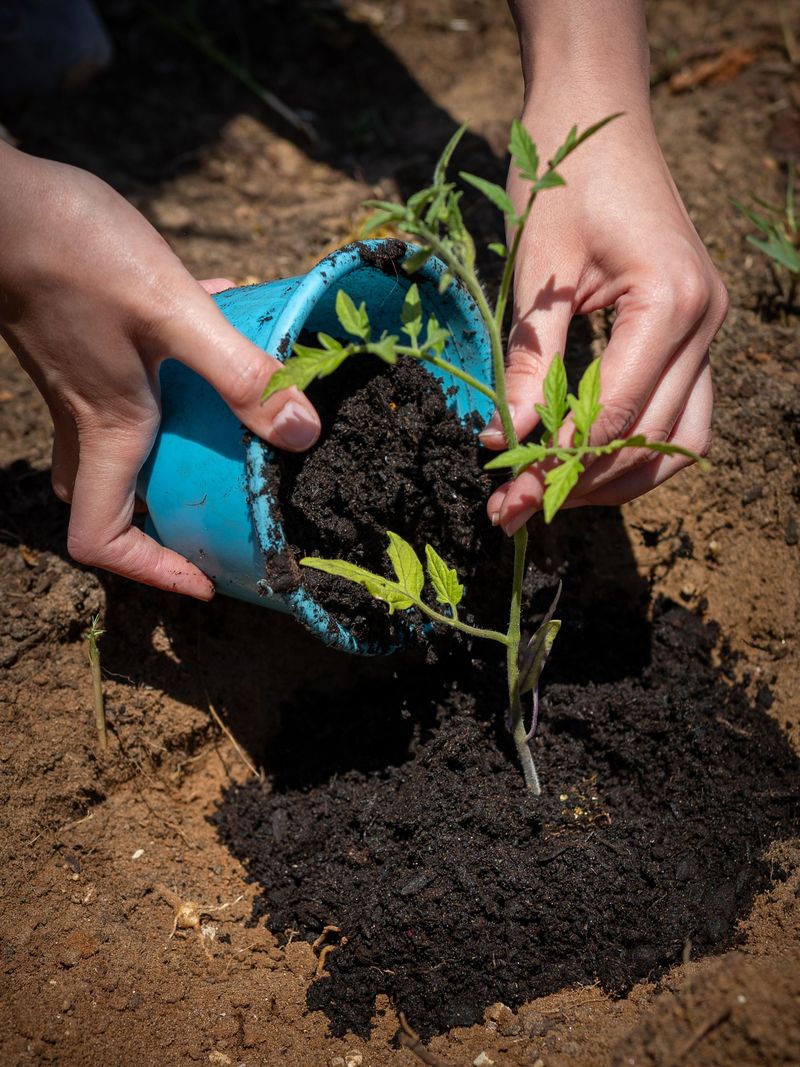
Pennsylvania sits on a patchwork of clay and loam soils that behave very differently from sandy soils in other states. Both soil types hold nutrients tightly, which sounds great until you realize excess nitrogen has nowhere to go.
Clay particles carry a negative electrical charge that holds onto certain positively charged nitrogen compounds, like ammonium. Once nitrogen locks into clay, it stays there for months, building up with every fertilizer application.
Loam soils are better at draining, but they still retain significant nitrogen from compost, manure, and synthetic fertilizers. Pennsylvania gardeners who amend beds every spring can unknowingly create a nitrogen surplus by midsummer.
Too much nitrogen pushes tomato plants into aggressive leafy growth instead of fruit production. You end up with massive, beautiful green plants that produce very few actual tomatoes by harvest time.
Blossom drop is another sign of nitrogen overload in these dense soils. Flowers form but fall off before setting fruit because the plant is channeling energy into leaves instead of reproduction.
A soil test from Penn State Extension costs very little and reveals exact nitrogen levels in your specific soil type. That one test can save you from a whole season of misguided fertilizing decisions.
Clay and loam soils in this region often need very little nitrogen after a good compost application in spring. The soil does the feeding work on its own when given the right organic foundation.
Knowing your soil type is half the battle won already. Work with Pennsylvania’s natural soil chemistry, and your tomatoes will reward you with fruit instead of foliage.
Fertilizer Salt Residue On The Soil Surface
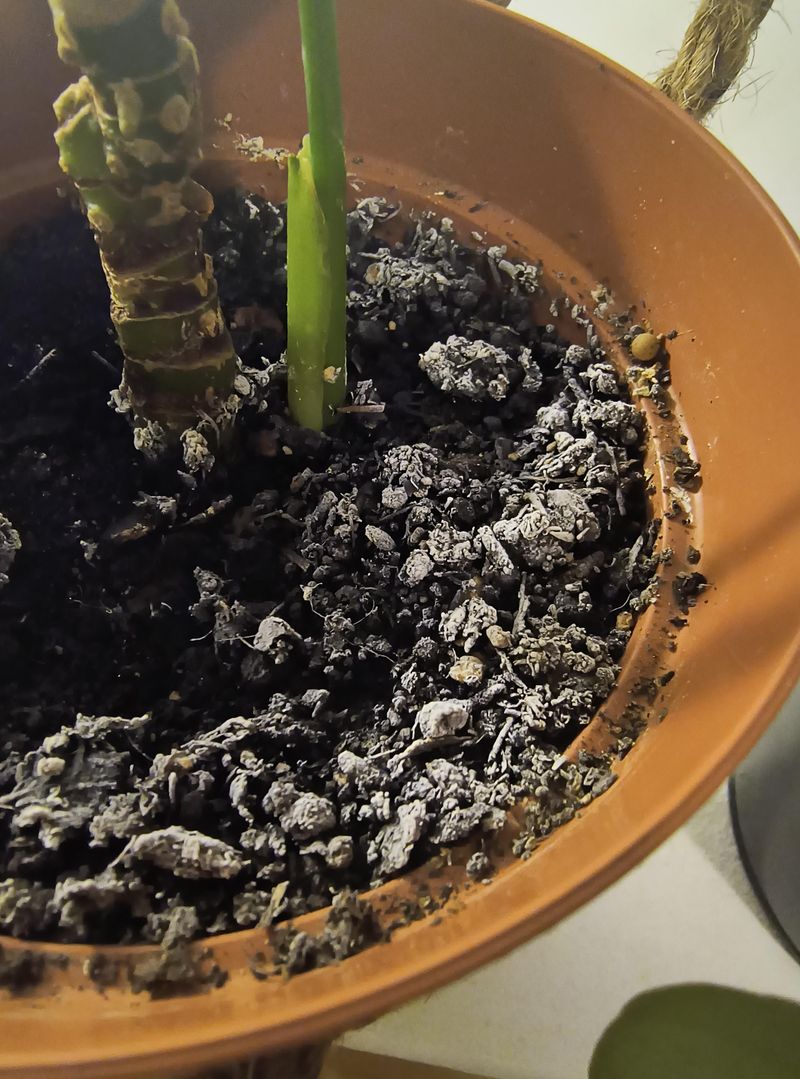
A white, crusty coating on your soil surface is one of the clearest warnings your garden can send. That chalky film is fertilizer salt residue, and it means your soil is already overwhelmed with nutrients.
Synthetic fertilizers are salt-based compounds by chemical nature. Every application leaves behind salt ions that accumulate in the top layer of soil, especially when rainfall is low or irrigation is inconsistent.
Pennsylvania summers swing between humid stretches and dry spells that speed up salt concentration at the surface. When water evaporates quickly, dissolved salts get left behind like a mineral crust on a cooking pot.
High salt concentrations pull moisture out of plant roots through a process called osmotic stress. Roots sitting near salty soil actually lose water instead of absorbing it, leaving plants wilted even after watering.
Salt residue also destroys the beneficial soil organisms that keep your tomato beds balanced and productive. Without those microbes, nutrient cycling slows down and plants struggle to feed themselves naturally.
Scraping away the white crust and flushing the bed with deep watering helps reduce surface salt levels quickly. Running a slow drip for several hours pushes accumulated salts below the root zone where they cause less harm.
Switching to organic fertilizers like fish emulsion or worm castings dramatically reduces salt buildup over time. Organic options release nutrients slowly and leave far fewer residual salts behind in the soil.
When you spot that white film, step back and reassess your fertilizing schedule. Your soil is waving a flag, and the smartest move is to stop adding fertilizer to your Pennsylvania tomatoes immediately.
Root Damage From Repeated Fertilizer Applications
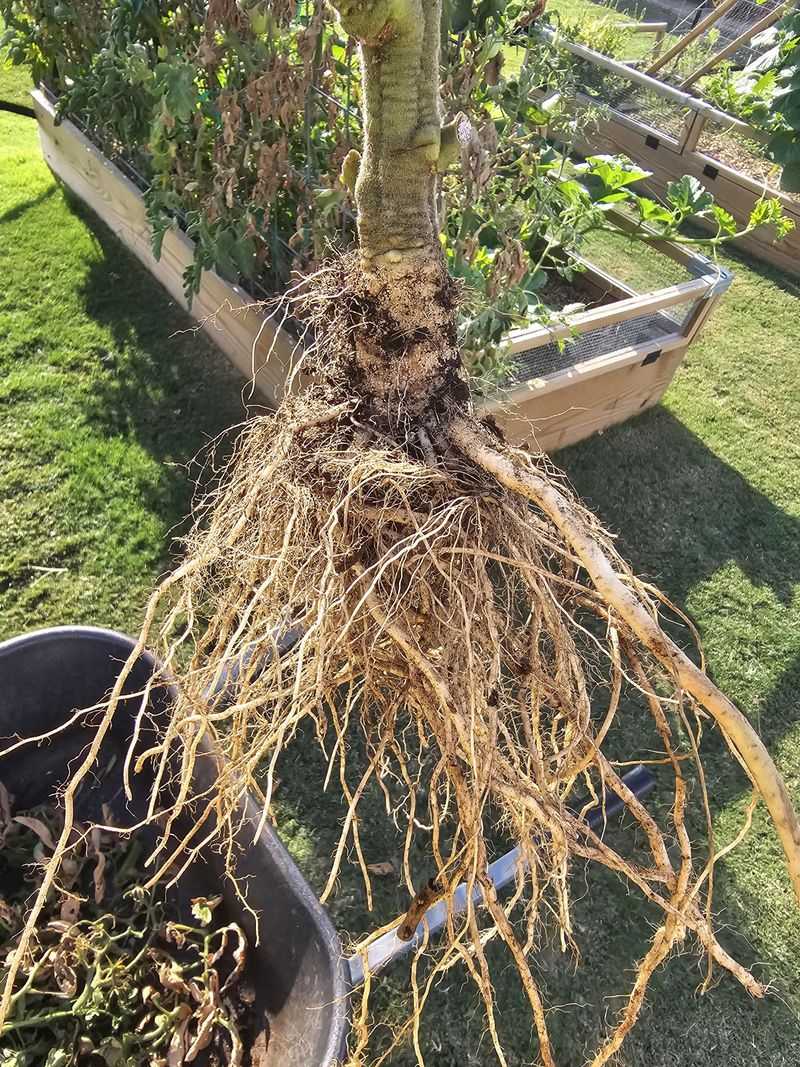
Roots are the engine of your tomato plant, and most gardeners never see them until something goes wrong. Repeated fertilizer applications can silently destroy that underground system while the plant still looks fine above ground.
Chemical fertilizer burn happens when concentrated salts in the soil draw moisture directly out of root cells. The roots literally dehydrate from the outside in, turning brown and brittle at the tips first.
Burned root tips cannot absorb water or nutrients no matter how much you water the plant afterward. Once those fine feeder roots stop functioning, the plant enters a slow, frustrating decline that puzzles most gardeners.
Pennsylvania tomatoes planted in raised beds are especially vulnerable because roots have limited space to escape high-salt zones. In ground beds, roots can migrate away from salt pockets, but raised bed roots have nowhere to retreat.
Signs of root damage show up above ground as wilting during the hottest part of the day, even in moist soil. Plants look thirsty despite adequate water because the damaged root system cannot move moisture upward efficiently.
Stunted growth during peak summer weeks is another clue that roots are struggling underground. A healthy tomato plant in mid-July should be growing vigorously, not stalling out or losing leaves from the bottom up.
Letting soil rest between fertilizer applications gives roots time to recover and rebuild their fine tip structures. A six-week break from fertilizing can make a measurable difference in plant performance.
Healthy roots make healthy fruit, plain and simple. Protect them by fertilizing less, and your tomato harvest will speak for itself.
Better Testing Methods Than Guessing Soil Needs
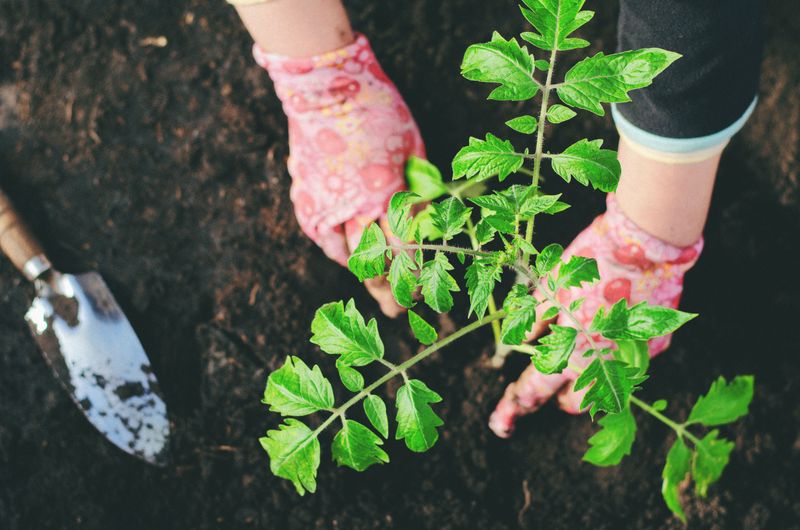
Guessing your soil needs is like diagnosing an illness without any tests, you might get lucky, but the odds are not in your favor. Smart Pennsylvania tomato growers test first and fertilize only when the numbers say so.
Penn State Extension offers mail-in soil testing for a modest fee that most gardeners recoup in fertilizer savings alone. Results come back with specific nutrient levels and tailored recommendations for your exact soil type.
At-home test kits from garden centers give quick readings on pH, nitrogen, phosphorus, and potassium in about fifteen minutes. They are not as precise as lab tests, but they catch obvious imbalances before you make them worse.
Soil pH matters as much as nutrient levels when growing tomatoes successfully. Pennsylvania soils often run slightly acidic, and when pH drifts too low, plants cannot absorb nutrients even when those nutrients are present in the soil.
A basic pH meter is inexpensive and gives instant, reliable readings every time you push it into the ground. Checking pH before every fertilizer decision takes thirty seconds and prevents months of frustration.
Stop adding fertilizer to your Pennsylvania tomatoes based on guesswork alone. Test the soil, read the results, and let the data guide every decision you make from here on out.