This Is How To Make A Spring Pot For Pollinators In Ohio
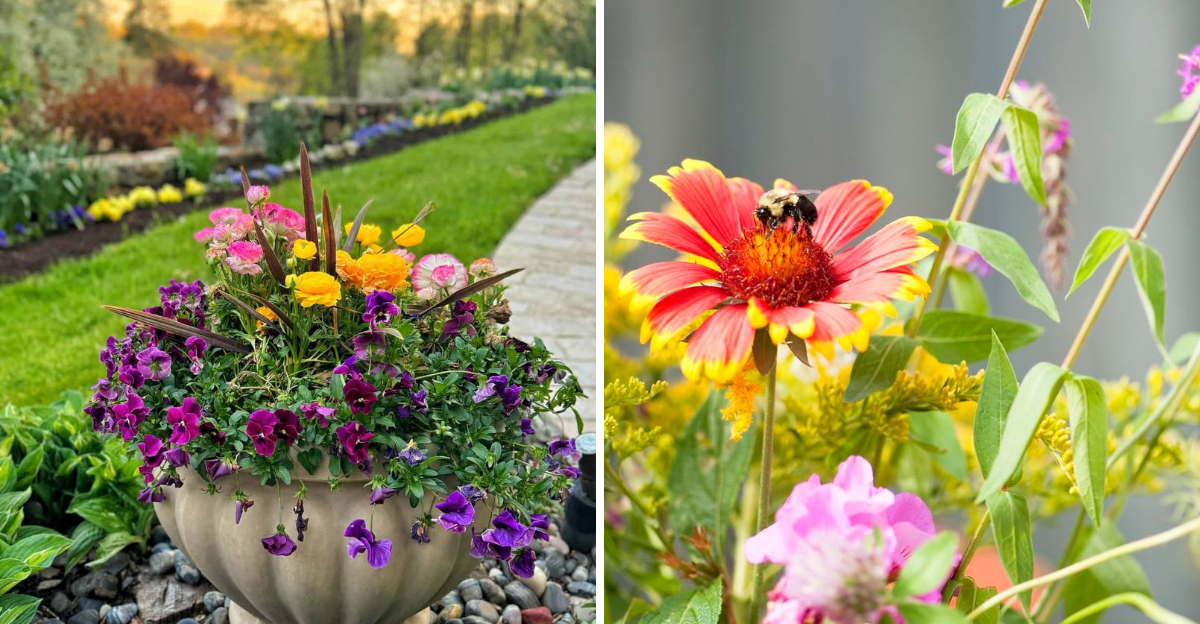
A single well-planted pot can do more for Ohio pollinators than a lot of gardeners realize.
Bees, butterflies, and other beneficial insects are working hard in spring, often before the broader landscape has caught up, and a thoughtfully put-together container gives them exactly what they need right when they need it most.
Container gardening for pollinators is one of those projects that sounds complicated until you actually sit down with it. No large bed to prep, no major soil amendment work, no commitment to a permanent planting.
Just a pot, the right mix of plants, and an understanding of what Ohio’s early season pollinators are actually looking for when they come out in spring. Ohio gardens in April and May can feel sparse.
The trees are just leafing out, the perennials are barely showing themselves, and the window between late frost and real warmth is narrow enough that a lot of gardeners hesitate to plant anything at all.
A spring pollinator pot sidesteps most of that uncertainty and gets something useful and genuinely beautiful into the garden while everything else is still finding its footing.
The whole thing comes together faster than most people expect, and the activity it draws to a porch, patio, or garden corner makes it one of the most rewarding containers an Ohio gardener can put together.
1. Start With A Container That Drains After Spring Rain
One of the most common mistakes gardeners make in spring is grabbing a pretty pot without checking the bottom for drainage holes. Ohio often gets frequent spring rain, and containers without proper drainage can leave roots sitting in water for days at a time.
Choose a pot that has at least one drainage hole, and preferably several. Terra cotta, glazed ceramic, fabric grow bags, and quality plastic containers can all work well as long as water can escape freely.
Avoid using a solid saucer underneath during rainy stretches. If a saucer is needed, raise the pot on small pot feet or bricks so water does not pool beneath it and block airflow.
Size matters too. A container that holds at least ten to twelve inches of soil gives roots room to spread and helps buffer temperature swings, which can be dramatic during springs.
Shallow pots dry out faster on warm days and offer less protection on cold nights. A wider, deeper container also handles the combination of cool-season annuals and native perennials better, since each plant type may have different watering needs.
Getting drainage right from the start saves a lot of frustration later in the season.
2. Choose Cool Season Blooms For Early Pollinators
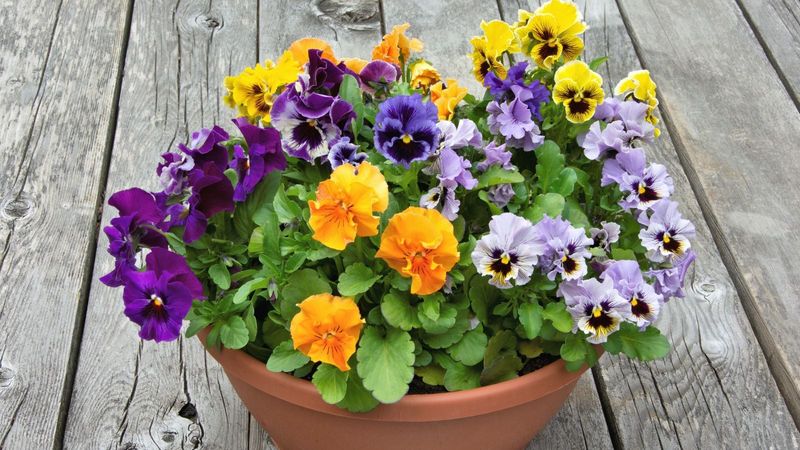
Before many native wildflowers open in Ohio, a few reliable cool-season plants can keep early pollinators fed. Pansies and violas are among the most widely available options at garden centers in early spring.
They handle light frost reasonably well, bloom in a wide range of colors, and may offer some early nectar value, especially when paired with native spring bloomers.
Snapdragons are another cool-season choice worth considering. They prefer temperatures between 45 and 65 degrees Fahrenheit and can add upright height to a container while offering tubular blooms that bumblebees are well-suited to open.
Your Ohio Garden Changes Every Week. Your Plan Should Too.
Gardening in Ohio changes quickly throughout the season. Every Friday you’ll receive a simple weekly plan showing exactly what to plant, prune, fertilize, harvest, and protect so you never miss the right timing.
Alyssum, with its clusters of tiny white or purple flowers, can fill edges and attract small native bees and beneficial insects with its sweet scent.
Keep in mind that cool-season annuals like pansies provide some pollinator value, but they do not replace the deeper ecological relationships that native plants have built with Ohio insects over centuries.
Think of them as a bridge, a way to offer early food and color while native plants establish or while the season warms.
Buying from nurseries that clearly label their plants as untreated is worth the effort, since some bedding plants sold in spring have been treated with systemic pesticides before they even reach store shelves.
3. Add Native Flowers For Better Local Wildlife Value
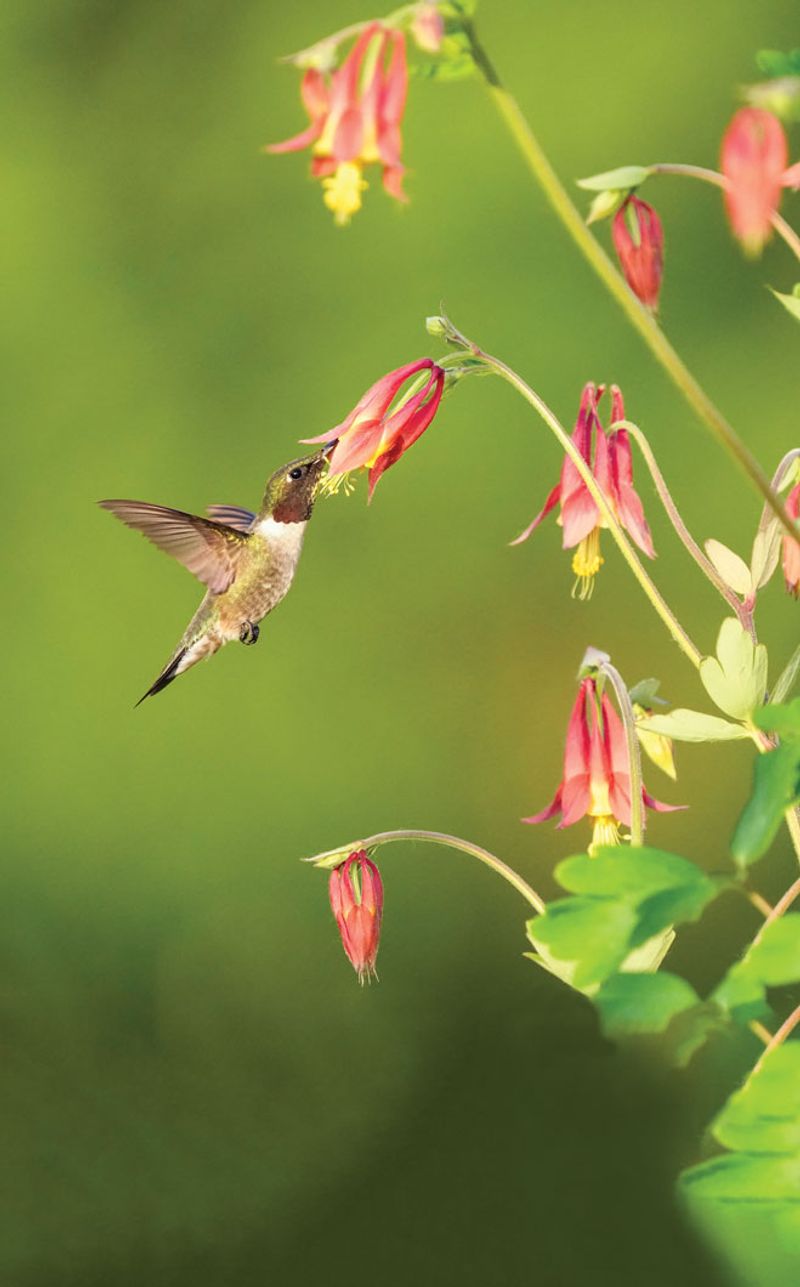
Native plants bring something to a container that no imported annual can fully replace. Over thousands of years, Ohio’s native bees, butterflies, and other insects have developed specific relationships with local plant species.
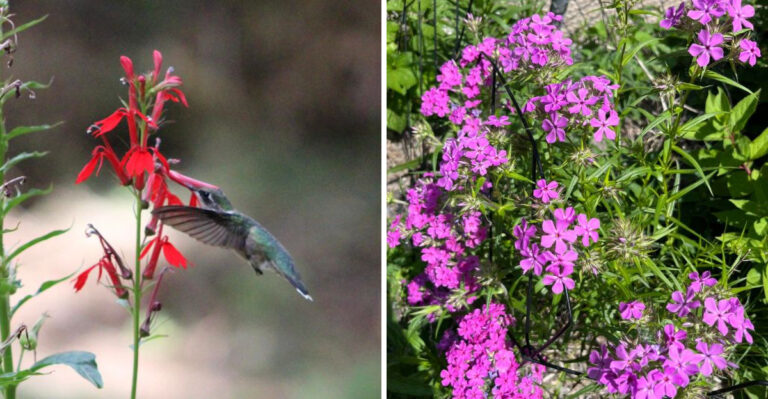
Wild columbine, for example, is a native spring bloomer whose long red and yellow spurs are perfectly shaped for ruby-throated hummingbirds and long-tongued native bees. It can grow well in containers with good drainage and part to full sun.
Wild geranium is another strong spring choice for containers. It produces soft pink to lavender blooms in April and May, handles cool temperatures well, and supports several native bee species.
Golden alexanders, a native plant in the carrot family, can work in a larger container and offers early yellow blooms that attract a wide range of small native bees and beneficial insects.
Prairie smoke, with its feathery seed heads, adds visual interest even after blooming ends.
Native violets and native sedges can fill the lower edges of a container, adding texture and extending the native-plant value of the design. Not every native plant thrives in every pot.
Mature size, moisture needs, and sun requirements all matter. Check with Ohio native plant nurseries or OSU Extension resources before selecting plants to make sure the choices fit your specific container size and site conditions.
4. Mix Heights Colors And Bloom Shapes In One Pot
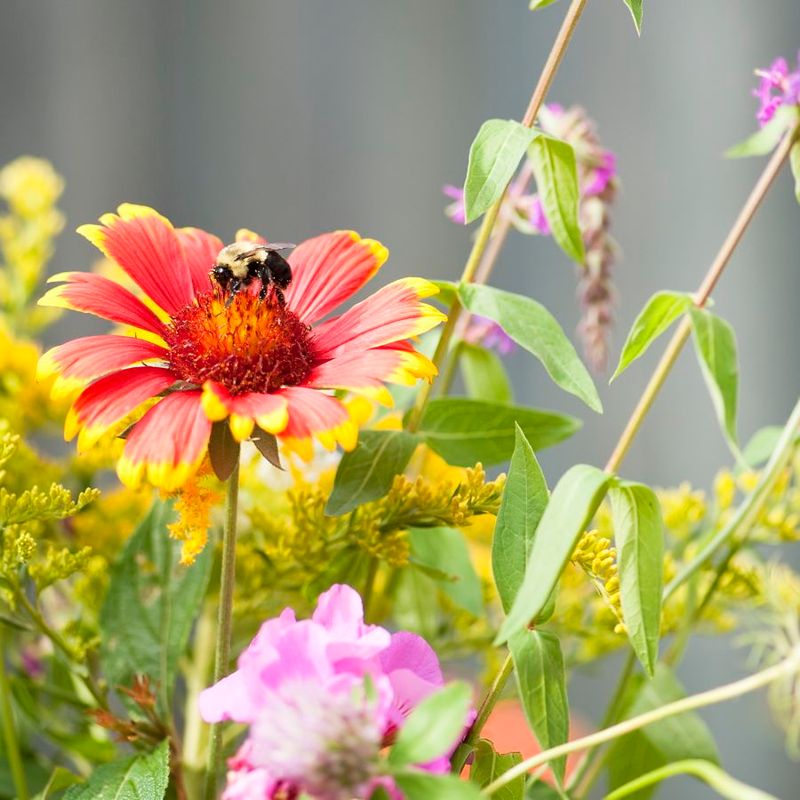
A well-built pollinator pot works like a small ecosystem. Different pollinators have different preferences, and a container that offers varied bloom shapes, heights, and colors is more likely to attract a wider range of visitors than one planted with a single species.
Bumblebees love open, bowl-shaped flowers they can land on easily. Long-tongued bees and hummingbirds are drawn to tubular blooms.
Small native bees often favor tiny clustered flowers like those on golden alexanders or alyssum.
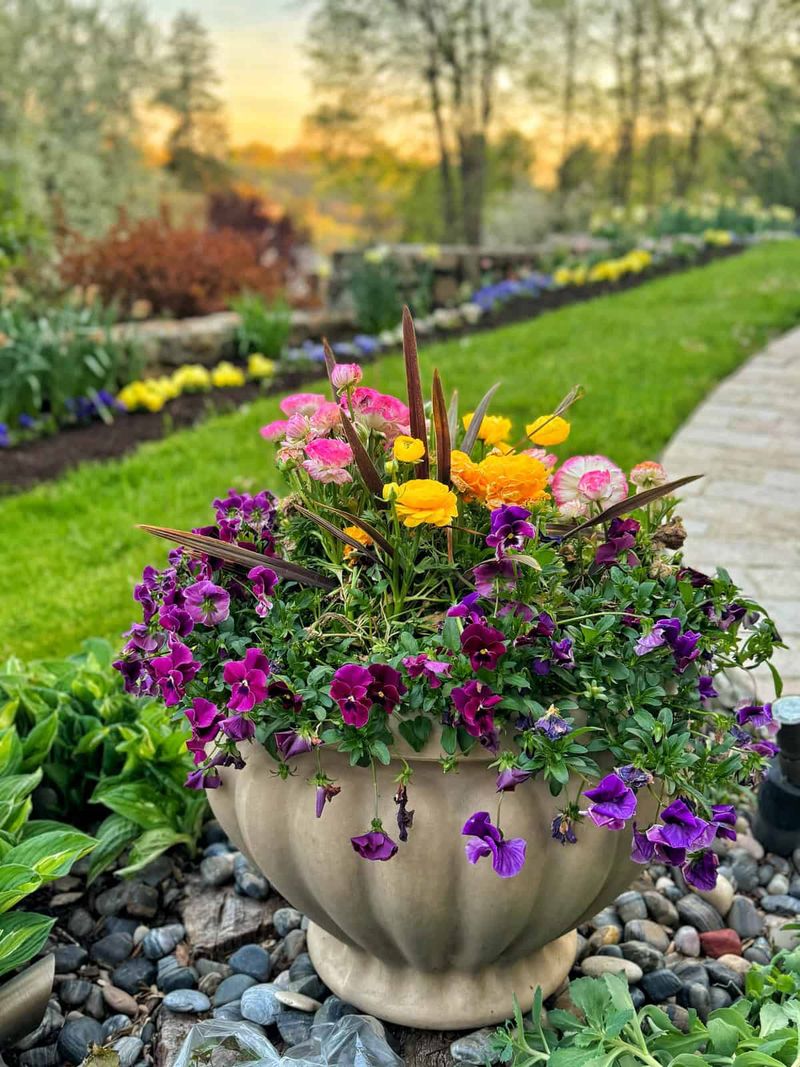
The classic container design principle of thriller, filler, and spiller applies here and works well for pollinator pots too. Place taller upright plants like wild columbine or snapdragons toward the center or back of the container.
Use mounding plants like wild geranium or pansies to fill the middle layer. Let trailing plants like native violets or creeping thyme spill over the edge to soften the look and use every inch of space productively.
Avoid overcrowding. Cramming too many plants into one pot leads to poor airflow, increased disease pressure, and stressed roots competing for water and nutrients.
A ten to fourteen inch pot can comfortably hold three to five plants depending on their mature spread. Sticking to two or three complementary colors keeps the design cohesive and visually appealing from the street or porch.
A pot that looks good also tends to get the attention and care it needs throughout the season.
5. Skip Pesticides On Pollinator Friendly Containers
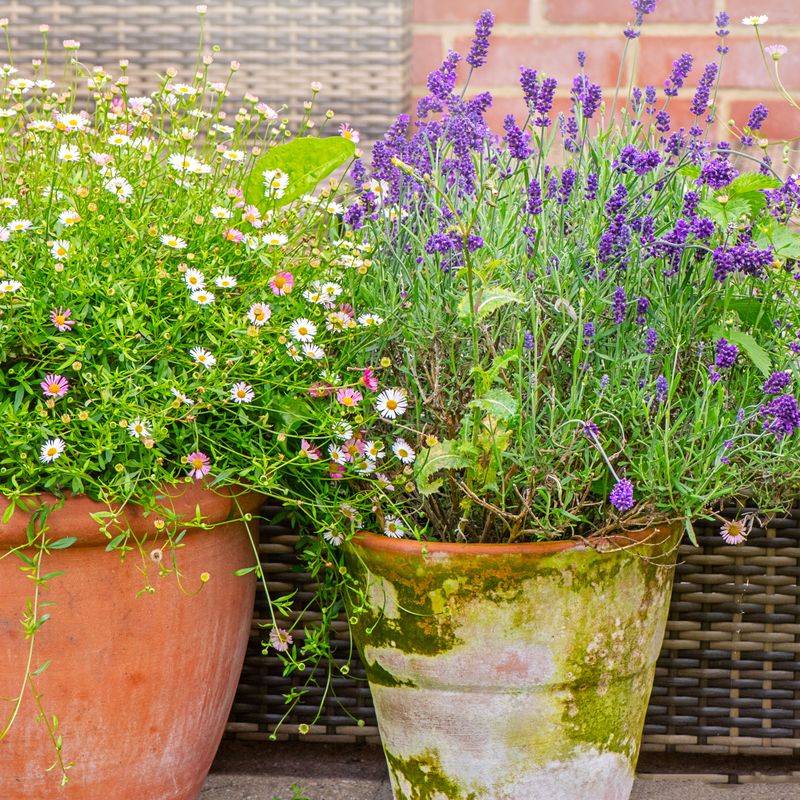
Putting pollinators in danger is the last thing anyone building a pollinator pot wants to do, but it happens more often than most people realize.
Many bedding plants sold at large retail garden centers in spring have been pre-treated with systemic neonicotinoid insecticides.
These chemicals move through the plant’s tissue and can be present in pollen and nectar, exposing visiting bees and butterflies even when no spraying happens at home.
Ask your local nursery or garden center directly whether their plants have been treated with systemic pesticides. Reputable native plant nurseries and many independent garden centers are increasingly transparent about this.
Choosing plants grown without neonicotinoids is one of the most meaningful steps a home gardener can take for pollinator health, according to pollinator conservation resources including the Xerces Society.
Once the pot is planted, resist reaching for sprays if a few aphids or other insects appear. A healthy container with good airflow and properly watered soil is less likely to develop serious pest problems.
If aphids show up on a stem, a firm spray of plain water from a hose is often enough to knock them off without harming visiting bees. Avoid placing the container near areas where lawn chemicals, herbicides, or other sprays are regularly used.
A clean, chemical-free pot gives pollinators a genuinely safe place to feed.
6. Place The Pot Where Bees Can Find It
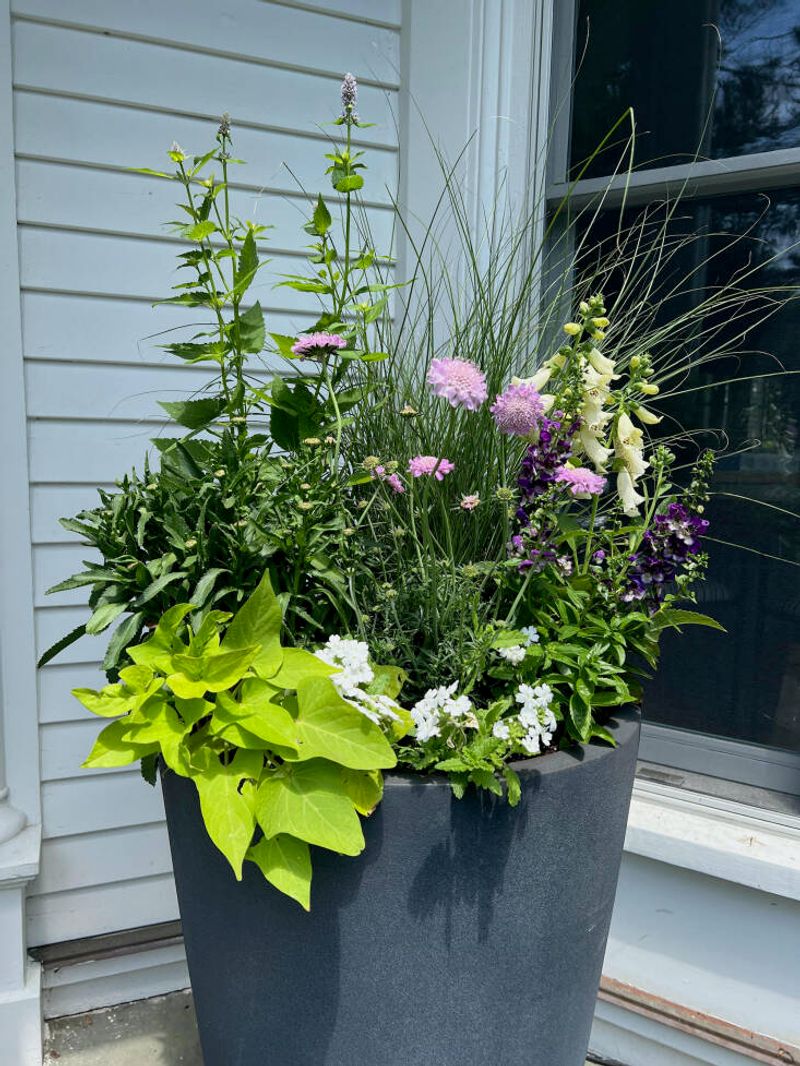
Location shapes everything about how well a pollinator pot performs. Bees navigate by color, scent, and the angle of sunlight, and a pot tucked in a dark corner or blocked by furniture may simply go unnoticed.
Most spring-blooming plants, including wild columbine, pansies, and golden alexanders, perform best in a spot that gets at least four to six hours of direct sunlight each day.
South-facing and east-facing spots on patios and porches tend to warm up earliest in spring and attract the most pollinator activity.
Wind is worth thinking about too, especially for balcony gardens and rooftop containers in cities like Columbus, Cleveland, or Cincinnati. Strong wind dries out containers quickly and can make it harder for small bees and butterflies to land on flowers.
Placing a pot near a wall, railing, or hedge can reduce wind exposure while still keeping the flowers in good light. Avoid spots directly under HVAC vents or near outdoor electrical equipment that runs frequently.
Keep the container away from high foot traffic areas where people walk past constantly, since repeated disturbance can discourage pollinators from settling in.
A porch step, garden entrance, or corner of a patio where the pot can sit undisturbed for stretches of time works well.
Northern Ohio gardeners near Lake Erie may find spring warms more slowly, so choosing a south-facing wall location can give the container and its visitors a meaningful head start.
7. Water Carefully Through Ohio’s Swinging Spring Weather
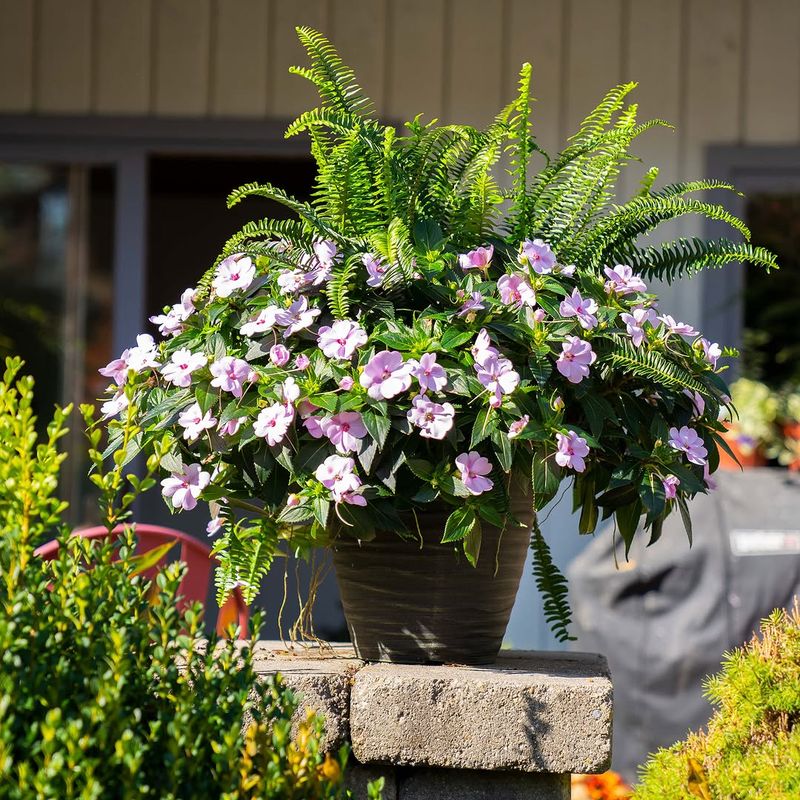
Ohio spring weather does not follow a neat schedule. A stretch of cold rainy days can be followed almost immediately by warm, breezy afternoons that pull moisture right out of a container.
Unlike garden beds, pots have a limited soil volume and no connection to groundwater, which means they can swing from wet to dry faster than most gardeners expect.
Check the soil before reaching for the watering can. Push a finger about an inch into the soil near the center of the pot.
If it feels moist, skip watering and check again the next day. If it feels dry an inch down, water slowly and thoroughly at the base of the plants until water flows out of the drainage holes.
Watering at the base rather than overhead helps reduce fungal problems, which can flare up during the cool, damp weeks of spring.
After a heavy spring rainstorm, check that the pot is draining properly and not sitting in pooled water. After a warm, windy day, check whether the soil has dried out more quickly than expected.
Native plants like wild columbine prefer well-drained soil and do not want to stay wet, while some cool-season annuals like consistent moisture.
Grouping plants with similar water needs in the same container makes this balancing act much more manageable throughout the unpredictable Ohio spring season.