Illinois Farms And Backyards Are Embracing The No-Till Gardening Movement
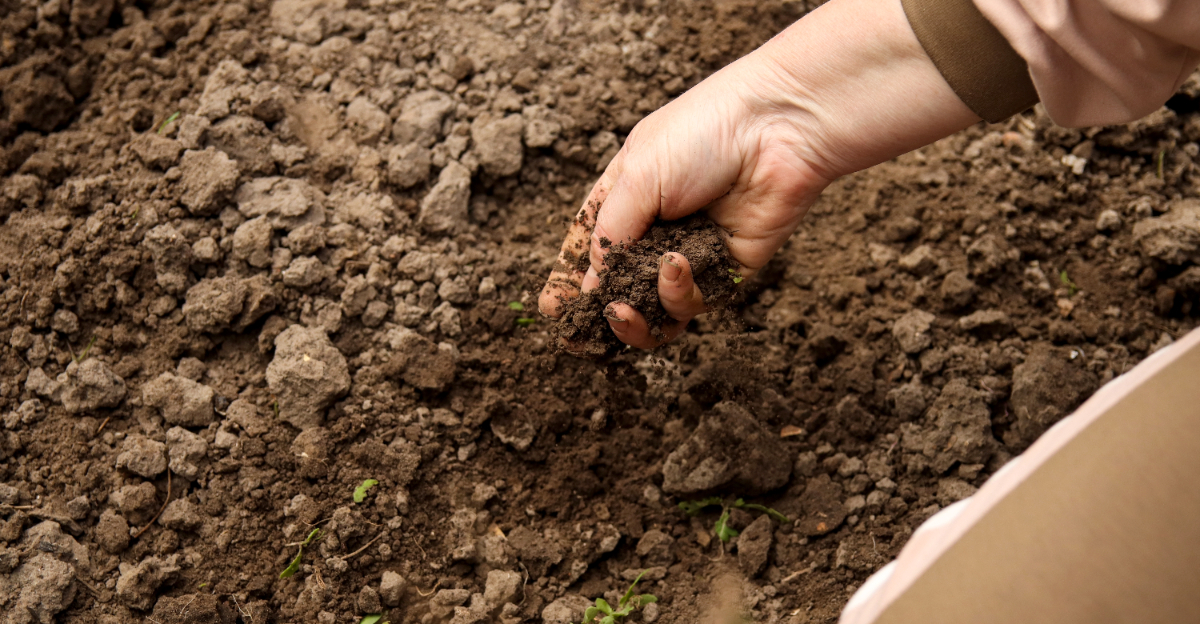
Your shovel may be working against your soil’s health. Across Illinois, growers near you are ditching tools once trusted. Farmers near your town are watching soil recover without digging.
Backyard plots throughout Illinois are producing more than you’d expect. Missing out on these results puts you behind already. Weeds are disappearing before you even reach for a spray.
Harvests are growing heavier while your daily effort keeps shrinking. Nobody predicted your soil could thrive by doing less. Skeptics near you are quietly becoming loyal converts this season.
Neighbors keep asking what changed in your soil. Curiosity spreads faster once you finally see the difference yourself. Reasons behind this shift will surprise you completely.
Science backs what your eyes already suspect. Microbes and roots rebuild structure you never touched.
Results keep stacking up much faster than you ever expect. You will never look at your garden the same way again.
What No-Till Gardening Really Means
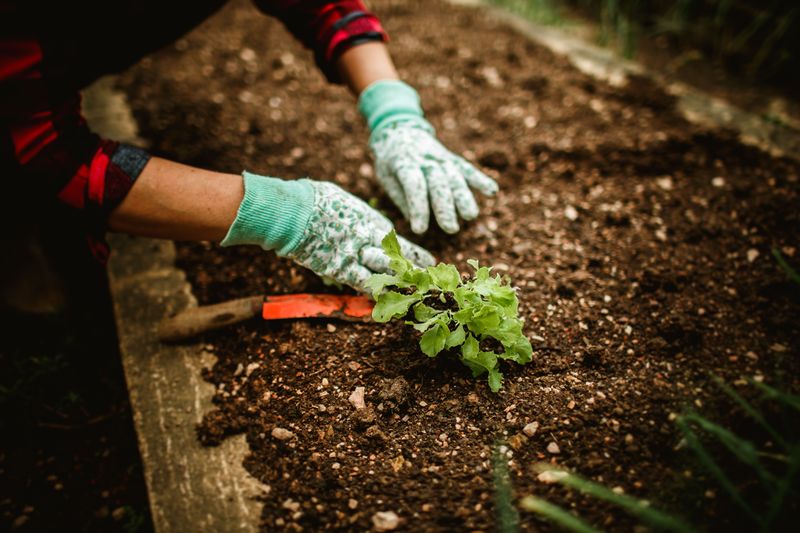
Forget everything you thought you knew about gardening. No-till gardening is exactly what it sounds like: you stop digging up your soil and start working with it instead.
Traditional gardening often involves turning the earth with a rototiller or spade each season. That process breaks apart the natural structure that soil spends years building.
Soil is alive with billions of tiny organisms. Earthworms, fungi, and bacteria all work together to create a thriving underground ecosystem that feeds your plants.
When you till, you disrupt that system completely. You flip beneficial organisms upside down, expose them to harsh air, and break the delicate fungal threads that carry nutrients to plant roots.
No-till gardening protects all of that underground activity. Gardeners add compost, mulch, or organic matter on top of the soil surface instead of mixing it in.
Over time, those top layers break down naturally and feed the soil from above. Rain and earthworms carry nutrients downward without any human interference needed.
The no-till gardening movement has been growing across the Midwest for good reason. Farmers who adopt it often see lower input costs and stronger crop resilience over time.
Backyard gardeners notice fewer weeds and less watering. The method sounds almost too simple, but the science behind it is rock solid and backed by decades of research.
Why Illinois Farms Are Switching To No-Till
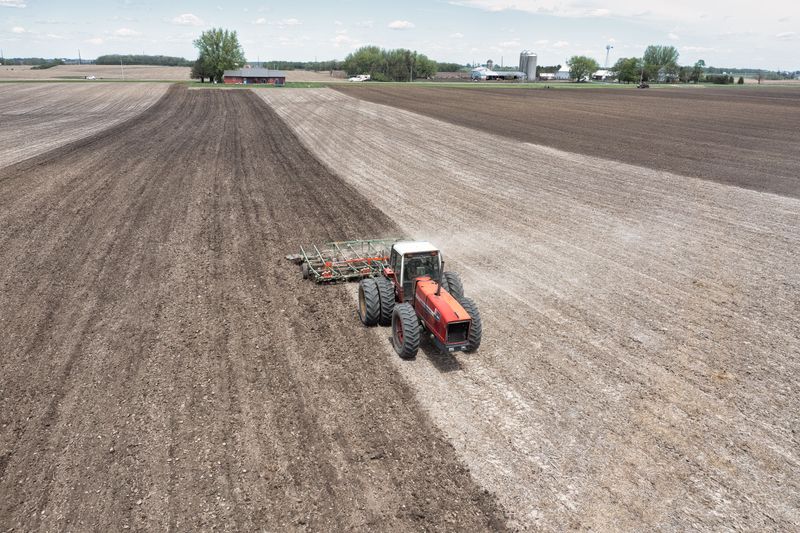
Prairie soil helped make Illinois one of the most productive farming regions in the country. But decades of heavy tilling have gradually reduced that natural richness.
Farmers across the state are watching their topsoil erode with every heavy rainstorm. Some fields can lose significant amounts of topsoil over time, depending on soil type and erosion conditions, which may reduce crop yields.
No-till farming keeps crop residue on the surface after harvest. That leftover plant material acts like a protective blanket, holding soil in place when wind and rain hit hard.
Many farmers also report significant savings on fuel costs. Running a tractor across a field repeatedly burns diesel, and skipping those passes puts real money back in the pocket. Over a full growing season, those savings can add up quickly.
Your Illinois Garden Changes Every Week. Your Plan Should Too.
Gardening in Illinois changes quickly throughout the season. Every Friday you’ll receive a simple weekly plan showing exactly what to plant, prune, fertilize, harvest, and protect so you never miss the right timing.
Some agricultural data suggests no-till fields may hold up better during drought years, though specific studies vary. The improved soil structure acts like a sponge, holding moisture longer when rainfall gets scarce.
Switching is not always easy, and the first couple of seasons can feel uncertain. But most farmers who commit to the method say they would never go back to the old way. That kind of loyalty speaks volumes.
How It Improves Soil Health And Water Retention
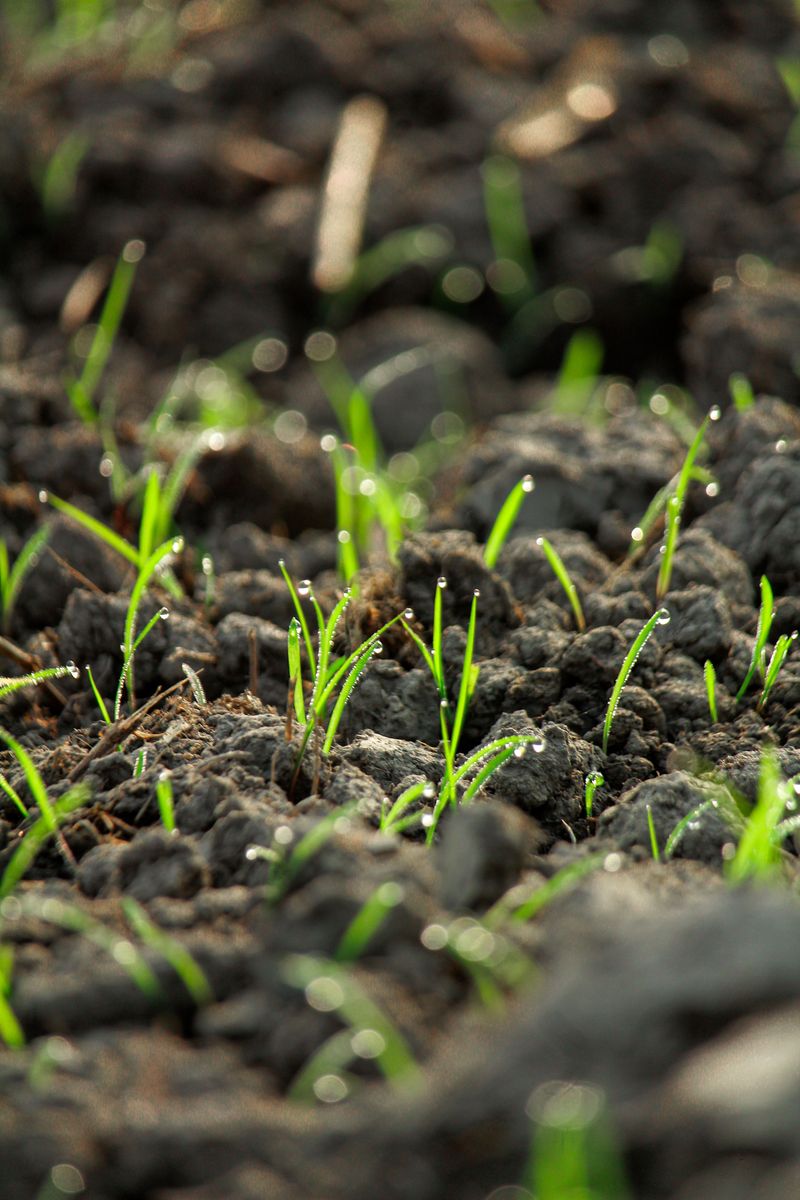
Healthy soil is not just dirt. It is a living system that takes years to develop and can be disrupted quickly by tilling.
When soil stays undisturbed, something notable happens underground. Mycorrhizal fungi spread thin white threads called hyphae through the earth, connecting plant roots to distant pockets of water and nutrients.
These fungal networks act like a second root system for your plants. Tilling snaps those threads apart, forcing plants to start that relationship from scratch every single season.
No-till soil also develops better structure over time. Tiny clumps called aggregates form when organic matter binds with mineral particles, creating small air pockets that hold both water and oxygen.
Those air pockets matter more than most people realize. During a heavy Illinois downpour, well-structured soil absorbs rainfall quickly instead of letting it run off across the surface.
Water retention improves dramatically in no-till beds. Some studies suggest undisturbed soil can hold more moisture than tilled ground during dry stretches.
Organic matter levels also climb steadily when tilling stops. More organic matter means more food for soil organisms, which in turn produce more nutrients available to plant roots.
Carbon also stays locked in the ground rather than releasing into the air. That carbon storage benefit is one reason no-till is gaining attention far beyond the farming community.
Backyard Gardeners Are Catching On Too
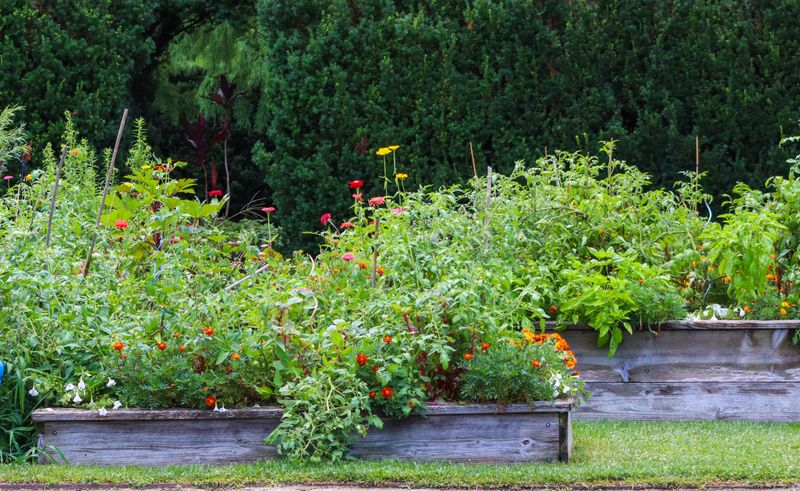
You do not need a large farm to join the no-till movement. A single raised bed or a small garden patch in your backyard is all the space you need to get started.
Home gardeners across the Chicago suburbs and downstate communities are quietly transforming their yards. They are layering cardboard, compost, and wood chips instead of renting tillers each spring.
The cardboard method, sometimes called lasagna gardening, is a favorite among beginners. You lay cardboard directly over grass or weeds, wet it thoroughly, and pile compost and mulch on top.
Over the winter months, the cardboard breaks down naturally. By spring, you have a soft, rich planting bed without ever breaking a sweat with a shovel.
Home gardeners also love the time savings. Skipping the annual tilling ritual frees up hours that used to go toward sore backs and rental equipment fees.
Vegetable gardens thrive especially well under no-till conditions. Tomatoes, peppers, squash, and leafy greens all respond positively to the stable, moisture-rich environment that undisturbed soil provides.
Community gardens in various Illinois cities are also experimenting with no-till practices. Shared plots managed without tilling tend to stay more productive year after year, attracting new members.
Word spreads when neighbors see productive beds growing with less effort, and some begin rethinking how they grow food.
Common Hurdles And How To Solve Them
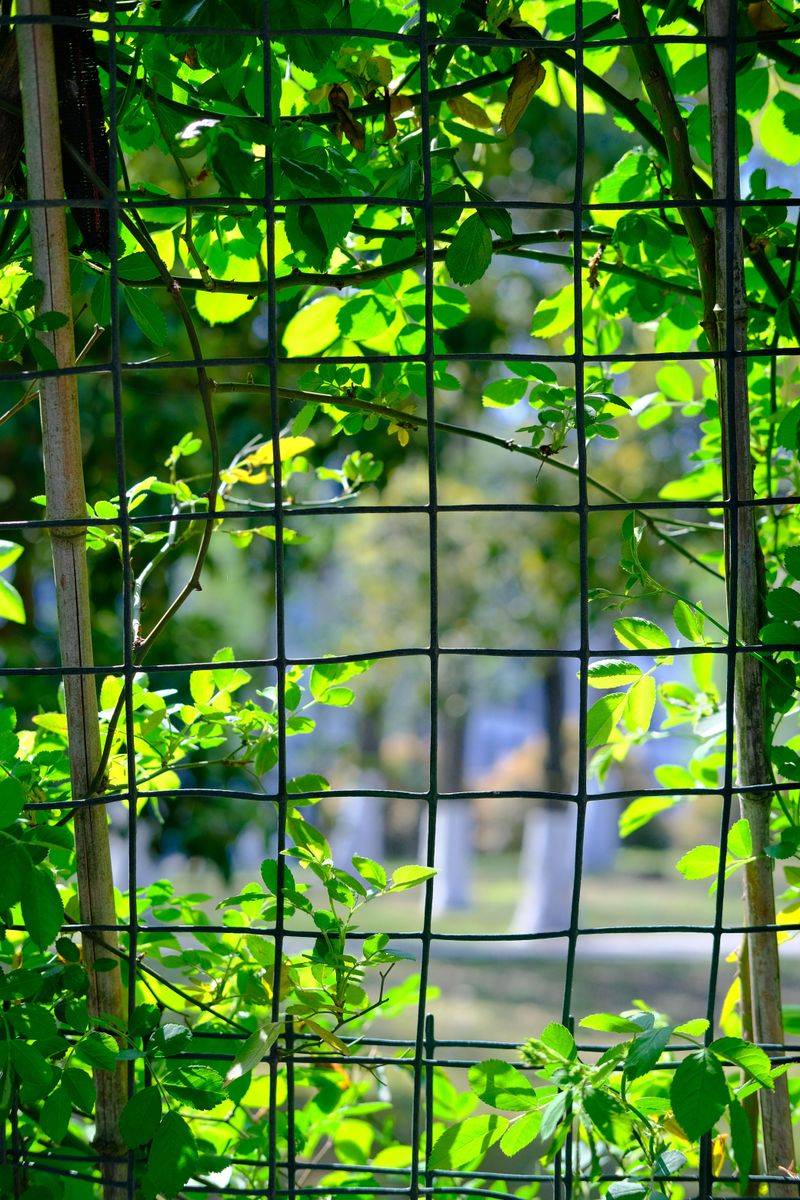
No method is perfect, and no-till has its share of challenges. Knowing what to expect ahead of time makes the transition far less frustrating.
One of the most common complaints is weed pressure in the first season. Dormant weed seeds near the surface can sprout when disturbed, especially during the initial bed setup.
The fix is simple: pile your mulch thicker. A layer of wood chips or straw at least three inches deep blocks most weed seeds from reaching light.
Some gardeners also worry about slugs hiding under mulch layers. Adding a border of coarse material like crushed eggshells or diatomaceous earth around beds helps keep slugs from moving in.
Compacted soil is another early hurdle, especially in yards with heavy clay. A one-time gentle aeration before starting no-till can help break initial compaction without undoing future soil structure.
Pest management feels different without tilling too. Traditional tilling exposes grubs and larvae to birds, so skipping that step means finding other ways to manage soil pests.
Beneficial nematodes applied to the soil surface are an effective and chemical-free solution. They target harmful larvae without harming earthworms or other helpful organisms living below.
Patience is probably the biggest requirement of all. The first year rarely looks as good as later seasons, but the soil keeps improving and the garden rewards your commitment.
Simple Steps To Start Your No-Till Garden
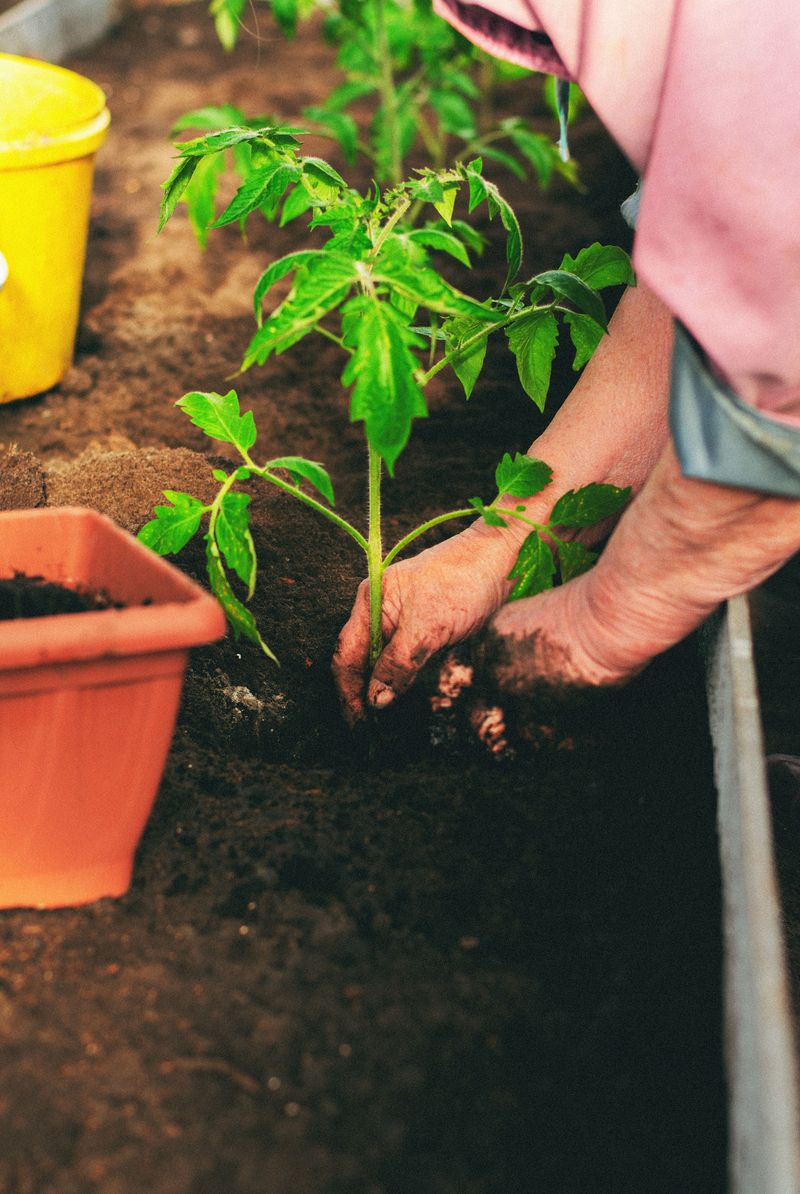
Starting a no-till garden does not require expensive equipment or a horticulture degree. A few basic materials and a free afternoon are enough to get going.
Begin by choosing your garden spot and mowing any existing grass as short as possible. Do not remove the grass; you will smother it naturally in the next step.
Lay overlapping sheets of plain cardboard directly over the mowed area. Remove any tape or staples first, and make sure the edges overlap by at least six inches to block light.
Wet the cardboard thoroughly with a garden hose. Moisture helps it break down faster and also keeps it from blowing away before your next layer goes on.
Add a generous layer of compost on top, aiming for at least two to three inches. Good compost is the single most important ingredient in any no-till setup.
Finish with a thick layer of wood chip mulch or straw on top of the compost. That outer layer conserves moisture, moderates soil temperature, and keeps weeds from finding sunlight.
Wait a few weeks before planting if you can, especially in fall. Giving the layers time to settle creates an even better environment for root development come planting season.
The no-till gardening movement suggests that less disruptive work can lead to better results. Starting small, staying consistent, and trusting the process will reward any Illinois gardener willing to give it a shot.