Why Illinois Gardeners Are Watering Less In Early August Even Though It Is Still Hot
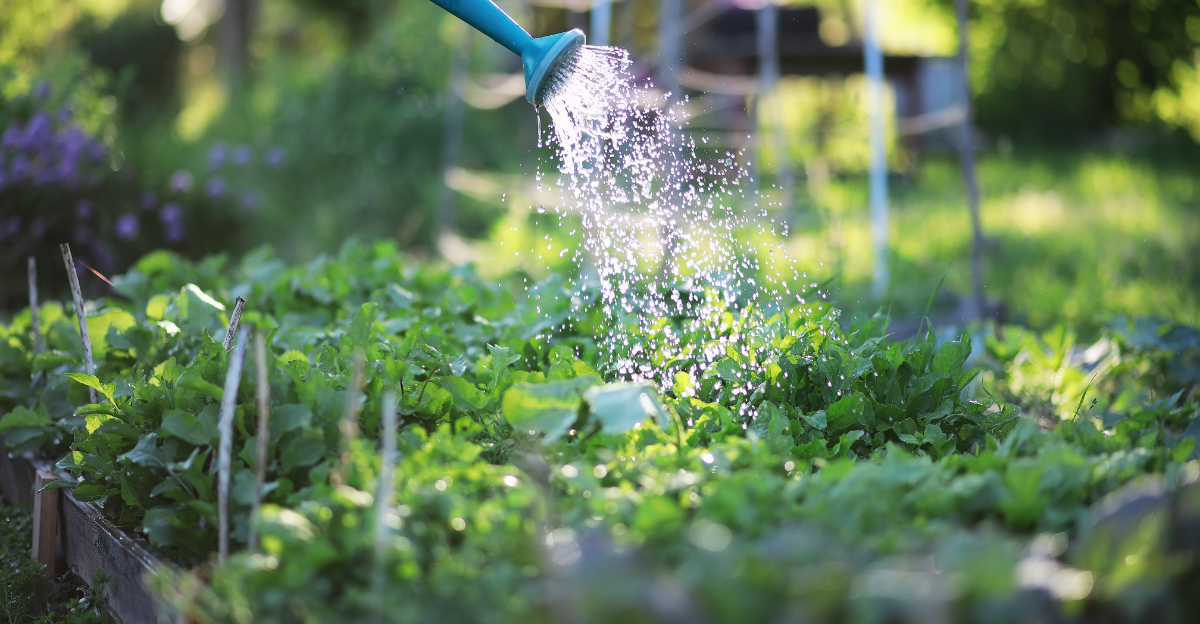
Right now, an unusual shift is spreading through Illinois backyards this month. Gardeners across the state are quietly turning off their hoses. Temperatures keep climbing, yet irrigation schedules keep shrinking every week.
You could easily mistake this for neglect, but it isn’t. Skilled growers know that controlled stress builds lasting resilience. Roots pushed to search deeper endure winters much more effectively.
Illinois clay holds water longer than most gardeners ever expect. Overwatering right now increases the risk of disease, weak stems, and shallow roots. Every ounce withheld sends your plants a clear resilience signal.
Smart restraint now shapes how strong your garden becomes later. Nothing about this shift is careless, random, or accidental. Momentum builds fast once your watering habits start changing.
Curiosity alone cannot explain why this practice keeps spreading statewide. Timing decisions this week will echo through your entire fall harvest. Your next move determines whether your garden thrives or struggles.
1. Established Roots Reach Deeper Moisture Now
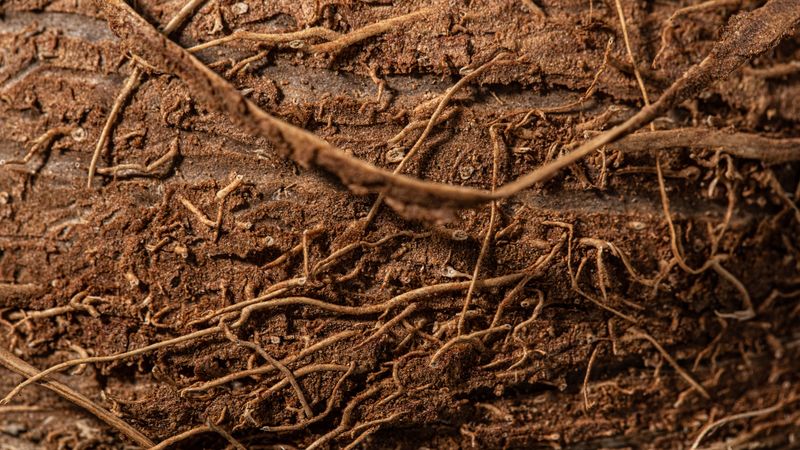
Roots are smarter than most people think. By early August, plants that went into the ground in spring have had months to spread out and dig deep.
Those roots are not sitting near the surface anymore. They have pushed down into layers of soil that stay moist long after the top dries out.
When you water constantly, roots never need to search. They stay lazy and shallow, waiting for the next sprinkle from above.
Stop watering as often, and something shifts. The roots sense the dry surface and push further down to chase the moisture that exists naturally below.
Illinois soil tends to hold more water at depth than gardeners realize. Clay-heavy ground in the central and northern parts of the state can stay damp a foot down even during a dry spell.
This is one of the key reasons why Illinois gardeners are watering less in early August. The plants are doing the work themselves.
Some gardeners refer to this process as root training. You are not abandoning your plants. You are teaching them to be self-sufficient.
A garden with deep roots handles heat waves, dry spells, and even early frost much better. Trust the roots, step back a little, and watch your garden actually thrive.
2. Overwatering Invites Fungal Disease This Time
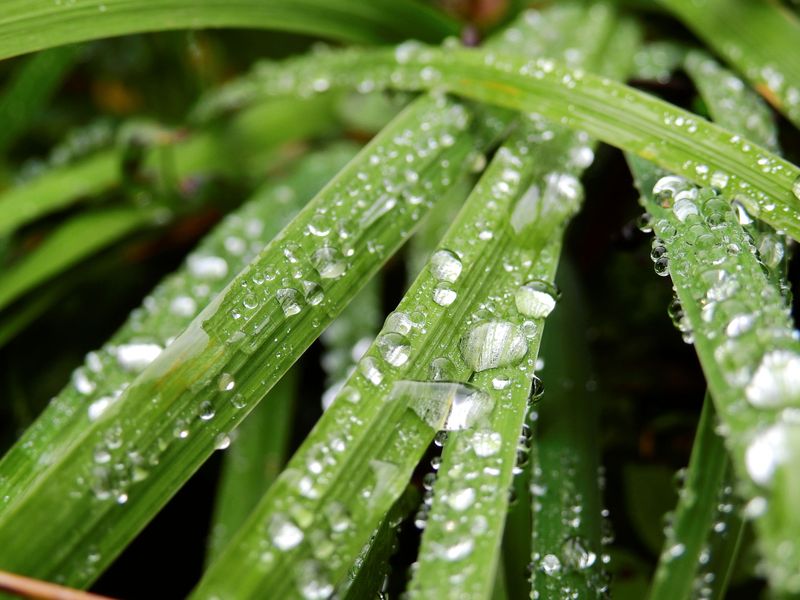
Wet leaves at night create a favorable environment for fungus. August nights in Illinois stay warm and humid, which creates the perfect breeding ground for mold and mildew.
When you water in the evening and moisture sits on foliage, spores get to work fast. Powdery mildew, leaf blight, and root rot all thrive in this exact combination of heat and dampness.
Gardeners who cut back on watering in early August see fewer diseased plants. Less water on leaves means less opportunity for fungal spores to germinate and spread.
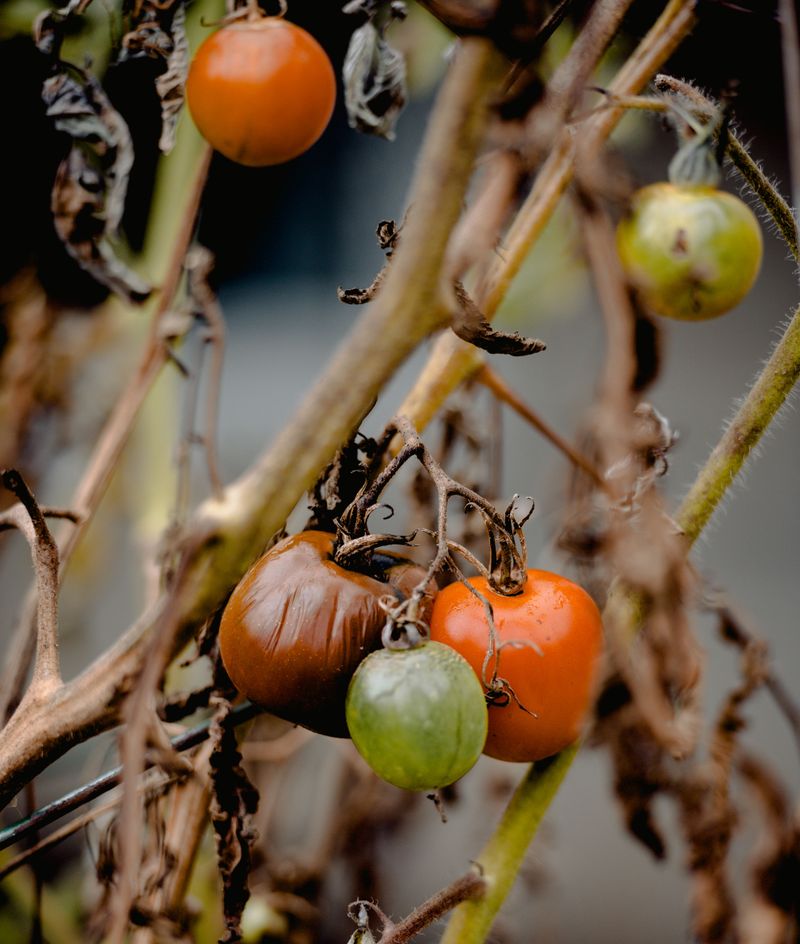
Tomatoes are especially vulnerable right now. Overwatered tomato plants in August frequently develop blossom end rot or splitting fruit, both tied to inconsistent moisture levels.
Squash, cucumbers, and beans face similar risks. Damp conditions around their crowns and stems invite rot that can seriously damage a healthy plant within days.
Your Illinois Garden Changes Every Week. Your Plan Should Too.
Gardening in Illinois changes quickly throughout the season. Every Friday you’ll receive a simple weekly plan showing exactly what to plant, prune, fertilize, harvest, and protect so you never miss the right timing.
Smart gardeners shift to watering at the base only, and less often. Drip irrigation or a slow trickle at soil level keeps roots fed without soaking the leaves.
Reducing frequency also gives the soil surface time to dry between sessions. A dry surface makes it harder for fungal spores to travel and take hold on nearby plants.
This is one of the clearest reasons why Illinois gardeners are watering less in early August. Protecting plants from disease matters just as much as keeping them hydrated.
3. Cooler Nights Slow Evaporation Rates
August mornings in Illinois can feel almost gentle compared to the hot afternoons. Overnight temperatures often drop noticeably, even when daytime highs stay well into the 80s.
That temperature swing matters more than most gardeners realize. Cooler nights mean soil holds onto moisture much longer than it did back in June or July.
During peak summer, hot nights kept evaporation running around the clock. Soil dried out fast, and plants needed water more frequently just to stay upright.
Now the equation has changed. With nighttime temps dropping, water that soaks in during an evening session can still be present in the root zone the next morning.
Plants pull moisture from the soil at a slower rate when temperatures ease up. Lower air temps reduce transpiration, which is the process plants use to release water through their leaves.
Less transpiration means plants are not as desperate for a constant supply. They can coast a bit longer between watering sessions without showing signs of stress.
Gardeners who pay attention to this shift stop watering on a fixed schedule. They start checking the soil with a finger or a moisture meter instead of just going by the calendar.
A few inches down should feel cool and slightly damp. If it does, your plants are fine, even if the afternoon sun looks scorching from the kitchen window.
4. Deep Occasional Watering Builds Stronger Roots
Shallow daily watering is one of the most common mistakes home gardeners make. It feels responsible, but it actually creates weaker plants that depend on you showing up every single day.
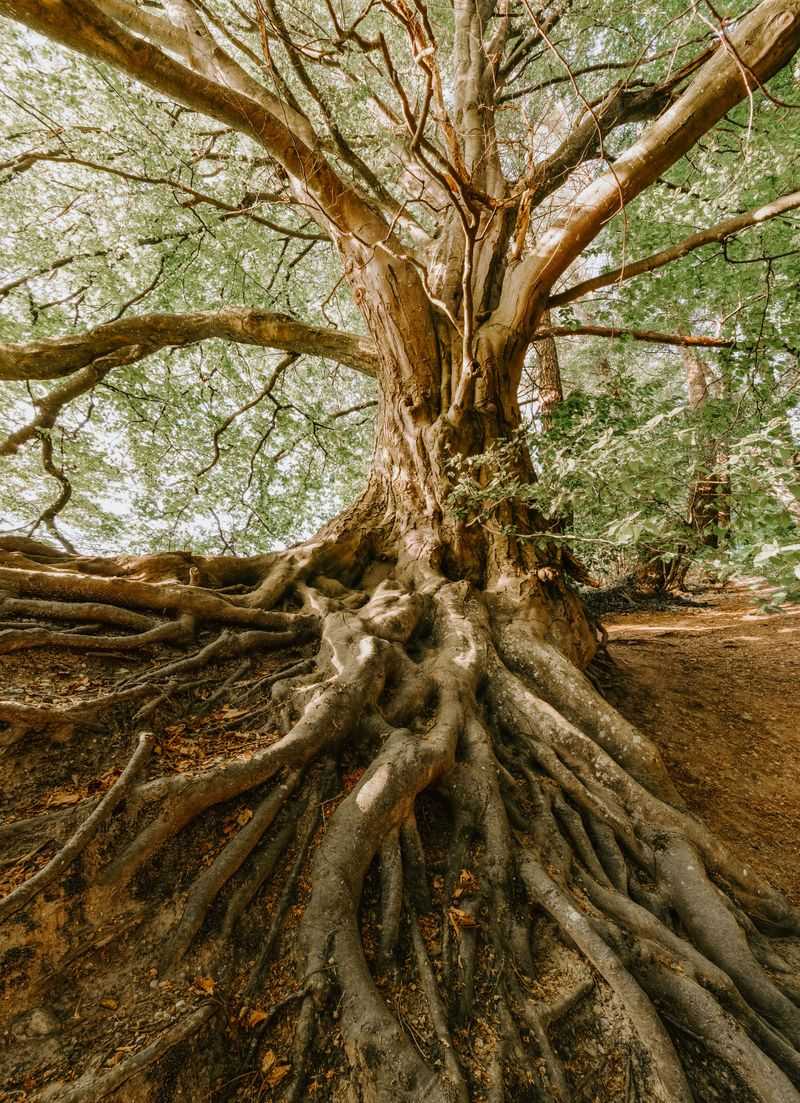
Deep watering once or twice a week changes everything. When water penetrates six to eight inches into the soil, roots follow it downward to reach that supply.
A plant with roots at eight inches handles heat stress far better than one with roots clustered in the top two inches. The deeper zone stays cooler and retains moisture longer.
Switching to this method in early August gives plants time to adjust before the first cool nights of September arrive. Those stronger roots will also help plants survive an unexpected dry stretch.
To water deeply, run a soaker hose or drip line slowly for a solid stretch of time. Let it run long enough for water to reach well below the surface.
Then wait. Check the soil a few days later before watering again. You will likely find it still has plenty of moisture where the roots are actually growing.
Many Illinois gardeners are surprised by how long the soil stays moist after a proper deep soak. This discovery alone convinces most of them to water less often going forward.
Building deep roots now sets the whole garden up for a stronger finish through September and into fall harvest season.
5. Plants Naturally Slow Growth In Late Summer
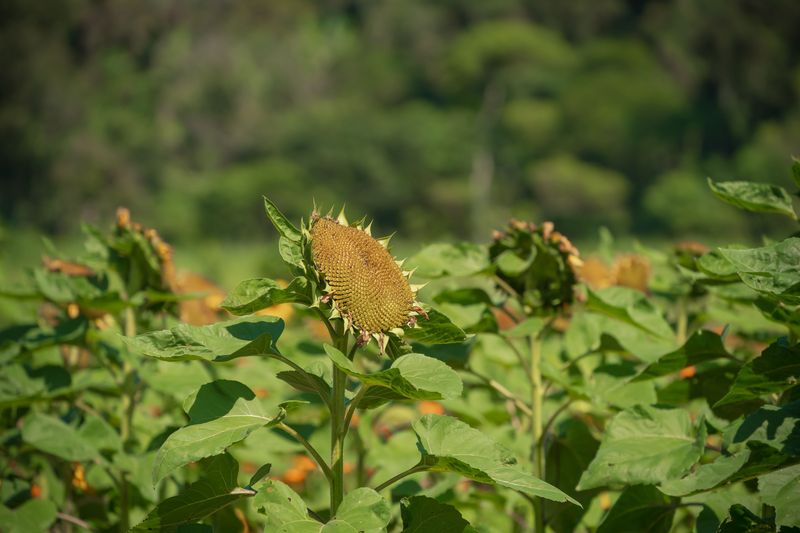
Plants have their own internal clock, and by early August, most of them are winding down their active growth phase. The frantic leafing out and stem stretching of June is mostly over.
Tomatoes are focusing on ripening existing fruit rather than pushing out new growth. Peppers are doing the same, and many herbs have already started setting seed.
When growth slows, water demand drops too. A plant that is not actively building new tissue does not need the same steady supply it required back in May or June.
Pushing extra water onto plants in this resting phase can actually cause problems. It stimulates new leafy growth at a time when the plant should be directing energy toward fruit maturation.
That extra leaf growth also creates more surface area for moisture loss through transpiration, which ironically increases the plant’s stress rather than reducing it.
Experienced growers read their plants closely during this period. Leaves that look firm and full in the morning, even after a warm night, are telling you they have enough water.
Wilting that shows up only in the hottest part of the afternoon and then recovers by evening is completely normal. That is not a drought signal. That is just how plants manage heat.
Cutting back on watering now works with the plant’s natural rhythm. Fighting that rhythm with extra water tends to create more problems than it solves.
6. Mulch Now Holds Moisture Longer
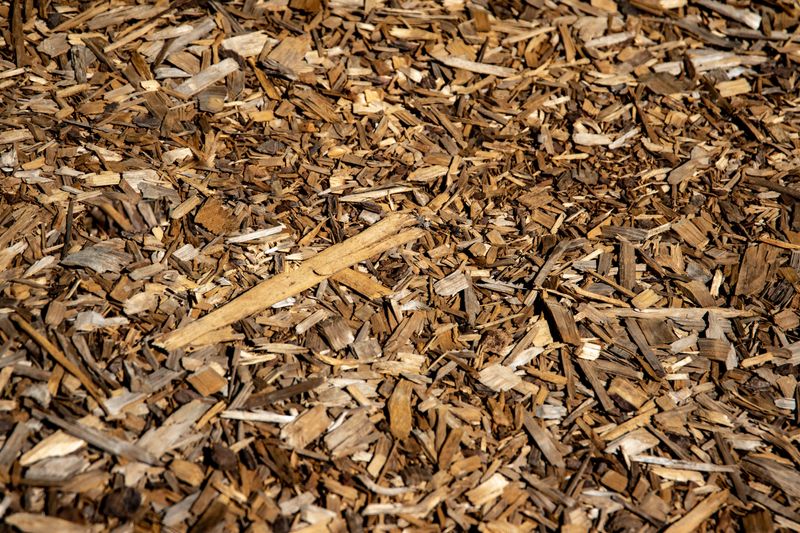
Mulch is one of the most effective tools available to gardeners. A good three-inch layer acts like a blanket over the soil, locking in moisture.
Gardeners who mulched their beds back in spring are now reaping the rewards. That layer of wood chips, straw, or shredded leaves has been quietly reducing evaporation all season long.
By early August, mulched beds tend to stay moist noticeably longer than bare soil after the same amount of rain or watering. That gap is significant during a hot stretch.
For gardeners who added fresh mulch earlier this summer, the benefits are even more pronounced now. The material has broken down slightly, creating a denser barrier against the sun and wind.
Mulch also keeps soil temperatures lower, which protects roots from the kind of heat stress that shows up as wilting and leaf curl in late afternoon.
Cooler soil holds water more efficiently than hot, dry soil. When the ground stays shaded and cool under a mulch layer, each watering session goes further and lasts longer.
Some gardeners top off their mulch in early August specifically to stretch the time between watering sessions. Adding an inch or two can make a noticeable difference within just a few days.
Less watering, healthier soil, and stronger plants all trace back to this one simple layer sitting on top of the ground.
7. Soil Retains Water Better Than In June
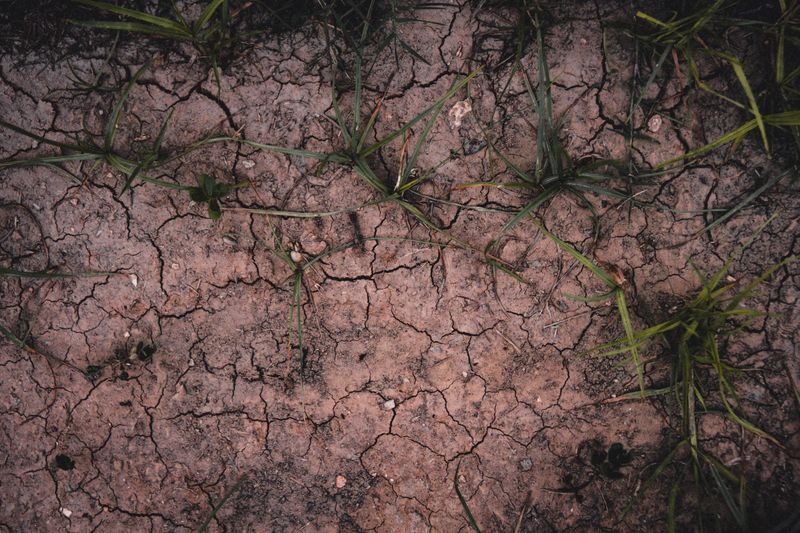
June soil in Illinois is often a challenge. After a long winter and a wet spring, the ground can swing between waterlogged and bone dry within just a few days.
By August, something different is happening beneath the surface. Soil structure improves as the season progresses, especially in beds that have been mulched and regularly amended with compost.
Organic matter builds up over the growing season. Worm activity increases, root channels form, and the soil develops a looser, more porous texture that absorbs and holds water far more efficiently.
A garden bed that needed frequent watering in June might only need water every few days by August. The soil itself has gotten better at its job.
Clay-heavy ground in parts of the state can stay damp well below the surface even during a dry spell. It can shed water when dry and become waterlogged when wet, leaving plants stressed either way.
But by midsummer, that same clay has usually been worked enough by roots and organisms that it behaves more predictably. Water soaks in more evenly and stays put longer.
Gardeners who track their watering habits often notice this shift without fully understanding why it is happening. The plants seem fine with less water, and the soil stays damp longer between sessions.
The answer is right under their feet. Healthy, living soil is one of the best water-saving tools a gardener has, and it keeps improving all season long.
8. Frequent Watering Encourages Weak, Shallow Roots
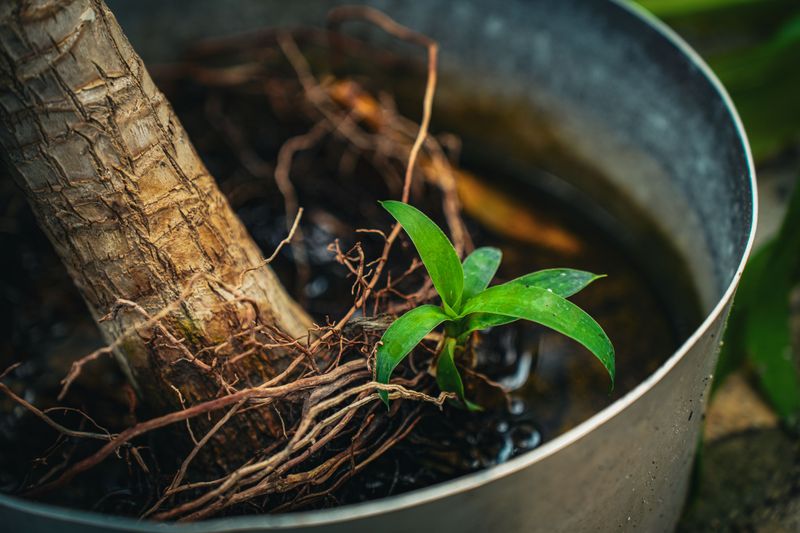
Watering on a daily schedule seems helpful, but it can actually limit root development. Frequent shallow watering tells roots there is no reason to go looking for moisture.
Roots grow toward water. When water is always available near the surface, roots cluster in the top inch or two of soil and never develop the depth they need to survive stress.
Come a hot dry week or an unexpected stretch without rain, those shallow-rooted plants struggle quickly. They have no reserves to draw from when the surface dries out quickly.
Deep, infrequent watering trains roots to explore. A plant that has to search for moisture builds a wider, deeper root network that anchors it better and feeds it more consistently.
This is especially important for perennials, shrubs, and fruit-bearing vegetables that gardeners want to carry through the rest of the season and into next year.
Cutting back on watering frequency in early August is one of the most practical things a gardener can do for long-term plant health. The short-term adjustment period leads to long-term benefit.
Plants may look slightly less perky for a few days as they adjust. That is not a crisis. That is the plant responding to a healthy challenge by growing stronger.
This is a core reason why Illinois gardeners are watering less in early August. Less water now means better roots, tougher plants, and a more rewarding harvest ahead.