This Sticky Black Drip On Your Illinois Trees Shouldn’t Be Ignored
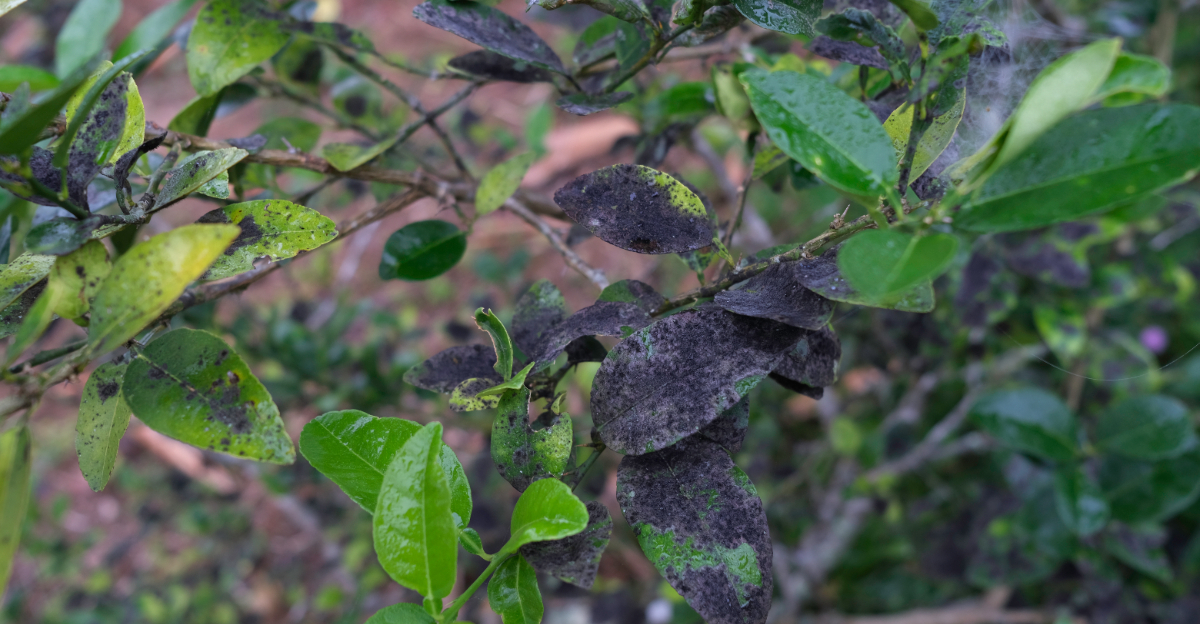
You spot a strange dark drip slowly coating your favorite tree today. Sticky black residue now covers your bark, leaves, and furniture too. Insects hiding quietly inside your canopy are likely the true hidden culprit.
Warm seasonal conditions quickly create the perfect breeding ground affecting your tree. Aphids, scale insects, or whiteflies could be hiding on your branches. Their sugary waste quietly feeds a fungus coating your bark right now.
Homeowners often blame pollution or simple dirt when you see the stains. Nothing about this problem begins with the mold you actually notice. Washing your bark clean only hides what you really need to fix.
Ignoring the source can lead to a more significant infestation over time. Your Illinois tree faces this issue more than you might realize.
Even your patio furniture hangs precariously in the balance right now. Understanding what’s quietly affecting your tree changes every choice you make next.
What Is Dripping From Your Tree
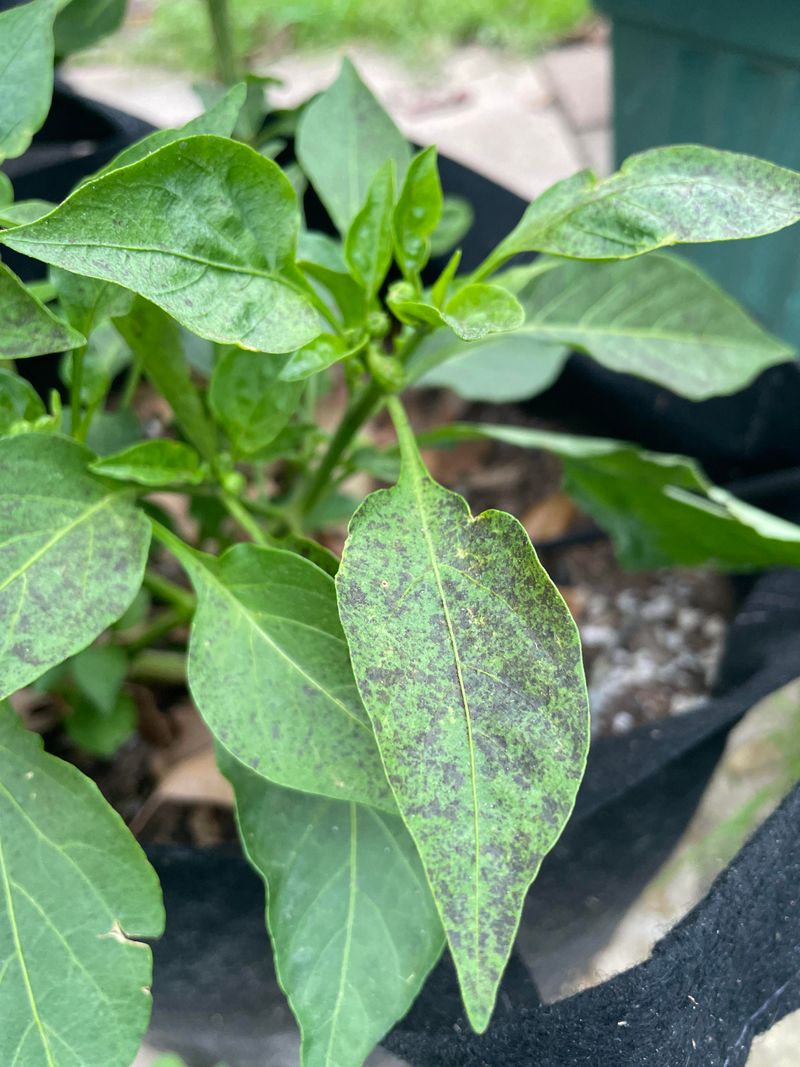
Your tree is not injured internally, and it is not rotting from the inside out. That sticky black drip coating the bark and leaves is something called sooty mold, a fungal growth that develops unexpectedly.
Sooty mold gets its name from its appearance. It looks exactly like someone smeared fireplace soot across your tree’s surface.
The black coating can spread across leaves, branches, and even nearby surfaces like fences or outdoor furniture. At first glance, many homeowners assume the tree itself is sick or infected with some kind of disease.
That assumption is understandable, but it is only partly correct. The mold is a symptom of a bigger issue happening above it.
Here is the key thing to understand. Sooty mold does not feed on the tree directly. Instead, it feeds on a sugary liquid called honeydew.
Honeydew is produced by small insects living on your tree. Those insects are the real source behind this ongoing issue.
The mold itself is not a parasite. It is an opportunist, growing wherever that sweet residue lands and collects.
If you see this black drip on your Illinois tree, do not panic just yet. Understanding what it actually is will help you figure out the right next step.
The good news is that sooty mold is treatable. Knowing what you are dealing with puts you way ahead of the problem.
Understanding Where The Sticky Substance Originates
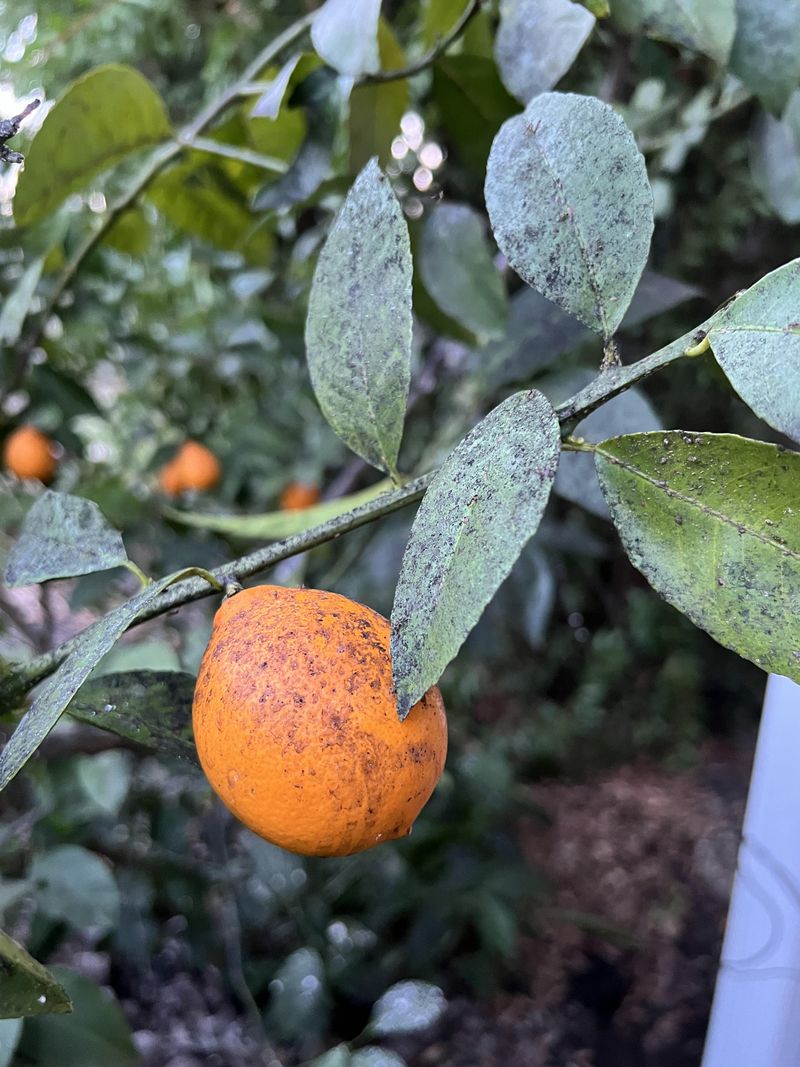
That sticky coating on your tree does not come from the tree itself. It starts with a substance called honeydew, which is secreted by sap-feeding insects.
These insects latch onto stems, leaves, and branches. They pierce the plant tissue and suck out the sugary sap flowing inside.
After the insects digest the sap, they excrete the excess sugar as a liquid waste. That liquid is honeydew, and it drips down onto every surface below.
Honeydew is incredibly sticky. If you have ever parked under a tree and found your car covered in a glossy, tacky film, that was likely honeydew at work.
Once honeydew lands on leaves and bark, it creates the perfect growing surface. Airborne fungal spores settle onto it and begin to multiply quickly.
Your Illinois Garden Changes Every Week. Your Plan Should Too.
Gardening in Illinois changes quickly throughout the season. Every Friday you’ll receive a simple weekly plan showing exactly what to plant, prune, fertilize, harvest, and protect so you never miss the right timing.
The sugar in the honeydew feeds the fungal growth. Over time, that growth becomes the dark, crusty layer you see spreading across your tree.
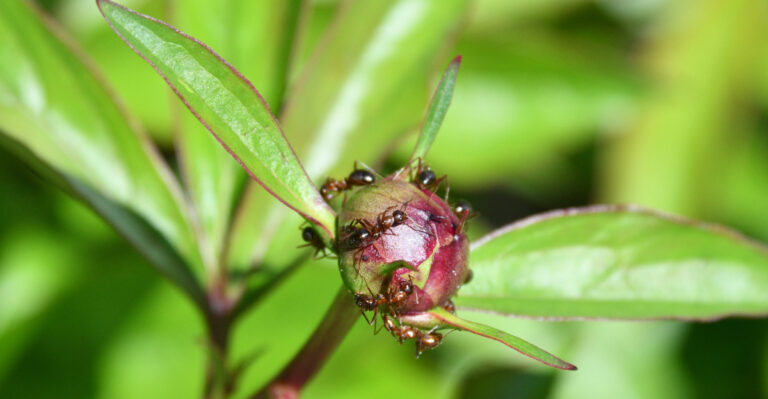
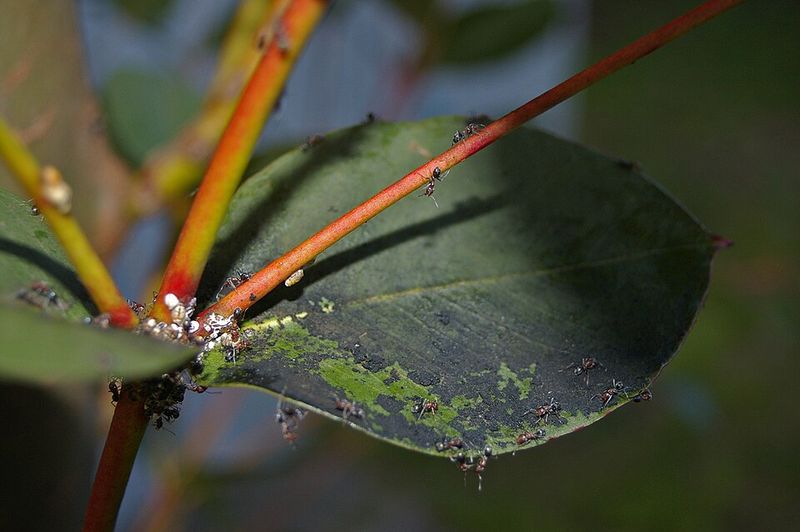
Honeydew also attracts other insects, especially ants. Ants actually farm certain pest insects to collect honeydew, which makes infestations worse over time.
You may notice a trail of ants marching up your tree trunk. That is a strong sign that honeydew is present, even before the mold appears.
Catching this early makes a big difference. Spotting the sticky residue before the mold takes hold gives you a much easier cleanup ahead.
Common Pests Responsible For Honeydew Production
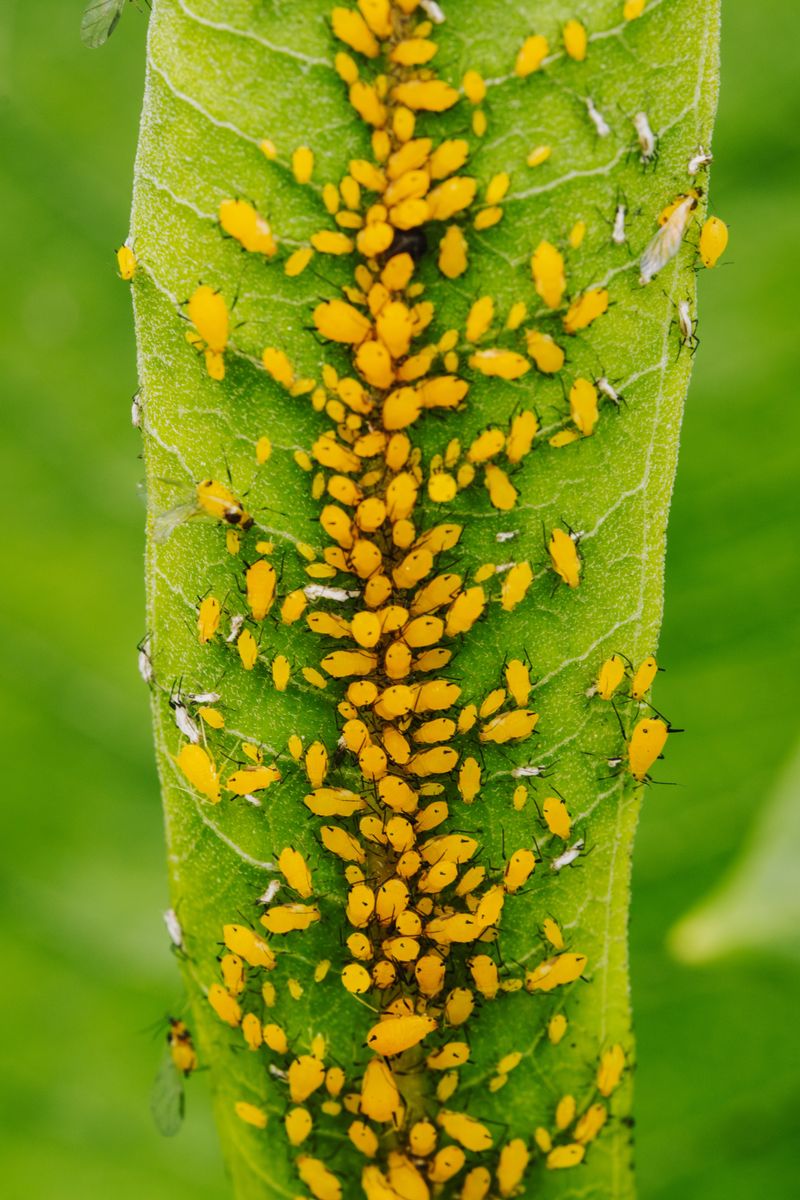
Several small insects are behind the honeydew problem on your trees. The most common offenders are aphids, scale insects, and whiteflies.
Aphids are tiny, soft-bodied bugs that cluster in groups on new growth. They are often green or yellow, and they reproduce at a rapid rate.
Scale insects look less like bugs and more like small brown bumps on bark. Many homeowners mistake them for part of the tree and never even notice the infestation.
Whiteflies are exactly what they sound like. They are small, white, flying insects that flutter up in a cloud when you brush against an affected branch.
Mealybugs are another common source of honeydew. They appear as white, cottony clumps tucked into branch crevices and leaf joints.
All of these pests share one habit. They pierce plant tissue and feed on the sugary sap flowing through your tree’s vascular system.
Aphids tend to be especially active during warm spring and early summer months in temperate climates. A single aphid colony can produce a substantial amount of honeydew within just a few days.
Identifying which pest is present on your tree matters. Each one responds a little differently to treatment, so knowing your enemy helps you act smarter.
Look closely at the undersides of leaves. That is where most of these insects hide, protected from wind and predators while they feed undisturbed.
How Sooty Mold Develops On That Residue
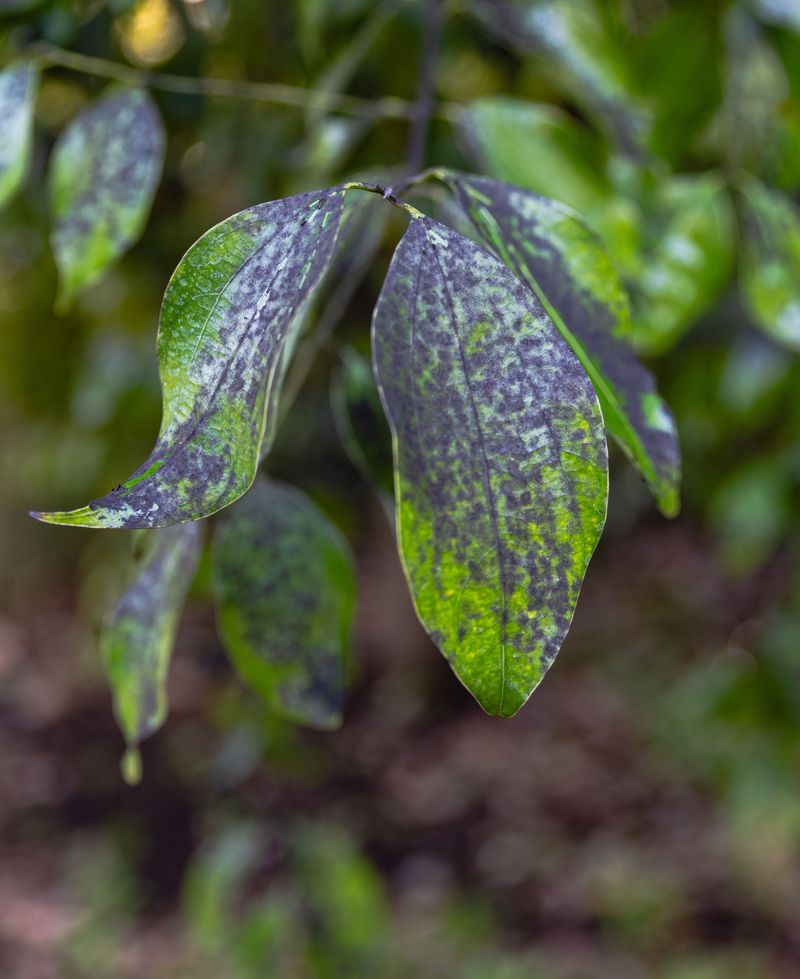
Once honeydew coats a surface, sooty mold moves in fast. Fungal spores are always floating through the air, and honeydew gives them exactly what they need to settle and grow.
The mold is not a single species. Several different fungi can produce the black coating, and they often grow together in layers.
Within days of honeydew accumulating, you may start to see a thin gray or black film forming. That film thickens over time as the fungal colony expands.
Sooty mold does not penetrate the leaf tissue. It sits on top of the surface, forming a barrier between the leaf and sunlight.
That blocked sunlight is where the real damage begins. Leaves need sunlight to produce energy through photosynthesis, and a thick mold coating disrupts that process.
Heavily coated leaves may turn yellow and drop early. A tree losing leaves ahead of schedule may be showing signs of stress, though other factors can also cause early leaf drop.
The mold spreads as long as the honeydew supply continues. Without removing the source insects, the fungal growth will keep expanding season after season.
Mold also spreads to nearby plants through wind and water. A single infested tree can become the starting point for a much wider problem in your yard.
Warm, humid weather speeds up mold growth significantly. Warm summer conditions create an environment where this cycle can continue expanding if left unchecked.
Determining Whether This Harms Your Tree
Many people wonder if sooty mold can seriously damage their tree over time. The answer depends on how severe the infestation is and how long it has been growing.
A light coating of mold on a few leaves is mostly a cosmetic problem. The tree can still function, and a good rain may even wash some of it away naturally.
Heavy mold coverage is a different story. When a large portion of the leaf surface is blocked, the tree cannot photosynthesize efficiently enough to stay healthy.
Young trees and newly planted saplings face the greatest risk. They do not have the energy reserves that older, established trees carry them through stressful periods.
Older trees with thick canopies are more resilient, but repeated infestations take a toll. A tree dealing with sooty mold year after year gradually weakens over time.
Check your tree for additional stress signs. Wilting branches, early leaf drop, and stunted new growth all suggest the tree is struggling beyond just surface mold.
The pest infestation feeding the mold cycle is often the more damaging issue. Large populations of aphids or scale insects weaken trees by draining their sap consistently.
Consulting a certified arborist is a smart move if you are unsure. A professional eye can quickly tell you what level of care your tree needs.
Your tree is worth protecting. Catching this problem early keeps a manageable issue from becoming a more difficult one to resolve.
Steps To Treat And Prevent The Problem
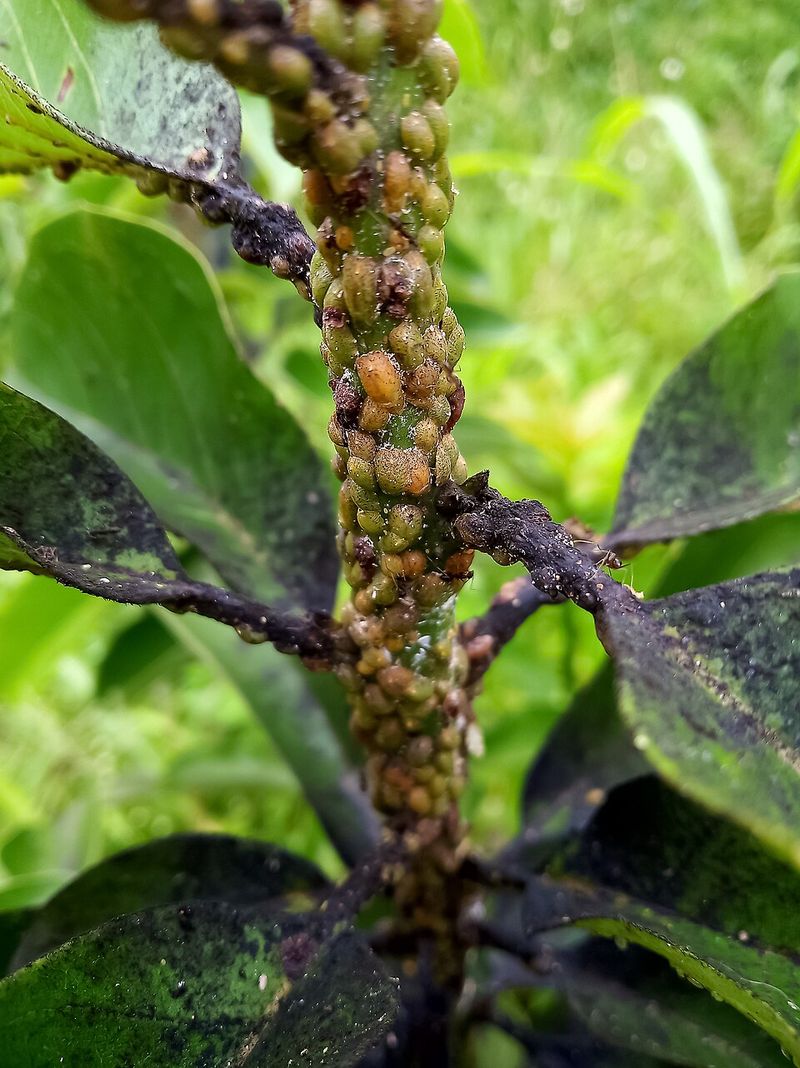
Treating sooty mold starts with one non-negotiable step. You must control the insects producing the honeydew before anything else will work long-term.
Horticultural oil sprays are highly effective against aphids, scale, and mealybugs. Apply them directly to affected branches and the undersides of leaves for the best results.
Insecticidal soap is another option that works well on soft-bodied pests. It disrupts the insect’s outer coating and causes them to dehydrate quickly.
For severe scale infestations, a systemic insecticide applied to the soil can help. The tree absorbs it and the feeding insects ingest it from the inside.
Once the pests are under control, washing the mold off is the next priority. A gentle stream from a garden hose can remove light sooty mold from leaves and bark.
For thicker buildup, a diluted neem oil solution works well as a surface treatment. Neem oil has been shown to have some antifungal properties that may help slow future mold growth.
Ants protecting the pest colonies need attention too. Wrapping the trunk with a sticky barrier tape stops ants from climbing up and farming the insects above.
Prevention going forward comes down to regular monitoring. Check your trees monthly during spring and summer for early signs of pest activity.
A healthy tree is your best defense against sooty mold returning. Proper watering, mulching, and annual pruning keep trees strong enough to resist pest pressure on their own.