Small Brown Moths Are Rising From Illinois Lawns With Every Step
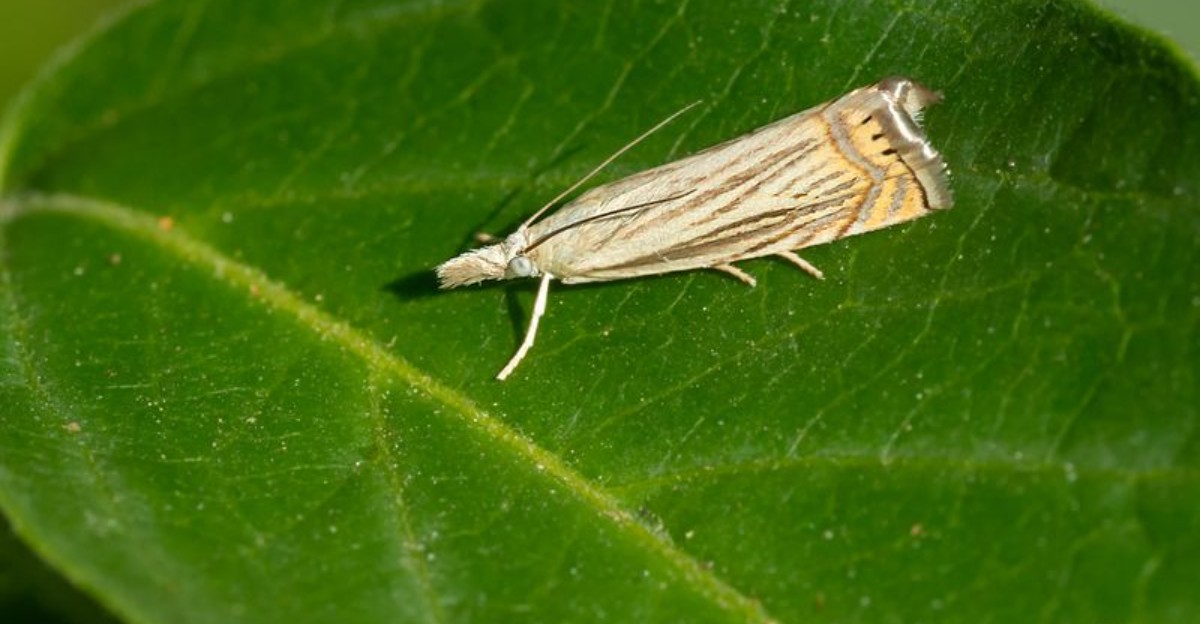
September mornings in Illinois look peaceful, with dew on the grass and a cool breeze by the mailbox. Then you cross the yard, and little tan flecks burst up around your shoes like popcorn.
Every step launches another puff, scattering low over the blades before settling back into the thatch again. Neighbors walking their dogs notice the same strange fireworks show along the sidewalk edge each evening.
Meanwhile, the turf near the driveway starts looking thin, ragged, and oddly chewed down in scattered spots. Sprinklers run, fertilizer goes down, yet those brown patches keep widening through the warm September afternoons.
Something small is living under there, and it has been eating far better than you have. Your lawn, it seems, quietly opened a nightly buffet and forgot to mail you an invitation.
Sod Webworm Adults Behind The Ankle-High Flutter
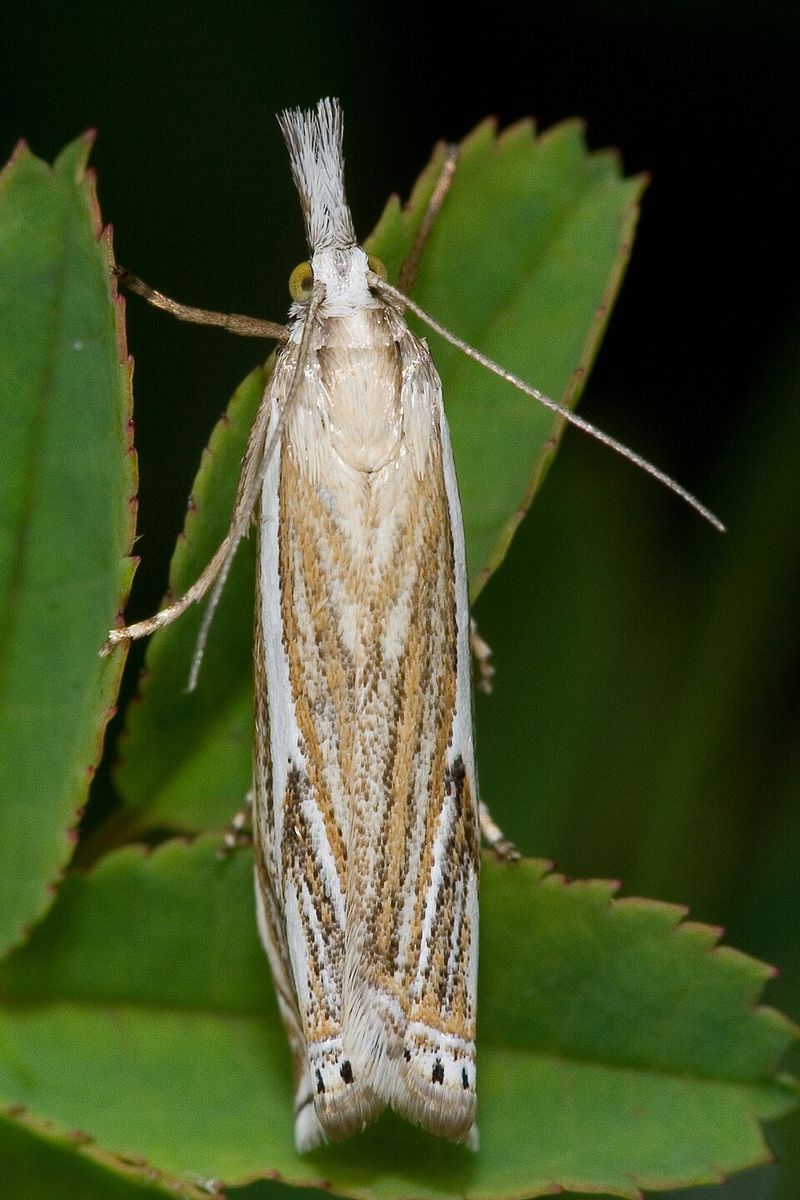
Those little tan moths zigzagging ahead of your shoes are adult sod webworms, not harmless dust. They rest down in the grass all day and scatter whenever something large stomps past.
Adults have a snout-like face and fold their wings tightly against their bodies like tiny paper tubes. Most measure under an inch, with dull buff or gray-brown coloring that blends into dry turf.
Grown moths do not chew grass at all, so the flying stage causes no direct harm. Their job is laying eggs, and a single female can drop dozens over a few nights.
Eggs hatch into small caterpillars that burrow down into the thatch layer near the soil surface. Those caterpillars build silky tunnels lined with bits of soil, chewed grass, and clippings.
Larvae do the clipping, working after dark when hungry birds and daytime heat stay away. By morning the evidence looks like tiny green pellets and shortened, ragged, uneven grass tips.
Illinois lawns built from Kentucky bluegrass, fescue, and perennial ryegrass suit these caterpillars very nicely. Sunny, dry, south-facing strips beside driveways and sidewalks usually show the first signs of trouble.
Spotting a few moths during an evening stroll does not mean your whole yard is in trouble. Steady clouds rising with every single step, though, suggest a large breeding population above.
Counting the moths you flush gives you a useful head start before the next generation settles. Think of them as flying mail carriers delivering bad news about your thatch layer.
The September Flight Peak In Illinois Lawns
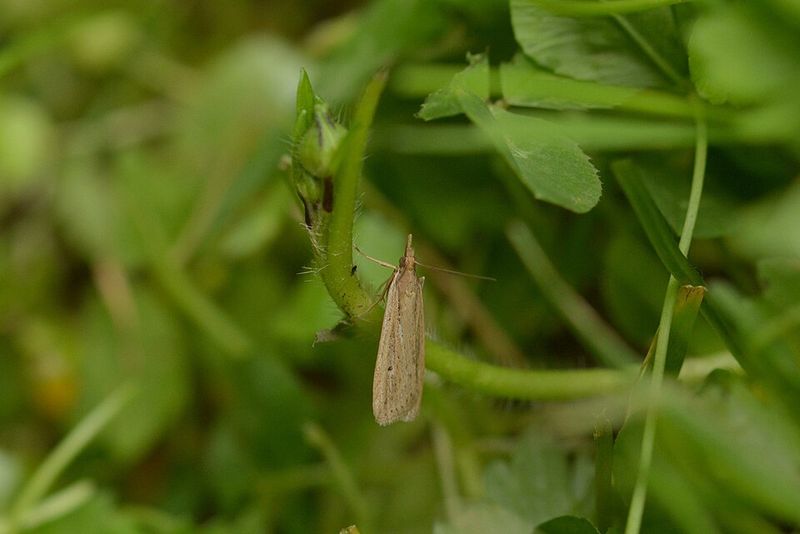
Illinois lawns usually see two or three sod webworm generations between late May and early October. The late-season batch draws the most attention, because September moth flights turn heavy at dusk.
Warm days, cool nights, and dry stretches let the population build through August without much pushback. By early September, moths take flight at dusk and lay eggs across already thinning turf.
Those eggs hatch within roughly a week, and the new caterpillars start feeding almost immediately. Grass growth slows during fall, so damage shows up faster than it ever would in June.
Your Illinois Garden Changes Every Week. Your Plan Should Too.
Gardening in Illinois changes quickly throughout the season. Every Friday you’ll receive a simple weekly plan showing exactly what to plant, prune, fertilize, harvest, and protect so you never miss the right timing.
Cool-season lawns bounce back easily in spring, because fast growth outruns feeding and masks small problems. September offers no such cushion, especially when rainfall stays scarce and afternoons remain stubbornly hot.
Scouting works best between dusk and full dark, when the adults flutter low over turf. Walk a straight line across the yard and watch how many moths lift from each step.
Ten or more moths flushing from one small area hints at trouble building beneath the surface. Mark those spots with a flag, so you can check the very same turf later.
Late-season larvae keep feeding until soil temperatures drop, then curl into silk-lined chambers for winter. Illinois frost usually arrives in October, which ends the flights but not the hidden caterpillars.
Treating during September protects fall root growth and any new grass seed you put down. Waiting until Halloween mostly hands the caterpillars a peaceful winter nap they did not earn.
Nighttime Feeding And The Ragged Brown Patches
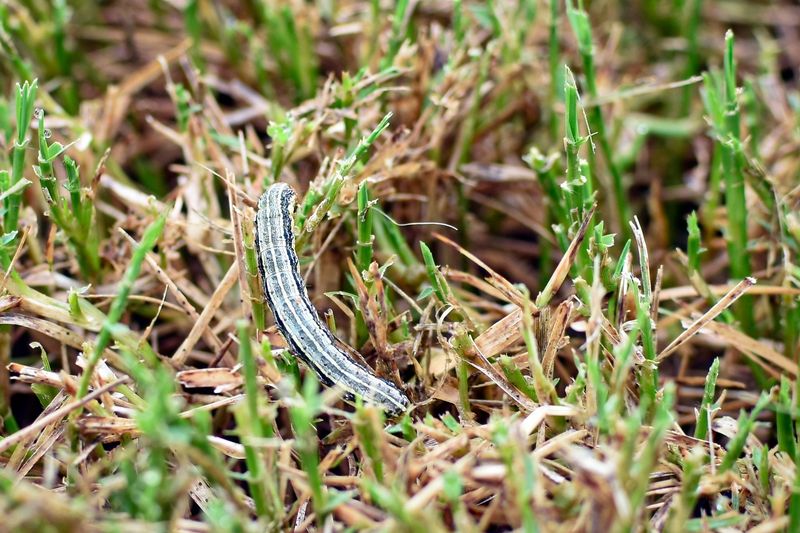
Damage from these caterpillars shows up as small, irregular brown patches that look oddly sunken. Patches often start about the size of a dinner plate, then merge into larger ragged areas.
Blades inside those patches are chewed off close to the crown, leaving short, uneven stubs. Tug gently on the grass and it stays rooted, unlike turf loosened by white grubs.
Green or tan pellets about the size of pepper grains collect down inside the thatch. Those pellets are caterpillar waste, and finding a handful confirms your suspicion pretty quickly.
Fine silk webbing shows up on dewy September mornings, threaded through the base of blades. Run your fingers across the soil line and you may feel that sticky, papery texture.
Robins, starlings, and grackles pecking hard at one spot act like a free lawn diagnosis. Birds dig for protein snacks, and they rarely waste effort on healthy, empty turf.
Drought stress looks similar, which fools plenty of homeowners into simply running the sprinkler longer. Water a suspicious patch deeply, and true drought damage will green up within several days.
Fungal disease usually leaves circular rings or spotted leaf lesions instead of cleanly clipped blades. Sod webworm patches feel shaved down, like someone mowed a few square feet far too short.
Checking at dusk with a flashlight can reveal larvae climbing up to feed on blades. Catching one in the beam feels oddly satisfying, though your neighbors might raise an eyebrow.
Watering Habits And Quick Fertilizer Missteps
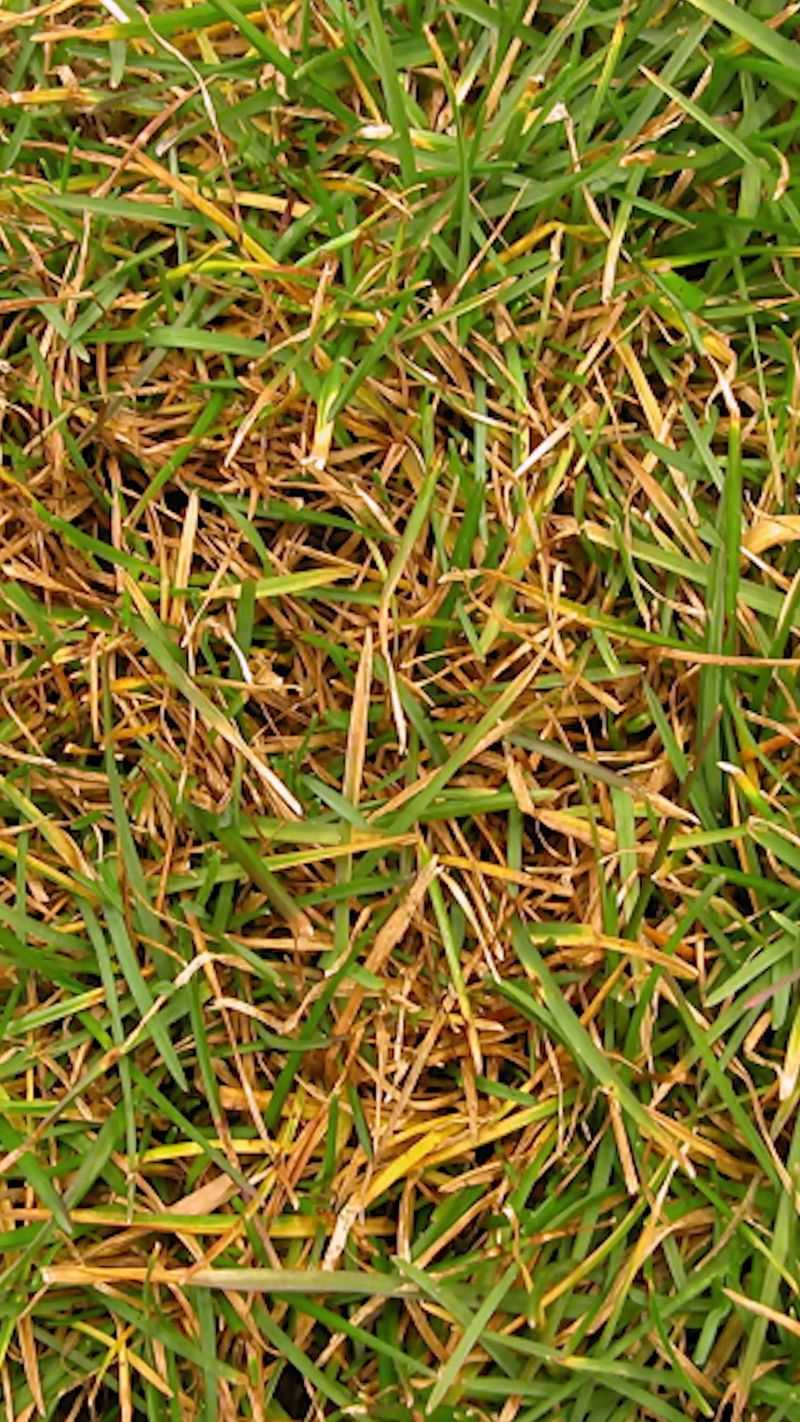
The most common reaction to sudden brown patches is cranking the sprinklers for two weeks. Extra water helps grass cope, yet it does nothing about the caterpillars doing the chewing.
Heavy nitrogen feels like a rescue, but lush new growth just sets a fresher table. Save the big fall feeding until after you have dealt with the feeding population below.
Mowing short makes everything worse, since low blades dry out and stress the roots quickly. Keep Illinois cool-season grass near three inches tall through September for better shade and recovery.
Thatch thicker than half an inch gives larvae a cozy apartment complex to live in. Core aeration in early fall breaks up that layer and helps water reach real soil.
Applying a product at noon wastes money, because sunlight and heat break many actives down. Late afternoon or early evening timing matches the hours when caterpillars come out to eat.
Watering heavily right after a liquid treatment simply rinses it off the blades and thatch. Light irrigation beforehand helps instead, since moist thatch lets granules settle where the larvae hide.
Skipping the mow before treating leaves tall blades that intercept spray instead of the target. Cut first, bag clippings if patches look bad, then treat the shorter, open turf.
Guessing also costs money, especially when the real problem turns out to be simple drought. A wrong diagnosis in September means paying for a product your lawn did not need.
Soap Flush Testing And Well-Timed Treatment Choices
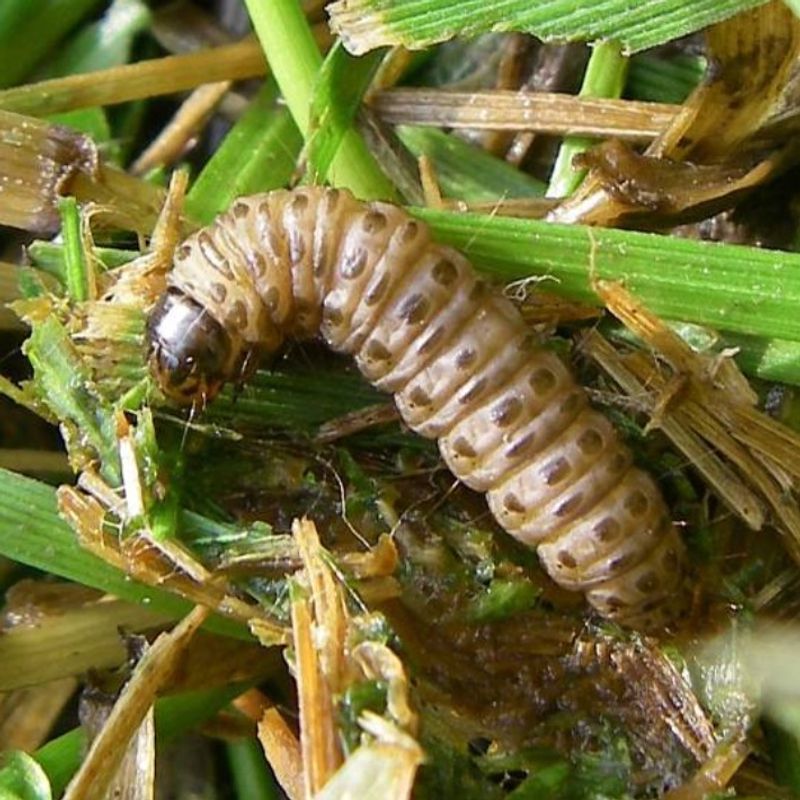
A bucket of soapy water is the cheapest diagnostic tool sitting in any Illinois garage. Mix two tablespoons of lemon dish soap into one gallon, then pour it out slowly.
Soak a square yard at the edge of a damaged patch, where healthy grass meets brown. Wait about ten minutes and watch for caterpillars wriggling up toward the surface.
Ten to fifteen larvae in a single square yard usually justify treatment on a home lawn. Fewer than that, and healthy turf with steady watering often shrugs the damage right off.
Rinse the test area afterward, so the soap does not scorch tender grass blades. Repeat the flush in two or three separate spots for a more honest overall count.
Bacillus thuringiensis and spinosad products target young caterpillars while going easy on bees and beetles. Both work best against small larvae, so good timing beats raw strength every single time.
Beneficial nematodes offer another gentle route, watered into moist soil during the cooler evening hours. They need damp conditions to travel, which makes a rainy September stretch a helpful partner.
Stronger pyrethroid granules exist too, though careful label reading and honest thresholds keep their use reasonable. Avoid spraying blooming clover, and give pollinators a wide berth around any flowering lawn edges.
Mow first, treat late in the day, then water lightly enough to move product downward. Recheck with another soap flush about a week later, because guessing twice costs even more.
Turf Recovery And A Tougher Lawn Next Season
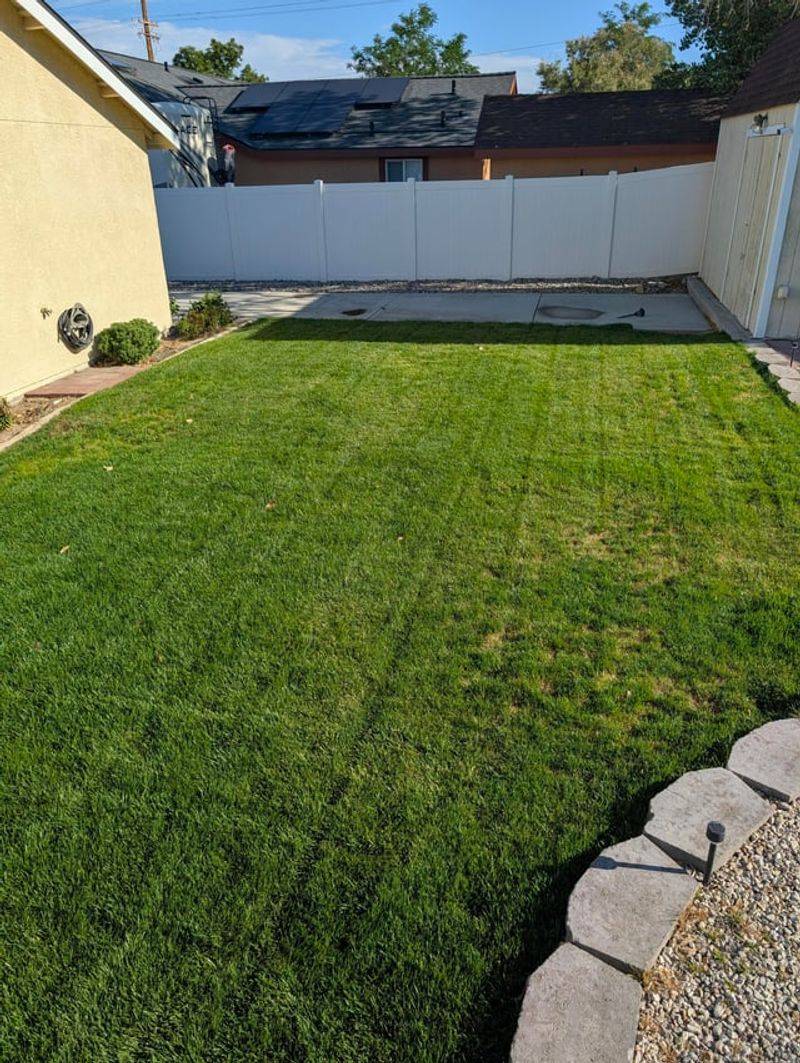
Recovery comes fast, because these caterpillars feed on blades and leave crowns mostly intact. Water, patience, and cooler September weather bring many damaged patches back within two or three weeks.
September happens to be prime overseeding season across Illinois, which turns a setback into opportunity. Rake out the debris, spread seed on bare spots, and keep the surface lightly moist.
Choosing endophyte-enhanced perennial ryegrass or turf-type tall fescue adds built-in resistance to leaf-feeding caterpillars. Helpful fungi living inside those grasses make the blades taste unpleasant to hungry larvae.
A light feeding after treatment pushes recovery along without inviting a fresh round of feeding. Roots grow strongly through October in Illinois, so fall fertilizer pays off next spring.
Mowing tall, watering deeply but less often, and dethatching every few years discourage future infestations. Thick, shaded turf with very little thatch gives egg-laying moths far fewer comfortable nurseries.
Birds, ground beetles, and tiny parasitic wasps handle plenty of larvae without any help from you. Skipping unnecessary broad sprays keeps that free labor force working hard in your favor.
Marking a reminder for next August gives you a jump on the following generation. One evening walk with a flashlight tells you more than a whole month of worrying.
By late October the flights end, and the lawn settles into its quiet winter routine. Your grass finally gets a rest, and so do your ankles during the evening stroll.