These 8 Native Wisconsin Trees Give Your Yard Blazing Fall Color Without Any Fuss
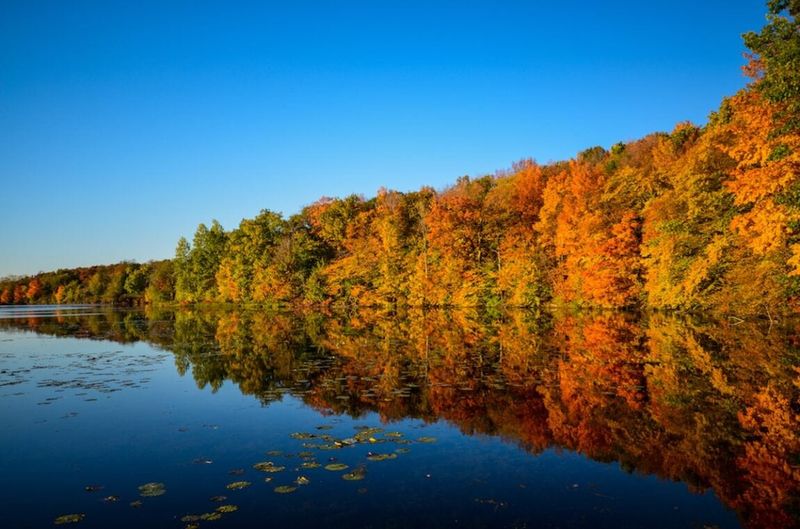
Fall in Wisconsin turns ordinary backyards into glowing works of art, and the right trees do all the heavy lifting. Planting native species means you get big autumn color without babying them all season long.
Below are eight tough, homegrown trees that shrug off Wisconsin winters and reward you with reds, oranges, and golds. Pick a couple, plant them, and let nature handle the show.
1. Wisconsin Sugar Maple
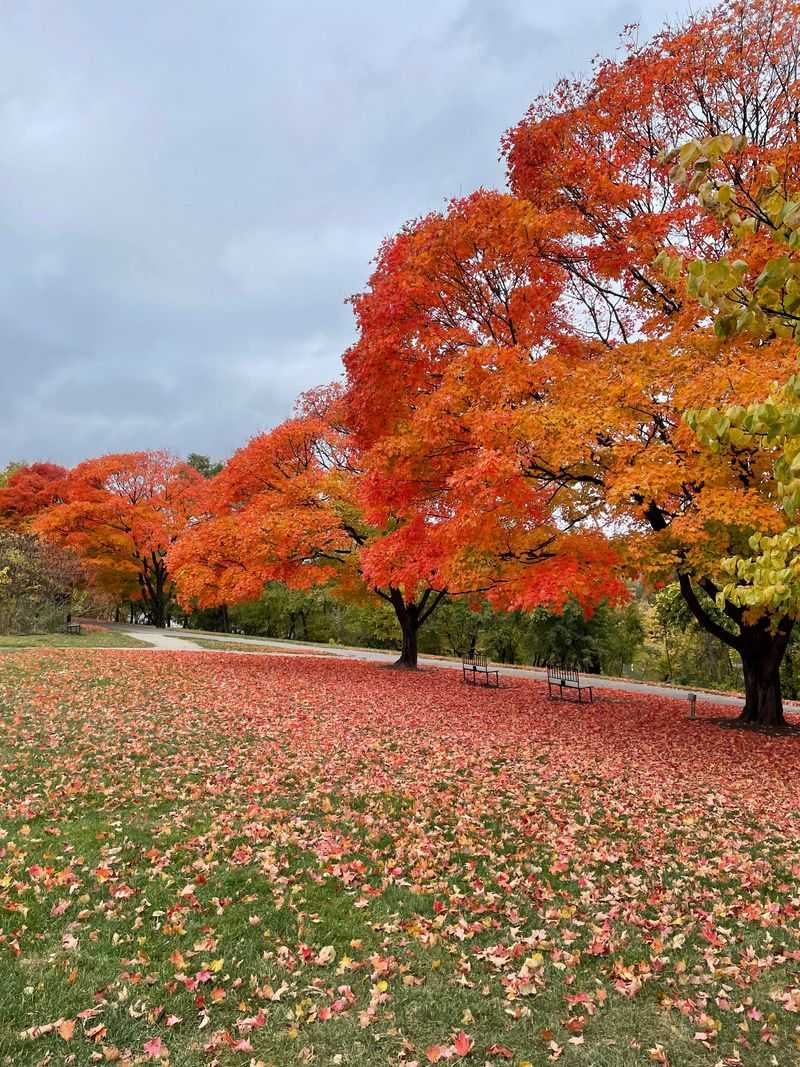
Few trees say autumn in Wisconsin quite like the sugar maple. When the weather cools, its canopy erupts into a mix of fiery orange, red, and yellow that stops people mid-walk on Wisconsin sidewalks.
Beyond the color, this Wisconsin native pulls double duty as a shade tree, keeping your house cooler through summer. It likes well-drained, slightly acidic soil and does great in full sun to partial shade across the state.
Here is a fun bonus for patient Wisconsin gardeners: once a sugar maple matures, you can tap it for your own syrup. Give it room to spread, and this Wisconsin classic will reward you for decades with almost no fuss.
2. Wisconsin Red Maple
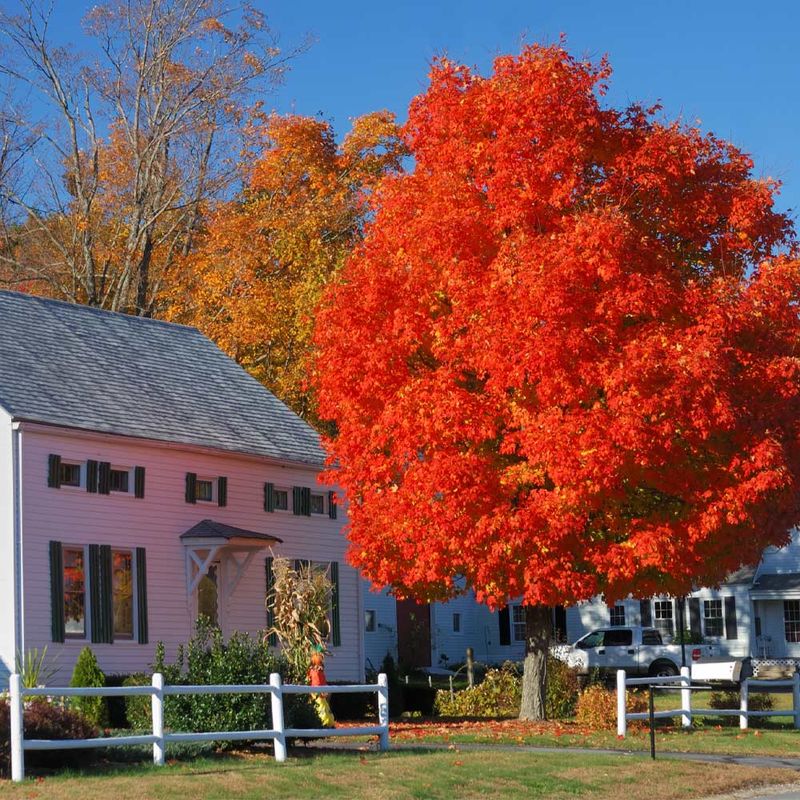
If you want guaranteed color, the Wisconsin red maple delivers scarlet leaves so bright they almost look painted. It is often one of the first trees in Wisconsin to change, usually kicking off the show in late September while everything else is still green.
What makes this Wisconsin tree so easy to love is how forgiving it is about soil. It prefers moist, well-drained ground but tolerates a surprising range of conditions found in Wisconsin yards.
Plant it in full sun to partial shade and step back. The red maple is a low-effort pick for Wisconsin homeowners who want dependable red without babysitting a tree.
3. Wisconsin Red Oak
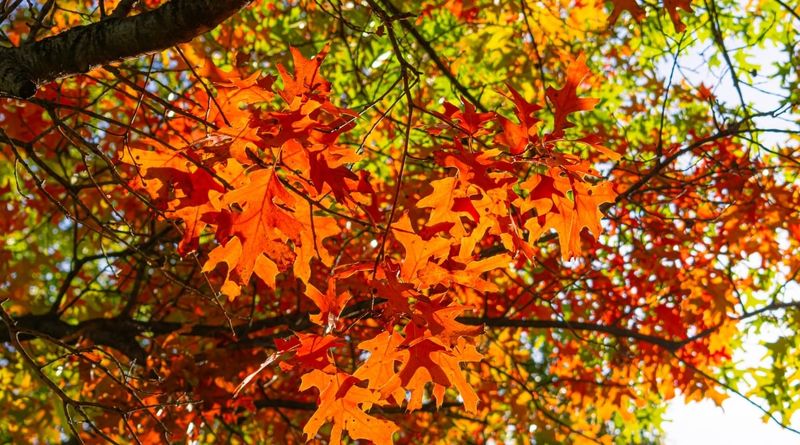
Strong, dependable, and built to last, the Wisconsin red oak brings deep russet-red color to the fall lineup. Its sturdy leaves often hang on well into winter, so your Wisconsin yard keeps some warmth long after the maples have dropped.
Once established, this Wisconsin native barely asks for anything. It shrugs off drought and stays fairly resistant to the pests and diseases that plague fussier trees around the state.
Give it acidic, well-drained soil and full sun, and the red oak becomes a legacy tree. Plant one in Wisconsin now and future generations will enjoy its shade and steady autumn glow.
4. Wisconsin Serviceberry
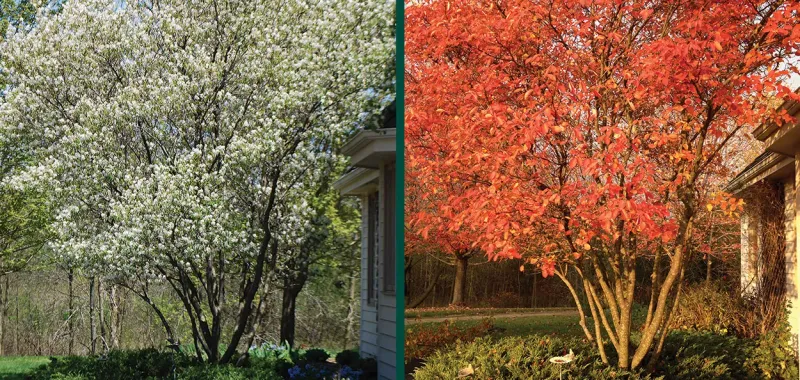
Short on space? The Wisconsin serviceberry, sometimes called Juneberry, packs a full year of interest into a compact frame that fits smaller Wisconsin properties.
Come fall, its leaves turn a warm blend of orange and red.
Spring brings clouds of white flowers, and early summer delivers edible berries that Wisconsin birds absolutely raid. You might even snag a handful for a pie before the robins beat you to it.
Adaptable to many soil types and light levels, this Wisconsin tree favors moist, well-drained ground and full sun to partial shade. It is a low-maintenance overachiever for any Wisconsin yard.
Your Wisconsin Garden Changes Every Week. Your Plan Should Too.
Gardening in Wisconsin changes quickly throughout the season. Every Friday you’ll receive a simple weekly plan showing exactly what to plant, prune, fertilize, harvest, and protect so you never miss the right timing.
5. Wisconsin Quaking Aspen
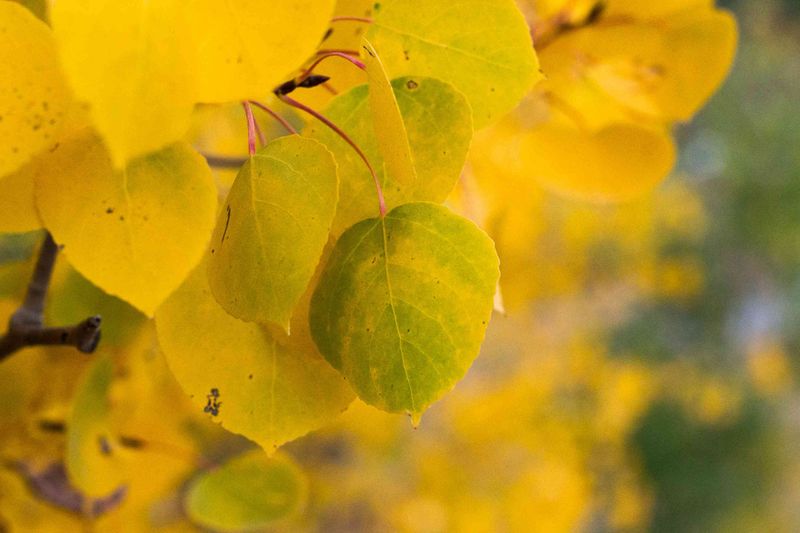
Listen closely on a breezy autumn day and a Wisconsin quaking aspen practically sings. Its golden-yellow leaves tremble at the slightest wind, filling the air with a soft rustling sound and constant flickering movement.
That shimmering motion makes this Wisconsin native stand out from the crowd of standard shade trees. It loves full sun and well-drained soil, growing happily across much of the state.
Keep in mind that aspens spread through root suckers, forming natural groves over time in Wisconsin landscapes. Give it space to do its thing, and you get an easygoing tree with a truly unique fall personality.
6. Wisconsin Musclewood
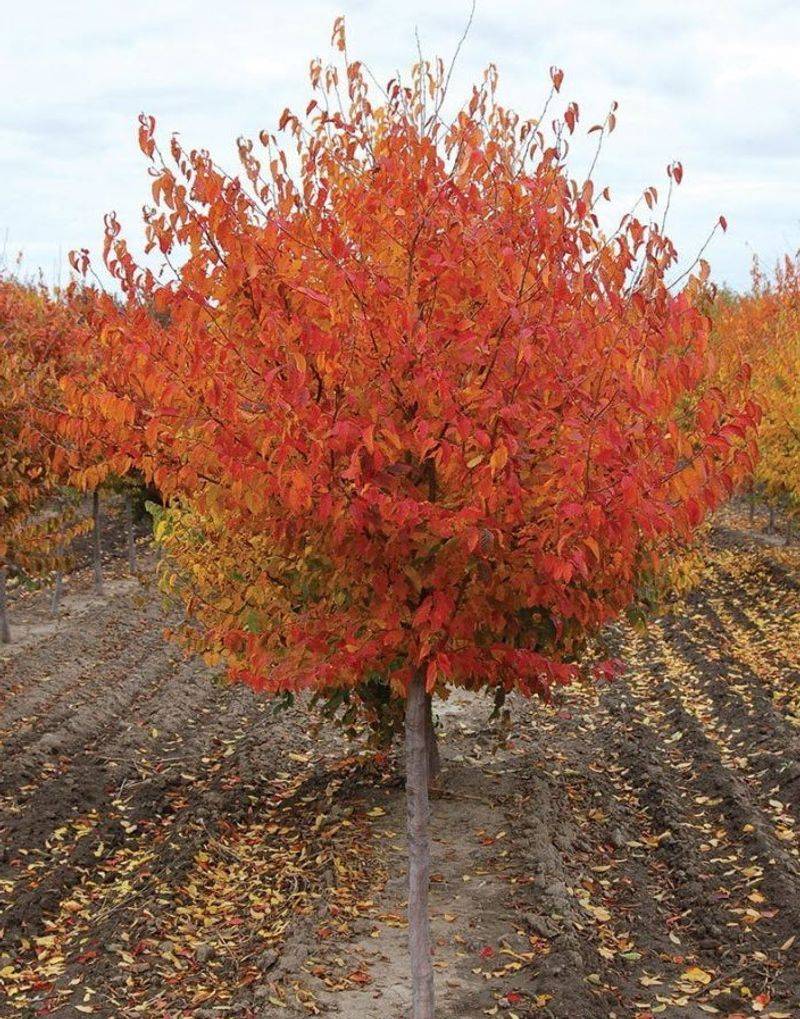
Named for its smooth, rippling bark that looks like flexed muscle, Wisconsin musclewood is a hardy little tree with real character. Also called American hornbeam, it shifts from yellow to a warm orangey-red as autumn settles over Wisconsin.
Its smaller size makes it a smart pick for tight corners and shady spots in Wisconsin yards. Naturally an understory and forest-edge grower, it handles partial shade with ease.
It can even take full sun in Wisconsin as long as the soil stays reasonably moist. That flexibility is exactly what earns musclewood its fuss-free reputation among Wisconsin gardeners.
7. Wisconsin River Birch
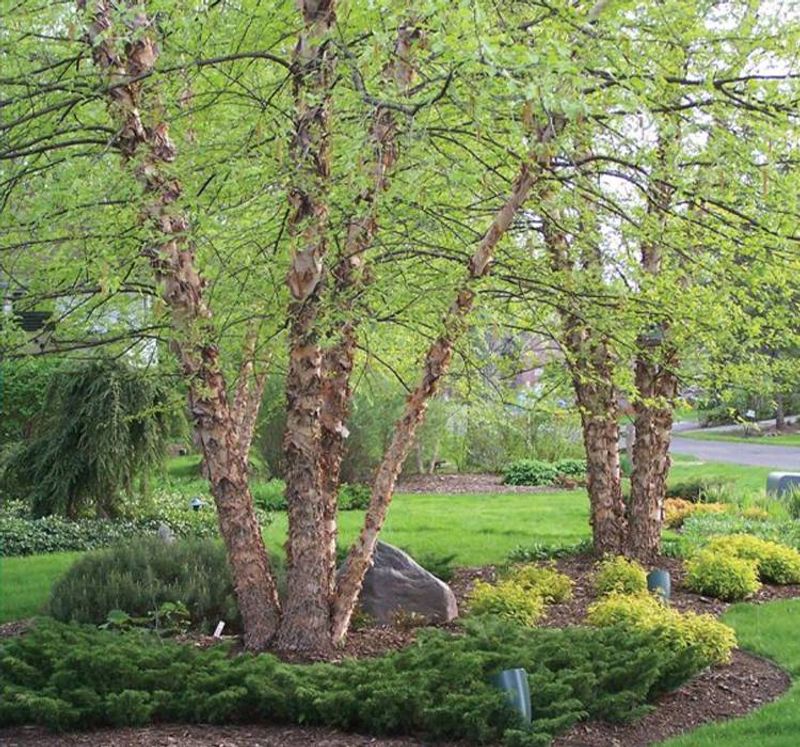
The Wisconsin river birch turns heads twice: once with its warm yellow fall leaves, and again with its peeling, cinnamon-bronze bark. That bark keeps the visual interest going straight through the gray Wisconsin winter.
Got a soggy corner of the yard where nothing else thrives? This Wisconsin native loves wetter ground and grows fast once it settles in.
The papery, curling bark makes the river birch a genuine standout among Wisconsin’s native trees. Plant it where you can admire it up close, and it earns its keep all four seasons in Wisconsin.