Illinois Oaks Are Dropping An Unusual Number Of Acorns This Fall
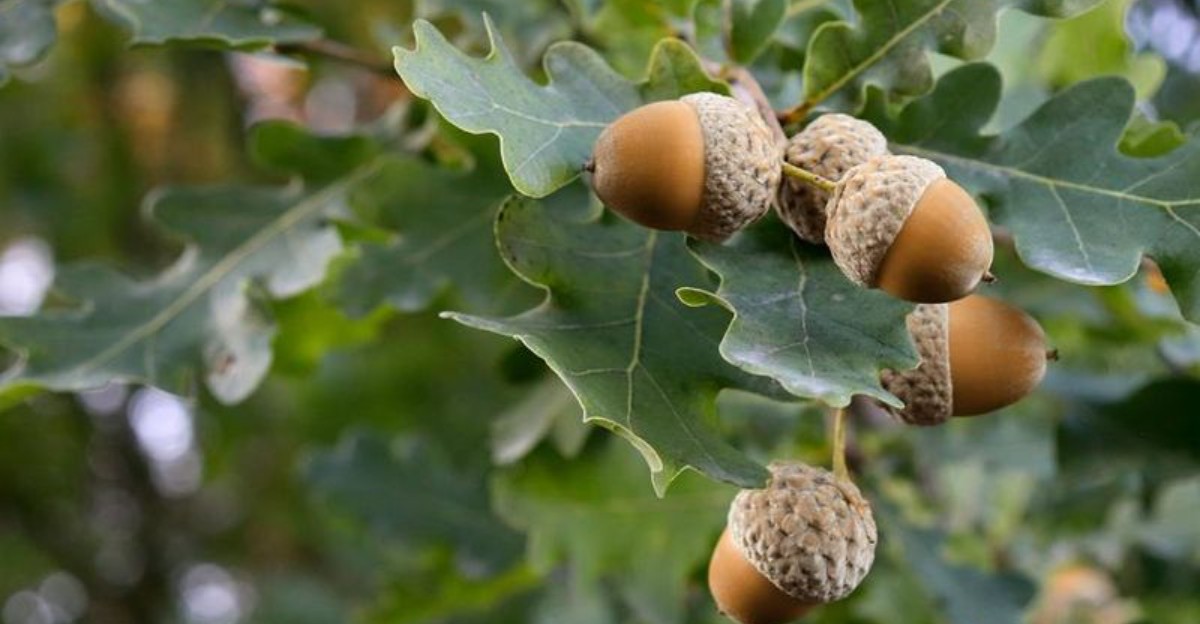
Something has been pinging off car hoods all over Illinois this September, and it is not hail. Walk outside barefoot and your feet will locate the crunchy evidence almost immediately.
Sidewalks crunch underfoot, gutters rattle after midnight, and the neighborhood squirrels look genuinely overwhelmed by everything. Patio chairs, garden hoses, and one unlucky windshield have already taken several surprisingly direct hits.
Neighbors compare notes at the mailbox, quietly wondering if the trees around town have lost their minds. They have not, and the real explanation is stranger and far better organized than random chaos.
Nature scheduled all of this months ago, running quiet math that most gardeners struggle to believe. The squirrels stopped counting somewhere around midweek and simply started hiding valuables inside a nearby pair of muddy garden boots.
The Science Behind A Mast Year
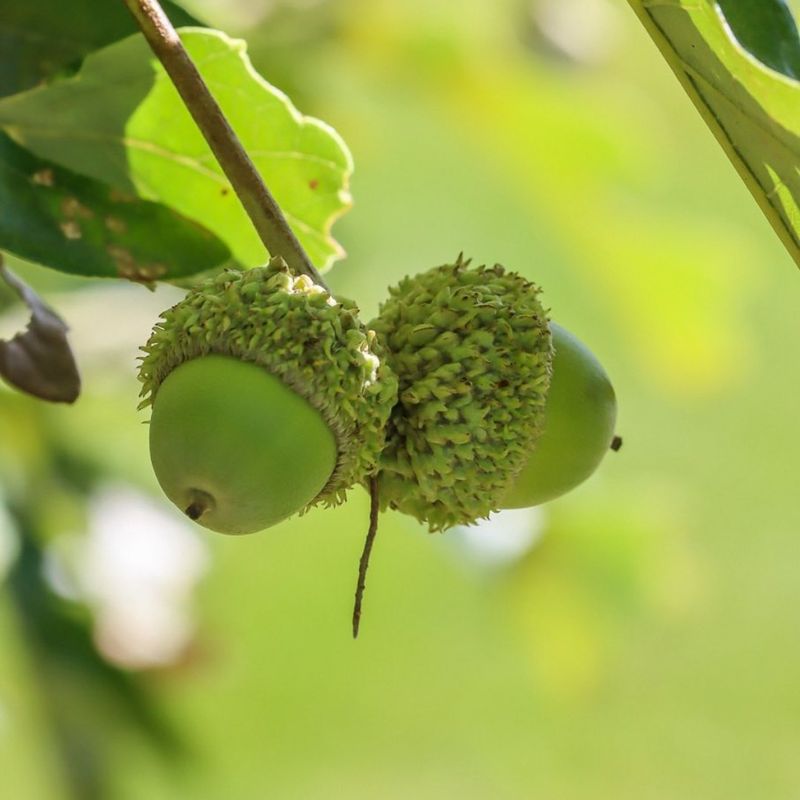
Every few autumns, oak trees across the Midwest seem to agree on one wildly generous plan. They flood the ground with nuts at once, then quietly scale back for several seasons.
Scientists call that heavy year a mast year, from an old word meaning forest food. Hickory, beech, and walnut trees join in, though oaks usually get the loudest reaction.
The strategy is clever and slightly sneaky, built on simple math about hungry animals. Squirrels, deer, and wild turkeys cannot eat millions of nuts before some quietly sprout.
During lean years, those same animals face slim pickings, so their numbers stay modest. Then the flood arrives and overwhelms every appetite in the woods within a matter of weeks.
Producing a giant crop also drains the energy a tree stored over previous summers. That cost explains the pause that follows, when branches carry far fewer nuts.
Shared weather and chemical signals help neighboring oaks sync their timing across entire counties. Researchers still argue about the details, which keeps the pattern a favorite forestry puzzle.
White oaks and red oaks run separate schedules, so a big year looks uneven. One street may be buried while a park three blocks away stays surprisingly tidy.
Nothing about the surge means your tree is stressed or struggling this September. A loaded canopy usually signals a healthy oak following instructions written thousands of years ago.
Illinois foresters see the cycle repeat roughly every two to five years in mixed woodlands. Mark your calendar, because the next big one rarely sends an advance warning.
Weather Signals From Last Spring Through Summer
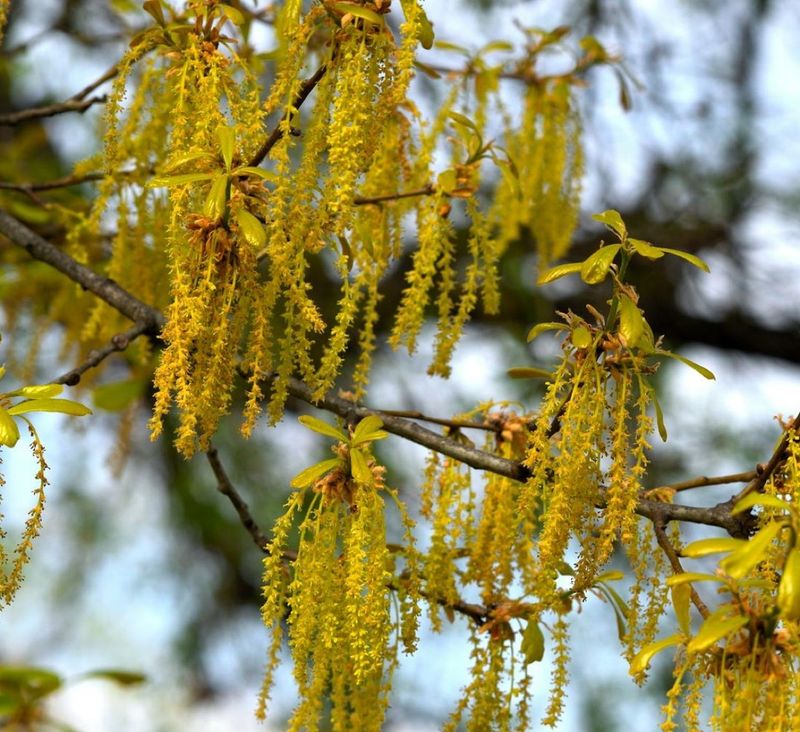
Blame the calendar page from last April, when oak flowers hung like tiny pale tassels. Wind tends to carry pollen best through dry, mild air with little rain to knock it down.
Frost during bloom can damage those flowers, and one cold night ruins a whole crop. When that bad luck is avoided, pollination goes smoothly across much of the state.
Warm spring temperatures stretched the flowering window, giving loose pollen extra chances to land. More fertilized flowers in May means more nuts thumping onto driveways in September.
Summer moisture matters next, because swelling nuts need steady water to finish filling out. Timely summer rain lets trees support a crop they might otherwise shed early.
Your Illinois Garden Changes Every Week. Your Plan Should Too.
Gardening in Illinois changes quickly throughout the season. Every Friday you’ll receive a simple weekly plan showing exactly what to plant, prune, fertilize, harvest, and protect so you never miss the right timing.
Red oaks work on a two-year plan, so this year’s nuts began forming back in 2025. White oaks finish in one season, which is partly why the timing looks scrambled.
Stress from a hot, dry stretch can trigger a rushed crop of small, light nuts. Those feel different in your hand, often hollow, tan, and unusually easy to crush.
Weather alone does not explain everything, since trees also track their own energy reserves. A well-rested oak plus a friendly spring equals a generous oak by early autumn.
Check your own notes from past seasons if you keep any kind of garden journal. Patterns jump off the page once you compare three or four years side by side.
Forecasters rarely predict nut crops, though arborists watch April weather with real interest. Ask one at your local nursery and you may get a surprisingly detailed answer.
The Fall Drop Calendar In Illinois
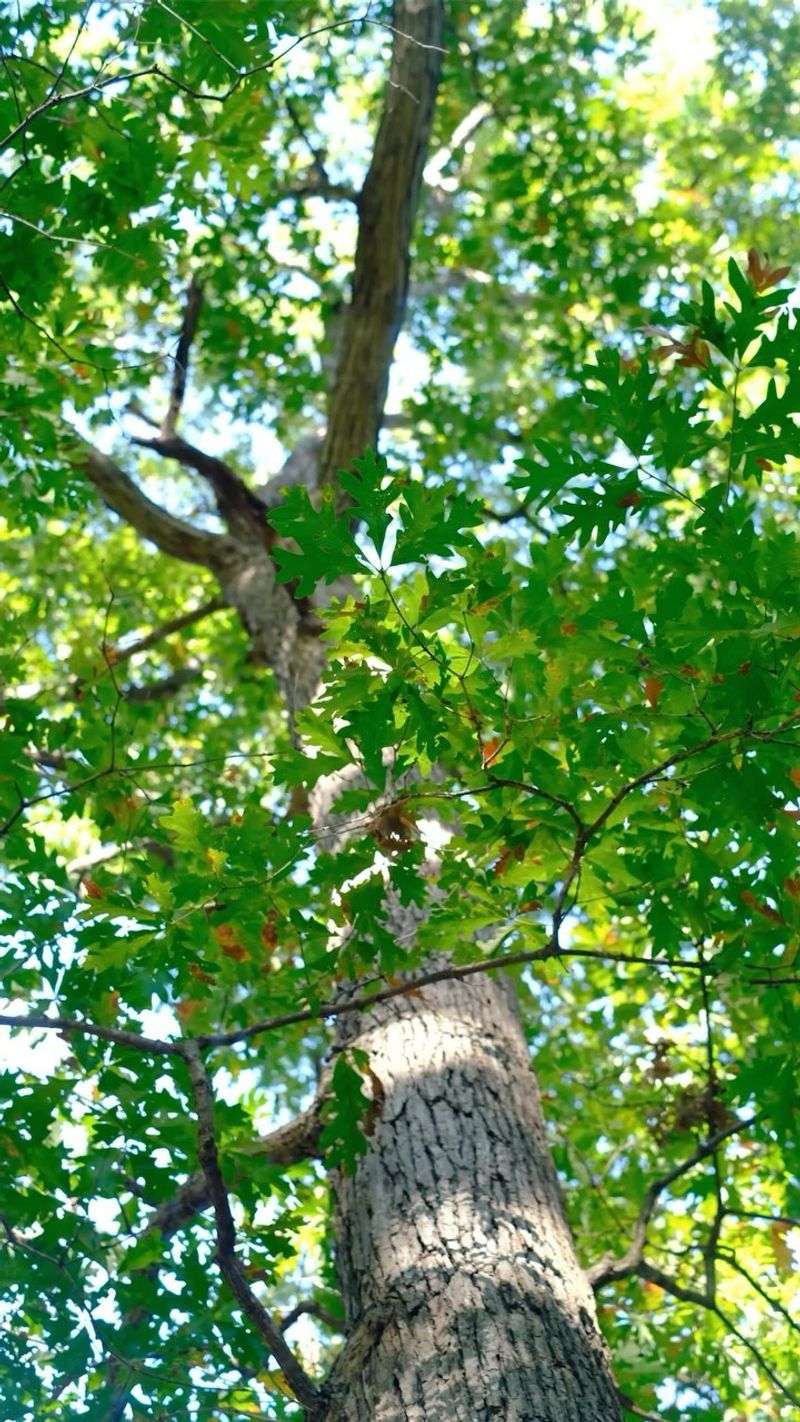
Timing separates a tidy yard from an obstacle course, and the schedule usually starts in early September. White oaks and bur oaks usually go first, dropping heavy nuts through most of September.
Bur oak nuts are the showstoppers, wide as golf balls with shaggy fringed caps. They land hard enough to startle anyone reading quietly on a nearby porch swing.
Red, black, and pin oaks follow later, peaking through October and into early November. Their smaller nuts arrive in waves, so cleanup feels endless until the wind settles.
Strong storms speed everything up, stripping branches in a single loud afternoon. A calm stretch spreads the same crop across six patient weeks instead.
Green nuts falling early often carry weevil grubs or reflect a tree shedding extra weight. Split one open and you may find a small pale grub already at work inside.
Mature brown nuts that have separated from their caps usually mean the crop finished properly. Those are the ones squirrels bury, and the ones most likely to sprout next spring.
Northern Illinois tends to run a week or two behind the southern counties. Elevation, city heat, and street tree age shift local timing more than people expect.
Watch the sidewalk rather than the calendar if you want a truly accurate answer. The first crunchy morning walk tells you exactly which phase your block has entered.
Plan bigger cleanups for mid October, when both oak groups overlap for a while. One well-timed weekend beats six frustrating ones with a broom.
Common Yard Mistakes During A Heavy Nut Drop
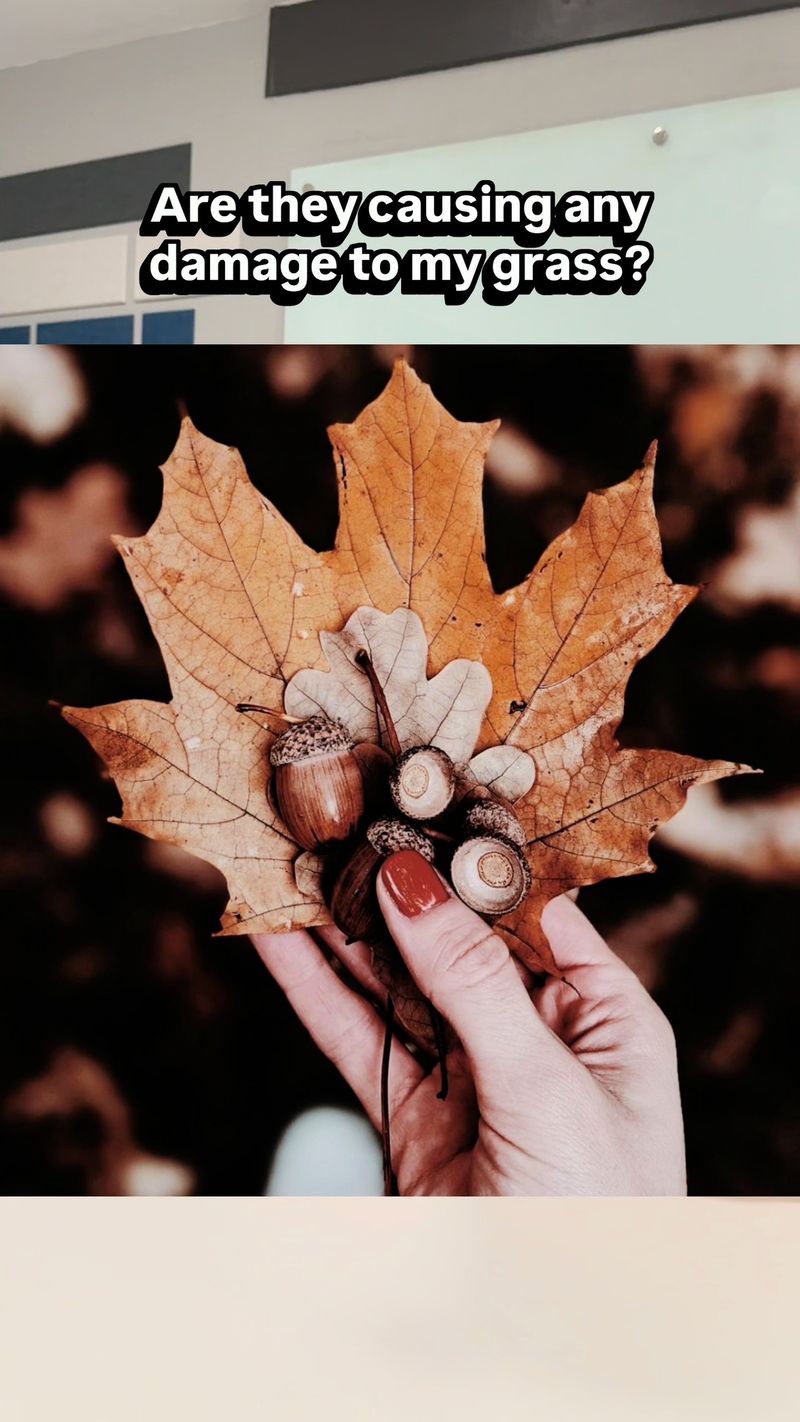
Mowing straight over a thick layer is one of the most common mistakes of the season. Blades send hard nuts sideways at real speed, and windows and shins pay the price.
Leaving a deep carpet on the lawn causes slower trouble underneath the surface. Grass smothers, thin patches appear, and spring seeding becomes an unnecessary weekend project.
Piling them against the house feels efficient until mice notice the free buffet. Rodents move toward foundations fast, and gaps near vents become their favorite doorways.
Some folks spread whole nuts as mulch around shrubs, expecting tidy decorative results. Seedlings sprout everywhere by May, and pulling hundreds of them is not enjoyable.
Bagging everything for the landfill wastes a resource that composts well over winter. Crushed nuts break down faster, especially mixed with shredded leaves and a little soil.
Ignoring stairs and ramps creates the season’s sneakiest hazard for older family members. Round nuts roll like marbles, and a handful on concrete behaves like ball bearings.
Aggressive raking under mature oaks can scrape shallow feeder roots near the surface. Light sweeping protects the tree while still clearing the mess from your walkway.
Parking directly beneath a loaded bur oak tests both patience and auto body budgets. Move the car twenty feet and the hood stays smooth through October.
Waiting for one enormous cleanup day rarely works when trees keep restocking the lawn. Short sessions twice a week keep the job from turning into a grim marathon.
Cleanup Gear For Safer Walkways Around The House
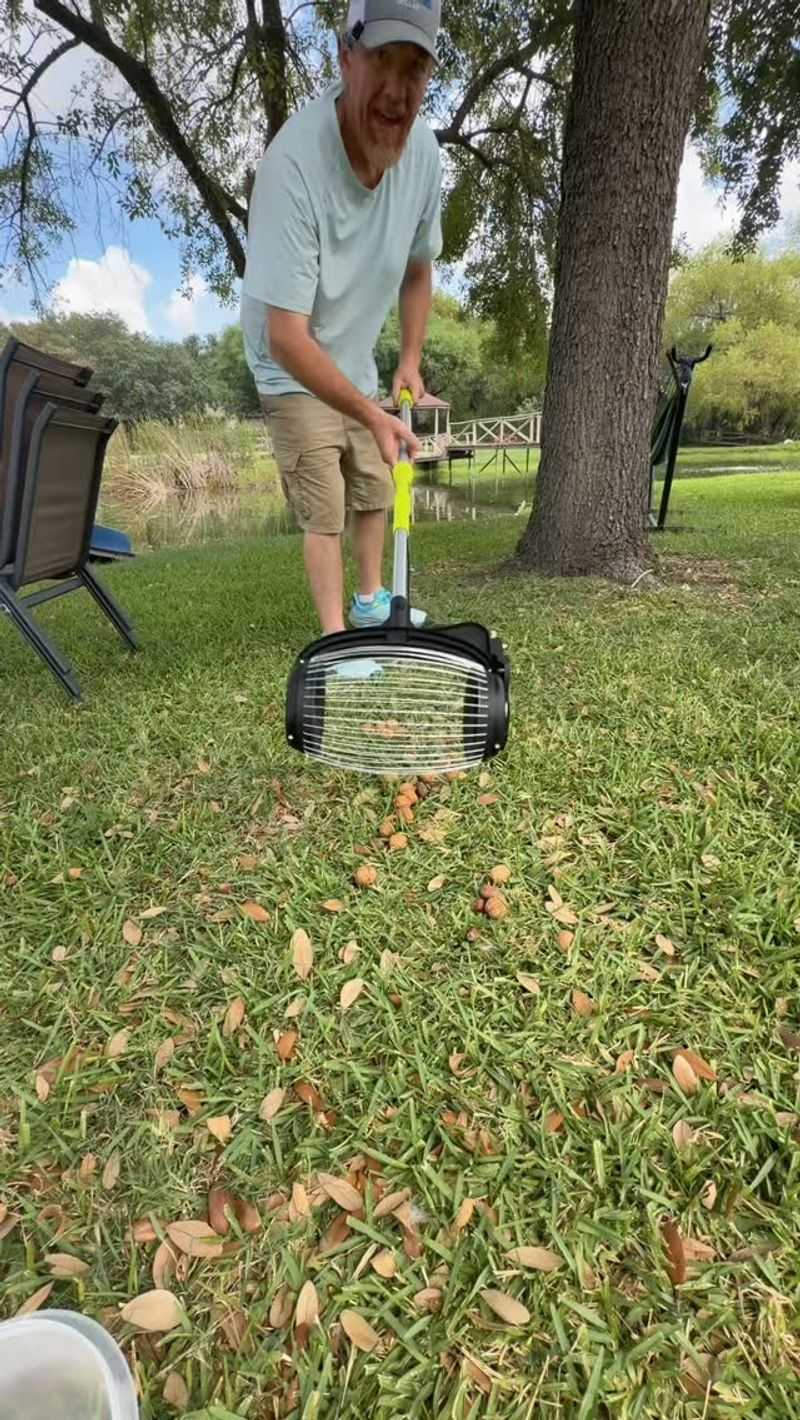
A rolling nut gatherer looks like a wire basket on a stick and works beautifully. Push it across grass and the flexible cage swallows dozens of nuts per minute.
Lawn sweepers pulled behind a riding mower handle big properties without any bending. Most models cost less than hiring a professional yard crew for a single cleanup.
A shop vacuum with a wide hose clears driveways, steps, and tight corners quickly. Empty it often, because a full canister gets heavy faster than anyone expects.
Leaf blowers move nuts across hard surfaces, though thick grass grabs them stubbornly. Blow toward a tarp, then drag the whole bundle to the compost pile.
Traction matters on painted porch steps, where a thin layer becomes genuinely slippery. Outdoor stair treads or a rubber runner give shoes something reliable to grip.
Gutter guards prevent the other headache, since nuts clog downspouts and hold water. Clear the roof valleys before the first heavy October rain rolls through town.
Composting works well once the nuts get crushed under a mower or heavy boot. Whole ones sit stubbornly intact for years and sprout the moment you look away.
Neighbors who keep chickens or pigs may happily take buckets off your hands. Some nature centers and wildlife rehabbers also accept clean nuts for animal feed.
Store any saved nuts in metal containers with tight lids inside the garage. Cardboard boxes are basically an invitation printed in a language mice read fluently.
The Ripple Effects Of A Wildlife Boom
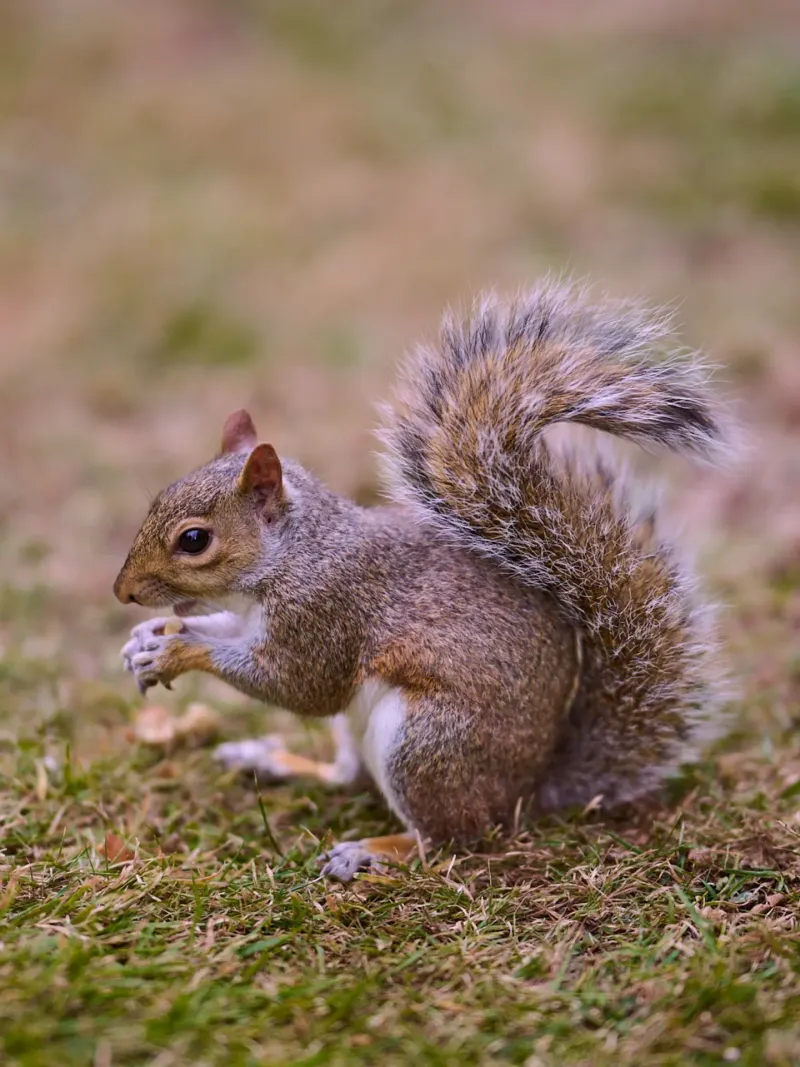
A flood of nuts feeds a population boom that shows up several months later. Mice and chipmunks breed enthusiastically through winter when food sits everywhere underfoot.
Deer linger longer in wooded neighborhoods, and turkeys wander through yards with confidence. Blue jays quietly carry nuts a mile away and plant future forests by accident.
More rodents in spring can mean more ticks the following season in Illinois. Young ticks feed on mice first, so the ripple eventually reaches neighborhood hiking trails.
Protecting your home starts with sealing gaps around vents, pipes, and garage door corners. A quarter inch opening is plenty of room for a determined field mouse.
Move birdseed, pet food, and grass seed into sealed metal bins before November arrives. Rodents follow easy calories, and your garage smells like a grocery store to them.
Expect a much lighter crop next year, since the trees need time to recover. Two or three quiet autumns usually follow a season this dramatic across the region.
Seedlings will appear in flower beds, gutters, and lawn edges by late spring. Pull them while stems stay soft, because a one-year taproot fights back hard.
Consider letting one volunteer seedling grow in a good spot away from power lines. Today’s nuisance sprout becomes shade for somebody standing there in forty years.
Check yourself and pets for ticks after yard work, even in cool weather. Small habits now save plenty of worry once the rodent population rebounds.