Here’s What Illinois Gardeners Should Do When Zucchini Won’t Stop Producing
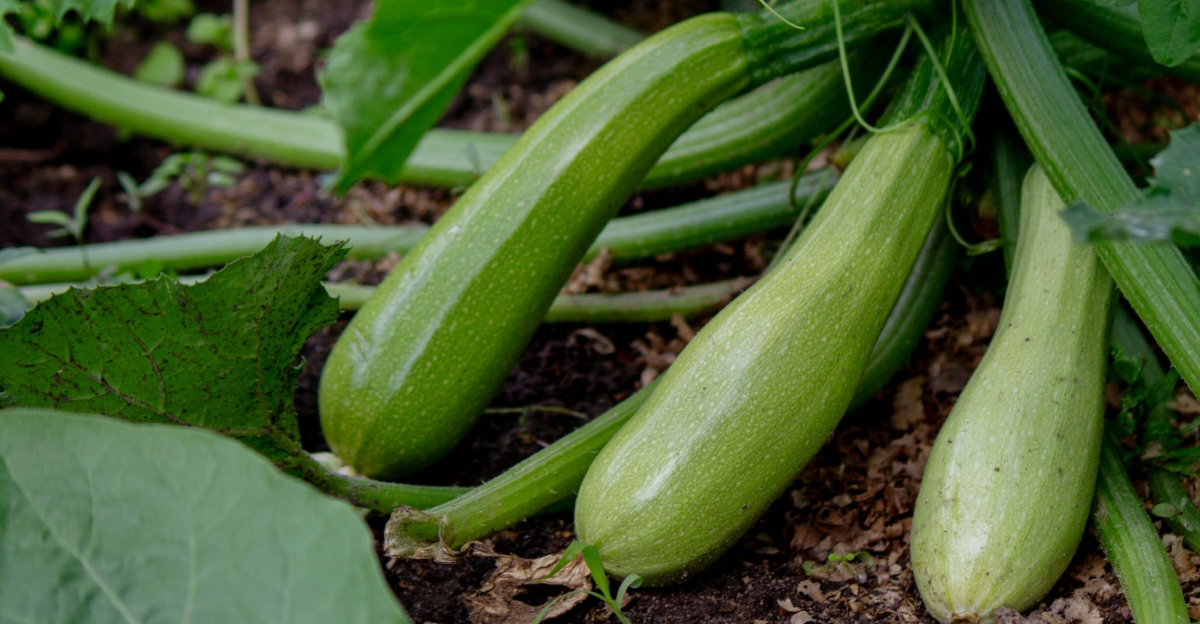
Ask any zucchini grower about the moment it happened to them, and you’ll get the same wide-eyed stare. One day the plant looks shy and unassuming.
A week later it’s dropping squash the size of rolling pins onto your patio like it’s got something to prove.
Illinois gardeners know this cycle better than most, because our summers hand zucchini plants exactly what they crave: sticky heat, long daylight, and just enough rain to keep things reckless.
The result is a harvest that doesn’t taper off politely. It just keeps coming. If your counter has turned into a zucchini overflow and your neighbors are quietly avoiding eye contact at the mailbox, you’re not alone.
This is a rite of passage for anyone gardening in Illinois, and there are real ways to get ahead of it. Let’s talk about why your plant won’t quit, and what to actually do about all that green.
1. Harvest Zucchini Every 2-3 Days While Small
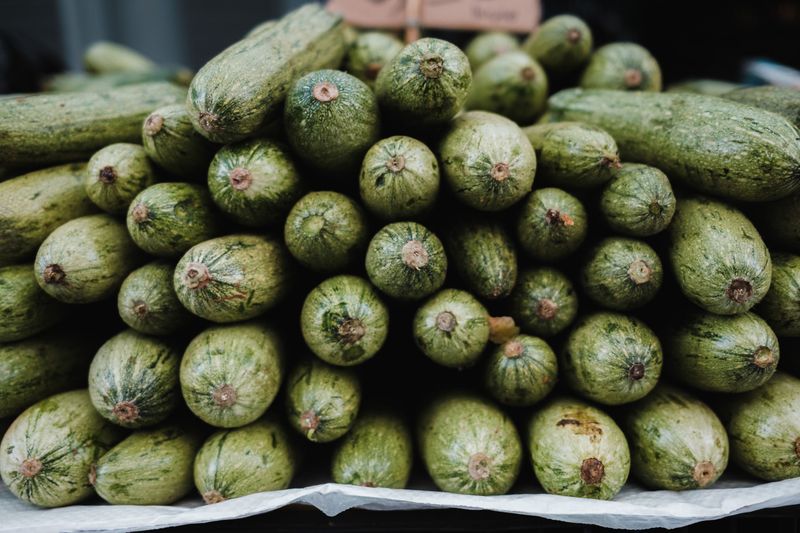
Small zucchini tastes better, cooks faster, and keeps the plant producing longer. When fruits stay on the vine too long, the plant slows down and stops making new ones.
Zucchini grows shockingly fast in warm Illinois summers. A fruit that looked perfect on Monday can turn into an oversized fruit by Wednesday.
Picking every two to three days keeps the plant in high gear. Think of it like a signal you send to the plant: “Keep going, we need more.”
Smaller fruits also have thinner skin and fewer seeds. That means better texture in stir-fries, pasta, and grilled dishes everyone actually wants to eat.
Consistent harvesting also reduces the chance of rot. A rotting fruit left on the vine can spread disease and stress the whole plant out.
Set a simple reminder on your phone if you tend to forget. Two to three days goes by fast when summer gets busy.
The sweet spot for harvest is around six to eight inches long. Fruits at that size are tender, flavorful, and easy to cook with.
Make harvesting part of your morning routine, like watering or checking on your tomatoes. Grab a basket, do a quick loop, and you’ll be surprised how much you bring in.
Zucchini won’t stop producing if you stay on top of it. That’s both the challenge and the reward of growing this powerhouse summer vegetable.
2. Pick Fruits Around 6-8 Inches Long
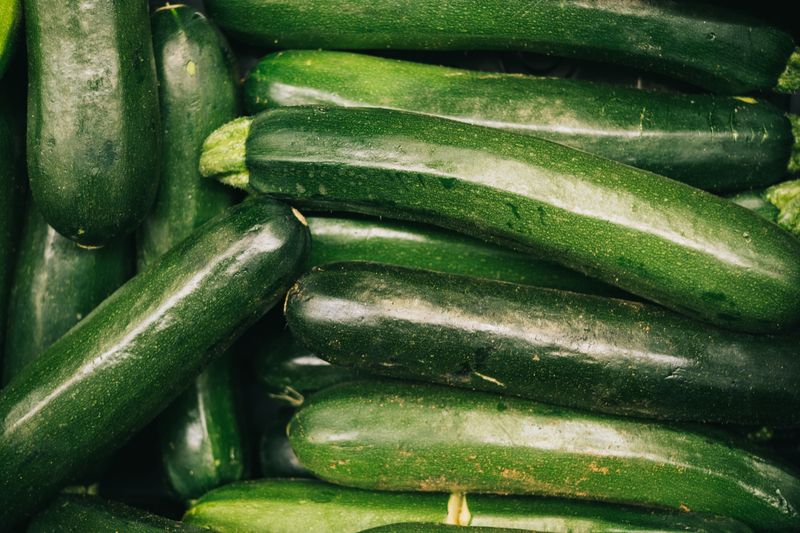
Six to eight inches is the magic zone for zucchini. Fruits at this length are firm, sweet, and packed with the best flavor the plant can offer.
Waiting too long turns a great zucchini into a watery, seedy club. Once they pass ten inches, the texture changes fast and cooking becomes a chore.
A handy trick is to keep a small ruler in your garden basket. It sounds silly, but eyeballing size gets tricky when you’re tired and the sun is blazing.
Zucchini at the right size also stores better in the fridge. You can keep a six-inch fruit for up to a week without losing quality.
Your Illinois Garden Changes Every Week. Your Plan Should Too.
Gardening in Illinois changes quickly throughout the season. Every Friday you’ll receive a simple weekly plan showing exactly what to plant, prune, fertilize, harvest, and protect so you never miss the right timing.
Bigger fruits take longer to cook and require more prep work. Peeling, seeding, and chopping a giant zucchini is not anyone’s idea of a fun Tuesday evening.
Zucchini won’t stop producing when you harvest at the right size consistently. The plant responds to regular picking by pushing out new blossoms within days.
Picking at peak size also helps you plan meals more efficiently. A six-inch zucchini fits perfectly into most recipes without needing to be trimmed down or split up.
Younger fruits have a mild, slightly nutty flavor that works well raw or cooked. Slice them thin for a quick salad or toss them whole on the grill.
Size really does matter here, and smaller wins every single time. Your taste buds and your cooking time will both thank you.
3. Check Under Leaves For Hidden Zucchini Daily
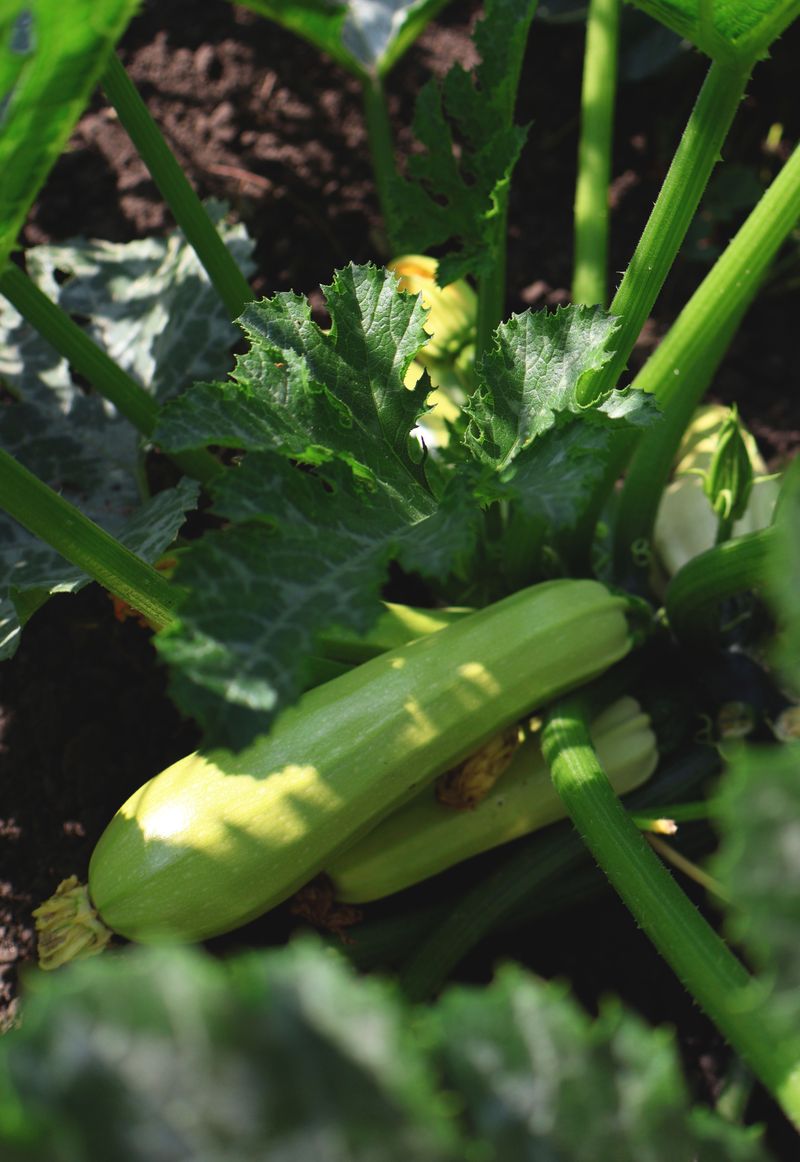
Zucchini plants are sneaky. Those big, broad leaves hide fruits like a magician hides a rabbit, and the results are just as surprising.
A zucchini hidden under a leaf for a few days can grow surprisingly fast, sometimes doubling or tripling in size before you notice it.
Making a daily leaf check part of your garden walk is genuinely important. Tilt each large leaf gently and peer underneath before moving on to the next plant.
Hidden fruits drain the plant’s energy fast. When a zucchini gets massive under cover, the rest of the plant stops putting effort into new blossoms.
Bring a flashlight for early morning checks when light is low. The garden looks different at 7 a.m., and shadows hide things you’d never spot at noon.
Kids actually love this part of gardening. Turning leaf-checks into a daily treasure hunt gets them outside and excited about where food comes from.
When you find a hidden giant, don’t panic. Oversized zucchini still have uses, which we’ll cover later in this article.
The goal of the daily check is to catch fruits early, before they become a problem. Early discovery keeps your harvest manageable and your plant healthy. Zucchini won’t stop producing if you stay alert and thorough.
A two-minute leaf check each day can make the difference between a thriving plant and a struggling one. Think of it as a quick daily conversation with your garden. It listens when you pay attention.
4. Share Extras With Neighbors Or Food Banks
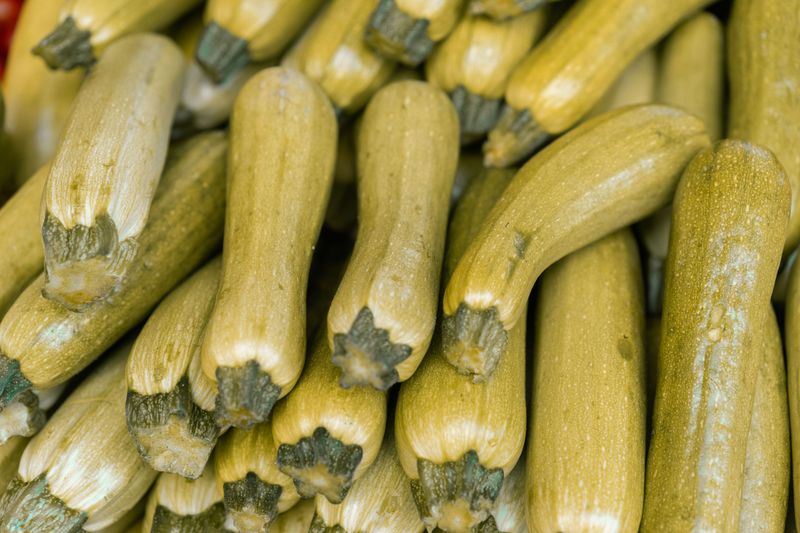
There comes a point in every zucchini grower’s summer when the fridge is full and the counter is covered. That’s your cue to start sharing.
Neighbors, coworkers, friends, and family are usually happy to take fresh garden produce off your hands. A bag of zucchini on a doorstep is a genuinely kind gesture.
Local food banks and community pantries are another excellent option. Many of them welcome fresh vegetable donations during summer harvest months, though it’s worth calling ahead to confirm what they accept.
Some locations have specific drop-off hours or prefer produce in certain quantities. Community gardens and neighborhood groups on social media are also great outlets.
Post a quick photo and offer free zucchini for pickup right from your yard. Sharing extras builds goodwill and community connection. People remember the neighbor who showed up with fresh vegetables in July.
If you have more than neighbors can handle, try a local farmers market swap. Some markets allow gardeners to trade surplus produce for goods from other vendors.
Churches and senior centers are often grateful for fresh produce as well. A quick call can connect you with people who genuinely need what you have growing.
Zucchini won’t stop producing, so building a regular sharing routine makes the abundance feel like a gift rather than a burden.
You grew it, now let others enjoy it too. Generosity and gardening go hand in hand. Your surplus is someone else’s dinner.
5. Freeze Shredded Zucchini For Winter Use
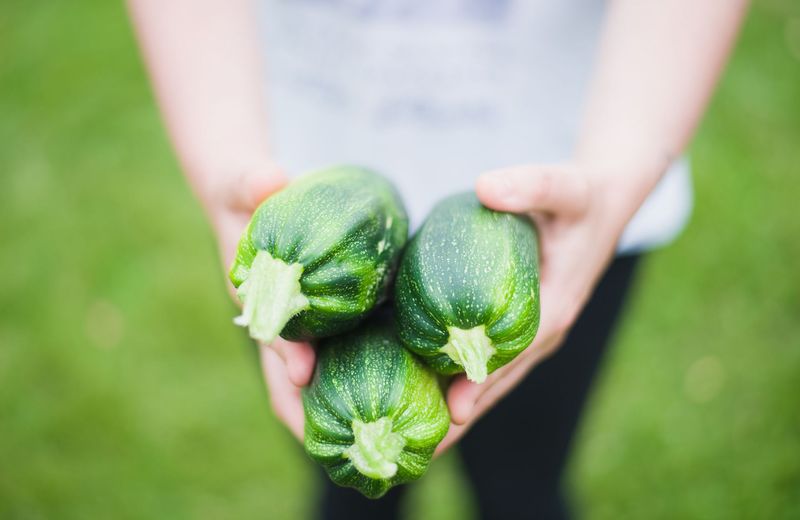
August zucchini abundance can fuel your cooking all the way through January. Freezing shredded zucchini is one of the smartest moves a home gardener can make.
The process is simple and takes less than thirty minutes per batch. Wash, grate, squeeze out moisture, pack into bags, and freeze flat for easy stacking.
Removing moisture before freezing is the most important step. Wet zucchini turns mushy and watery when thawed, which ruins baked goods and soups.
Use a clean kitchen towel or cheesecloth to squeeze out as much liquid as possible. Press firmly and repeat until the shredded zucchini feels almost dry.
Label each bag with the date and amount before sealing. Frozen shredded zucchini stays good for several months in a standard home freezer, though quality is best within the first three to six months.
One-cup portions are the most practical size for most recipes. Muffins, quick breads, soups, and casseroles typically call for one to two cups at a time.
Thaw frozen zucchini in the fridge overnight before using it. Give it one more squeeze after thawing to get rid of any remaining liquid.
Frozen zucchini works beautifully in baked goods because texture matters less than flavor there. Zucchini bread in December made from your own garden feels incredibly satisfying.
Zucchini won’t stop producing in summer, so let the freezer handle the overflow. Stock up now and thank yourself when the snow starts falling. Your future self will open that freezer bag and smile. Guaranteed.
6. Try New Recipes To Use Up Extras
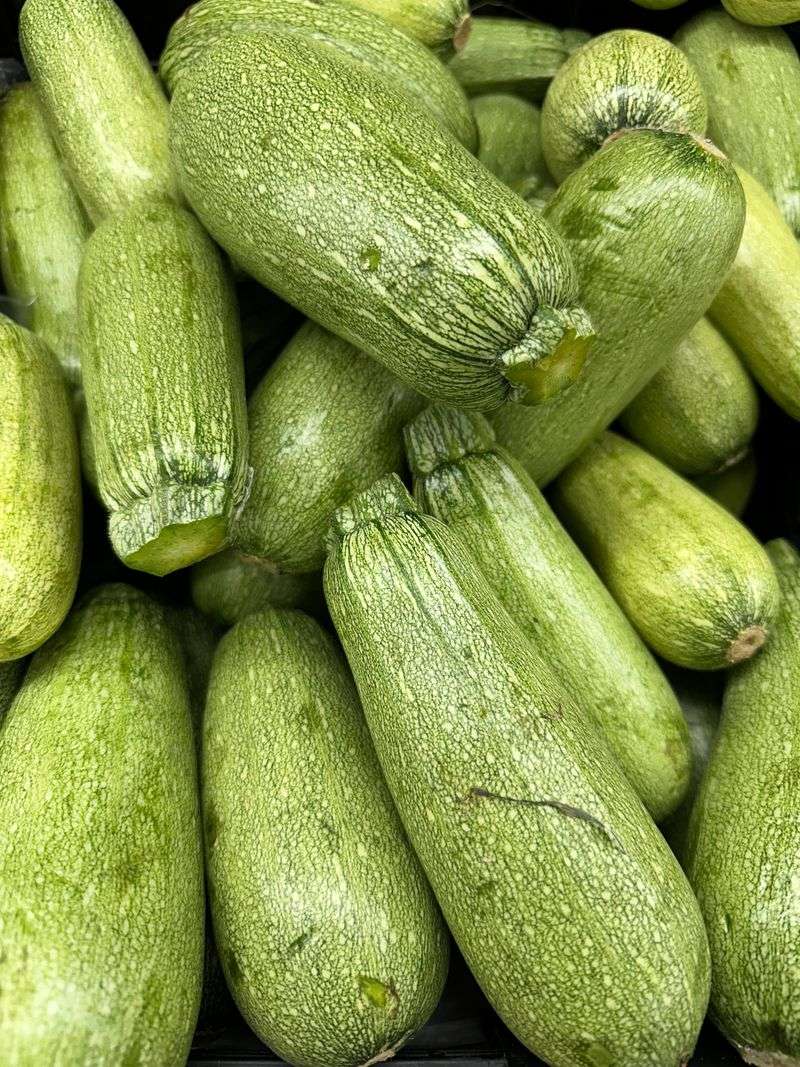
Zucchini bread is great, but it’s not the only answer. When your garden overflows, that’s actually a perfect excuse to try recipes you’ve never made before.
Zucchini fritters are crispy, savory, and surprisingly addictive. Mix shredded zucchini with egg, flour, garlic, and cheese, then pan-fry until golden brown on each side.
Stuffed zucchini boats are another crowd-pleaser that uses up large fruits. Hollow out a big one, fill it with seasoned meat or grains, and bake until tender.
Zucchini noodles, often called zoodles, are a lighter swap for pasta. A simple spiralizer turns a medium-sized fruit into a full plate of noodles in under two minutes.
Chocolate zucchini cake sounds odd but tastes incredible. The vegetable adds moisture without flavor, making the cake rich and fudgy in the best possible way.
Soups and stews absorb diced zucchini beautifully without changing the overall taste. Toss a cup into minestrone or vegetable soup and no one will even notice.
Grilled zucchini with olive oil and sea salt is almost embarrassingly easy. Slice lengthwise, brush lightly, grill for four minutes per side, and serve immediately.
Zucchini hummus, zucchini pizza crust, and zucchini chips are all real recipes worth exploring. A quick search online turns up hundreds of creative ideas for every skill level.
Zucchini won’t stop producing, so your recipe collection might as well grow along with it. Embrace the challenge and let the kitchen become your playground this summer.
7. Remove Oversized Or Rotting Fruits Promptly
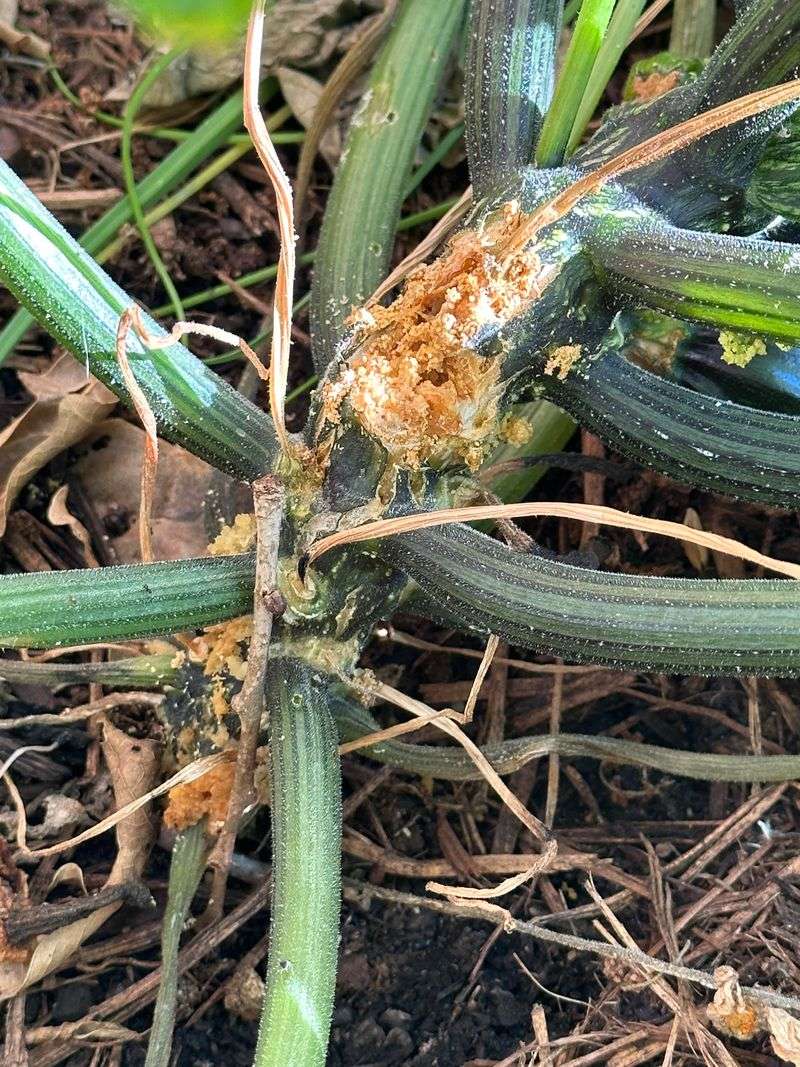
That enormous zucchini you found hiding under a leaf? Get it off the plant today. Leaving oversized or rotting fruits attached does real damage to the whole plant.
When a zucchini grows past its prime, the plant keeps pouring energy into it. That energy could be going toward new blossoms and fresh fruits instead.
Rotting fruits are even more urgent to remove. Soft, mushy zucchini can harbor mold and bacteria that spread quickly in warm, humid conditions.
Use clean garden shears or a sharp knife to cut the fruit away cleanly. Pulling or twisting can damage the vine and stress the plant unnecessarily.
Don’t compost rotting zucchini if it shows signs of disease or mold. Bag it up and toss it in the trash to prevent spreading problems to the rest of your garden.
Oversized but not yet rotting zucchini can still be used. Scoop out the seeds, grate the flesh for baking, or use the hollow shell as a natural bowl for stuffed recipes.
Checking for problem fruits should be part of your regular garden walk. A quick scan every two to three days keeps things clean and the plant focused on fresh growth.
Healthy plants produce more consistently and resist pests better. Removing that excess growth, literally, keeps your garden running at full strength through the end of the season.
Zucchini won’t stop producing when you keep the plant clean and clear. Every removal is an invitation for the plant to try again.
8. Water Consistently At The Base In Heat
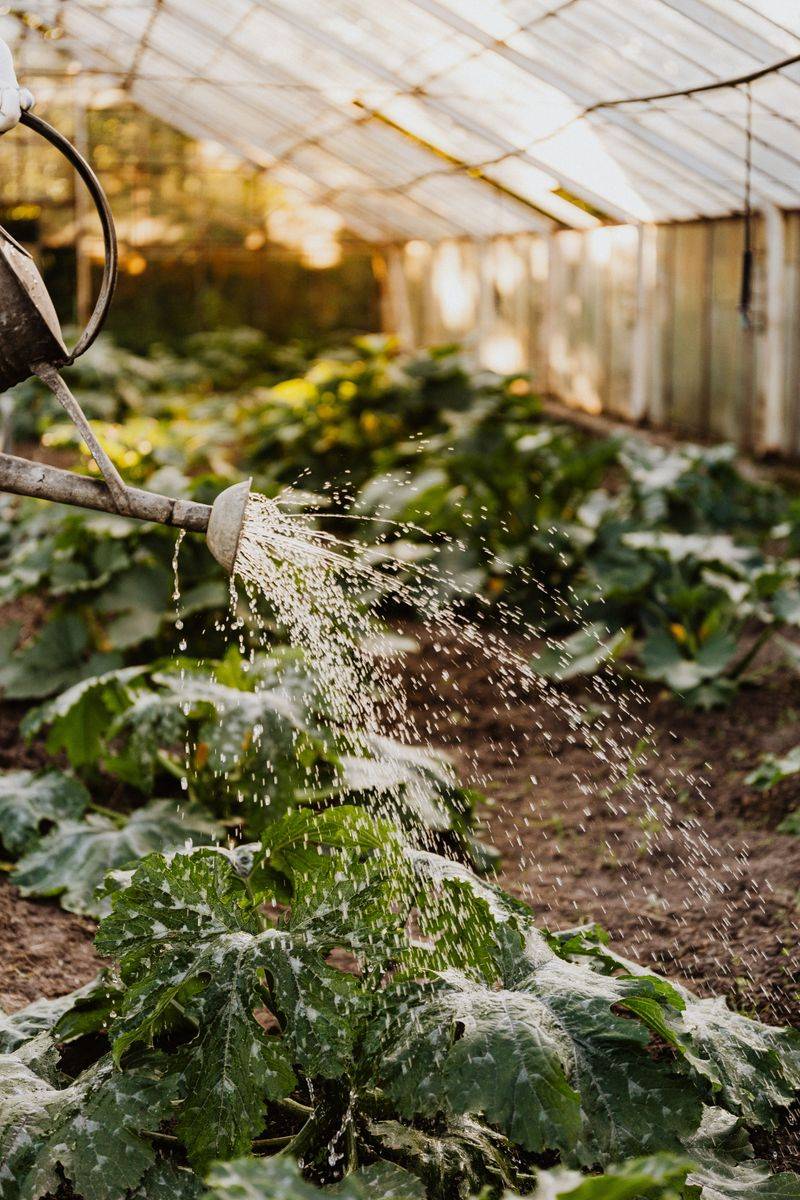
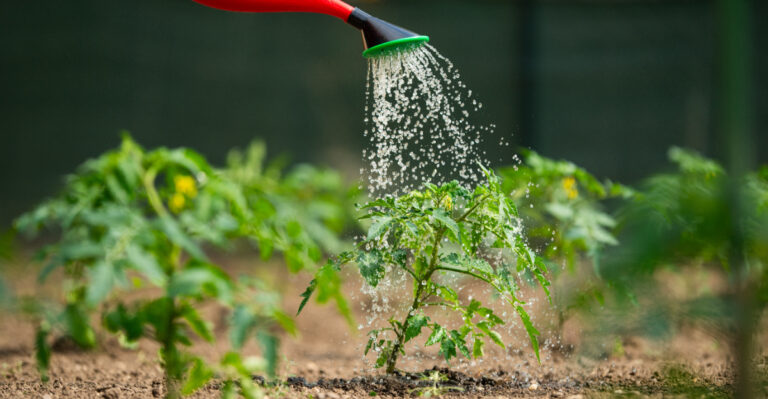
Illinois summers can hit 90 degrees for weeks at a stretch. Zucchini needs steady, deep watering at the base to stay productive through that kind of heat.
Overhead watering wets the leaves, which invites powdery mildew and other fungal problems. Always aim your hose or drip line directly at the soil, not the foliage.
Deep watering once or twice a week beats shallow daily sprinkles every time. Getting water down six to eight inches encourages roots to grow deeper and stronger.
A soaker hose or drip irrigation system makes this almost effortless. Set it on a timer and let it run for thirty to forty-five minutes at the base of each plant.
Mulching around the base of your plants helps lock in soil moisture. A two to three inch layer of straw or wood chips can cut your watering needs significantly.
Check soil moisture by pushing your finger two inches into the ground near the plant. If it feels dry at that depth, it’s time to water again.
Morning watering is better than evening because the soil has time to absorb moisture before temperatures peak. Evening watering leaves the soil wet overnight, which can encourage slugs and mold.
Stressed plants from inconsistent watering produce fewer fruits and become more vulnerable to pests. Keeping the soil evenly moist is one of the simplest ways to protect your harvest.
Zucchini won’t stop producing when it gets the steady hydration it needs all season long. Water well, and the plant will keep delivering right up until the first frost.