Indiana Gardeners Are Saving Their Geraniums With One Fall Trick
September in Indiana smells like cut grass, warm apple cider, and the faint, chilly promise of an early frost. Your porch pots still glow bright red and pink, blissfully unaware that the weather is about to turn.
Most folks shrug, yank those cheerful plants out by late October, and toss them straight onto the compost pile. It feels like the easy choice in the moment, so barely anyone stops to think twice about it.
Then spring rolls around, and they happily pay full price at the garden center for the exact same flowers. Your wallet notices that little yearly routine, even if your neighbors are too polite to say anything about it.
Lately, a growing crowd of clever Hoosier gardeners has figured out a sneaky, low-cost way around that habit. It takes almost no effort, yet it keeps their favorite blooms coming back year after year.
It needs no special skills beyond a little patience and a free weekend. Best of all, your garage gets a quiet new roommate who naps upside down and asks for nothing until April.
A Plant Most Gardeners Assume Won’t Survive Frost
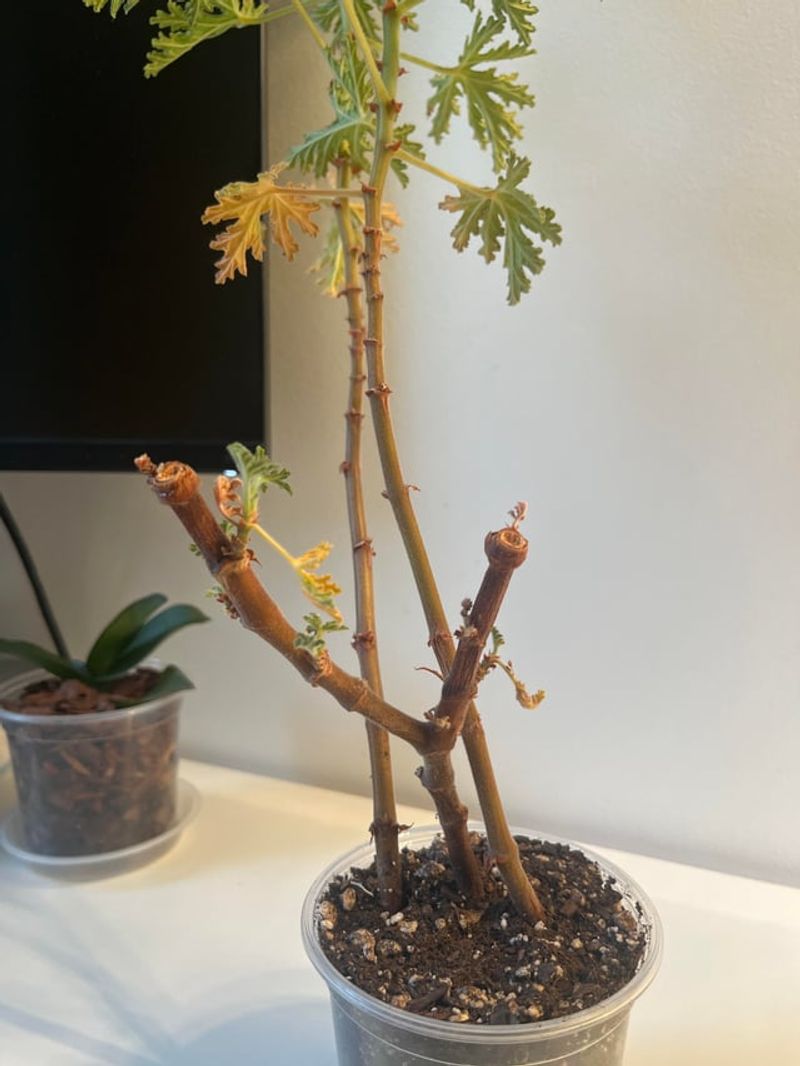
Here is a fun surprise: those cheerful porch geraniums are actually tender perennials from the warm hills of South Africa. In their homeland, they grow year after year and can turn into woody little shrubs.
Indiana winters are a different story, since temperatures often drop well below zero by January. A single hard freeze turns their soft stems to mush, so most people simply treat them like annuals.
Fun fact: the plants sold as geraniums are really called Pelargonium, a tender cousin of hardy wild geraniums. That mix-up dates back to the 1700s, when botanists first sorted the two plant groups apart.
These plants can actually go dormant, a lot like a bear sleeping through winter. Their thick stems store water and energy, which helps them quietly wait out long months without sunlight.
Gardeners in the 1800s knew this trick well and kept their favorite plants alive in chilly root cellars. Many Indiana farm families passed cuttings and old plants down to their grown kids like treasured recipes.
Saving your plants can easily save you twenty to fifty dollars each spring, depending on how many pots you fill. You also get to keep special colors that local stores might not carry next year.
September is the perfect month to start planning, while your plants still look healthy, green, and full. A strong plant going into storage has a much better shot at waking up happy and strong next spring.
Cutting Stems Back Before The First Hard Freeze
Picture a chilly October morning when the weather app suddenly warns of a hard freeze tonight. Gardeners who planned ahead simply grab their pruners and head outside with a cup of coffee.
In central Indiana, the first hard freeze usually arrives in mid to late October, with the north seeing it sooner. Aim to dig up and trim your plants a week or two before that date.
Your Indiana Garden Changes Every Week. Your Plan Should Too.
Gardening in Indiana changes quickly throughout the season. Every Friday you’ll receive a simple weekly plan showing exactly what to plant, prune, fertilize, harvest, and protect so you never miss the right timing.
A light frost that barely touches the leaves is usually fine, but temperatures in the upper 20s cause real damage. Once stems turn black and soft, they are much harder to store.
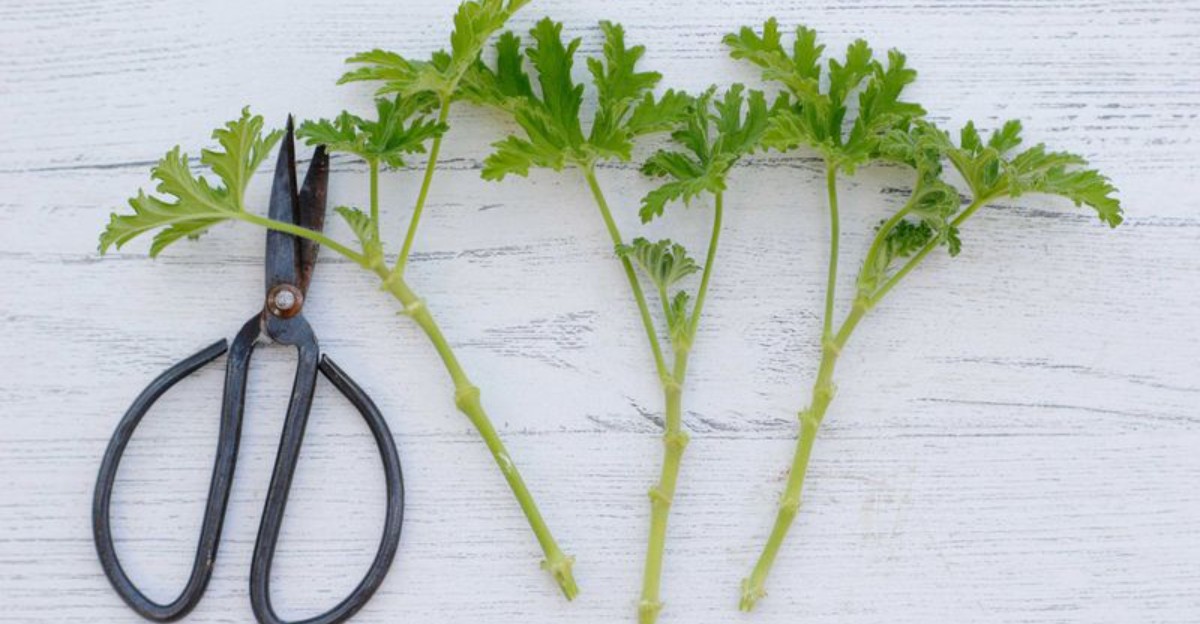
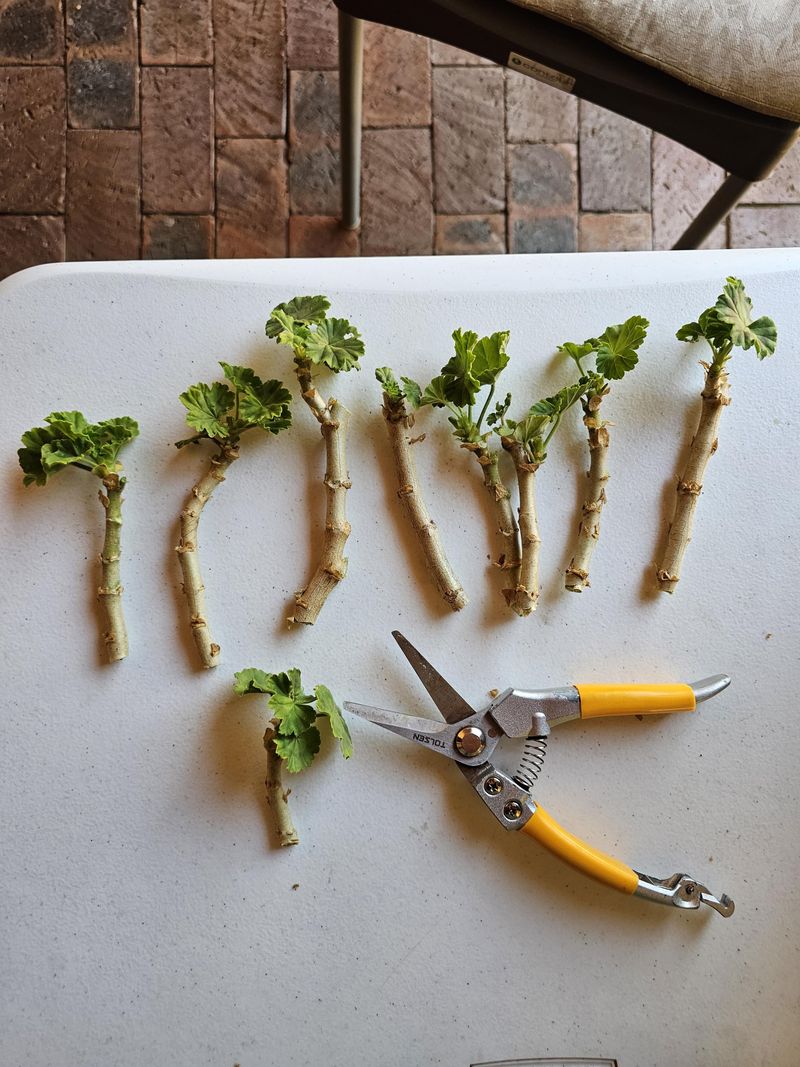
Start by gently lifting each plant from the soil with a garden fork or trowel. Shake off loose dirt, and then cut the stems back to about one third of their height.
For most plants, that leaves stubby stems around four to six inches tall. Snip off every flower, bud, and leaf, since leftover greenery can rot while the plant rests.
Clean, sharp pruners make smooth cuts that heal faster and invite fewer germs. Wipe the blades with a disinfecting solution between plants, especially if any look sickly or spotted.
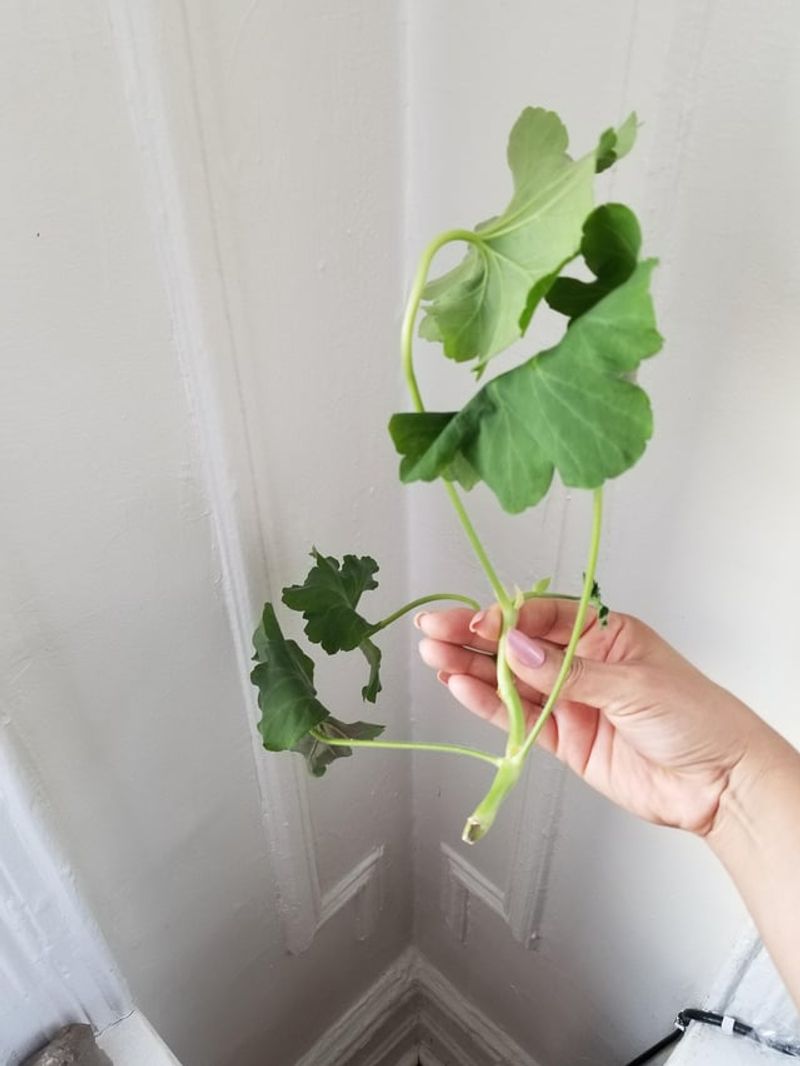
Here is a bonus tip that thrifty gardeners love to share with friends. Those trimmed stem tips can be rooted in small pots of damp soil for extra plants next year.
Keep the rooted cuttings on a sunny windowsill, and water them lightly once the soil feels dry. By spring, you will have a bonus batch of blooms without spending a single penny.
Bare-Root Storage In A Paper Bag
It sounds a little silly, but some of the smartest gardeners in Indiana store their plants like leftover lunch. Grocery bags made of brown paper turn out to be the perfect winter bedroom.
Gardeners call it bare-root storage, since the plants spend winter with no soil or pots at all. It saves tons of space, which matters if your basement is already crowded with holiday boxes.
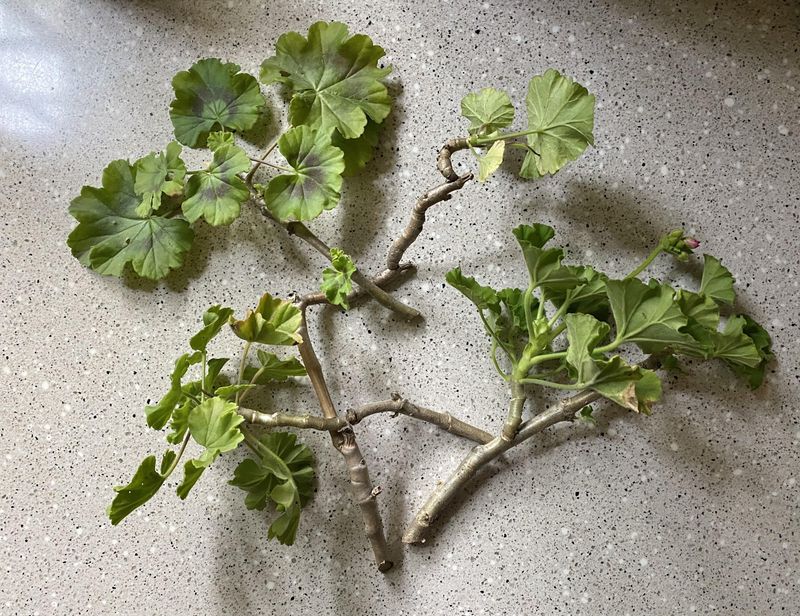
After trimming, knock away as much soil from the roots as you can. Let the plants sit in a shady spot for a day or two so the roots can dry slightly.
Next, tuck one to three plants upside down into each paper bag. Fold the top loosely or poke a few holes, because the roots still need a little air.
Plastic bags are a big no, since they trap moisture and turn roots slimy within weeks. Paper breathes, soaking up extra dampness while keeping the plants from drying out too fast.
Some gardeners skip the bags and hang plants by their roots from basement rafters with twine. Either way works, though bags are tidier and keep crumbs of dirt off the floor.
Write the color and variety on each bag with a marker before you close it up. Come spring, you will be glad you know which bag holds that gorgeous salmon pink one.
Store the bags standing up in a cardboard box so they do not get squashed. A sturdy box also makes the monthly checkups much quicker and easier on your back.
A Cold Dark Spot That Stops Short Of Freezing
Finding the right storage spot is a bit like Goldilocks hunting for the perfect bowl of porridge. Too warm, and the plants wake up early, but too cold, and they freeze solid.
The sweet spot sits between 40 and 50 degrees Fahrenheit, with steady temperatures that do not swing much. Darkness matters too, because even a little light tricks the stems into sprouting weak, pale shoots.
In many Indiana homes, a quiet, unfinished basement corner often works beautifully for this. Attached garages can work too, as long as they stay above freezing during those brutal January cold snaps.
A cheap indoor and outdoor thermometer is one of the best tools for this job. Set it in your chosen spot for a week and check the lowest reading each morning.
Keep bags away from furnaces, water heaters, and dryer vents, which pump out surprising amounts of warmth. Also skip spots near outside walls in detached sheds, where frost can creep in overnight.
Humidity plays a quiet role as well, since very dry air can shrivel stems like raisins. A basement with moderate moisture is ideal, but damp, musty rooms tend to invite trouble.
No basement or garage? A cool closet on an outside wall or an unheated spare room can still do the trick nicely.
Apartment gardeners in Indianapolis have even stored bags under beds in chilly back bedrooms. Get creative with your space, and trust your little thermometer more than your best guesses.
Checking Roots For Mold Through The Winter Months
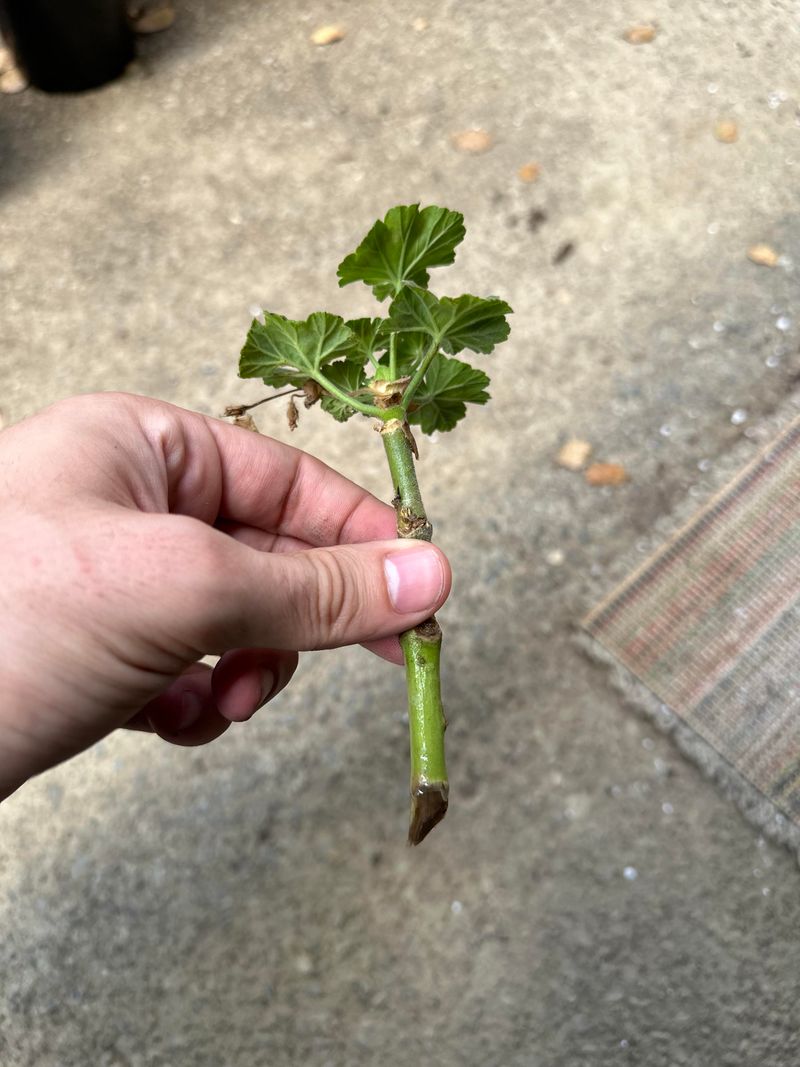
Think of yourself as a plant detective with a flashlight and a monthly case to crack. Once every three or four weeks, open each bag and take a close look inside.
Healthy stems should feel firm, a bit like a fresh carrot straight from the fridge. Roots may look dry and wrinkly, which is perfectly normal during the long winter nap.
Mold is the main villain you are hunting for during these quick winter checkups. It usually shows up as fuzzy gray or white patches, often with a musty, damp smell.
Caught early, a small moldy spot is surprisingly easy to fix with a pair of clean scissors. Trim the fuzzy section away, plus about an inch of healthy tissue below it.
Then swap in a fresh paper bag, since the old one may hold hidden spores. Give the plant a full day of fresh air in a cool room before putting it back.
Stems that turn soft, black, and squishy all the way through cannot be saved, sadly. Toss those out quickly so the rot does not spread to their neighbors.
On the flip side, roots that look extremely shriveled and papery may be too dry. Soak them in a bucket of water for an hour or two, then let them drip dry.
A simple phone reminder set for the first Sunday of each month keeps the routine easy. Many Hoosier gardeners pair it with a cozy winter chore, like sorting seed packets.
Waking Plants Up With Water And Light In Spring
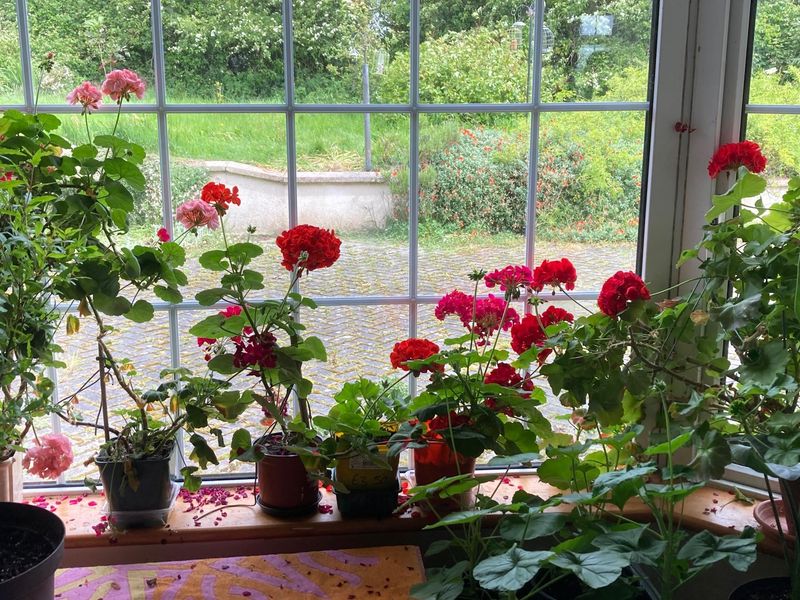
There is something magical about spotting the first tiny green bud on a stem that slept all winter. For Indiana gardeners, that moment usually arrives in March, right when cabin fever hits its peak.
About six to eight weeks before your last frost date, pull the plants out of storage. In most of Indiana, that means early to mid March, with northern counties waiting a bit longer.
Kick things off by soaking the roots in a bucket of lukewarm water for a few hours. The dry roots drink it up like a kid gulping lemonade after recess.
Next, plant each one in a pot of fresh potting mix with good drainage holes. Trim any stems that feel mushy, and snip the tips back slightly to encourage bushy growth.
Water the pots once, and then wait until the soil feels dry before watering again. Too much water at this stage is the fastest way to rot a sleepy plant.
Place the pots in your sunniest window, ideally one facing south, or under a simple shop light. Within two to three weeks, fresh green leaves should start popping out along the stems.
Once nights stay above 50 degrees, usually by mid May, start setting pots outside for a few hours daily. This slow toughening up, called hardening off, keeps tender leaves from getting sunburned.
Before long, your porch will glow with the same blooms you rescued last fall. Your neighbors might even ask where you found such big, healthy plants so early.