Fort Wayne Usually Sees Frost About Two Weeks Before Evansville, And The Gap Changes What To Cover
The air in early October smells like crunchy leaves, wood smoke, and somebody’s porch pumpkin going soft. Across Indiana, gardeners start checking the weather app a little more often.
Yet the cold does not arrive everywhere at once. It knocks on northern doors first, then takes its sweet time wandering south toward the Ohio River.
A gardener in one corner of Indiana might be scraping a windshield at dawn on a chilly morning. Meanwhile, a cousin several hours south is still picking peppers in a T-shirt.
That difference sounds small on paper, but it can decide whether supper includes homegrown green beans. It also decides who gets to brag at the family table about their late harvest this year.
Two Extra Weeks Of Chill Up North
Picture two thermometers hanging on two back porches, one in Fort Wayne and one in sunny Evansville. On a typical October morning, the northern one usually drops toward freezing days before its southern twin.
Fort Wayne often sees its first light frost somewhere around the second week of October in most years. Evansville tends to wait until late October, sometimes even early November, before frost coats the lawns.
That leaves a gap of roughly two weeks, though any single year can shift the dates around. Weather loves surprises, so treat these averages as rough estimates rather than promises carved in solid stone.
Two weeks might not sound like much, yet in a fall garden it can mean several extra harvests. Tomatoes keep blushing, peppers keep sizing up, and late beans keep hanging from their tired, droopy vines.
For Fort Wayne gardeners, that means the covering season starts sooner and runs longer than it does in the south. Sheets, buckets, and row covers should be ready by early October instead of waiting until Halloween decorations appear.
Evansville gardeners get a little breathing room, but they still need supplies stashed somewhere easy to reach. A sudden cold snap can sneak down the state faster than the evening news predicts on Friday.
Knowing your city’s place on this timeline turns a nervous guessing game into a calm, simple plan. Check your local average dates once, jot them on the calendar, and let fall unfold with fewer surprises.
Northern Latitude Versus River Valley Warmth
Geography plays a sneaky role here, and it starts with where each city sits on the map. Fort Wayne lies more than two hundred miles north of Evansville, which puts it closer to chilly Canadian air.
Cold air masses sliding down from the Great Lakes region usually reach northeast Indiana first each autumn. By the time those masses travel south, they have often warmed a few degrees along the long journey.
Evansville also gets some protection from the nearby Ohio River. Large bodies of water release stored summer heat slowly, softening cold nights for neighborhoods close to the banks.
Latitude and sunshine matter too, since the southern tip of the state gets a slightly longer growing season. Days shorten a bit more slowly down there, giving soil extra hours to soak up warmth.
Your Indiana Garden Changes Every Week. Your Plan Should Too.
Gardening in Indiana changes quickly throughout the season. Every Friday you’ll receive a simple weekly plan showing exactly what to plant, prune, fertilize, harvest, and protect so you never miss the right timing.
Clear, calm nights create the biggest risk in both cities, because heat escapes straight into the sky. Cloudy nights act like a lid on a pot, trapping warmth close to the ground until morning.
Low spots in a yard collect cold air the way puddles collect rain after a storm passes. A garden at the bottom of a slope may chill sooner than one sitting higher up nearby.
Understanding these forces helps you read the forecast like a pro instead of a nervous beginner. Watch for clear skies, light winds, and lows in the mid-thirties, especially if you garden up north.
Average First Frost Dates For Each City
Mark your calendar with a bright red pen, because these rough dates shape nearly every fall decision. Northern gardeners should circle a window between roughly October 8 and October 18 for that first chilly visit.
Down in Evansville, the matching window often falls between about October 22 and the first days of November. Those ranges come from decades of weather records, so they reflect patterns rather than exact appointments.
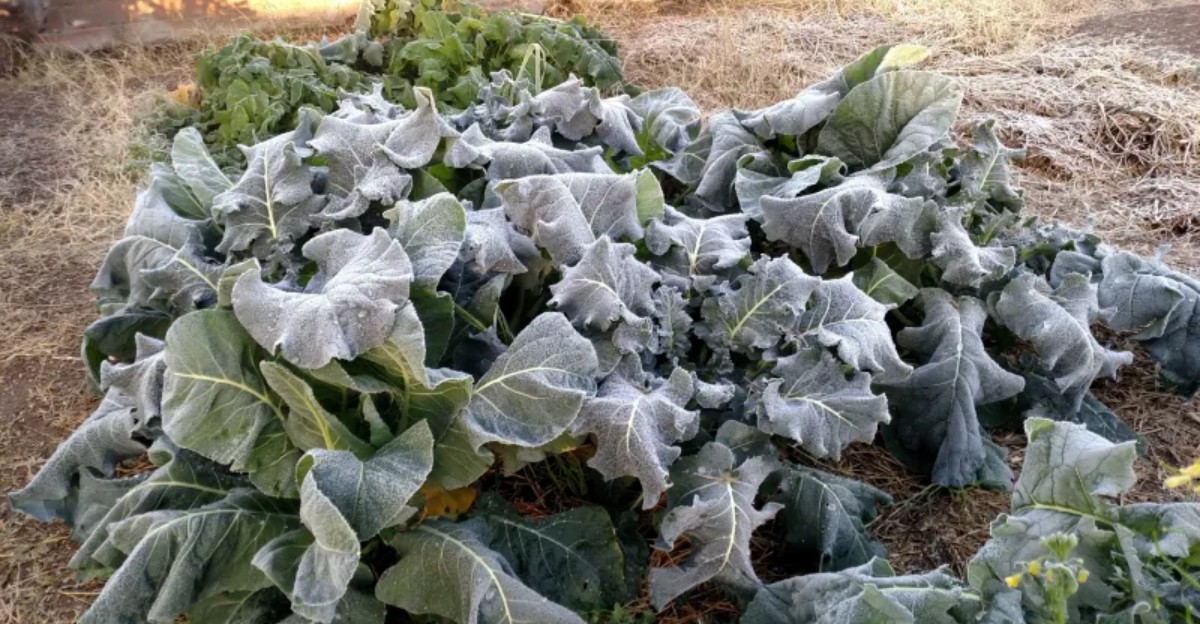
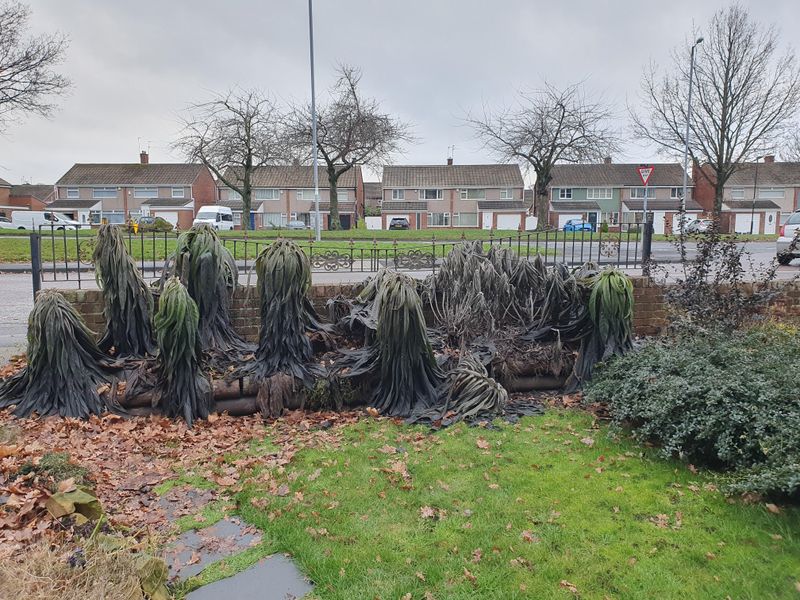
A light frost happens when temperatures dip to about 32 degrees, nipping tender leaves on exposed plants. A hard freeze, closer to 28 degrees, lasts longer and reaches deeper into stems and ripening fruit.
Fort Wayne often reaches that harder freeze by late October, while Evansville may hold off until early or mid-November. So the gap shows up twice, once for the first light frost and again for the first hard freeze.
Early October is the perfect time to start checking the ten-day forecast every single evening after supper. Watch for nights predicted near 36 degrees or lower, since ground-level temperatures can run colder than official readings.
The National Weather Service office covering your area issues frost advisories, which make handy alarm bells. Northern Indiana advisories usually start popping up while southern counties are still enjoying mild, cozy sweater weather.
Keep a small notebook of the actual first frost date each year in your own backyard garden. After a few seasons, your personal records can be more reliable than a regional average for planning the fall garden.
The Statewide Schedule Mistake
Plenty of friendly gardeners fall into a sneaky trap after reading one article or chatting at the feed store. They assume the whole state shares one frost date, as if Indiana were a single small backyard.
A Fort Wayne gardener following Evansville advice may wait too long, leaving peppers exposed on a frosty night. One clear evening in mid-October can leave glossy leaves limp and darkened by breakfast time.
The reverse mistake happens too, and it costs southern gardeners plenty of patience and effort each fall. An Evansville grower using northern timing might pull up healthy plants weeks before they really need to go.
Another common slip involves covering plants with plastic that touches the leaves directly during a long, cold night. Plastic conducts cold, so foliage can still get damaged where it touches the cover.
Some folks also forget to remove covers the next morning, which can overheat plants under bright October sun. Trapped heat and moisture build quickly, inviting mold and soft spots on fruit that looked fine yesterday.
Covering only the tops of plants is another small error, since cold air creeps in from the sides. Covers work best when they reach the ground and hold in warmth rising from the soil below.
These slips are easy to fix once you know where your town fits on the map. Local timing, proper materials, and a quick morning check protect plants better than most gadgets.
Covers Matched To Each Region
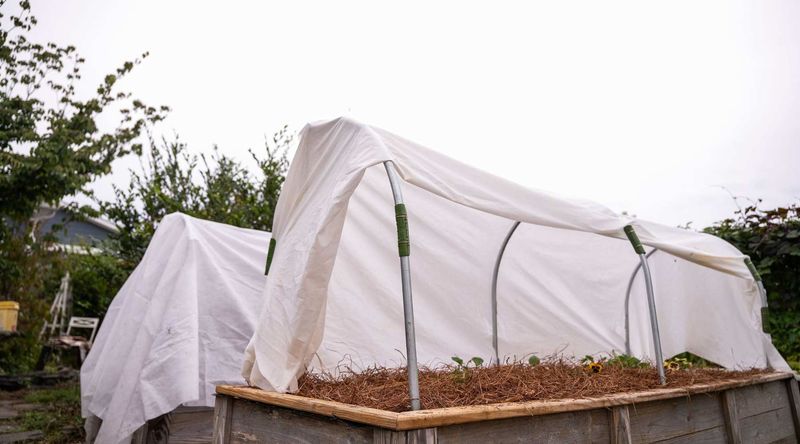
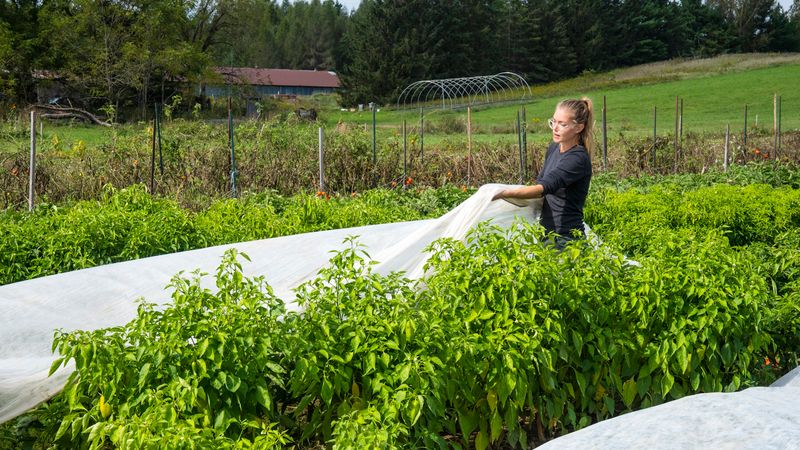
Grab an old bedsheet, a few clothespins, and some bricks, and you already own a decent frost kit. Fancy gear helps, but simple fabric draped over stakes handles most light frosts in either city.
Fort Wayne gardeners should lean toward heavier frost cloth, since their nights often dip lower and stay colder. Thicker fabric can protect plants down to about 28 degrees, buying a little extra harvest time.
Evansville growers can often get by with lightweight row covers that let sunlight and rain pass through easily. Those thin layers handle the mild nips of late October without needing daily removal on sunny afternoons.
Tender crops deserve first priority, including tomatoes, peppers, basil, beans, squash, and any lingering cucumbers out back. Hardy crops like kale, spinach, carrots, and Brussels sprouts often taste sweeter after a light frost anyway.
That difference matters more up north, where gardeners may need to cover tender crops nearly every week. Southern gardeners can focus on protecting only the most fragile plants during the rare early cold spells.
Put covers on in late afternoon, before the sun drops, so they trap the warmth stored in soil. Water the bed earlier that day too, because moist ground holds heat better than dry, dusty dirt.
Potted plants are the easiest rescue of all, since you can simply carry them into a garage overnight. Fort Wayne gardeners may want to move containers indoors a couple of weeks earlier than southern friends.
A Longer Harvest Through Smart Planning
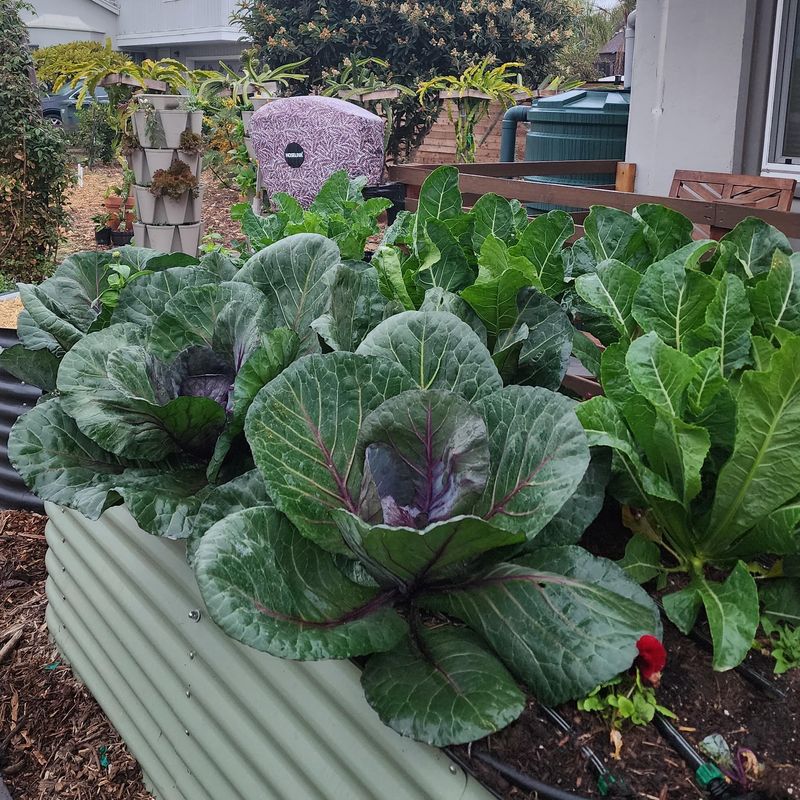
Many experienced gardeners keep a coffee can of seed packets and a calendar with frost dates scribbled in pencil. Their fall gardens keep producing long after others wrap up, and planning is the quiet secret.
Gardeners in Fort Wayne can stretch the season by harvesting green tomatoes before the first hard freeze arrives. Wrapped in newspaper and stored in a cool room, many will ripen slowly over the next few weeks.
Evansville gardeners often have time for one more round of quick crops like radishes or baby spinach. Seeds sown in early October can still produce a tasty harvest before the cold settles in for good.
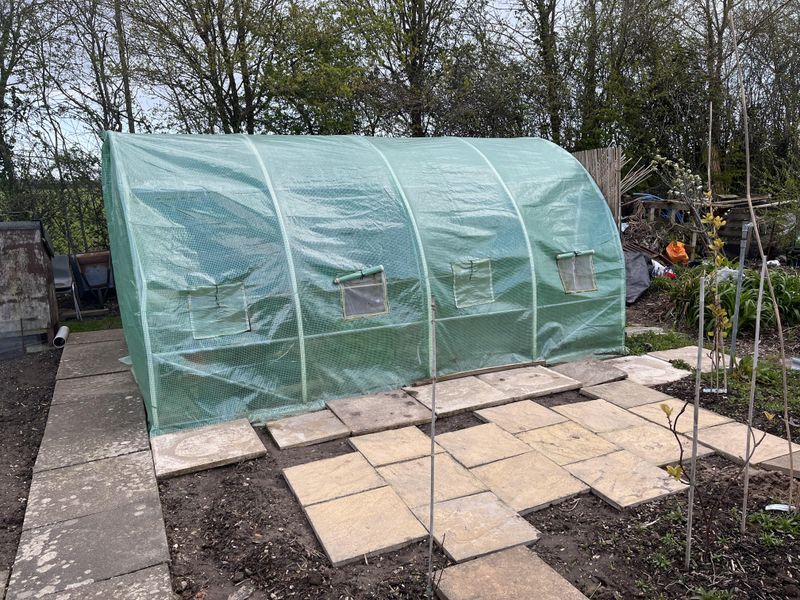
Cold frames are another clever tool, especially for northern gardeners facing earlier chilly nights each autumn. A simple wooden box topped with an old window can keep lettuce growing well into late November.
Next spring, plan ahead by choosing varieties with shorter maturity times if you garden in the north. Seed packets list days to harvest, and picking faster types helps crops ripen before October cold arrives.
Spreading a thick layer of shredded leaves or straw around perennials helps protect roots as temperatures keep falling. Fort Wayne gardeners can add mulch by late October, while Evansville folks can wait a bit longer.
The real reward is a basket of homegrown food on the table when grocery tomatoes taste like cardboard. Respect your region’s timing, plan with care, and your garden will reward you well into the chilly season.