Is It Legal To Catch And Relocate Nuisance Wildlife From Your Oregon Yard?
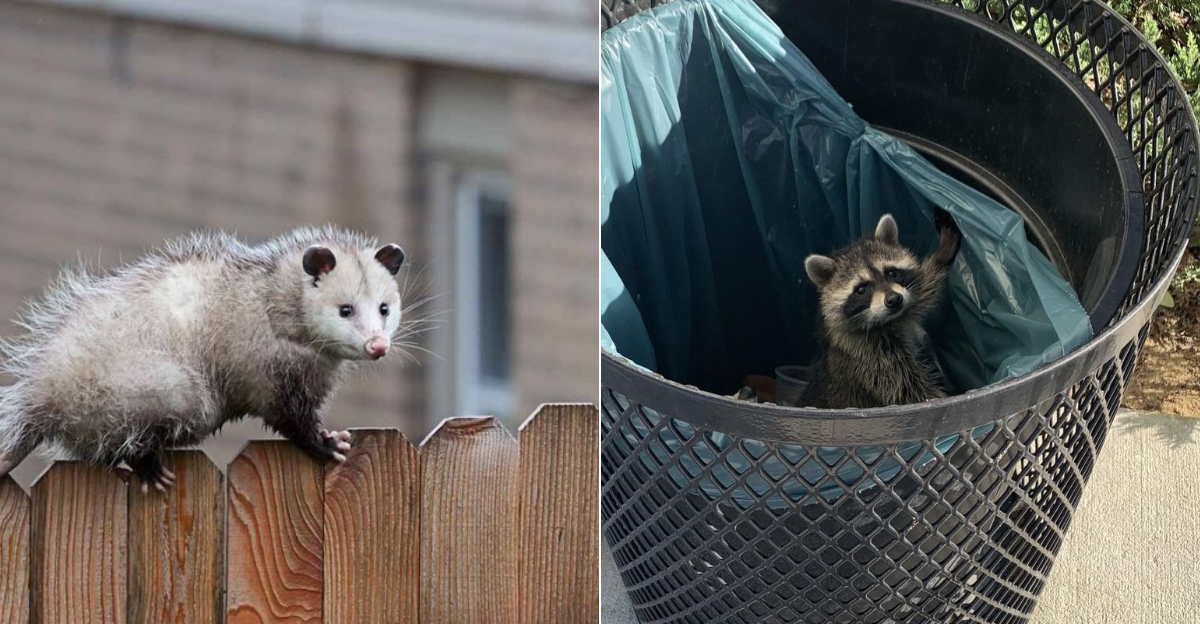
Finding an unexpected animal digging through your Oregon garden, raiding a compost pile, or settling beneath the deck can turn a peaceful backyard into a miniature wildlife drama.
After a few chewed plants or mysterious nighttime noises, grabbing a trap and moving the visitor somewhere else might sound like the simplest solution. Problem solved, right? Not necessarily.
Wild animals do not come with little instruction manuals, and dealing with them can get complicated surprisingly quickly.
What feels like a harmless backyard fix may involve rules, species considerations, safety concerns, and details that are easy to overlook when you are mostly focused on reclaiming your tomatoes.
That is why it pays to know where you stand before turning your yard into an amateur relocation operation.
Oregon homeowners may have several things to consider before taking action, and the right approach can depend on more than simply catching an animal and driving it somewhere quieter.
So before setting a trap or loading an unexpected passenger into the car, it is worth finding out what Oregon allows and what homeowners should consider first.
1. Raccoons Come With More Rules Than Most People Expect
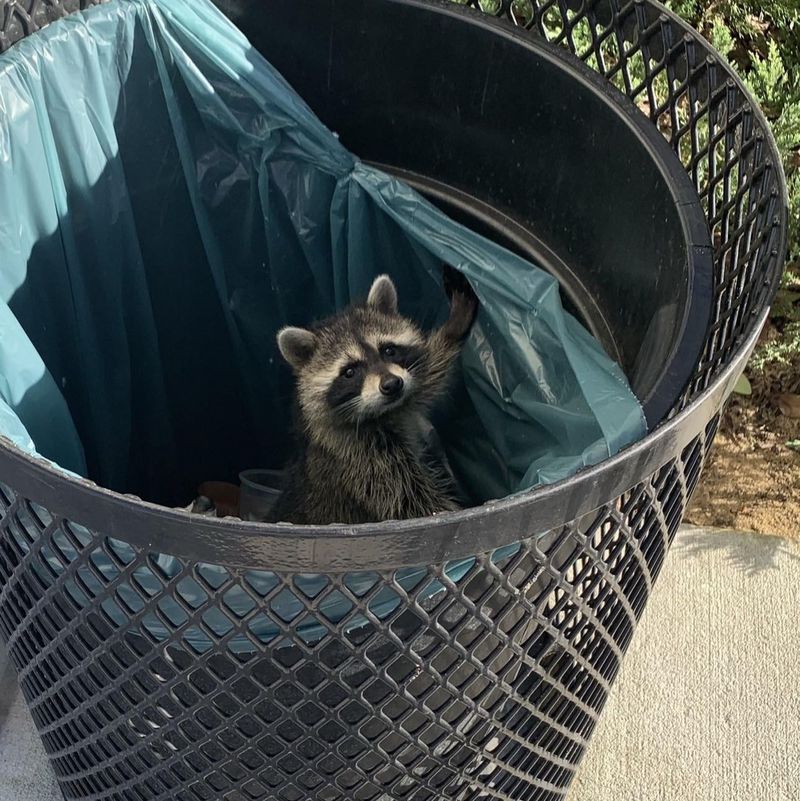
Most people assume catching a raccoon and dropping it off in the woods is a perfectly harmless fix. Surprise: Oregon law does not see it that way.
Raccoons are classified as unprotected mammals in the state, which means you can trap them without a special permit. However, relocating them is a whole different story.
The Oregon Department of Fish and Wildlife, commonly known as ODFW, strongly discourages releasing trapped raccoons in new locations. Moving raccoons can spread diseases like rabies and canine distemper to new areas.
It also stresses the animal and rarely solves the original problem, since another raccoon often moves into the same space.
If you trap a raccoon on your property, you are generally allowed to do so using a live cage trap. But you must handle it humanely.
Releasing it on your own land or nearby wild land without spreading disease risk is the safer legal option. Always check your local county rules, because some areas have stricter regulations than others.
Hiring a licensed wildlife control operator is often the cleanest solution. They know exactly what is allowed and handle the animal properly.
If the raccoon seems sick or injured, call a wildlife rehabilitator right away. Never attempt to handle a raccoon with bare hands, as bites and scratches carry real health risks.
Staying informed keeps both you and the animal safer in the long run.
2. Squirrels Are Not Always A Catch-And-Release Situation
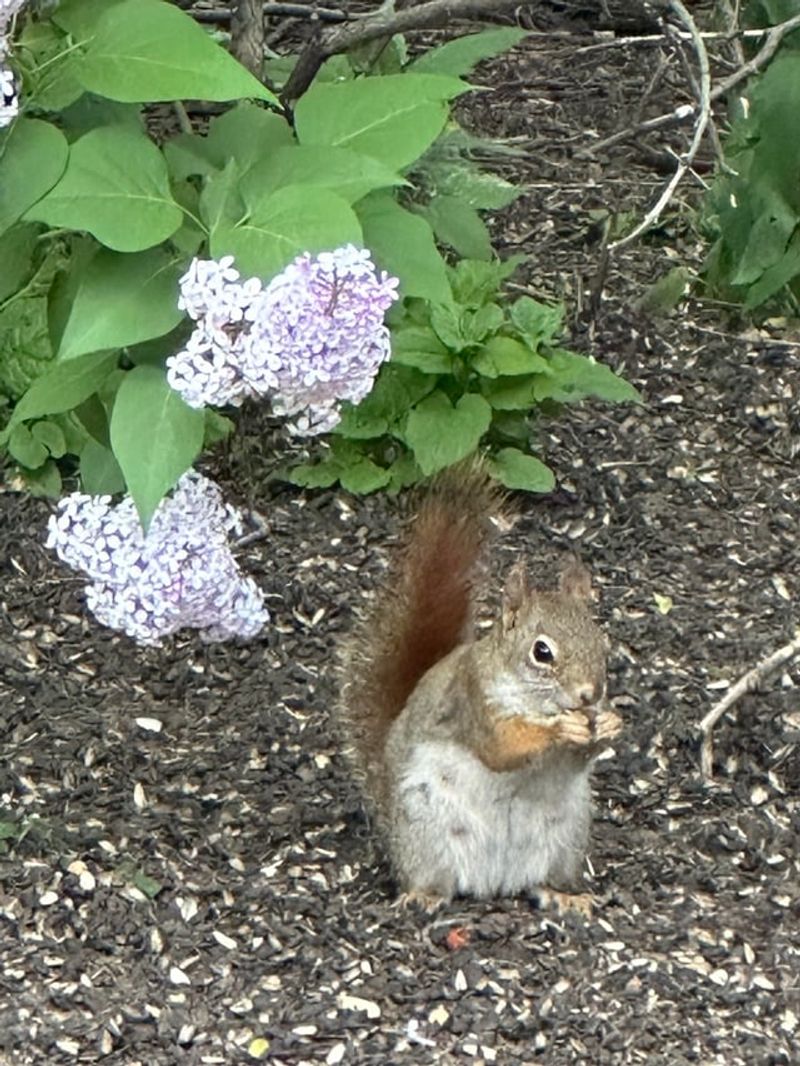
Squirrels look harmless, but they can chew through attic insulation, gnaw on electrical wires, and raid bird feeders without a break. Many homeowners want to trap and release them somewhere far away.
The truth is that squirrel relocation comes with real complications that most people do not think about.
Native squirrel species like the western gray squirrel have some protections under state wildlife guidelines. Trapping and relocating them without following proper procedures can put you outside the law.
Your Oregon Garden Changes Every Week. Your Plan Should Too.
Gardening in Oregon changes quickly throughout the season. Every Friday you’ll receive a simple weekly plan showing exactly what to plant, prune, fertilize, harvest, and protect so you never miss the right timing.
Even when trapping is allowed, releasing a squirrel in an unfamiliar location causes serious stress and often leads to the animal not surviving its first week.
Non-native squirrel species, like the eastern fox squirrel, are treated differently. These are considered invasive and have fewer legal protections.
You still need to handle them humanely, but the relocation rules are generally less strict for non-native animals.
Before setting any trap, contact ODFW or your local county extension office to confirm which squirrel species you are dealing with. They can guide you on the legal next steps.
In many cases, exclusion methods like sealing entry points and removing food sources work better than trapping. A licensed wildlife control professional can help you figure out the most effective and lawful approach.
Taking the right steps from the start saves time, money, and a lot of unnecessary hassle for both you and the squirrel.
3. Skunks Need Extra Caution Before Anyone Moves Them
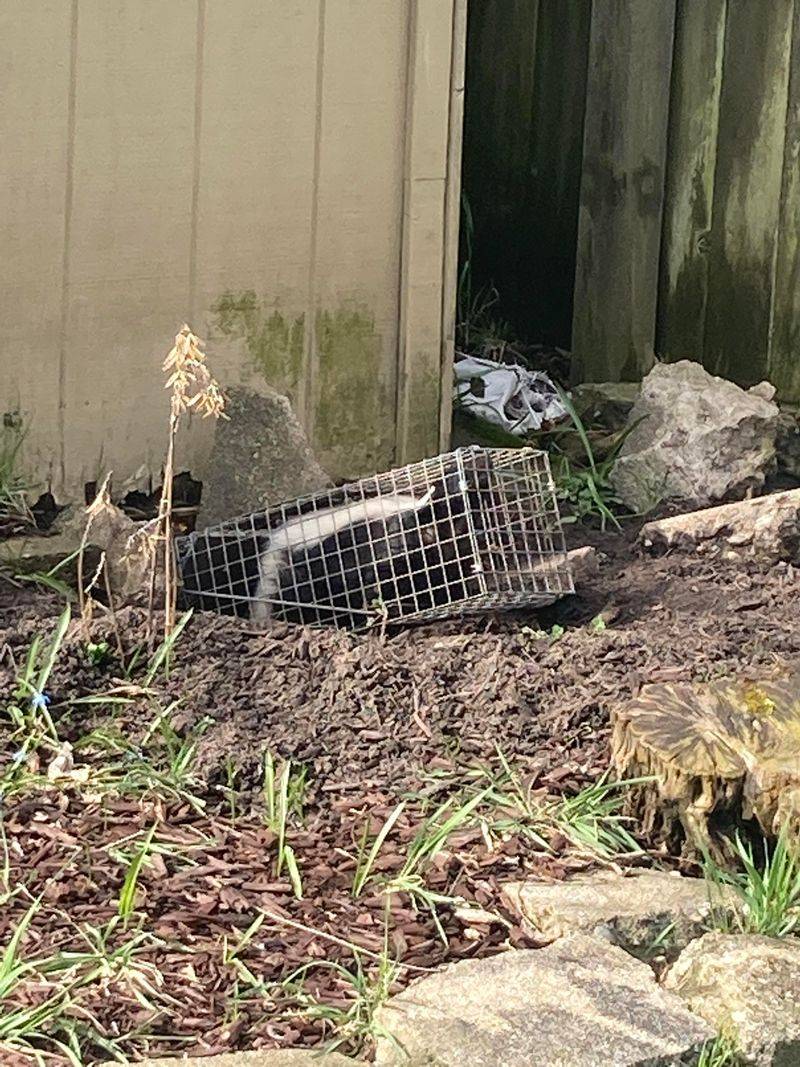
Few animals cause a homeowner to panic faster than a skunk under the deck. The smell alone is enough to make anyone want that animal gone immediately.
But rushing into action without understanding the rules can make the situation much worse, both legally and physically.
Skunks are classified as unprotected mammals in this state, so trapping them does not require a special permit in most situations. However, moving a skunk is not as simple as driving it to the nearest park.
Skunks are a primary carrier of rabies in many parts of the country, which makes their relocation a serious public health concern.
Because of the rabies risk, many wildlife experts and local health departments recommend against relocating skunks at all. If you trap one, contacting your local animal control office first is always the right call.
They can advise you on safe and legal next steps based on your specific county or city rules.
Setting a live trap yourself is generally allowed, but you should wear thick gloves and approach the trap slowly to avoid startling the animal. Covering the trap with a tarp can help keep the skunk calm.
Never attempt to handle a skunk directly. A licensed wildlife control operator is your safest option here.
They have the proper equipment and training to manage skunks without risking a spray or a bite. Getting professional help is worth every penny in this case.
4. Coyotes Are Not Animals You Simply Relocate
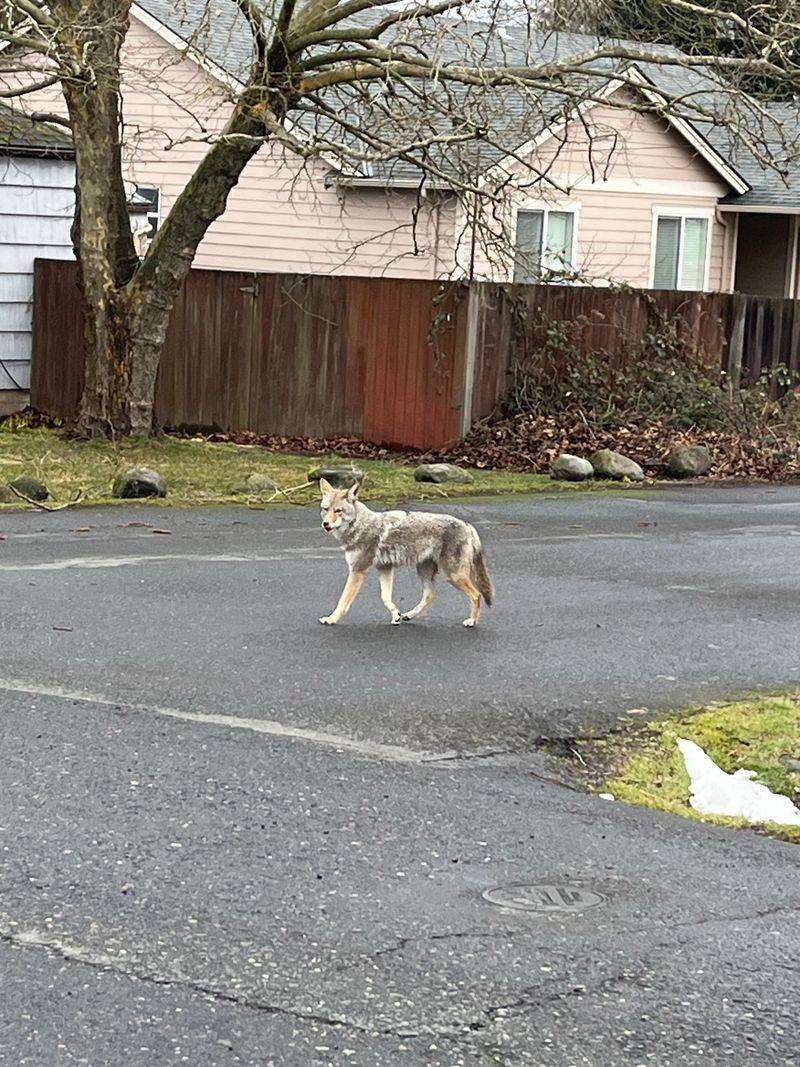
Seeing a coyote trotting through your yard can be alarming, especially if you have small pets or young children nearby. The instinct to trap it and move it somewhere remote makes sense.
But coyotes are one of the most legally complicated animals to deal with when it comes to trapping and relocation.
Coyotes are classified as predatory animals under state law, which means there are specific rules about how they can be handled. Relocating a trapped coyote requires a permit in most cases.
Releasing one in a new location without authorization is illegal and can result in real fines. Coyotes are also incredibly adaptable, and moving one rarely solves the issue long-term.
In most situations, wildlife managers actually discourage relocation entirely. Coyotes are territorial, and releasing one in a new area can disrupt the local ecosystem and cause conflicts with resident coyotes.
Hazing, which involves using noise, lights, and deterrents to discourage the animal from returning, is often the recommended approach.
If a coyote is acting aggressively or appears sick, call ODFW immediately. Do not attempt to trap or handle it on your own.
Securing trash cans, removing fallen fruit, and keeping small pets indoors at dawn and dusk are the most effective prevention strategies.
Working with a licensed wildlife control professional is also a smart choice when coyote activity becomes a repeated problem in your yard. Prevention almost always works better than removal.
5. Opossums Can Fall Under Different Local Rules
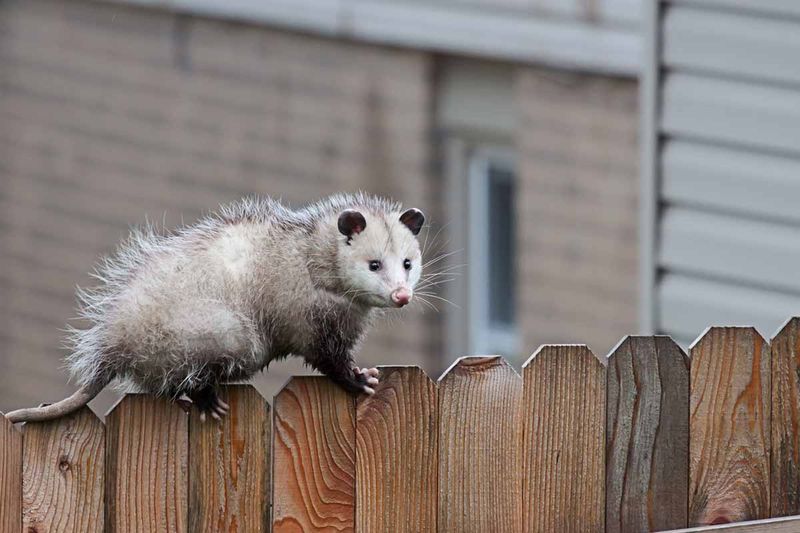
Opossums get a bad reputation, but they are actually one of the most beneficial animals you can have wandering through your yard. They eat ticks, snails, slugs, and even small rodents.
Still, many homeowners find them unsettling and want them removed. Knowing the legal side of opossum trapping is important before you act.
The Virginia opossum is the only marsupial native to North America, and its legal status varies depending on local regulations.
In many parts of the state, opossums are considered furbearers, which means trapping them may require a hunting or trapping license depending on the time of year. Always check with your county or ODFW before setting a trap.
Relocating an opossum is generally discouraged by wildlife professionals. Opossums have small home ranges and rely on familiar territory to find food and shelter.
Moving one to an unfamiliar area makes it harder for the animal to survive and thrive. Exclusion methods, like sealing entry points under decks and porches, are far more effective long-term solutions.
If an opossum has taken up residence under your home, try placing bright lights or a radio near the area first. Opossums often leave on their own when their hiding spot becomes uncomfortable.
If the animal is injured or there are babies involved, contact a licensed wildlife rehabilitator right away.
They are trained to handle these situations safely and legally, giving the animal the best possible outcome.
6. Beavers Bring Their Own Wildlife Regulations
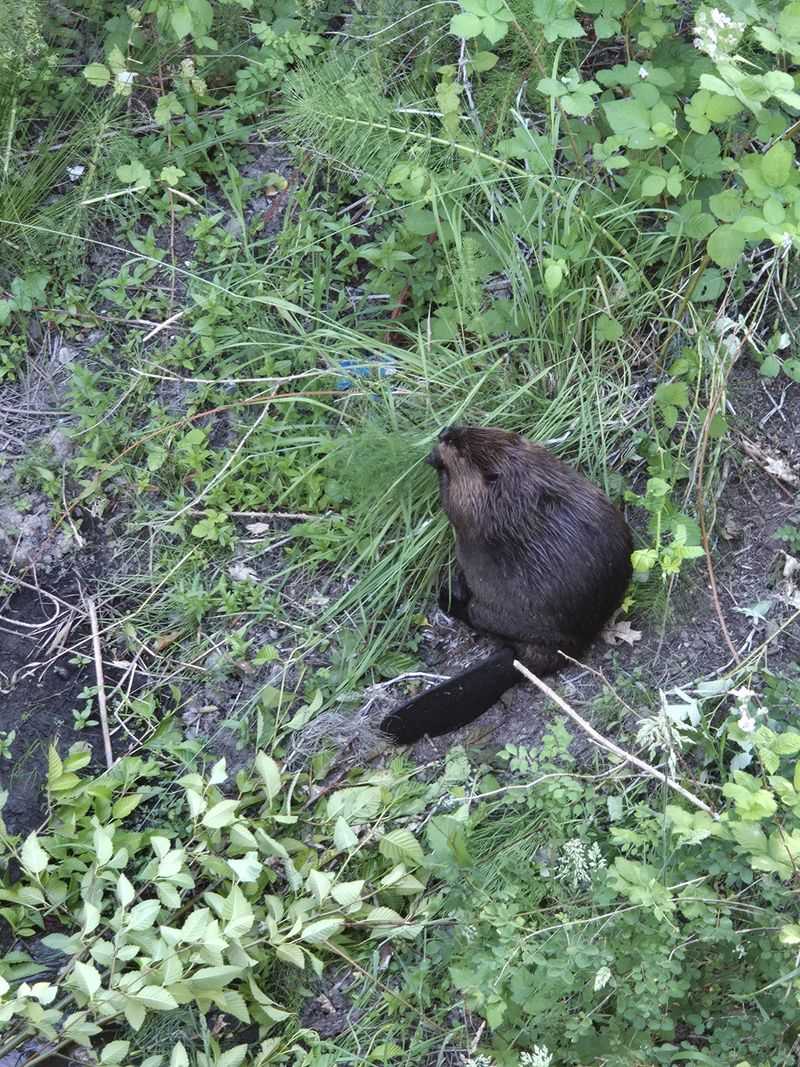
Beavers are fascinating engineers of the natural world, but they can also flood yards, destroy ornamental trees, and block drainage systems with their dams.
When beaver activity starts causing property damage, homeowners understandably want to take action.
The problem is that beavers come with a complex set of legal protections that make relocation far from simple.
Beavers are classified as furbearers under state law. Trapping them requires a valid trapping license, and the rules around relocation are strict.
Moving a beaver to a new location without proper authorization is illegal. Even licensed trappers must follow specific guidelines about where and how beavers can be released.
The challenge with beaver relocation is finding a suitable habitat. Beavers need access to water, specific food sources, and enough space to build a new dam.
Simply releasing one in the nearest creek is not allowed and often harms the animal. Wildlife agencies carefully evaluate release sites to make sure the ecosystem can support a new beaver.
If beaver activity is causing flooding or tree damage on your property, your first call should be to ODFW. They can help assess the situation and recommend legal options.
Flow devices, which are pipe systems installed through a dam to control water levels, are often a highly effective and non-harmful solution.
Working with a licensed nuisance wildlife control operator who specializes in beavers is also strongly recommended.
Acting without the right permits can lead to steep fines and legal trouble.
7. Nutria Are Treated Very Differently From Native Wildlife
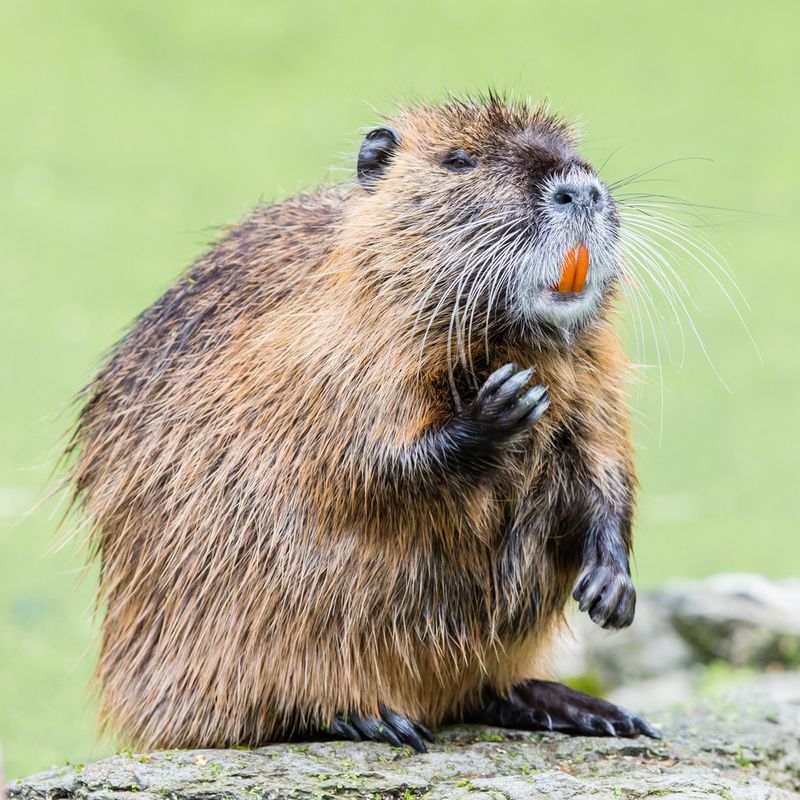
Nutria look like a mix between a beaver and a giant rat, and they are not native to North America.
Originally from South America, they were brought to the United States for the fur trade and eventually escaped into the wild.
Today, they are considered an invasive species in many western states, and the rules around trapping them reflect that status.
Because nutria are invasive, they are not protected under state wildlife law the way native animals are. This means you generally do not need a special permit to trap them on your own property.
However, you still must follow humane trapping guidelines and local ordinances. Checking with your county is always the right first step before setting any trap.
Nutria cause significant environmental damage. They burrow into riverbanks and levees, which can lead to erosion and flooding.
They also consume large amounts of aquatic vegetation, disrupting wetland ecosystems. Controlling their population is actually encouraged by wildlife managers in many areas.
Relocation of nutria is typically not recommended, since moving an invasive species to a new area can spread the problem rather than solve it. Many wildlife agencies prefer that trapped nutria not be released at all.
If you are dealing with nutria on your property, contact your local ODFW office or county extension service for guidance.
A licensed wildlife control professional can also help you set up an effective and legal trapping program that actually reduces the problem over time.
8. Bats Should Never Be Handled Like Backyard Pests
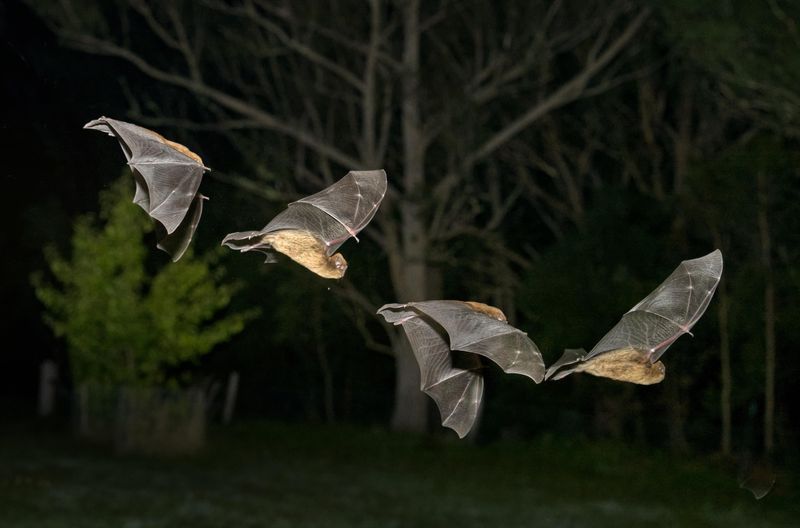
Bats are one of the most misunderstood animals in any neighborhood. They eat thousands of mosquitoes and insects every single night, making them incredibly valuable to the local ecosystem.
But when they roost inside your attic or walls, the situation can feel urgent. What many homeowners do not realize is that bats are protected in ways that make trapping and relocation very complicated.
All bat species in the United States are protected under state and, in some cases, federal law. You cannot simply trap a bat and release it somewhere else.
Doing so without proper authorization is illegal. Bats are also the most common carrier of rabies among wildlife, which means handling one without training puts your health at serious risk.
The legal way to deal with bats in your home is through a process called exclusion. This involves sealing entry points after the bats have left for the night, preventing them from returning.
Exclusion must not be done during the maternity season, which typically runs from May through August, because baby bats cannot fly and would be trapped inside.
Hiring a licensed bat exclusion specialist is the safest and most legal approach. They know exactly when and how to perform exclusion without harming the colony.
If you find a bat inside your living space, do not touch it. Call your local animal control or health department right away.
Bat bites can be very small and sometimes go unnoticed, making a medical evaluation important in any potential exposure situation.
9. Birds And Nests Can Be Protected By Federal Law
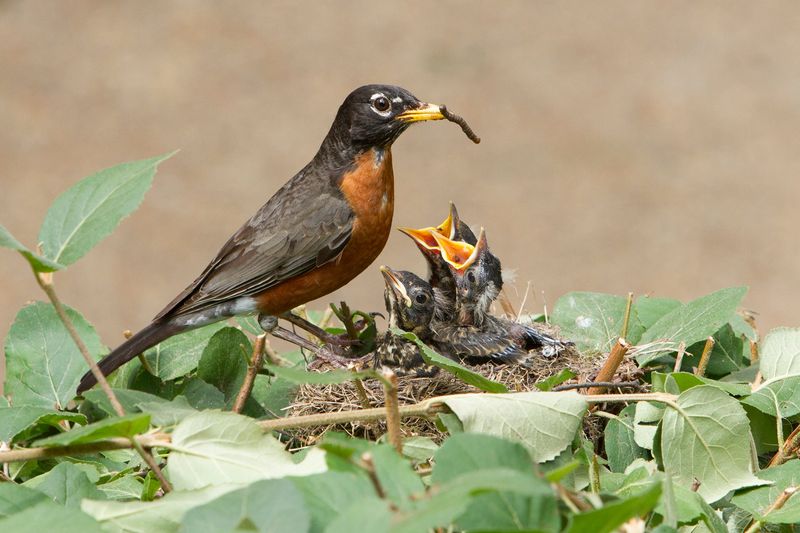
Finding a bird nest on your porch or in your garden might seem like a minor inconvenience. But removing or disturbing that nest can actually put you in violation of federal law.
Most wild birds in the United States are protected under the Migratory Bird Treaty Act, which is a federal law with serious consequences for violations.
Under this law, it is illegal to remove, destroy, or disturb an active nest that contains eggs or chicks. An active nest is any nest currently in use.
Even if the nest is in an inconvenient spot, like on top of your outdoor light fixture or inside your garage, you must wait until the birds have left on their own before removing it.
Some birds, like house sparrows and European starlings, are non-native species and are not protected under the Migratory Bird Treaty Act.
You have more flexibility in dealing with these birds, though humane treatment is still expected.
Checking which species you are dealing with before taking action is always the right move.
If a bird is injured or you find an abandoned nest, contact a licensed wildlife rehabilitator in your area. They are trained and legally authorized to handle wild birds.
For recurring bird problems, like woodpeckers damaging your siding or pigeons nesting on your roof, physical deterrents like netting and spikes are your safest legal option.
Never attempt to handle a wild bird without proper training and authorization, as the legal risks are very real and the fines can be significant.