Is It Too Late to Aerate Clay Soil in New York? What Happens If You Do It After Heavy Rain
Clay particles are so tiny that thousands of them could line up across the width of a single grain of sand. That is why my lawn turns into brownie batter after a storm and a brick by August.
I used to rush outside the minute the rain stopped. The ground looked soft, so I figured my tools would slide right in. My yard quickly taught me that soft and ready are two very different things.
If you garden in New York, you know the drill. Spring stays soggy, summer bakes the ground hard, and fall rains can roll in for days. Timing a lawn project around that kind of weather feels like a guessing game.
So here is the question I wrestled with for years. Did the window already close, and what really happens underground when you push ahead on a soaked lawn?
Your Calendar Matters Less Than That Squishy Lawn Underfoot
Funny thing is, the date on your calendar is often less important than what happens when you step on the grass. Clay soil can look fine on top while staying soaked a few inches down.
Short answer to the big question? In most of the state, it is usually not too late if you still have a few weeks of active grass growth ahead.
Cool-season grasses like Kentucky bluegrass, perennial ryegrass, and fescues keep growing roots well into fall.
The real catch is moisture, not the month. Clay holds water much longer than sandy or loamy soil because its pores are so small.
After a heavy rain, those pores fill up and stay full for a day or more.
When you run an aerator through soil in that state, the machine can press the ground tighter instead of opening it up. You end up with the opposite of what you wanted.
Think of it as a two-part checklist. First, is the grass still growing and able to recover?
Second, is the soil moist but not saturated?
If both answers are yes, you are in business. If the second answer is no, waiting a couple of days is a far better move than racing the forecast.
Patience on clay pays off in deeper roots next season.
Early Fall Is Prime Time for Core Aerating Cool-Season Grass
Late summer into early fall is the sweet spot, and university turf experts agree on that. Cornell and other Northeast extension programs recommend aerating cool-season lawns when grass is actively growing, with late August through September often ideal.
Why fall? Warm soil plus cooler air lets roots grow fast while weeds slow down.
Grass has time to fill in the holes before the ground freezes.
Timing shifts a bit across New York. Long Island and New York City often stay mild into October, so you may have extra weeks.
Upstate areas like the Adirondacks or the Southern Tier cool off sooner, so mid-September is a safer target there.
A good rule I follow is to finish aerating at least four weeks before your usual first hard frost. That gives roots a chance to settle in.
If you plan to overseed, earlier is better. Grass seed needs soil temperatures above roughly 50 degrees to sprout well.
Missed fall? Spring is your backup, usually from late April into May once the soil dries out.
Just know that spring holes can give crabgrass seeds a cozy spot. Many gardeners skip pre-emergent herbicide around that time if they are also seeding, so plan your products carefully.
Soaked Clay Gets Smeared and Packed When Aerator Tines Hit It
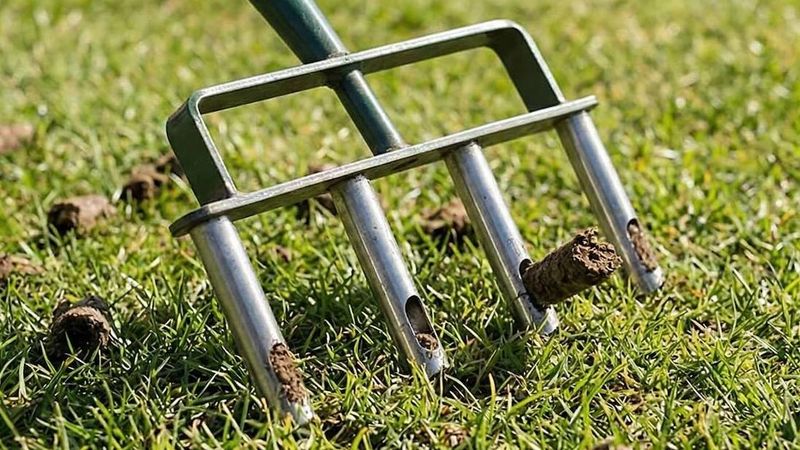
Here is what goes on below the surface when you aerate right after a downpour. Wet clay acts a lot like modeling clay, so it bends and squishes instead of breaking cleanly.
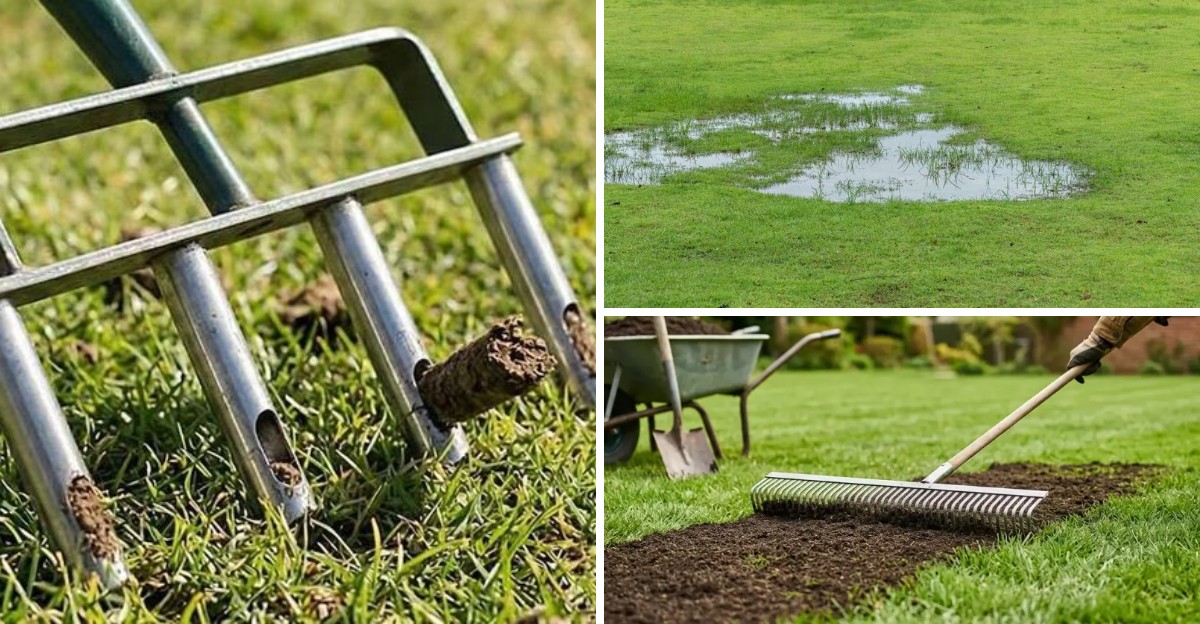
As the hollow tines push in, they can polish the walls of each hole. Soil scientists call this smearing.
That slick layer can seal over the tiny pores you were hoping to open.
The pressure from the machine matters too. Heavy aerators and even your own footsteps can squeeze saturated clay into a denser layer.
Researchers have long known that soil is most easily compacted when it is very wet.
You may also notice cores that stick inside the tines instead of popping out. When that happens, the machine is mostly punching and pressing, not pulling plugs.
Surface damage is another headache. Riding or walk-behind aerators can leave ruts, tear up turf, and spread mud across your lawn.
Those scars can take weeks to fill in.
So does one mistake ruin your yard? Usually not.
Grass is tough, and freeze-thaw cycles over winter help loosen soil naturally. Still, you lose much of the benefit you paid for, and you may need to try again later.
Waiting a day or two is far easier than repairing ruts.
A Quick Squeeze Test With a Handful of Clay Tells You When to Go
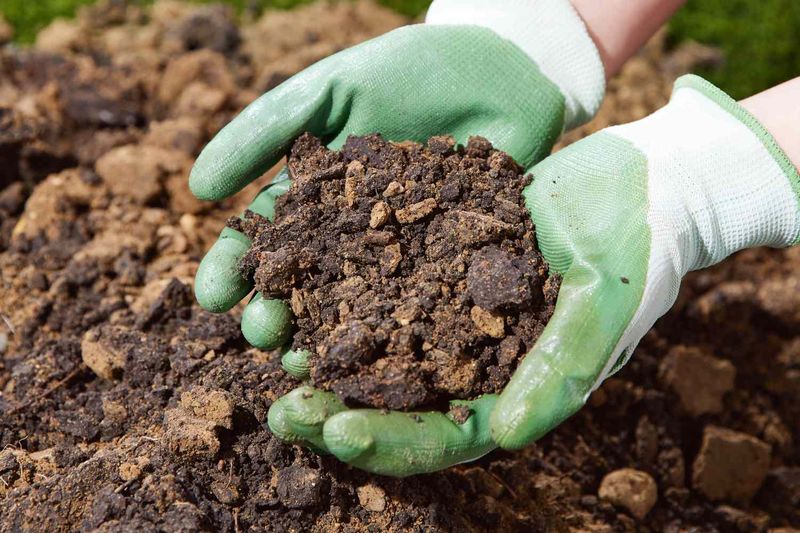
My favorite tool for this job costs nothing. It is my own hand.
Grab a trowel and dig a small chunk of soil from about three or four inches down. Squeeze it firmly in your palm, then open your hand.
If water drips out or the soil forms a shiny, sticky ribbon, it is too wet. Walk away and check again tomorrow.
If the ball holds its shape but breaks apart when you poke it, you have hit the target. That crumbly moisture lets tines slide in and pull out clean plugs.
If the soil is powdery or rock hard, it is too dry. Tines will bounce and barely scratch the surface.
In that case, water about an inch a day or two before aerating.
After heavy rain, clay often needs one to three days to drain, depending on sun, wind, and slope. Low spots may take even longer.
Another easy check is the screwdriver test. Push a long screwdriver into the lawn.
If it goes in with mild effort and comes out fairly clean, conditions are friendly. If it slides in like butter and comes out caked in mud, give it more time.
Check a few spots, since shady corners dry slower.
Hollow Tine Plugs Beat Spike Shoes on Heavy Clay
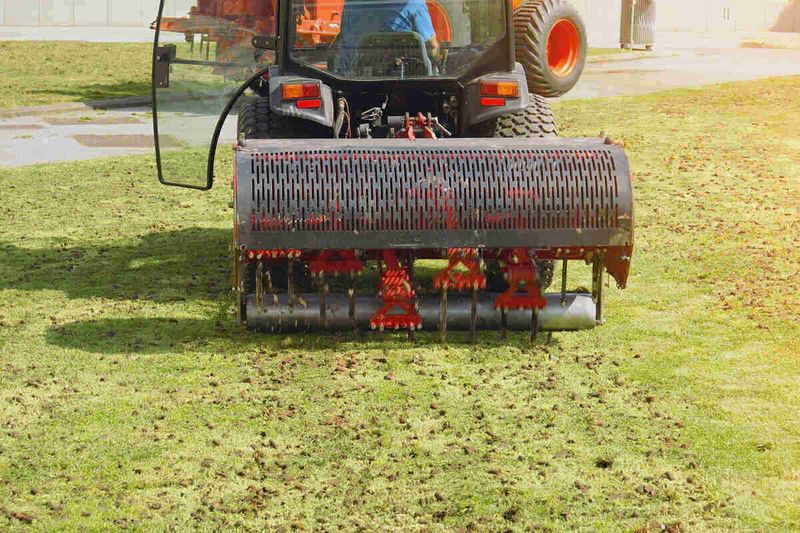
Those spiked lawn shoes look fun in ads, but clay soil is not impressed. I tried a pair once and mostly gave myself sore ankles.
Spike tools push a solid point into the ground. On clay, that pushes soil sideways and down, which can tighten the area around each hole.
The openings also tend to close up quickly.
Core aerators work differently. Their hollow tines pull out finger-sized plugs, usually two to three inches long.
Removing soil leaves real space behind for air, water, and roots.
Extension turf specialists widely recommend core aeration for compacted lawns. Aim for holes spaced a few inches apart, and make two passes in different directions if the lawn is badly packed.
Leave the plugs on the lawn. They break down in a week or two with rain and mowing, and they help return microbes to the surface.
Renting a machine is usually the cheapest route for a typical yard. Many rental shops and hardware stores carry them, and booking early helps since fall weekends get busy.
Before you start, mark sprinkler heads, shallow cables, and septic lines with flags. Call 811 if you are unsure what lies under the turf.
A little prep keeps the day smooth.
Puddles That Linger on Your Lawn Might Point to Bigger Drainage Trouble
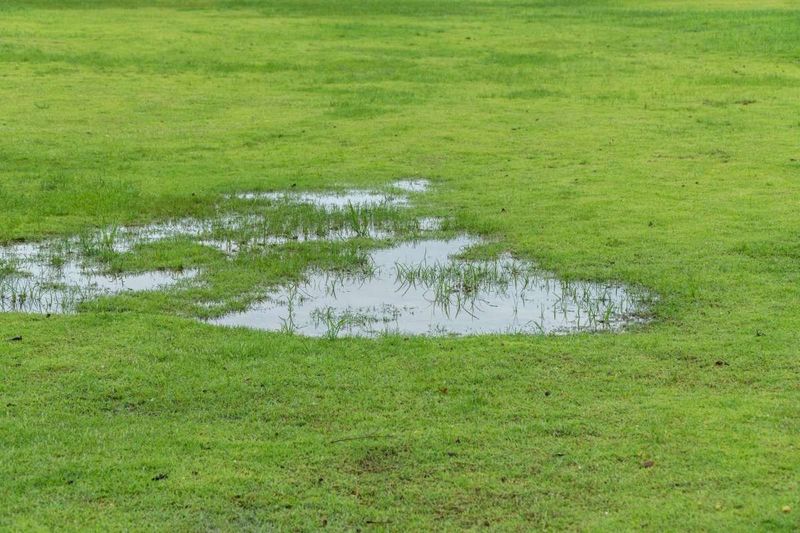
Some puddles have nothing to do with aeration. If water sits on the same patch for days, the problem may run deeper than compacted topsoil.
Start by watching where water comes from. Downspouts dumping onto the lawn, a neighbor’s slope, or a low dip in the yard can send far more water than clay can absorb.
Simple fixes often help. Downspout extensions can carry water several feet away.
Gently regrading a low spot with topsoil can stop pooling.
Parts of New York also have naturally slow layers below the surface, such as dense glacial till or hardpan. Aeration only reaches a few inches, so it will not break those deeper layers.
Try a percolation test. Dig a hole about a foot deep, fill it with water, let it drain, then fill it again.
If the second fill drains less than about an inch per hour, drainage is poor.
For stubborn spots, a rain garden filled with native plants like swamp milkweed, blue flag iris, or switchgrass can turn a wet area into a lovely feature. Your county Cornell Cooperative Extension office can offer local advice.
Bigger issues near foundations may need a professional. A French drain or dry well can move water away safely.
Compost Topdressing After Aeration Slowly Turns Clay Into Friendlier Ground
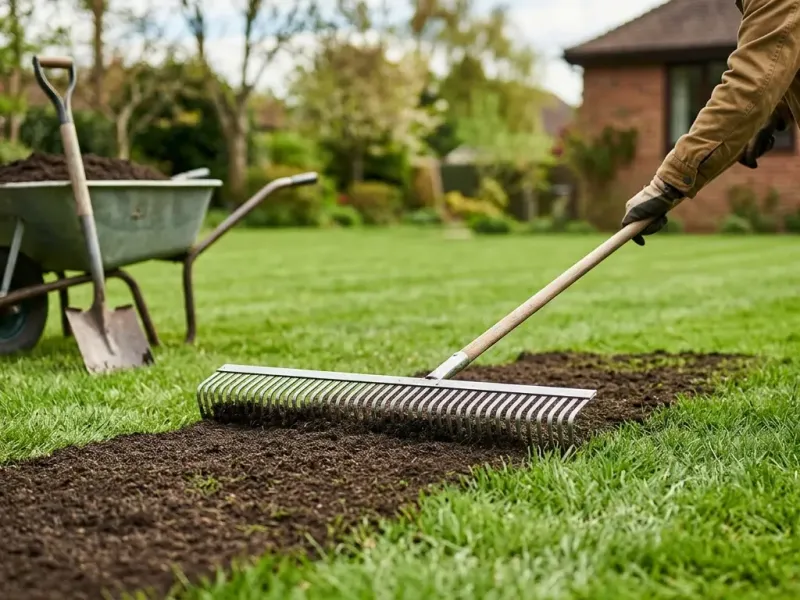
If you ask me, the best part of aeration happens afterward. Those fresh holes are perfect little pockets for organic matter.
Spread about a quarter to half inch of fine, screened compost over the lawn. Rake it gently so some falls into the holes.
Over time, worms and microbes mix it deeper and help clay form crumbly clumps.
This is a long game. Clay improves over several seasons, not one weekend, but each layer builds better structure.
Skip the idea of adding sand alone. Mixing a little sand into clay can create a firm, cement-like blend.
Organic matter is the safer choice.
Mulching your fall leaves with the mower is another easy win. Shredded leaves feed soil life and cost nothing.
Overseed right after aerating and topdressing if your lawn looks thin. Seed lands in the holes and gets good contact with soil.
Tall fescue handles clay and drought fairly well.
Keep foot traffic light while the lawn recovers, and avoid driving on wet turf. Plan to aerate once a year for heavy clay with lots of use, or every couple of years for quieter yards.
A soil test through your local extension office can guide fertilizer and lime needs, too.