9 Vegetables You Can Still Plant In New York In June And Harvest Before Fall
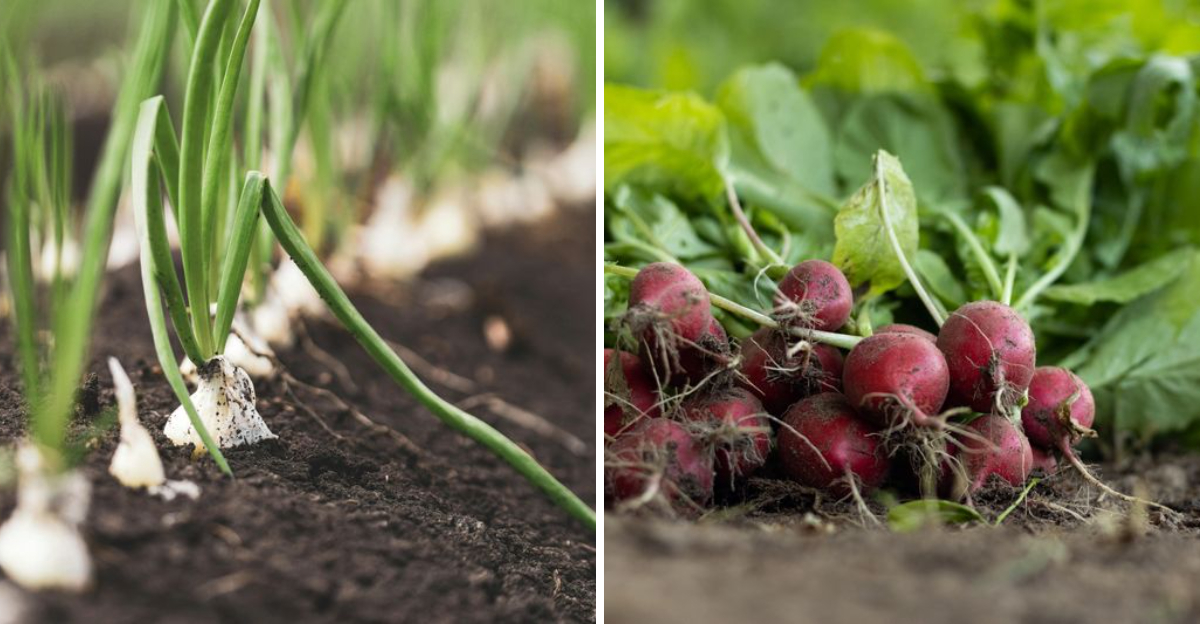
Most people assume June is the cutoff. It is not. New York gardeners still have a solid window to get vegetables in the ground and pull a real harvest before October frosts shut everything down.
The soil is warm, the days are long, and fast-maturing crops actually prefer these conditions over the cool, unpredictable weeks of early spring.
You do not need a big backyard either. Raised beds, containers, and small urban plots all work just fine.
The nine vegetables on this list are well-suited to New York’s summer growing season, and several of them go from seed to table in under 60 days
That is plenty of time. Stop writing off the season before it even gets started, your best gardening weeks might still be ahead of you.
1. Bush Beans
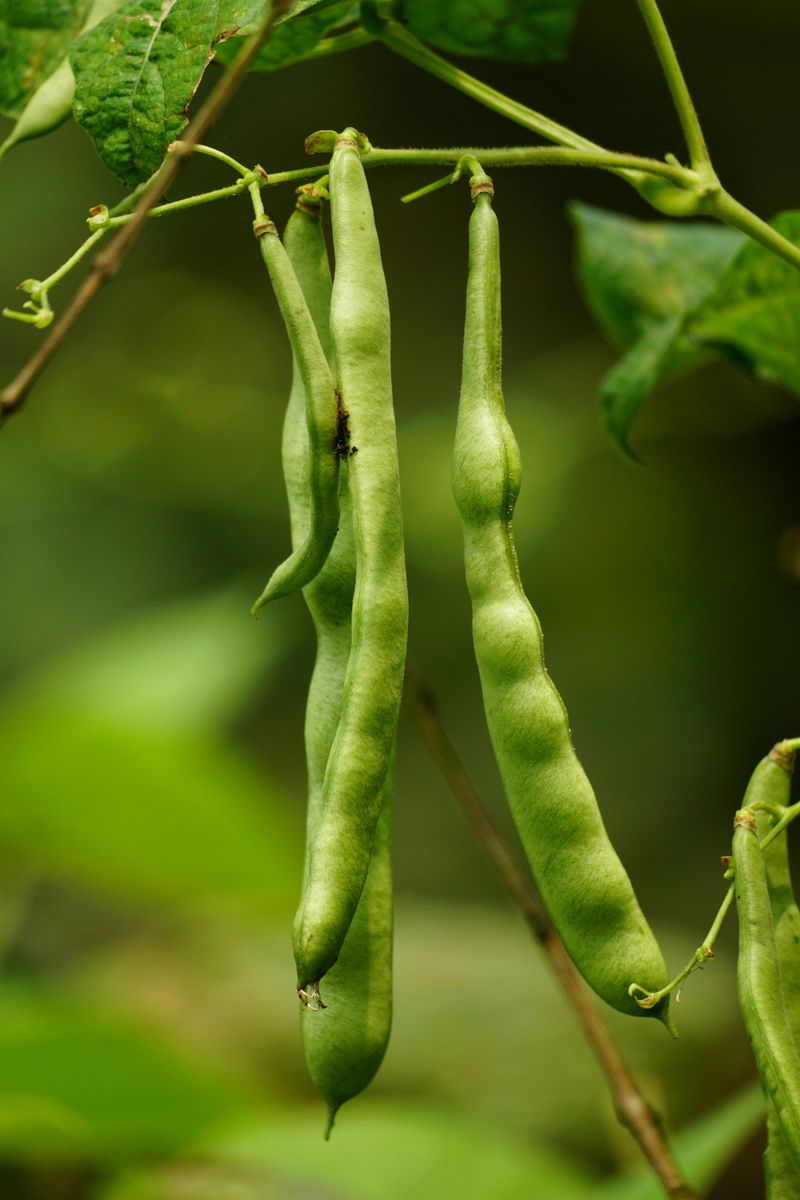
Nothing beats pulling a handful of fresh green beans straight off the plant on a warm July morning. Bush beans are one of the easiest, most rewarding crops you can grow in a New York garden during June.
Unlike pole beans, bush beans do not need trellises or stakes. They grow in compact, tidy mounds that fit perfectly in small spaces, raised beds, or containers on a patio.
Plant seeds about an inch deep and two inches apart in a spot that gets full sun. Water consistently, and you will see sprouts popping up within a week.
Bush beans typically mature in just 50 to 60 days, which means a June planting gives you fresh beans by late July or early August. That is plenty of time before the first frost threatens the garden.
One pro tip: stagger your planting by sowing a new row every two weeks. This gives you a continuous harvest instead of one big overwhelming batch all at once.
The flavor of homegrown bush beans is genuinely different from anything you buy at a grocery store. Homegrown bush beans tend to be crisper and sweeter than store-bought ones.
2. Cucumbers
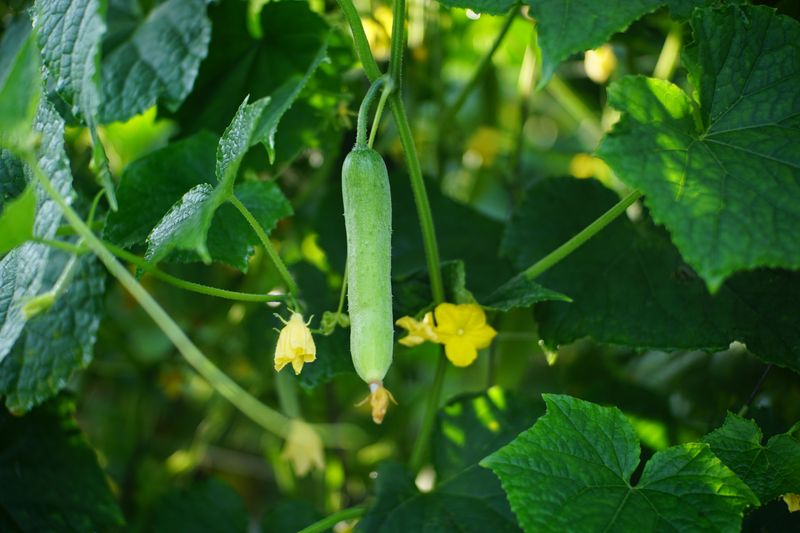
Image Credit: © Agung Sutrisno / Pexels
Cucumbers are basically summer in vegetable form. Crisp, cool, and refreshing, they are one of the best crops to get into the ground during June in New York.
These warm-weather lovers absolutely thrive when soil temperatures are above 60 degrees. June planting puts them right in their comfort zone, and they reward you fast.
Most cucumber varieties reach harvest-ready size in just 50 to 70 days from seed. That means you could be slicing fresh cucumbers into salads by mid-August.
Give them a trellis or a simple wire cage and they will climb happily, saving precious garden space. Vertical growing also keeps the fruit cleaner and easier to spot when it is time to pick.
Consistent watering is the real secret to great cucumbers. Uneven moisture causes bitterness and odd shapes, so aim to keep the soil evenly moist throughout the growing season.
Pick cucumbers when they are medium-sized and firm. Leaving them on the vine too long causes seeds to toughen and flavor to drop off sharply.
Few things in a summer garden feel as satisfying as discovering a perfectly ripe cucumber tucked under a big leafy vine. Pick them while they are still firm and medium-sized for the best flavor and texture.
Your New York Garden Changes Every Week. Your Plan Should Too.
Gardening in New York changes quickly throughout the season. Every Friday you’ll receive a simple weekly plan showing exactly what to plant, prune, fertilize, harvest, and protect so you never miss the right timing.
3. Zucchini
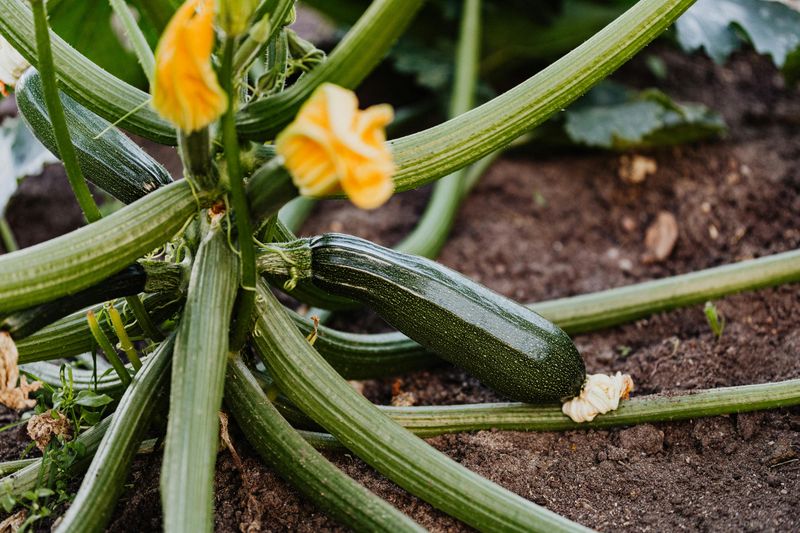
Zucchini has a reputation for being unstoppable, and that reputation is completely earned. One plant goes a long way, so think carefully before putting in more than two.
Planted in June, zucchini is ready to harvest in about 45 to 55 days. A single plant can produce fruit every two to three days once it gets going, which is both exciting and slightly overwhelming.
Start seeds directly in the ground or use transplants to shave a week or two off the timeline. Either approach works well when soil temperatures are warm and settled.
Zucchini plants are big, so plan for them to take up at least three to four square feet of garden space each. Their giant leaves shade out weeds, which is actually one of their most underrated benefits.
Bees are essential for pollination, so avoid spraying pesticides while the plants are flowering. If your garden lacks pollinators, you can hand-pollinate using a small paintbrush to transfer pollen between flowers.
Harvest zucchini when it reaches six to eight inches for peak tenderness. Left unchecked, they balloon into giant clubs that are mostly seeds and not much fun to cook.
Zucchini bread, grilled zucchini, zucchini fritters, stuffed zucchini boats: the recipes are endless and genuinely delicious. Plant one or two and you will eat well all summer long.
4. Kale
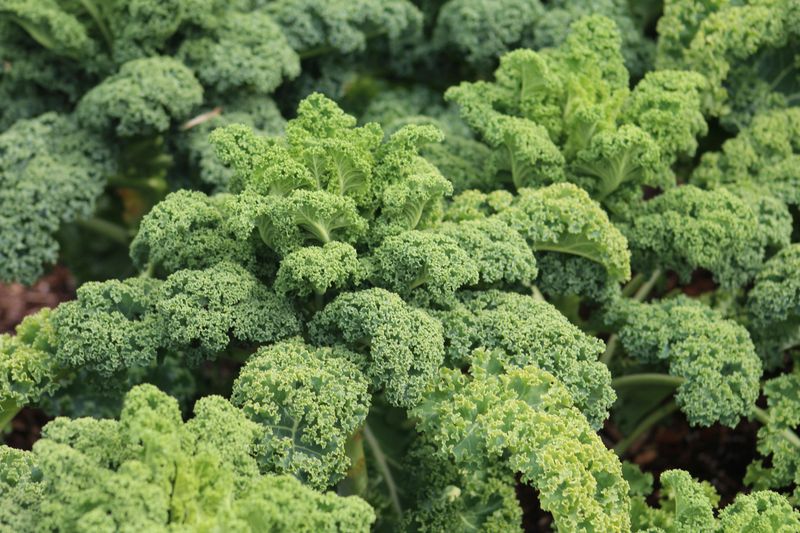
Kale might have a reputation as a health food trend, but gardeners have known for centuries that it is one of the toughest, most generous crops around. June is a great time to get it started in New York.
Most kale varieties are ready to harvest in 55 to 75 days from transplant.
This leafy green actually prefers cooler temperatures for the best flavor, making a June planting ideal. The plants grow through summer and hit peak sweetness as fall temperatures drop in September and October.
Start seeds about a quarter inch deep in a spot with at least six hours of sun. Kale tolerates partial shade better than most vegetables, which makes it flexible for tricky garden layouts.
Thin seedlings to about 12 inches apart once they reach a few inches tall. Crowded kale produces smaller, weaker leaves and struggles to reach its full potential.
Begin harvesting outer leaves once the plant reaches about a foot tall. Always leave the central growing tip intact so the plant keeps producing fresh leaves throughout the season.
Kale is remarkably pest-resistant compared to other brassicas, though cabbage worms can occasionally show up. A simple row cover or a quick hand-pick session keeps them under control without chemicals.
A light frost actually makes kale taste better by converting starches to sugars. Plant in June and you will be harvesting sweet, tender leaves well into October and through the first light frosts.
5. Swiss Chard
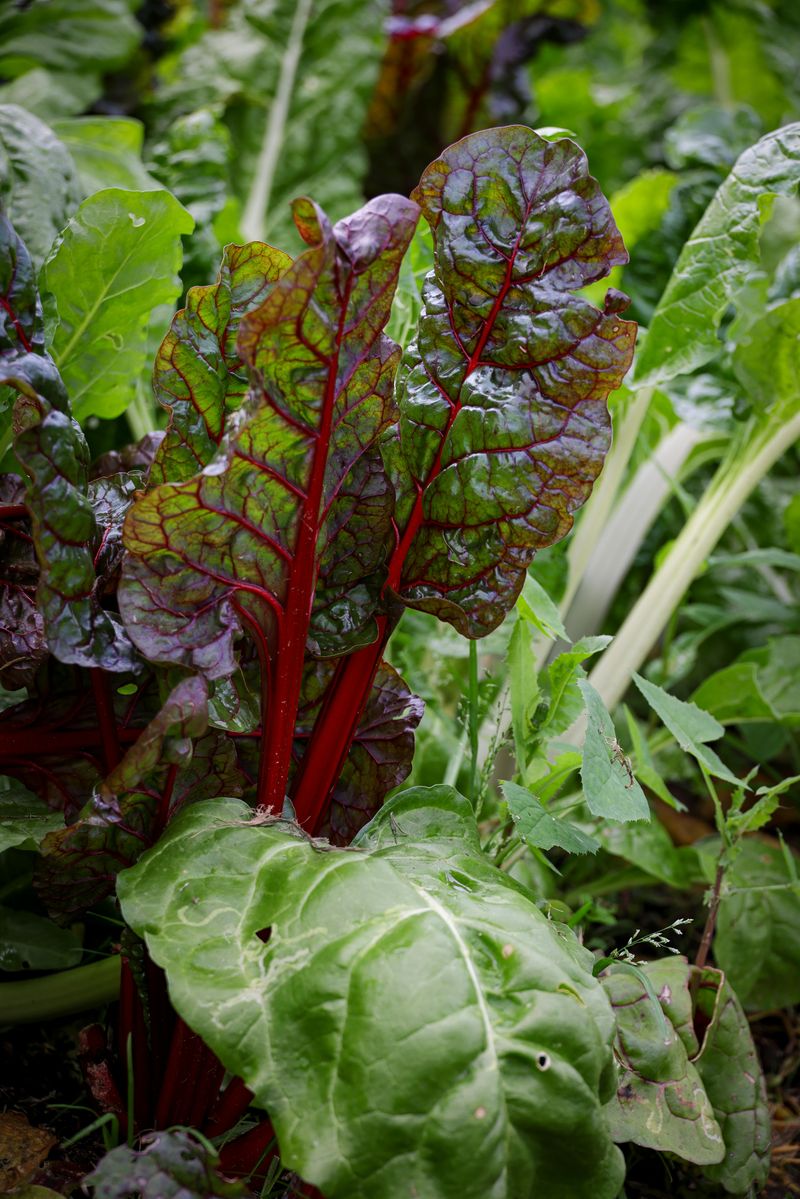
Swiss chard is arguably the most beautiful vegetable in any garden. The stems come in electric shades of red, orange, yellow, and white that look almost ornamental in the garden.
Planted in June, chard grows quickly and is typically ready for its first harvest in about 50 to 60 days. It handles both summer heat and early fall chill with remarkable ease.
Sow seeds about half an inch deep and thin seedlings to about 9 inches apart. Each seed packet actually contains clusters of seeds, so expect multiple seedlings to emerge from each planting spot.
Chard thrives in full sun but handles partial shade better than most warm-season crops. This flexibility makes it a smart choice for gardens with trees or structures that block afternoon light.
Harvest outer stalks when they reach 8 to 10 inches tall, cutting them cleanly at the base. The plant will continue pushing out fresh growth from the center for weeks on end.
Both the leaves and stems are edible, which makes chard incredibly versatile in the kitchen. Saute the stems with garlic and olive oil, or toss the leaves into soups, frittatas, or pasta dishes.
Few crops offer this combination of visual drama and kitchen usefulness. Grow Swiss chard once and it will earn a permanent spot in your summer garden rotation.
6. Beets
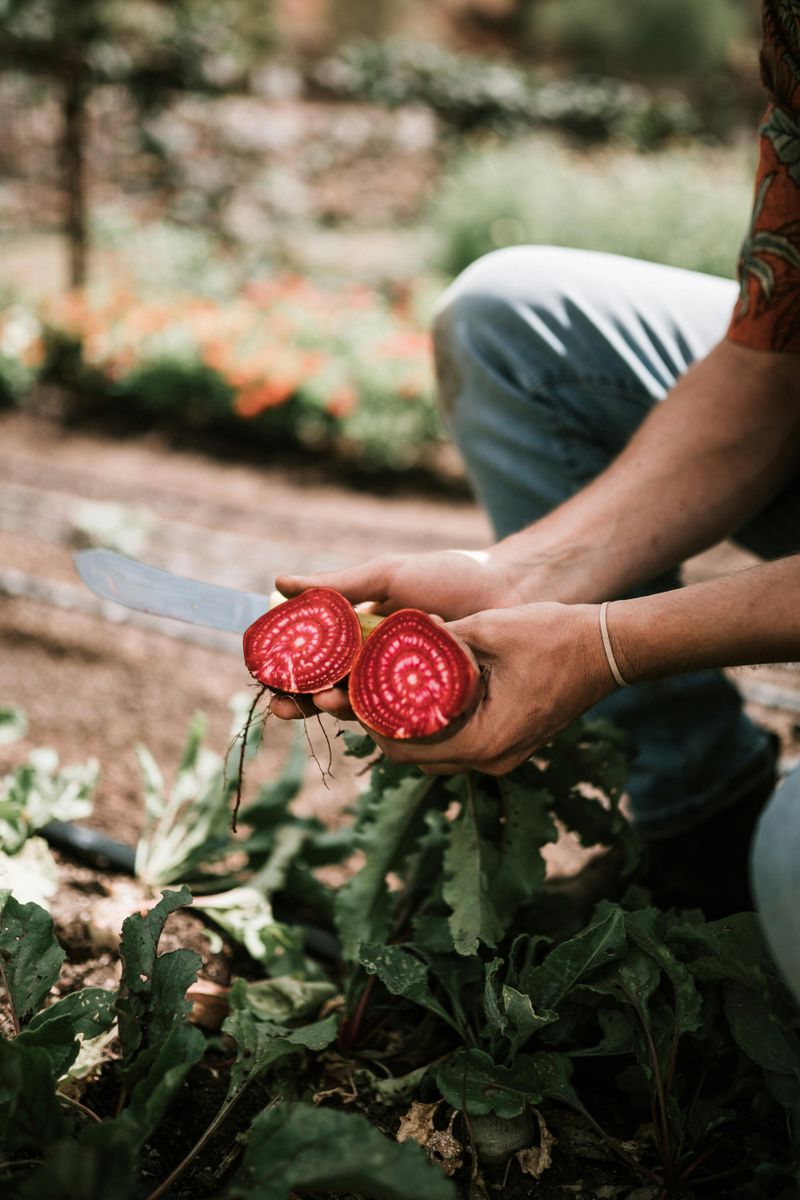
Beets are the quiet achievers of the vegetable garden. While other crops demand attention and fuss, beets just quietly grow underground and reward you with two harvests in one: the root and the greens.
A June planting in New York gives beets enough time to mature before frost arrives. Most varieties are ready in 55 to 70 days, landing your harvest comfortably in August or early September.
Sow seeds directly in the garden about half an inch deep and one inch apart. Beet seeds are actually clusters of seeds, so thin seedlings to three inches apart once they sprout to prevent crowding.
Beets prefer loose, well-drained soil free of rocks and hard clumps. Rocky or compacted ground causes the roots to fork and twist into odd shapes that are harder to cook and peel.
Keep the soil consistently moist during germination, which can take 5 to 10 days. Once established, beets are fairly drought-tolerant and do not need constant babysitting.
Harvest beet greens when they are young and tender for salads or sauteing. Pull the roots when they reach about two inches in diameter for the sweetest, most tender eating experience.
Roasted beets with goat cheese, pickled beets, beet hummus: this underrated root vegetable deserves far more credit. Plant a short row in June and you might just become a beet convert by August.
7. Radishes
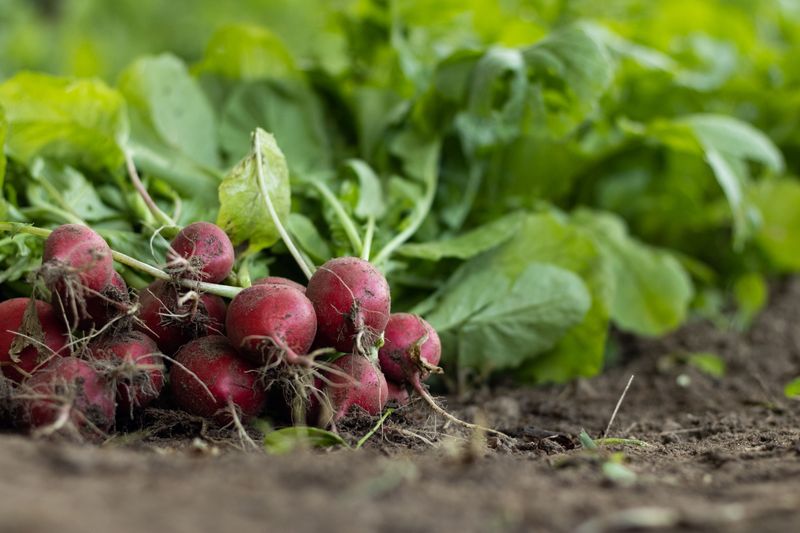
Image Credit: © Mirko Fabian / Pexels
If patience is not your strong suit, radishes are your garden best friend. These speedy little roots go from seed to harvest in as little as 22 to 30 days, making them the fastest crop on this entire list.
Plant a short row of radishes in June and you could be crunching on fresh ones with a sprinkle of sea salt by early July. Few gardening wins feel quite as instant or as satisfying.
Sow seeds directly in the ground about half an inch deep and one inch apart in a sunny spot. Radishes do not transplant well, so direct seeding is always the way to go.
Thin seedlings to two inches apart once they sprout so the roots have room to swell properly. Crowded radishes stay small and often bolt to seed before the root develops fully.
Water regularly to keep growth steady and prevent the roots from becoming pithy or overly spicy. Dry conditions stress radishes and push them toward bolting, which ruins the texture and flavor quickly.
Harvest promptly once radishes reach their mature size, usually about an inch in diameter. Leaving them in the ground too long causes them to become hollow, woody, and unpleasant to eat.
Succession planting every two weeks gives you a steady supply all season long. Radishes also make fantastic companion plants that help deter certain pests from neighboring crops in the garden.
8. Lettuce
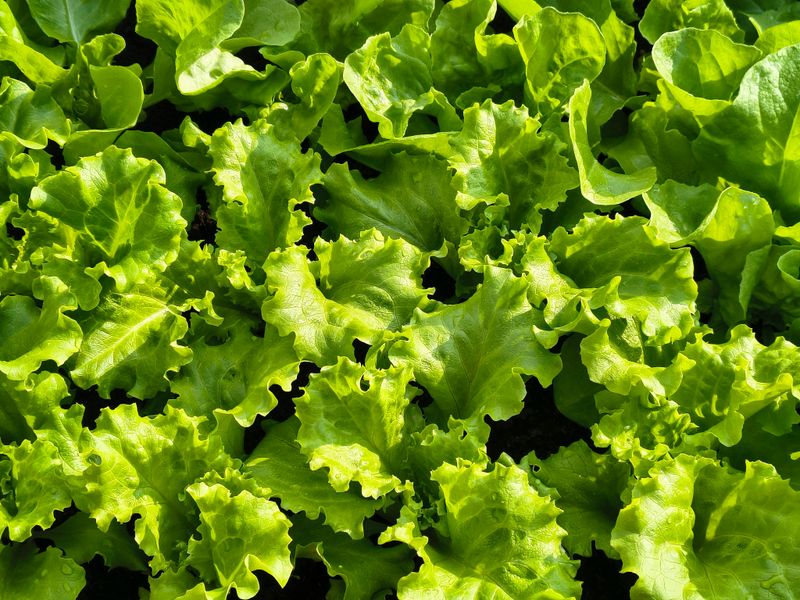
Lettuce is proof that a garden does not need to be complicated to be productive. A few seeds scattered in a sunny or partially shaded spot in June can keep you in fresh salads for months.
Loose-leaf varieties like red leaf, green leaf, and butterhead are the smartest choices for summer planting in New York. They mature faster than head lettuce and handle heat better with a little afternoon shade.
Loose-leaf varieties are typically ready to harvest in 45 to 60 days.
Sow seeds shallowly, just pressing them lightly into the soil surface since they need light to germinate well. Expect sprouts within a week, and thin seedlings to about six inches apart once they get going.
Lettuce bolts in intense heat, sending up a tall seed stalk and turning bitter almost overnight. Planting in a spot with afternoon shade, or using a shade cloth, dramatically extends your harvest window through summer.
Begin harvesting outer leaves once plants are about four inches tall using the cut-and-come-again method. Snipping leaves instead of pulling whole plants keeps the garden producing fresh growth for weeks longer.
Mix several varieties together for a beautiful, colorful salad bowl garden that looks as good as it tastes. A container of mixed lettuce on a shaded porch is one of the easiest and most rewarding small-space gardens possible.
You can still plant in New York in June and harvest before fall, and lettuce proves it beautifully. A bag of seeds and a little effort equals fresh salads well into late summer.
9. Green Onion
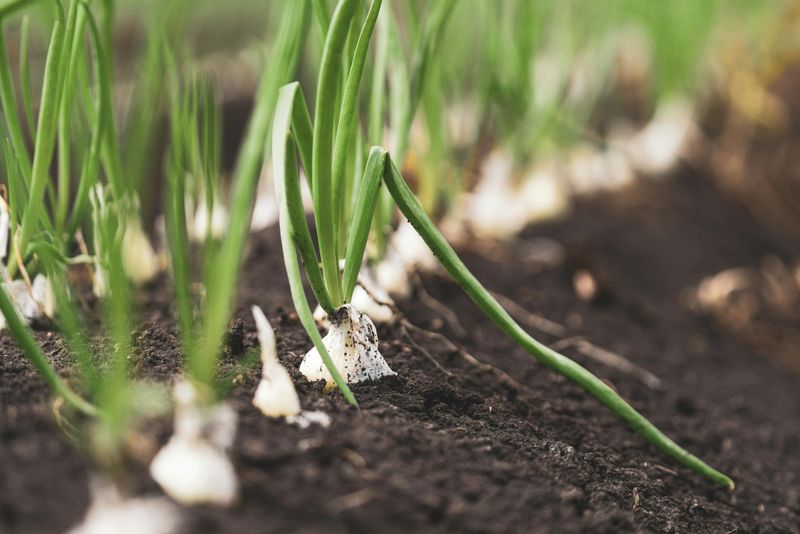
Image Credit: © Los Muertos Crew / Pexels
Green onions are one of the most low-maintenance crops you can grow in a New York garden, and June planting works perfectly for a summer harvest.
Most varieties mature in 60 to 70 days from seed, putting your first harvest comfortably in August. You can also start from sets, which cuts that timeline down significantly.
Sow seeds about a quarter inch deep and one inch apart in a spot with full sun. Green onions do not take up much space, making them a smart choice for raised beds, containers, or tight garden corners.
Thin seedlings to about two inches apart once they sprout. Unlike many vegetables, green onions tolerate being planted fairly close together without much drop in quality or yield.
Begin harvesting once the green tops reach about six inches tall. Pull the whole plant or snip the tops and leave the bulb in the ground to regrow for a second harvest.
Water consistently but do not overwater. Green onions prefer moist, well-drained soil and are prone to rot in waterlogged conditions.
Fresh green onions straight from the garden have a mild, clean flavor that works in almost any dish. They work in salads, stir-fries, soups, and egg dishes without overpowering anything else on the plate.