These New York Shrubs Need One Last Deep Watering Before Winter
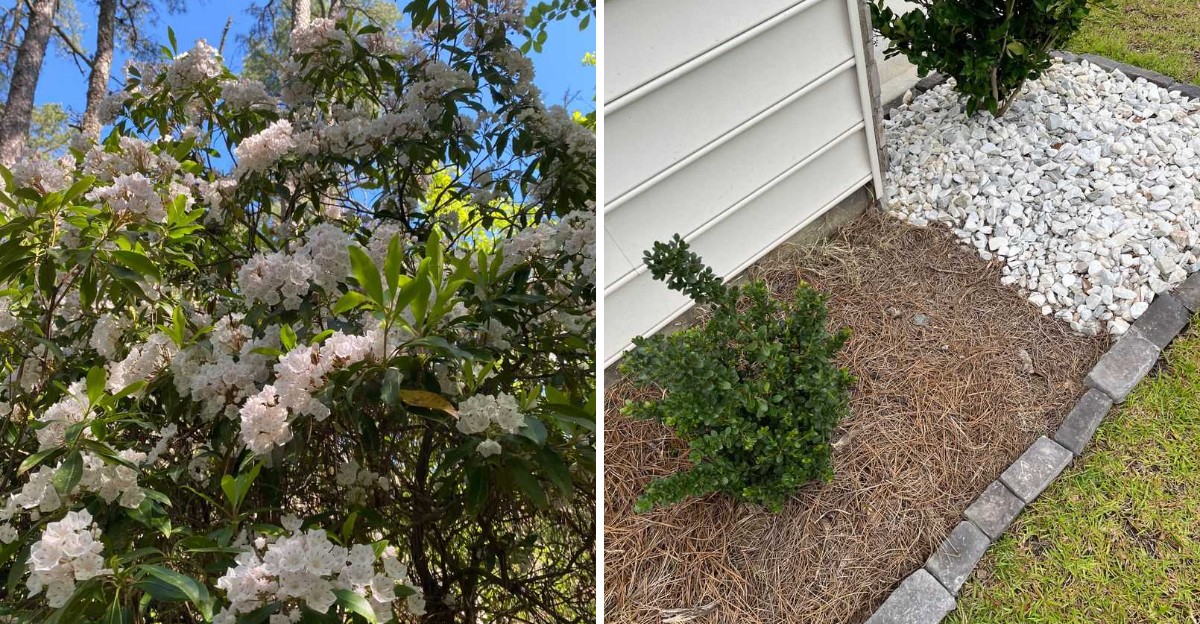
The hose is coiled, the leaves are raked, and your gloves are already stashed in the shed. Before you call the season finished, a few shrubs are begging for one more long drink.
Cold wind and frozen ground make a rough combination for thirsty roots. Once the soil hardens, those roots can’t pull up the water they need until spring.
Some broadleaf evergreens keep losing moisture through their leaves all winter. A deep soaking before the ground freezes can mean glossy green in April instead of crispy brown edges.
Across New York, this chore takes only minutes and costs almost nothing. A hose, a slow trickle, and a bit of timing handle nearly all of it.
Newly Planted Shrubs Need Extra Attention
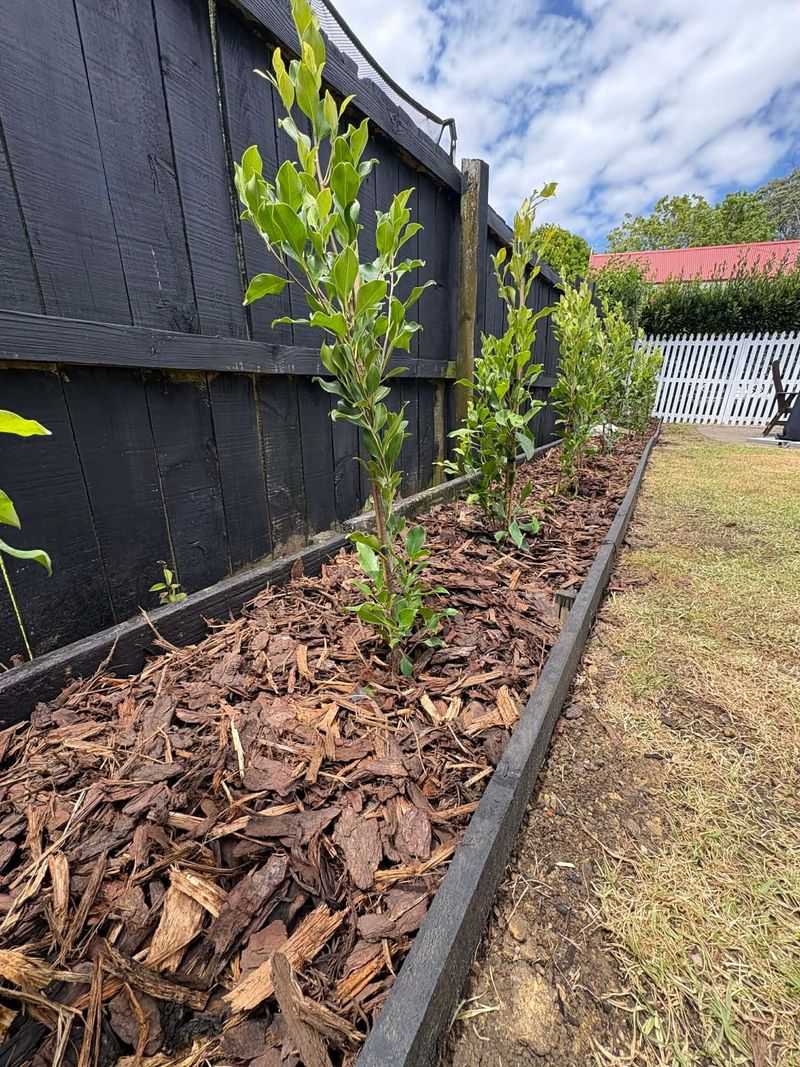
Anything you tucked into the ground this year is still learning where home is. Roots have not spread far past the original root ball yet.
Consistent moisture is what pushes those roots outward into surrounding soil. Without it, the plant stays stuck inside a small pocket that dries out fast.
Young shrubs generally need attention through their first full growing cycle, fall and spring included. Deep, infrequent soakings beat quick daily sprinkles every time.
Watering slowly encourages roots to chase moisture downward. Deeper roots handle drought and cold far better than shallow ones.
During that first autumn, a thorough weekly watering works for many plantings. In stretches without rain, aim for 10 to 15 gallons a week.
Keep going until the ground freezes solid. Late fall water is stored moisture the plant draws on through the quiet months.
Check the root ball often with your fingers. It should feel damp like a wrung-out sponge, not powdery.
A layer of mulch two to three inches deep slows evaporation around those tender roots. Leave a gap near the stem so bark stays dry.
In dry winters, roughly five gallons twice a month keeps young shrubs comfortable. Use a bucket with a small hole if you want a slow trickle.
Morning watering gives the soil time to settle before temperatures drop. Cold nights on soggy surface soil help nobody.
Mark your calendar for one last soak before Thanksgiving. Future you, standing in a green spring garden, will appreciate the effort.
Broadleaf Evergreens Can Lose Moisture All Winter
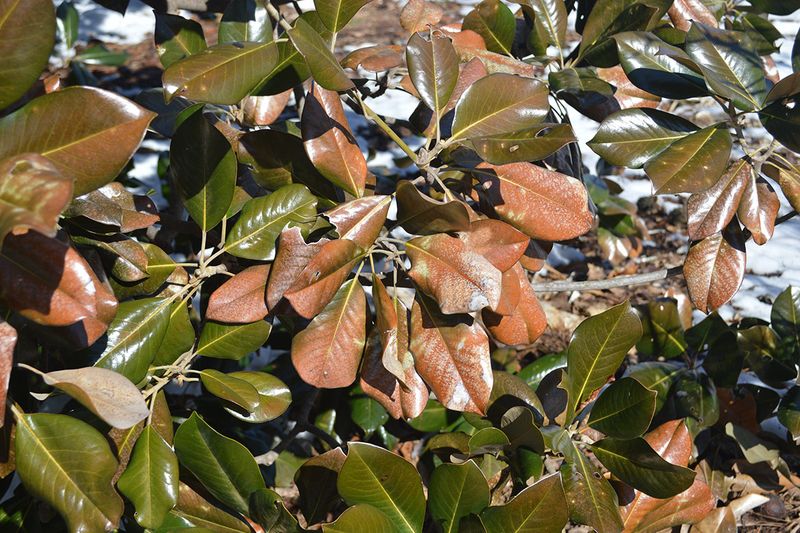
Here is the sneaky part about winter garden damage. Evergreen leaves keep breathing out moisture even while the rest of the yard naps.
Rhododendrons, hollies, and their leafy cousins lose water through their foliage all season. Cold wind and bright winter sun speed that loss up dramatically.
The trouble starts when soil freezes hard. Roots simply cannot pull up replacement water from ice.
Gardeners call the result winter burn, or desiccation if you want the technical term. Leaves turn brown, crisp, and sad looking by March.
Damage shows up most on the south and southwest sides of plants. Those spots catch the strongest sun and the harshest wind.
Exposed corners, driveway edges, and open lawns in New York are classic problem areas. Sheltered spots near fences usually fare better.
Your New York Garden Changes Every Week. Your Plan Should Too.
Gardening in New York changes quickly throughout the season. Every Friday you’ll receive a simple weekly plan showing exactly what to plant, prune, fertilize, harvest, and protect so you never miss the right timing.
A deep soaking in late fall loads the soil with moisture before it locks up. Think of it as filling the tank before a long drive.
Some folks reach for anti-desiccant sprays, which coat leaves with a thin protective film. They can reduce water loss during mild spells.
Extension experts remain split on how well those coatings really work. Treat sprays as a bonus, not a substitute for water.
Burlap screens on the windward side offer real, low-tech protection. Stake the fabric a few inches away from branches rather than wrapping tightly.
Watch your plants during January thaws too. A warm, dry week with no snow cover is when desiccation quietly accelerates.
Rhododendrons Need Moist Roots Before The Ground Freezes
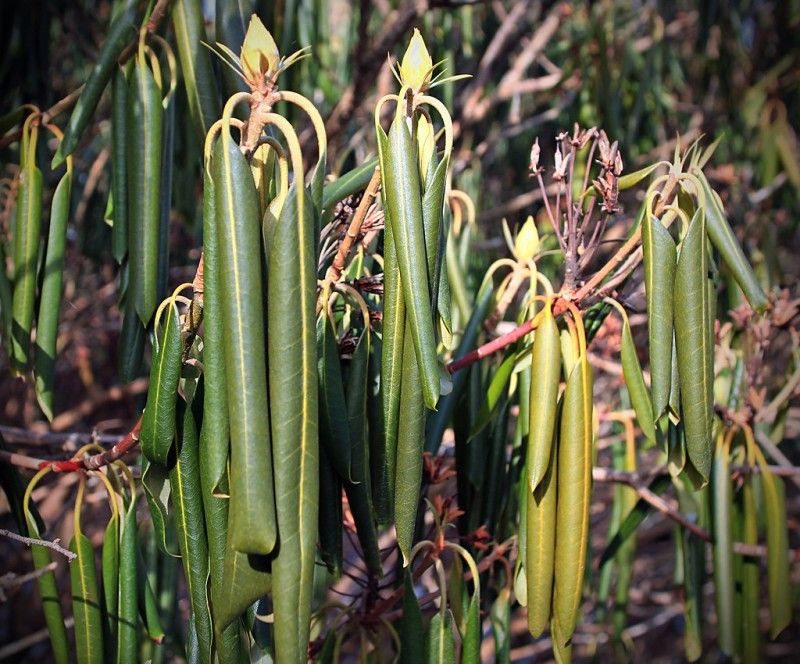
Curled rhododendron leaves in January look alarming, but they are actually the plant protecting itself. Tight curling reduces surface area and slows moisture loss.
That clever trick only goes so far. What really helps is soil that went into winter thoroughly damp.
Rhododendrons prefer soil that stays evenly moist without turning into a swamp. Finding that balance is the whole game with these shrubs.
Autumn watering matters more than most gardeners expect. Keep it going until temperatures settle below 40 degrees Fahrenheit.
A good soaking once a week through fall recharges the root zone nicely. Slow application beats blasting the hose for two minutes.
Damp soil also holds heat better than dry soil. Roots stay slightly warmer and buffered from sudden temperature swings.
When a New York autumn runs unusually dry, stick to that weekly schedule. Finish with one generous soak around Thanksgiving week.
Shallow roots are the weak link here. Rhododendron feeder roots sit near the surface where soil dries and chills quickly.
Winter wind pulls water straight out of those broad leaves. With frozen ground below, there is no way to replace it.
Drainage deserves equal respect. Standing water around the crown causes problems just as serious as drought.
Plant on a slight rise if your yard holds puddles. Amend heavy clay with compost and coarse organic matter before planting.
Add a few inches of pine needles or shredded bark over the root zone. Acid-loving plants appreciate both the pH and the insulation.
Azaleas Benefit From Adequate Fall Moisture
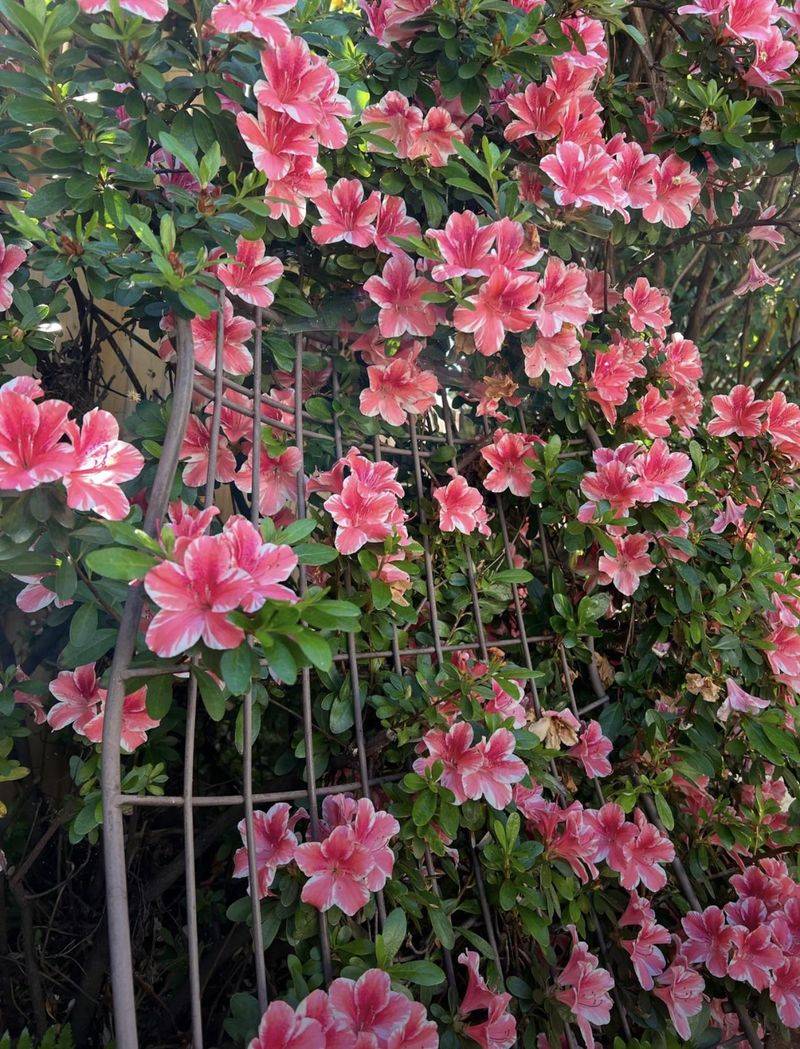
Spring azalea blooms are basically built in autumn. What happens at the roots in October shows up in color five months later.
Like their rhododendron relatives, azaleas appreciate a deep drink before dormancy sets in. Those flower buds are already formed and waiting.
Shallow root systems make azaleas quick to feel water stress. The top few inches of soil dry out faster than anything deeper.
Warm, dry autumn stretches are the risky ones. Plants keep transpiring while gardeners assume the growing season is over.
Give azaleas a thorough soaking during those dry spells. Water at the base rather than over the foliage.
Fall moisture helps them get through cold months with less leaf scorch. It also supports a fuller flower display come May.
Well-drained soil is part of the formula. Azaleas want damp, never waterlogged, conditions around their roots.
One good watering before the first hard freeze pays off. Upstate that’s often October or early November, while downstate gardens usually wait until later in November.
Resist the urge to overdo it. Soggy soil invites root problems that are harder to fix than dryness.
Poke your finger into the soil before dragging out the hose. Damp at two inches down means you can wait.
Mulch does double duty for these shrubs. It insulates shallow roots and keeps moisture levels steadier through freeze-thaw swings.
Pine needles work beautifully here. They settle loosely, let water through, and suit acid-loving plants perfectly.
Hollies Need Protection From Winter Desiccation
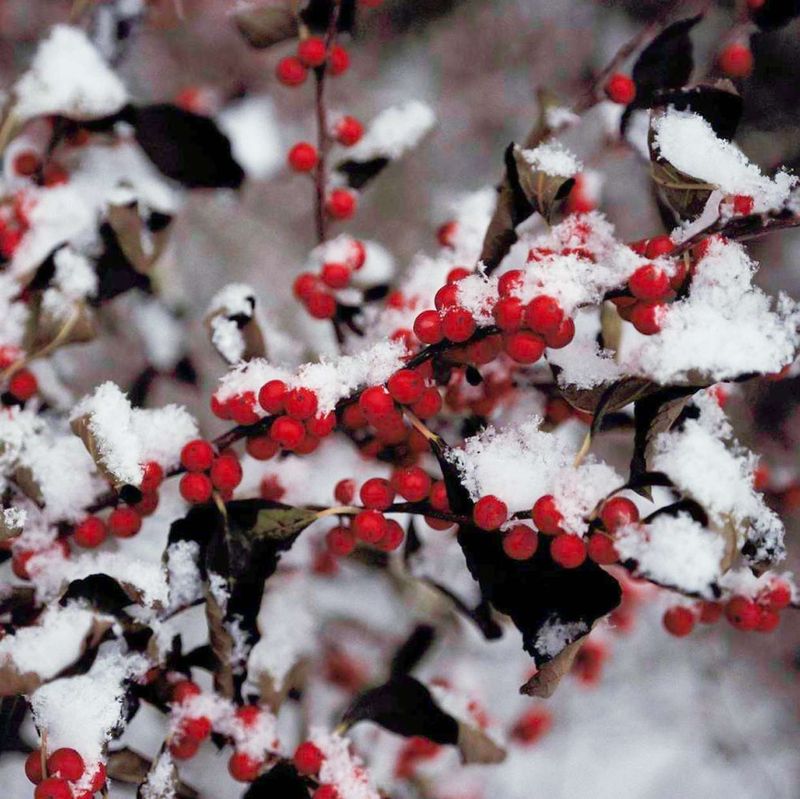
Glossy leaves and bright berries make hollies the star of December landscapes. Those same leaves are also moisture escape hatches all winter long.
Desiccation happens when a plant loses water faster than it can pull more up. Cold, dry air and stiff winter winds create exactly that situation.
Young hollies feel it worst. The first two or three winters after planting are the vulnerable stretch.
Roots have not spread wide enough yet to gather much water. Every gallon you add in fall becomes a reserve.
Water deeply into late fall and even early winter. Keep going right up until the ground in your part of New York freezes firm.
Well-hydrated foliage resists windburn far better. Leaves stay deeper green instead of turning bronze and brittle.
Burlap screens are a gardener favorite for good reason. Three stakes and a length of fabric block wind and reduce sunscald.
Set the barrier on the windward side, usually north or west. Leave the top open so air can still circulate.
Anti-desiccant sprays can be applied in late fall or early winter while plants are dormant. Choose a mild day above freezing for good coverage.
Reapply midwinter if a January thaw arrives. The coating wears thin with time and weather.
Fun detail worth knowing: holly berries only appear on female plants. A male holly somewhere nearby is what makes that red show possible.
Mountain Laurel Should Enter Winter Well Hydrated
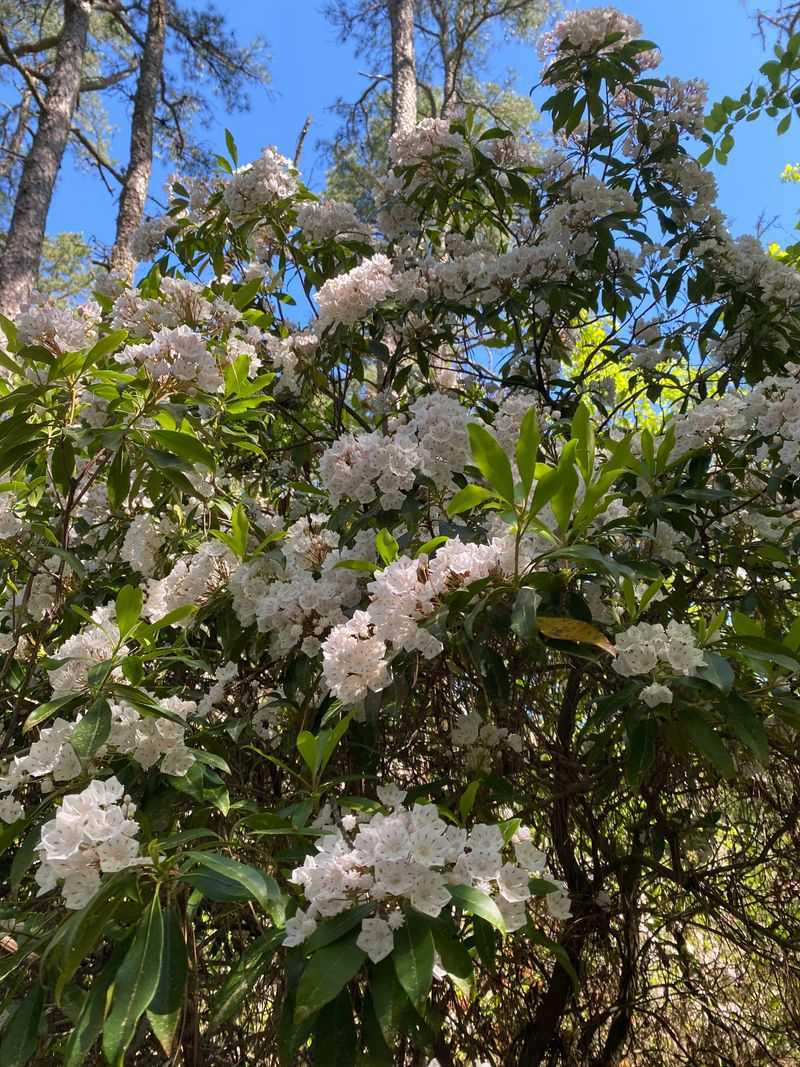
Mountain laurel is one of those natives that looks tough and mostly is. Winter desiccation, however, finds its weak spot every year.
Leathery evergreen leaves stay on the plant through ice and wind. They keep releasing small amounts of moisture the entire time.
Steady water during the growing season sets these shrubs up well. The final soak before the ground hardens seals the deal.
Deep watering pushes moisture down where roots can reach it later. Shallow sprinkling evaporates before it does any real good.
When soil freezes, the plant is essentially cut off from its water supply. Whatever the roots stored is what they get.
Wind and low winter sun keep pulling at the leaves regardless. Hydrated tissue simply holds up better against that pressure.
Look for browning along leaf edges in March as a warning sign. It usually traces back to a dry autumn.
Woodland edges and partly shaded spots suit mountain laurel across New York. Less direct winter sun means less moisture loss.
Give each established shrub a slow soaking of ten to fifteen gallons in late fall. A soaker hose left running low for an hour works well.
Skip heavy fertilizer in autumn. Late feeding pushes tender growth that will not harden off in time.
Here is a charming bit of history: mountain laurel is the state flower of both Connecticut and Pennsylvania. Its twisting trunks were once carved into spoons and tool handles.
Skip Watering When The Soil Is Already Saturated
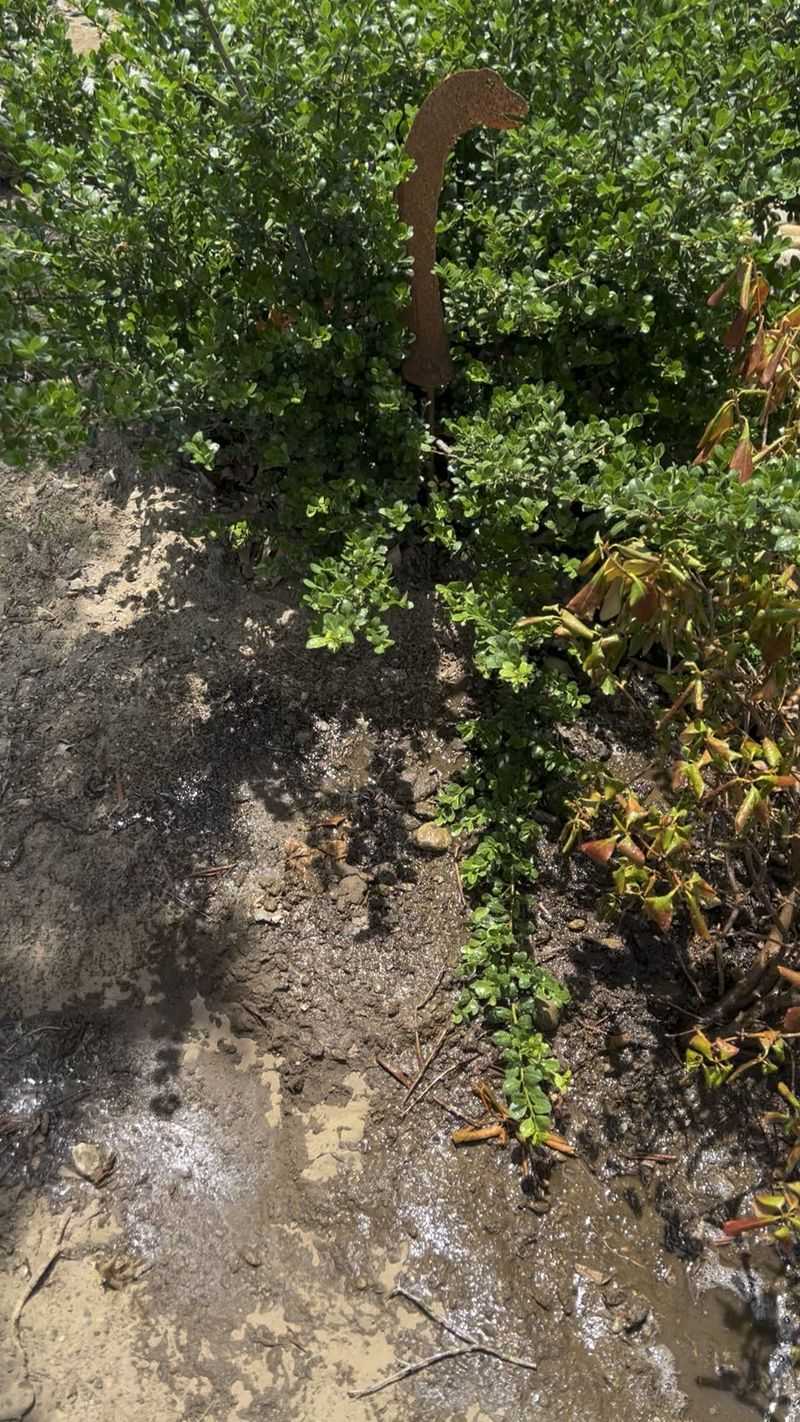
More water is not automatically better, and plenty of gardeners learn that the hard way. Saturated soil causes its own set of headaches.
Roots need air pockets in the soil just as much as moisture. Fill every gap with water and they start to suffocate.
Overwatering opens the door to root rot and fungal growth. Recovery from that is slow and frustrating.
Azaleas and rhododendrons want moist, well-drained conditions rather than constant wetness. There is a real difference between damp and drenched.
Too much water often triggers heavy leaf drop on azaleas. Yellowing lower leaves are another common clue.
Morning wilting confuses a lot of people. It can signal drought stress or a drainage problem, so check the soil before assuming.
Dig a small hole a few inches deep near the shrub. Muddy, sticky soil means put the watering can down.
Rainy autumns sometimes handle the job for you. Several inches of rain in November may cover everything you needed.
Watch for puddles that linger more than an hour after rain. Slow drainage there deserves attention before next season.
Applied correctly, mulch helps water soak in instead of pooling on the surface. Keep the layer loose rather than packed into a mat.
Heavy clay soils hold water far longer than sandy ones. Adjust your schedule to your yard, not to a calendar someone else wrote.
Mulch Helps Hold Moisture Around The Root Zone
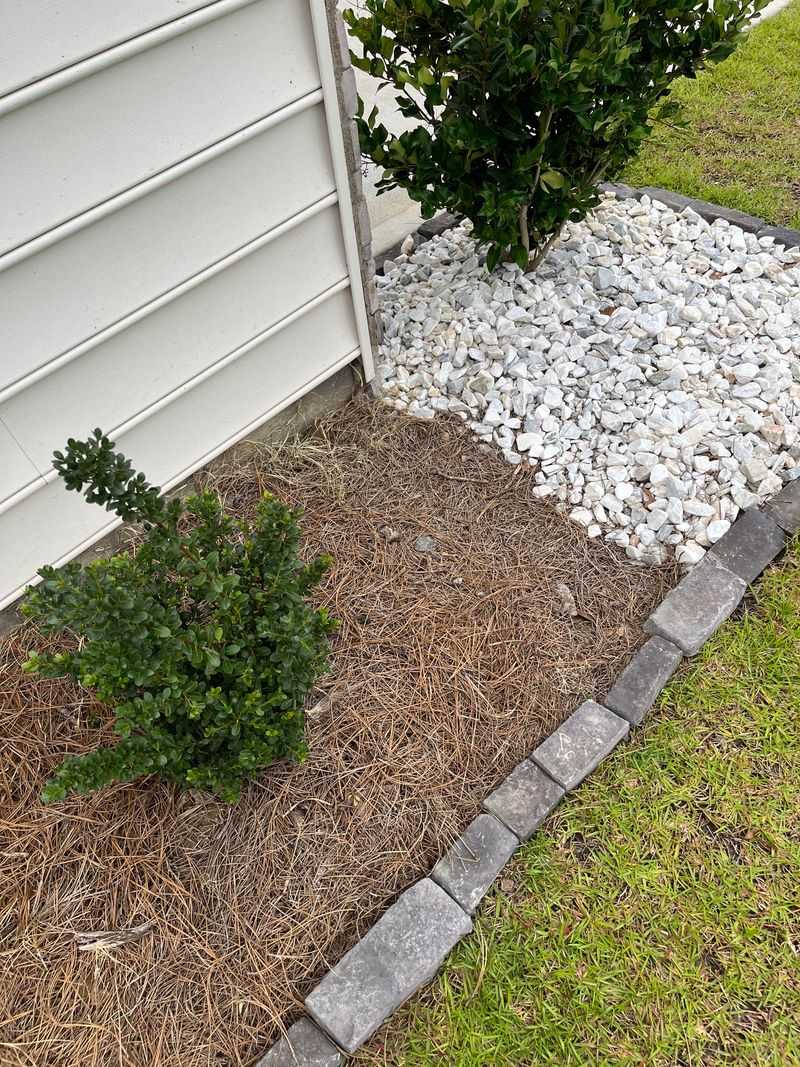
Think of mulch as a cozy blanket that also happens to be a water tank lid. It slows evaporation so the moisture you added actually stays put.
Beyond holding water, mulch moderates soil temperature swings. Roots stay steadier instead of bouncing between frozen and thawed.
Freeze-thaw cycles cause soil heaving, which can tear small roots. A good mulch layer reduces that shoving action considerably.
Organic materials are the best pick for most beds. Wood chips, shredded bark, composted leaves, and pine needles all perform well.
Two to three inches is the sweet spot. Piling it deeper traps too much dampness and invites problems.
Keep mulch a few inches back from stems and trunks. Volcano-style mounds cause bark rot and give rodents a winter hideout.
For winter protection specifically, apply mulch after the ground has already frozen. Early mulching can keep soil warm and delay dormancy.
Across New York gardens, shredded bark, wood chips, and pine needles get recommended most often. Acid-loving azaleas and rhododendrons especially like pine needles.
Water thoroughly first, then mulch. Trapping moisture underneath is the whole point of the sequence.
Refresh thinning layers each season rather than adding thick new coats. Old mulch breaks down and feeds the soil as it goes.
One last reminder for gardeners before the hose gets put away: a single deep soak now protects months of growth. Your shrubs will look far better when spring rolls back around.