Is It Too Late To Plant Strawberries In California In November?
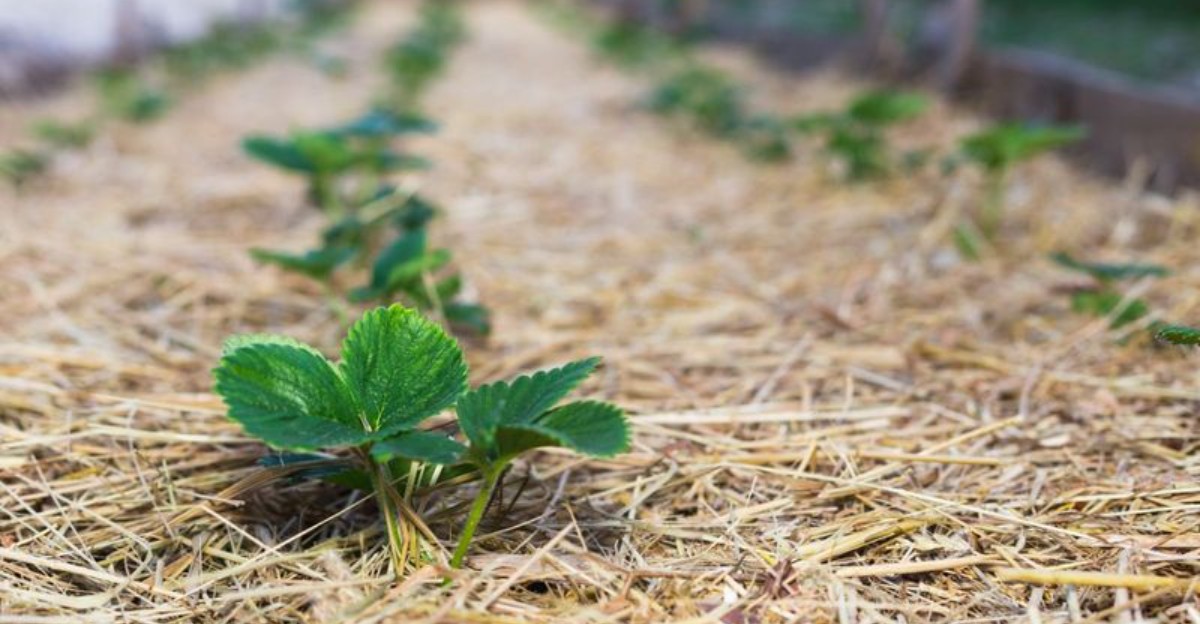
California strawberry fields get a head start on spring by planting young plants while autumn is still underway.
That same growing-season shortcut can work beautifully in a backyard, even when November feels like the month to put garden beds to rest.
Mild winters give roots time to settle before warmer weather encourages flowers and fruit. Along the coast and in many inland valleys, November can be an excellent planting window.
Higher elevations have a different schedule, especially where frozen soil and hard frosts arrive early.
The variety matters just as much as the location. Some plants produce one generous spring crop, while others offer berries over a much longer stretch. I love having that choice, especially when a small patch can supply fresh fruit for weeks.
A sunny bed, the right planting depth, and steady moisture make a promising start. Could a November planting bring your first homegrown berries sooner than you expect?
Those Little Red Berries Run On A Different Clock Out West
Most garden books written for colder states say to plant strawberries in early spring. That advice makes sense in Ohio, where the ground freezes solid for months.
Out here, the story flips. Our mild winters let young plants grow roots slowly through the cool season while the air stays comfortable and the rain often does part of the watering for you.
Big commercial farms along the Central Coast and in Ventura County plant in fall for exactly this reason. Those fields are some of the most productive strawberry land in the country, and the plants spend their first weeks settling in during short, cool days.
Home gardeners can borrow the same idea. A plant tucked in during November has months to build a strong crown before spring warmth pushes it into flowering.
Of course, the clock is not identical everywhere in the state. Coastal and southern gardens have the widest window, while high mountain towns face real snow and frozen soil.
So the honest answer depends on where you live. For many of us, November is not late at all, and it may be one of the smartest months to start a patch you will enjoy next spring.
November Strawberry Planting Works Well In Mild Winter Regions
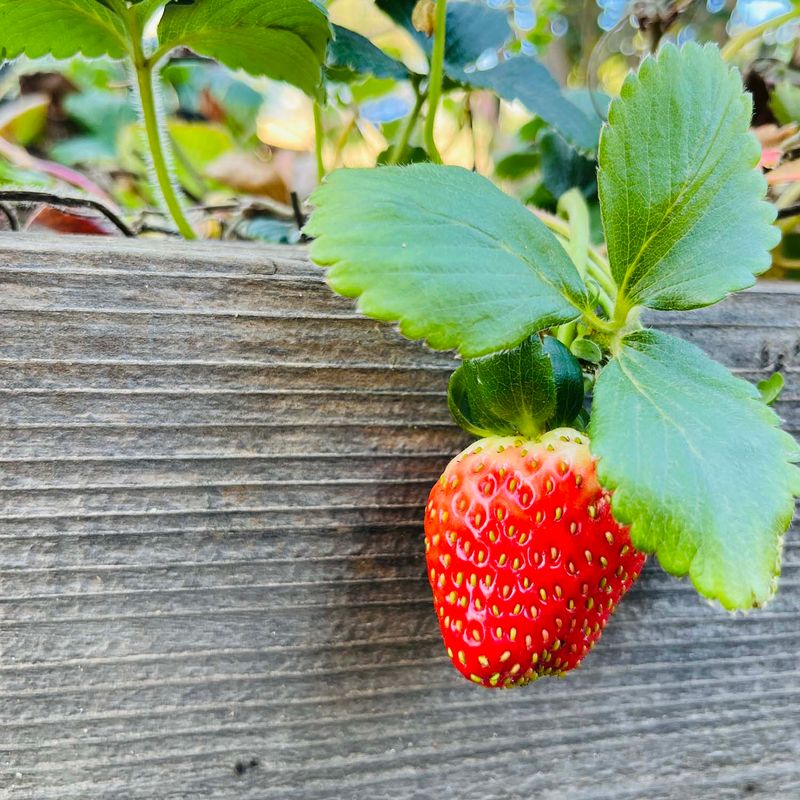
Short answer? No, it is not too late for most California gardens.
University of California Master Gardener programs commonly list fall as a strong planting season in mild-winter areas. In Southern California and along the coast, gardeners often plant from late October through December.
Inland valleys follow a slightly different rhythm. In places like Sacramento and parts of the Central Valley, dormant bare-root plants are often set out from about November through February, when nurseries stock them.
Why does fall work so well? Cool soil and mild air let roots spread without the stress of summer heat. By the time days lengthen, plants are anchored and ready to flower.
Mountain and high desert gardeners have a tougher call. Hard freezes and frozen ground in places like Truckee or Big Bear can heave young plants out of the soil, so spring planting is usually the safer move there.
A quick check with your county UC Master Gardener office can confirm your local window. Many offices publish free planting calendars for their specific region, and those beat any national chart printed on a seed packet.
Find your zone, then plant with confidence.
Short-Day Or Day-Neutral Strawberry Plants Make A Big Difference
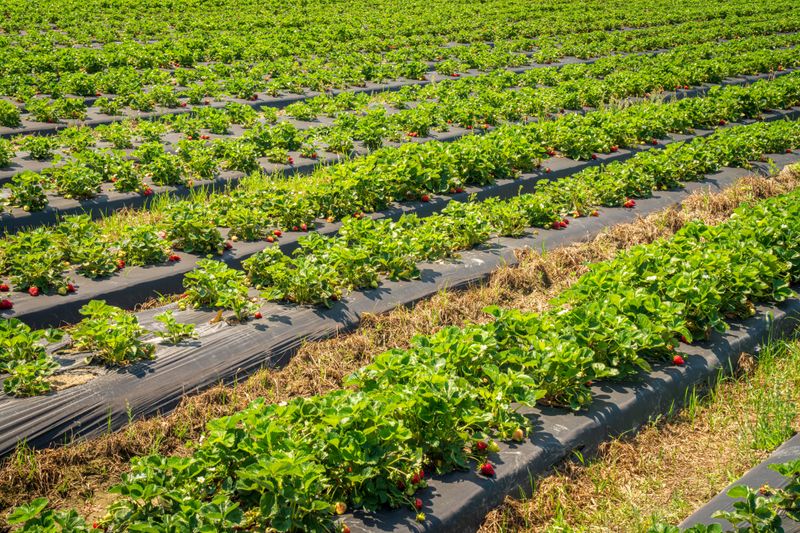
Walk into a nursery and the labels can feel like a puzzle. Two words matter most: short-day and day-neutral.
Short-day types, often called June-bearers, form flower buds as days shorten in fall and winter. They reward you with one big, concentrated harvest in spring or early summer. Chandler and Camarosa are classic California-bred examples.
Day-neutral types ignore day length. They keep producing berries from spring through fall as long as temperatures stay roughly between 40 and 90 degrees. Albion, Seascape, and San Andreas came out of the University of California breeding program and do well in many home gardens.
Both kinds can go in during fall here. Day-neutrals can also be planted in February or March if you miss the autumn window.
My personal advice? Think about how you like to eat strawberries. If you dream of a jam-making weekend, short-day plants deliver a big burst at once.
If you would rather snack on a handful every few days for months, day-neutrals fit that habit beautifully. Some gardeners grow a few of each and enjoy the best of both styles without much extra effort.
Getting The Strawberry Crown Depth Right Matters Most
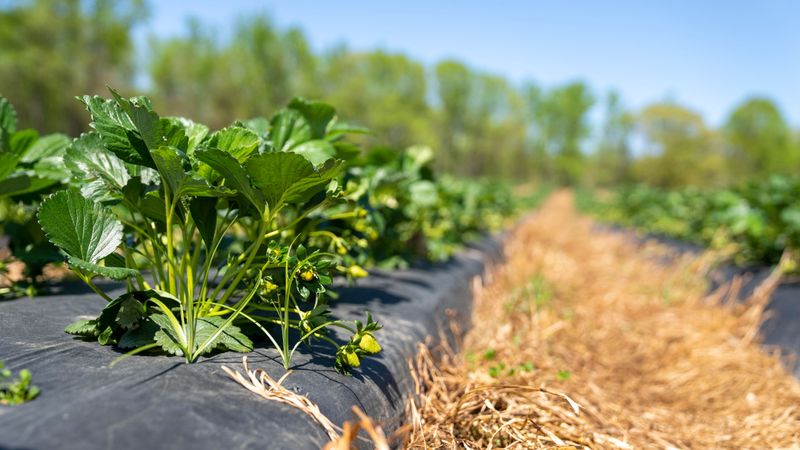
A strawberry plant has one fussy spot. The crown, where leaves and roots meet, needs to sit right at the soil surface.
Bury it too deep, and the crown can rot. Leave it too high, and the roots dry out fast. Getting this single detail right does more for success than almost anything else.
Start with a sunny location. Strawberries want six to eight hours of direct sun each day for sweet, plentiful fruit.
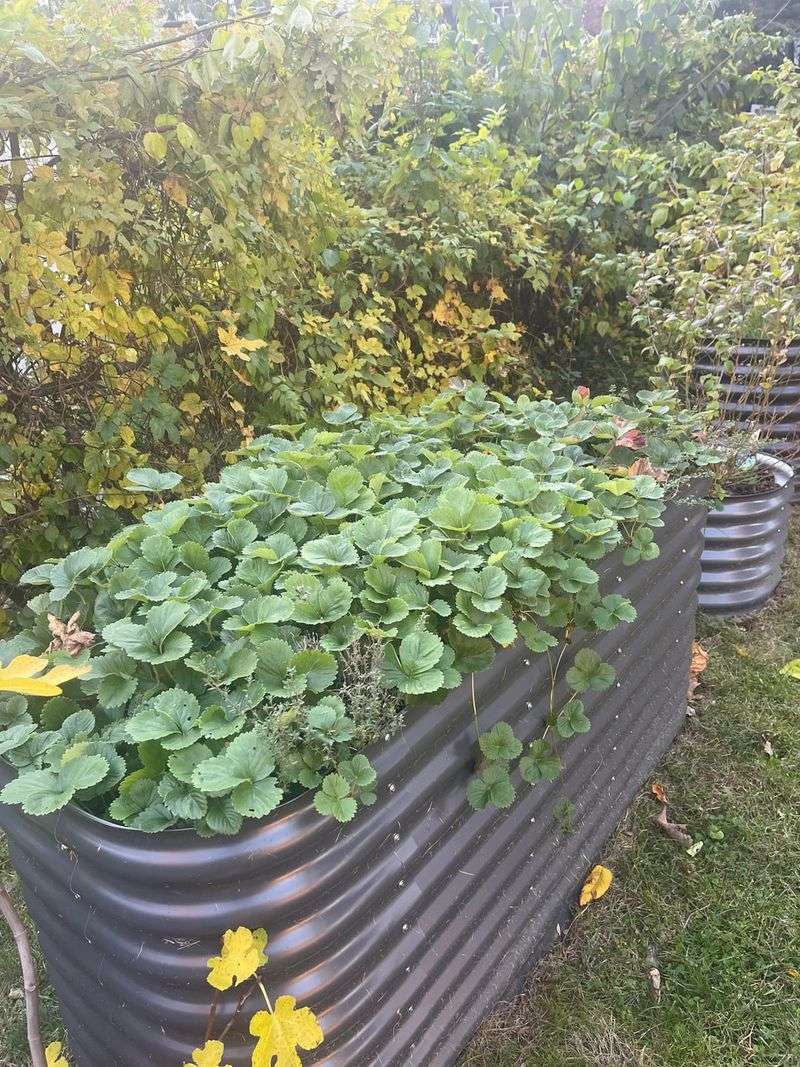
Soil should drain well. Sandy loam is ideal, but you can improve heavy clay by mixing in compost or by building raised beds, which also warm faster in spring.
For bare-root plants, trim very long roots to about four or five inches. Fan them out in a wide hole and firm soil around them gently.
Space plants about 12 inches apart in rows or a staggered pattern. That spacing gives leaves room to breathe, which helps reduce fungal problems in damp winter weather.
Water right after planting to settle the soil. Then double-check that crown height, since soil sometimes sinks a bit after the first soak and leaves plants sitting lower than you planned.
Drip Lines And Steady Moisture Keep Strawberry Roots Happy
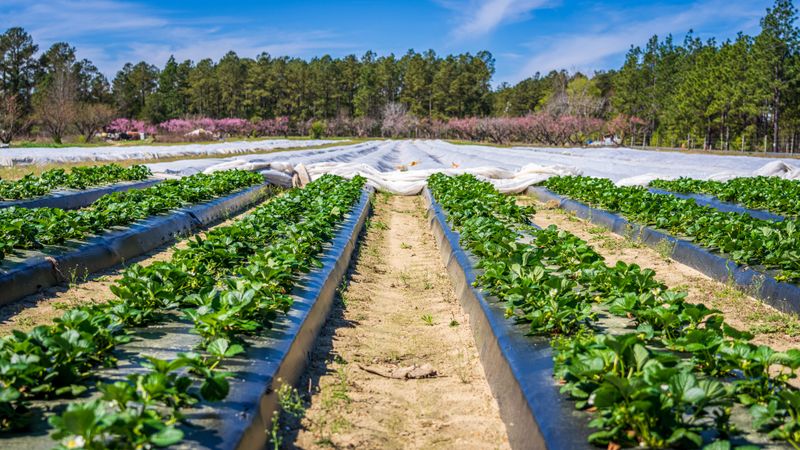
Strawberries have shallow roots. Most of them live in the top few inches of soil, so they feel dry spells quickly.
Winter rain helps in many parts of California, but storms are not reliable. A few dry, breezy weeks in December or January can stress young plants more than you might expect.
Check the soil with your finger. If the top inch feels dry, it is time to water deeply.
Drip irrigation is a favorite among growers for good reason. It delivers water straight to the roots and keeps leaves and fruit dry, which lowers the risk of gray mold and other diseases.
Soaker hoses tucked under mulch work nicely too. Overhead sprinklers are the least helpful choice for this crop.
Feeding is simple. Mix a slow-release or organic fertilizer into the bed at planting time.
About six weeks later, look at the leaves. If growth seems pale or slow, a light nitrogen boost can perk things up.
Go easy, though. Too much nitrogen produces lush leaves with fewer berries, and soft growth attracts aphids, which is a trade nobody wants for a spring harvest.
Straw Mulch Around Your Berry Patch Pulls Double Duty
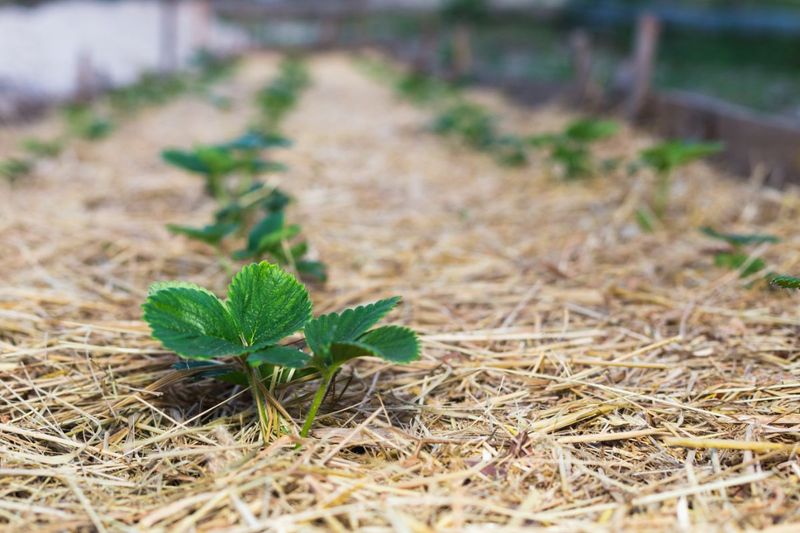
Ever wonder why they are called strawberries? Nobody knows for sure, but the habit of resting fruit on straw is a fun theory gardeners love to repeat.
Whatever the name’s origin, straw mulch earns its spot. It keeps ripening berries off damp soil, so they stay cleaner and less likely to rot.
Mulch also holds moisture, cools roots on warm days, and buffers the soil during chilly nights. In inland valleys where frost visits, that extra layer gives plants a little comfort.
Spread two to three inches around plants, keeping it slightly away from the crown. Use clean wheat or rice straw rather than hay, which often carries weed seeds.
Plastic mulch is another option, and commercial farms use it widely. It warms soil and controls weeds well, though it takes more work to install in a small bed.
Pine needles are a handy choice for some home gardeners as well. They are light, airy, and easy to tuck around plants.
On frosty nights, a sheet of frost cloth over flowering plants can protect early blossoms. Remove it in the morning so bees can reach the flowers.
Pinching Early Strawberry Blossoms Can Pay Off Later
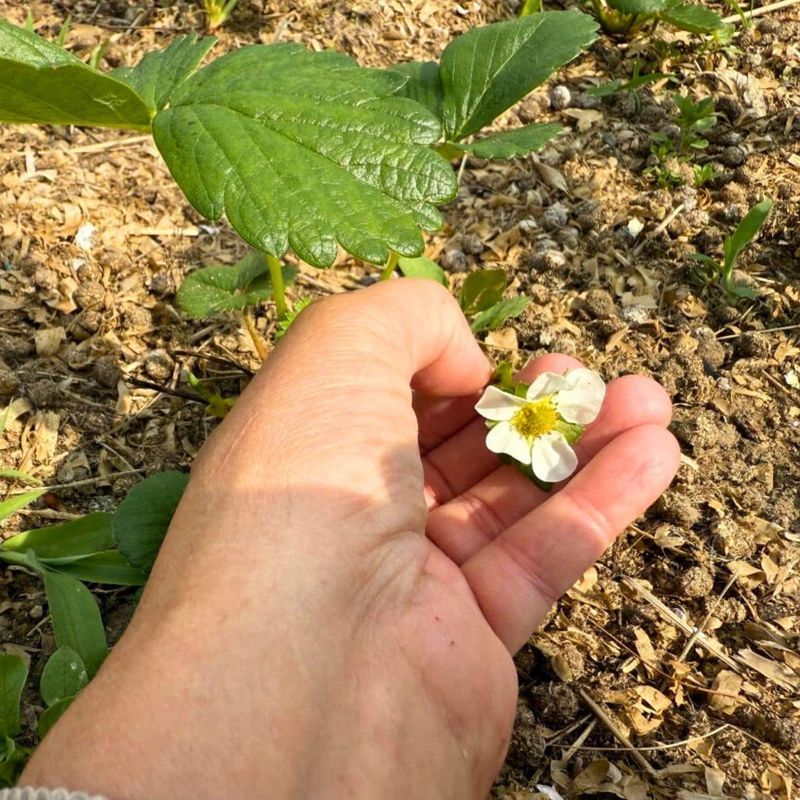
Plucking off perfectly good flowers feels wrong. I still hesitate every time.
Yet many experts suggest removing the first blooms on young June-bearing plants. Without fruit to feed, the plant puts its energy into roots and crowns, which can mean a bigger harvest the following season.
The approach varies by region and plant type. In California’s long growing season, fall-planted short-day plants often get enough root time over winter to fruit well that first spring, so many home gardeners simply let them bloom.
Day-neutral varieties follow different rules. A common tip is to pinch flowers for the first several weeks after planting, then let them bloom freely.
Runners deserve attention too. These long stems sprout baby plants, and while they look charming, too many of them drain energy from fruit.
Snip most runners on day-neutral plants. With June-bearers, you can root a few to fill gaps or start a new row.
Patience is the real lesson here. A little restraint early can turn a modest patch into a bowl-filling one, and the snipping takes only a minute or two each week.