The One Hydrangea Chore Florida Gardeners Should Do Before Winter for Bigger Spring Blooms
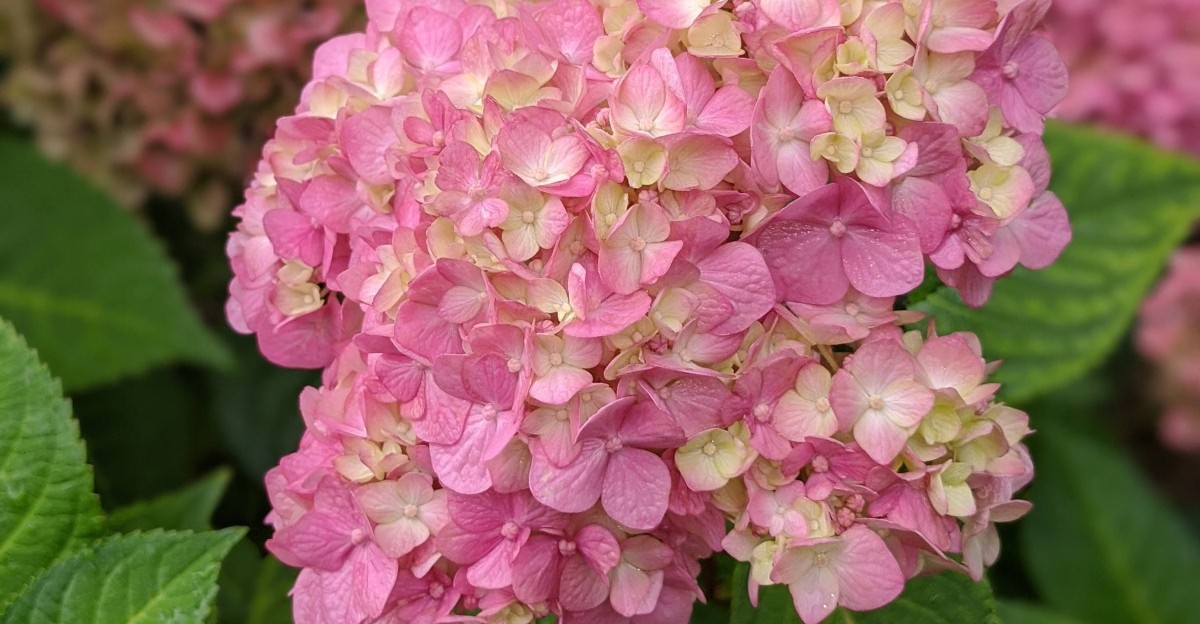
Next spring’s flowers are already hiding in your garden. They sit inside fat little buds at the tips of last summer’s stems, waiting out the cool months like tiny packed suitcases. You just cannot see them yet.
I learned this the hard way. One November, I gave my favorite shrub a neat haircut and felt very proud. That spring, I got a tidy pile of green leaves and exactly zero blue pom-poms.
In Florida, our winters are mild, but they still bring a few sneaky frosts up north and in central counties. Those cold snaps, plus an eager pair of pruners, can undo a whole year of quiet work by your plant.
What should you actually do with those swelling buds before the first chilly night arrives? The answer is easier than you might expect, and your shoulders and your spring color will both thank you.
Those Fat Hydrangea Buds on Your Stems Hold Next Spring’s Show
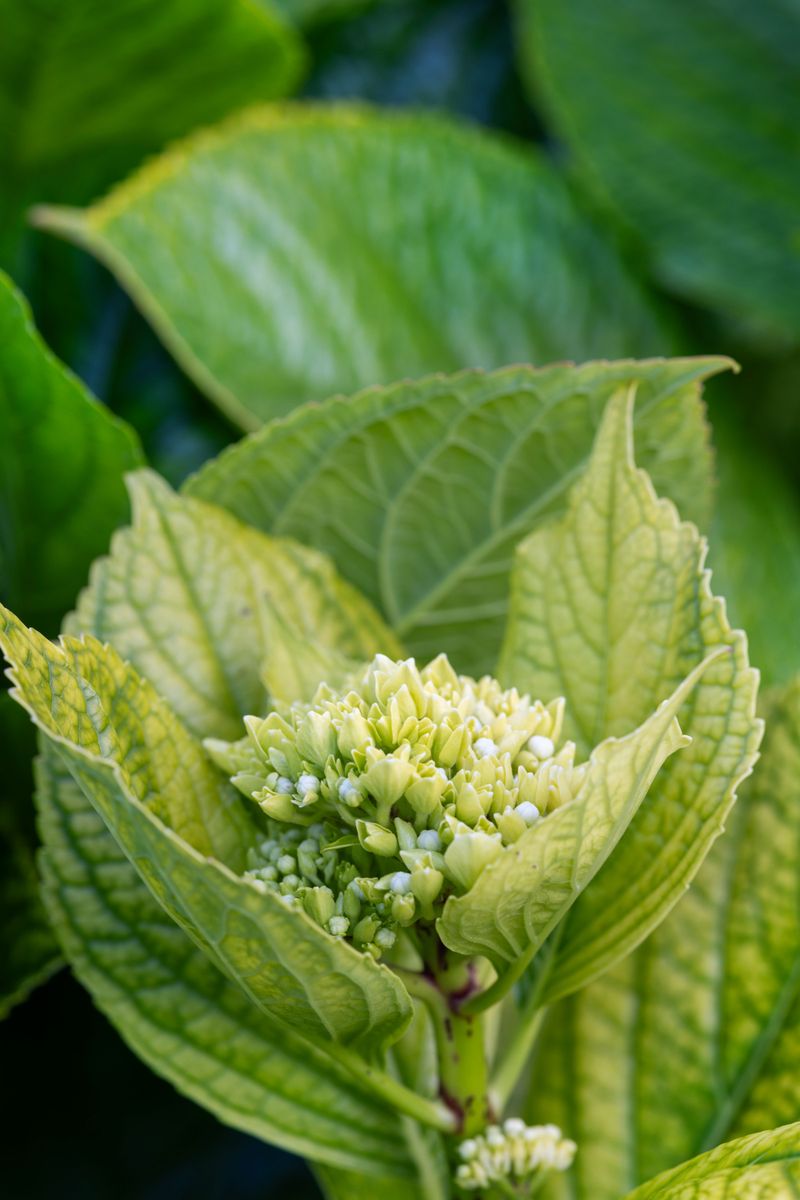
Walk out to your shrub this week and look closely at the stem tips. Those chubby, pointed buds are not leftovers from summer.
They are next spring’s flowers, already formed and packed inside.
Most hydrangeas grown in gardens here are bigleaf types, the classic mopheads and lacecaps. University of Florida experts explain that these plants set flower buds in late summer and fall on the stems that grew this year.
Gardeners call this blooming on old wood.
That one detail changes everything about fall care. The chore that matters most before winter is protecting those buds, not cutting the plant back.
Every bud you save is a potential bloom in April or May.
I like to count a few buds each fall just for fun. It feels like peeking at presents before a birthday.
If you see healthy, firm buds at the ends of most stems, your plant has done its job well.
Small, brown, or shriveled buds can hint at stress from drought or late summer pruning. Make a quick note so you can adjust care next year.
For now, your goal is simple. Guard what is already there, and let the plant rest through the cooler months.
Put the Pruners Down and Protect Your Bigleaf Hydrangea Buds Instead
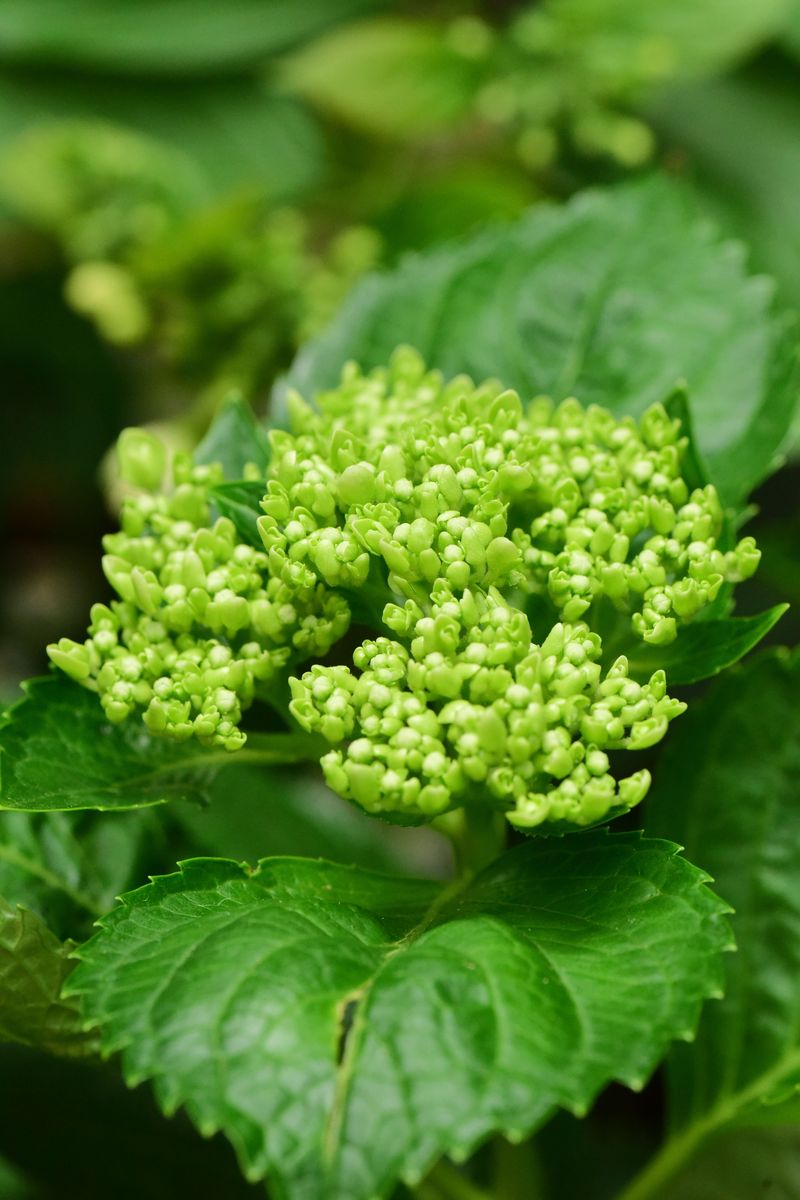
Here is the chore in plain words. Before winter, leave the pruning shears in the shed and focus on keeping your bigleaf hydrangea buds safe.
It sounds almost too easy. Yet a fall trim is one of the top reasons gardeners here end up with leafy plants and few flowers.
Cutting stems back in November or December removes the very tips where those buds sit, and the plant cannot replace them in time for spring.
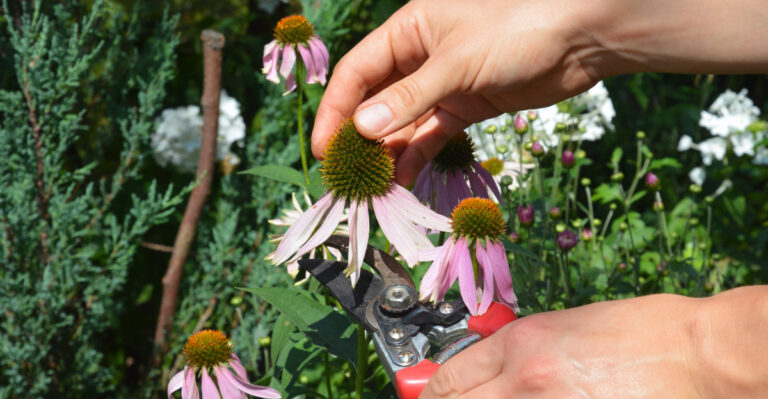
So what can you trim? Snipping off old, faded flower heads just below the bloom is fine if you do it carefully and leave the buds underneath.
Some gardeners leave the papery heads on all winter, and I think they look charming against a gray sky.
Broken or clearly damaged branches can come off at any time. Beyond that, resist the urge to tidy.
A slightly shaggy shrub in January often turns into a showstopper by May.
Personally, I hide my loppers during the holidays when the urge to clean up hits hardest. You might laugh, but it works.
Protecting buds through the cool season gives you the biggest payoff with the least amount of work.
A Thick Ring of Pine Straw Mulch Gives Hydrangea Roots a Cozy Winter
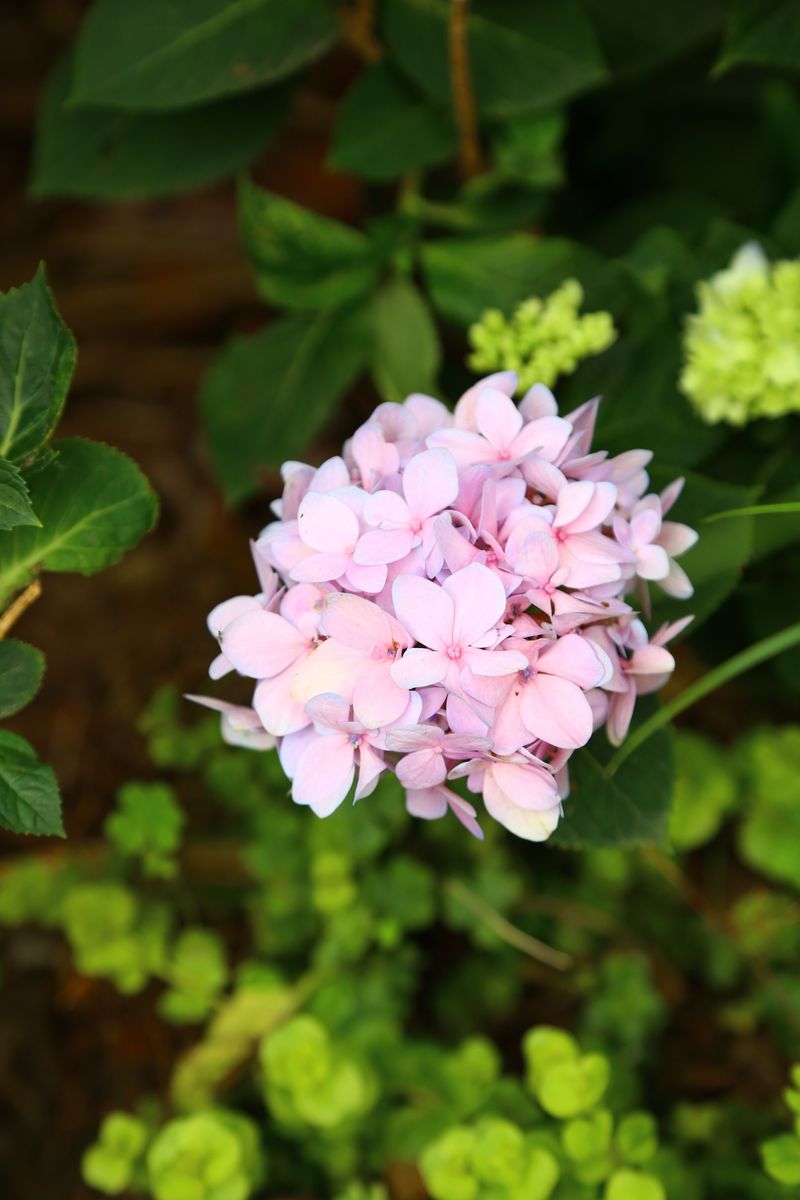
Pine straw is practically Florida’s unofficial garden blanket, and your hydrangea will happily take some. A fresh layer of mulch is the best partner to your hands-off pruning plan.
Aim for about two to three inches of organic mulch spread in a wide ring around the shrub. Pine straw, shredded leaves, or pine bark all work nicely.
Mulch helps hold steady soil moisture and evens out temperature swings when a cold front blows through.
Keep the mulch a few inches away from the stems. Piling it against the base can trap moisture and invite rot or pests.
Think donut, not volcano.
Watering still matters in winter, though your plant needs less of it. Hydrangeas drop most of their leaves or slow down when it cools, so check the soil before you water.
If the top inch feels dry, give it a good soak. If it feels damp, wait.
Fun fact for you: pine straw slowly adds a touch of organic matter as it breaks down. It will not change soil pH much on its own, but it does improve the soil over time.
Healthy roots in winter mean stronger stems and better flowers when warm weather returns.
Keep a Frost Cloth Handy for Those Surprise Cold Snaps
Florida winters love a plot twist. One week you are wearing shorts, and the next week a freeze warning pops up on your phone for Tallahassee, Gainesville, or even Orlando.
Bigleaf hydrangea buds are fairly tough, but a hard freeze can damage them, especially after a warm spell wakes them up early. A simple frost cloth can make a big difference.
Buy one in fall so you are not scrambling at the store the afternoon before a cold night.
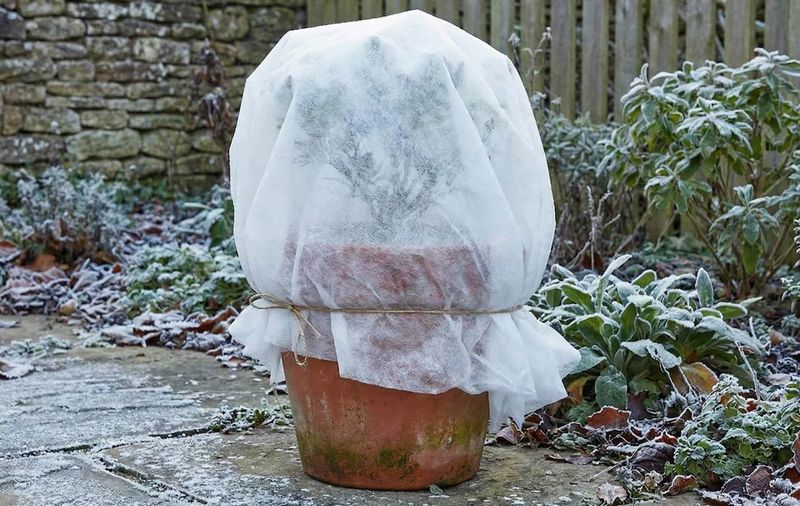
When frost is forecast, drape the cloth over the whole shrub so it reaches the ground. That traps warmth rising from the soil.
Old bedsheets work too, but avoid letting plastic touch the leaves and buds, since it can transfer cold.
Remove the cover the next morning once temperatures climb. Leaving it on during a sunny day can overheat the plant underneath.
Gardeners in South Florida rarely face this issue. Many bigleaf hydrangeas there struggle more with heat and limited winter chill than with frost.
Up north and in central counties, though, a quick cover on a few cold nights can protect weeks of spring color.
Oakleaf Hydrangeas Follow the Same Hands-Off Rule
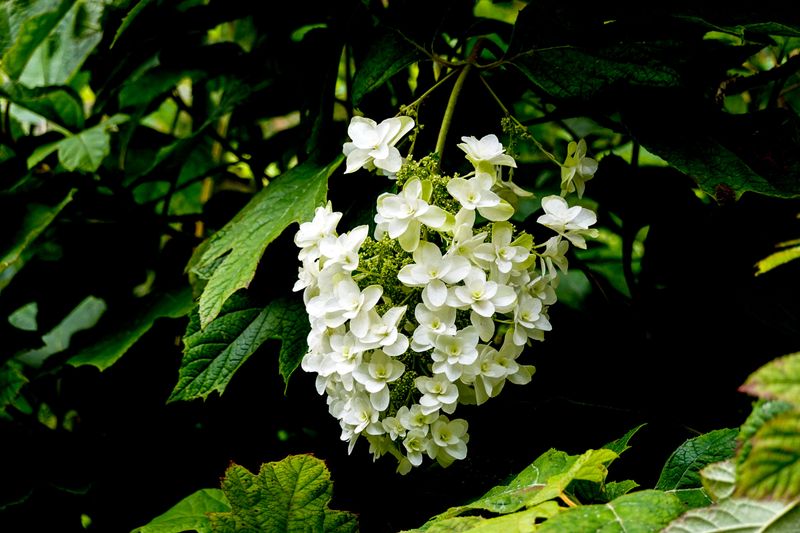
Few shrubs put on a fall show like the oakleaf hydrangea. Those big, lobed leaves turn burgundy, red, and bronze while the rest of the yard is still green.
Better yet, this plant is native to parts of Panhandle and the Southeast. It handles our heat, attracts pollinators in late spring, and fits beautifully in shady woodland gardens up north.
Oakleaf hydrangeas also bloom on old wood. Their cone-shaped flower clusters form on stems from the previous season, just like bigleaf types.
A winter trim would cut away those future white panicles.
So the same rule applies here. Leave the stems alone before winter, add mulch, and enjoy the colorful leaves while they last.
The peeling, cinnamon-colored bark on older stems is a nice bonus once the leaves drop.
If your oakleaf grows too big for its spot, plan any shaping for right after it finishes flowering in early summer. Cut a few of the oldest stems near the base instead of shearing the whole top.
I find this keeps the natural, relaxed shape that makes these shrubs so special, and next year’s blooms stay safe.
Summer Is the Real Pruning Window for Mophead Hydrangeas
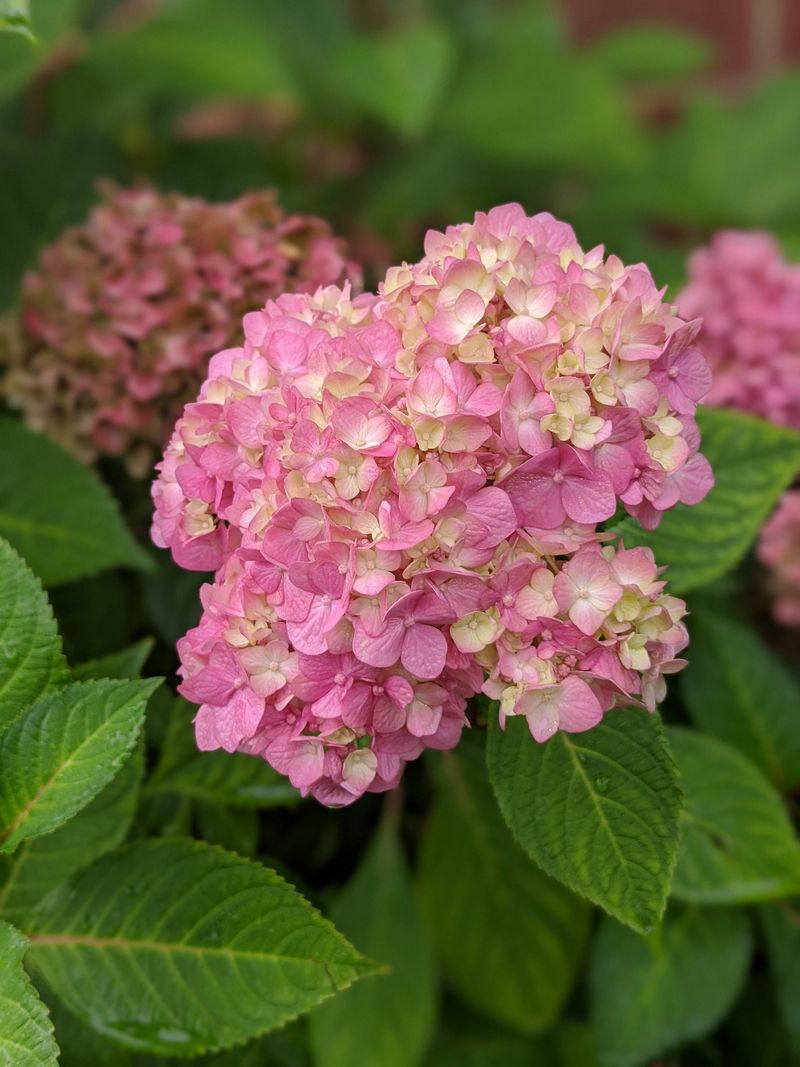
Timing is the whole secret with mophead and lacecap pruning. If you feel that itch to shape your shrub, mark your calendar for summer instead of winter.
The best moment is right after the flowers fade, usually late spring to early summer in the state. University of Florida guidance suggests finishing any major pruning of bigleaf hydrangeas by about August.
After that, the plant begins forming next year’s buds, and cutting starts to cost you flowers.
When summer arrives, use clean, sharp bypass pruners. Cut faded blooms back to a healthy pair of leaves or buds.
To reduce size, remove a few of the oldest, woodiest stems at ground level, which encourages fresh growth.
Wiping your blades with rubbing alcohol between plants helps reduce the spread of disease. Clean cuts also heal faster than ragged tears.
What about smooth hydrangeas like the popular Annabelle? Those bloom on new wood, so a late winter trim works well for them.
They grow mainly in north Florida, though, and are less common in local gardens. If you are unsure which type you own, check the plant tag or ask your county Extension office before cutting anything.
A Fall Soil Test Sets Up Blue or Pink Hydrangea Flowers
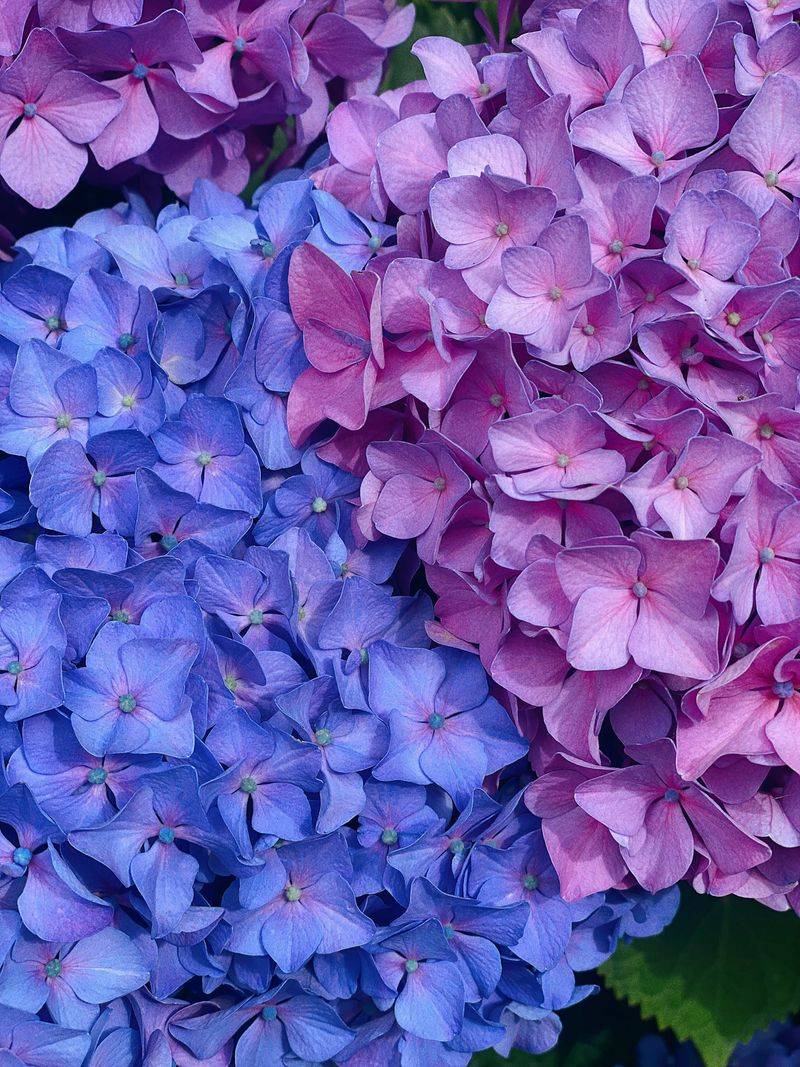
Blue or pink? Your soil quietly makes that choice for many bigleaf hydrangeas, and fall is a smart time to find out what it is planning.
Flower color depends on how much aluminum the roots can absorb. In acidic soil, around pH 5.0 to 5.5, aluminum is more available, and blooms tend to turn blue.
In soil closer to pH 6.0 to 6.5, flowers usually lean pink. White varieties stay white no matter what.
Much of Florida has sandy soil, and some areas, especially near the coast, run alkaline. Your county Extension office offers affordable soil pH testing, which takes the guesswork out of it.
Changes happen slowly, which is why starting before winter makes sense. To push toward blue, gardeners often use aluminum sulfate or sulfur.
For pink, garden lime raises pH. Follow label rates closely, since too much can harm roots.
Skip heavy nitrogen fertilizer in late fall, because it can push tender growth right before cold weather. Save feeding for spring.
With buds protected, roots mulched, and soil checked, you have done the smartest prep possible. Then all that is left is waiting for those big, beautiful blooms.