Why Sourwood Trees Turn Red Before The Rest Of The Tennessee Forest
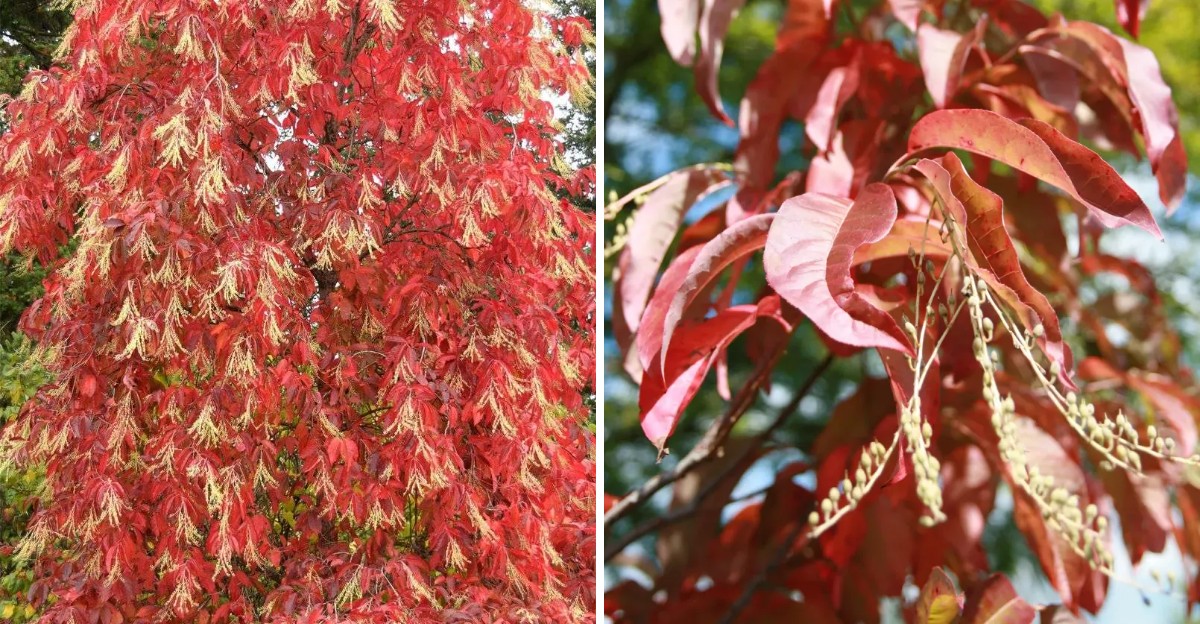
A single tree gives you no warning before it turns brilliant red. You spot it driving past a lonely ridge in Tennessee, glowing against green.
This color has no link to trouble or sunburn for you. Beekeepers show you this tree’s rhythm, watched closely since early June.
Hikers hand you the secret along quiet roadsides and power line cuts. Tennessee forests stay quiet while this solitary species races toward autumn, leaving you truly amazed.
Sourwood answers only to its own clock, and you can’t argue with it. Timing like this leaves you chasing chemical, seasonal, and deeply strategic clues.
Drivers notice it before you even slow the car. Curiosity kicks in the moment you realize how early this shift begins.
Questions pile up fast, and you start asking why so soon now. Answers exist, and they reward you for looking closer. Once you see it, you won’t look away again.
1. A Built-In Calendar Set By Shrinking Daylight
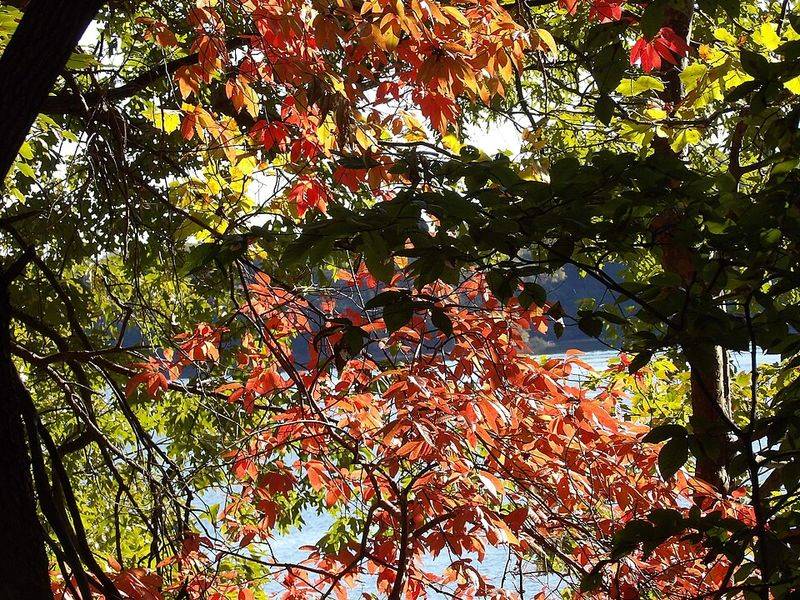
Walk a Tennessee ridge during the last week of August and you may spot one slim tree glowing wine red while its neighbors stay stubbornly green. That lonely splash of color comes from a schedule written in light, not weather.
Trees measure the season by counting hours of darkness, using light-sensitive proteins that work like tiny meters. Sourwood reacts to lengthening nights sooner than oaks, hickories, and maples do.
By late August, Tennessee nights have grown noticeably longer than they were at the summer solstice.
Once that signal registers, the tree starts building a corky layer of cells where each leaf stem meets the twig. Sugar traffic slows, chlorophyll production winds down, and the green fades faster than it does in slower-reacting species.
Weather can nudge the timing by a week in either direction, but the daylight cue keeps this tree remarkably consistent from one year to the next.
Gardeners can use that reliability when planning a yard. Placing a sourwood where you see it from a kitchen window buys you several extra weeks of autumn color compared with a red maple planted in the same spot. Here is a nice bit of Appalachian history.
Some older families in East Tennessee are said to have treated the color shift as an informal calendar, a nudge that hay should be under roof and firewood stacked by the porch. Some old accounts describe it as the first candle lit in the woods, and the phrase still fits.
2. Thin Leaves That Give Up Their Green In A Hurry
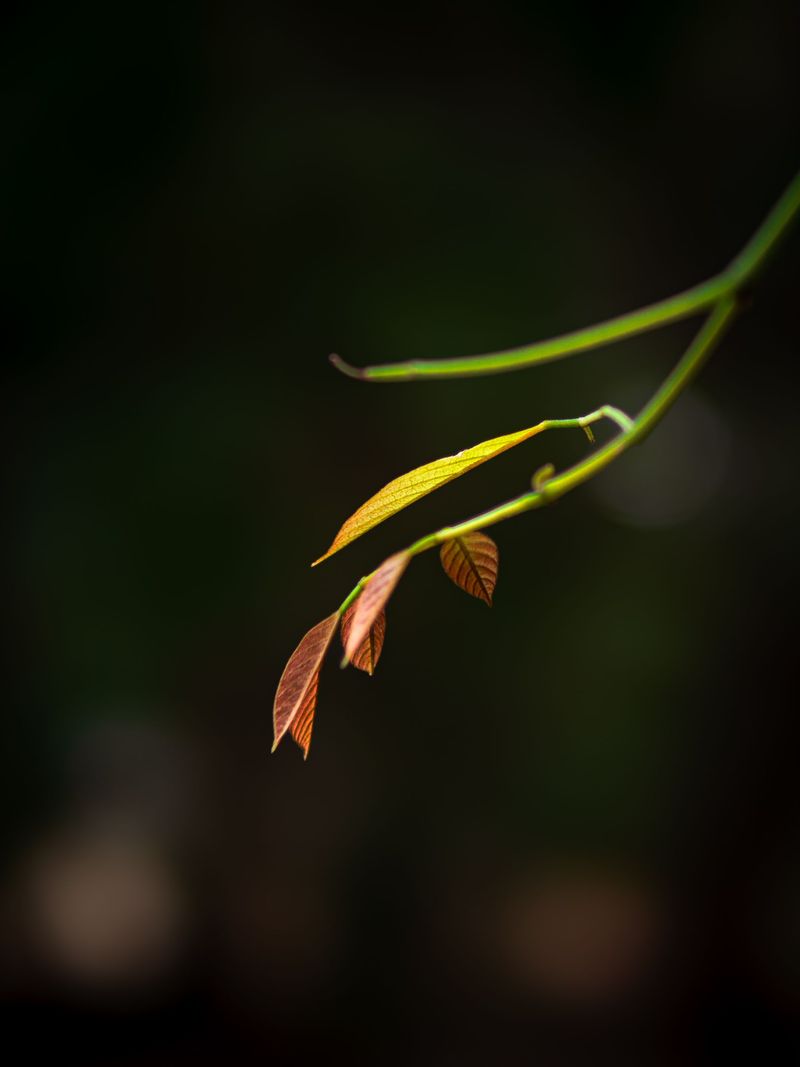
Hold a sourwood leaf up to the sun and you can nearly read through it. Compare that to a chestnut oak leaf, which feels like stiff leather, and the difference in timing starts to make sense.
Leaf thickness has a lot to do with how long a tree can keep making food. Thick, waxy leaves hang on through heat, drought, and early cold snaps because they hold moisture well.
Thin leaves like sourwood’s lose water faster and wear out sooner, so the tree cashes out early.
Your Tennessee Garden Changes Every Week. Your Plan Should Too.
Gardening in Tennessee changes quickly throughout the season. Every Friday you’ll receive a simple weekly plan showing exactly what to plant, prune, fertilize, harvest, and protect so you never miss the right timing.
The narrow, finger-shaped blades measure four to eight inches long with a fine sawtooth edge and a glossy top surface. That glossy finish is part of why the red looks so intense in September sunlight, almost lacquered.
There is a practical clue here for anyone identifying trees along a trail. If the leaf is slim, pointed, slightly sour to the taste when chewed, and already blushing while the woods stay green, you have found it.
The sour flavor gives the tree its name, and it comes from oxalic acid in the tissue. Some hikers are said to have chewed a leaf to freshen a dry mouth on long climbs, a habit passed down through mountain families.
For homeowners, thin leaves mean easy cleanup. The fallen foliage breaks down quickly in a compost pile or under a shrub bed, adding organic matter instead of forming a thick mat that smothers grass through the winter months.
3. Sugar Gets Stuck, And Red Pigment Shows Up
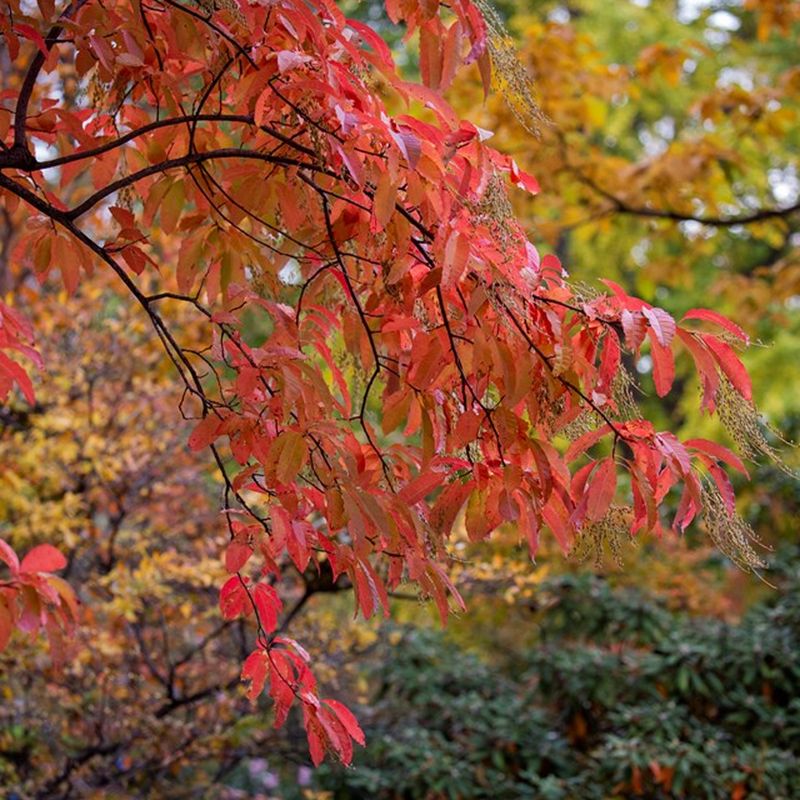
Red in a leaf is not a leftover color waiting to be revealed. Orange and yellow are already hiding under the green, but red has to be manufactured on the spot.
The pigments responsible are called anthocyanins, and they are built from sugar trapped inside the leaf. When the tree seals off the leaf stem in late summer, sugars made during sunny days have nowhere to travel.
Cool nights slow the escape even further, and that stranded sugar becomes raw material for red.
Sourwood starts sealing leaves earlier than its neighbors, so it starts stockpiling sugar earlier too. The result is that deep burgundy that shows up around Labor Day on sunny ridges across Middle and East Tennessee.
Bright days followed by crisp nights in the forties produce the richest tones. A stretch of warm, cloudy weather gives a duller, more purple result, which is why some Septembers look better than others.
Beekeepers have a soft spot for this tree for a related reason. Sourwood blooms in late June and July, and the honey made from those tiny white bell flowers sells for premium prices at mountain markets, prized for its caramel and spice notes.
If you want stronger color at home, skip heavy nitrogen fertilizer in August. Pushing soft new growth late in the season dilutes the sugar concentration and can mute the display you were hoping for that year.
4. Rocky Acid Soil Keeps The Tree On Edge
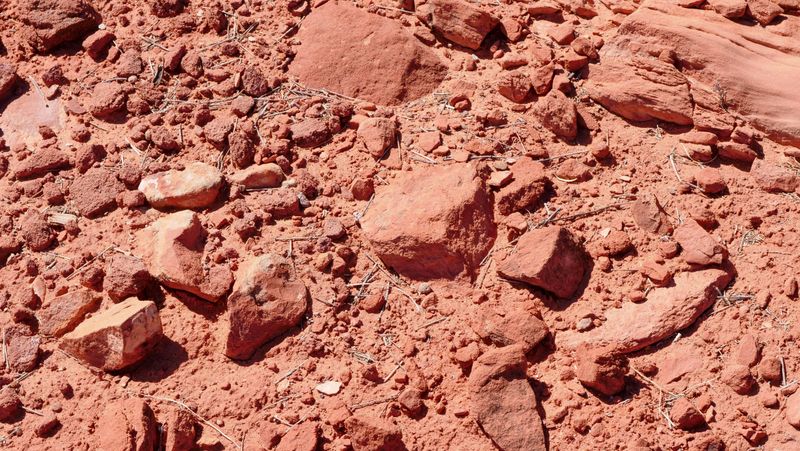
Poor ground would discourage a lot of species. Sourwood leans into it and thrives on thin, acidic, rocky slopes where oaks struggle to sink a taproot.
Across the Cumberland Plateau and the Smokies, the tree favors sandstone ridges and old logging cuts with soil pH between 4.5 and 6.0. Nutrients run low there, especially nitrogen, and water drains away fast after a storm.
Living on a tight budget changes how a tree behaves. With fewer nutrients to spare, it pulls valuable minerals out of its leaves earlier, recycling nitrogen and phosphorus back into twigs and roots before frost arrives.
That early recycling shows up to our eyes as early color. The red pigment even acts as a sunscreen during the process, shielding the leaf while the tree reclaims what it can.
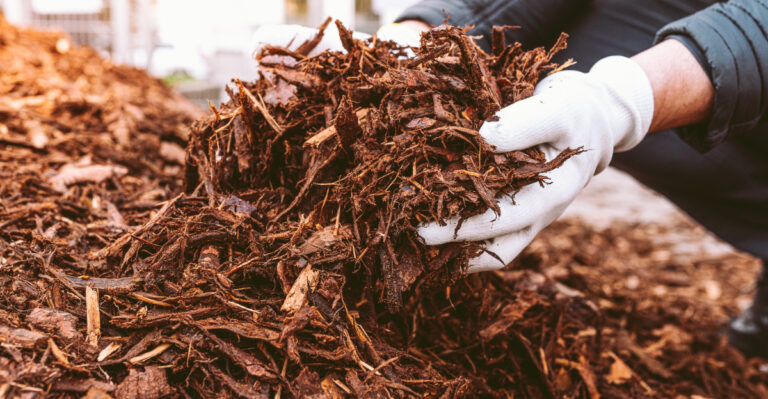
Yard owners can copy those conditions without much effort. Sourwood appreciates well-drained ground, a light layer of pine straw or shredded bark, and a spot away from soggy low areas or compacted construction fill.
Skip the lime unless a soil test tells you otherwise, since sweetening the soil works against this particular tree.
Watering deeply during its first two summers matters far more than feeding it, because the root system is slow to establish and resents disturbance once settled.
Plant it young, from a container rather than a field-dug ball, and give it room to stretch into its naturally leaning, sculpted shape.
5. Roadsides And Forest Edges Turn Up The Brightness
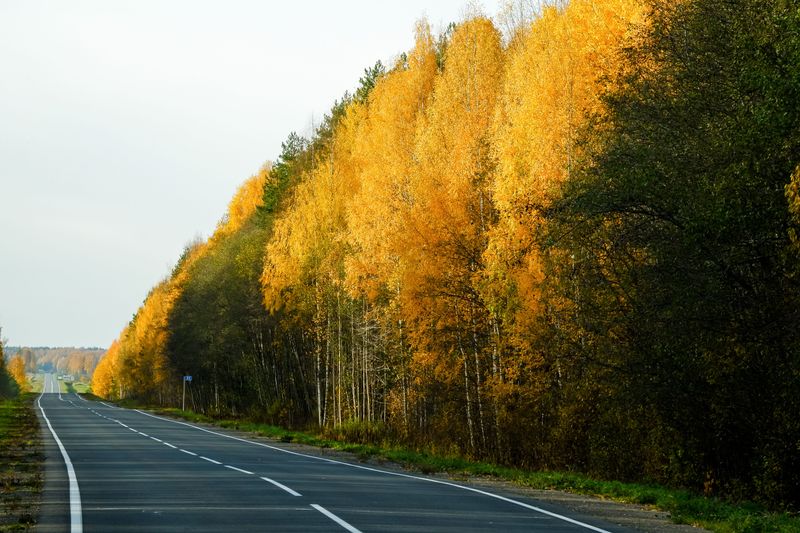
Ever notice that the reddest sourwoods seem to line the highways? There is a reason they show off along I-40, the Foothills Parkway, and gravel forest roads.
Edge habitats hand these trees two things they crave: full sun and open space. More sunlight means more sugar production, and more sugar means a bolder batch of red pigment when the leaf starts shutting down.
Sourwoods growing deep in shade under a heavy canopy still change early, but the color tends toward soft pink or dull maroon. The same species at a sunny edge can look like it was dipped in cranberry juice.
Exposure plays a role too. Trees on the south and west sides of a ridge catch harsher afternoon light and cooler open-air nights, which nudges the shift along faster than on shaded north slopes.
For a home landscape, this is useful guidance. Give the tree at least six hours of direct sun and avoid tucking it under a big shade tree if color is your main goal.
Photographers in Tennessee plan around this habit. From late August into mid-September, roadside cuts along the Ocoee River and the Cherohala Skyway offer red subjects framed by green, a contrast that disappears once the whole forest catches up in October.
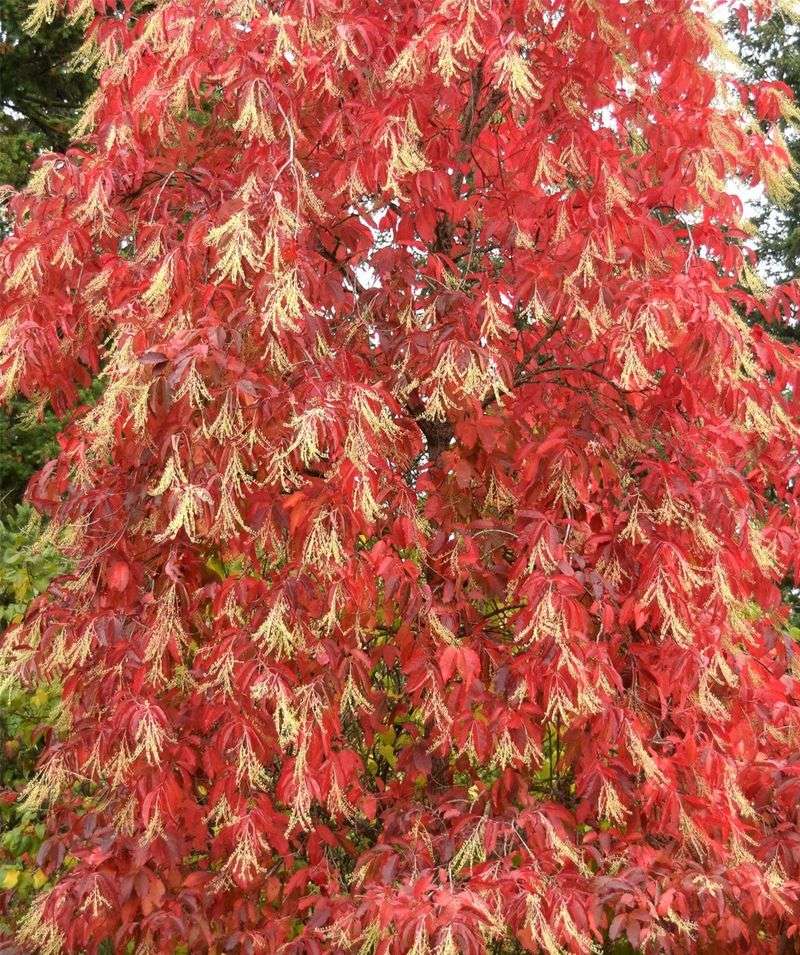
Pull over safely, and look for the drooping seed clusters that hang like pale fingers above the red leaves.
6. Understory Life Calls For An Early Exit Plan
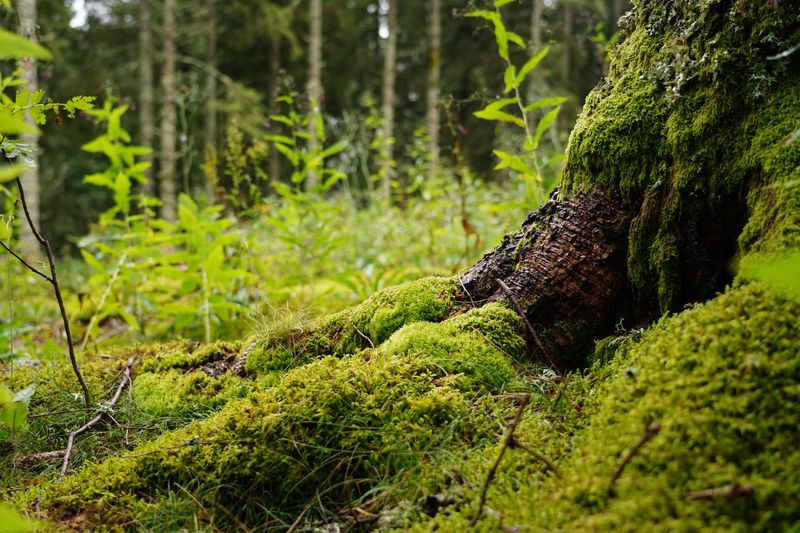
Picture a smaller tree living beneath towering oaks and tulip poplars, catching whatever sunlight sneaks through. That is daily life for sourwood, and it shapes the tree’s whole strategy.
Reaching only 25 to 40 feet in Tennessee forests, it cannot outrace the canopy giants for light. Instead, it works the shoulder seasons, leafing out early in spring and finishing its business before the big trees quit.
Wrapping up early carries a real advantage. Fall storms, insect feeding, and the first cold nights take a toll on leaves that linger, so cashing out sooner protects the tree’s investment.
You can see the effect in the trunk. Sourwoods often lean and curve dramatically as they bend toward light gaps, which is why woodworkers prize the twisted grain for walking sticks and tool handles.
Old-timers in the Smokies are said to have favored sourwood for sled runners and ox goads because the wood resists splitting. A straight sourwood stick was considered a small trophy worth carrying home.
In a landscape setting, the understory habit is a gift. The tree fits comfortably near a patio, along a driveway, or under power lines where larger shade trees would cause headaches down the road.
It also handles part shade gracefully, keeping a tidy pyramidal shape without constant pruning. Give it room for its natural lean and resist the urge to stake it perfectly straight.
7. Late Summer Dry Spells Push The Timeline Forward
August in Tennessee has a habit of going dry. Creeks drop, lawns crisp up, and thin-leaved trees feel the pinch long before anybody reaches for a hose.
Water stress speeds up the chemistry behind leaf color. When roots cannot keep up with what the leaves lose on a hot, dry afternoon, the tree seals off leaves sooner and the red arrives a week or two ahead of schedule.
Since sourwood already leads the pack, a dry summer can push its color into the middle of August on exposed ridges. Locals sometimes joke that the tree fell for a fake autumn, but the tree is simply protecting itself.
Drought-driven color tends to look different from healthy fall color. Stressed trees show scorched brown edges mixed with red, while a well-watered tree gives a smoother, more even scarlet.
Yard trees benefit from a slow, deep soak during long dry spells, applied about once a week. Water at the drip line rather than against the trunk, and mulch two to three inches deep while keeping the material off the bark.
Young trees planted within the past three seasons need the most attention. Established specimens on rocky ground handle drought with real toughness, having evolved on slopes where rain runs off quickly.
Come September, a watered sourwood rewards the effort with a cleaner, longer-lasting show.
8. Where To Catch The First Blush Across The State
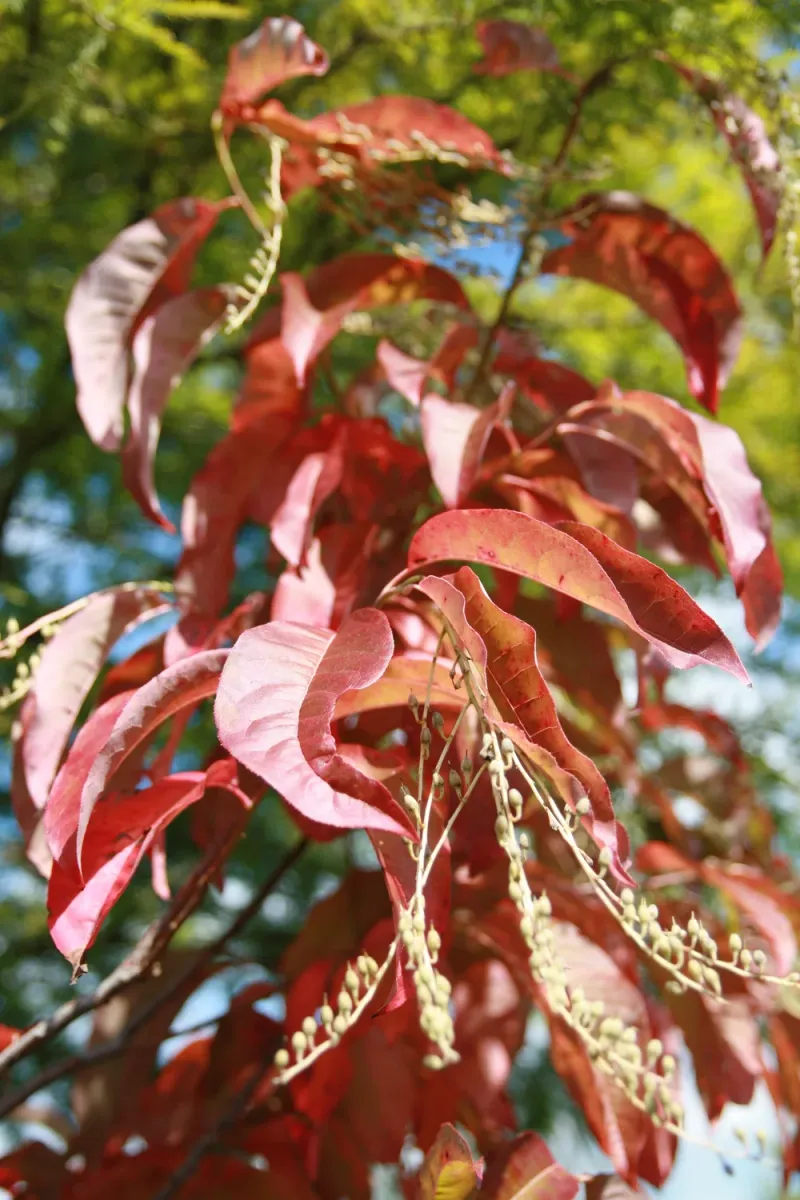
Timing a color trip around sourwood feels like cheating, because you get autumn scenery while the pools are still open. The window runs from roughly the third week of August through late September.
The Cherohala Skyway, the Foothills Parkway, and the higher elevations near Newfound Gap usually show the earliest red. Elevation matters, so higher ridges tend to turn ahead of valley locations by a week or more.
Farther west, the Cumberland Plateau offers reliable viewing in areas like Fall Creek Falls State Park, where sandstone soils suit the species well. Look toward sunny road cuts and power line corridors rather than deep hollows.
Middle Tennessee has scattered sourwoods on the western Highland Rim, though limestone soils limit their numbers.
In the Knoxville and Chattanooga areas, homeowners sometimes plant them as specimen trees, so neighborhood streets can occasionally surprise you.
Bring binoculars if you can. The creamy seed capsules stay on the branch tips into winter, giving the tree a two-season personality that few natives match.
One last tip for anyone hoping to grow their own. Nurseries across East Tennessee stock sourwood in fall, and planting in October gives roots time to settle before the summer heat returns, setting you up for that early red show in your own yard for decades.