Is September Still Too Hot For Lettuce In Your Part Of Florida?
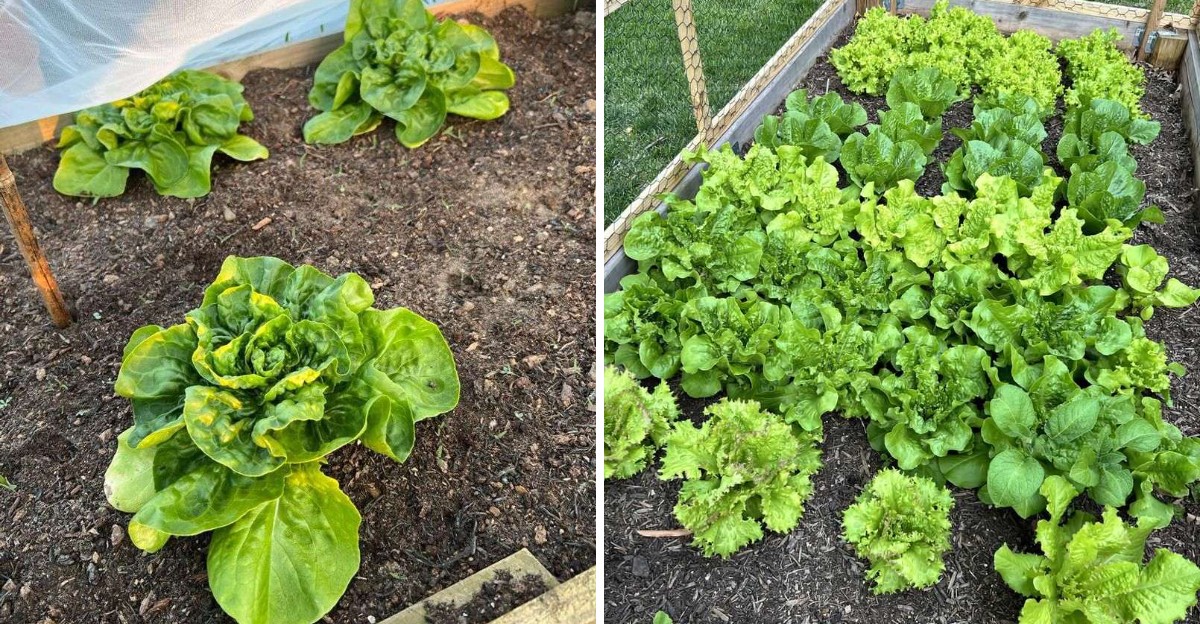
A Florida gardener stands in the September heat, holding a packet of lettuce seed, wondering whether planting now is smart or just wishful thinking dressed up as optimism.
The honest answer depends entirely on where in Florida that gardener happens to be standing.
North, Central, and South Florida cool down on completely different schedules, and treating the whole state like one climate zone is exactly how a bed of seedlings ends up bolting before it ever produces a single decent leaf.
Soil temperature, shade, variety choice, even the feel of the air after sunset all factor into whether this gamble pays off or wastes a packet of seed.
Seven things determine whether September lettuce is a smart move or a lesson in patience, and the answer changes depending on which part of the state you call home.
Grab that seed packet. This one starts with a map, not a calendar.
1. North Florida Can Start Cautiously Now
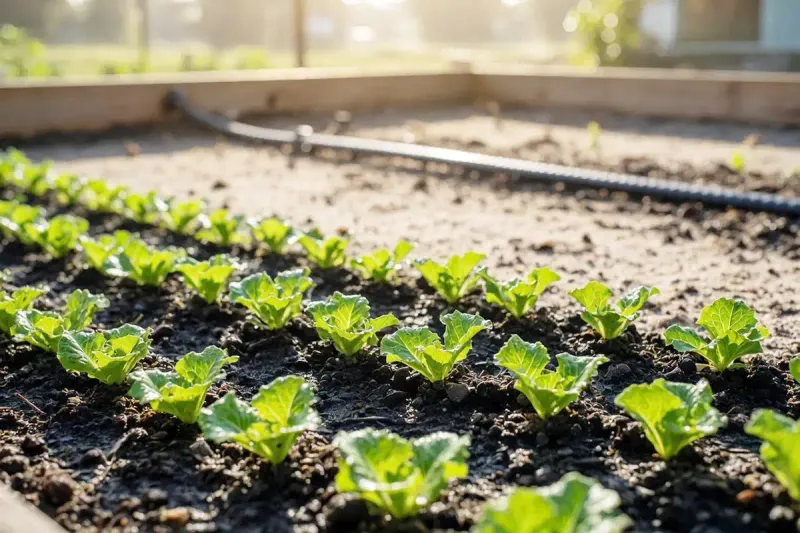
A seed packet can feel genuinely hopeful in September, especially up in North Florida, where the season actually starts to shift a little earlier than the rest of the state manages.
UF IFAS guides place lettuce season here starting in September because nights usually ease sooner than farther south, giving seedlings a real shot at settling in before the worst heat fully lets go of the region.
Hot spells can still hang around longer than anyone wants, though, showing up right when a gardener assumes the worst is finally over and the season has safely turned.
Sow a small test patch rather than committing the whole bed at once to an unproven gamble. Water lightly but often, since seeds sitting in dry, hot soil rarely germinate evenly no matter how carefully they were sown.
Use afternoon shade if possible, since a few hours of relief in the hottest part of the day can make the real difference between a struggling patch and one that actually thrives.
If seedlings struggle anyway despite these precautions, wait a week or two and try again once the weather turns a bit gentler on its own schedule.
Cooler-season growth tends to reward that patience later in fall, producing sturdier, better-established plants than anything rushed into ground that was simply not ready yet to support them.
North Florida gardeners who treat September as a testing window, rather than a guaranteed green light handed down by a calendar, usually end up with a stronger fall lettuce patch by the time October arrives.
2. Central Florida Usually Needs More Patience
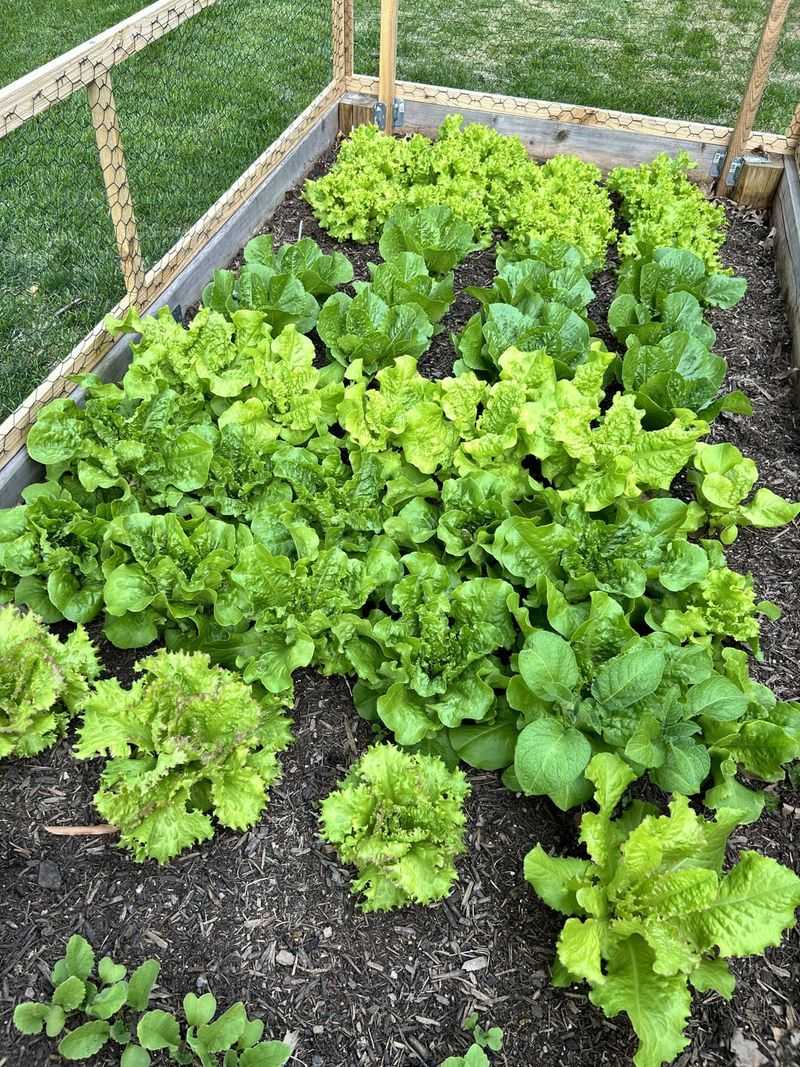
Central Florida gardeners often find themselves staring at the calendar with one eye and the thermometer with the other, caught squarely between two conflicting signals that rarely agree.
UF IFAS guides usually start lettuce season here in September too, but early month heat often makes germination uneven across a bed, leaving some seeds stalled in the soil while others struggle to sprout at all under the same conditions.
Waiting a little can genuinely save a lot of frustration down the road, especially for gardeners who have already watched a batch of seed fail once this season.
Your Florida Garden Changes Every Week. Your Plan Should Too.
Gardening in Florida changes quickly throughout the season. Every Friday you’ll receive a simple weekly plan showing exactly what to plant, prune, fertilize, harvest, and protect so you never miss the right timing.
Late September or early October usually brings noticeably better odds for success, especially once nights cool down and soil actually stops feeling warm again after sunset settles in.
That particular shift matters more than most gardeners expect going in, since lettuce seed responds to soil temperature far more directly than it responds to a date circled on a calendar somewhere.
If the itch to plant becomes too strong to resist waiting any longer, put in a short row first instead of committing the entire bed to an unproven experiment.
A careful trial run costs very little seed and tells you almost everything you need to know about your yard’s specific timing that particular season, without risking the whole planting on a single early gamble.
Central Florida sits in a genuine middle ground climatically, warm enough most years to tempt an early start, but not quite cool enough yet most Septembers to reliably guarantee one actually works out well.
3. South Florida Should Wait Even Longer
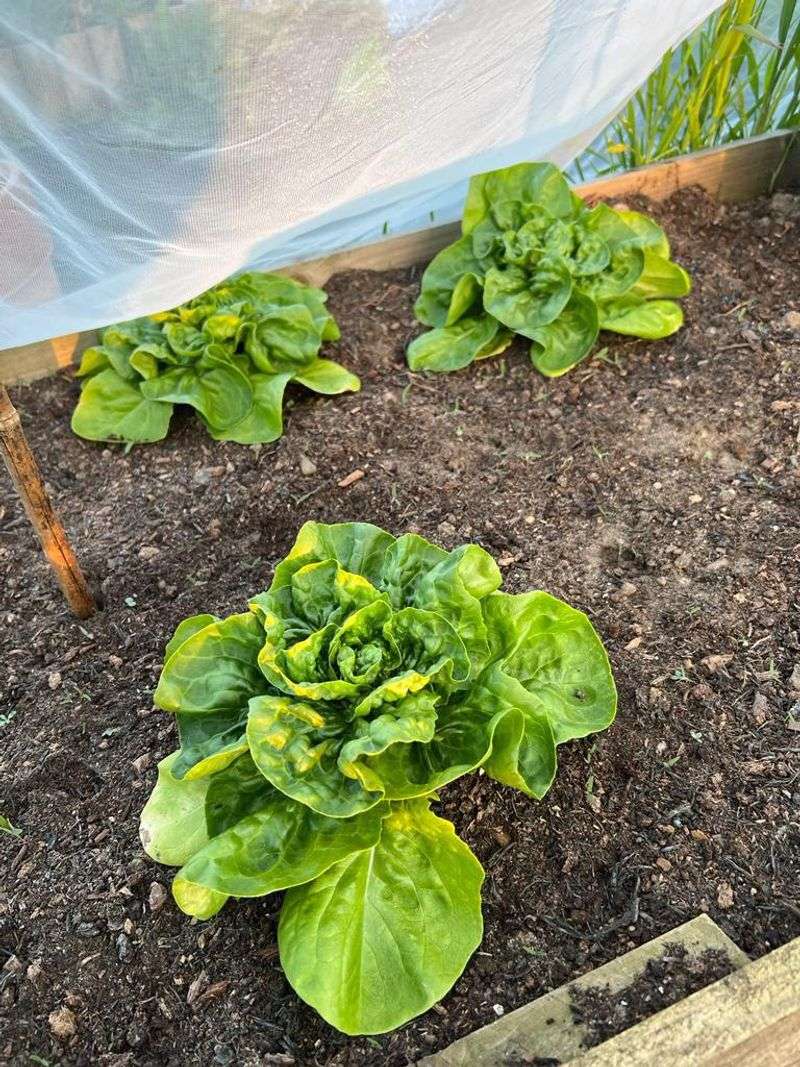
South Florida keeps summer running long after much of the rest of the state has already started settling comfortably into cooler weather patterns.
UF IFAS planting guides generally push lettuce season later here, often beginning in October instead of September, because heat and humidity simply stick around considerably longer in that particular part of the state than they do up north.
Starting in September down there is usually a genuinely risky move unless the goal is more experimental curiosity than practical, reliable harvest planning.
Seeds may sprout poorly in soil that has not cooled nearly enough to support them properly, and young plants that do manage to come up despite the heat can bolt fast once real warmth returns for even just a few consecutive days.
That fast, premature bolt wastes both the seed itself and all the careful effort that went into starting it in the first place.
Most gardeners working in this region get steadier, considerably more reliable results by waiting patiently for genuine mid fall weather before sowing anything at all in the ground.
Once that cooler window finally does arrive, planting in successions right through winter tends to stretch the overall harvest out much further, giving South Florida gardeners a longer usable window than a single rushed September planting ever realistically could provide.
Patience here is not really a compromise gardeners settle for reluctantly. It is closer to being the actual working strategy that consistently pays off season after season.
4. Soil Temperature Matters More Than The Date
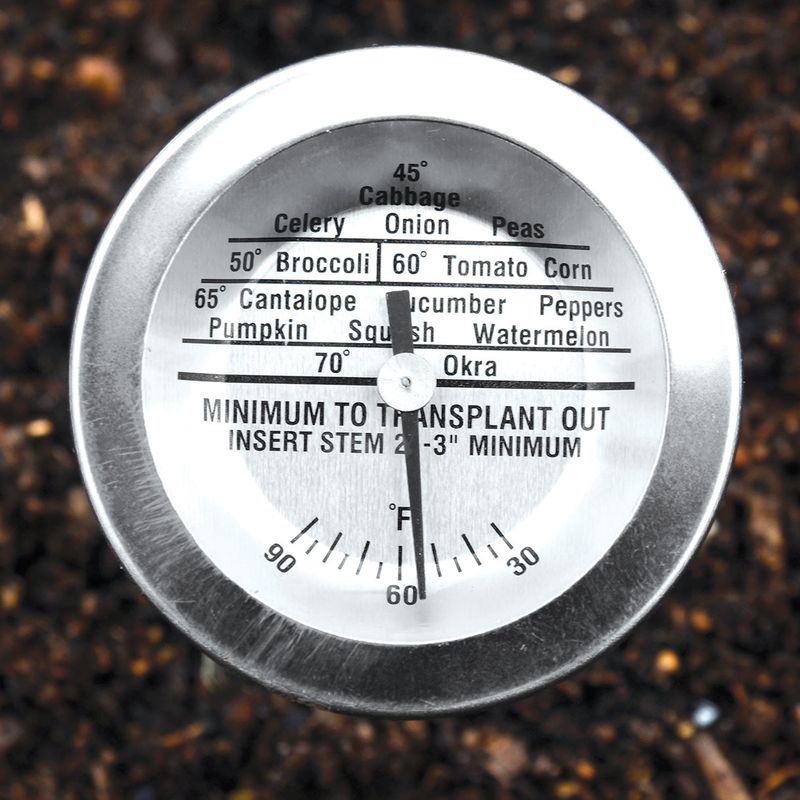
Calendars are helpful tools for general planning, but soil tells the truer, more reliable story every single time, whether a gardener particularly wants to hear it or not.
Lettuce seeds prefer genuinely cooler conditions to germinate well and consistently, so warm September ground can slow sprouting down considerably, or stop it outright altogether, even when a regional planting guide technically insists it is already time to go ahead.
A simple soil thermometer, the kind sold cheaply at most garden centers, takes away most of the guessing involved in this whole seasonal process.
Check the soil in the morning for several days running in a row, especially right after a hard rain or a sudden heat wave that pushes temperatures back up unexpectedly just when things seemed to be cooling.
One single good reading does not tell the whole story on its own, but a consistent pattern observed across several mornings usually does reveal the truth clearly.
When the soil finally trends cooler on a consistent, sustained basis, seeds usually pop faster and those first tiny leaves arrive with far less drama and frustration for new gardeners still learning to read these subtle signals correctly.
This small daily habit costs almost nothing in time or effort, yet it removes most of the guesswork that otherwise leads straight to a disappointing, patchy germination pattern across an entire bed of seed.
Anyone genuinely unsure whether their particular region is truly ready can simply let the soil itself answer the question directly, rather than relying purely on a printed date from a guide alone.
5. Shade Cloth Buys You Some Extra Time
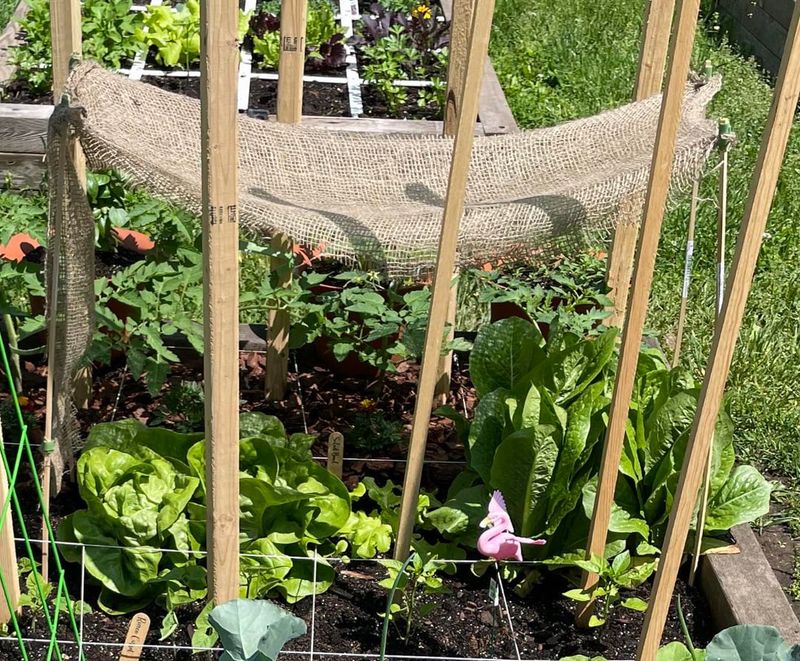
Sometimes a little fabric acts like a secret helper tucked quietly into the corner of an otherwise ordinary garden bed, doing more work than its modest appearance suggests.
Shade cloth can lower plant stress during hot afternoons quite considerably, which gives Florida gardeners a real, practical way to try lettuce a bit earlier than open, unshaded sun would ever comfortably allow on its own.
Use light shade rather than deep darkness for this particular job, and keep air moving steadily around the bed so humidity does not build up underneath and cause its own separate set of fungal problems.
Morning sun paired with afternoon protection tends to work well for many Florida yards, letting seedlings get enough light to grow properly and develop strong stems while still dodging the harshest, most punishing part of the afternoon heat.
It will not erase South Florida heat entirely, to be perfectly clear about its limits, since no simple fabric can fully cancel out a genuine subtropical September stretching on for weeks.
What shade cloth can realistically do instead is help vulnerable seedlings survive that awkward transitional stretch while temperatures gradually move toward true fall conditions.
Gardeners willing to rig up even a simple, temporary shade structure over a bed often see meaningfully better germination and survival results than those planting the exact same seed variety in full, unfiltered afternoon sun.
6. Heat Tolerant Varieties Improve Your Odds
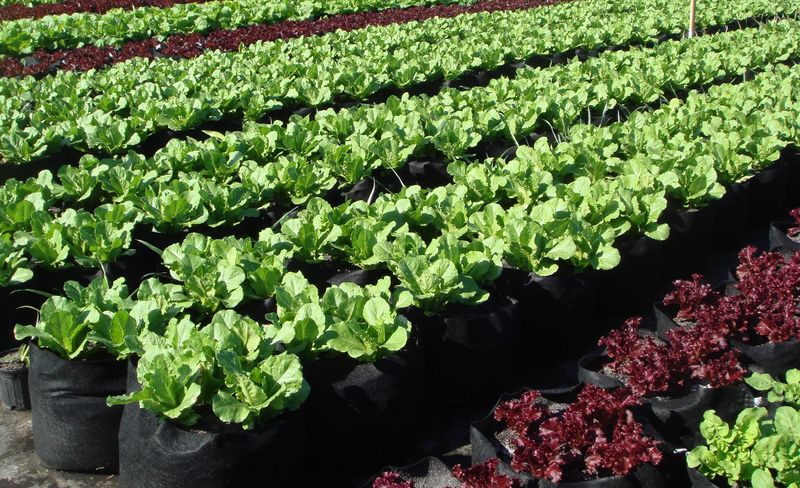
Picking the right variety of lettuce can feel a little like stacking the deck in your own favor before the growing season even properly starts.
Heat tolerant lettuce types, especially some looseleaf choices bred specifically for warmer climates, often handle Florida’s lingering warm spells noticeably better than delicate heading varieties.
Look specifically for varieties described as slow to bolt or explicitly suited to warm weather conditions right there on the seed packet itself before buying.
They still prefer genuinely cool conditions overall to truly thrive, so treat them as a form of insurance rather than outright magic that solves the timing problem completely.
A heat tolerant variety meaningfully improves the odds of success. It does not eliminate the underlying risk of planting too early in a still-warm September.
Starting with several different varieties at once, rather than committing entirely to just one single type, lets a gardener directly observe which variety actually behaves best in their specific yard during that particular season’s unique weather pattern.
That small, low-stakes experiment often pays off in future seasons too, once a gardener genuinely knows which variety reliably performs well under their own specific conditions, rather than simply relying on a generic recommendation written for the whole state.
Mixing heat tolerant varieties together with shade cloth and careful, consistent soil monitoring stacks several small advantages on top of each other, rather than depending entirely on any single trick to carry the whole planting through a risky early start.
7. When In Doubt Wait For Cooler Nights
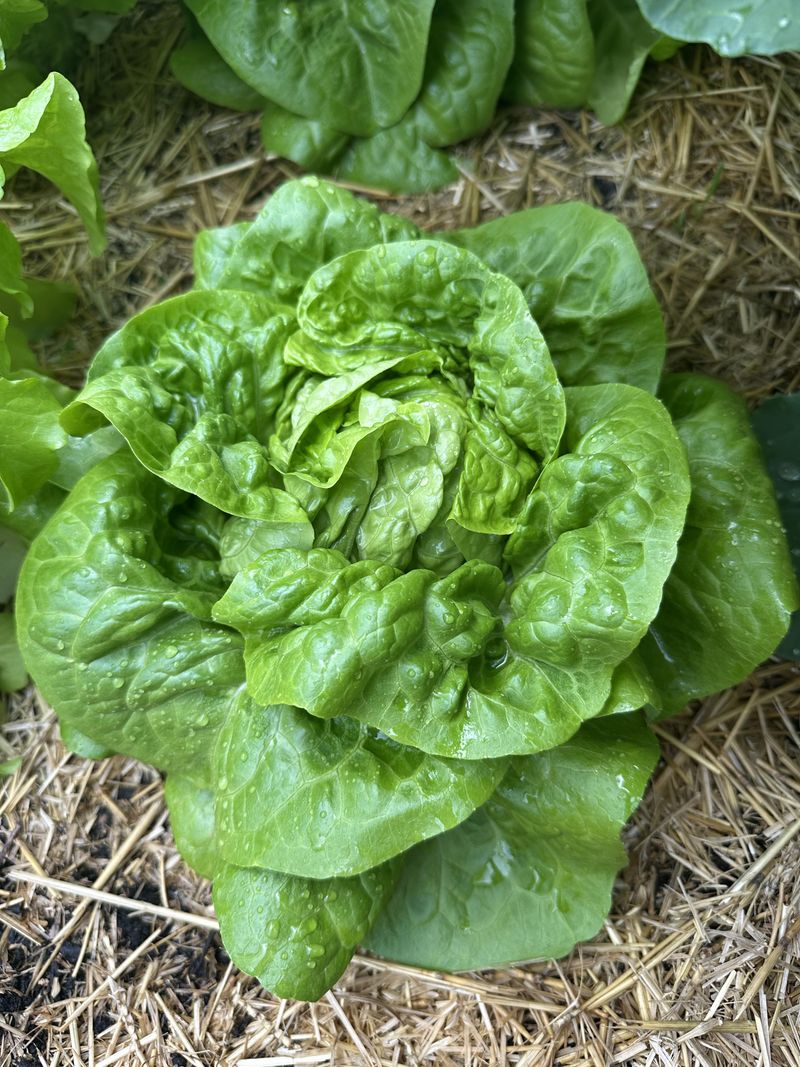
When nights stay sticky and stubbornly warm well past sunset, lettuce usually lets a gardener know the hard way by failing fast rather than struggling along quietly in the background.
A handy rule that holds true across the whole state involves watching evening temperatures more closely than the page on a calendar, since cooler nights genuinely help seeds sprout properly and help young seedlings settle in without excessive stress.
Once nights start feeling noticeably less muggy and oppressive after dark, timing is probably starting to genuinely improve, regardless of what a printed regional planting guide might technically suggest for that particular week of the month.
That underlying pattern holds true in every region of the state, from Pensacola all the way down to Miami, even though the actual calendar date when it finally happens shifts considerably from one end of Florida to the other.
If genuine uncertainty still remains after carefully checking both soil temperature and evening air conditions, waiting patiently for a clear, sustained cooling trend is almost always the smarter move.
Lettuce rewards patience far more consistently than it ever rewards raw ambition alone.
A gardener willing to wait an extra week or two for genuinely right conditions usually ends up harvesting a stronger, more reliable crop than one who planted purely because the calendar said September had technically, officially arrived.