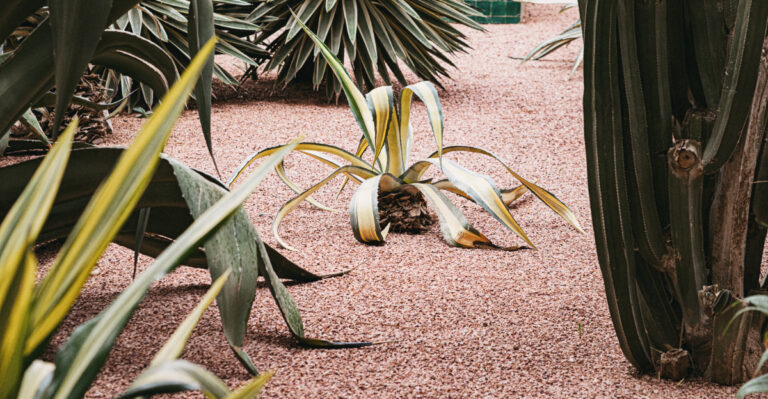
Plant The Ten O’Clock Flower In Your Arizona Yard And Watch It Open Around Midmorning
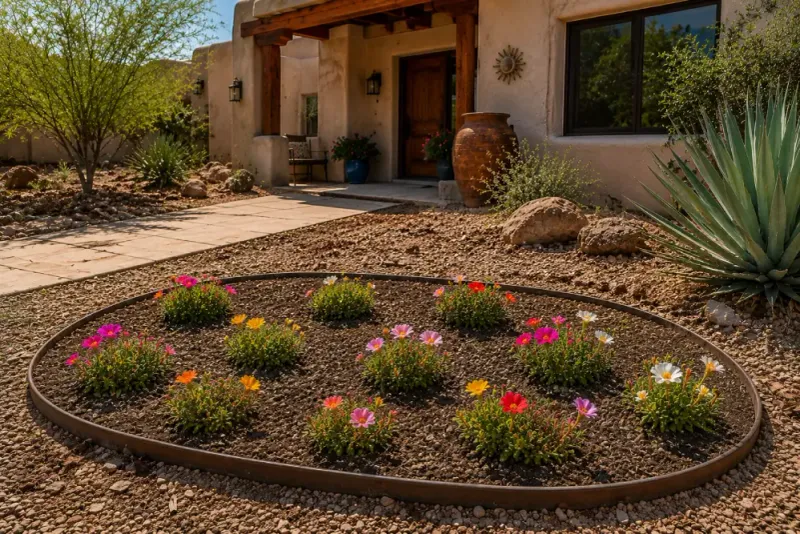
A small, brilliantly colored flower has earned a clock-based nickname because it tends to pop open in bright morning sunlight, sometimes right around midmorning. That flower is Portulaca grandiflora, sold at most garden centers as moss rose, rose moss, or simply portulaca.
For low-desert Arizona yards in places like Phoenix and Tucson, it offers real value: tough heat tolerance, low water needs, and a cheerful daily display that rewards anyone who steps outside on a sunny morning.
Meet the flower behind the clock
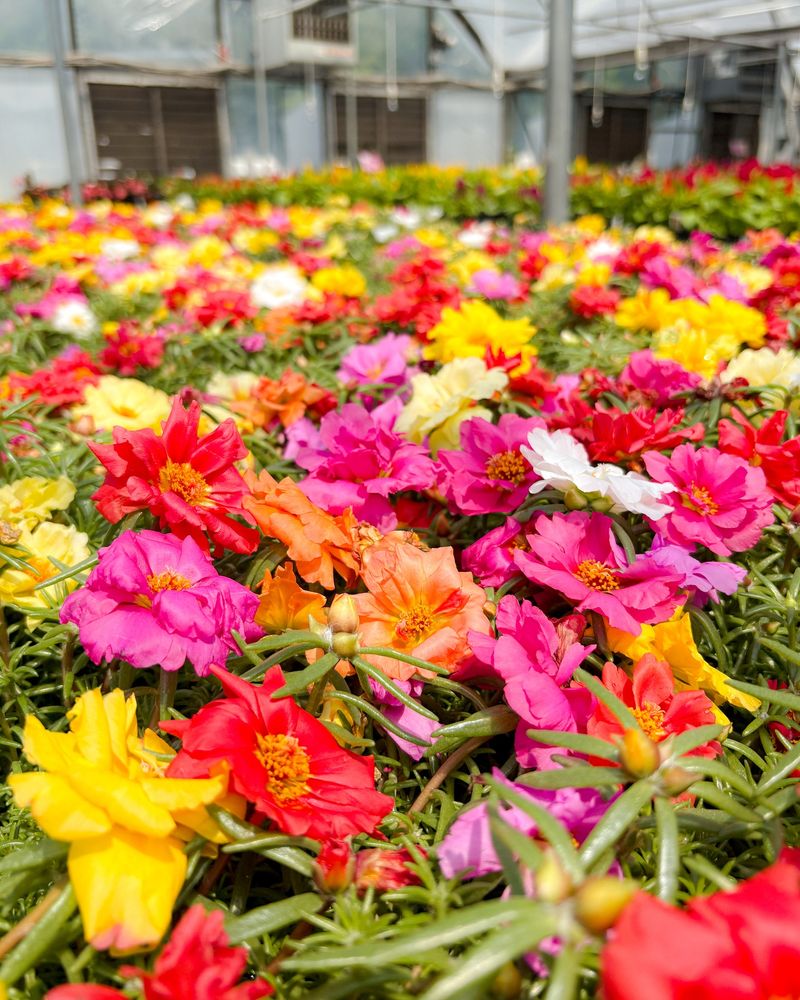
Portulaca grandiflora goes by a long list of common names: moss rose, rose moss, sun plant, portulaca, and yes, ten o’clock flower. Walk through any Phoenix or Tucson garden center in spring and you will likely find it in the annual section under one of those labels.
The botanical name is the most reliable handle, because time-based nicknames like “ten o’clock” or “eleven o’clock” are applied loosely to several different Portulaca species and cultivars depending on where you are in the world.
The plant itself is a low, spreading annual that rarely tops six inches in height. Its stems are fleshy and succulent, its leaves narrow and cylindrical, and its flowers tissue-paper thin but surprisingly showy in shades of pink, red, orange, yellow, white, and bicolor.
Kew’s Plants of the World Online recognizes Portulaca grandiflora as the cultivated ornamental associated with this morning-opening habit, noting that the flowers open in early-morning sunshine.
Its native home is southern South America, specifically Brazil, Argentina, and Uruguay, not Arizona. That origin in a warm, sun-drenched climate is part of why it handles low-desert heat so well.
The University of Arizona Cooperative Extension classifies it as an easy-to-grow low-water annual for the low desert, a practical endorsement for gardeners in the Phoenix-to-Yuma corridor looking for a tough ornamental that earns its place without demanding constant attention.
Why the flower does not keep exact time
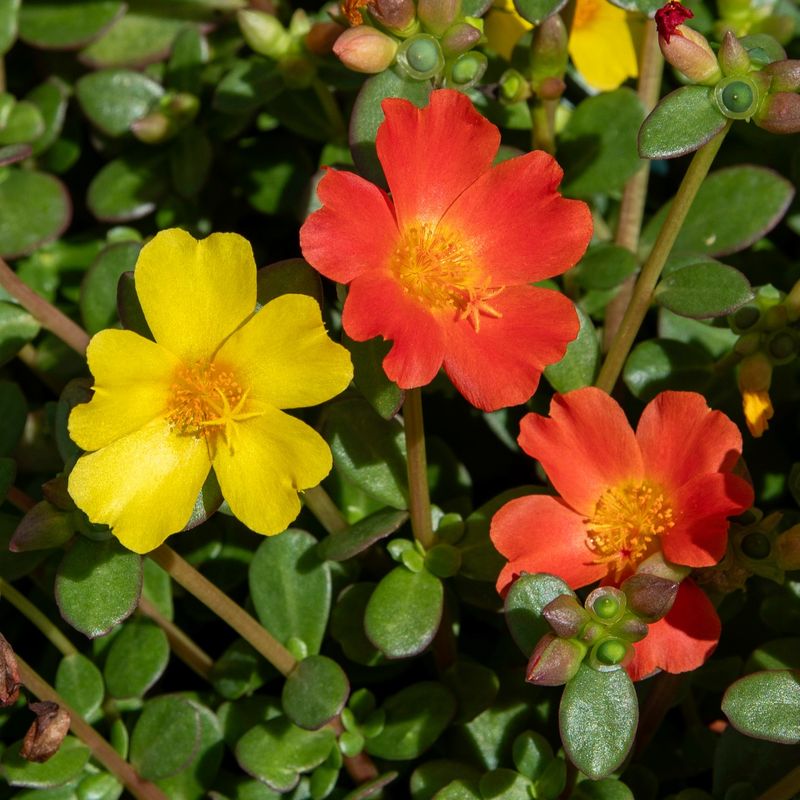
The ten o’clock nickname is charming, but treat it as a general description rather than a scheduling guarantee. Portulaca grandiflora flowers are photoreactive, meaning they respond to light intensity rather than a built-in clock.
On a clear, sunny Arizona morning, the blooms often open in the early hours and can look their fullest somewhere around midmorning. That pattern is reliable enough to inspire the name, but it is not precise.
Clouds change everything. North Carolina Extension’s plant profile notes that the flowers may remain closed on cloudy or rainy days entirely.
A monsoon morning in Tucson, with heavy cloud cover rolling in before dawn, could mean no display at all. Temperature swings, the angle of the sun across seasons, and the specific microclimate of your yard all nudge the timing forward or back.
Cultivar selection adds another layer of variation. Wisconsin Extension points out that many newer hybrid portulacas are bred to stay open throughout the day, well past noon.
Named varieties such as ‘Afternoon Delight’ and ‘Sundance’ are specifically selected for longer or later opening windows. So the expectation that every portulaca closes by midday is just as inaccurate as the promise that every one opens at ten sharp.
Your Arizona Garden Changes Every Week. Your Plan Should Too.
Gardening in Arizona changes quickly throughout the season. Every Friday you’ll receive a simple weekly plan showing exactly what to plant, prune, fertilize, harvest, and protect so you never miss the right timing.
When you buy plants or seed, check the cultivar description to get a realistic picture of when and how long the flowers will be on display in your yard.
Choose a site that matches low-desert heat
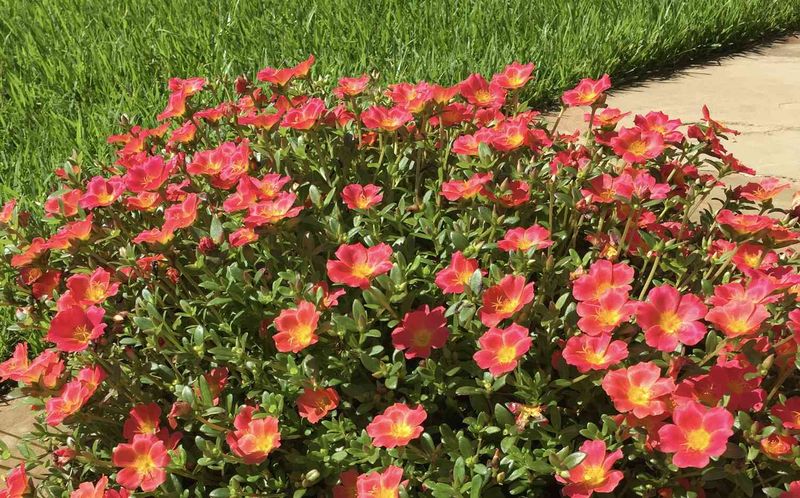
Getting the site right matters more than almost anything else with this plant. Portulaca grandiflora wants full sun, and in the low desert that means a spot that gets direct, unfiltered light for at least six hours a day.
Shaded corners, north-facing walls, or spots crowded by larger shrubs will produce leggy stems and sparse flowers rather than the dense, colorful mat the plant is capable of forming.
Drainage is equally non-negotiable. The South African National Biodiversity Institute’s guidance on Portulaca grandiflora warns that poor drainage can lead to crown rot, and North Carolina Extension echoes that concern.
Arizona soils present a real challenge here: caliche layers, compacted native soil, and heavy clay patches all hold water longer than this plant can tolerate. Do not assume that watering less will compensate for soil that drains slowly.
The roots need to dry between waterings, and no irrigation schedule fixes a fundamentally wet root zone.
The plant earns its keep in spots that many other ornamentals struggle with. Rocky outcroppings, gravel mulch beds, raised planters, container arrangements, and the sunny edge of a hardscape patio are all strong placements.
It works well as a low edging plant along a walkway or a groundcover-like mat in a well-drained ornamental bed. What it cannot do is substitute for a native shade tree, a habitat shrub, or a plant suited to a shaded or moisture-retaining spot.
Match the site to the plant’s actual preferences and it will reward you generously through the warm season.
Plant around frost and heat in your microclimate
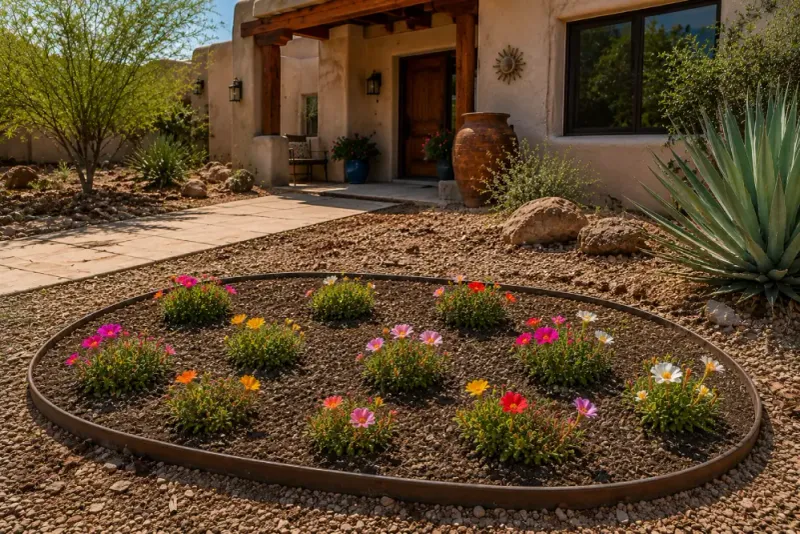
Arizona is not one climate. A low-desert yard in Phoenix behaves very differently from a higher-elevation site in Prescott or a shaded Tucson courtyard with thick adobe walls.
The University of Arizona’s guide to Arizona climate zones makes clear that elevation, proximity to urban heat islands, slope, wind exposure, and surrounding structures all create microclimates that can vary by several degrees from the regional average.
For the Phoenix and Tucson low desert, the practical rule is to wait until local frost risk has genuinely passed before putting Portulaca grandiflora in the ground. University of Arizona Extension’s frost protection guidance reinforces that unseasonal freezes do occur in the low desert, and a single hard frost will kill an annual that has not hardened off.
Once frost risk is behind you, aim to get plants established before the most brutal summer heat arrives. A portulaca that has had several weeks to root in will handle a June heat spike far better than one you just transplanted.
One more important note on transplanting: North Carolina Extension states clearly that moss rose does not move well once rooted. Direct sowing seed into the prepared bed is often the better approach, and the University of Arizona confirms the plant can go from seed to bloom in roughly 30 days under good conditions.
If you start with nursery transplants, handle the root ball gently and disturb it as little as possible. Set them in the ground once, water them in carefully, and let them settle rather than moving them around to adjust spacing.
Start seed shallow and water for establishment
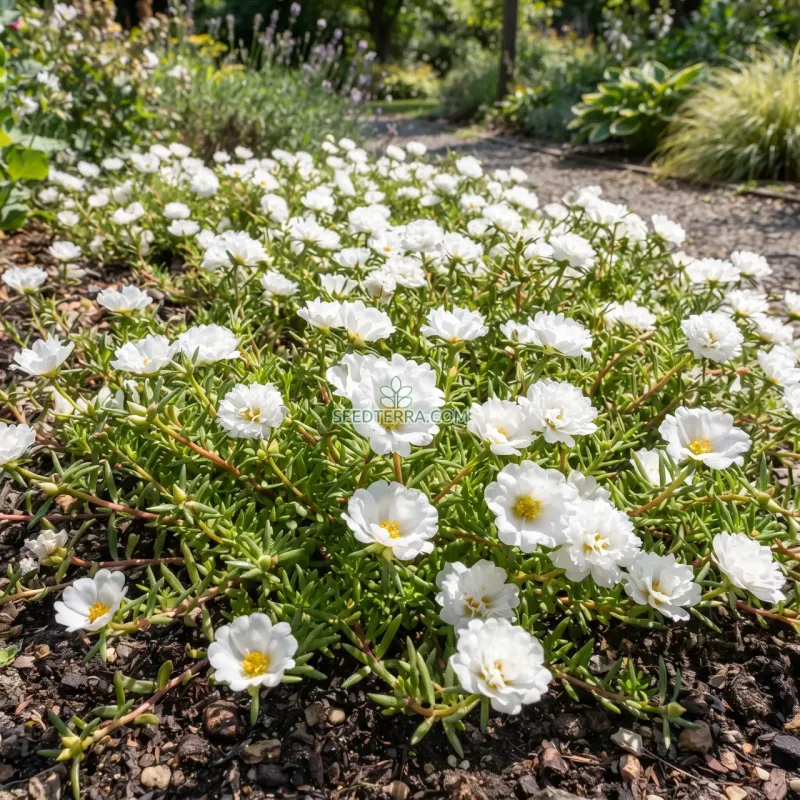
Portulaca grandiflora seeds are remarkably small, closer in size to dust than to a typical garden seed. That tiny size comes with a specific requirement: the seeds need light to germinate, so pressing them against the soil surface rather than covering them is the right move.
Burying them even a quarter inch can prevent sprouting entirely.
According to Iowa State University Extension’s germination guide, portulaca germinates best at around 75 degrees Fahrenheit and typically sprouts within seven to ten days under those conditions. In the low desert, soil temperatures in spring can hit that range quickly, which makes direct outdoor sowing practical once nighttime lows stay consistently warm.
New seedlings and freshly transplanted starts need more consistent moisture than established plants. Keep the soil surface lightly moist, not wet, until roots have had two to three weeks to spread.
After that, you can ease off. The South African National Biodiversity Institute notes that established plants benefit from moderate, regular watering during hot, dry periods rather than constant saturation.
In the Phoenix summer, that might mean watering every few days rather than daily, always letting the soil dry slightly between sessions.
Soggy roots are a genuine risk. Drought tolerance is a feature of a well-rooted, established plant, not a seedling sitting in wet soil.
Crown rot sets in when roots stay wet too long, and no amount of sun exposure will save a plant whose root zone never dries. Water purposefully, check drainage after each irrigation, and adjust the schedule as the plant matures and the season shifts.
Expect an easy annual with limits
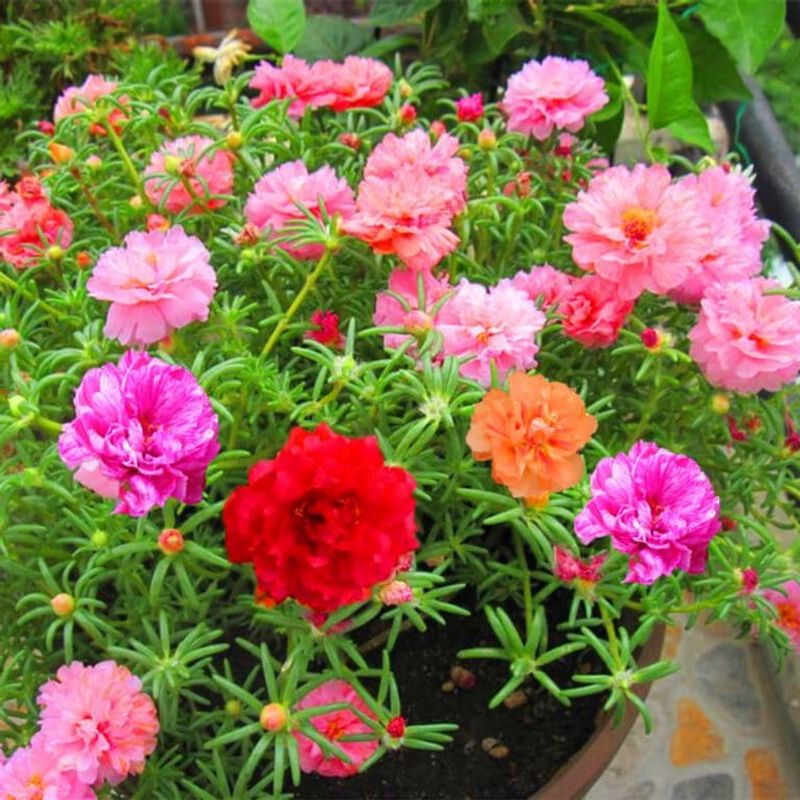
One of the most appealing things about Portulaca grandiflora in the low desert is how little it demands once established. The University of Arizona Cooperative Extension rates it as easy to grow, gives it a low-water classification, and notes that it typically goes from seed to bloom in about 30 days.
At a mature height of roughly four to six inches, it stays out of the way of neighboring plants and never needs staking or pruning to maintain its shape.
The plant is an annual in the low desert, meaning it will not survive a hard frost and will not return reliably from the same root system year after year. What it may do is reseed.
University of Arizona lists reseeding as a characteristic, and if you allow spent flowers to drop seed, you might find new plants appearing in the same spot the following warm season. North Carolina Extension notes that deadheading, or removing spent flowers, can reduce that self-seeding if you prefer a tidier bed or want to control where the plant spreads.
Limits are real, though. Reflected heat off a pale stucco wall, prolonged drought stress without any supplemental water, transplant shock from rough handling, and persistent wet soil can all cause failure even in an otherwise suitable spot.
The plant is also not native to Arizona; its origins are in South America, and presenting it as an Arizona wildflower would be inaccurate. It fits well in a low-water ornamental bed, but the University of Arizona’s guide to plants for pollinators in the low desert reinforces that one nonnative ornamental cannot replace a diverse planting plan, especially one that incorporates appropriate Arizona native species to support local pollinators and wildlife year-round.
Decide whether its real benefits fit your yard
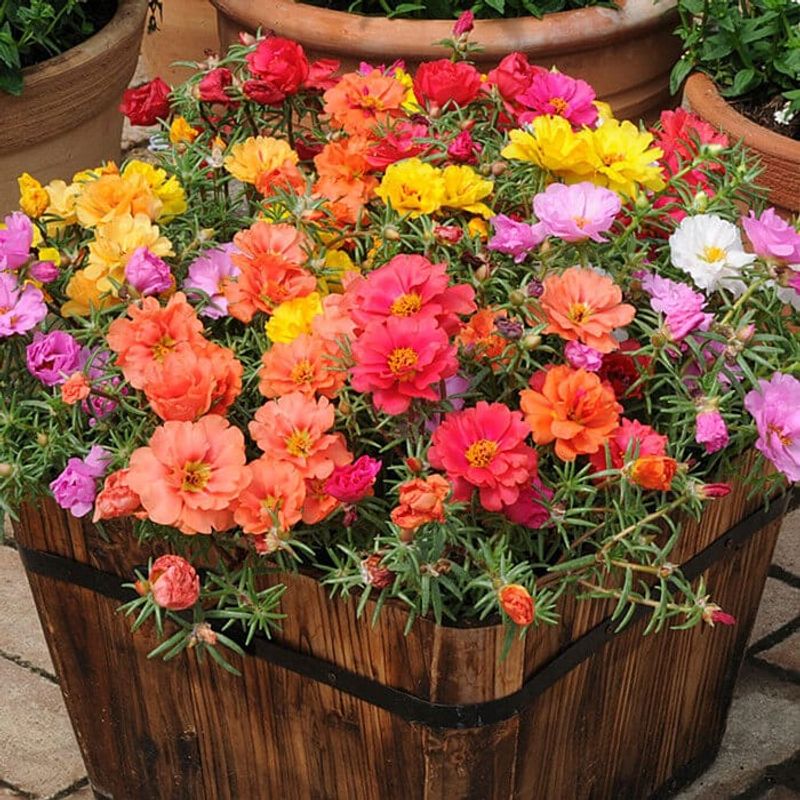
Portulaca grandiflora earns a place in a low-desert yard when the conditions align: intense sun, fast-draining soil or a container, and a spot where a low, colorful annual with a sunlight-responsive morning display adds genuine value. The useful expectation going in is a variable midmorning flowering window, not a guaranteed ten o’clock appointment.
Some days it opens earlier, some days later, and on a cloudy monsoon morning it may not open at all.
What the plant does not do is deter scorpions, mosquitoes, or ticks. No reliable evidence supports those claims, and building a pest-management strategy around an ornamental annual would leave you disappointed.
Pet safety is similarly unresolved: the ASPCA’s Portulaca listing addresses Portulaca oleracea, a different species, and should not be applied directly to Portulaca grandiflora without species-specific confirmation from a veterinarian or poison-control service such as the Arizona Poison and Drug Information Center.
For the right site, though, the plant delivers. A sunny edging bed, a gravel-filled container on a south-facing patio, or a rocky slope that drains after every monsoon rain are all places where moss rose can thrive with minimal fuss.
Its morning display is not a clock you can set, but it is a small, vivid reward for stepping outside on a bright Arizona morning.