The Fall Soup Herb North Carolina Gardeners Love That Also Helps With Pests
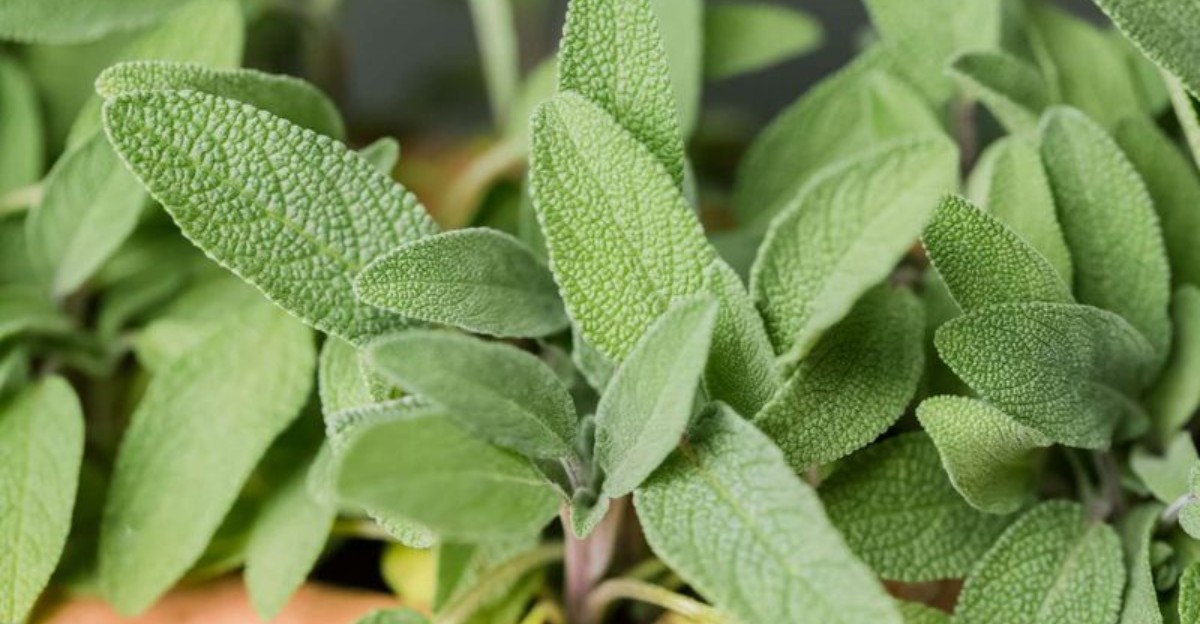
One herb has become a fall garden favorite across North Carolina, prized for landing in soup pots as often as it grows in the ground.
Beyond its flavor, this herb carries a natural pest-deterring quality, giving off a strong scent that many common garden insects tend to avoid.
Planting it near vegetables prone to pest pressure can offer a bit of extra protection without relying on chemical sprays.
Its resilience also makes it a natural fit for fall, since it tolerates cooler temperatures better than many other herbs still hanging on in the garden.
For North Carolina gardeners looking to stretch flavor and function from the same plant, this herb checks both boxes as the season turns.
1. Sage Is A Classic Fall Kitchen Herb
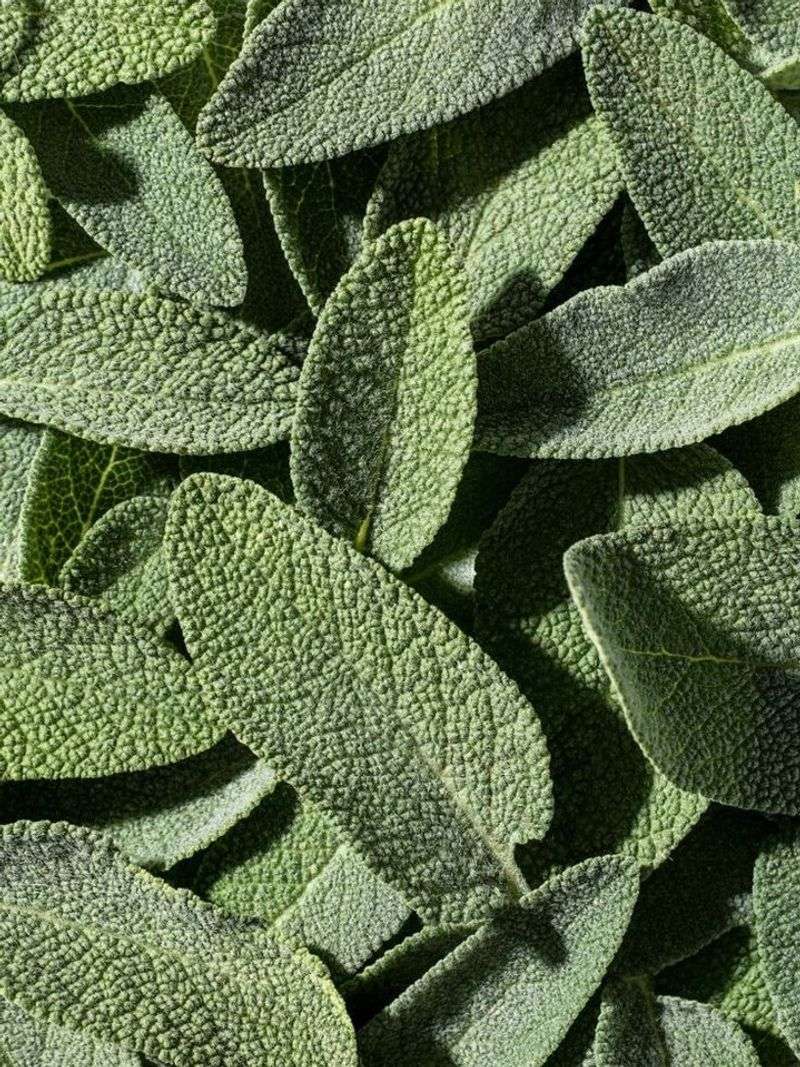
Few herbs say autumn quite like sage. Its earthy, slightly peppery flavor pairs beautifully with the cozy meals North Carolina cooks turn to once the air gets crisp. A pinch can turn a simple pot of soup into something that tastes like a holiday.
Cooks across the state reach for sage when making butternut squash soup, creamy potato blends, and hearty bean stews. The leaves hold up well to long simmering, so they release flavor slowly without falling apart.
That makes them perfect for dishes that cook low and slow on chilly afternoons.
Roasted vegetables also love a little sage. Toss chopped leaves with carrots, sweet potatoes, or onions before they go in the oven, and you get a savory aroma that fills the whole house.
The herb clings to the edges of each piece and adds a rich, toasty taste. Poultry dishes are another favorite match. Sage is a star in traditional turkey seasoning and stuffing, which is exactly why so many families connect it with Thanksgiving.
Rubbing a few leaves under chicken skin before roasting brings out a wonderful flavor too.
Because a small amount goes a long way, one healthy plant can flavor dozens of meals through the fall. Fresh leaves offer the boldest taste, though dried sage works nicely when your garden slows down.
Keeping a plant close to your kitchen door means you always have a handful of seasonal flavor within easy reach.
2. Sage Thrives In Sunny North Carolina Gardens
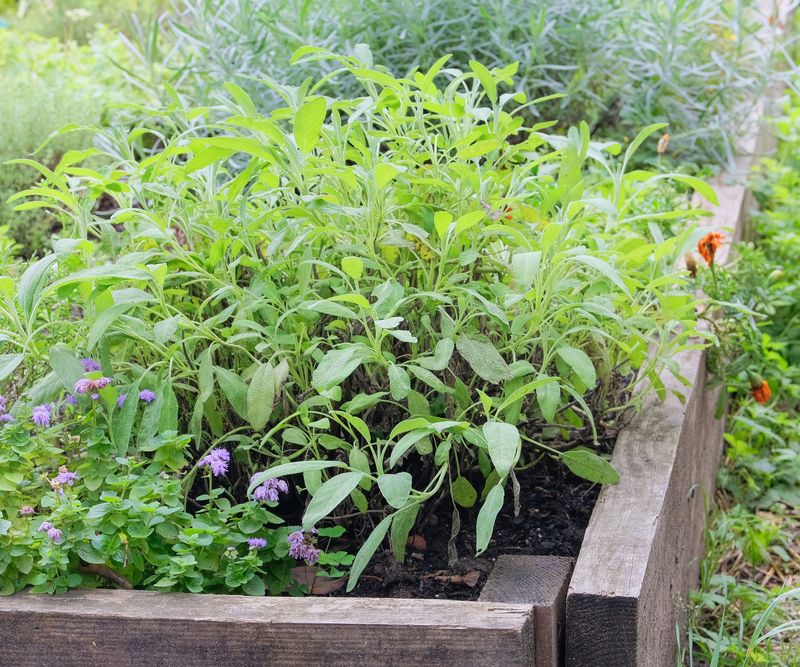
Give sage plenty of sunshine, and it rewards you with sturdy, flavorful leaves. This herb loves basking in full sun for at least six hours a day.
North Carolina gardens with open, bright spots are ideal homes for it. Soil matters just as much as sunlight. Sage prefers ground that drains quickly instead of staying soggy.
Sandy or loose soil works well, and mixing in a little compost or gravel can help water move through faster.
Drainage becomes extra important during North Carolina’s rainy stretches. Spring showers and stormy summer weeks can leave garden beds waterlogged, and sage roots do not enjoy sitting in puddles.
Raised beds and mounded rows give the roots a dry, comfortable place to rest.
If your yard has heavy clay, which shows up in many parts of the state, planting sage in containers is a smart move. Pots let you control the soil mix and empty out extra water easily.
Your North Carolina Garden Changes Every Week. Your Plan Should Too.
Gardening in North Carolina changes quickly throughout the season. Every Friday you’ll receive a simple weekly plan showing exactly what to plant, prune, fertilize, harvest, and protect so you never miss the right timing.
A terra cotta pot even pulls moisture away from the roots naturally. Spacing plays a role too. Leave about eighteen inches between plants so air can flow around each one.
Good airflow keeps the leaves dry and lowers the chance of fungus taking hold.
Once sage settles into a sunny, well-drained spot, it becomes wonderfully low maintenance. The plant can handle heat and short dry spells without much fuss.
Match its love of sun and dry feet, and you will have a thriving herb that returns year after year.
3. Its Strong Aroma Can Discourage Some Insects
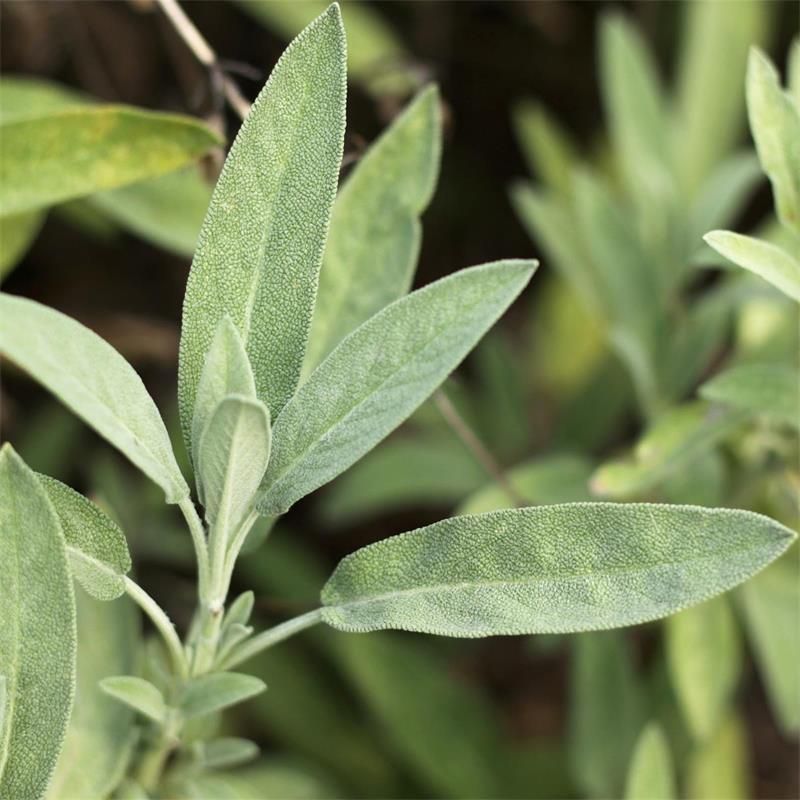
Rub a sage leaf between your fingers, and you will notice a powerful scent right away. That bold aroma comes from natural oils stored inside the leaves.
Those same oils can make sage less appealing to certain insects. Some bugs use smell to find the plants they want to munch on. Strong, spicy herbs like sage can confuse or simply put off a few of these pests.
Gardeners often notice that heavily scented herbs get nibbled less than tender, sweeter plants nearby.
Still, it helps to keep your expectations realistic. Sage does not clear a garden of insects, and it will not solve a serious pest problem on its own. Think of it as a small helper rather than a magic fix.
Many beneficial insects actually enjoy sage, especially when it blooms. Bees and other pollinators visit the flowers happily.
So while a few unwanted bugs may pass sage by, the plant still welcomes the good visitors your garden needs.
If you are battling aphids, beetles, or other hungry pests, proven methods still work best. Handpicking bugs, spraying with water, or using tested organic products will give you real results.
Sage can sit alongside these efforts as a pleasant extra layer. The takeaway is simple and honest. Sage smells wonderful to us and slightly off-putting to some insects, which is a nice bonus.
Pair that gentle benefit with smart, reliable pest care, and your garden gets the best of both worlds without any false promises.
4. Growing Sage Near Vegetables Can Add Garden Diversity
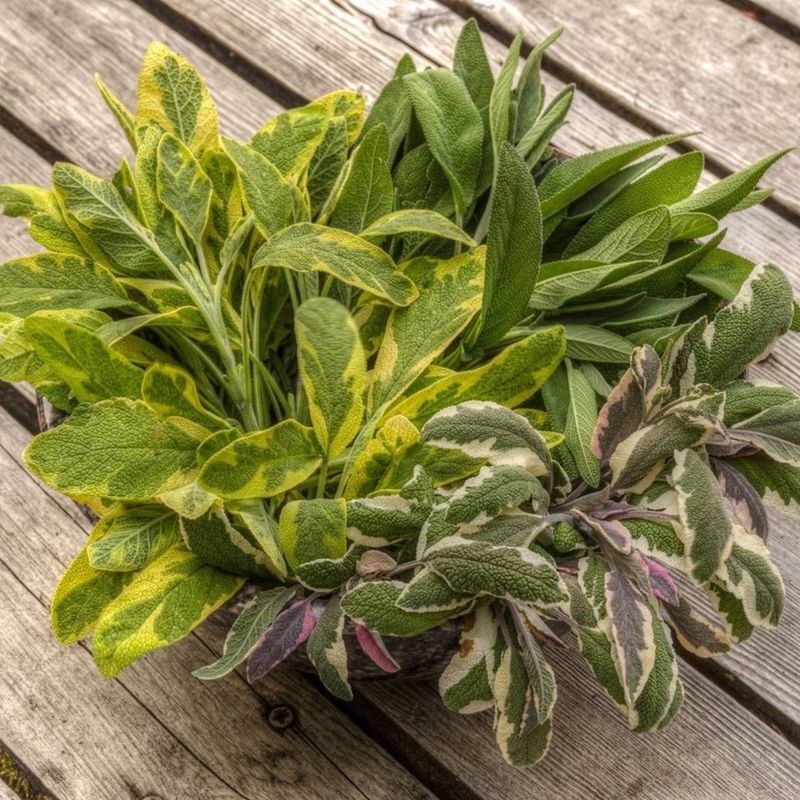
Mixing herbs like sage into your vegetable beds makes the whole space more interesting and alive. A garden full of different plants tends to attract a wider mix of helpful creatures. That variety can make your patch feel more balanced and healthy.
When you plant sage near cabbage, beans, or tomatoes, you break up long rows of a single crop. Pests that target one type of plant have a harder time spreading when their favorite food is scattered.
This mix can slow them down, though it will not stop every bug. Sage flowers add real value here. Their blooms invite bees, hoverflies, and other pollinators that also help your vegetables produce more.
Some of these visitors even feed on garden pests, giving you a little natural support. It helps to stay honest about what companion planting can do. Placing sage beside your veggies does not guarantee a pest-free garden.
Bugs still show up, weather still changes, and every season brings surprises. What sage does offer is habitat and beauty. Its silvery leaves look lovely tucked between leafy greens, and the plant gives insects a place to rest and hide.
A garden with many textures and heights simply supports more life. For the best results, treat sage as one piece of a bigger plan. Rotate your crops, keep the soil healthy, and watch for problems early.
When you blend these good habits with a diverse planting, your garden becomes stronger, prettier, and far more enjoyable to tend.
5. Fall Is A Good Time To Maintain Sage Plants
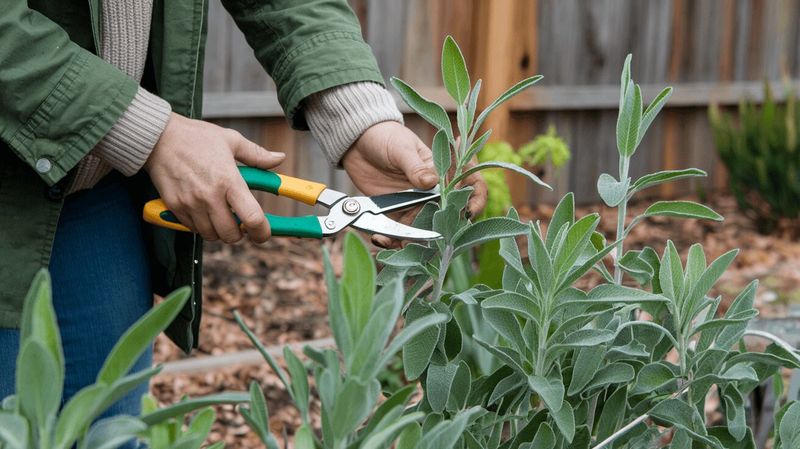
As the weather cools, your sage plant appreciates a little attention. Fall is a great season to tidy things up and get the plant ready for chilly days ahead. A few simple steps now help it stay strong through winter.
Start by looking over the plant for any tired, broken, or damaged stems. Snipping these away keeps the sage neat and lets it put its energy into healthy growth. Clean cuts also lower the chance of problems creeping in.
Drainage deserves another check before cold weather settles in. Make sure water is not pooling around the base of the plant after rain.
If it is, add a bit of gravel or compost, or consider moving potted sage to a drier spot.
Go easy on fertilizer this time of year. Feeding sage heavily in late fall pushes out soft new growth that struggles when temperatures drop. It is better to let the plant slow down naturally and settle in for the season.
A light layer of mulch around the base can protect the roots during cold snaps. Just keep the mulch from piling against the stems, since trapped moisture there can cause trouble. A little breathing room keeps the crown healthy.
Doing this gentle fall cleanup pays off when spring arrives. A well-tended sage plant bounces back quickly and greets the new season with fresh, flavorful leaves.
Spending a few minutes now means a stronger, tidier herb waiting for you next year.
6. Avoid Overwatering Sage
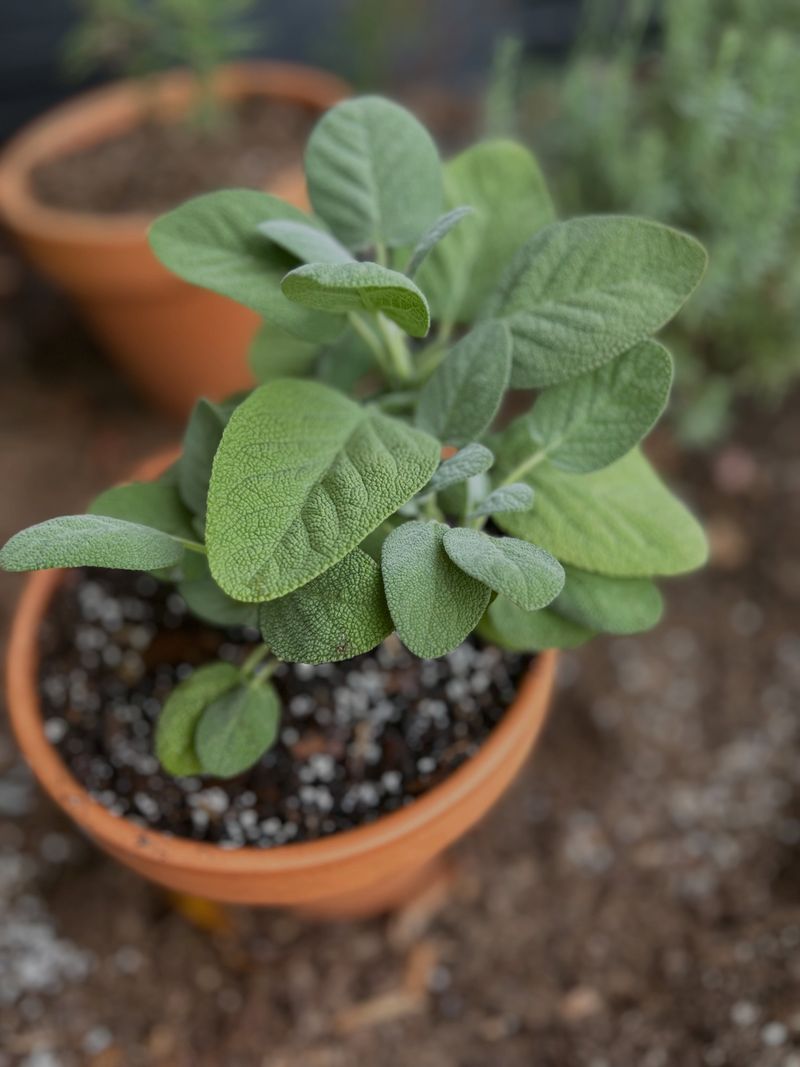
Sage comes from sunny, rocky places where rain is not always plentiful. Because of that background, the plant is built to handle dry conditions with ease. Watering it too often actually works against its nature.
When soil stays wet all the time, sage roots start to struggle. Constant moisture blocks air from reaching the roots and invites rot. A plant that once looked full and healthy can turn yellow and droopy if it stays too soggy.
The trick is letting the soil dry out between drinks. Poke your finger a couple inches into the ground, and only water if it feels dry down there. This simple check saves you from giving the plant more than it wants.
Containers make overwatering easy to avoid. Pots with drainage holes let extra water escape instead of pooling around the roots.
Terra cotta pots help even more, since they pull moisture out of the soil through their walls.
North Carolina’s rainy spells can do the watering for you, so keep an eye on the sky. During wet stretches, you may not need to water at all. Adjusting to the weather keeps your sage comfortable and strong.
Once established, sage handles short dry periods like a champ. A little wilting on a hot afternoon is normal and usually bounces back overnight.
Leaning toward less water rather than more is the safest path. Treat sage as a tough, drought-friendly herb, and it will thank you with steady, flavorful growth.
7. Harvest Sage Before Cold Weather
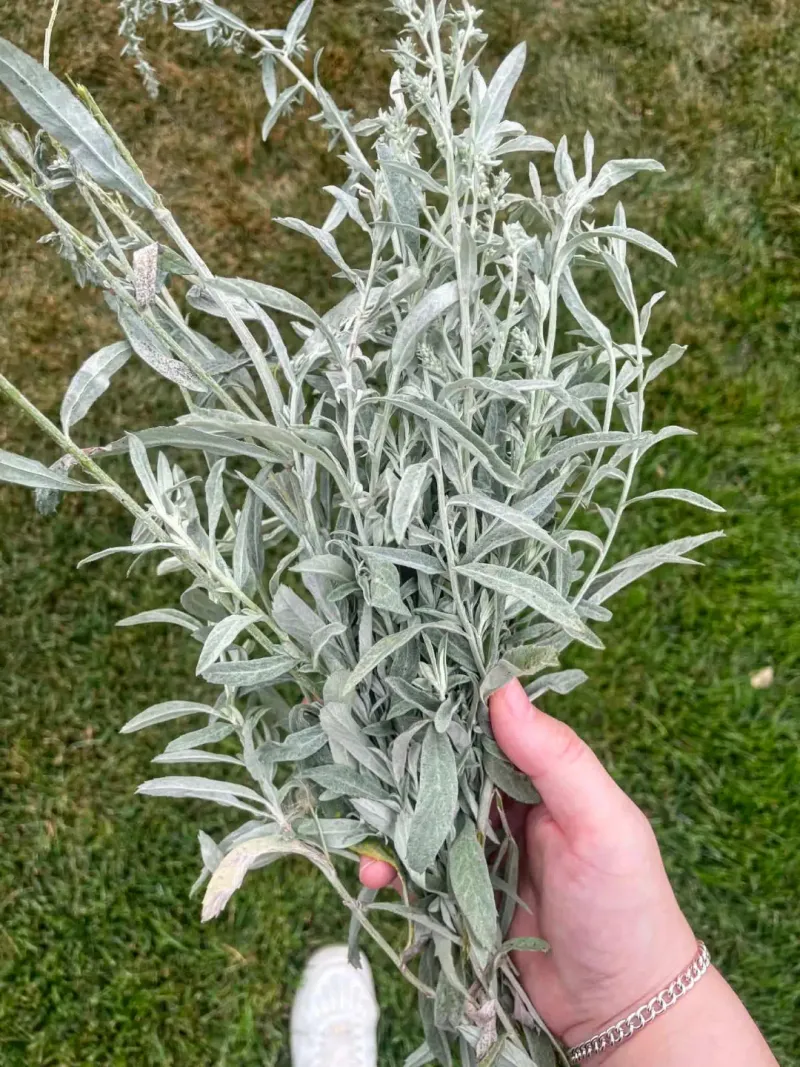
Timing makes a big difference when you gather sage for the kitchen. Picking leaves before hard freezes arrive gives you the best flavor and texture. Cold snaps can leave the foliage limp and less tasty.
Keep an eye on the forecast as autumn moves along. When you hear that a hard frost is coming, that is your cue to snip a good batch of leaves. Fresh sage stores well, so you can enjoy your harvest long after the cold sets in.
Smart harvesting also helps the plant stay healthy. Cutting stems just above a set of leaves encourages fuller, bushier growth. Neat snips heal faster and keep the plant looking tidy.
Try not to strip the whole plant bare, though. Leaving plenty of foliage helps sage make energy and survive the winter. A good rule is to take no more than a third of the plant at one time.
Morning is a lovely time to harvest. The leaves are fresh, and their oils are strong, which means more flavor for your soups and roasts. Gently rinse and dry the leaves before storing or cooking.
You can dry extra sage by hanging small bunches in a cool, airy spot. Once crisp, crumble the leaves into a jar for easy winter seasoning. Freezing chopped sage in oil also works great.
Harvesting with care means you get plenty of flavor now while keeping the plant ready to return. A little thoughtfulness gives you both a full pantry and a thriving herb.
8. Grow Sage For Food And Garden Value
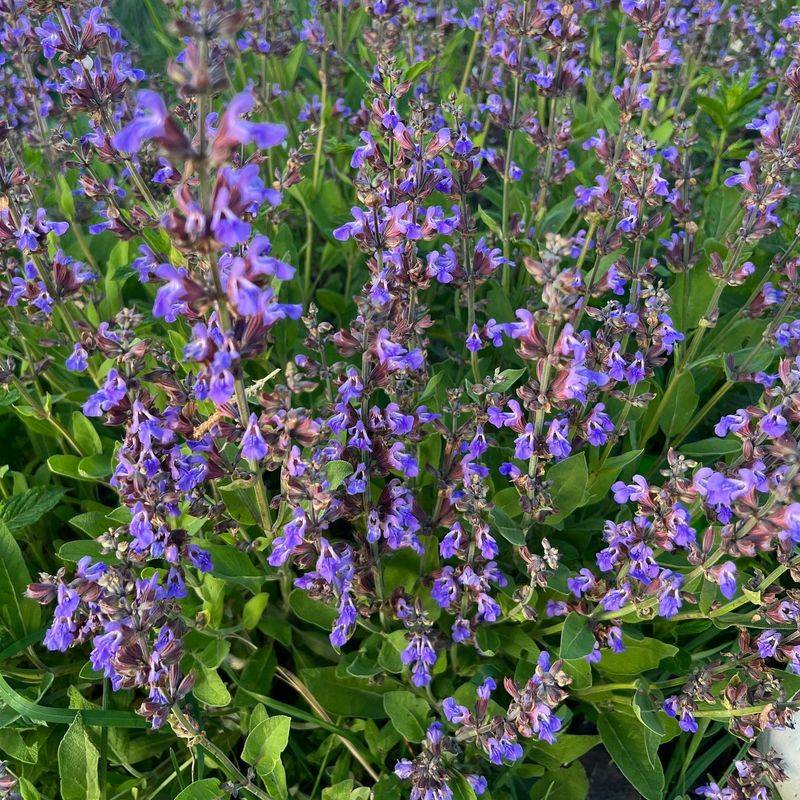
Even if sage never chased away a single bug, it would still earn its place in your garden. This herb brings so much to the table that its pest benefits are just a happy extra. From flavor to beauty, sage delivers on many levels.
In the kitchen, it shines all year long. Fresh or dried, sage seasons soups, meats, breads, and roasted vegetables with a warm, savory depth. One plant can flavor countless meals across the seasons.
Out in the yard, sage looks wonderful too. Its soft, silvery-green leaves add color and texture that stand out among other plants. Some varieties even show off purple or golden tones that catch the eye.
When sage blooms, the show gets even better. Spikes of purple and blue flowers pop up and draw in bees, butterflies, and other pollinators. Those visitors help your whole garden thrive and produce more.
As a hardy perennial, sage sticks around year after year in much of North Carolina. Plant it once, care for it gently, and it keeps coming back without much effort.
That kind of reliability is hard to beat. Its toughness means it forgives beginners too. Sage handles heat, dry spells, and busy schedules with grace. You do not need a green thumb to keep it happy.
Add it all up, and sage is a true multitasker. Tasty, pretty, pollinator-friendly, and dependable, it fits beautifully into gardens of every size. Give it a spot, and it will reward you for many seasons to come.