Is Your New York Yard Ready For A Heavy, Wet Snow Winter?
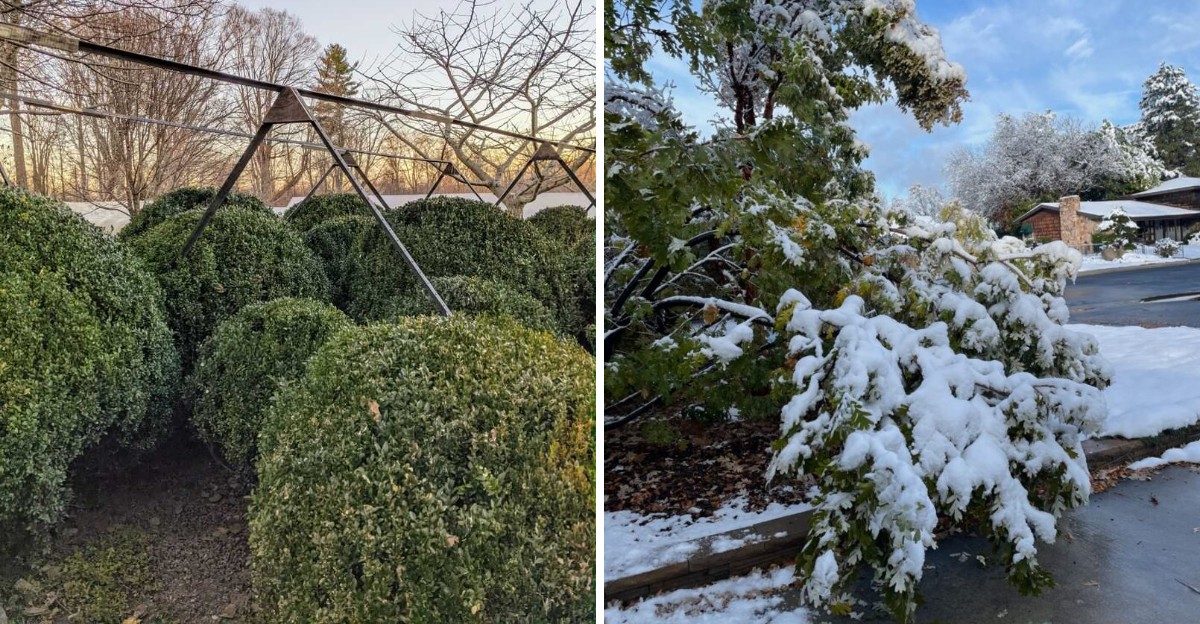
A single cubic foot of wet, slushy snow can weigh around 15 to 20 pounds. Fluffy powder often weighs only a few pounds for the same space.
That difference matters a lot when snow piles up on a skinny evergreen or a young maple. I still remember hearing a loud crack one February morning and finding a favorite branch flat on the lawn.
Snow is not all trouble, though. A loose layer works like a cozy quilt for roots and low plants, keeping soil temperatures steadier during bitter cold snaps.
I’ve found that the trick is knowing which kind of winter you are facing. Here in New York, storms off the Great Lakes and the Atlantic can dump the heavy stuff fast, sometimes in a single night.
But how many of your trees and shrubs could hold up under a few hundred extra pounds?
1. Those Upright Arborvitae Branches May Be Carrying More Than Snowflakes
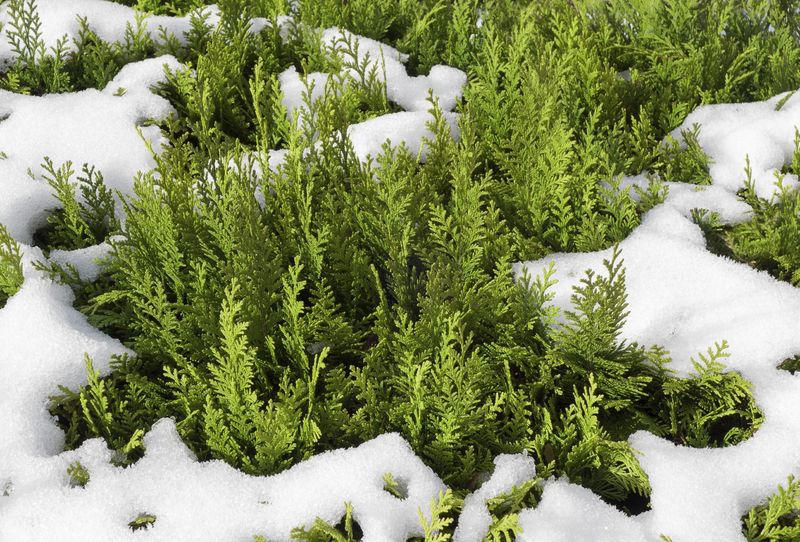
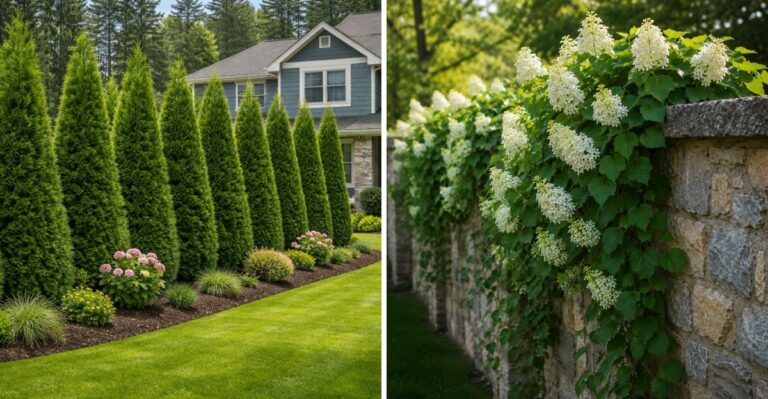
Tall, narrow evergreens look tough, but they hide a weak spot. Arborvitae, upright junipers, and similar columnar shrubs have many stems growing side by side, and wet snow loves to wedge between them.
Once that heavy load settles in, the stems can bend outward like a broken umbrella. Gardeners call this splaying.
Sometimes the branches spring back in spring, but older stems may stay bent or crack at the base.
Deciduous trees face trouble too. Fast-growing trees with softer wood, such as silver maple, willow, and poplar, tend to break more easily.
Callery pear is famous for splitting because its branches meet the trunk at tight, narrow angles, and it is also an invasive tree that many experts suggest replacing.
I like to walk my yard in late fall and look for a few warning signs. Watch for narrow V-shaped branch unions, cracks in bark, and limbs leaning over a roof, driveway, or power line.
Write down which plants worry you most. That simple list helps you decide where to spend your time before the first big storm.
A few minutes of looking now can save hours of cleanup later, plus a lot of heartbreak over a favorite shrub.
2. Soft Twine Can Hold Your Evergreen Shrubs Together All Winter
Grandma had a trick for her front-yard junipers, and it still works today. She wrapped them in a loose spiral of soft cord every November, and they came through every storm looking neat.
You can do the same thing for arborvitae, upright yews, and columnar junipers. Tie soft twine, old pantyhose, or wide fabric strips near the base, then spiral upward around the shrub and back down.
Snug is fine, but avoid squeezing the branches tight.
The wrap keeps stems close together so wet snow slides off instead of prying them apart. For multi-stem shrubs, some gardeners also tie the main stems together a few feet up the plant.
Skip wire, fishing line, or thin string. Those can cut into bark when wind shakes the plant all season long.
Small shrubs near a roofline get extra help from a simple wooden A-frame. Snow sliding off a roof can flatten a boxwood in seconds, and that little tent takes the hit instead.
Mark your calendar to remove all ties once the snow season ends, usually in March or April. Leftover twine can girdle stems as they grow, and that undoes all your good work.
3. Brushing Snow Upward Off Tree Limbs Saves More Branches
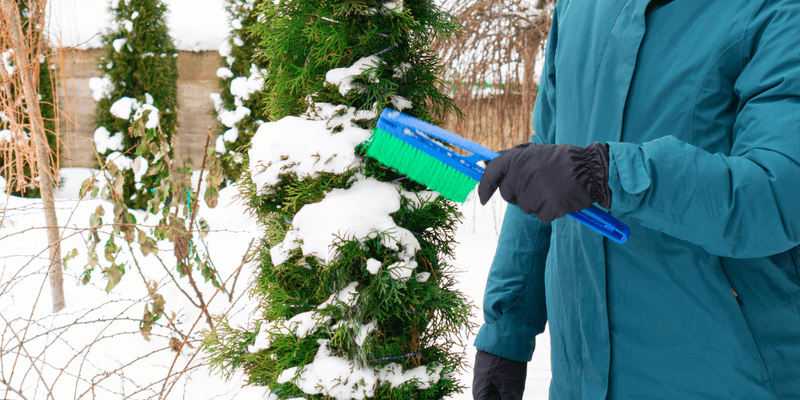
Right after a storm, grab a broom instead of a shovel. That one switch can make a huge difference for sagging shrubs.
Fresh, wet snow is easiest to remove while it is still soft. Gently push the broom upward from underneath the branch, letting the snow fall off in small chunks.
Pushing down adds more stress to a limb that is already struggling.
Shaking a branch feels faster, but it often backfires. Cold wood is stiff and brittle, and a sudden jolt can snap it.
Frozen branches are even worse.
Ice is a different story. If branches are coated in a clear glaze, leave them alone and let the ice melt on its own.
Chipping or whacking ice usually tears bark and breaks twigs.
Safety matters most here. Stay out from under big trees loaded with snow, since falling limbs can be heavy and dangerous.
Branches touching power lines need a call to your utility company, not a broom.
For tall trees you cannot reach, patience is your best tool. Many bent limbs recover as the snow melts, so give them a few days before deciding anything needs to go.
4. Pruning Weak Tree Branches Before Snow Season Pays Off
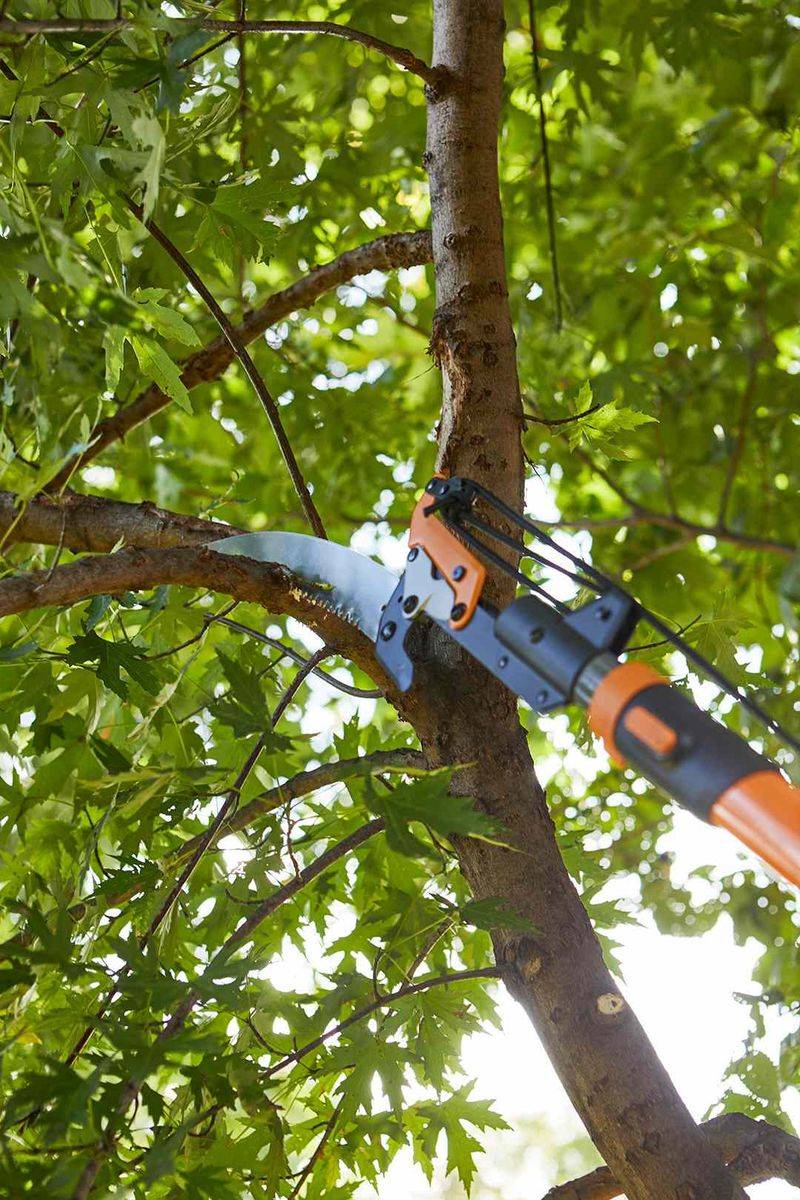
Here is a rule many arborists follow: a weak branch in October becomes a broken branch in February. Snow simply finds the flaws trees already have.
Late fall is a fine time to remove branches that are clearly cracked, rotting, rubbing against each other, or hanging loose. Cutting these now removes weak points before snow adds weight to them.
Keep the job light, though. Heavy pruning of healthy wood is better saved for late winter, when trees are fully dormant and you can see their shape clearly.
Big fall cuts on some shrubs can also leave them more open to cold injury.
Make clean cuts just outside the branch collar, that slightly swollen ring where a limb meets the trunk. Skip wound paint, since research shows trees seal cuts better on their own.
Young trees benefit the most. Choosing one strong central leader and removing competing stems with tight V-shaped unions builds a sturdier tree for decades.
Anything high up or near your house calls for a certified arborist. I enjoy pruning, but ladders, saws, and slippery ground are a risky mix.
A professional can also spot hidden decay you might miss.
5. A Deep Drink For Rhododendrons Before The Ground Freezes
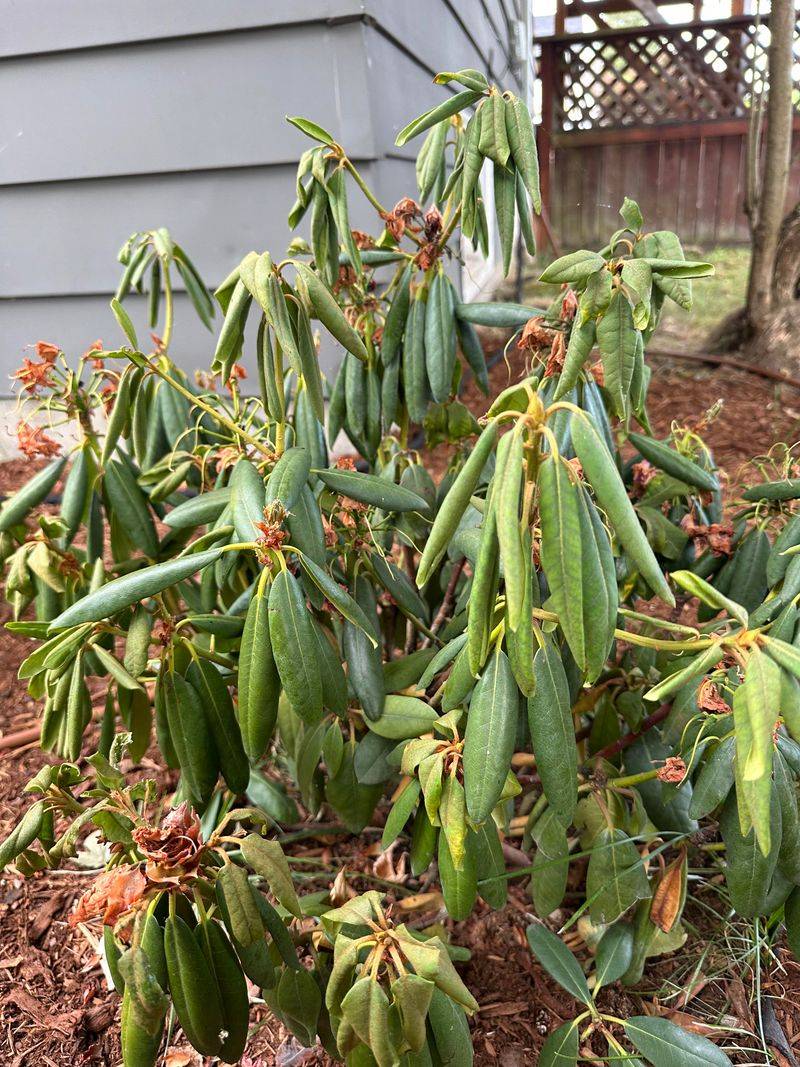
Watering in November sounds a little silly, I know. Still, it is one of the smartest jobs on your fall list.
Evergreens keep losing moisture through their leaves all winter. Once the ground freezes, roots cannot pull up more water to replace it.
Broadleaf evergreens like rhododendrons, hollies, mountain laurel, and boxwood often show this as brown, crispy leaf edges in spring, a problem called winter burn.
The fix is simple. Keep watering through fall whenever rain is scarce, then give a slow, deep soak before the soil freezes solid.
In much of the state, that usually lands in November, though northern areas may freeze earlier.
Aim for moist soil several inches down, not puddles. A soaker hose or a slow trickle at the base works better than a quick spray.
New plantings deserve the most attention. Trees and shrubs added in the last year or two have small root systems, so they dry out faster.
Well-watered plants also handle stress better overall, including the strain of a snowy season. Drain and store your hose afterward so it does not crack during the first hard freeze.
6. Shredded Bark Mulch Keeps Garden Roots From Heaving
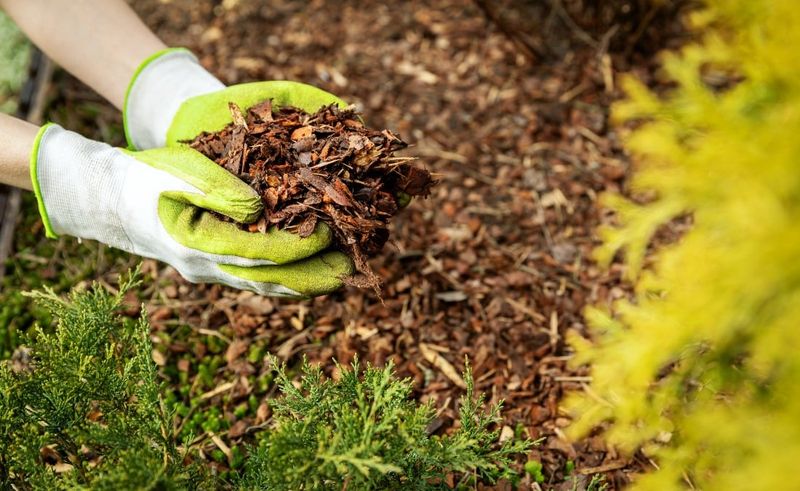
Frost heaving is a sneaky winter problem. Soil freezes, thaws, and freezes again, and each cycle can push small plants right out of the ground.
New York winters bring plenty of these swings, especially when a warm rain follows a cold snap. Fall-planted perennials and young shrubs with shallow roots are the most likely to get lifted and exposed.
A layer of organic mulch helps keep soil temperatures steadier. Shredded bark, wood chips, pine needles, or shredded leaves all work well.
Spread about 2 to 4 inches over beds and around shrubs.
Timing makes a difference for perennial beds. Many extension experts suggest adding winter mulch after the top inch or so of soil freezes.
Mulching too early can invite voles and mice to move in and nibble.
Leave a few inches of space around trunks and stems. Mulch piled against bark, often called a volcano, holds moisture and invites rot and pests.
Fun fact: fallen leaves are free mulch. Run them over with a mower first so they do not mat down into a soggy layer.
Check beds after thaws and gently press any heaved plants back into place.
7. Burlap Screens Shield Boxwoods From Wind And Road Salt
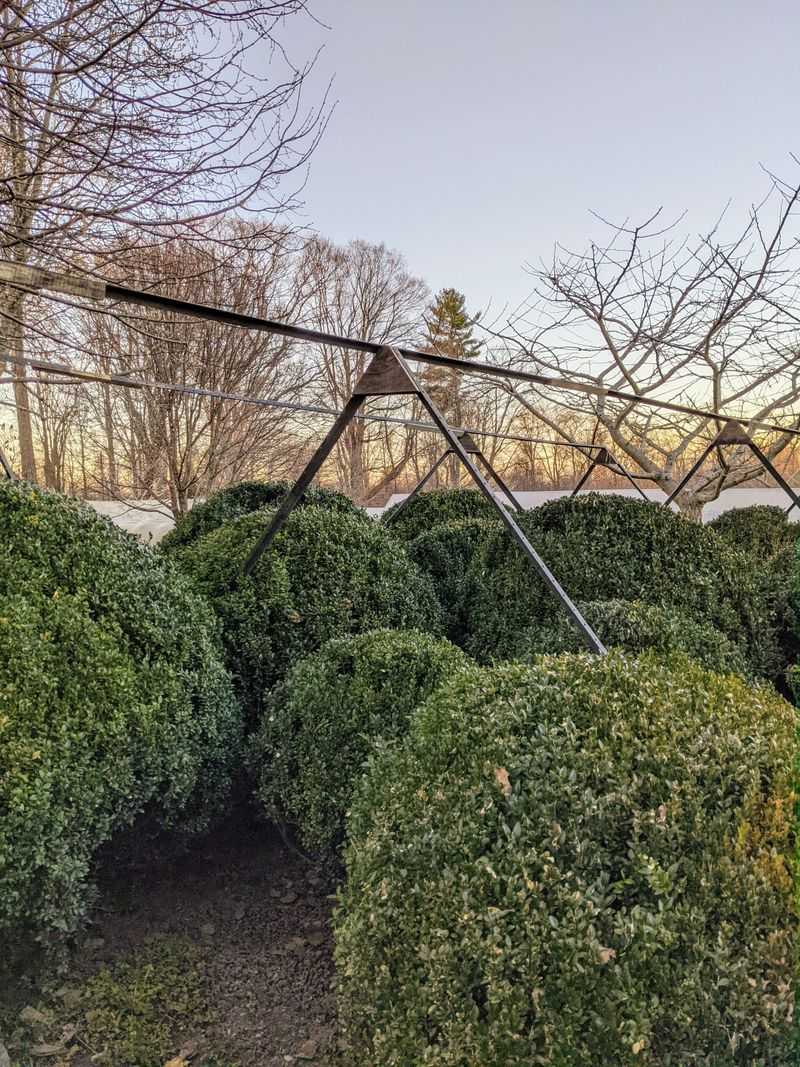
Walk any New York neighborhood in January and you will spot shrubs dressed in burlap. Those tan little tents are doing real work.
Burlap screens block drying winter wind and harsh sun reflecting off snow. Both speed up moisture loss in boxwood, rhododendron, azalea, and young evergreens.
Plants near driveways and sidewalks also face salt spray from plows and de-icers.
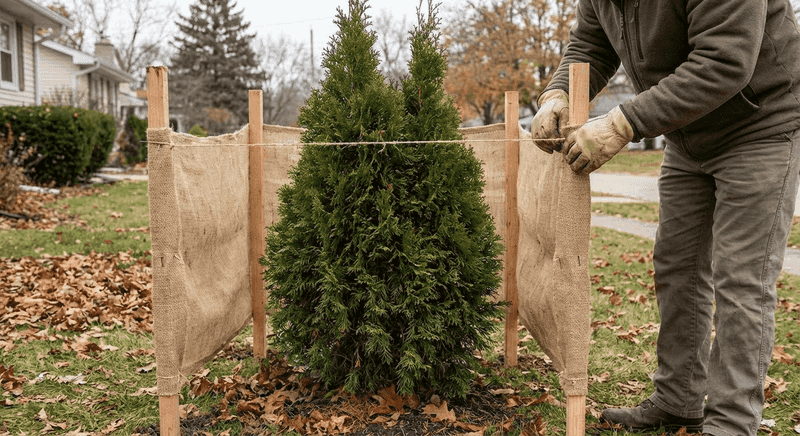
The best setup uses three or four stakes pounded in before the ground freezes. Staple burlap to the stakes, leaving space between the fabric and the plant.
Keep the top open so light and air can reach the leaves.
Avoid plastic sheeting. It traps heat on sunny days and moisture at night, which can cause more harm than good.
For salt trouble, try a few extra habits. Pile shoveled snow away from beds when possible, and use sand for traction near plants because calcium-based de-icers can also damage vegetation.
Watering salty areas well in spring helps flush salt down past the roots.
Not every shrub needs a wrap. Healthy, established plants in sheltered spots often do fine alone.
Save your burlap for exposed, newly planted, or salt-blasted spots where it truly helps.
8. Checking Snow-Bent Trees After The Thaw Guides Your Next Steps
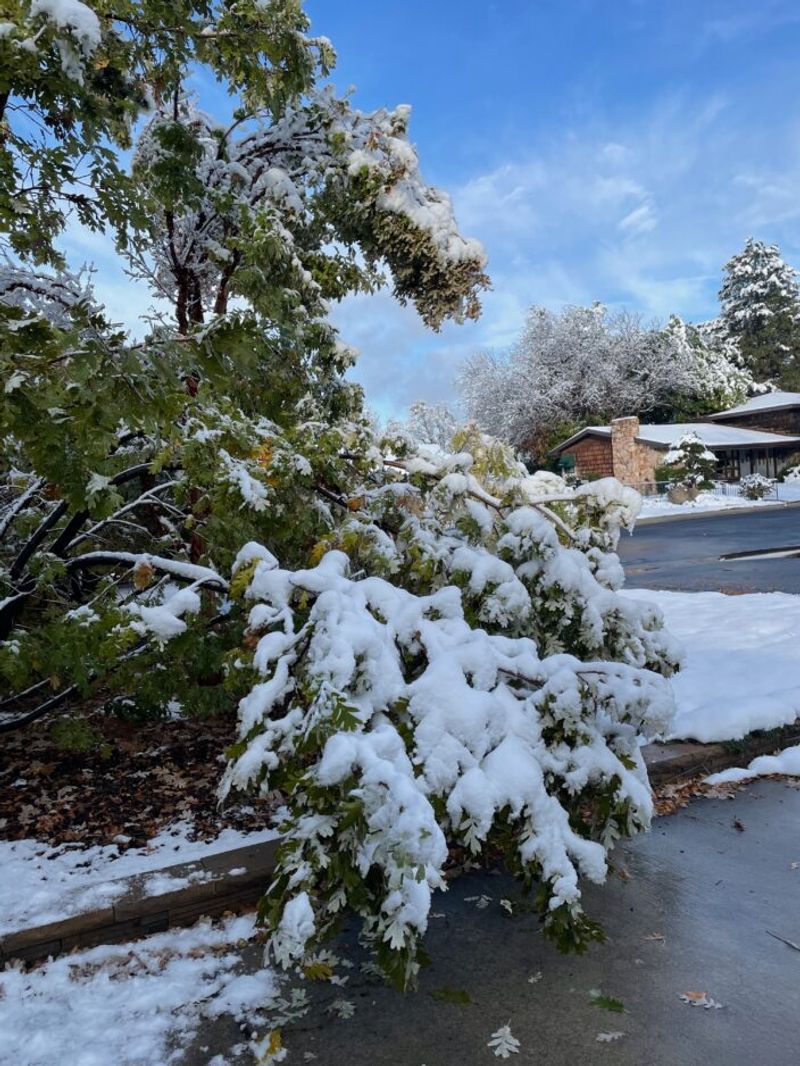
Spring melt is when the real story of your yard appears. Grab a coffee, put on boots, and take a slow walk around.
Look first for hazards. Hanging branches, split trunks, and limbs resting on wires or roofs need attention before anything else.
Large jobs belong with a certified arborist, and wire issues go straight to the utility.
Small broken twigs and branches are an easy fix. Cut back to healthy wood or the nearest branch collar with clean, sharp tools.
Bent shrubs often lift themselves upright over several weeks, so give them time before removing stems.
Brown evergreen needles or leaves are worth watching rather than cutting right away. Buds may still be healthy, and new growth often fills in by early summer.
Scratch a twig lightly, and green tissue underneath is a hopeful sign.
Use what you learn to plan ahead. If one shrub splays every year, consider moving it or replacing it with a sturdier native choice, like a spreading juniper or winterberry holly.
Keep notes on which tricks worked best. Next fall, that little record makes prep faster, and your yard will be better ready for whatever winter brings.