The Animal Missouri Didn’t Have Until Recently Is Now Digging Up Yards
Overnight, the front lawn turned lumpy and oddly pockmarked. Dozens of small cone-shaped holes now dot the grass, each one punched neatly into the damp fall soil.
There are no hoof prints, no shovel marks, just quiet little craters near the mulch beds. Neighbors all across Missouri have been swapping backyard photos of this same strange mess for several years.
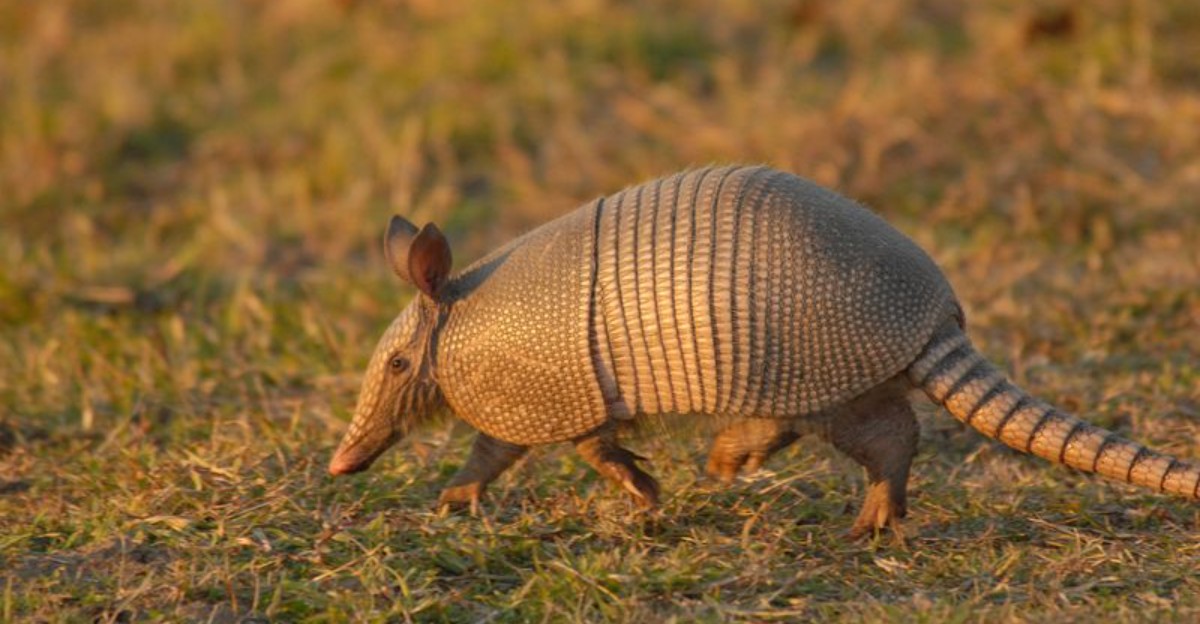
The guilty party was not part of the state’s wildlife story back when your grandparents first gardened. Now it shuffles through backyards after dark, armored like a mini bulldozer and endlessly hungry for grubs.
Something drifted up from the south, and it clearly did not bother asking anyone for permission. The holes are honestly rude, and the digger snoozes right through every angry text message.
The Nine-Banded Armadillo’s Quiet Arrival
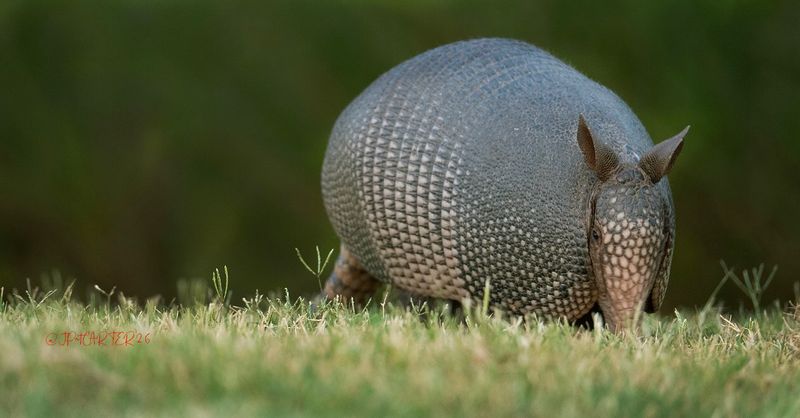
Missouri’s newest yard wrecker wears armor and walks like a windup toy. The nine-banded armadillo has crossed the state line and settled in, one flower bed at a time.
A century ago, these creatures stayed in south Texas and Mexico, far from any Ozark hillside. Today they turn up in Springfield, Columbia, and even suburbs north of the Missouri River.
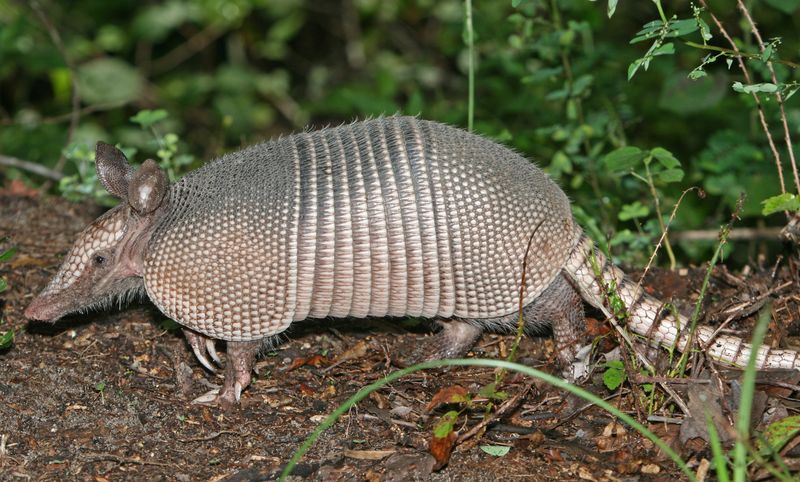
Roughly the size of a house cat, an armadillo carries a bony shell across its back. Its snout works like a living trowel, flipping soil aside in fast, jerky scoops.
Grubs, worms, beetles, and ants make up most of its menu, and yards serve all four. Rich, watered turf hides more insects than dry pasture, so sprinklers basically ring a dinner bell.
Wildlife biologists have tracked the northward march since the 1970s, and sightings keep climbing each decade. Missouri now counts armadillos as established residents rather than odd visitors from somewhere else.
Damage looks unmistakable once you know the pattern of shallow pits and peeled-back sod. Each hole runs two or three inches deep and about as wide as a fist.
Homeowners often blame skunks, moles, or raccoons first, which sends them chasing the wrong animal. Identifying the real digger saves money, sod, and a whole lot of weekend frustration.
One curious detail, armadillos typically produce identical quadruplets, four babies growing from a single fertilized egg. That reproductive trick helps explain how quickly fresh territory fills with armored diggers.
Warmer Winters And A Northward Push
Blame mild weather and open river valleys rather than plain bad luck. Armadillos push into new ground whenever winters soften enough to let them survive February.
Armor does not include much fat or fur, so extreme cold hits these animals hard. Long stretches of frozen ground also lock away the insects they need every single night.
Missouri’s southern counties warmed just enough over recent decades to open the door. From there, armadillos followed creek corridors, railroad beds, and brushy fence lines steadily northward.
Highways helped too, since roadside ditches offer loose soil, cover, and easy travel lanes. Young males wander well beyond the family burrow as the population pushes into new territory.
Land use changed the picture as well, with old pastures growing thick brush and honeysuckle. Dense cover gives armadillos burrow sites near the bug-rich lawns of nearby neighborhoods.
Your Missouri Garden Changes Every Week. Your Plan Should Too.
Gardening in Missouri changes quickly throughout the season. Every Friday you’ll receive a simple weekly plan showing exactly what to plant, prune, fertilize, harvest, and protect so you never miss the right timing.
A single cold snap can knock local numbers back, which many Missouri homeowners have noticed. Populations bounce back fast, though, because females raise litters every year without much trouble.
Trappers and biologists report burrows under decks, sheds, brush piles, and old concrete slabs. Warm foundations make winter easier, which nudges the range line a bit farther north.
Understanding the cause matters for your yard plan, since this guest is not leaving soon. Treating armadillos as a permanent neighbor leads to smarter fencing choices and fewer wasted weekends.
Knowing that, spotting a burrow entrance near your house is worth a careful look. Soil fans and smooth tunnel mouths tell the story better than any single footprint.
Nighttime Feeding And Peak Damage Seasons
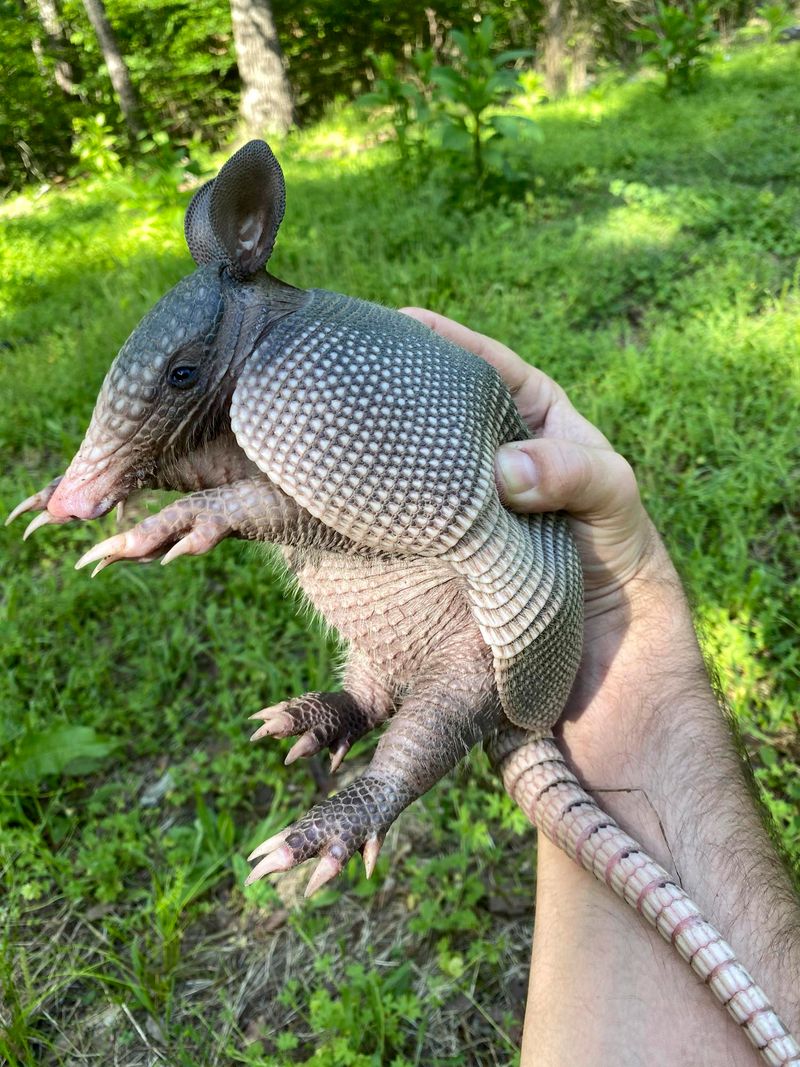
Most yard damage happens between dusk and sunrise, while everyone inside is asleep. Armadillos hate midday heat, so summer feeding shifts almost entirely into darkness.
Spring and early summer bring the worst stretch, especially after a soaking rain. Soft, damp soil lets that pointed snout dig with almost no effort at all.
Grub populations peak in those same weeks, sitting just under the root layer. A hungry armadillo can work a single lawn for hours, leaving hundreds of divots.
Cooler fall nights push activity earlier, so you might spot one around seven o’clock. Winter slows things down, though burrow digging continues during warm spells in January.
Check your yard after rain, because fresh holes show up within a night or two. Photographing the damage weekly helps you see whether the animal keeps returning to the same patch.
Motion-sensor cameras settle arguments quickly and cost less than a single pallet of sod. Many Missouri families finally identify their digger only after watching grainy midnight footage.
Timing your response matters more than most people expect with this particular animal. Repairs made at dusk, before the nightly shift begins, protect fresh seed and new sod.
Neighbors comparing notes often discover one animal working several lawns along the same block. Coordinating fixes across a few yards beats handling the same visitor alone every weekend.
Keep a flashlight by the back door if curiosity gets the better of you. Armadillos have poor eyesight and may trot right past your shoes without noticing.
Common Homeowner Missteps With Fresh Lawn Holes
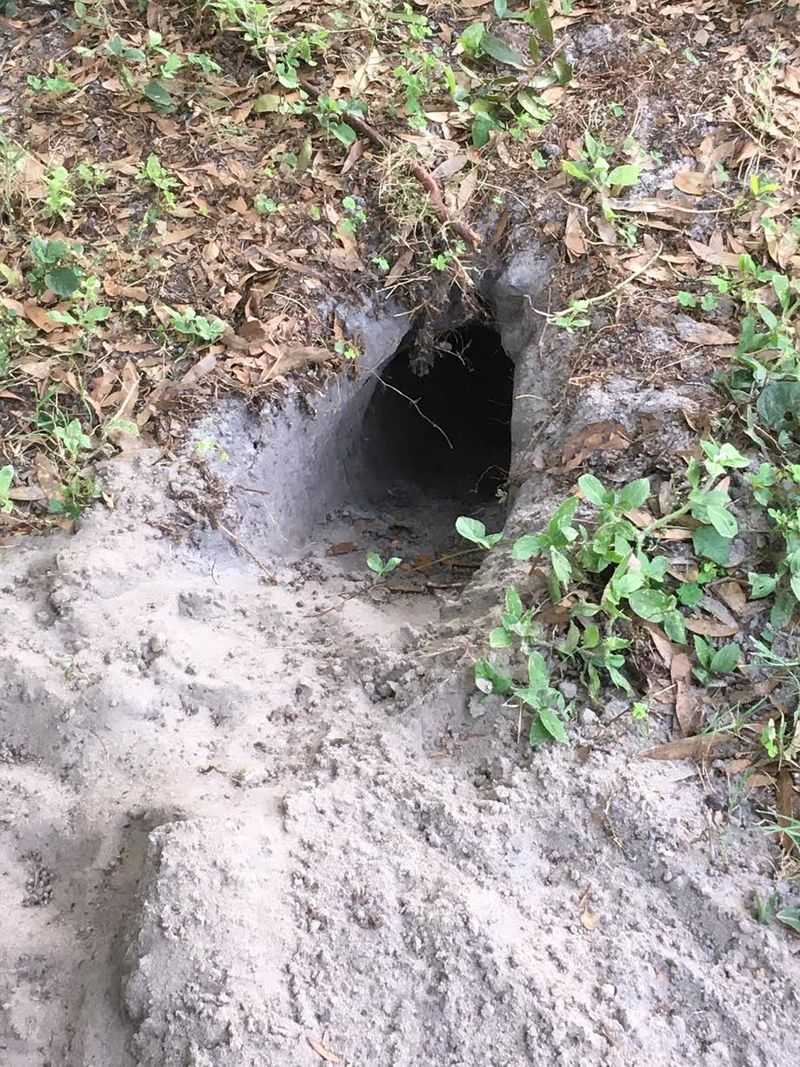
Plenty of people grab a mole trap the moment they see torn turf. Moles leave raised tunnels, while armadillos leave open pits and flipped chunks of grass.
Poison bait is another popular mistake, since it rarely works here. Armadillos eat live insects, ignore grain and pellets, and may endanger pets instead.
Some homeowners flood burrows with a garden hose, which soaks foundations and rarely moves the animal along. Others fill holes with rock, and the animal just digs a new entrance nearby.
Mothballs, ammonia rags, and chili powder get tried constantly across Missouri neighborhoods each spring. Rain washes the smell away, and the armadillo returns to the same buffet.
Ignoring grub problems ranks among the quietest errors, and one of the costliest. A lawn packed with beetle larvae keeps advertising itself, no matter how many holes you patch.
Removing or trapping without checking local rules creates a different kind of headache. Missouri treats armadillos as unprotected in many situations, but city ordinances still apply.
Waiting for the problem to fade on its own usually costs more in the end. Small divots turn into bare, weedy patches that need real soil work by August.
The smartest move is boring, honestly, and it starts with correct identification. Once you know an armadillo is responsible, the useful options narrow down fast.
Ask a neighbor with the same holes before spending money on gadgets and sprays. Shared observations beat guesswork, and somebody nearby has probably already seen the culprit waddle by.
Grub Control And Yard Repair That Holds Up
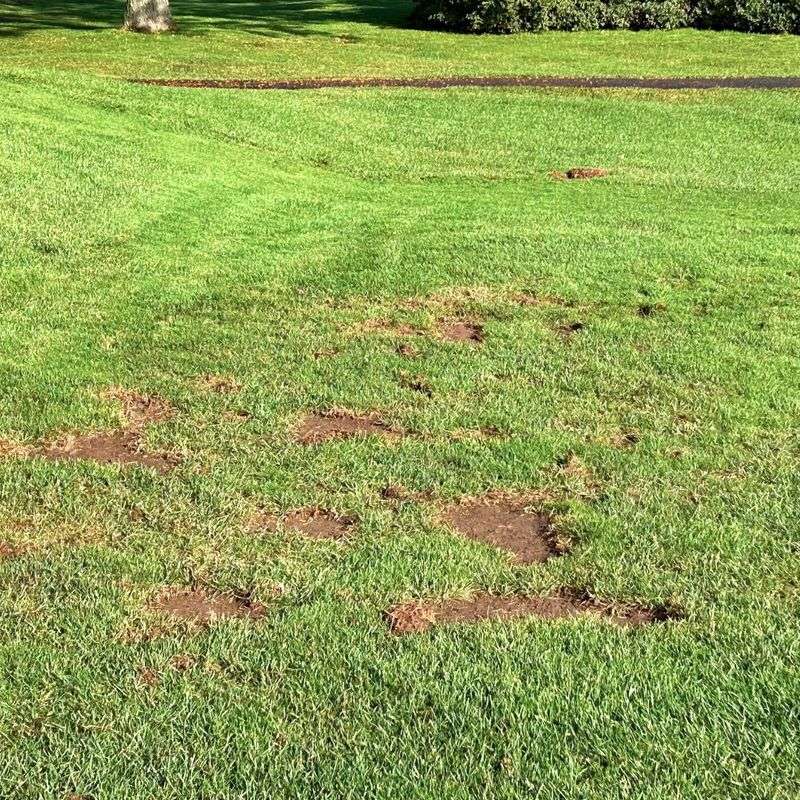
Take away the food and much of the digging stops on its own. Treating grubs with a labeled lawn product in late summer or early fall cuts the main attraction.
Beneficial nematodes offer a gentler route and work well in moist, shaded Missouri soil. Apply them in the evening, water lightly, and give the treatment a few weeks.
Repair work goes faster than most folks think, since the holes stay shallow. Press the flipped sod back down, step on it, and water the seam well.
For larger bare spots, mix topsoil with compost and overseed with tall fescue. Fescue handles Missouri heat, roots deeply, and knits torn patches together within a season.
Raise your mower a notch, because taller grass shades soil and hides insect activity. Deeper roots also hold turf together when a snout tries to peel it back.
Trapping can help with a stubborn individual, using wooden boards to funnel it into a cage. Skip the bait entirely, since armadillos rarely respond to fruit or meat bait, whatever the scent.
Hiring a licensed wildlife professional makes sense when burrows run under a porch slab. The cost usually beats repeated sod deliveries and a summer of patching by hand.
Results show up quickly once food and shelter both get harder to find. Yards that stay thick and dry-ish at night tend to drop off the nightly route.
Keep notes on what you tried and when, because patterns emerge over a single season. That little record turns random guessing into a plan you can actually repeat.
Barriers, Fencing, And A Less Tempting Lawn
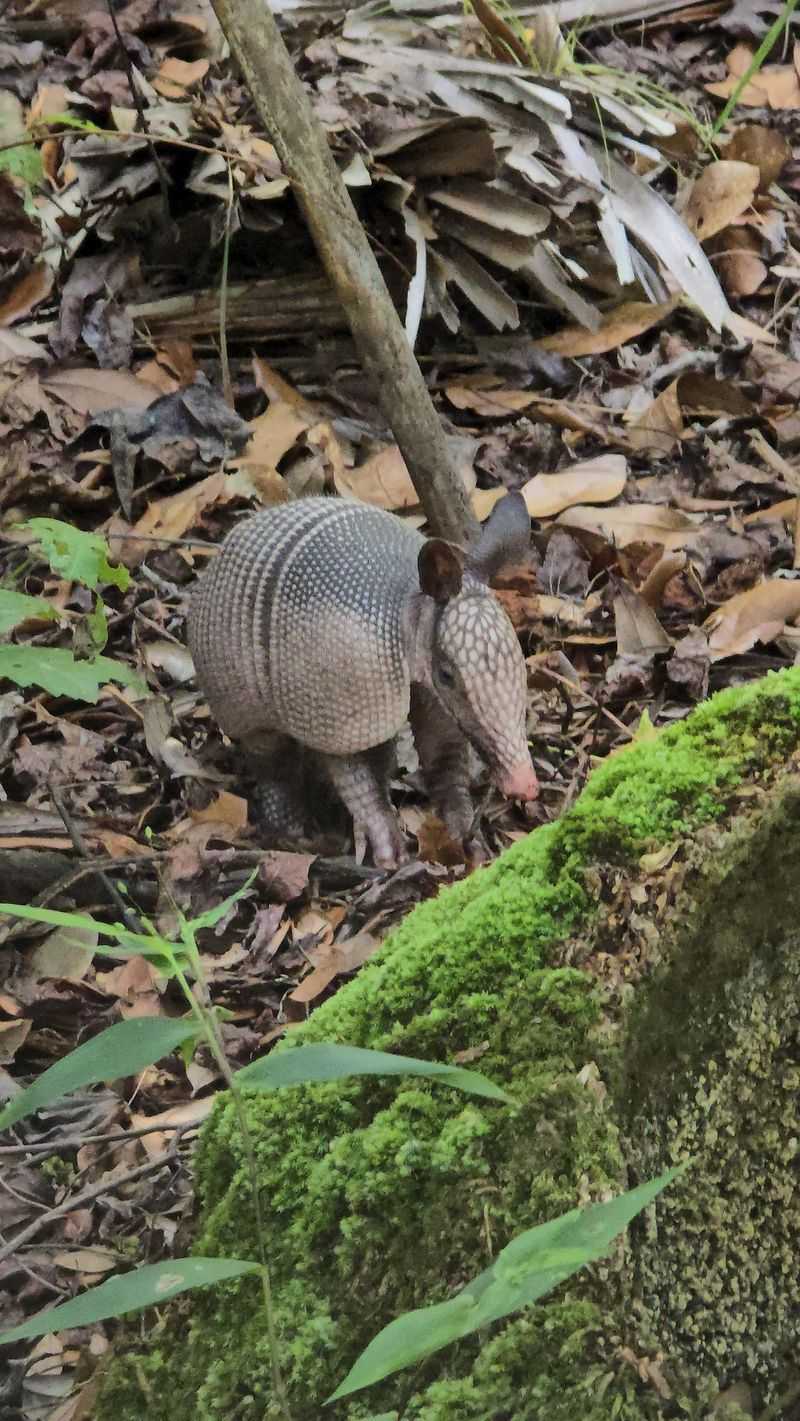
Long-term peace comes from making your yard boring instead of chasing one animal. Armadillos dig where soil is soft, shelter is close, and insects are plentiful.
A short fence works surprisingly well when built correctly for a low, heavy digger. Bury hardware cloth twelve inches deep and angle the bottom outward at a slant.
Skip tall barriers, since these animals rarely climb but push under with steady shoulders. Gaps beneath gates and decks deserve the same wire treatment as the main fence.
Clear brush piles, stacked lumber, and thick honeysuckle along property edges each fall. Removing burrow sites nudges the animal toward the woods rather than your rose bed.
Water deeply but less often, which keeps the top inch firmer overnight. Firm soil makes digging tiring, and armadillos prefer easy meals over hard labor.
Motion-activated sprinklers earn their price in many Missouri neighborhoods, especially near vegetable gardens. A sudden spray sends a startled armadillo hopping straight up, then straight home.
Seal crawl spaces, shed skirting, and gaps under concrete steps before spring arrives. Blocked shelter matters more than any repellent sold at the garden center.
Expect a visit now and then, because the range keeps widening across the state. A thick lawn, closed burrow sites, and fewer grubs make your yard the boring option.
Neighbors who do the same work see fewer holes across the whole block. Armor or not, this traveler follows the easiest dinner, and it can find it elsewhere.