Joro Spiders in Georgia: Where They Go in Winter
One silky pouch smaller than a quarter can hold hundreds of baby spiders, and it sits through freezing nights without a fuss. I found one last January glued to the underside of my porch railing.
It looked like a tuft of dryer lint, so I almost brushed it away.
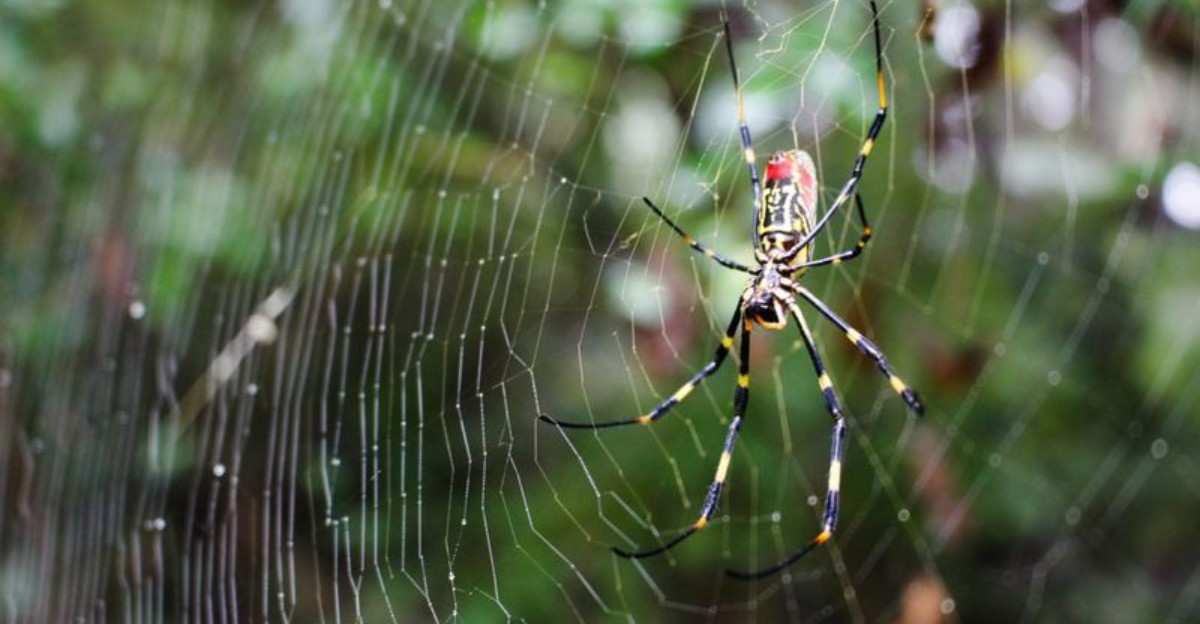
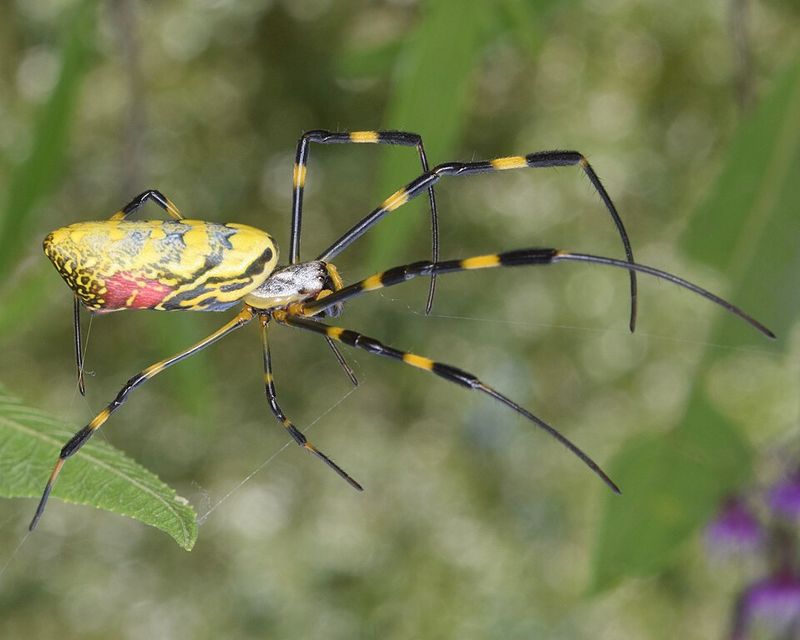
That tiny bundle came from a hand-sized yellow, blue-gray, and red-marked spider that first showed up near Hoschton around 2013. Since then, its golden webs have spread across much of north Georgia and beyond.
Some webs stretch several feet wide between trees, mailboxes, and power lines.
You have probably walked face-first into one of those webs at least once. I know I have, and I still flinch near my tomato cages.
Where do those big, bold weavers vanish when the leaves drop and the first frost silvers the lawn?
1. Those Big Golden Orb Webs Empty Out When Frost Arrives
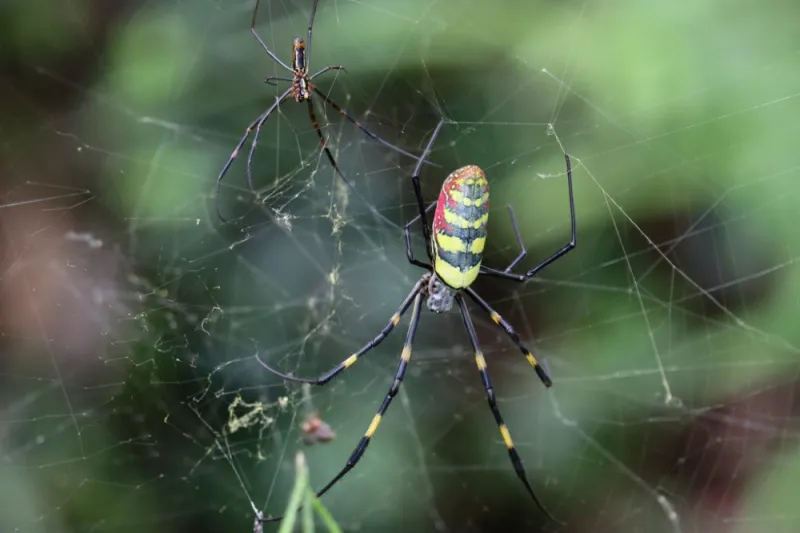
Walk your yard in early December and you might notice something odd. The giant webs that ruled your porch all fall start sagging, tearing, and going quiet.
Adult Joro spiders live for only one season. They hatch in spring, grow all summer, mate in early fall, and then slowly fade as cold weather moves in.
University of Georgia researchers note that the adults do not survive a typical Georgia winter.
Shorter days and dropping temperatures slow them down first. Insects become scarce, so there is less to eat.
Then a hard freeze usually ends the season for the remaining adults.
In a mild year, a few stubborn females may hang around into December, especially in south Georgia or on sheltered walls. I once watched one cling to a sunny brick corner well after Thanksgiving.
Still, by midwinter, most yards are free of adults.
So the honest answer to where they go is simple. The grown-ups do not migrate, burrow, or sneak into your attic for warmth.
Their life cycle wraps up outdoors, and the story continues through something much smaller they leave behind.
That little leftover is what keeps the population returning each year.
2. Fluffy Joro Egg Sacs Carry the Next Generation Through Winter
Tucked inside a puff of silk smaller than your thumbnail, the whole next generation waits out the cold. Egg sacs are the real winter survivors of the Joro world.
Each female lays one or more sacs in fall, usually from October into November. She wraps the eggs in silk that often looks golden or pale yellow at first.
Over time, the sac can fade and blend in with bark or siding.
Researchers report that a single sac often holds about 400 to 500 eggs, and some counts run higher. Multiply that by several sacs per female, and you can see why the species keeps spreading.
The eggs generally overwinter inside the sac and hatch into spiderlings in spring as temperatures warm. That snug little bundle acts like a sleeping bag with walls.
For gardeners, this means winter is not really a spider-free season. It is just a quiet one.
The action has shifted from big flashy webs to small, easy-to-miss packages.
Once you know what to look for, you will start spotting them during your winter cleanup walks.
3. Check Tree Bark, Eaves, and Siding for Hidden Spider Sacs
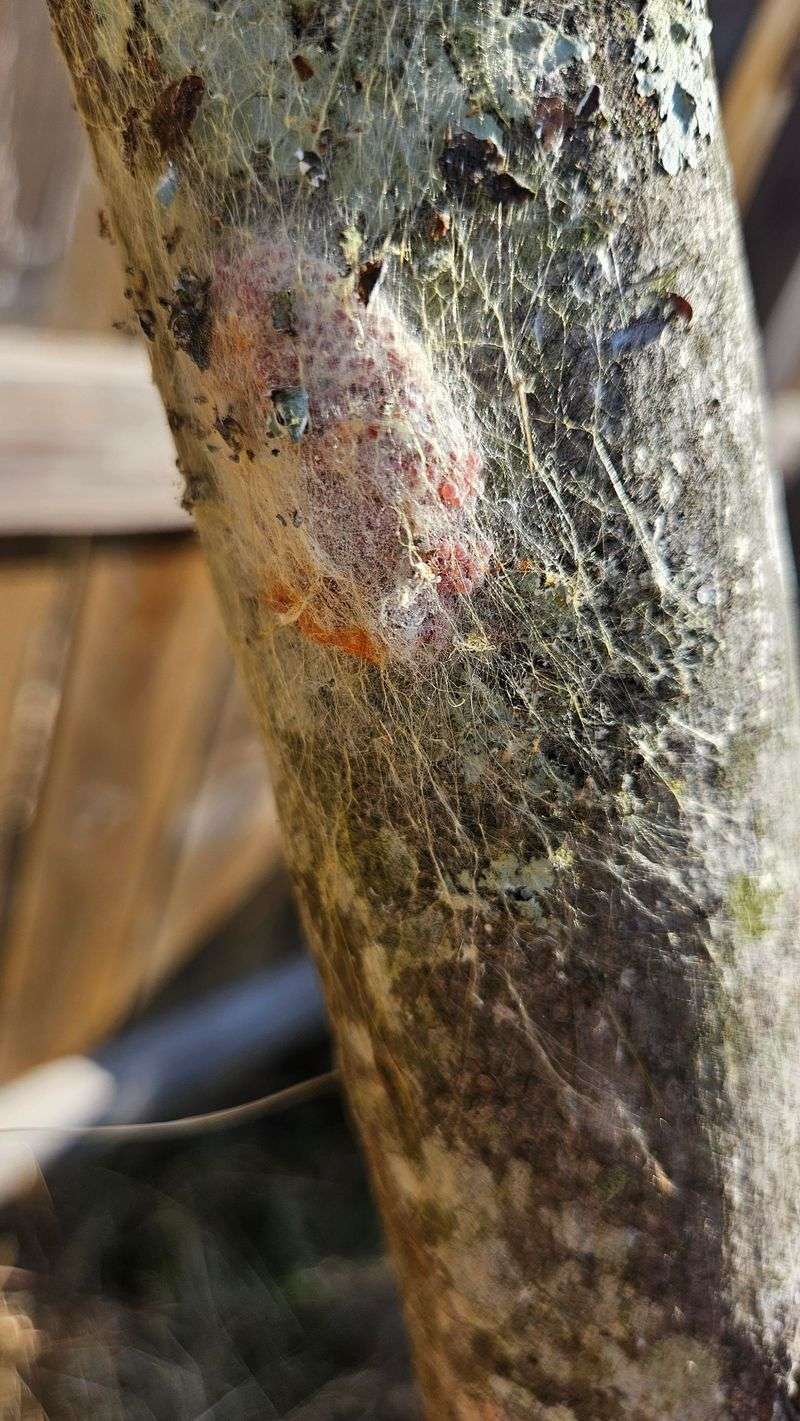
My favorite winter treasure hunt happens with a flashlight and a cup of coffee. Joro egg sacs hide in places you probably walk past every day.
Females usually attach their sacs near the spot where they built their webs. Common hiding places include tree trunks, rough bark, shrubs, fence boards, and the undersides of leaves.
Homes are popular too, especially under eaves, around window frames, and along siding.
Look for a small, flattened mat of silk with a fluffy covering. Fresh sacs often look golden or yellowish.
Older ones may look grayish or tan, almost like a scrap of lint.
Sheltered spots get chosen for a reason. Overhangs block rain and wind, while bark crevices hold a bit of warmth.
That protection helps the eggs and young spiderlings get through cold snaps.
Try checking areas where you saw big webs last fall. Porch lights, gutters, and garden arbors are great places to start, since insects gathered there and so did the spiders.
A ladder may help for higher spots. Just move slowly, wear gloves, and keep the hunt fun instead of frantic.
4. Joro Spiders Handle Cold Snaps Better Than Their Cousins
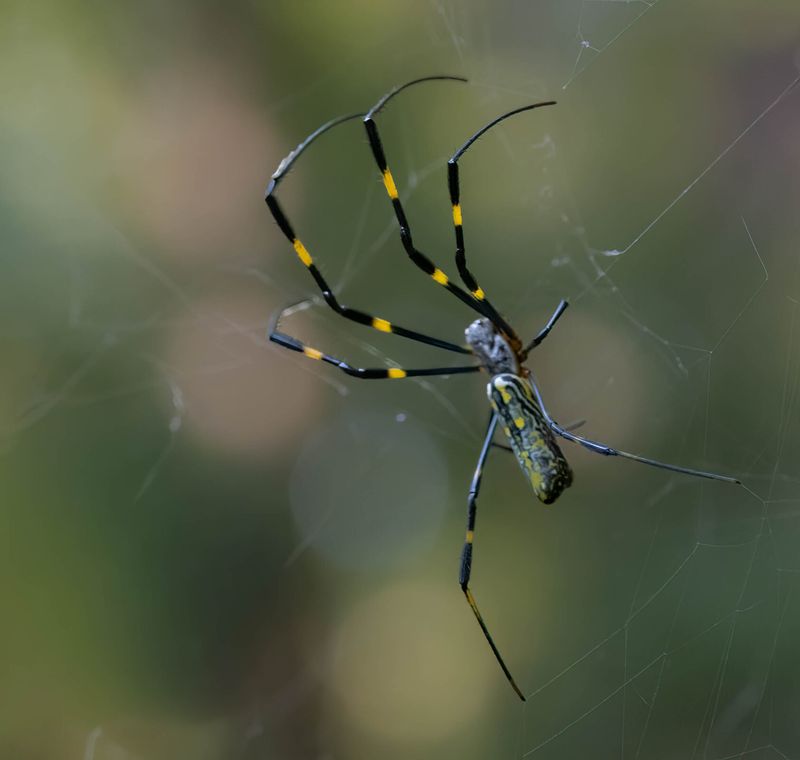
Here is a fun bit of science from UGA. Researchers found that Joro spiders have a higher metabolism and heart rate than their close relative, the golden silk spider found along the Gulf Coast.
That faster engine seems to help them cope with chilly weather. In lab tests, Joros also survived brief freezing exposure better than their cousins.
This hints at why they are thriving in north Georgia instead of staying in warmer southern spots.
Their native range in Japan, China, Korea, and Taiwan includes places with cold winters similar to ours. So a frosty Georgia January is not a big shock to the species.
The eggs and spiderlings benefit from this toughness too. Silk layers, sheltered locations, and natural cold tolerance work together.
A few freezing nights rarely set the population back much.
Scientists still have open questions about how far north Joros can spread. Some predict they could reach much of the eastern United States, but that remains a model, not a certainty.
For now, it helps to expect them back each spring. A cold winter in your area is unlikely to make them disappear.
5. Tiny Spiderlings Pop Out When Spring Warms Up
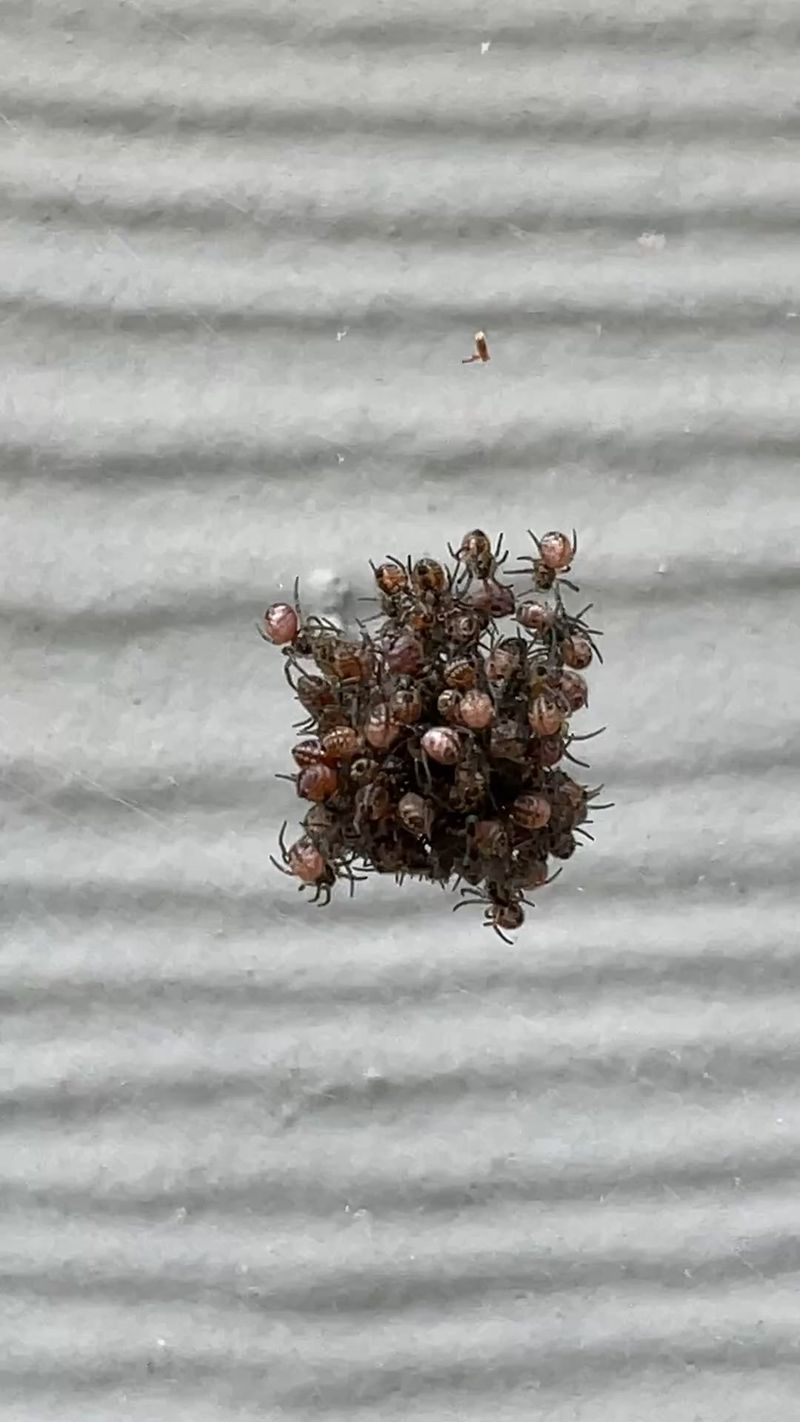
Spring brings more than azalea blooms around here. Sometime around April or May, depending on the weather, thousands of baby Joros leave their winter sacs.
They are incredibly small at first, often just a speck you could mistake for dust. Many spiderlings are pale or yellowish with darker markings.
You may spot a tight cluster of them sitting on a strand of silk.
Warmer days line up with a rise in small insects. That gives the youngsters plenty of food as they start building their first tiny webs.
Through summer, they molt several times and grow steadily.
Most people do not notice Joros until late summer. By August and September, females get big, bright, and hard to miss.
That is why it can feel like they appear out of nowhere.
Honestly, I enjoy watching the little ones on my fence each spring. They look fragile, yet they become the giants that decorate the garden by fall.
If you see a cloud of babies, there is no reason to panic. Many will scatter quickly, and not all will make it to adulthood.
6. Baby Joros Ride the Wind on Silk Threads
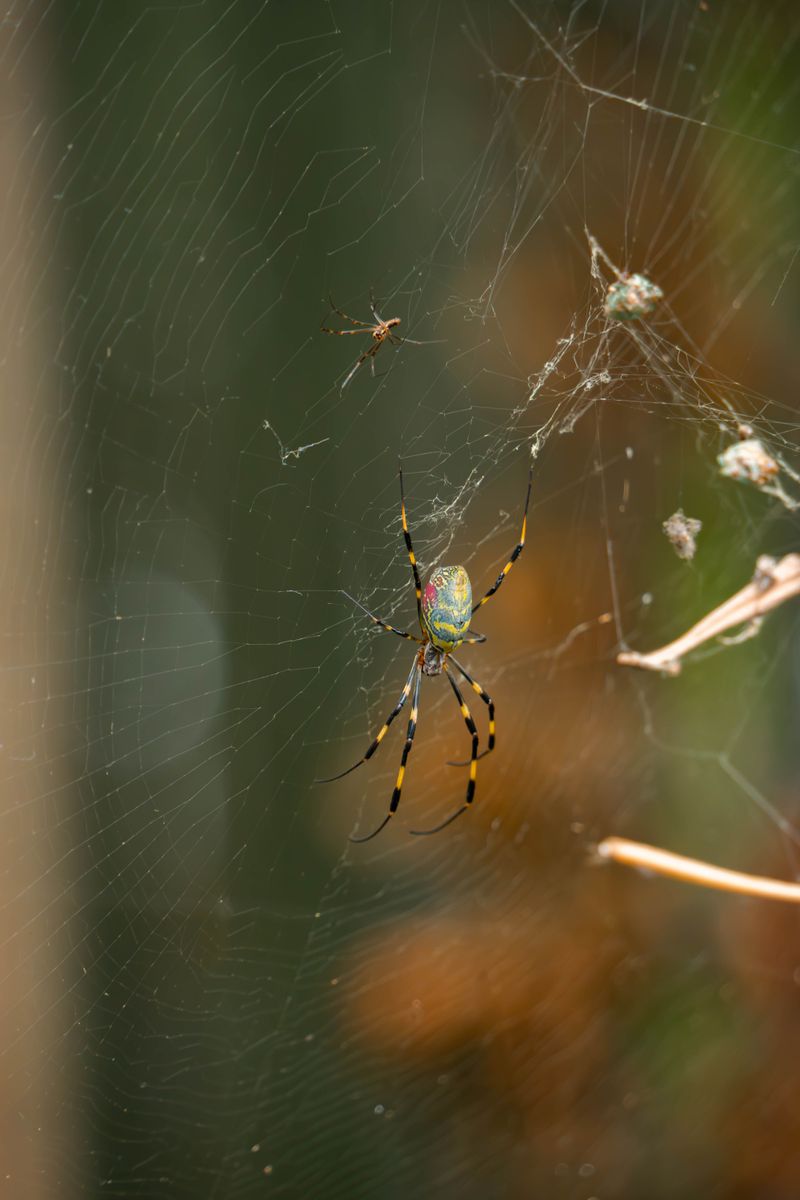
Spiders that fly? Sort of.
Young Joros use a trick called ballooning, and it is one of the coolest things in the garden.
A spiderling climbs to a high point, lifts its belly, and releases thin strands of silk. Breezes and even electric charges in the air can lift it away.
Off it goes, drifting to a new home.
Most trips are short, but some can carry spiderlings much farther. Scientists believe ballooning plays a big role in how Joros spread across Georgia and into nearby states.
People also move them by accident on cars, trucks, and shipped items.
This explains why your yard might have Joros one year even if you never saw them before. The babies simply floated in from somewhere else.
You can sometimes spot ballooning on sunny spring mornings. Look for shiny threads catching the light on fences, grass tips, or mailbox posts.
It also means removing every egg sac on your property will not keep them away for good. Neighbors, nearby woods, and passing breezes can send fresh arrivals your way each spring.
7. Scraping Off Joro Egg Sacs Is Your Choice to Make
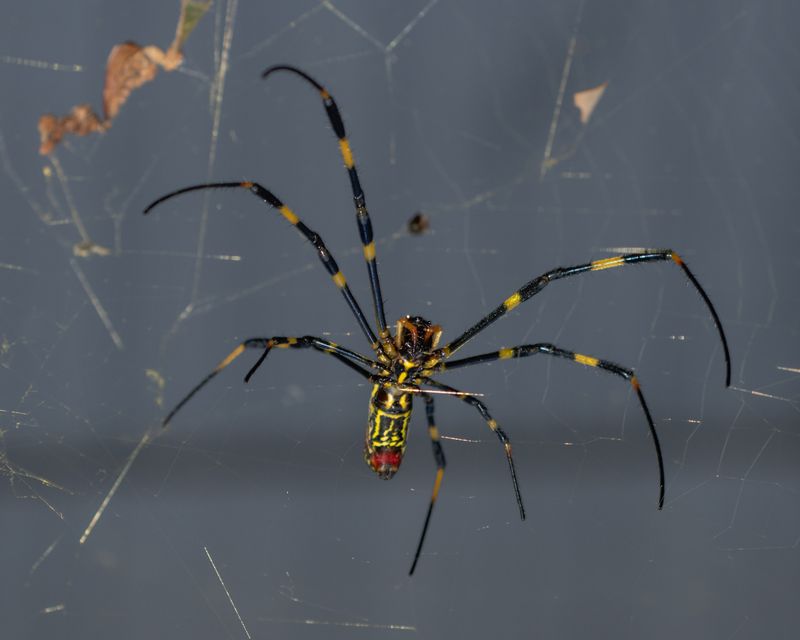
So you found a sac on your porch. Now what?
Removing egg sacs is the simplest winter step if you want fewer Joros near doors and walkways. Wear gloves, scrape the sac into a bag, seal it, and toss it in the trash.
Squashing it works too.
Experts at UGA mostly encourage people to stay calm about these spiders. Joros are venomous like nearly all spiders, but their fangs are small and they are shy.
Bites are rare, and they are not considered a medical concern for most people.
Spraying pesticides is usually not recommended. Broad sprays harm helpful insects and pollinators, and they do little to stop spiders floating in next spring.
A balanced approach works well for many gardeners. Clear sacs from high-traffic areas like doorways and car spots.
Leave ones in out-of-the-way trees if they do not bother you.
Also, Joros do eat pests. Researchers have seen them catch stink bugs, mosquitoes, and flies, though their wider impact on native species is still being studied.
Whichever path you choose, gentle and targeted beats panicked and chemical.
8. Your Winter Yard Notes Help Track the Spreading Joro
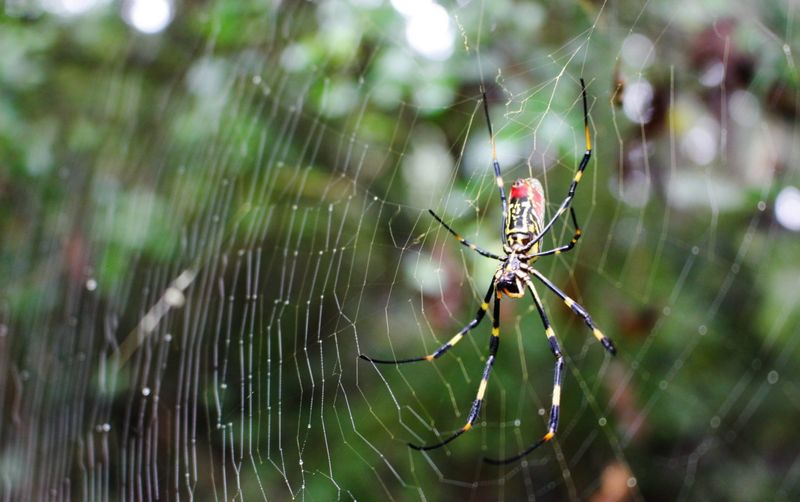
Winter is a great season to become a backyard scientist. With the webs gone, you can focus on spotting sacs and planning for spring.
Researchers rely on everyday people to map where Joros show up. Apps like iNaturalist let you snap a photo and share sightings.
These reports have helped scientists follow the spread from north Georgia into the Carolinas, Tennessee, Alabama, and beyond.
Jot down where you find sacs this winter. Compare that list with where big webs appear next fall.
Patterns often pop up around porch lights, tall shrubs, and fence lines.
You can also reduce spring surprises by trimming back overgrown corners near your house. Fewer cluttered spots means fewer prime web sites close to your door.
Most importantly, keep a sense of wonder. These spiders are newcomers, and scientists are still learning how they affect native wildlife.
Your observations add real value to that work.
Personally, I keep a little garden journal just for Joros now. It turns a creepy surprise into a seasonal story I look forward to each year.
Next spring, you might find yourself waiting for the babies too.