7 Things That Draw Black Bears To Pennsylvania Yards
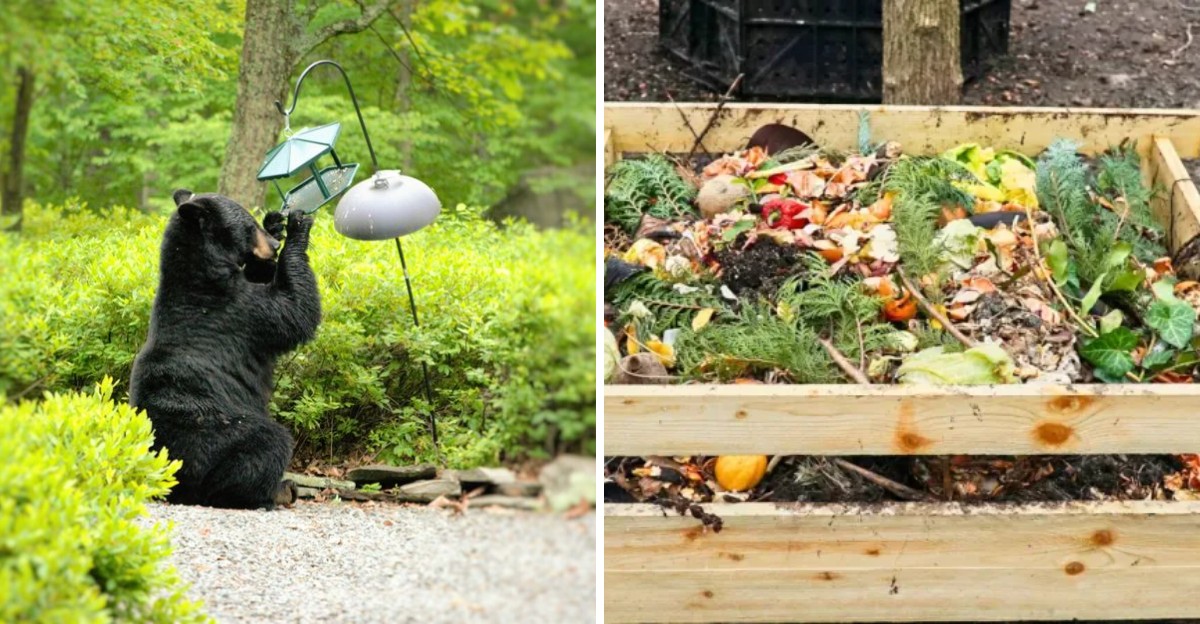
A black bear’s nose is often described as about seven times sharper than a bloodhound’s nose. That powerful sniffer can pull a hungry animal toward a backyard snack from surprisingly long distances away.
Pennsylvania supports a healthy population of these bears, with wildlife officials estimating roughly 18,000 to 20,000 animals. Bears in our state have been documented in every county, including some surprisingly suburban neighborhoods near busy towns.
I have to admit, I once thought only campers deep in the woods needed to worry about bear visits. Then I learned how many ordinary yard features quietly send out a dinner invitation to passing wildlife.
You might be surprised by which items made this list, because several sit in plenty of tidy gardens. Some of them might even be waiting outside your back door tonight, so are you ready to take a look?
1. Smelly Garbage Cans Left Outside Overnight

Bear experts often call garbage the number one reason bears wander into neighborhoods and start causing trouble. One tipped can full of leftovers can teach a young bear that houses mean easy, reliable meals.
I learned to respect trash cans after hearing about neighbors cleaning up shredded bags across their lawns at sunrise. Bears rarely need to break anything, because a flimsy lid or loose bag usually opens with one paw.
Storing your cans inside a locked garage or sturdy shed makes a big difference for keeping bears moving along.
If indoor storage isn’t possible, consider a certified bear-resistant container built to handle curious claws and heavy pushing.
Timing matters too, so try placing trash at the curb on pickup morning instead of the night before. Bears often travel and feed after dark, which makes an overnight curbside can an especially tempting stop.
Rinsing food containers before tossing them helps reduce the strong odors that drift through warm evening air.
Recycling bins deserve the same care, since sticky peanut butter jars and soda cans still carry inviting smells.
Cleaning your cans with a little bleach or ammonia solution now and then can cut down lingering scents. Freezing meat scraps until trash day is another easy trick that keeps the smelliest waste out of reach.
Once a bear finds food in garbage, it often returns again and becomes harder to discourage over time. A few small habits from you can help keep that bear wild and safely wary of people.
2. Black Bear Raiding A Backyard Bird Feeder
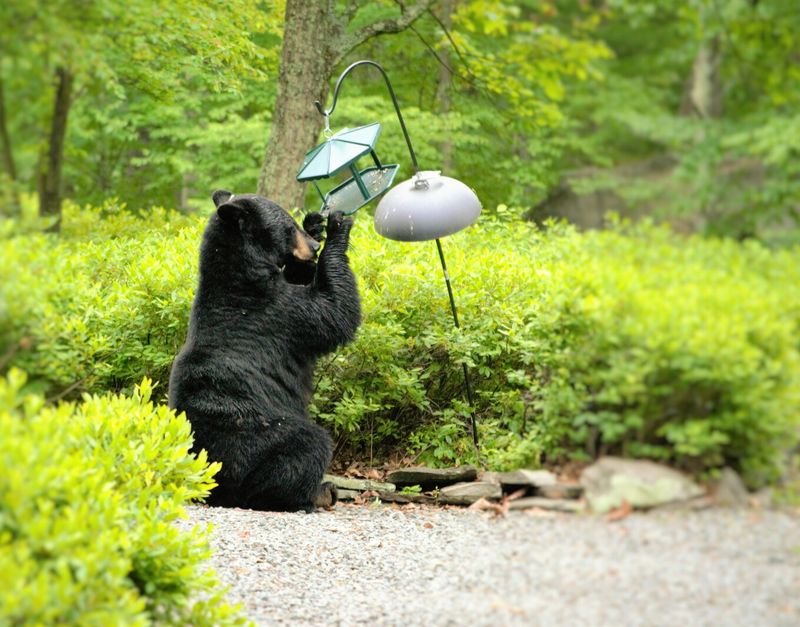
Few sights match a big black bear standing tall to bat at a swinging tube of sunflower seeds. Bird feeders pack a surprising number of calories, and bears seem to remember exactly which yards hang them.
Honestly, I adore watching chickadees and cardinals, so this one stings a little for every bird lover out there. Still, a single filled feeder can offer a bear more easy energy than an hour of natural foraging.
The Pennsylvania Game Commission suggests removing feeders when bears are active, which usually runs from spring into late fall.
Many bird lovers wait to hang feeders until bears settle into winter dens, often around December in our region.
Suet cakes and hummingbird nectar draw bears too, since both deliver rich fat or sweet sugar in compact form. Spilled seed under the feeder counts as well, so raking the ground clean helps reduce lingering temptation.
If you truly cannot part with summer feeders, bring them indoors every evening before the sun goes down.
That habit isn’t foolproof, though, because some bears visit during daylight once they discover a dependable snack spot.
Planting native flowers and shrubs is a lovely way to keep birds around without offering a bear buffet. Coneflowers, serviceberry, and native grasses can provide seeds, cover, and insects that many backyard birds happily enjoy.
Birds tend to cope just fine without feeders during warmer months, since natural food is plentiful then. Your feathered friends will likely return quickly once you hang those feeders again in the colder season.
3. Dog And Cat Food Bowls Left On The Porch
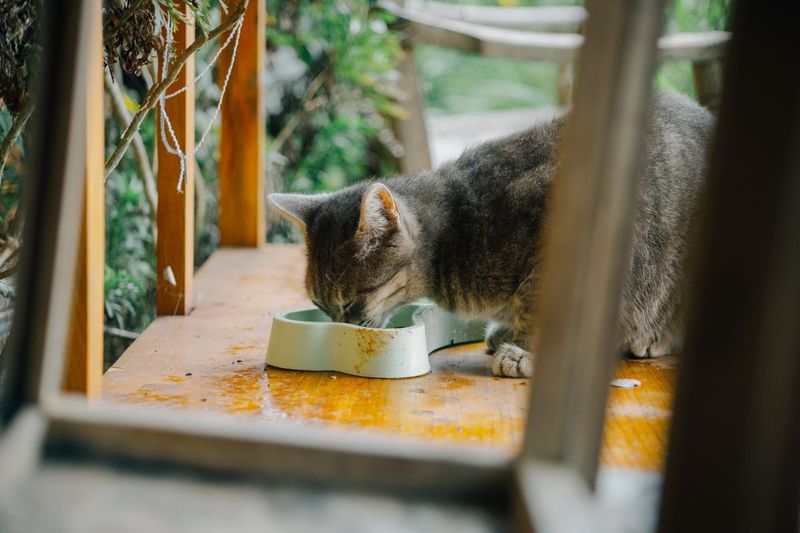
A bowl of kibble on the porch looks harmless, yet it smells like a rich feast to a wandering bear. Pet food is packed with fat and protein, which makes it a quick, valuable meal for hungry wildlife.
To my surprise, even an empty bowl can hold enough scent to keep a curious nose sniffing around. Bears that find food on porches may grow bolder near doors, which isn’t safe for pets or people.
Feeding your dogs and cats indoors is the simplest fix, and it helps keep raccoons and skunks away too.
If outdoor feeding is unavoidable, offer only what your pet finishes during that single meal, then pick up the dish.
Storage deserves attention as well, since big bags of food tucked in a porch corner can draw serious interest. A locked garage or basement works far better than a plastic tub, which a determined bear can pry open easily.
Livestock and backyard animal feed falls into this category too, including goat pellets and rabbit food. Keeping every bag inside a sturdy, closed building helps reduce the odors that might travel toward the nearby woods.
I like how this tip protects pets in another way, because a bear visit can stress a barking dog. Many dogs try to chase wildlife, and that encounter can turn risky for an excited pup very quickly.
Bringing bowls inside takes only seconds after dinner, so it fits easily into most evening routines. Your pets still get their meals, and the bears keep looking for food somewhere far away from your door.
4. Greasy Barbecue Grills After A Summer Cookout
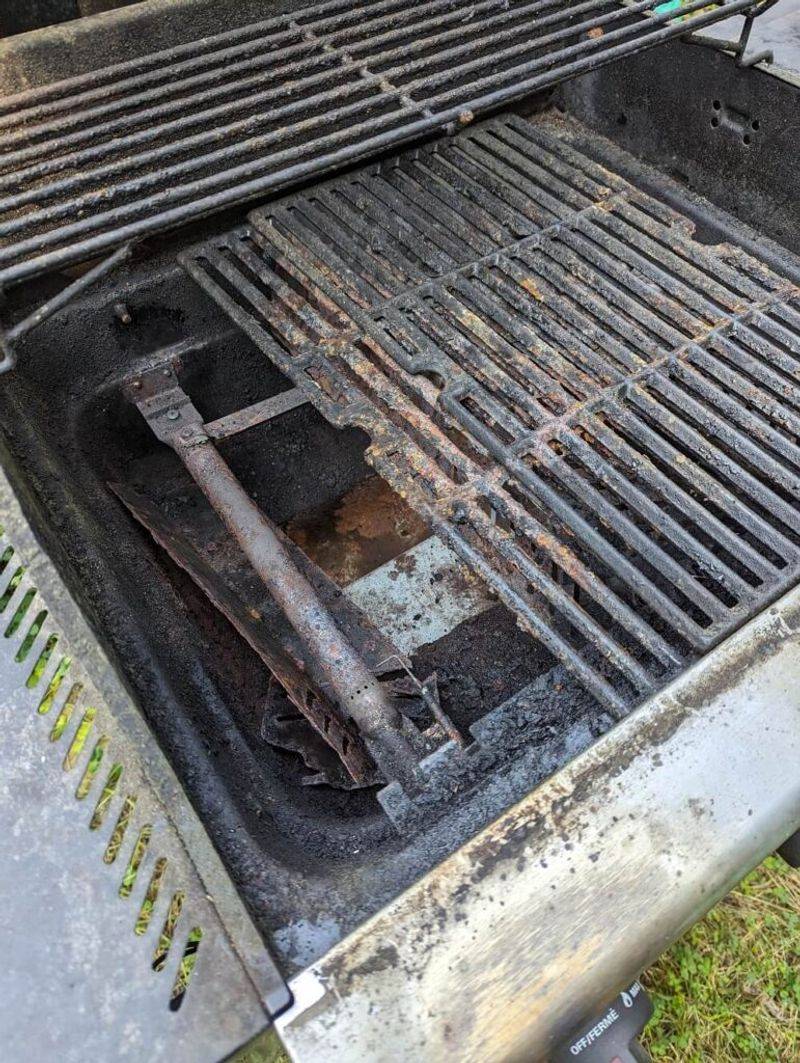
Burgers sizzling on the patio smell amazing to us, and bears seem to agree with surprising enthusiasm. Hours after the party ends, that greasy grill can still send tasty signals drifting into the surrounding trees.
I have to admit, scrubbing the grill is my least favorite cookout chore after a long, happy evening outside. Learning that bears will lick grates and knock over grills gave me plenty of motivation to grab the brush.
Running the burners on high for several minutes after cooking helps burn off sticky food bits stuck to the grates.
A good scrub afterward, plus emptying the grease trap, removes much of the smell that lingers on summer nights.
Drip pans fill up faster than most people realize, and that collected fat is especially attractive to wildlife. Wrapping used foil and grease in a sealed bag, then storing it inside until trash day, keeps temptation low.
Storing the grill in a garage or shed when possible offers extra protection between your weekend gatherings. A heavy cover helps somewhat, though it mainly reduces odors rather than truly stopping a strong, determined bear.
Outdoor dining leftovers matter too, so clear plates, napkins, and dropped bits of food before heading indoors. Coolers and sweet drinks left on picnic tables can also pull a curious bear closer to your house.
Believe it or not, a clean grill often lasts longer and cooks better, which feels like a nice bonus. Your next cookout will taste just as delicious, and your backyard will feel much less like a bear restaurant.
5. Backyard Compost Piles Full Of Kitchen Scraps
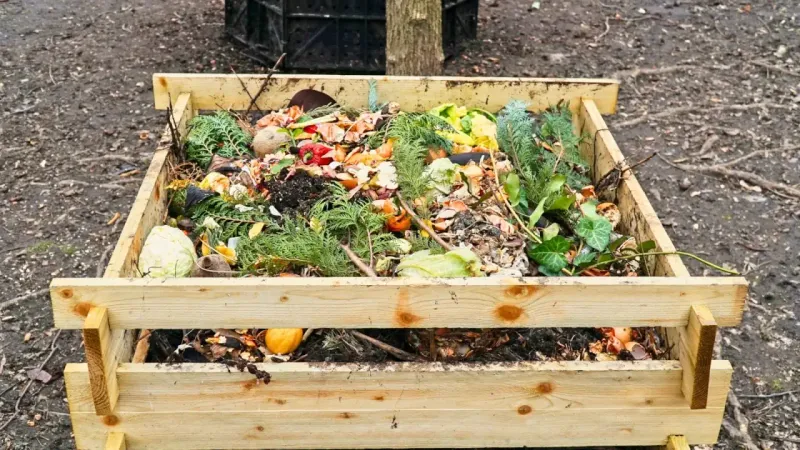
Gardeners love compost for building rich soil, but bears often treat an open pile like a free salad bar. Melon rinds and apple cores give off sweet smells that can travel quite far on a warm breeze.
Personally, I would never give up composting, because my vegetable beds thrive on that crumbly dark material. A few smart changes helped me keep the benefits while making the pile far less inviting to large visitors.
Leave out meat, bones, dairy, and greasy leftovers, since those items create the strongest odors and attract wildlife fastest. Fruit and vegetable scraps can still go in, but burying them under leaves or straw helps hide the smell.
Turning the pile regularly speeds up decomposition, which means food scraps break down before they become a smelly snack.
Adding plenty of brown materials, like shredded leaves or cardboard, also balances moisture and keeps odors under control.
Enclosed compost bins offer more protection than open heaps, especially sturdy designs with tight lids and solid sides.
Some Pennsylvania gardeners surround compost areas with electric fencing, which can teach bears to keep their distance.
Location makes a real difference too, so place the pile away from your house when your yard allows it. Keeping kitchen scraps in a sealed container indoors until you add them also prevents smells from building up outside.
You’ll love how easy these tweaks feel once they become part of your regular gardening habits. Healthy soil and a calmer backyard can happily go together with just a little extra planning and care.
6. Ripe Apples And Berries Dropping In The Garden
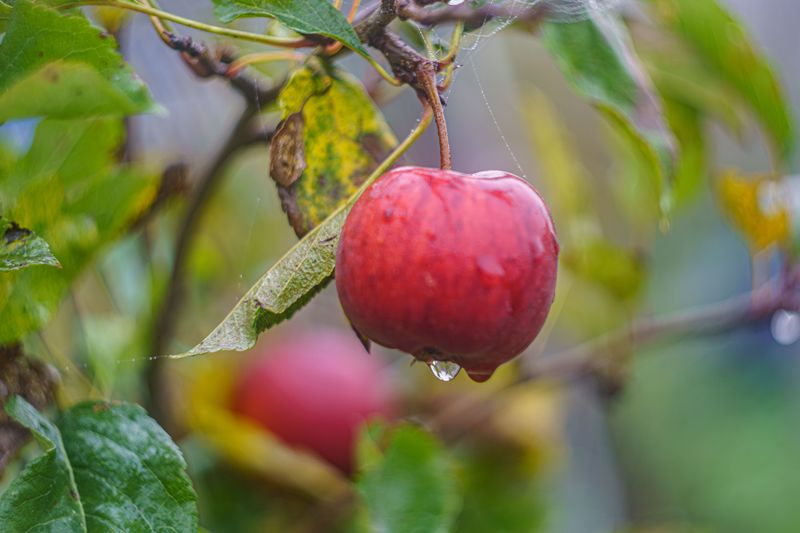
Fallen apples scattered under a tree can look like a cozy autumn scene, but bears see a loaded dinner table. In late summer and fall, bears eat heavily to build fat reserves before their long winter rest.
Scientists call this intense eating period hyperphagia, and a single bear may chase thousands of calories each day.
Backyard fruit trees, berry bushes, and sweet corn patches can easily become stops along that hungry journey.
Picking fruit as soon as it ripens is one of the best habits for keeping these visits to a minimum. Raking up dropped apples, pears, and peaches every few days removes the sweet fermenting smell that bears follow.
Berry lovers face a similar challenge, since blueberries and raspberries rank high on a bear’s natural menu.
Harvesting often and sharing extra produce with neighbors or food pantries feels better than leaving it on the ground.
Electric fencing has a strong track record for protecting orchards, berry patches, and vegetable gardens from bear damage.
Many experts recommend baiting the wire with a dab of peanut butter so bears learn the zap with their noses.
Choosing tree locations wisely can help too, since fruit planted close to wooded edges may get more visits. If you are planning new trees, consider spots nearer the house where you can watch and harvest easily.
I truly believe homegrown fruit is worth the effort, even with a few hungry neighbors nearby. A little extra cleanup each week lets you enjoy those sweet harvests without inviting a bear to share them.
7. Backyard Beehives And Chicken Coops Without Fences
Honey gets all the attention in cartoons, but bears actually seem just as eager for the protein-rich bee larvae. A toppled hive can leave frames scattered across the grass and a very unhappy beekeeper the next morning.
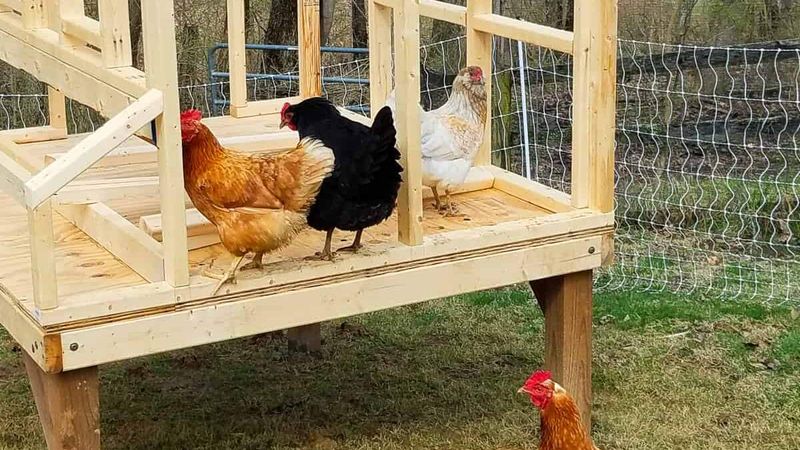
Backyard chickens face similar risks, because bears may go after eggs, birds, and bags of poultry feed. I love fresh eggs as much as anyone, so protecting the flock feels like a smart part of the hobby.
Electric fencing is widely considered the most effective way to protect hives and coops from bear visits.
Wildlife agencies often recommend several strands of wire, with the lowest strand placed close to the ground.
Maintaining the fence matters just as much as installing it, so check the voltage and trim weeds regularly. Tall grass touching the wire can drain power and weaken the zap that teaches bears to stay away.
Storing chicken feed in sealed metal containers inside a locked building helps cut down on tempting smells. Closing birds into a sturdy coop each night also adds protection, since many bear visits happen after dark.
Here’s a fun twist for beekeepers, since well-placed hives on raised platforms still need fencing to stay protected. Bears are skilled climbers, so height alone rarely keeps a determined animal from reaching those sweet frames.
Contacting the Game Commission for guidance can be helpful if bears keep returning to your property. Their staff can share local advice, and you can learn which fencing setups work best in your area.