Georgia Gardeners Should Wait Before Planting These Spring-Flowering Bulbs
Bulb displays are planned months before the first flowers appear, but getting an early start is not always helpful. Some bulbs perform better when planting waits for cooler conditions.
Warm ground can keep certain spring bloomers from settling into the seasonal rhythm they need.
That matters in Georgia, where September can still bring heat even as garden centers fill with bulbs. The package may say fall planting, but fall weather does not arrive everywhere on schedule.
Let the soil and local conditions guide you instead of rushing to fill every open space.
Waiting longer can give these bulbs a more suitable beginning without putting their spring show at risk. Timing is part of the preparation.
Know which bulbs benefit from patience, and save their planting day for the right moment.
1. Save Daffodils For The Cooler Planting Weather Ahead
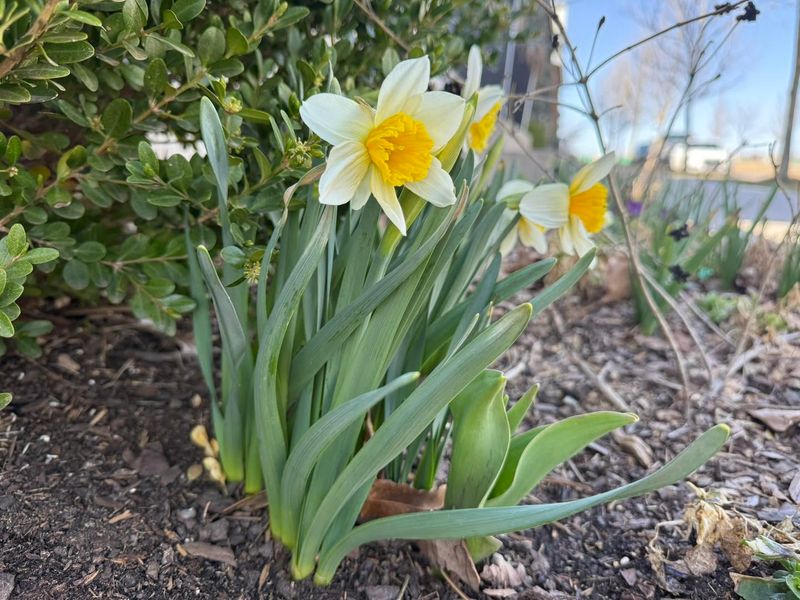
Daffodils forgive a lot, but warm soil is not on that list. Bulbs pushed into hot ground can sit there sulking, and some rot before roots ever form.
October through late December is the general planting window for spring-flowering bulbs in most of Georgia, so there is no need to rush daffodils into warm September soil.
Coastal gardeners can often wait until December without any trouble.
A simple soil thermometer settles the question faster than guessing. Once readings at four inches stay near 60 degrees, you’re in good shape.
Storage matters while you wait. Keep bags open in a cool garage or basement, never sealed in plastic where moisture builds up.
Southern gardeners tend to have better luck with older, heat-tolerant types. Jonquils, tazettas, and heirloom varieties like Ice Follies often naturalize where fussier hybrids fade after a season or two.
Drainage deserves more attention than fertilizer here. Heavy red clay holds water in winter, so raised beds or amended soil help bulbs come back reliably.
Plant roughly three times the height of the bulb, pointed end facing up. Deeper placement also keeps bulbs cooler during warm spells in January.
Skip the bone meal habit unless a soil test suggests you need phosphorus. Digging animals sometimes get curious about it.
Waiting a few weeks rarely delays bloom time, since daffodils respond to soil temperature and day length rather than your planting date.
2. September Is Still Early For Putting Tulips In The Ground
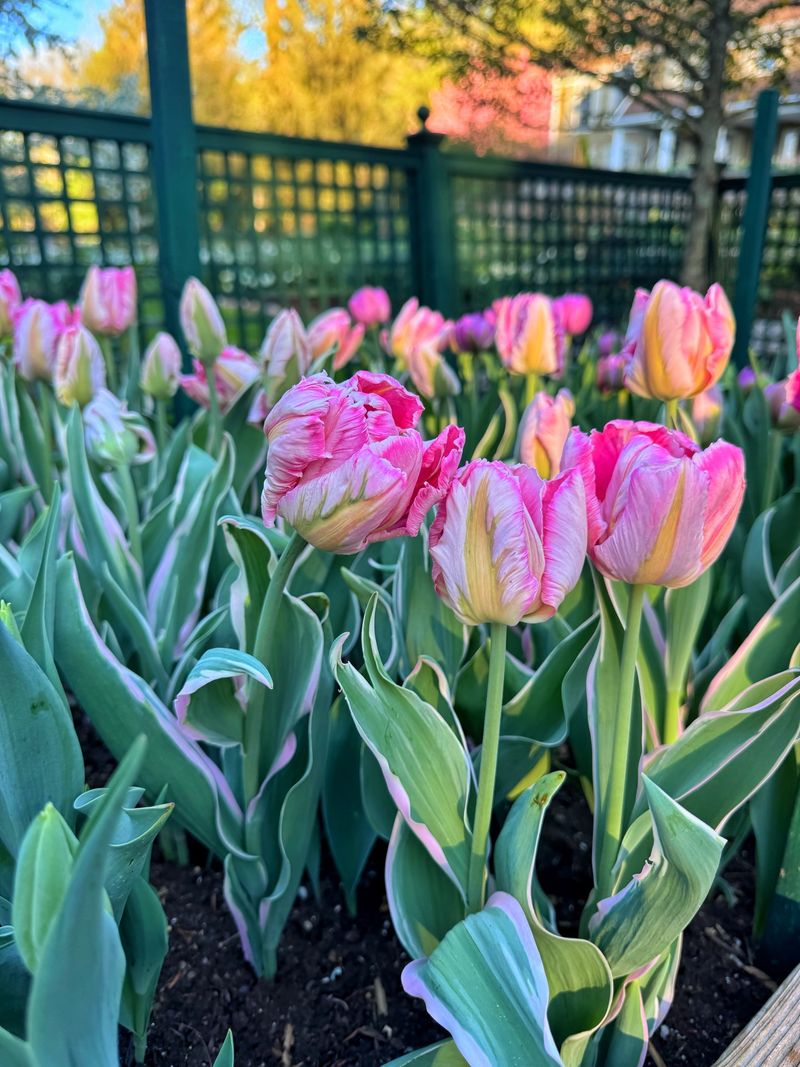
Tulips are the fussiest bulb on most Georgia shopping lists. Heat is their weak spot, and September soil in the Piedmont is still plenty warm.
Bulbs planted early often produce leaves without decent flower stems. Others soften underground before winter even starts.
Most tulips need about 12 to 14 weeks of chilling below roughly 45 degrees to bloom properly. Warmer parts of the state don’t always deliver that outdoors.
A refrigerator crisper works well for pre-chilling, as long as you keep ripening fruit out of the same drawer.
Ethylene gas from apples can damage flower buds inside the bulb.
Aim to plant in December once the ground has genuinely cooled. Some gardeners in warmer zones wait until just after Christmas.
Your Georgia Garden Changes Every Week. Your Plan Should Too.
Gardening in Georgia changes quickly throughout the season. Every Friday you’ll receive a simple weekly plan showing exactly what to plant, prune, fertilize, harvest, and protect so you never miss the right timing.
Treat tulips as annuals here and you’ll enjoy them more. Reblooming happens occasionally, but summer heat and humidity make it unpredictable.
Plant tulips about four to six inches deep, following the recommended depth for the bulbs you purchase. Group them in clusters rather than single lines for a fuller look.
Species tulips are the exception worth trying. Tulipa clusiana and similar wild types handle southern conditions better than tall Darwin hybrids.
Keep bulbs firm and dry until planting day, discarding any that feel spongy. A little patience beats a bed of leaves with nothing above them.
3. Hyacinths Benefit From Waiting Until Temperatures Begin To Drop
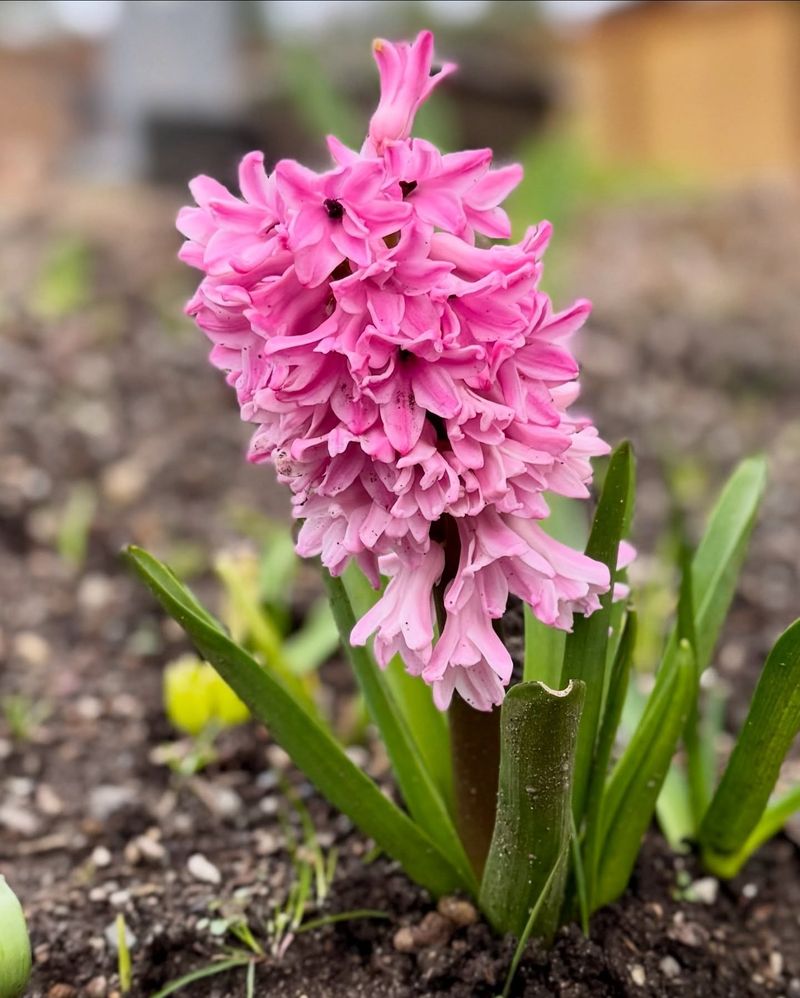
That heavy hyacinth perfume comes from a bulb that dislikes warm feet. Rushing them into September soil usually shortens the flower spike.
Cool soil triggers steady root growth, which supports those dense, upright blooms. Warm soil encourages fungal problems instead.
November into early December fits most of the state. North Georgia gardeners can start in late October when nights turn reliably cold.
Handle the bulbs with gloves if your skin is sensitive. Hyacinth skins contain crystals that leave some people itchy for an hour or two.
Full sun and sharp drainage produce the sturdiest stems. Soggy clay leads to floppy spikes that lean into the mulch after a rain.
Set bulbs about five to six inches deep and four inches apart. Tight spacing looks better than scattered singles once they open.
Expect strong performance the first spring and thinner spikes afterward. Southern summers tend to shrink hyacinth bulbs, so many gardeners replant every few years.
Chilling helps in warmer counties, similar to tulips. Six to ten weeks in a cool spot generally improves results, though outcomes vary with variety and weather.
Store unplanted bulbs in paper bags with airflow, checking them every couple of weeks. Mold usually means the spot is too humid.
Plant them near a walkway or doorway where the fragrance won’t go unnoticed.
4. Hold Crocuses Back Until The Main Bulb Season Begins
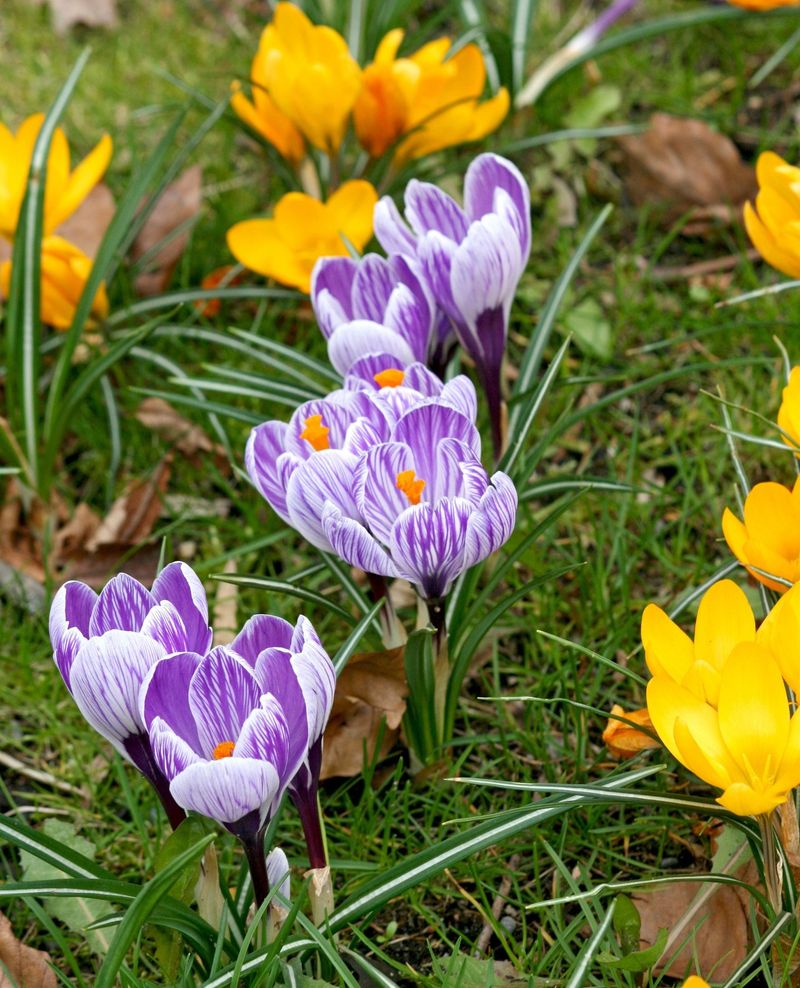
Crocus corms are small enough to plant in an afternoon, which makes early planting even more tempting. Their size also means they dry out fast in warm ground.
Hold them until soil cools, usually late October through November across Georgia. Corms planted then root quickly and settle in before hard freezes.
Depth is modest, roughly three to four inches, with the flat side down. Pointed side up if you can tell the difference.
Lawn plantings look wonderful, though timing your mowing matters. Foliage needs several weeks after bloom to feed the corm for next year.
Squirrels and chipmunks show real interest in freshly planted crocus.
A layer of chicken wire under the mulch discourages digging without harming the plants.
Snow crocus varieties tend to bloom earlier and multiply more freely than large Dutch types. Both work in the southern half of the state with decent drainage.
Plant in generous drifts rather than neat rows. Fifty corms in a cluster reads as a splash of color from the porch.
Bees appreciate the early nectar during warm February days. Few other flowers are open when crocus shows up.
Keep corms cool and dry until planting, since heat encourages premature sprouting. Shriveled corms rarely catch up once they go in.
Later planting also means fewer weeks of exposure to hungry wildlife.
5. Grape Hyacinths Fit Naturally Into Later Fall Planting Plans
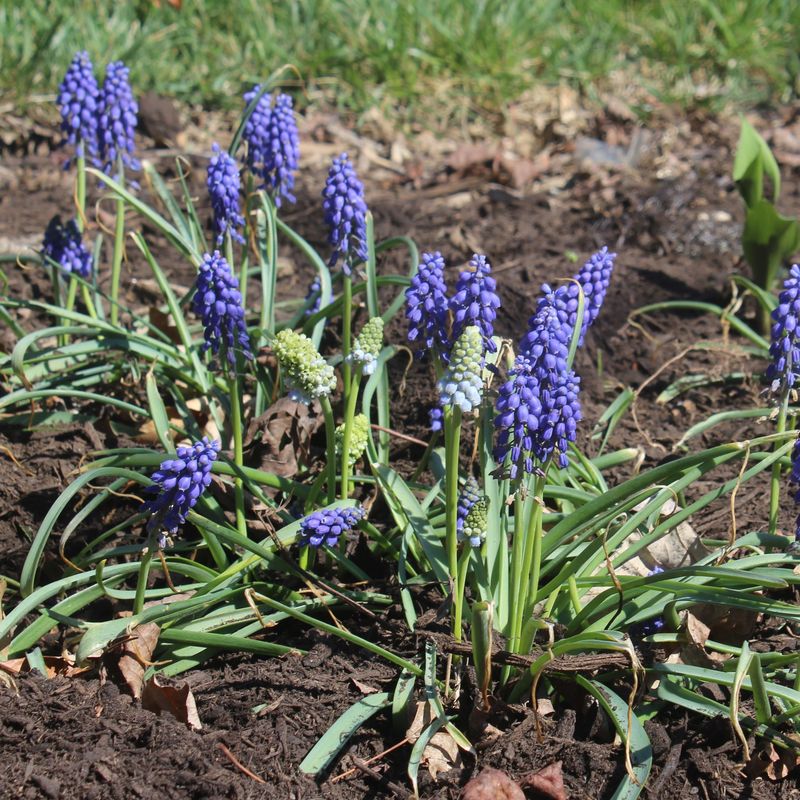
Muscari behave differently from other bulbs, and one habit surprises new gardeners. Leaves often appear in fall, long before any flowers show up.
Late planting keeps that foliage flush from arriving during a warm September stretch. November works well through most of the state.
Grape hyacinths tolerate more shade than tulips or hyacinths, especially light shade under deciduous trees. Bloom is still better with several hours of sun.
Bulbs are tiny, so plant them three inches deep and close together. Spacing of two to three inches gives that river-of-blue effect people love.
Georgia gardeners often find muscari naturalizes readily, sometimes spreading further than intended. Plant them where wandering clumps won’t be a problem.
Edges of walkways, bases of shrubs, and mixed borders all suit them. They also pair nicely with daffodils blooming at the same time.
Fall leaves may look untidy through winter, but leave them alone.
Cutting them removes the plant’s energy source.
Deer and rabbits generally pass them by, which is a real advantage in rural yards. No repellent needed in most cases.
Buy bulbs that feel firm, avoiding any with soft spots or heavy sprouting. Store them in a paper sack somewhere cool until the weather turns.
Once established, they usually need no fertilizer at all.
6. Glory Of The Snow Does Not Need A September Start
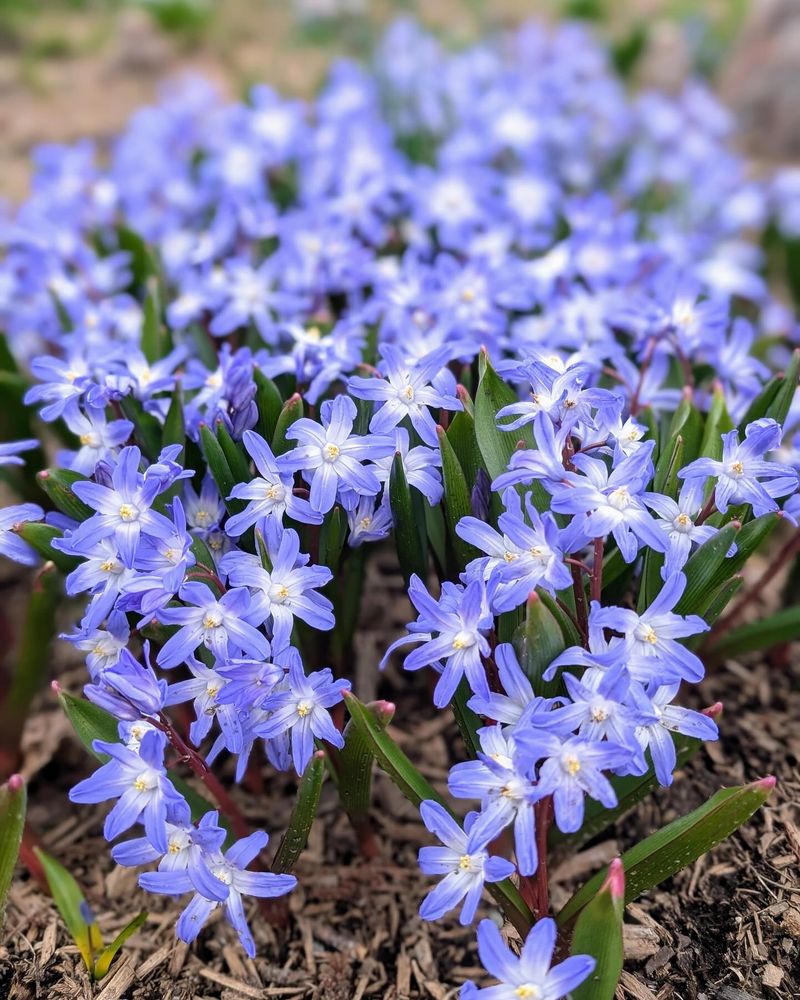
Chionodoxa gets overlooked at garden centers, which is a shame. Those little blue stars open early and multiply without much help.
Warm soil offers them nothing, so there’s no reason to plant in September. Wait for cooler nights in late October or November.
Bulbs are marble-sized and go in about three inches deep. Crowd them a bit, since sparse plantings look thin their first spring.
Partial shade suits them nicely, especially spots that get winter sun under bare trees. That describes plenty of yards in north Georgia.
Moisture in spring helps, but summer dryness is fine once foliage fades. Bulbs go dormant and simply wait.
Self-sowing happens over time, filling gaps between shrubs and along paths. Expect gradual spread rather than an instant carpet.
Skip heavy mulch directly over them, since thick layers can slow emergence. A thin leaf covering is plenty.
Colors range from soft blue to white and pale pink, depending on variety. Blue tends to read best from a distance.
Small bulbs dry out quickly in storage, so plant them within a few weeks of purchase. Keep the bag open and cool in the meantime.
Pair them with early daffodils for contrast in height. The combination fills a bed while larger perennials are still asleep.
7. Give Alliums More Time Before Setting Them Into Garden Beds
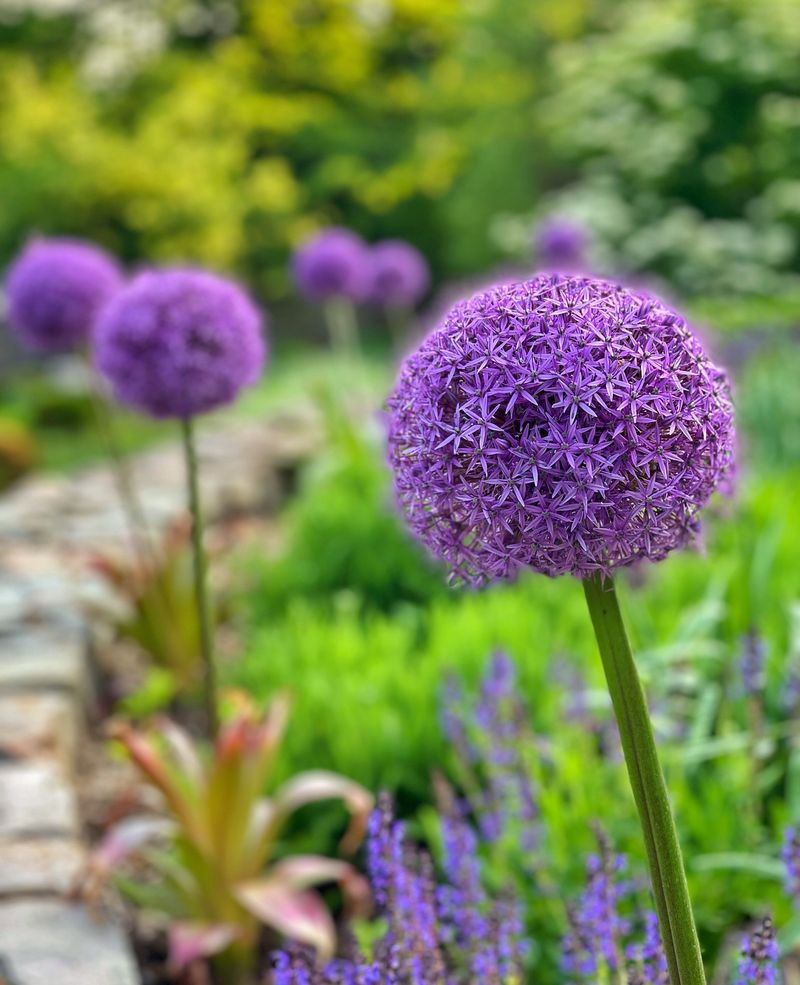
Those purple globes on tall stems draw questions from neighbors every spring. Getting them right starts with holding off until autumn cools down.
Allium bulbs are prone to rot in warm, damp soil. Planting in September stacks the odds against them.
Late October into November generally works, once daytime highs settle into the sixties and seventies. Timing shifts slightly by region.
Drainage matters more than almost anything else with alliums. Beds that stay wet in winter are a poor match, so consider raised planting.
Depth depends on bulb size, usually about three times the bulb’s height. Large types like Globemaster go six to eight inches down.
Deer and rabbits usually avoid them thanks to the onion scent. Gardeners in wooded parts of Georgia appreciate that trait.
Full sun keeps stems upright and flower heads full. Shade tends to produce leaning stalks and smaller globes.
Foliage yellows and flops while the flower is still going, which looks messy. Plant them behind daylilies or salvias to hide the base.
Dried flower heads hold their shape for weeks after the color fades. Some people leave them standing into early summer for texture.
Store bulbs in mesh or paper, checking for softness before planting. Firm, papery bulbs give the best results.
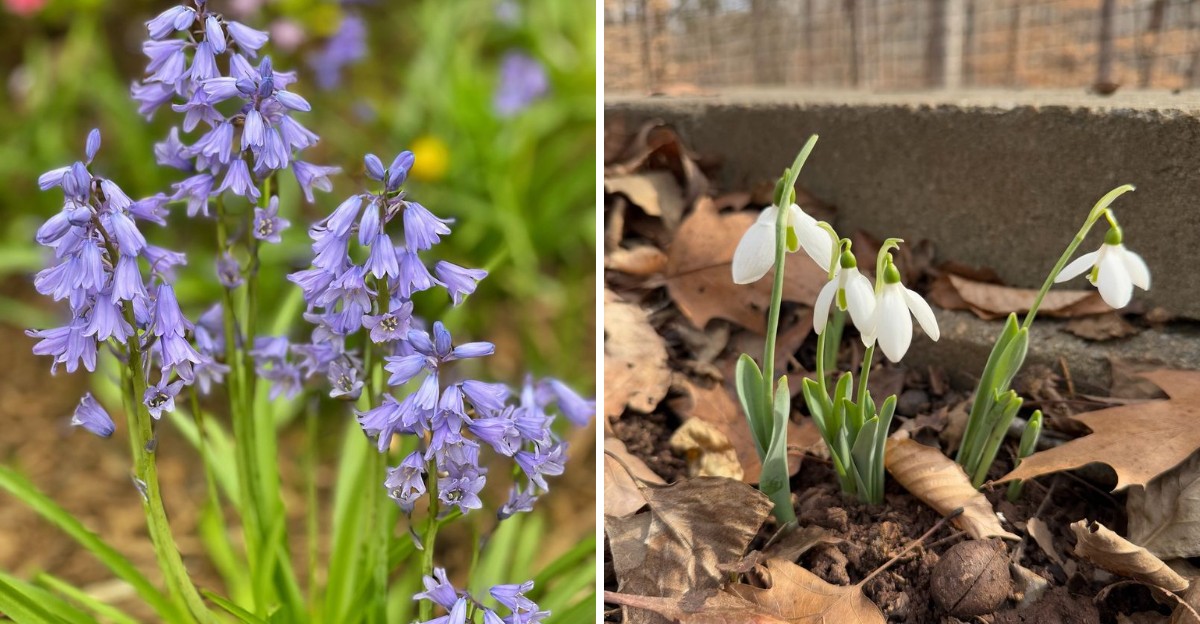
8. Cooler Fall Weather Brings The Right Time For Spanish Bluebells
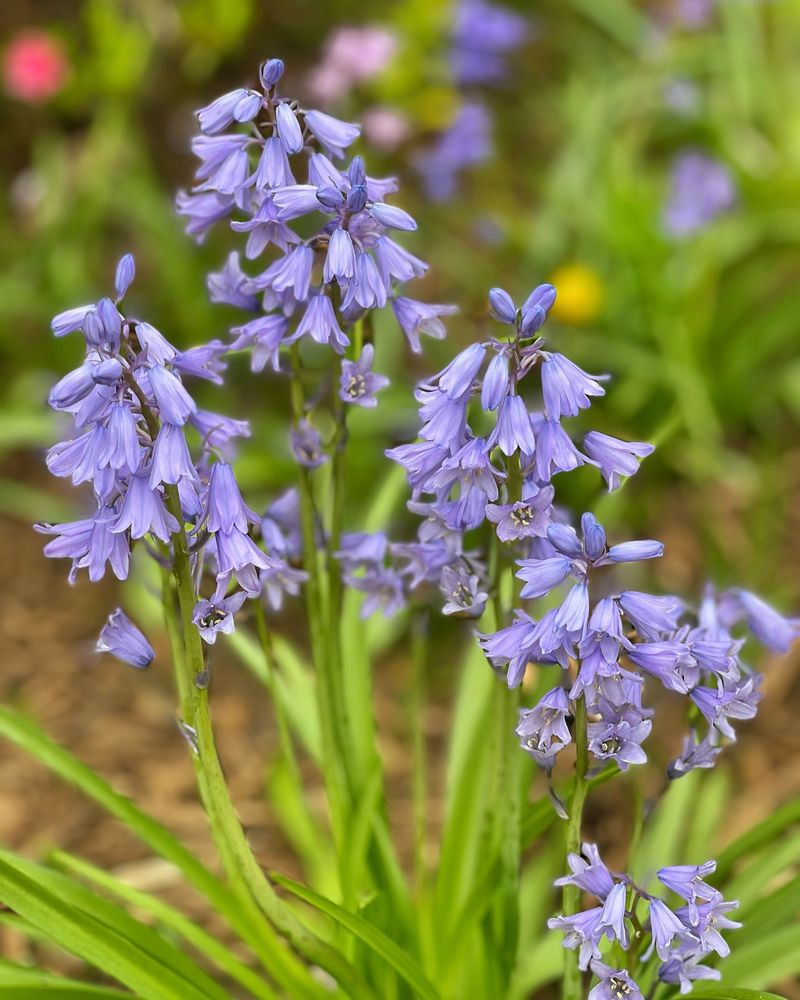
Reliable, shade-friendly, and almost carefree, Spanish bluebells earn their keep in southern yards. Still, they do better when planted after the soil cools.
Hyacinthoides hispanica handles heat better than English bluebells, which struggle in the Southeast. That makes it the smarter pick locally.
Plant in November for most of Georgia, adjusting a couple weeks either way by elevation. Bulbs root through winter and bloom around mid-spring.
Depth of four inches is about right, spaced four to six inches apart. Clumps look better than single specimens.
Shade under oaks, dogwoods, or along a north-facing fence suits them well. Deep, dry shade slows them down though.
Spreading is part of the deal, both by offsets and seed. Some gardeners consider that a feature, others a nuisance.
Keep them out of tidy formal borders where wandering plants cause headaches. Woodland edges and naturalized areas are a better fit.
Bulbs are soft-skinned and dry out faster than tulips or daffodils. Plant them within a few weeks of buying, and store them cool.
Flowers come in blue, white, and soft pink, with blue being the most common. All three combine well with ferns and hostas.
Leave the foliage until it yellows so the bulbs can rebuild strength for next year.
9. Snowdrops Have Plenty Of Time To Settle In Before Winter
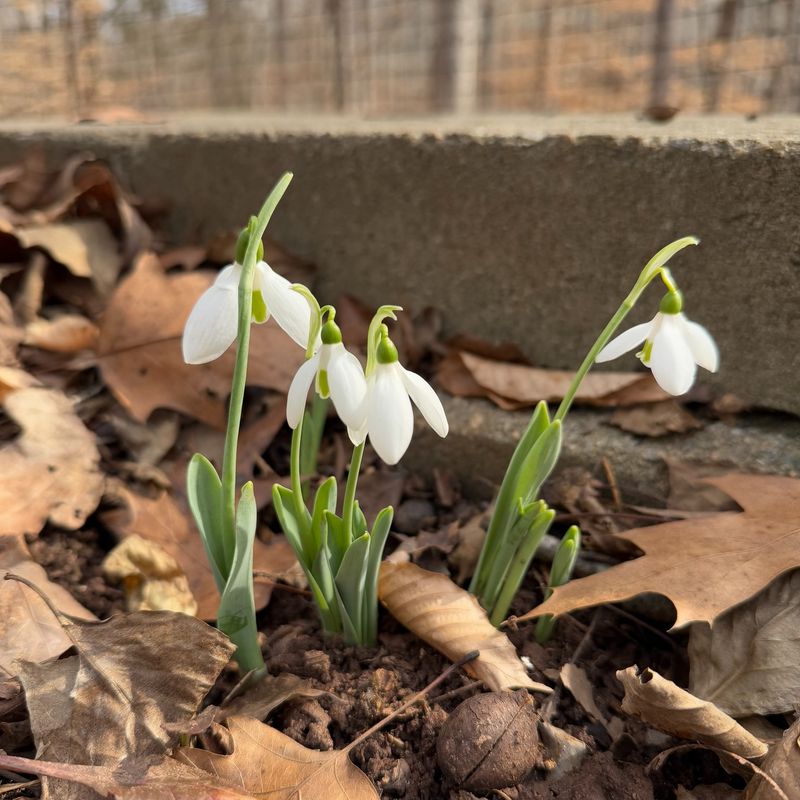
Snowdrops bloom when almost nothing else does, sometimes in January. That early show depends on cold, and cold is exactly what they need at planting time.
September soil is far too warm for these small bulbs. Waiting until November or even December improves their odds.
Galanthus prefers cool, shady spots with some moisture in winter and spring. North Georgia gardeners generally have better luck than those near the coast.
Plant about three inches deep in soil enriched with leaf mold or compost. Poor, dry ground rarely produces good clumps.
Dry bulbs can be unreliable, so buy from a source that sells firm, plump stock. Some growers offer them freshly dug in spring instead.
Once established, clumps slowly widen and can be divided after flowering. Moving them while leaves are still green tends to work best.
Squirrels usually leave snowdrops alone, and deer rarely bother them. That makes them handy along shaded foundation beds.
Expect modest results the first year. Bulbs often need a season to settle before putting on a real display.
Plant them where you’ll actually walk past in winter, since the flowers are small and nod downward. A path edge or doorstep bed shows them off.
A light layer of shredded leaves protects the soil without smothering the shoots.